10 Pink Flowers To Plant In Your Pennsylvania Garden This Spring
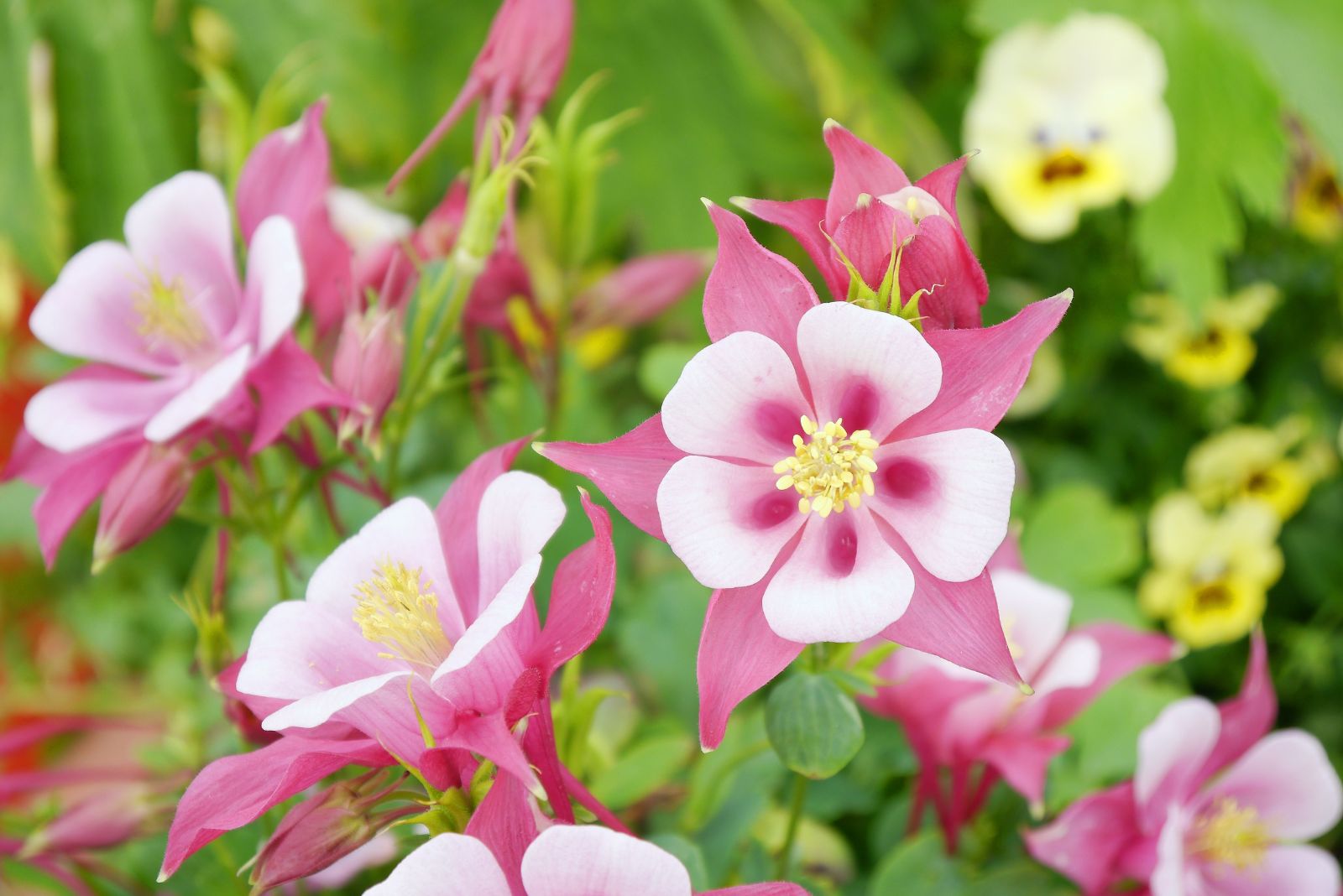
Spring in Pennsylvania brings a welcome burst of color after months of gray skies and quiet gardens. As the soil warms and new growth begins, many gardeners look for ways to brighten their outdoor spaces.
Pink flowers are a favorite choice because they add a soft, cheerful touch that feels fresh and uplifting. From pale blush tones to rich rosy shades, pink blooms can transform any garden bed into a lively display.
These flowers do more than look pretty. Many attract pollinators, support local wildlife, and thrive in Pennsylvania’s changing spring weather.
With the right selections, your garden can stay colorful from early bloom through late spring. Pink blossoms also pair beautifully with greens, whites, and purples, creating a balanced and inviting landscape.
Planting pink flowers this spring brings beauty, movement, and seasonal charm to your yard. A few thoughtful additions can make your garden feel brighter, warmer, and full of life as the season unfolds.
1. Pink Tulips
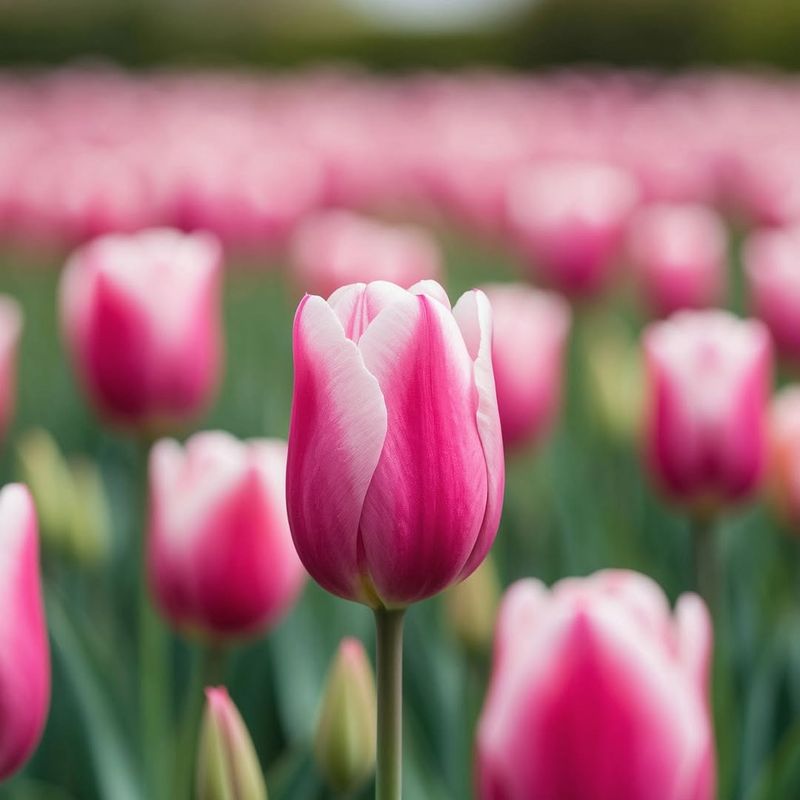
Tulips are one of the most recognizable spring flowers, and pink varieties bring a soft elegance to Pennsylvania gardens. These bulbs are planted in the fall, usually in October or November, before the ground freezes.
Once spring arrives, they push through the soil and open their beautiful cup-shaped flowers when temperatures warm up in April or May.
Pink tulips come in many shades, from pale blush to deep rose. Some have single-colored petals, while others feature stripes or edges in contrasting colors.
They grow best in full sun, which means they need at least six hours of direct sunlight each day. Well-drained soil is important because tulip bulbs can rot if they sit in water.
Most pink tulips reach heights between 12 and 18 inches, making them perfect for borders, flower beds, and even containers. They pair beautifully with other spring bloomers like daffodils and hyacinths.
After the flowers fade, let the leaves stay green until they turn yellow naturally. This helps the bulb store energy for next year’s blooms.
Pennsylvania’s cold winters provide the chill period tulips need to bloom properly. Plant bulbs about six inches deep and space them four to six inches apart for the best display.
2. Pink Peonies
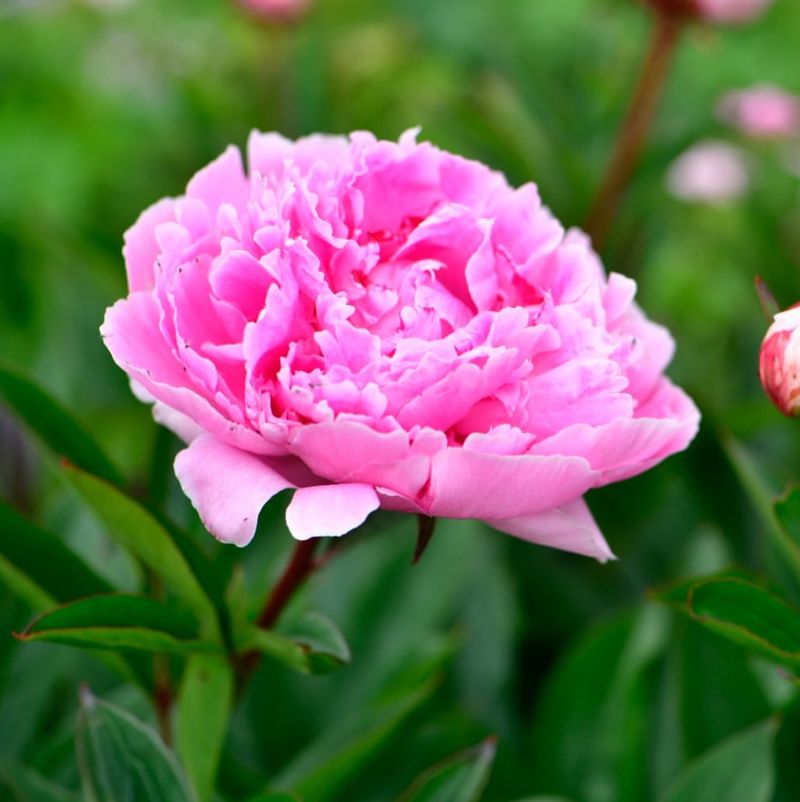
Few perennials match the beauty and longevity of peonies in Pennsylvania gardens. These plants can live for decades, often outlasting the gardeners who plant them.
Pink peonies produce enormous blooms that can reach five inches across, with layers of ruffled petals that look almost too perfect to be real. Their sweet fragrance fills the air in late May and early June.
Peonies are incredibly cold-hardy, which makes them ideal for Pennsylvania’s climate. They actually need cold winter temperatures to bloom well the following spring.
Once established, they require very little care beyond occasional watering during dry spells. The plants grow into bushy mounds about three feet tall and wide, with dark green leaves that stay attractive all summer long.
Pink peony varieties range from pale shell pink to deep coral shades. Some have single rows of petals with yellow centers, while double varieties are packed with petals that create a full, rounded shape.
Your Pennsylvania Garden Changes Every Week. Your Plan Should Too.
Gardening in Pennsylvania changes quickly throughout the season. Every Friday you’ll receive a simple weekly plan showing exactly what to plant, prune, fertilize, harvest, and protect so you never miss the right timing.
Plant peonies in fall or early spring in a spot with full sun and good drainage. They don’t like to be moved once established, so choose their location carefully.
Support the heavy blooms with peony rings or stakes to keep stems from flopping over after rain.
3. Bleeding Heart (Pink)
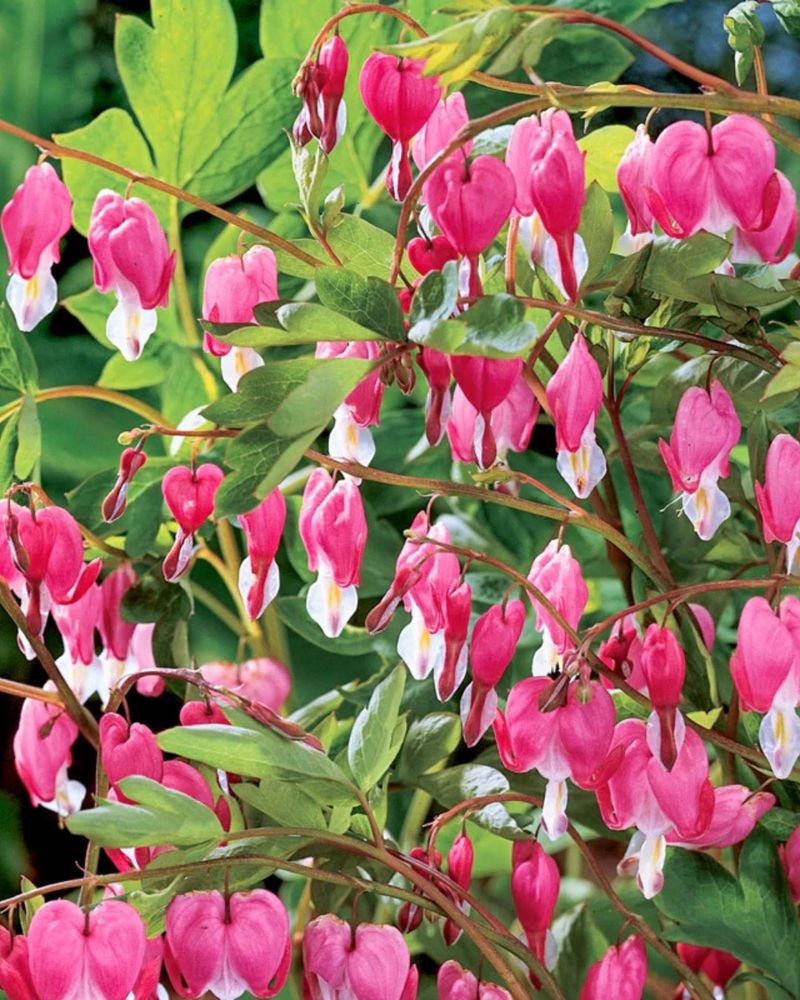
Bleeding hearts earn their name from the unique shape of their flowers, which look exactly like tiny pink hearts with a white drop at the bottom. These charming plants bring a touch of romance to shaded areas where many other flowers struggle to grow.
The blooms dangle from arching stems that can reach two feet long, creating a graceful display that sways gently in the breeze.
Pennsylvania gardeners love bleeding hearts for their ability to brighten up dim corners under trees or along the north side of buildings. They prefer partial to full shade and appreciate soil that stays consistently moist but not soggy.
The plants bloom in mid to late spring, usually starting in May. Their fern-like foliage is attractive even after the flowers finish blooming.
Pink bleeding hearts often go dormant in summer, especially if the weather gets hot and dry. The leaves turn yellow and disappear, but the plant isn’t gone.
It’s just resting underground until next spring. Plant hostas or ferns nearby to fill in the space after bleeding hearts go dormant.
These perennials spread slowly over time, forming nice clumps that can be divided every few years. They’re deer-resistant and rarely bothered by pests or diseases in Pennsylvania gardens.
4. Creeping Phlox (Moss Phlox)
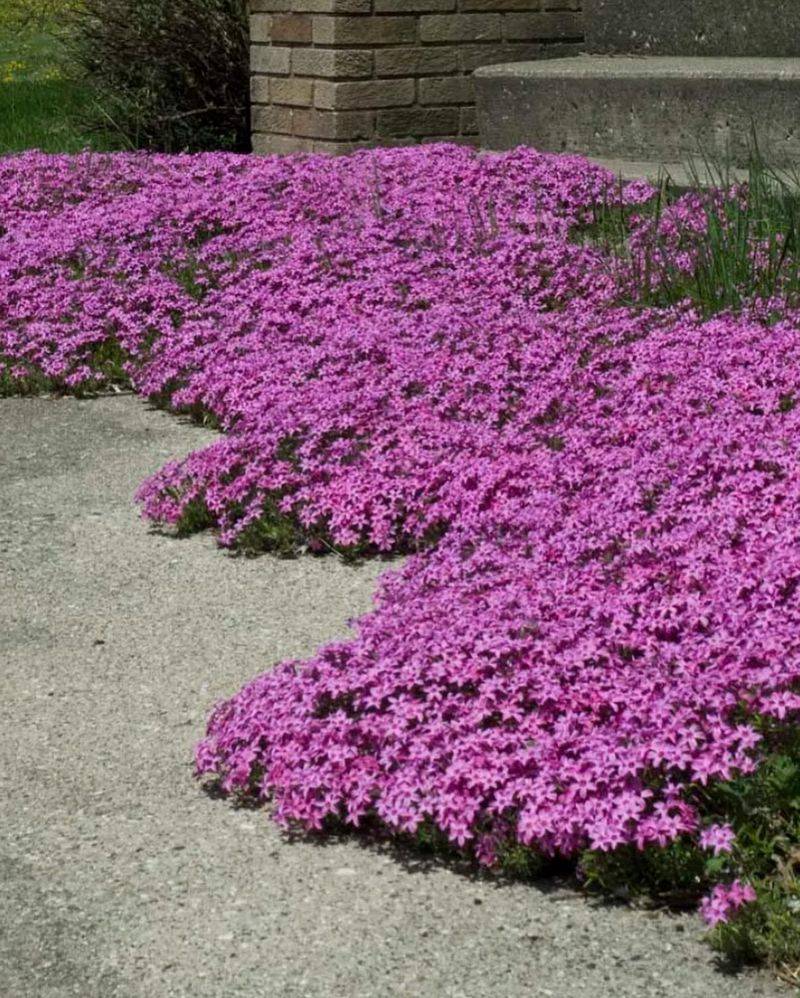
Creeping phlox transforms slopes and rock gardens into rivers of pink color every spring. This low-growing groundcover spreads outward instead of upward, forming dense mats that hug the ground.
When it blooms in April and early May, the tiny star-shaped flowers are so numerous they almost completely hide the needle-like foliage underneath.
Pennsylvania gardeners use creeping phlox to solve erosion problems on hillsides while adding stunning seasonal color. The plants are tough and drought-tolerant once established, making them perfect for sunny spots with poor soil.
They only grow about six inches tall but can spread several feet wide over time. The evergreen foliage stays green through winter in most parts of Pennsylvania.
Pink varieties of creeping phlox range from soft pastel to vibrant magenta. Some cultivars have darker pink centers that create a beautiful two-toned effect.
Plant them in full sun for the best flowering, though they’ll tolerate a bit of afternoon shade. Space plants about 12 inches apart and they’ll fill in within a couple of years.
After blooming finishes, trim back the plants by about one-third to keep them compact and encourage bushier growth. This simple maintenance helps prevent the centers from getting woody and bare.
5. Pink Azalea
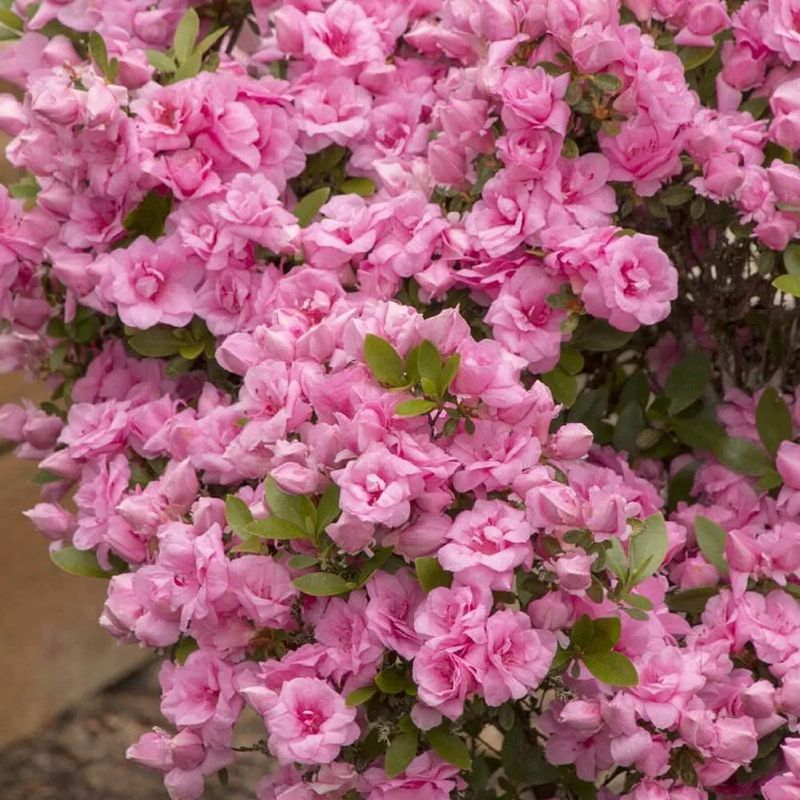
Azaleas are showstoppers when they bloom in mid-spring across Pennsylvania. These flowering shrubs become covered in so many blooms that you can barely see the leaves underneath.
Pink azaleas bring a bold splash of color that can be spotted from across the yard. The funnel-shaped flowers cluster at the ends of branches, creating rounded puffs of pink that last for several weeks.
These shrubs prefer acidic soil, which is naturally found in many parts of Pennsylvania. If your soil isn’t acidic enough, you can amend it with sulfur or use fertilizers designed for acid-loving plants.
Azaleas grow best in partial shade, especially protection from hot afternoon sun. Morning sun with afternoon shade is the perfect combination. They need consistent moisture, particularly during dry spells in spring and fall.
Pink azalea varieties range in size from compact types that stay under three feet to larger forms that reach six feet or more. Choose a variety that fits your space so you won’t need to do heavy pruning later.
Azaleas bloom on old wood, which means next year’s flower buds form soon after this year’s blooms fade. Prune right after flowering if needed, but avoid cutting them back in fall or winter.
Mulch around azaleas with pine needles or shredded bark to help maintain soil acidity and moisture.
6. Dianthus (Pink Pinks)
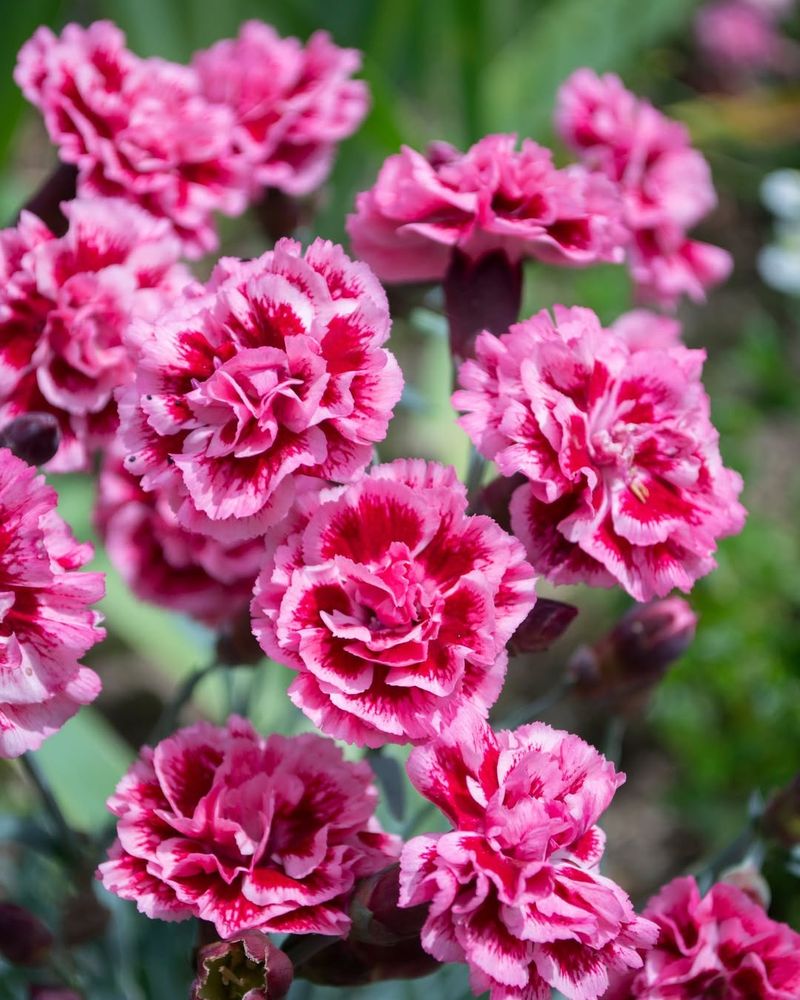
Dianthus flowers have been garden favorites for centuries, prized for their spicy-sweet fragrance and frilly petals. The common name “pinks” comes from the zigzag edges of the petals, which look like they were cut with pinking shears.
These compact plants form neat mounds of blue-green foliage that stay attractive all season long, even when not in bloom.
Pennsylvania gardeners appreciate dianthus for their long flowering period that starts in late spring and often continues into early summer. The flowers sit on short stems above the foliage, creating a colorful cushion effect.
Pink dianthus varieties include everything from pale cotton candy shades to deep raspberry tones. Some have contrasting eyes or edges that add extra interest.
These plants love full sun and need soil that drains well. They’re perfect for the front of borders, along pathways, or in containers on sunny patios.
Dianthus typically grow eight to twelve inches tall and spread about the same width. Remove spent flowers regularly to encourage more blooms throughout the season.
Most dianthus varieties are hardy perennials in Pennsylvania, returning year after year. They tolerate heat and drought better than many other spring bloomers. The fragrance is strongest on warm, sunny days and attracts butterflies to your garden.
7. Pink Hyacinths
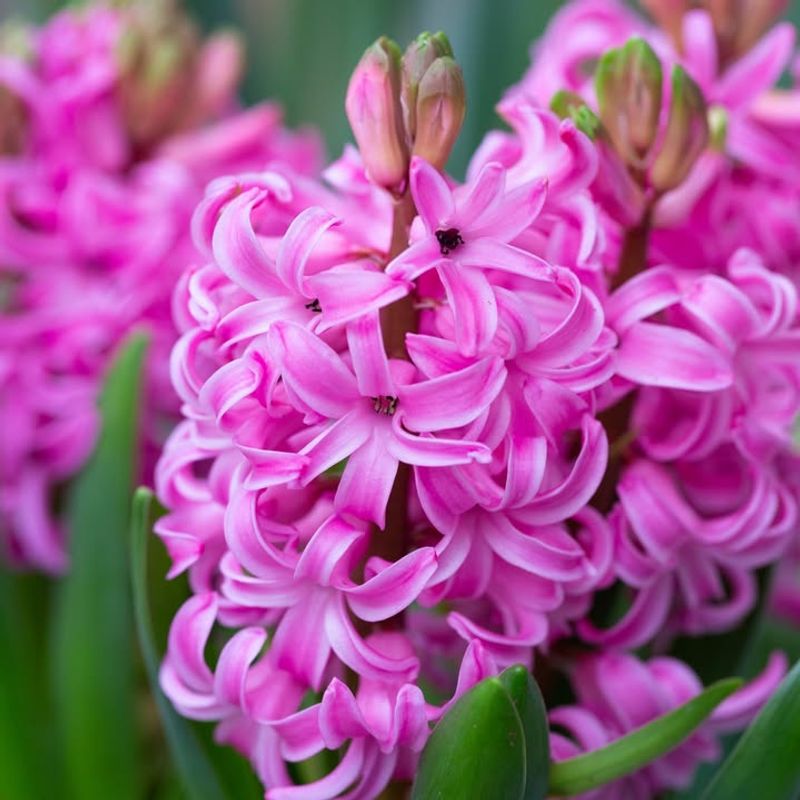
Hyacinths announce spring’s arrival with powerful fragrance that fills entire gardens. These bulbs produce dense flower spikes packed with small florets that open from bottom to top.
Pink hyacinths offer softer fragrance than some other colors, with sweet perfume that isn’t overwhelming. Just a few bulbs can scent a large area when they bloom in early to mid-spring.
Plant hyacinth bulbs in fall at the same time you plant tulips and daffodils. They need cold winter temperatures to bloom properly, which Pennsylvania provides naturally.
The bulbs should go about six inches deep in soil that drains well. Hyacinths grow best in full sun but tolerate partial shade, especially in warmer parts of Pennsylvania.
Pink hyacinth varieties include pale blush tones and deeper rose shades. The flower spikes reach eight to ten inches tall on sturdy stems that don’t need staking.
Plant them in groups of at least five bulbs for the best visual impact. They work beautifully in borders, containers, and even forced indoors for winter blooms.
After flowering, let the foliage turn yellow naturally before cutting it back. This allows the bulb to store energy for next year.
Hyacinths often bloom strongly for several years, though the flower spikes may become smaller over time. They pair wonderfully with other spring bulbs in Pennsylvania gardens.
8. Primrose (Pink Varieties)
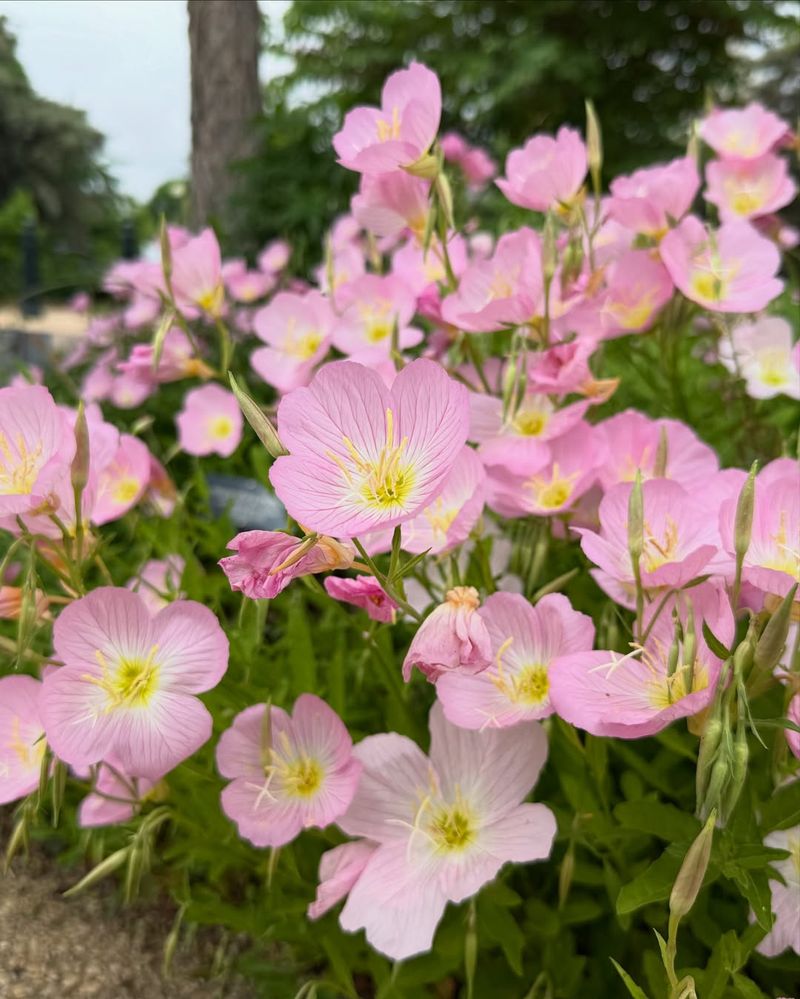
Primroses are among the earliest flowers to bloom in Pennsylvania gardens, sometimes appearing when snow is still melting. These cheerful plants produce clusters of flowers that sit just above rosettes of crinkled leaves.
Pink primroses bring gentle color to shaded areas where little else is blooming in early spring. The flowers have five rounded petals, often with yellow centers that create a pretty contrast.
Cool spring weather is perfect for primroses, which prefer temperatures that haven’t climbed too high yet. They thrive in partial shade and appreciate soil that stays moist but not waterlogged.
Pennsylvania’s spring rainfall usually provides enough moisture, but water them during dry spells. Primroses work beautifully in woodland gardens, along shaded pathways, or tucked under deciduous trees.
These plants typically grow six to eight inches tall and spread about the same width. Pink varieties range from pale shell pink to deeper rose shades.
Some have ruffled petals or darker edges that add extra charm. Primroses are perennials that return each spring, though they may decline in hot, dry summers.
Mulch around primroses to keep their roots cool and moist. They benefit from being divided every few years in fall or early spring.
Plant them where you can see them up close to fully appreciate their delicate beauty and subtle fragrance.
9. Columbine (Pink Varieties)
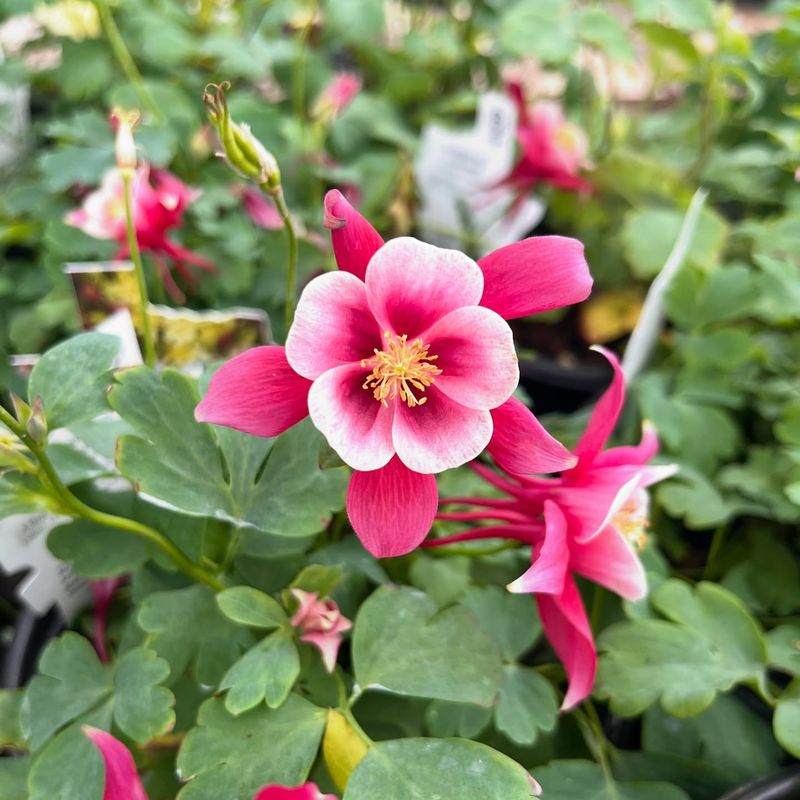
Columbines bring an airy, woodland charm to Pennsylvania gardens with their uniquely shaped flowers. Each bloom has five petals that extend backward into long spurs, creating a shape unlike any other spring flower.
Pink columbines nod gracefully on thin stems that dance in the slightest breeze. The flowers often have contrasting white or yellow centers that make them even more eye-catching.
Native columbine varieties grow wild in Pennsylvania forests, making cultivated types well-adapted to local conditions. They prefer partial shade and tolerate a range of soil types, though they perform best with good drainage.
Columbines bloom in late spring, usually May into early June, bridging the gap between early spring bulbs and summer perennials.
The plants form attractive mounds of blue-green leaves that look like larger versions of maidenhair fern foliage.
Pink columbine varieties include soft pastels and deeper rose shades, with some bicolors that combine pink with white or yellow. They typically reach 18 to 24 inches tall when blooming.
Hummingbirds and long-tongued bees love columbine flowers and visit them frequently. The plants self-seed readily in Pennsylvania gardens, creating natural-looking drifts over time.
Let some seed heads mature if you want more plants, or remove them to keep columbines tidy and prevent excessive spreading.
10. Pink Snapdragons
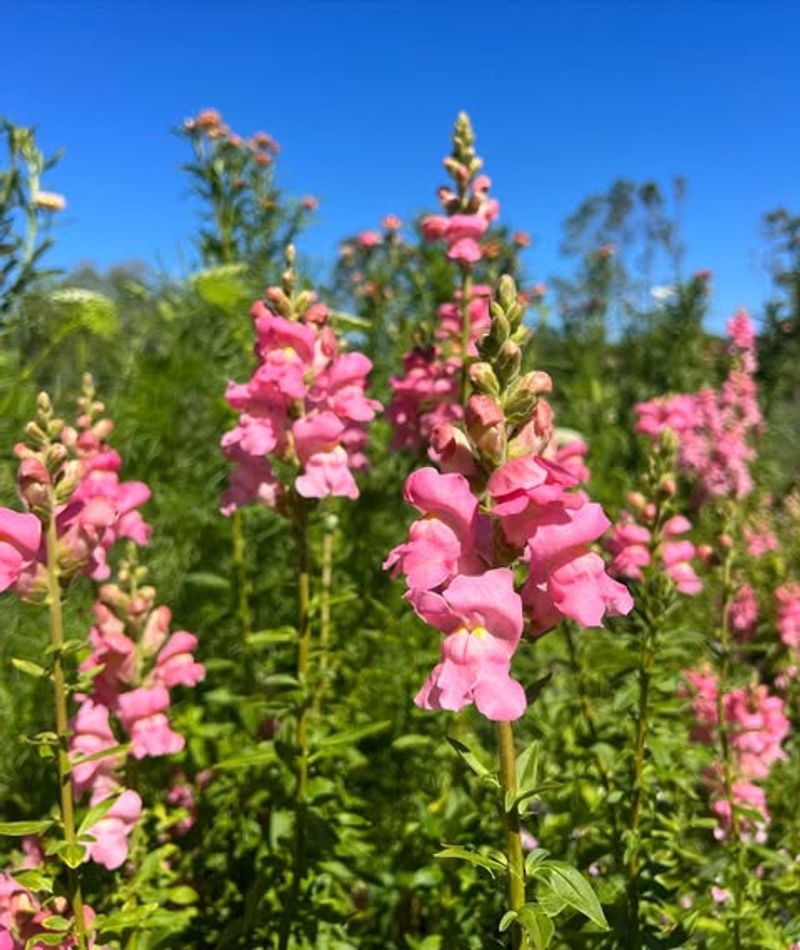
Snapdragons add vertical interest to Pennsylvania spring gardens with their tall spikes of colorful blooms. These cool-season flowers thrive in the moderate temperatures of spring and early summer before heat arrives.
Pink snapdragons come in many shades, from pale blush to vibrant hot pink. Each flower has an upper and lower lip that children love to squeeze, making the bloom open and close like a dragon’s mouth.
Plant snapdragons in early spring as soon as the soil can be worked in Pennsylvania. They tolerate light frosts and actually prefer cooler weather.
Full sun brings out the best flowering, though they appreciate some afternoon shade in warmer areas. Snapdragons grow well in borders, containers, and cutting gardens. They make excellent cut flowers that last over a week in vases.
Different varieties range from dwarf types that stay under a foot tall to towering varieties that reach three feet. Medium-height snapdragons around 18 inches work well in most garden settings.
Pinch off the main growing tip when plants are young to encourage branching and more flower spikes.
Remove spent flower spikes to encourage continuous blooming throughout spring and into early summer.
Snapdragons may slow down or stop flowering when hot weather arrives, but they often rebound with more blooms when cooler fall temperatures return to Pennsylvania gardens.