These Birds Are The First Signs Spring Is Coming To Your Arizona Garden
Spring rarely announces itself with a calendar date in Arizona. It shows up in motion and sound long before flowers fully wake up.
A quiet yard begins to shift when certain birds return, grow louder, or suddenly claim territory again. That change is not random.
It signals longer days, rising soil temperatures, and the first real transition out of winter.
Bird activity in Arizona often increases before most plants show visible growth, making these early visitors one of the clearest signs the season is shifting. Their feeding patterns, calls, and nesting behavior reveal that conditions are already changing.
When these birds appear in your Arizona garden, spring is not just approaching. It has already begun settling in.
1. Gila Woodpecker Drumming Echoes Through The Desert
Rapid-fire drumming sounds echo across Arizona gardens when Gila woodpeckers announce spring’s arrival. Males hammer on resonant surfaces to establish territories and attract mates.
This percussion concert intensifies dramatically as breeding season approaches.
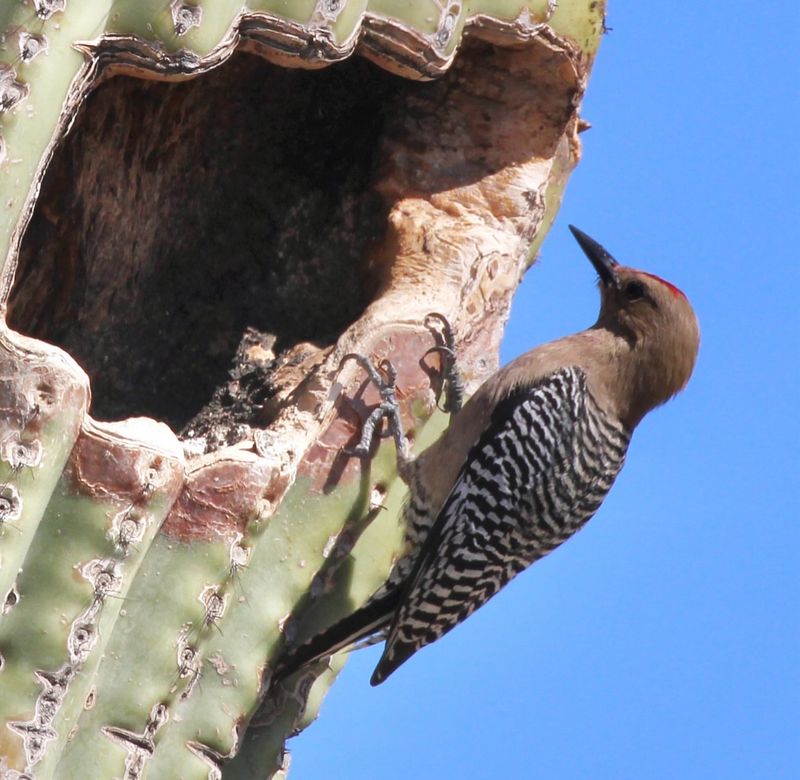
These striking birds sport bold black-and-white barred backs with males showing a distinctive red cap. They’re year-round residents throughout much of Arizona, but their behavior shifts noticeably with the seasons.
Winter finds them quietly foraging, while spring transforms them into noisy, active communicators.
Gila woodpeckers excavate nest cavities in saguaros and other large cacti across the Arizona desert. The drumming you hear serves multiple purposes beyond courtship.
It warns other woodpeckers to stay away from claimed nesting sites and food sources. Listen for the difference between drumming and their loud, rolling calls that sound almost like laughter.
Watch for increased activity around existing nest holes in saguaros and palm trees. Pairs inspect potential nesting sites together, with both birds entering and exiting cavities repeatedly.
Their drumming becomes most intense during early morning hours. The persistent rhythm of their territorial announcements provides one of the most reliable auditory signals that spring has returned to Arizona.
Activity around nesting cavities continues for weeks once pairs commit to a site. That steady tapping woven into the morning background becomes part of daily life across many Arizona neighborhoods during breeding season.
2. Anna’s Hummingbird Courtship Displays Become More Noticeable
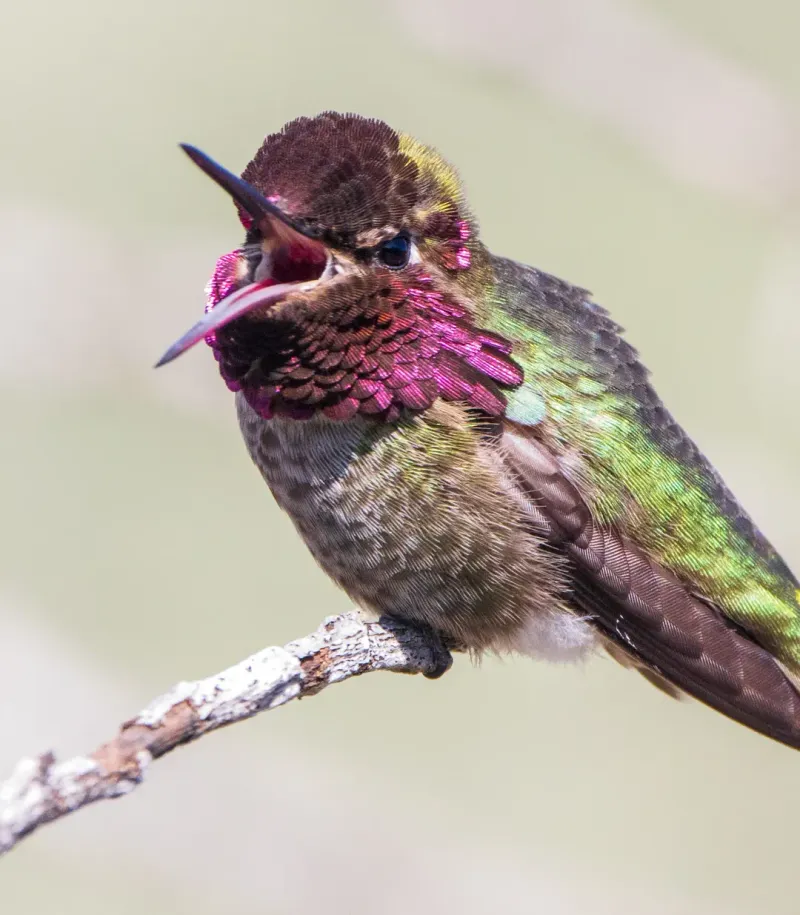
Male Anna’s hummingbirds put on spectacular aerial shows when spring courtship season begins in Arizona gardens.
These tiny performers climb high into the sky before plummeting downward at breathtaking speeds, producing a sharp explosive chirp at the bottom of their dive.
The sound comes from air rushing through their tail feathers, not their voice.
Unlike many hummingbird species that migrate, Anna’s hummingbirds stay in Arizona year-round. This makes their behavioral changes even more noticeable as a spring indicator.
Males stake out territories around feeders, flowering plants, and water features. They become increasingly aggressive toward competitors, chasing away other hummers with determined persistence.
The male’s iridescent magenta throat and crown catch the sunlight during these displays, creating flashes of brilliant color that seem almost unreal. Females watch these performances from nearby perches, evaluating potential mates.
You might spot them hovering near blooming aloes, penstemons, or chuparosa in your Arizona landscape.
Your Arizona Garden Changes Every Week. Your Plan Should Too.
Gardening in Arizona changes quickly throughout the season. Every Friday you’ll receive a simple weekly plan showing exactly what to plant, prune, fertilize, harvest, and protect so you never miss the right timing.
Peak display activity happens in early morning and late afternoon when temperatures are most comfortable. Position yourself near hummingbird feeders or native flowering plants to witness these amazing courtship rituals.
The increased frequency of dive displays and territorial vocalizations tells observant gardeners that spring has definitely arrived in the desert.
Nesting often begins soon after these displays intensify, with females building small cup-shaped nests in sheltered shrubs or trees. Once eggs are laid, activity around feeding areas becomes even more consistent as adults refuel throughout the day.
When you notice regular dive displays combined with steady feeder visits, the shift into spring is well underway in your Arizona garden.
3. Mourning Dove Nesting Activity Picks Up Across Arizona
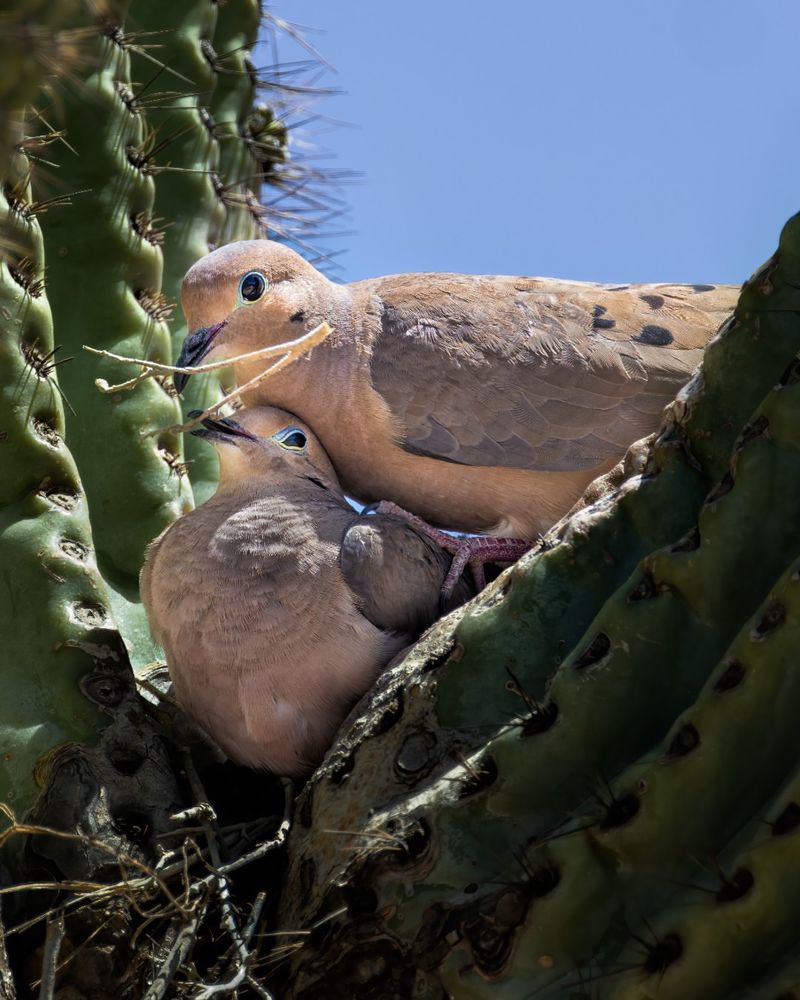
Across Arizona neighborhoods, mourning doves start getting serious about family life when spring draws near. You’ll notice pairs working together to build their famously flimsy nests in trees, shrubs, and even on porch ledges.
These gentle birds don’t wait for perfect weather. They begin their nesting activities earlier than most other species, sometimes as early as late January in southern Arizona.
Their soft cooing becomes a constant soundtrack in gardens throughout the state. Males perform their courtship flights, spiraling upward before gliding down with wings spread wide.
The sound of their wings whistling through the air becomes unmistakable once you learn to recognize it.
What makes mourning doves such reliable spring indicators is their persistence. They’ll attempt multiple nests throughout the season, sometimes raising several broods before summer ends.
Watch for them gathering twigs and grass stems in your yard. They prefer horizontal branches or ledges that offer some shelter from above.
These birds adapt remarkably well to urban and suburban Arizona landscapes. They’ll use almost any horizontal surface for nesting, from cactus arms to rain gutters.
Their increased activity signals that temperatures are stabilizing and food sources are becoming more abundant. Keep an eye on bird baths too, as nesting doves visit water sources more frequently during this busy time.
If a pair chooses your yard, expect to see them return to the same general area throughout the season. Their steady presence is one of the clearest confirmations that spring conditions have fully taken hold across Arizona.
4. Curve-Billed Thrasher Sings From The Top Of Saguaros
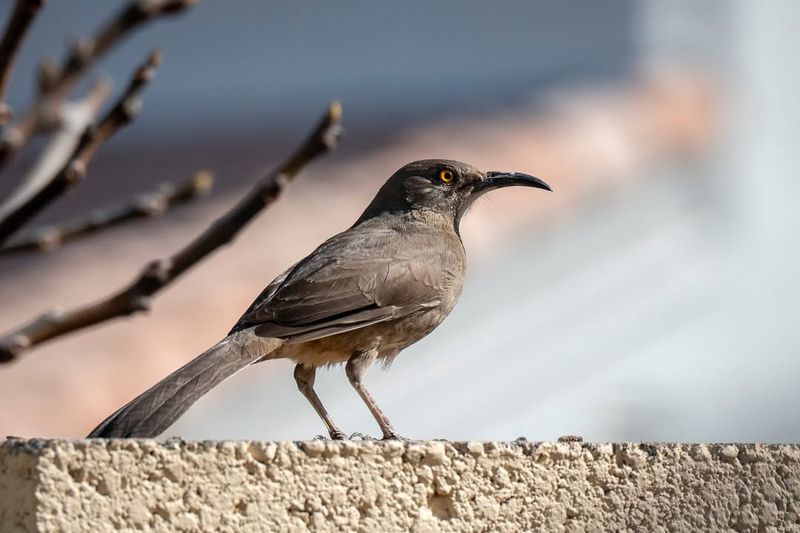
From prominent perches atop saguaros and telephone poles, curve-billed thrashers deliver their complex songs across Arizona neighborhoods.
These accomplished vocalists have extensive repertoires, stringing together varied phrases that can continue for several minutes.
Their spring singing reaches peak intensity, serving as an unmistakable announcement that breeding season has begun.
Recognizable by their long, curved bills and bright orange eyes, these thrashers prefer thorny desert vegetation for nesting. Cholla cacti provide ideal protection for their stick nests.
Males sing most actively during early morning and evening hours, choosing the highest available perches to broadcast their territorial claims.
What sets curve-billed thrashers apart from other Arizona songbirds is their year-round presence combined with dramatically increased vocal activity in spring. They can mimic other birds’ calls, adding variety to their already impressive songs.
Listen for a distinctive sharp “whit-wheet” call that they use throughout the year.
These thrashers become much bolder during breeding season, often singing from exposed locations they’d avoid during other times. Watch for pairs working together to build nests in cholla or other spiny plants.
They’ll vigorously defend their territories against intruders, including other thrashers and even larger birds. Their persistent singing from dawn until dusk creates a soundtrack that defines spring mornings in Arizona gardens and desert landscapes.
5. Vermilion Flycatcher Males Flash Bright Red Along Desert Washes
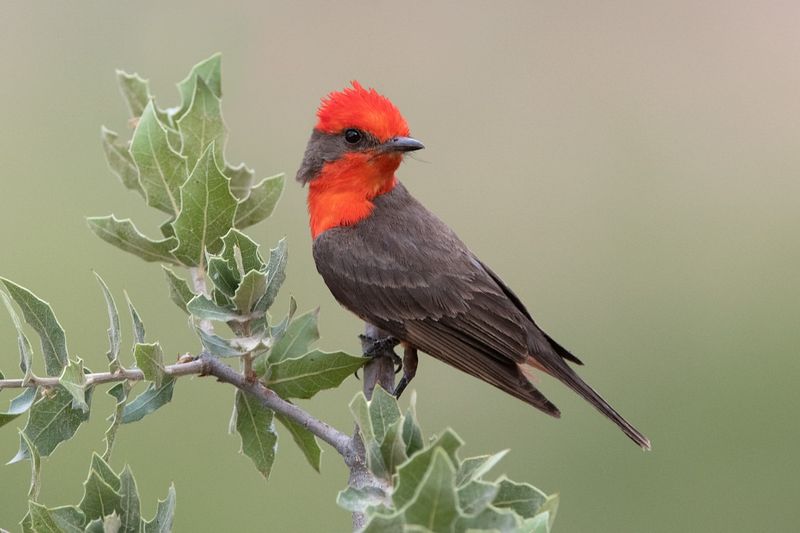
Nothing announces spring in Arizona quite like spotting a male vermilion flycatcher in full breeding plumage. These stunning birds seem almost too colorful to be real, with bright red crowns and undersides contrasting against dark brown backs and wings.
Males become increasingly visible along desert washes, parks, and golf courses as they perform their elaborate courtship flights.
Watch for their distinctive display behavior where males flutter upward with shallow wingbeats while singing a tinkling song. They rise several feet into the air before parachuting back down to their perch.
This sky dance happens repeatedly throughout the day during peak breeding season. The brilliant red coloration intensifies under Arizona’s bright spring sunshine.
Desert washes with scattered trees and shrubs provide perfect habitat for these flycatchers. They hunt insects from exposed perches, making short flights to snatch prey from the air or ground.
Females, dressed in more subdued peachy tones, watch the males’ performances while evaluating potential mates.
Southern and central Arizona gardens near riparian areas often attract these spectacular birds during spring. They prefer areas with open ground for hunting combined with trees for perching and nesting.
Once you spot that flash of brilliant red along a wash or in a park, you’ll know spring has truly arrived in the desert.
Breeding activity typically ramps up as daytime temperatures stabilize and insect populations increase. That sudden burst of red against neutral desert tones becomes one of the most unmistakable seasonal shifts across Arizona landscapes.
6. White-Winged Dove Returns To Southern And Central Arizona
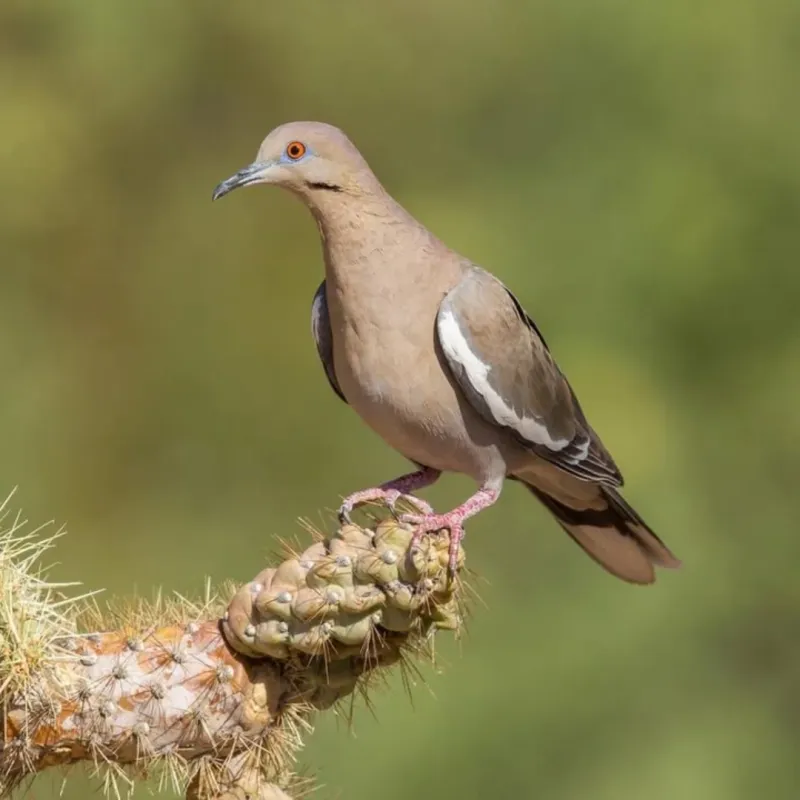
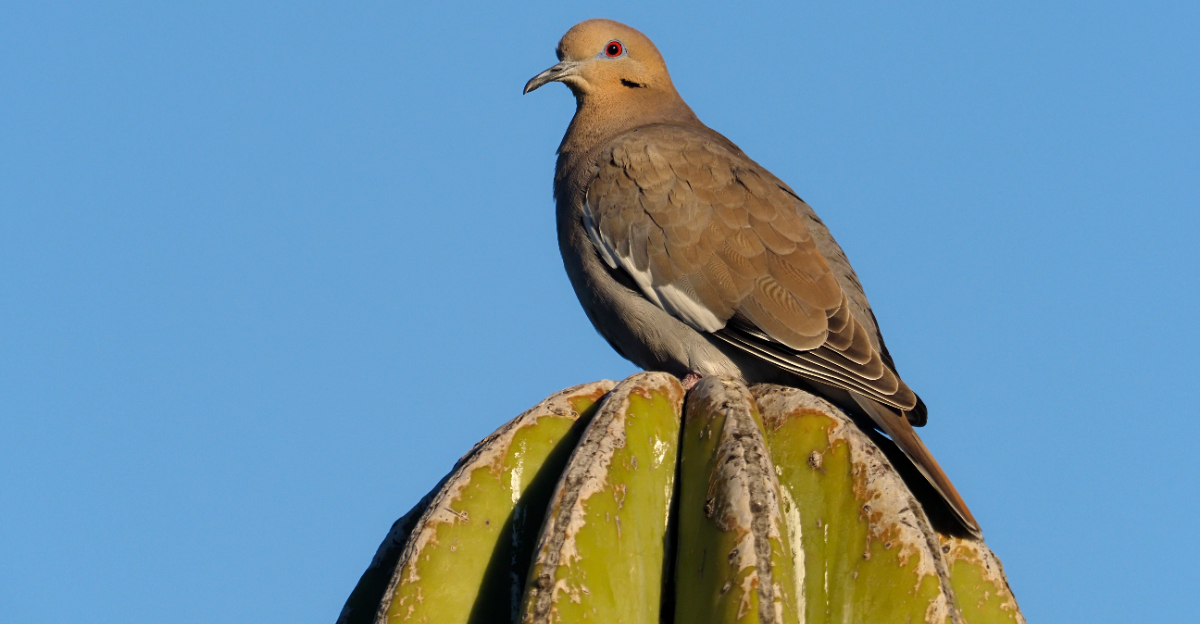
The arrival of white-winged doves signals spring’s return to southern and central Arizona with unmistakable certainty.
These larger cousins of mourning doves spend winters in Mexico, returning northward as temperatures warm and desert plants begin flowering.
Their distinctive “who-cooks-for-you” call becomes a constant presence in neighborhoods throughout their range.
White wing patches flash prominently when these doves take flight, making identification easy even for beginning birders. They arrive in waves, with the first scouts appearing in late February or early March.
By April, their numbers have swelled dramatically across Arizona’s urban and suburban landscapes.
These doves time their return to coincide with saguaro bloom season. They feed heavily on saguaro fruit and nectar, playing an important role in pollinating these iconic cacti.
Watch for them perching on saguaro arms and visiting flowering plants throughout your garden. Their population has expanded northward in recent decades, adapting well to human-modified habitats.
The increasing volume of their cooing indicates growing numbers as more birds complete their migration. They’re highly social, often gathering in large flocks around food and water sources.
Bird baths become particularly popular stops for these returning migrants. Their presence transforms the soundscape of Arizona gardens, adding their rhythmic calls to the chorus announcing spring’s arrival throughout the desert regions.
7. Black-Chinned Hummingbird Arrives Back In Early Spring
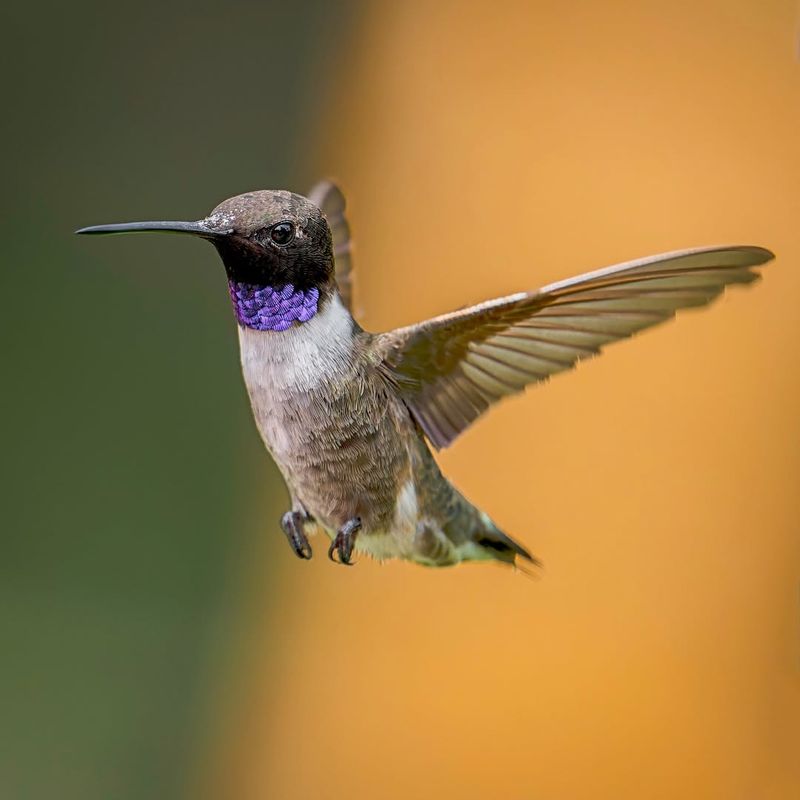
When black-chinned hummingbirds return to Arizona gardens in early spring, they bring renewed energy to feeders and flowering plants.
These migratory hummers winter in Mexico, arriving back in Arizona between late February and April depending on elevation and location.
Males typically arrive first, staking out the best territories before females appear.
Males sport a velvety black throat with a thin purple band visible only in good light. They’re slightly larger than Anna’s hummingbirds and have distinctly different vocalizations.
Their call is a soft, dry chip rather than the sharp notes Anna’s produce. Watch for them pumping their tails while hovering, a behavior that helps distinguish them from similar species.
These hummingbirds prefer riparian areas and gardens with diverse flowering plants throughout Arizona’s lower and middle elevations. They’re particularly attracted to red tubular flowers like penstemon, salvia, and chuparosa.
Males perform courtship displays that involve repeated arcing dives, though less dramatic than Anna’s spectacular plunges.
The arrival of black-chinned hummingbirds indicates that insect populations are increasing and nectar sources are becoming abundant. Keep hummingbird feeders clean and filled as these migrants need reliable food sources after their long journey.
Their return marks a definite transition from winter to spring across much of Arizona, signaling that warmer weather and longer days have arrived for good.
8. Lesser Goldfinch Begins Active Courtship And Singing
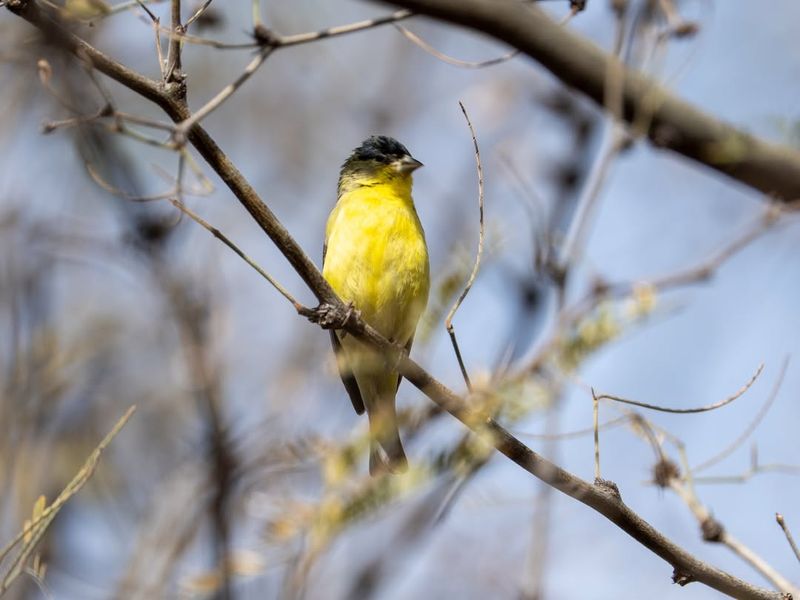
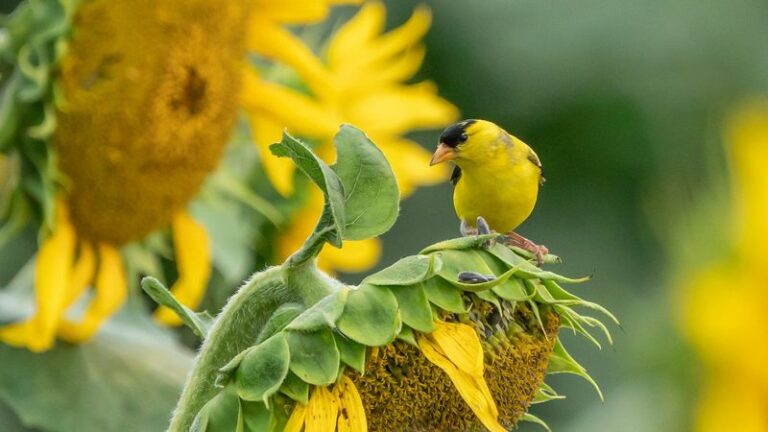
Cheerful tinkling songs fill Arizona gardens when male lesser goldfinches ramp up their courtship activities each spring. These small, active finches travel in flocks during winter, but pairs begin forming as breeding season approaches.
Males sing elaborate songs from exposed perches, showing off their bright yellow underparts and contrasting black or green backs depending on the subspecies.
Watch for courtship flights where males follow females through the garden while singing continuously. They perform butterfly-like flight displays with slow, exaggerated wingbeats.
The intensity of singing and displaying increases dramatically compared to their quieter winter behavior. Their musical repertoire includes both original phrases and mimicked calls from other bird species.
These goldfinches prefer gardens with seed-producing plants like sunflowers, zinnias, and native wildflowers throughout Arizona. They’re particularly fond of nyjer seed at feeders.
Males become more colorful as breeding season progresses, with their yellow plumage appearing brighter and more vibrant. Pairs work together to build tiny cup nests in trees and shrubs.
Their increased activity around potential nesting sites signals that spring has firmly established itself across Arizona. Listen for their constant twittering contact calls as small flocks move through neighborhoods.
Males sing from utility wires, treetops, and other prominent perches throughout the day. The combination of bright colors, active courtship, and persistent singing makes lesser goldfinches one of the most delightful signs that spring has returned.