The Best Cold-Resistant Plants For Your Arizona Yard This Winter
Arizona winter does not usually look dramatic, which is exactly why it catches gardens off guard. Warm afternoons create a false sense of security, and then one cold night exposes every weak plant in the yard.
What seemed established can suddenly look fragile.
Some landscapes sail through winter without losing structure, while others reveal patchy gaps and damaged growth that linger well into spring. That difference rarely comes down to luck.
It comes down to which plants were actually built to handle desert temperature swings.
Cold-resistant varieties keep form, color, and presence even when nights dip lower than expected, allowing your yard to move through winter without looking like it needs a reset.
1. Red Yucca Stays Strong Through Arizona Winter Nights
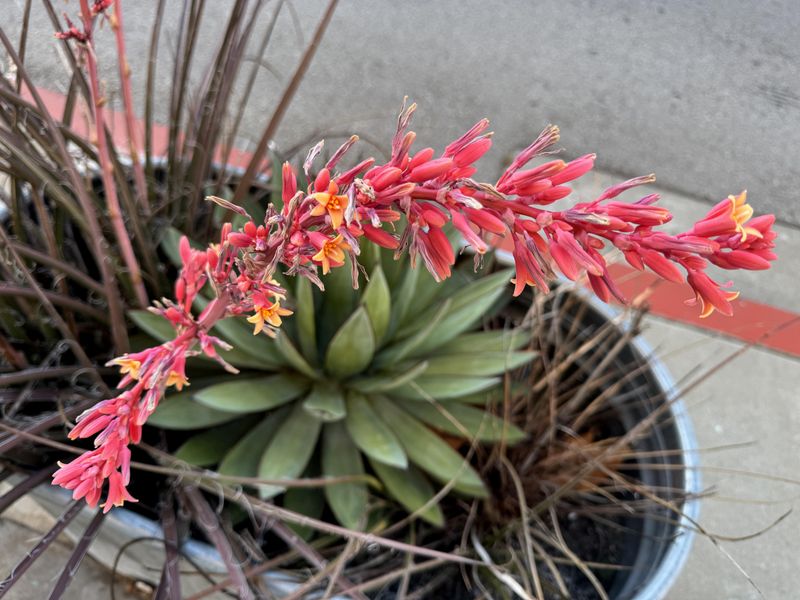
Coral-colored flower spikes rise like natural fireworks above grass-like foliage that never quits. Red Yucca brings year-round interest to Arizona yards while shrugging off winter cold that would flatten less resilient plants.
Hummingbirds love the tubular blooms that appear spring through fall, but winter toughness makes this plant truly special.
Temperatures dropping into the twenties barely register with established Red Yucca plants. Foliage stays green and perky while neighboring plants wilt and brown from cold damage.
Northern Arizona gardeners and high-desert homeowners count on this reliability when planning landscapes that look good every season.
Root systems develop deep and strong, anchoring plants against winter winds that whip across open desert spaces. Shallow-rooted plants topple or suffer breakage during storms, but Red Yucca holds firm.
That underground strength also helps plants access moisture during dry winter months when rainfall becomes scarce.
Drainage determines success more than any other factor with these cold-hardy beauties. Heavy clay soil holds too much moisture around roots during winter, creating problems even tough plants cannot overcome.
Amend planting areas with decomposed granite or build raised beds for perfect drainage.
Flower stalks reach four feet tall, creating dramatic vertical interest against Arizona’s flat landscapes. Cut spent stalks after blooming finishes, but leave the foliage alone since those leaves protect the crown during cold snaps.
2. Texas Sage Handles Frost And Desert Temperature Swings
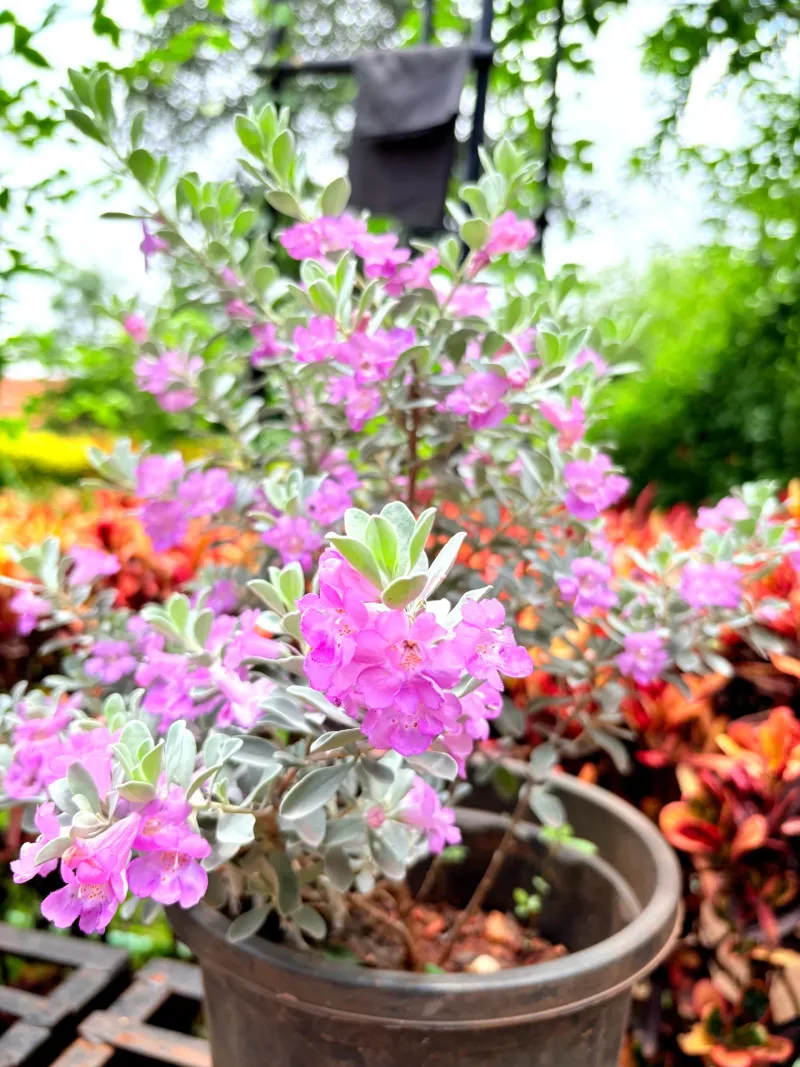
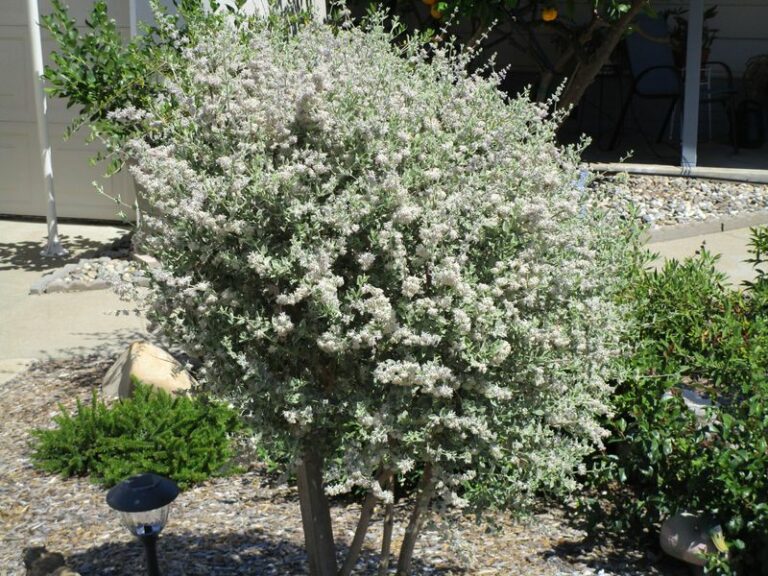
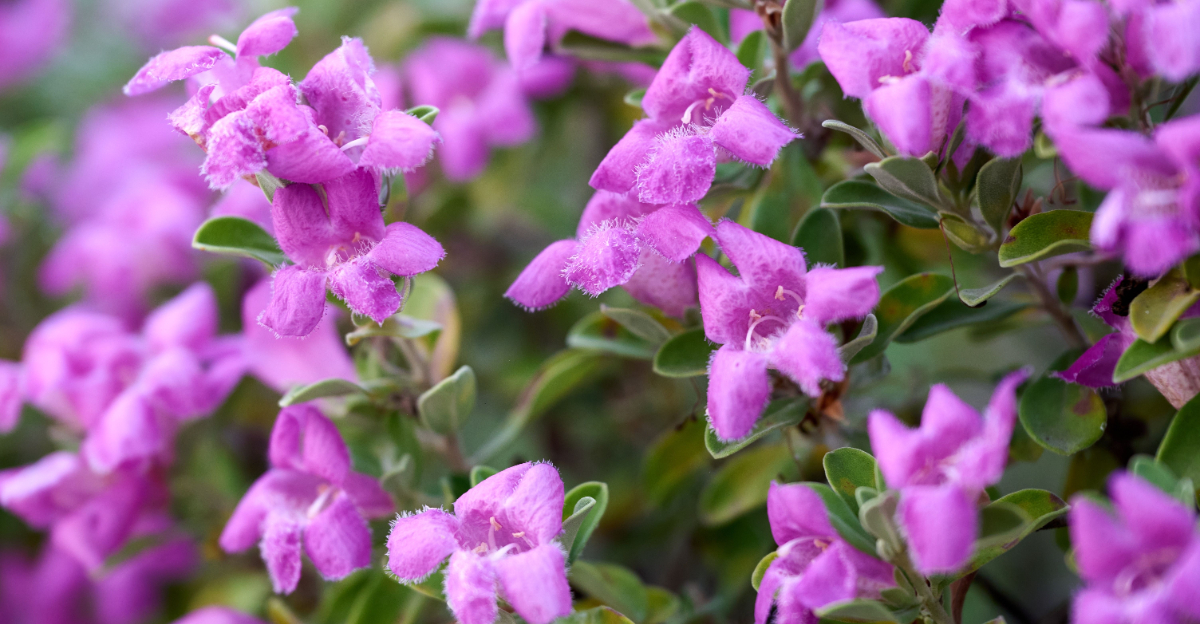
Silvery leaves catch morning light like tiny mirrors across your Arizona yard. Texas Sage earned its reputation surviving both scorching summers and surprising winter cold snaps that catch less hardy plants off guard.
Gardeners throughout Phoenix, Tucson, and Flagstaff rely on this shrub because it laughs at temperature drops that send other plants into shock.
Purple blooms appear after summer rains, but the real magic happens during winter months when most desert plants look tired and stressed.
Cold air rolls in overnight, temperatures plummet, yet Texas Sage stands firm without browning or dropping leaves.
Branches stay full and healthy looking even after several nights below freezing.
Plant spacing matters more than most people realize with this desert champion. Give each shrub at least four feet of breathing room since mature plants spread wide and full.
Crowding creates weak growth that struggles more during cold weather than properly spaced specimens.
Water requirements drop dramatically once established, making maintenance incredibly simple. A deep soak every two weeks during winter keeps roots healthy without encouraging the soft growth that freezes easily.
Your Arizona Garden Changes Every Week. Your Plan Should Too.
Gardening in Arizona changes quickly throughout the season. Every Friday you’ll receive a simple weekly plan showing exactly what to plant, prune, fertilize, harvest, and protect so you never miss the right timing.
Arizona soil drains fast, so these tough plants rarely face the root rot issues that plague overwatered winter gardens elsewhere.
Pruning after the last frost keeps plants compact and encourages dense branching. Skip fall trimming since new growth needs time hardening off before cold arrives.
3. Desert Marigold Tolerates Light Freezes In Low Deserts
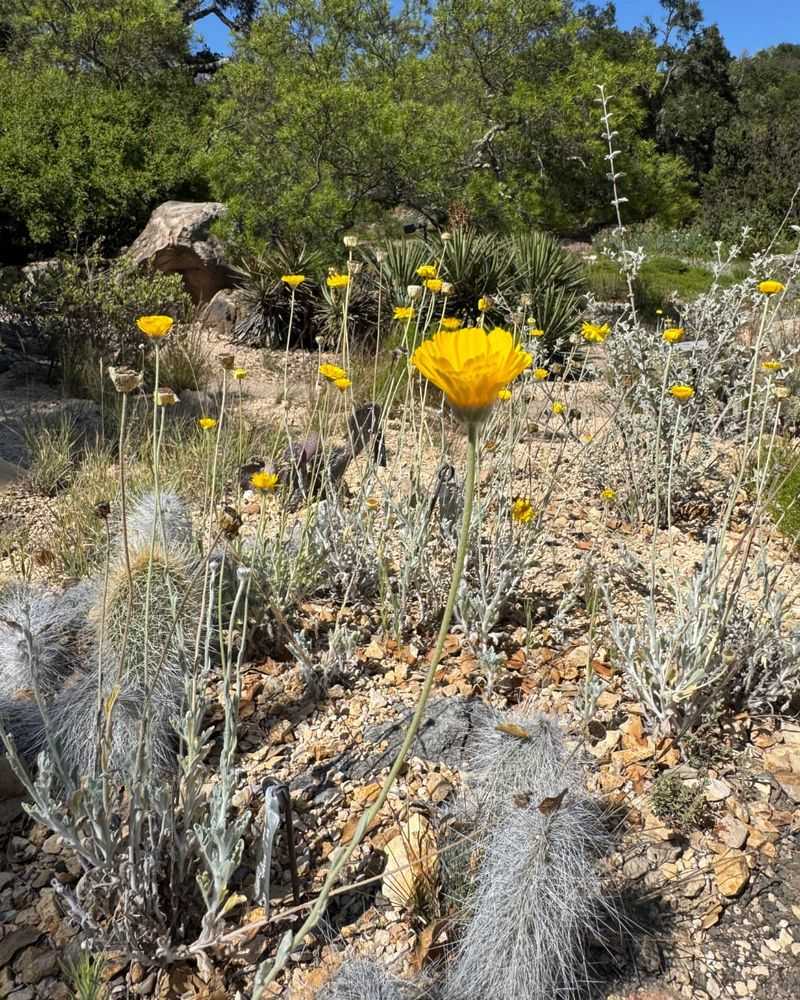
Bright yellow petals shine like little suns scattered across your winter yard. Desert Marigold brings cheerful color during months when most flowering plants take a break from blooming.
Low desert areas around Phoenix and Tucson see these tough perennials blooming right through mild winter weather that stops less adapted species cold.
Light frost barely slows down Desert Marigold once plants establish strong root systems. Temperatures dipping to 25 degrees might nip a few flower buds, but established plants bounce back fast.
New blooms appear within days once temperatures climb back above freezing, keeping your yard colorful through Arizona’s unpredictable winter weather patterns.
Self-seeding behavior means your initial planting multiplies naturally over time. Baby plants pop up around parent specimens, filling empty spaces and creating natural-looking drifts of yellow flowers.
Arizona gardeners appreciate this spreading habit since it reduces replanting work while expanding colorful displays.
Water needs stay minimal even during active blooming periods throughout winter months. One deep watering weekly keeps plants happy without encouraging the floppy growth that freezes more easily.
Desert Marigold evolved handling drought and cold simultaneously, making it perfectly adapted for Arizona’s challenging winter conditions.
Deadheading spent blooms encourages more flowers, but many gardeners skip this step intentionally. Seed heads provide food for finches and other winter birds that appreciate natural food sources when insects become scarce during cold weather.
4. Autumn Sage Survives Cold Snaps With Minimal Damage
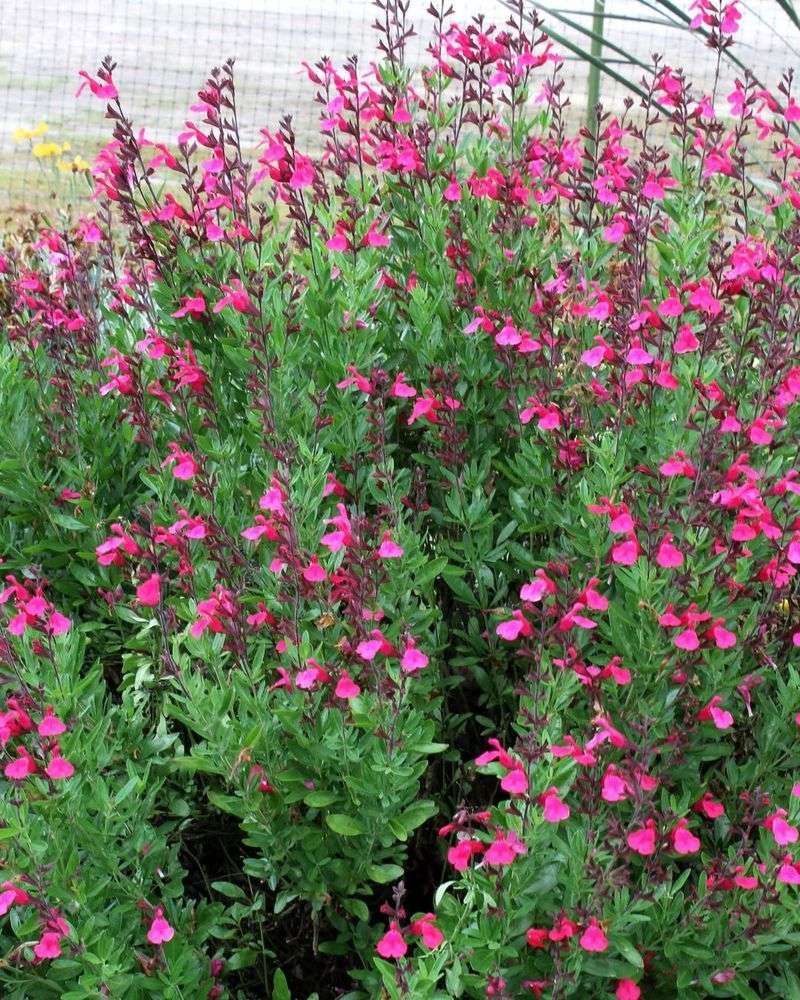
Tubular red flowers keep hummingbirds visiting your yard even when winter temperatures drop unexpectedly. Autumn Sage blooms nearly year-round in Arizona’s milder zones, pausing only briefly during the coldest weeks.
Gardeners from Sedona to Scottsdale depend on this reliable performer for continuous color that survives temperature swings better than imported ornamentals.
Cold snaps hitting the low twenties might brown some leaf tips, but overall plant health remains strong. Unlike tender perennials that collapse completely after frost, Autumn Sage maintains its basic structure and resumes growth quickly.
Damaged foliage drops naturally, replaced by fresh leaves once warmer days return to Arizona’s diverse climate zones.
Multiple flower colors beyond red give gardeners design flexibility for winter landscapes. Pink, white, and coral varieties offer the same cold tolerance while creating different visual effects.
Mixing colors creates interest during months when flowering options become limited across desert gardens.
Soil preparation matters less with Autumn Sage than with fussier plants that demand perfect conditions. Rocky, lean soil actually encourages tougher growth that handles cold better than pampered plants grown in rich, amended beds.
Arizona’s naturally alkaline soil suits these plants perfectly without requiring pH adjustments.
Pruning timing affects cold hardiness significantly, so avoid cutting plants back during fall months. Wait until late winter after the last frost passes, then trim lightly to shape plants and remove any damaged growth from cold weather exposure.
5. Globe Mallow Thrives In Cool Desert Conditions
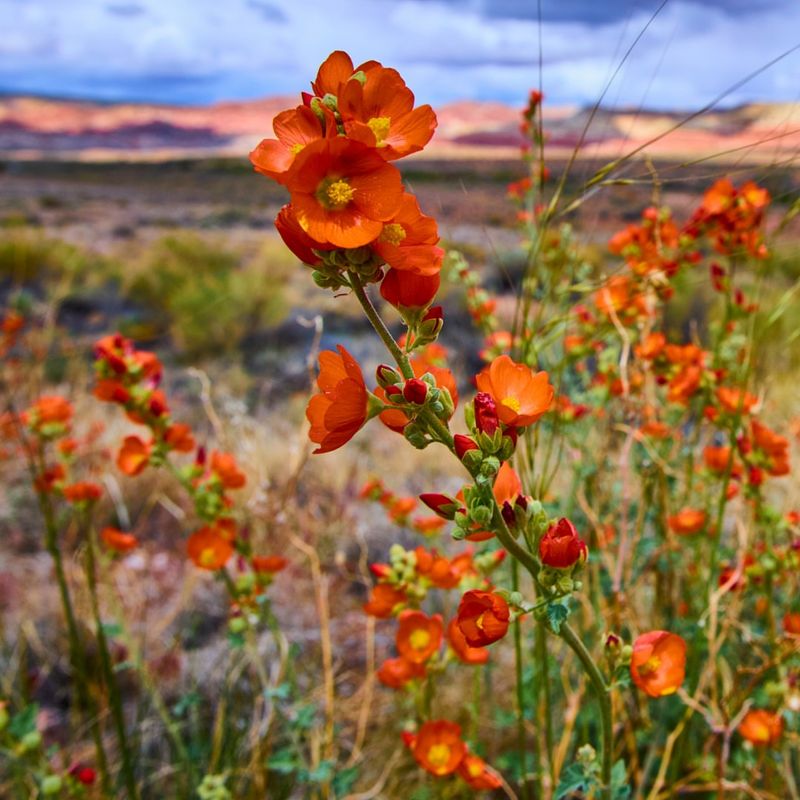
Apricot-orange blooms glow warmly against winter’s cooler light across Arizona landscapes. Globe Mallow starts flowering in late winter, providing early color when most gardens still look dormant.
Native to southwestern deserts, this plant evolved handling the temperature extremes that define Arizona’s climate throughout all seasons.
Freezing temperatures slow but rarely stop Globe Mallow once plants mature beyond their first year. Young seedlings need protection during their first winter, but established plants handle cold nights in the twenties without suffering permanent damage.
Flagstaff gardeners report success even with occasional dips into the teens when plants grow in protected locations.
Fuzzy leaves give Globe Mallow a soft, almost silvery appearance that contrasts beautifully with the bright flowers. That fuzziness serves a practical purpose beyond aesthetics, helping protect leaf surfaces from both frost damage and intense summer sun.
Arizona gardeners benefit from this natural adaptation that makes the plant virtually carefree.
Reseeding happens enthusiastically with Globe Mallow, sometimes too enthusiastically for small yards. Plants spread readily through gardens, popping up in unexpected places where seeds landed during previous seasons.
Control spreading by removing seed pods before they mature, or embrace the casual cottage garden look this behavior creates.
Butterflies and native bees love Globe Mallow flowers, making this plant valuable for supporting Arizona’s pollinator populations. Winter and early spring blooms provide crucial food sources when few other plants offer nectar during cooler months.
6. Oleander Recovers After Brief Winter Frost
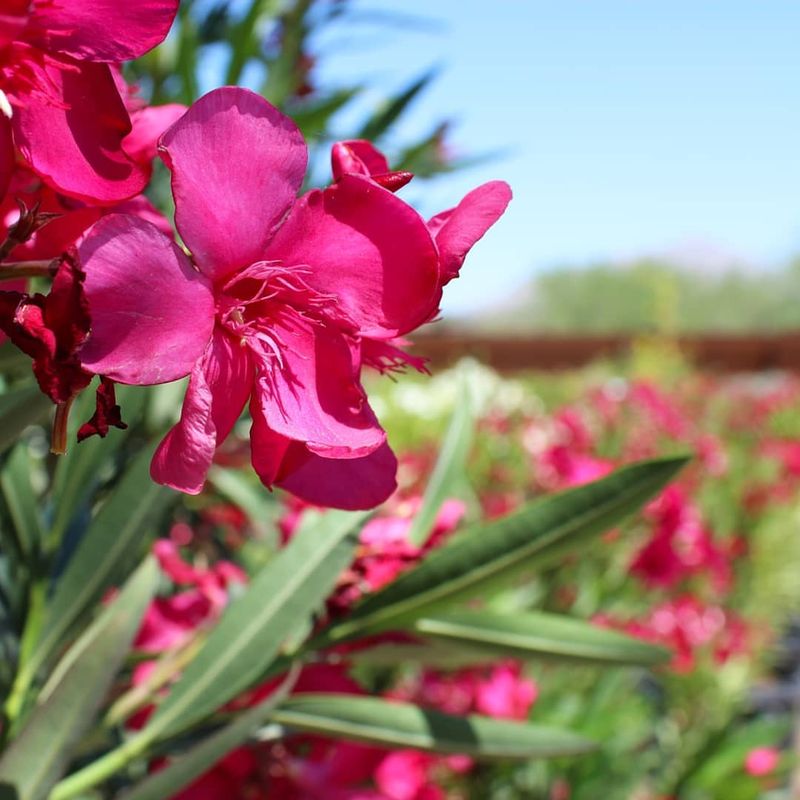
Glossy evergreen leaves stay attractive year-round despite occasional cold damage on outer branches.
Oleander handles brief temperature drops better than many people expect, bouncing back from frost events that would permanently damage less resilient shrubs.
Southern Arizona gardeners plant Oleander confidently, knowing winter cold rarely causes more than cosmetic damage that disappears with spring growth.
Recovery speed impresses even experienced gardeners who have watched other frost-damaged plants struggle for months. Brown leaf tips appear after hard freezes, but healthy green growth emerges quickly once temperatures stabilize.
Tucson and Phoenix landscapes feature mature Oleander specimens that have survived decades of occasional winter cold without long-term problems.
Flower colors ranging from white through pink to deep red give designers multiple options for year-round screening and color. Blooms appear heaviest during warm months, but Arizona’s mild winters allow scattered flowering even during cooler periods.
That extended bloom season makes Oleander more valuable than deciduous shrubs that offer nothing during winter months.
Proper placement protects Oleander from the worst winter damage in colder Arizona zones. Plant near south-facing walls where reflected heat moderates nighttime temperatures, or choose naturally warmer microclimates within your yard.
Avoid low-lying areas where cold air settles, creating frost pockets that damage even cold-tolerant plants.
Pruning damaged growth after the last frost keeps plants looking neat and encourages fresh branching. Avoid heavy pruning during fall since new growth needs time hardening before cold weather arrives across Arizona’s higher elevations.
7. Desert Spoon Withstands Cold Down To The Teens
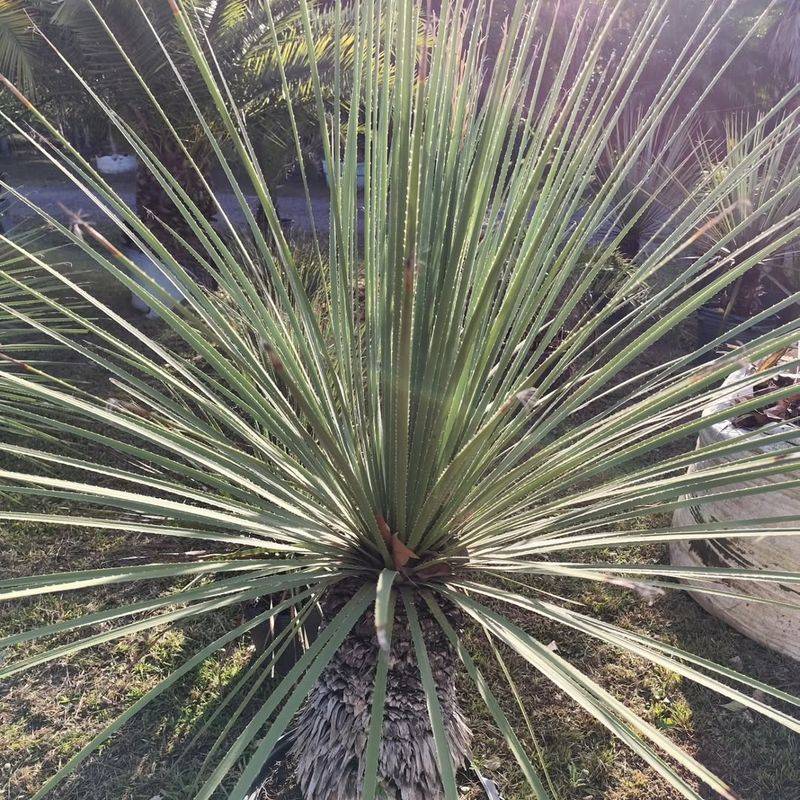
Architectural form makes Desert Spoon a striking focal point that looks great year-round. Silvery-blue leaves radiate from a central point, creating a perfect sphere that holds its shape through every season.
Northern Arizona gardeners plant this native confidently, knowing it handles single-digit temperatures that would devastate tropical and subtropical landscape plants.
Cold tolerance reaches impressive levels with established Desert Spoon specimens surviving temperatures down to 10 degrees.
Flagstaff and Prescott landscapes feature these plants prominently since few other sculptural options handle serious winter cold so reliably. Leaf tips might show minor damage after extreme cold, but overall plant health remains excellent.
Slow growth means patience pays off with Desert Spoon, but that deliberate pace creates incredibly tough plants.
Fast-growing species often develop weak tissue that suffers badly during cold snaps, while Desert Spoon’s measured development produces dense, resilient leaves that shrug off frost.
Arizona’s challenging conditions favor plants that grow thoughtfully rather than quickly.
Flower stalks shoot up dramatically once plants mature, reaching twelve feet or more above the foliage.
These impressive spikes bloom in late spring, but the real show happens during winter when the plant’s structural beauty stands out against dormant surroundings.
Leave spent flower stalks for visual interest or remove them depending on your design preferences.
Water requirements drop to nearly nothing once Desert Spoon establishes, making it perfect for low-maintenance Arizona landscapes.
Monthly deep watering during winter keeps roots healthy without encouraging the soft growth that freezes easily during cold snaps.
8. Lantana Freezes Back But Returns In Spring
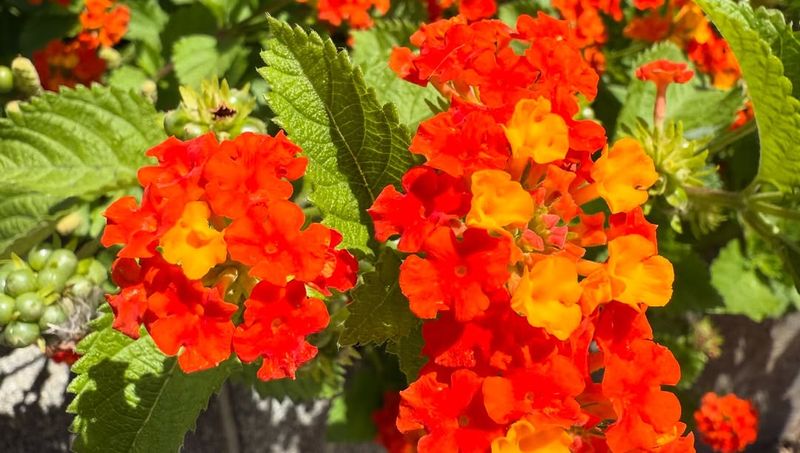
Colorful flower clusters attract butterflies throughout Arizona’s long growing season. Lantana handles heat brilliantly but shows its limitations when temperatures drop below freezing.
Gardeners throughout the state accept this trade-off, knowing spring regrowth happens reliably from roots that survive underground even after stems freeze completely.
Top growth browns and collapses after hard frost, looking completely finished for the season. Roots remain alive and healthy underground, protected by soil insulation from the worst cold.
Phoenix and Tucson gardeners see new shoots emerging by late February, with plants reaching full size again by early summer.
Cutting back frozen stems helps gardens look tidy during winter months when brown stalks become unsightly. Remove all frost-damaged growth just before new shoots emerge, making room for fresh growth without damaging tender new stems.
Multiple color varieties give gardeners design options for spring through fall displays. Yellow, orange, red, pink, and purple combinations create vibrant patches that fill gaps left by winter-dormant perennials.
Arizona’s long warm season allows extended enjoyment of these colorful plants despite their winter dormancy.
Butterfly activity around Lantana peaks during fall months when monarchs migrate through Arizona. Providing reliable nectar sources helps these travelers fuel their long journey, making Lantana valuable beyond just its ornamental qualities.
Spring butterflies appreciate the early blooms when few other nectar sources have started flowering across desert landscapes.