The Best Time To Prune Rose Bushes In Georgia Before Growth Begins
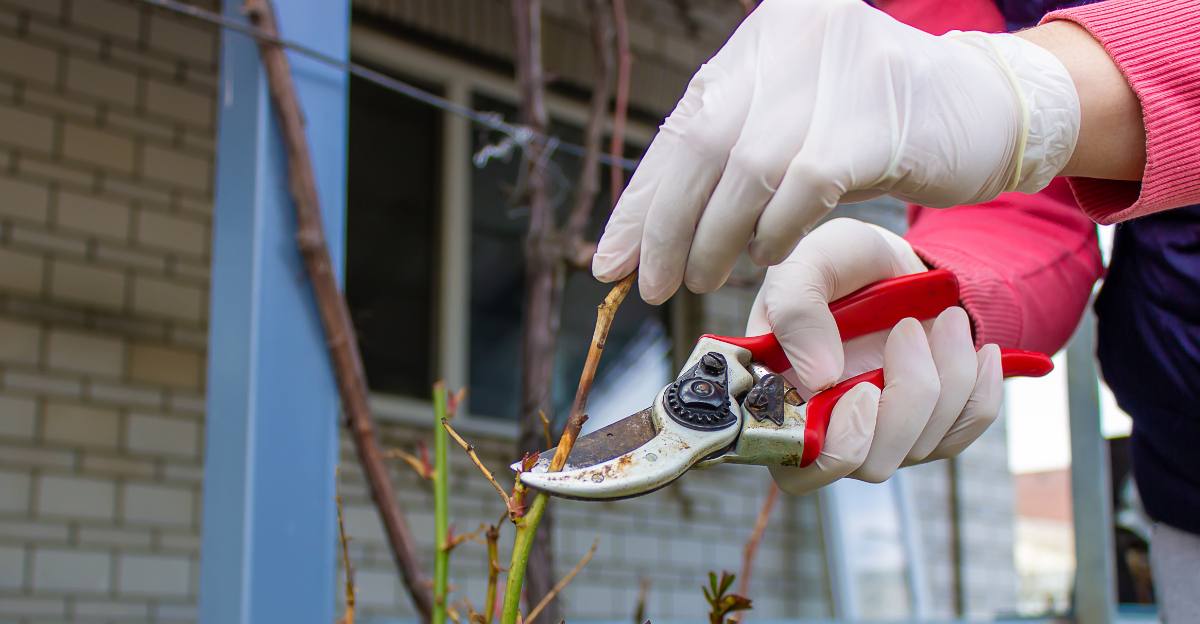
Rose bushes in Georgia can look still and quiet through winter, yet the clock is already ticking beneath the surface.
Pruning too soon invites frost damage that weakens fresh cuts, while waiting too long forces the plant to waste energy on growth that will only be removed.
That narrow gap before active growth begins is where next season’s shape and bloom strength are decided.
Georgia’s shifting late-winter temperatures make timing less obvious than many expect. A few warm days can create the illusion that it is safe to cut, even though cold nights may still return.
Getting this moment right sets the tone for fuller blooms, stronger canes, and a plant that grows with purpose instead of chaos.
1. Late February To Early March Is The Ideal Window Across Most Of Georgia
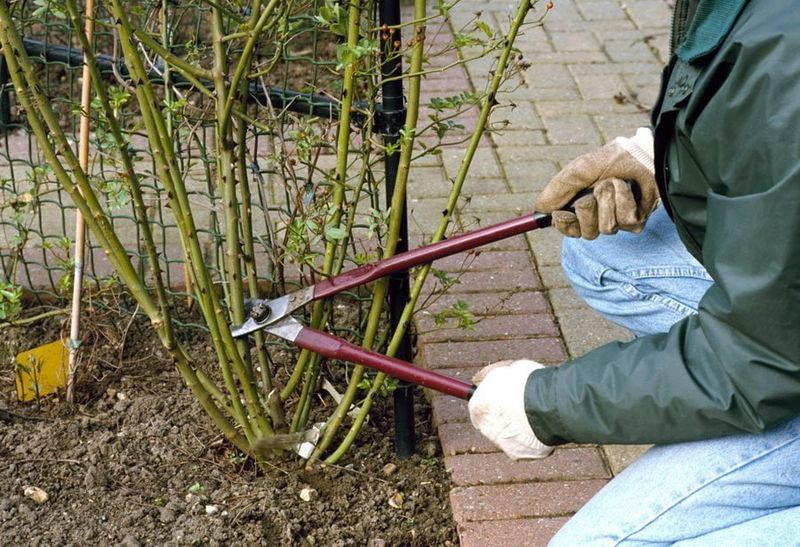
Your roses need pruning before they wake up for spring, and Georgia’s mild winters create a sweet spot that arrives earlier than most northern states.
Across Atlanta, Savannah, Macon, and surrounding areas, late February through early March gives you the perfect timing window.
Waiting too long means cutting off new growth that’s already started, which wastes the plant’s energy.
Temperature patterns across Georgia shift depending on whether you’re in the northern mountains or southern coastal plains.
Mountain regions near Dahlonega or Blue Ridge might need to wait until early March, while gardeners in Albany or Brunswick can often start by mid-February.
Check your local frost dates as a guide, but don’t rely on them completely since roses can handle light frosts after pruning.
Roses pruned during this window have time to heal their cuts before growth accelerates. The plant channels energy into strong new canes rather than trying to recover from pruning wounds while also pushing out leaves and buds.
This timing also means you’re working with bare or mostly bare canes, making it easier to see the plant’s structure and decide which cuts to make.
Georgia’s unpredictable weather sometimes throws curveballs with warm spells in January or cold snaps in March. Don’t let a few warm days trick you into pruning too early.
Stick to the calendar and watch for other signs that dormancy is ending naturally across your neighborhood.
2. Wait Until The Risk Of A Hard Freeze Has Passed
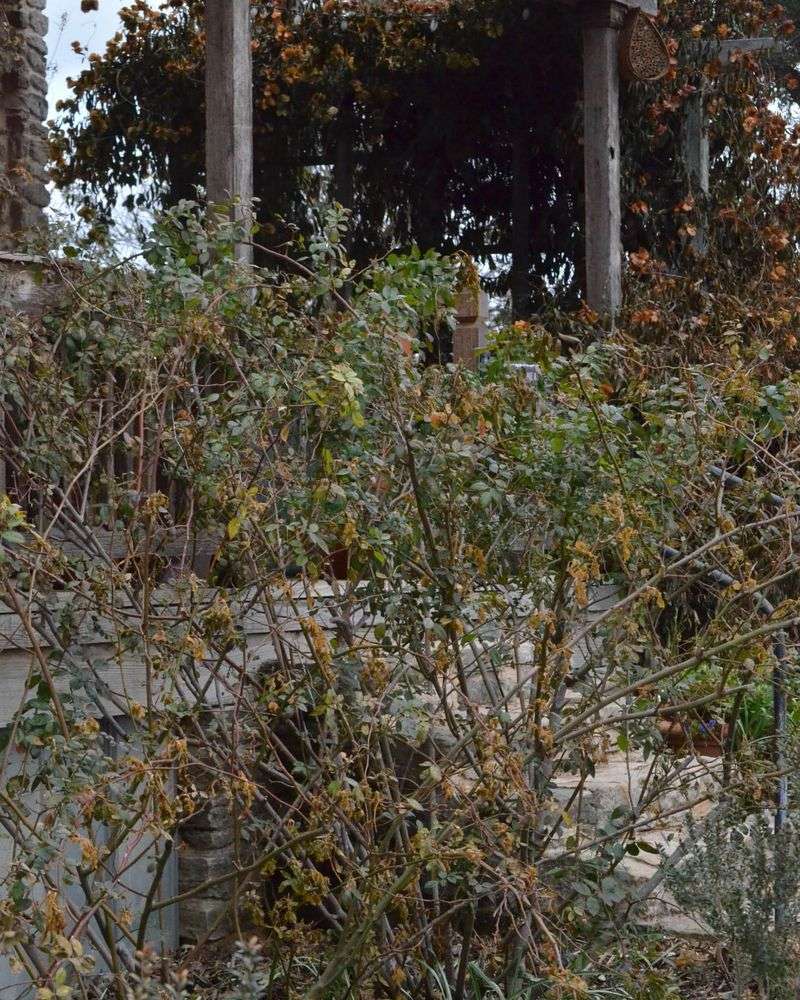
Hard freezes spell trouble for freshly pruned roses because open cuts become vulnerable entry points for cold damage. Georgia typically sees its last hard freeze between late January and mid-February, depending on your specific zone.
Pruning right after this risk passes protects your plants from setbacks that could delay blooming by weeks.
A hard freeze means temperatures dropping below 28 degrees for several hours, not just a brief dip overnight. These sustained cold periods can penetrate deep into cane tissue, especially through fresh pruning wounds.
When ice crystals form inside the cane, they rupture cell walls and create browning that travels down from the cut. You’ll end up pruning again to remove this damaged wood, losing valuable time and plant structure.
Your Georgia Garden Changes Every Week. Your Plan Should Too.
Gardening in Georgia changes quickly throughout the season. Every Friday you’ll receive a simple weekly plan showing exactly what to plant, prune, fertilize, harvest, and protect so you never miss the right timing.
Track your local weather forecasts carefully during late winter across Georgia. Augusta, Columbus, and Athens each have slightly different freeze patterns based on elevation and proximity to water.
Coastal areas near Savannah or Brunswick warm up faster and face less freeze risk than inland regions. Your county extension office can provide historical freeze data specific to your area.
If you prune and then an unexpected freeze warning pops up, cover your roses with frost cloth or old sheets. This simple step can prevent damage to those fresh cuts.
Remove the covers once temperatures rise above freezing during the day so plants don’t overheat or develop moisture problems underneath.
3. Look For Swollen Buds That Signal Dormancy Is Ending
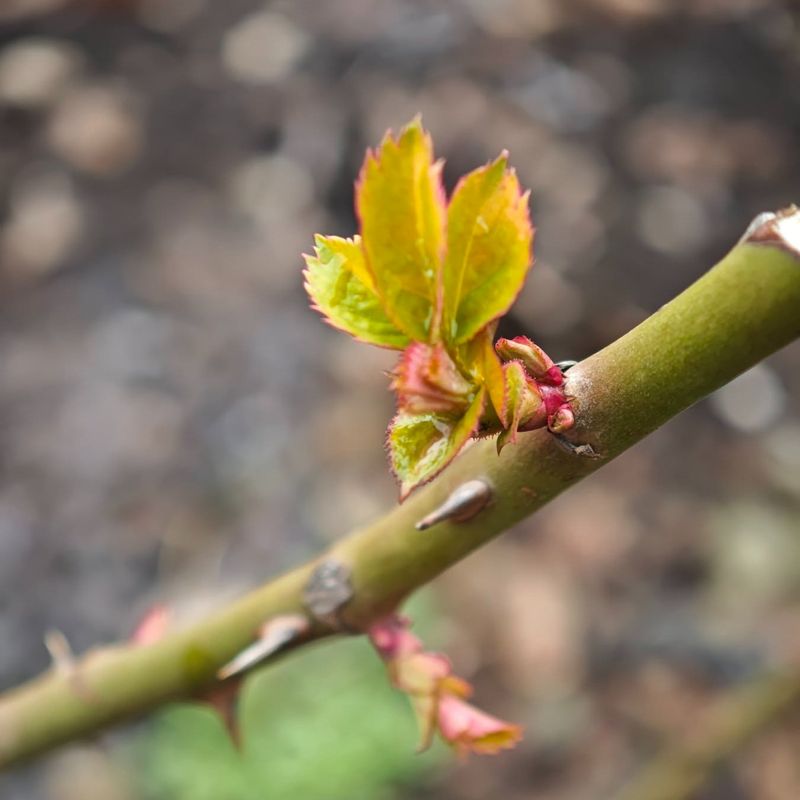
Swollen buds are nature’s alarm clock telling you dormancy is breaking and it’s time to grab your pruners. These buds change from tight, flat, and brownish to plump, slightly green or reddish, and ready to push out new growth.
Catching roses at this stage across Georgia means you’re pruning right before the plant kicks into high gear.
Walk around your rose bushes and examine the canes closely, looking at bud eyes along each stem. Bud eyes appear as small bumps where leaves once attached to the cane.
During deep dormancy through December and January, these stay small and tight against the stem. As soil temperatures warm and daylight increases in February, the buds begin absorbing moisture and swelling noticeably.
This swelling happens gradually over one to two weeks, giving you a clear visual cue. Once buds start showing green tips or tiny leaf points emerging, you’re cutting it close and should prune immediately.
Pruning after leaves unfold means removing growth the plant already invested energy into producing. That wasted energy could have gone into stronger canes or more flower buds instead.
Different rose varieties across your Georgia garden may show bud swelling at slightly different times. Hybrid teas often break dormancy before shrub roses or climbers.
Check each plant individually rather than assuming they’re all on the same schedule. This attention to detail results in healthier plants that bloom more reliably through spring and summer.
4. Remove Damaged And Crossing Canes First
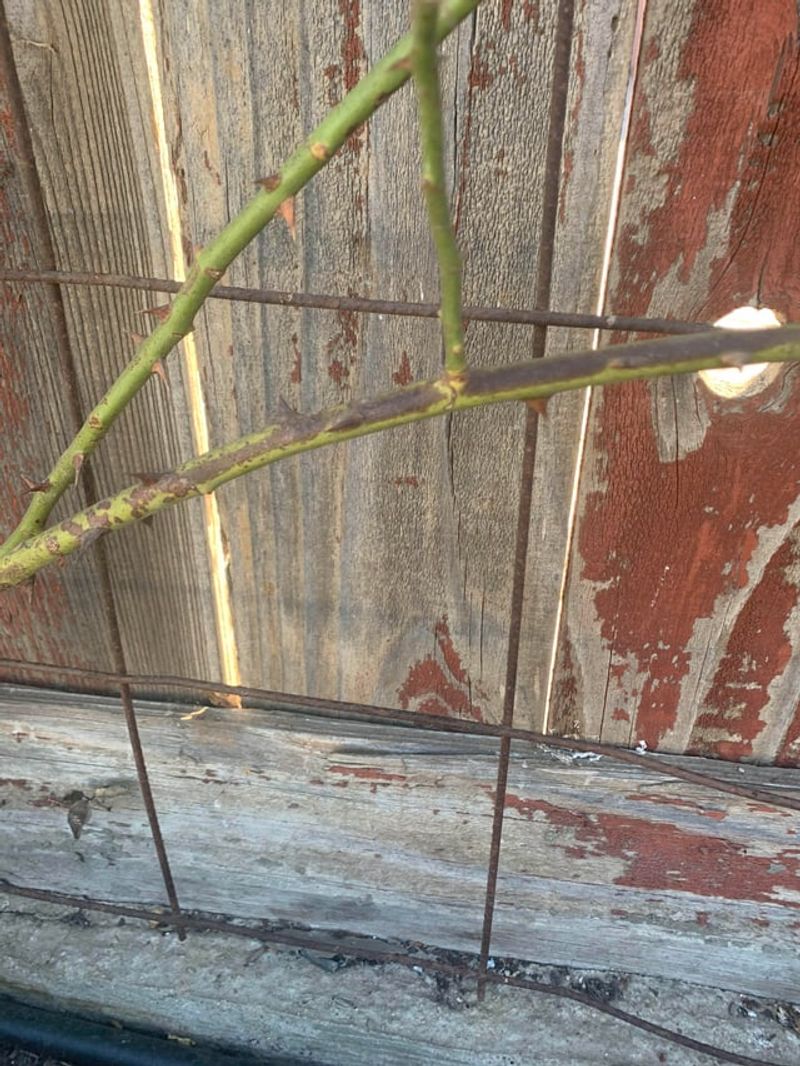
Starting your pruning session by clearing out damaged or lifeless canes simplifies everything that comes next. Wood that no longer produces growth serves no purpose and crossing canes rub against each other, creating wounds where disease enters easily.
Getting these out first lets you see the healthy structure you’re working with across your Georgia rose garden.
Non-viable canes appear brown or black all the way through when you scratch the surface with your thumbnail or make a small test cut. Living canes show green or white pith inside, even if the outside looks weathered.
Cut non-productive canes all the way back to where they meet living wood or down to the bud union if the entire cane is no longer viable. Don’t leave stubs because they become perfect homes for boring insects and fungal problems.
Damaged canes might show split bark, broken sections, or areas where deer or weather caused injury during winter. These compromised sections won’t produce good growth and often develop cankers as temperatures warm.
Remove them back to healthy tissue, making your cut just above an outward-facing bud on the remaining healthy portion.
Crossing canes create crowded centers where air can’t circulate properly, and Georgia’s humidity makes this a recipe for black spot and powdery mildew.
Choose the weaker or more awkwardly placed cane and remove it completely.
This opens up space for the remaining canes to grow without interference. Your roses will reward this attention with stronger growth and fewer disease issues through the humid summer months ahead.
5. Open The Center To Improve Airflow Before Humid Weather Sets In
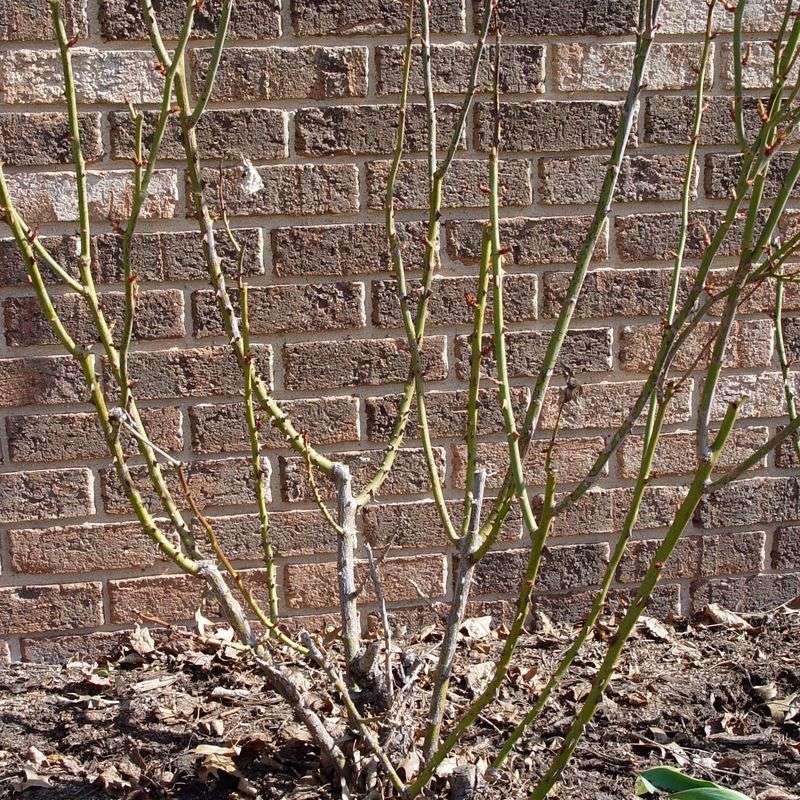
Georgia’s humidity arrives with force once spring transitions into summer, and roses with crowded centers become disease magnets. Creating an open, vase-shaped structure during late winter pruning allows air to move freely through the plant.
This simple step dramatically reduces fungal problems that plague roses across the state from April through October.
Stand back and look at your rose bush’s overall shape before making cuts. Imagine a vase or bowl shape with canes growing outward from the center rather than crossing through the middle.
Remove any canes growing toward the center or straight up through the middle of the plant. These inward-growing canes block airflow and create shaded, damp spots where black spot and mildew thrive.
Aim for three to five strong main canes on hybrid teas and floribundas, spaced evenly around the plant’s base. Shrub roses and landscape varieties can handle more canes but still need that open center for air circulation.
Each cane should have room to grow without touching its neighbors, allowing sunlight to reach leaves on all sides.
This open structure also makes it easier to spray organic treatments or inspect for problems as the season progresses.
You can see into the plant’s center and spot issues early rather than discovering them after they’ve spread throughout dense foliage.
Better airflow means leaves dry faster after rain or morning dew, giving fungal spores less time to germinate and establish infections across your Georgia garden.
6. Make Cuts Just Above Outward-Facing Buds For Better Shape
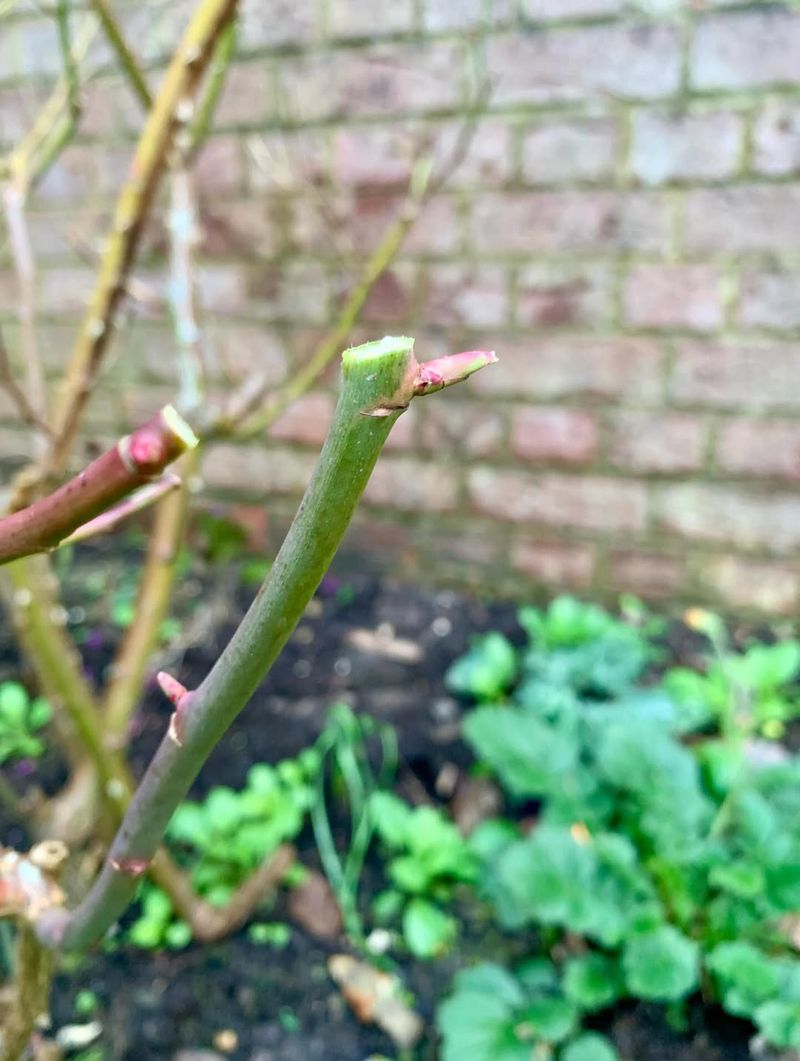
Where you place each cut determines which direction new growth travels, and outward-facing buds send canes away from the plant’s center. This creates that open, attractive shape that also promotes plant health across Georgia gardens.
Cutting to inward-facing buds sends new growth back toward the middle, undoing all your careful work to open up the center.
Locate the bud eye you want to cut above by looking for the slight bump on the cane where a leaf once attached. Bud eyes alternate along the cane, with each one facing a slightly different direction.
Choose one pointing away from the plant’s center, then position your pruning shears about a quarter inch above it. Make your cut at a 45-degree angle sloping away from the bud, which helps water run off rather than pooling near the developing growth.
Cutting too close to the bud can damage it, while cutting too far above leaves a stub that becomes an entry point for disease. That quarter-inch distance is just right for most roses.
The angled cut is equally important because flat cuts hold water, especially during Georgia’s frequent spring rains. Standing water on cut surfaces invites rot and canker development.
As new growth emerges in the weeks after pruning, those outward-facing buds produce canes that arch gracefully away from the center. This natural growth pattern creates beautiful, balanced plants that are also healthier and easier to maintain.
Your roses will have the elegant structure that makes them standout features in your landscape rather than tangled messes.
7. Sanitize Tools To Reduce The Spread Of Disease
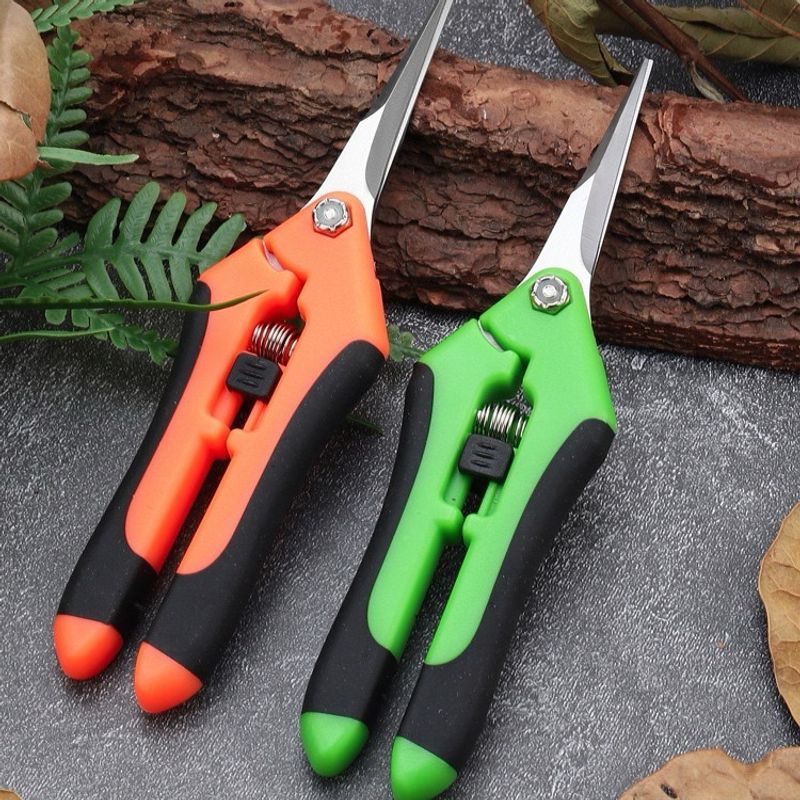
Your pruning tools become disease carriers the moment they cut through infected tissue, and moving from plant to plant without cleaning spreads problems throughout your Georgia rose garden.
Sanitizing between cuts takes just seconds but prevents issues that could plague your plants for months.
This simple habit ranks among the most important steps in rose care.
Keep a small container of rubbing alcohol or a 10 percent bleach solution near you while pruning. After cutting diseased, damaged, or suspicious-looking wood, dip or wipe your pruner blades with the solution before making the next cut.
This removes fungal spores, bacteria, and viral particles that cling to the metal. Even if you’re working on apparently healthy plants, sanitize between each rose bush as a precaution.
Rose rosette disease has spread across Georgia in recent years, and it transfers easily on contaminated tools. This viral disease has no cure and requires removing the entire infected plant.
Canker diseases, black spot, and other fungal problems also hitch rides on dirty pruners. Spending a few extra minutes sanitizing prevents heartbreak down the road when you realize you’ve accidentally spread disease to your favorite rose.
Clean and oil your tools thoroughly after finishing your pruning session. Wipe blades dry, remove any sap buildup, and apply a light coat of oil to prevent rust.
Sharp, clean tools make better cuts that heal faster, giving your roses the best possible start to their growing season across Georgia’s challenging climate.