9 Easy Flowers That Almost Grow On Their Own In Georgia
Some flowers demand constant attention, staking, feeding, and daily watering just to look decent. Others seem to settle in and take care of themselves once established.
In Georgia, where heat, humidity, and sudden summer storms test plant strength, easy growers quickly stand out from high-maintenance varieties.
The best low-effort flowers handle changing conditions without collapsing or fading after the first stretch of real heat. Strong roots, steady blooming habits, and natural resilience allow them to keep performing even when care is not perfect.
That reliability makes a noticeable difference in busy seasons.
Planting flowers that almost grow on their own means fewer replacements, less stress, and more consistent color through Georgia’s long growing season.
A smart plant choice can keep beds looking full without turning gardening into a second job.
1. Black-Eyed Susan Thrives In Georgia Heat And Poor Soil
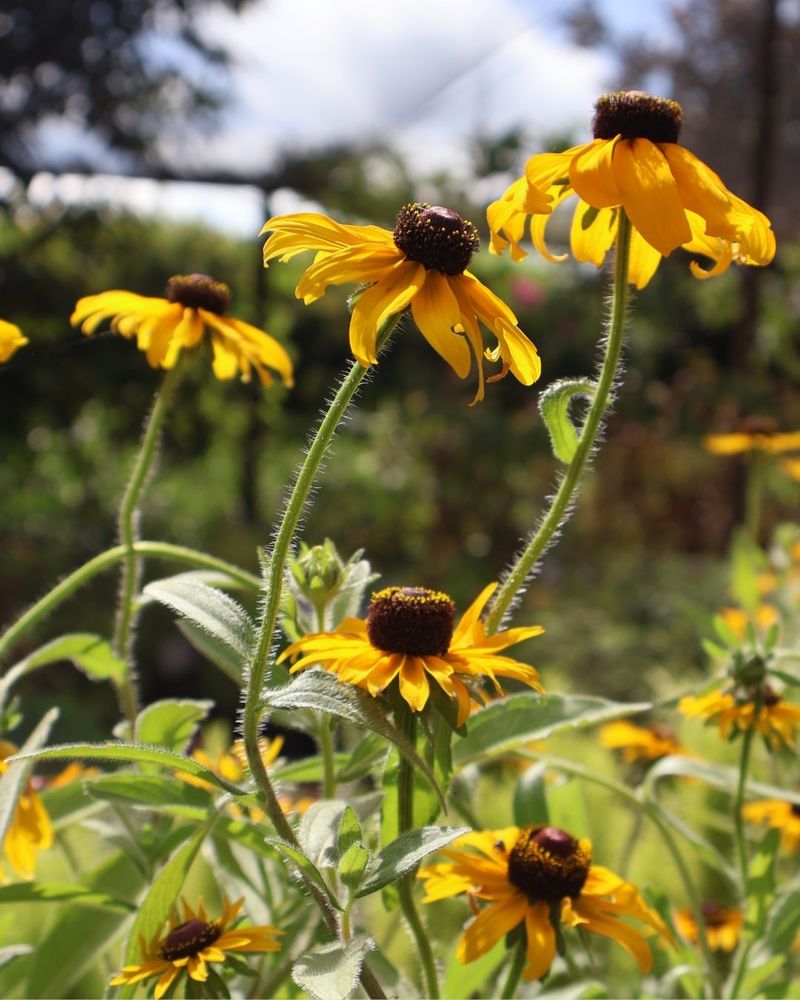
Poor soil doesn’t faze this cheerful flower one bit. Black-Eyed Susans actually prefer lean ground over rich, fertilized beds, making them perfect for those tough spots in your Georgia yard where nothing else seems to work.
Their golden petals with chocolate-brown centers bring instant sunshine to any space.
Summer heat that wilts other plants barely touches these tough bloomers. They laugh at temperatures that climb into the 90s and keep producing flowers from June straight through September.
You won’t spend your weekends dragging hoses around trying to keep them alive.
Clay soil, sandy patches, or that weird compacted dirt near your driveway all work fine for Black-Eyed Susans. They send down deep roots that find moisture even during dry weeks, so you can skip the constant watering routine.
Just plant them where they’ll get plenty of sun and watch them take off.
Butterflies and bees swarm these flowers throughout the season, turning your garden into a pollinator paradise. Once established, they reseed themselves and come back stronger each year.
Georgia gardeners love them because they deliver maximum color with minimum fuss, exactly what you need in this climate.
Deadheading encourages even more blooms, but the plants will keep flowering generously even if you skip it. Leave a few seed heads standing in fall, and goldfinches will visit for a natural late-season treat.
2. Coneflower Handles Humidity And Summer Drought
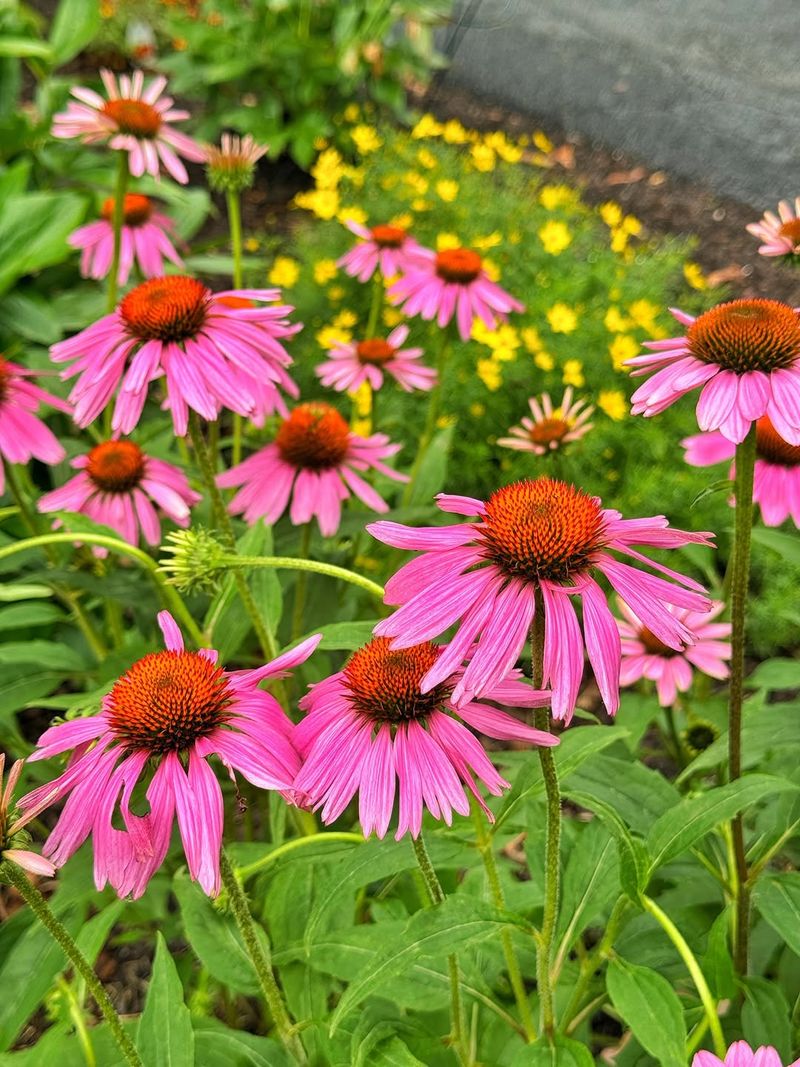
Humidity that turns other flowers into moldy messes rolls right off coneflowers like water off a duck’s back. These sturdy perennials were practically designed for Georgia’s sticky summers, with their thick stems and tough leaves that resist fungal problems.
Pink, purple, white, or orange varieties all perform like champions.
Forget about daily watering schedules with these beauties. Coneflowers develop extensive root systems that tap into deep soil moisture, letting them cruise through weeks without rain.
Even when their leaves look a bit droopy during the hottest afternoons, they perk right back up by evening.
Your Georgia garden gets a pollinator magnet when you plant coneflowers. Goldfinches love snacking on the seed heads in fall, while butterflies and bees visit constantly during blooming season.
The flowers stand tall on strong stems that don’t flop over in summer storms.
Your Georgia Garden Changes Every Week. Your Plan Should Too.
Gardening in Georgia changes quickly throughout the season. Every Friday you’ll receive a simple weekly plan showing exactly what to plant, prune, fertilize, harvest, and protect so you never miss the right timing.
Plant them once and enjoy years of blooms without replanting or fussing. They spread slowly to fill in spaces but never become aggressive invaders.
Deadheading spent blooms keeps them flowering longer, but even if you ignore that chore, they’ll still put on a great show throughout the season.
Full sun keeps them blooming at their best, though they tolerate a little light afternoon shade in hotter parts of Georgia. Well-drained soil helps prevent root issues, especially during stretches of heavy summer rain.
Once established, they handle drought, heat, and humidity without demanding constant attention.
3. Coreopsis Blooms For Months With Minimal Attention
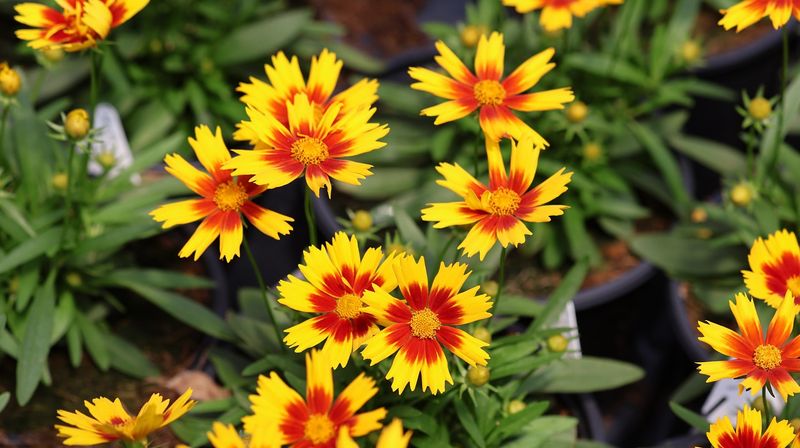
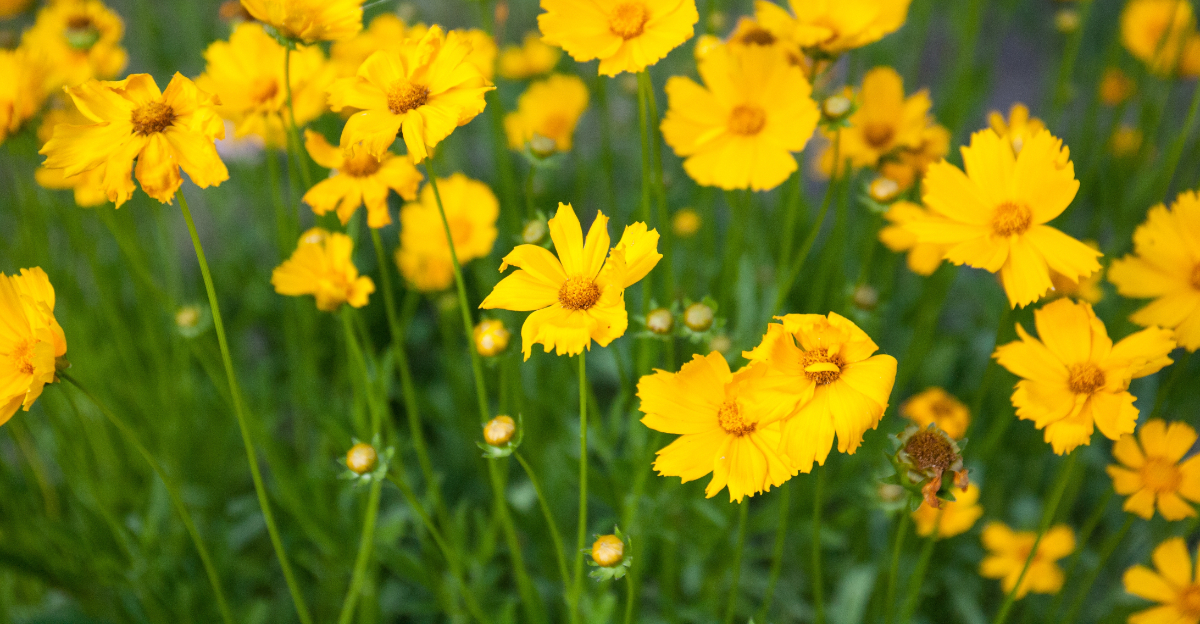
Continuous color from spring until frost sounds too good to be true, but Coreopsis delivers exactly that in Georgia gardens.
These cheerful yellow flowers keep pumping out blooms month after month without demanding fertilizer, special soil, or constant deadheading.
They’re the definition of low-maintenance beauty.
Coreopsis, Georgia’s state wildflower, thrives in conditions that would stress out fancier flowers. Full sun and decent drainage are basically all they ask for, making them perfect for beginners or anyone who doesn’t want gardening to feel like a second job.
Their fine, feathery foliage stays neat and attractive even when not in bloom.
Drought tolerance makes these flowers absolute stars during dry Georgia summers. Once their roots establish, they handle water shortages better than most perennials, bouncing back quickly when rain finally arrives.
You won’t watch them slowly decline during those inevitable August dry spells.
Varieties like ‘Moonbeam’ and ‘Zagreb’ form tidy mounds covered in flowers, perfect for edging beds or filling containers. They reseed moderately, giving you more plants without becoming weedy nuisances.
Local butterflies flock to them, and deer usually leave them alone, solving two common Georgia garden problems at once.
Lean soil actually improves flowering, since overly rich ground can lead to floppy growth instead of blooms. Cutting plants back lightly in midsummer refreshes the foliage and encourages a fresh wave of color.
Their long bloom window keeps beds bright even when many other perennials take a break in the heat.
4. Zinnias Grow Fast And Keep Flowering All Season
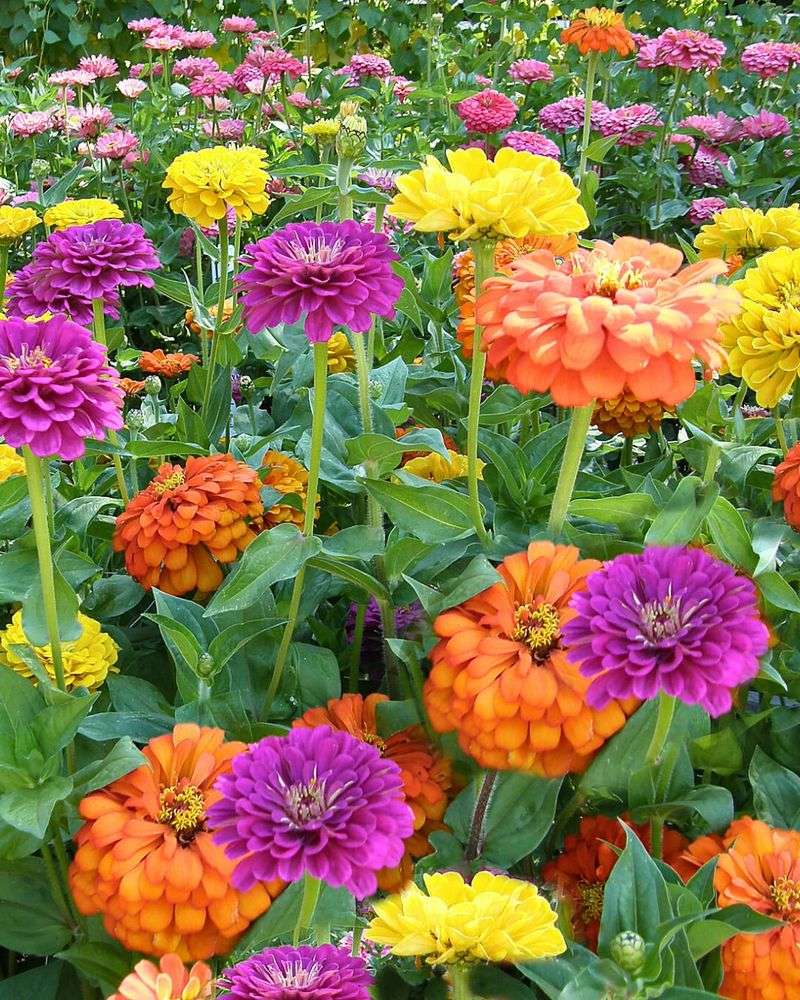
Fast results appeal to impatient gardeners, and zinnias deliver blooms in just weeks from seed. These annuals shoot up quickly in Georgia’s warm soil, transforming from tiny seeds to flower-covered plants faster than almost anything else you can grow.
Kids love watching their rapid progress.
Heat doesn’t slow zinnias down one bit. They actually bloom more enthusiastically as temperatures rise, pumping out flowers in every color except blue throughout Georgia’s long, hot summer.
The hotter it gets, the happier they seem, which is exactly backwards from most garden flowers.
Cutting zinnias for bouquets encourages even more blooms to form. Unlike some flowers that sulk when you snip their stems, zinnias respond by branching out and producing additional flower buds.
You get beautiful arrangements inside and more color outside at the same time.
Seed packets cost just a few dollars and produce dozens of plants, making zinnias incredibly budget-friendly for Georgia gardeners. They tolerate less-than-perfect soil and don’t need fertilizer to perform well.
Just give them sun, occasional water during extreme dry spells, and they’ll reward you with non-stop color until the first frost arrives.
5. Lantana Tolerates Heat And Dry Spells With Ease
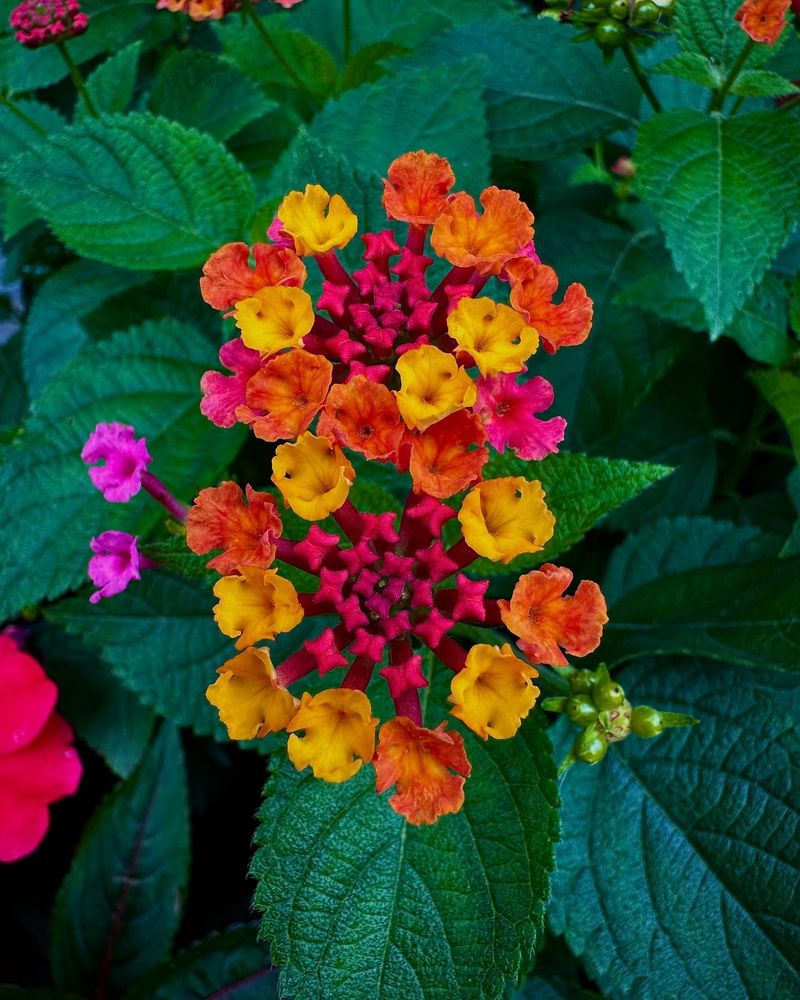
Scorching pavement and reflected heat from driveways create brutal conditions that lantana actually enjoys. These tough plants laugh at temperatures that would cook other flowers, producing clusters of multicolored blooms that change shades as they age.
Each flower head shows off two or three colors simultaneously.
Water conservation becomes effortless when you plant lantana in your Georgia landscape. Their drought tolerance borders on extreme, letting them survive on rainfall alone once established.
During those brutal August weeks when you’re too hot to even think about watering, lantana keeps right on blooming.
Butterflies treat lantana like an all-you-can-eat buffet, visiting constantly from morning until dusk. Hummingbirds also stop by regularly, adding movement and life to your garden.
Meanwhile, deer walk right past these plants, making them perfect for Georgia yards where deer browsing is a constant problem.
Trailing varieties work beautifully in hanging baskets or spilling over retaining walls, while upright types fill beds with color. They bloom continuously from late spring through fall without deadheading or special care.
Just be aware that lantana can spread aggressively in warmer parts of Georgia, so choose sterile varieties if you’re concerned about invasiveness.
6. Daylilies Return Year After Year Without Fuss
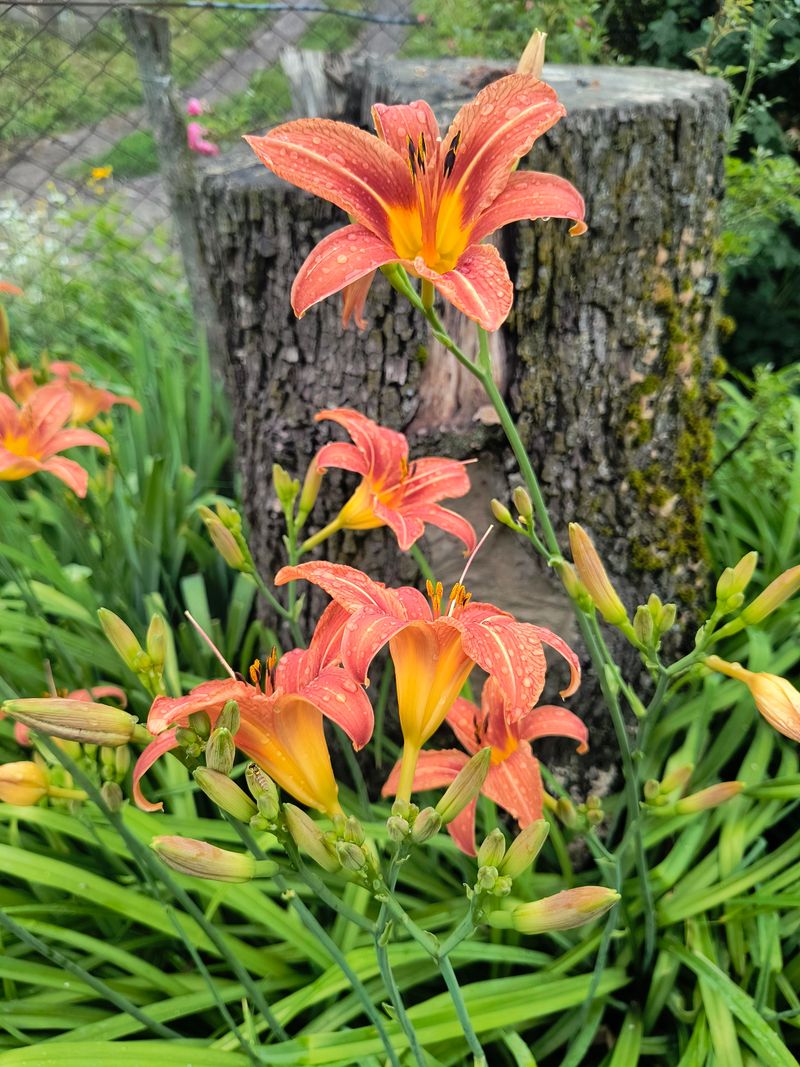
Reliability matters when you’re planning a Georgia garden that looks good every single year.
Daylilies deliver that dependability better than almost any other perennial, returning stronger and fuller each season without requiring division, special feeding, or winter protection.
Plant them once and enjoy decades of blooms.
Georgia’s clay soil doesn’t bother daylilies at all. They adapt to whatever ground you’ve got, whether it’s heavy red clay, sandy loam, or something in between.
Their fleshy roots store moisture and nutrients, helping them power through dry periods without showing stress.
Each flower lasts just one day, but plants produce so many buds that you get continuous color for weeks.
Modern varieties bloom in early summer, midsummer, or late summer, so planting several types extends your flowering season from May through September.
Colors range from pale yellow to deep burgundy.
Dividing clumps every few years gives you free plants to spread around your yard or share with neighbors, but daylilies bloom fine even if you never divide them.
They tolerate part shade better than most sun-lovers, making them useful for spots that get afternoon shade from trees or buildings in your Georgia landscape.
7. Salvia Attracts Pollinators And Needs Little Maintenance
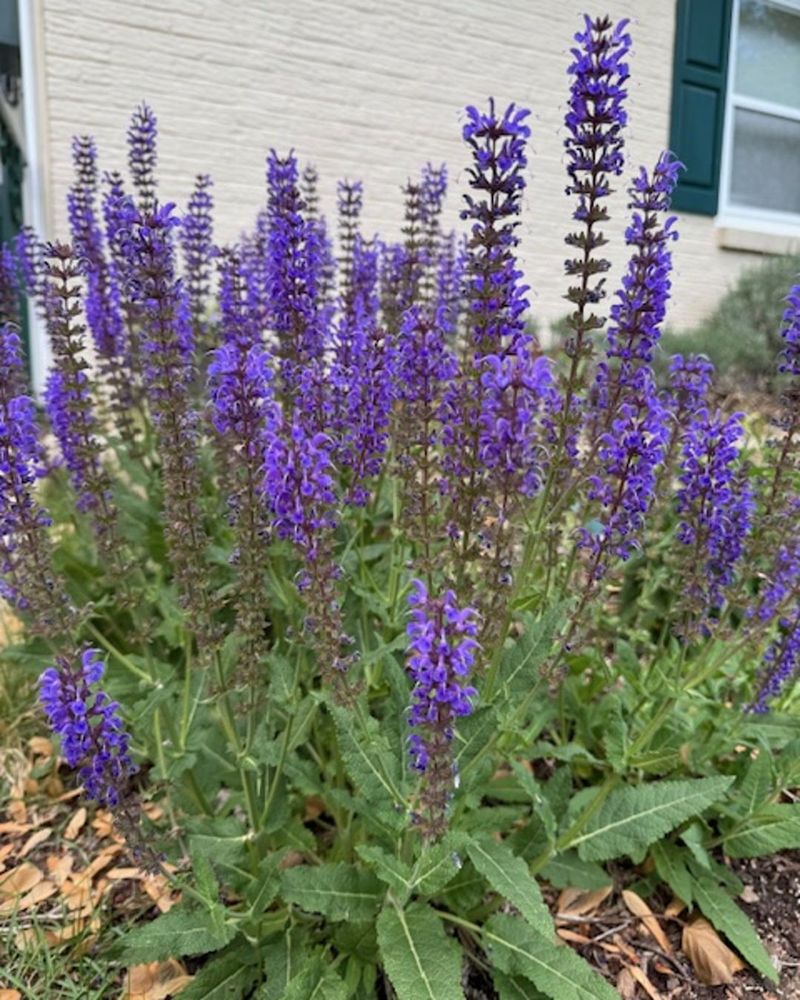
Vertical interest comes automatically when you plant salvia, with its tall flower spikes reaching upward from bushy foliage. These spires of blue, purple, red, or white flowers create height and structure in Georgia gardens without requiring staking or fussing.
They stand up straight through wind and rain.
Bees go absolutely crazy for salvia blooms, buzzing around the flower spikes all day long. Hummingbirds also visit regularly, especially the red-flowered varieties.
You’ll create a pollinator haven just by planting a few of these easy-care perennials in your Georgia yard.
Drought tolerance kicks in quickly once salvia roots establish in your garden. These Mediterranean natives handle Georgia’s dry spells admirably, requiring water only during extended droughts.
Their gray-green foliage naturally conserves moisture, so they don’t wilt and droop like thirstier plants.
Deer avoid salvia because of its aromatic foliage, solving a major problem for many Georgia gardeners. The plants bloom from late spring through fall, providing months of color with zero deadheading required.
They prefer well-drained soil but aren’t picky about fertility, thriving even in lean ground that doesn’t support demanding flowers. Varieties like ‘May Night’ and ‘Caradonna’ perform exceptionally well throughout Georgia.
8. Blanket Flower Keeps Blooming In Full Sun
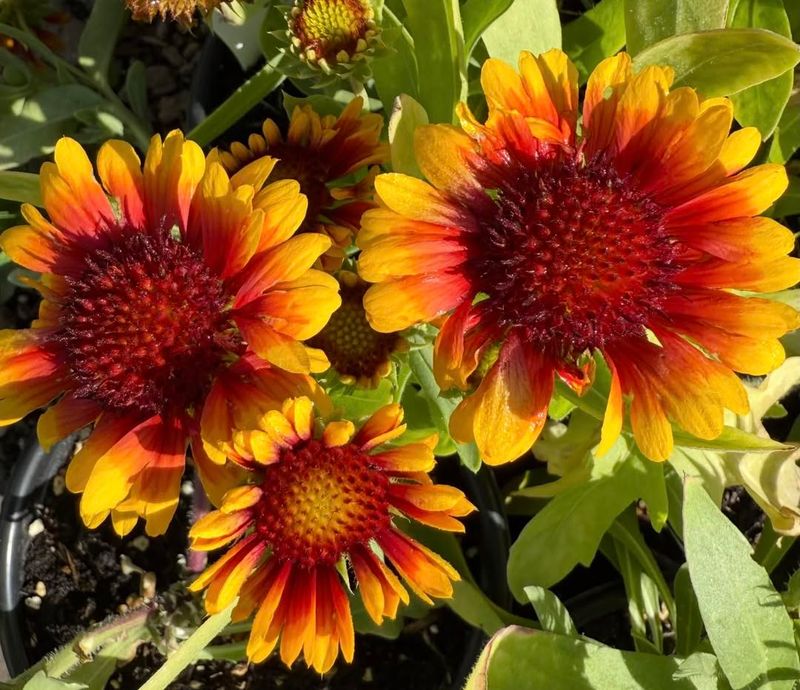
Full sun situations that bake other flowers into submission are exactly where blanket flowers shine brightest.
These cheerful daisies in shades of red, orange, and yellow seem to feed off Georgia’s intense summer sunshine, producing more blooms the hotter it gets.
Their two-toned petals create instant visual impact.
Sandy, poor soil actually suits blanket flowers better than rich, amended beds. They evolved on prairies and dry plains, so Georgia’s less-than-perfect dirt feels like home to them.
Overwatering or over-fertilizing causes more problems than neglect ever will.
Blooming starts in early summer and continues straight through fall if you give blanket flowers the sun they crave. Each plant produces dozens of flowers over the season, providing plenty for cutting without diminishing the garden display.
They make excellent cut flowers that last well in vases.
Salt tolerance makes blanket flowers useful near driveways or sidewalks where winter road salt might drift into beds.
They also handle coastal conditions well, working in gardens near Georgia’s coast where salt spray affects plant choices.
Once established, they reseed lightly and spread slowly to form colorful drifts. Butterflies visit constantly, and the plants rarely suffer from pest or disease problems.
9. Moss Rose Handles Hot, Dry Spots Effortlessly
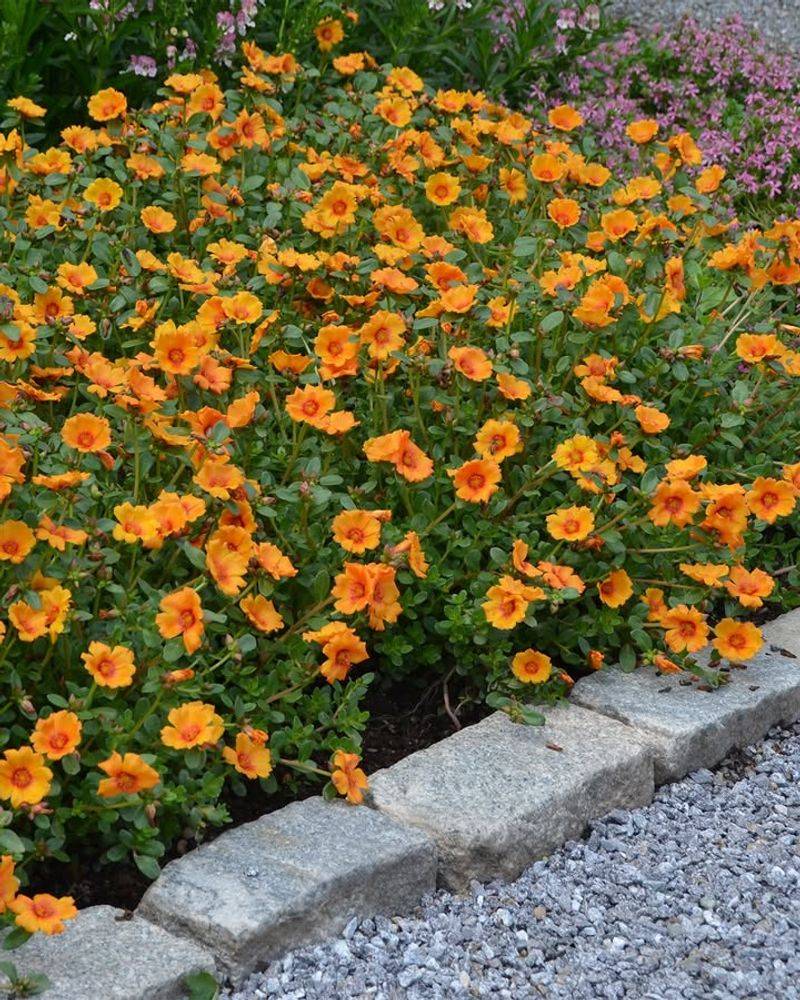
Succulent leaves store water like tiny reservoirs, letting moss rose survive conditions that would finish off ordinary annuals. These low-growing charmers produce jewel-toned flowers in hot pink, orange, yellow, and white that open in sunshine and close at night.
Their fleshy foliage looks almost like tiny cacti.
Hot, dry spots that defeat everything else become perfect homes for moss rose.
That strip of dirt between your driveway and house that bakes all afternoon? Moss rose will thrive there.
Rocky soil with poor drainage? No problem.
These tough little plants actually prefer lean, fast-draining ground.
Containers dry out quickly in Georgia’s heat, but moss rose handles that challenge better than almost any other annual. They’re perfect for hanging baskets, window boxes, or pots on sunny decks where you can’t water twice daily.
Just give them a good soaking once or twice a week.
Reseeding happens readily with moss rose, so you’ll likely find volunteers popping up in nearby cracks and crevices the following year. Their spreading habit fills spaces quickly, creating colorful carpets just inches tall.
They bloom from late spring until frost, asking nothing except sunshine and occasional water during extreme drought.