Here’s Why California Gardeners Love Ceanothus More Than Hydrangeas
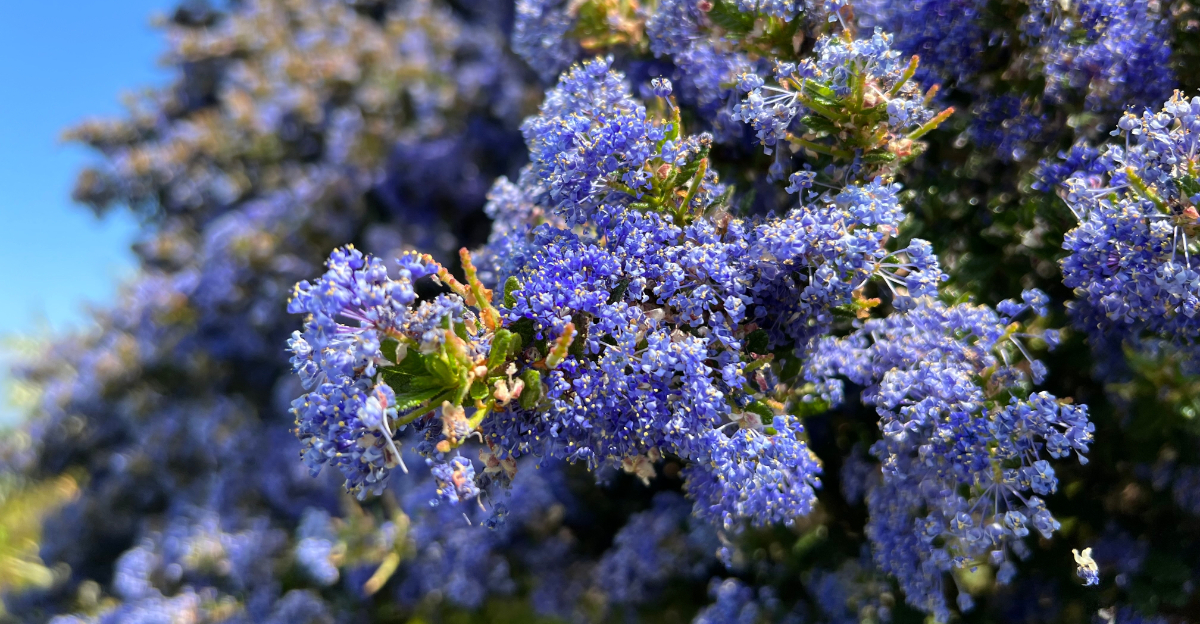
California gardeners have a soft spot for plants that look stunning without begging for constant attention, and ceanothus fits that role beautifully.
With clouds of blue, violet, and snowy white blossoms, this California native turns hillsides and backyards into a springtime show that feels wild yet refined.
It thrives in sunny, dry conditions, asks for little water, and supports local pollinators, making it a natural match for the laid back California lifestyle.
Hydrangeas may offer big, lush blooms, but they often crave more water, richer soil, and extra care than many gardeners want to give.
Ceanothus, on the other hand, rewards minimal effort with vibrant color, glossy evergreen foliage, and a fresh, coastal garden vibe.
For those chasing beauty, resilience, and eco friendly appeal, it is easy to see why ceanothus continues to win hearts across the Golden State year after year in gardens of every size and style.
Built For California, Not Just Gardens
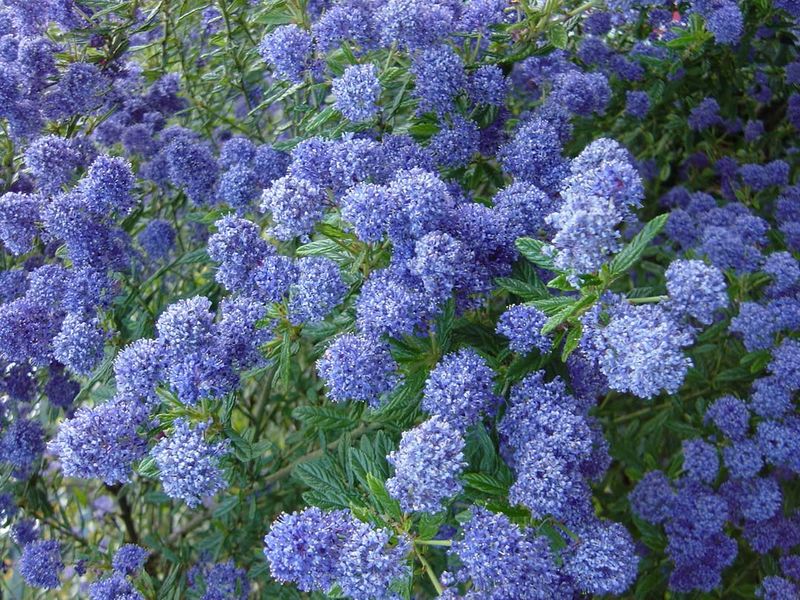
Some plants belong in a garden catalog. Ceanothus belongs in California.
This shrub evolved right here, shaped by the state’s unique mix of hot summers, dry winters, and everything in between. It doesn’t need to be coaxed or babied to perform well.
It simply does what it was born to do.
Hydrangeas, by contrast, come from regions with more rainfall and milder temperatures. Planting one in a California yard often means fighting against the climate rather than working with it.
You end up watering constantly, moving pots into the shade, and crossing your fingers every August.
Ceanothus flips that whole experience around. Gardeners in places like the Sacramento Valley and the San Diego foothills have found that Ceanothus settles in quickly and spreads confidently.
It anchors slopes, fills corners, and grows into its space without needing much direction. The plant isn’t just surviving in California.
It’s exactly where it belongs. That kind of natural fit makes gardening feel less like a battle and more like a partnership with the land around you.
Drought-Tough And Water-Wise
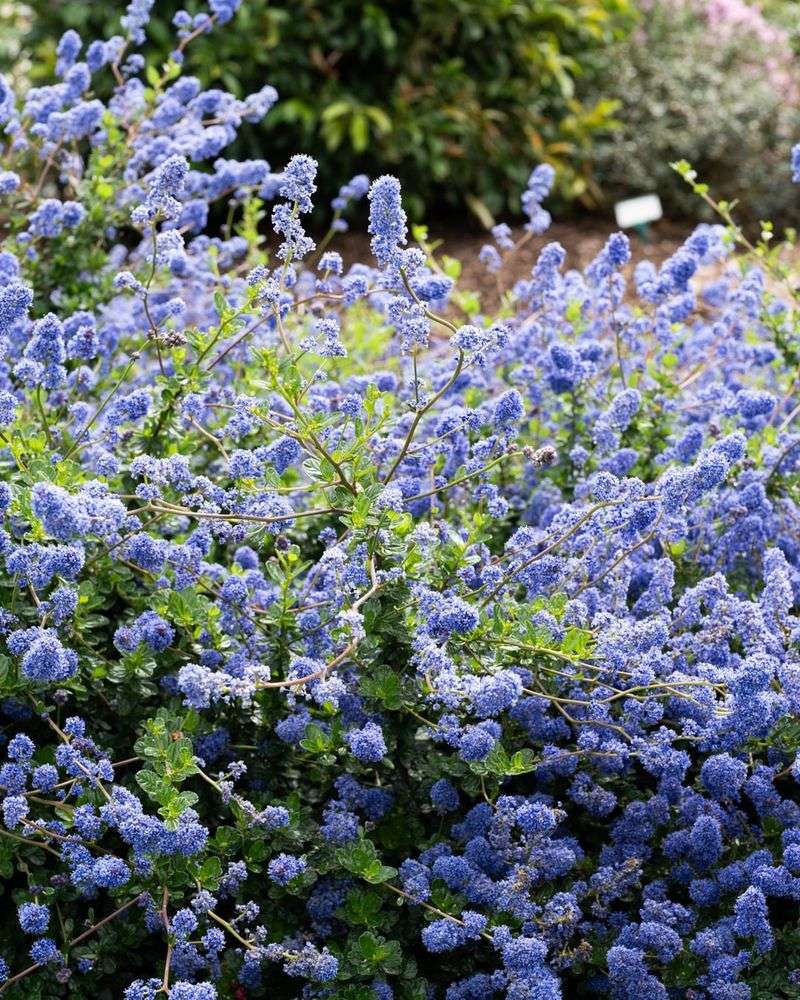
Water is precious in California. Droughts have become longer and more intense, and many cities have strict watering restrictions.
Choosing the right plants isn’t just about looks anymore. It’s about being responsible with a limited resource.
Ceanothus is one of the most drought-tolerant shrubs you can grow in the state. Once it’s established, usually after the first year or two, it rarely needs supplemental watering.
The roots go deep, finding moisture that other plants can’t reach. It’s genuinely built to handle dry conditions without wilting or looking stressed.
Hydrangeas are practically the opposite. They need regular, consistent watering, especially during California’s long summer dry season.
Skip a few waterings and the leaves droop dramatically. Keep them going through August in a place like Riverside or Fresno, and your water bill starts to climb fast.
Ceanothus lets you breathe easy. You plant it, get it settled during the rainy season, and then mostly step back.
For gardeners who want a beautiful yard without watching the hose every day, this plant is a genuinely smart and satisfying choice.
Your California Garden Changes Every Week. Your Plan Should Too.
Gardening in California changes quickly throughout the season. Every Friday you’ll receive a simple weekly plan showing exactly what to plant, prune, fertilize, harvest, and protect so you never miss the right timing.
Explosive Spring Color
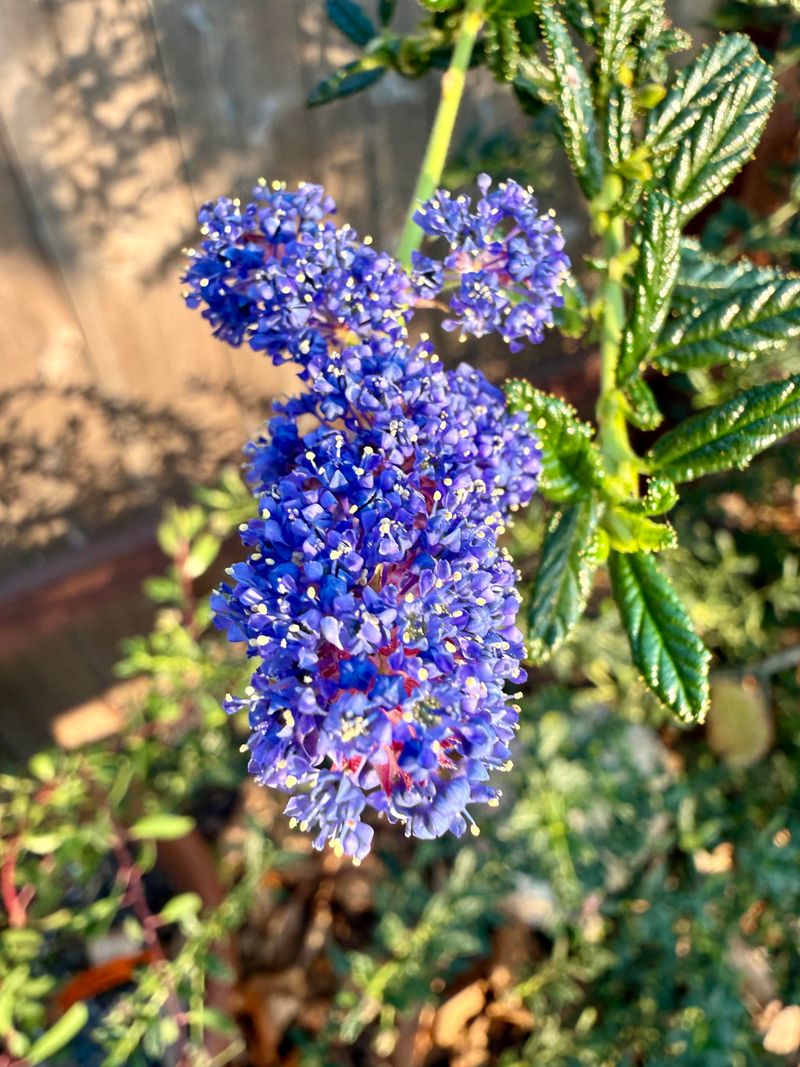
Every spring, Ceanothus puts on a show that stops people in their tracks. The blooms come in shades of blue, violet, and white, and they arrive in such thick clusters that the whole shrub can look like a cloud of color.
It’s one of the most dramatic spring displays you’ll find in any California garden.
What makes it even more exciting is how fast it happens. Almost overnight, the plant goes from quiet and green to completely covered in flowers.
Neighbors start asking questions. Passersby slow down.
It’s the kind of plant that earns compliments without you having to say a word about it.
Hydrangeas do bloom beautifully, but they need the right conditions to really deliver. In many parts of California, especially in warmer inland areas like the Central Valley, the heat can shorten the bloom time or fade the color.
Ceanothus doesn’t have that problem. The spring season in California is exactly when this plant is in its prime.
The cool mornings and warming afternoons seem to push the blooms into overdrive. For pure, reliable, breathtaking spring color, few plants can match what Ceanothus brings to a California yard.
Pollinators Absolutely Love It
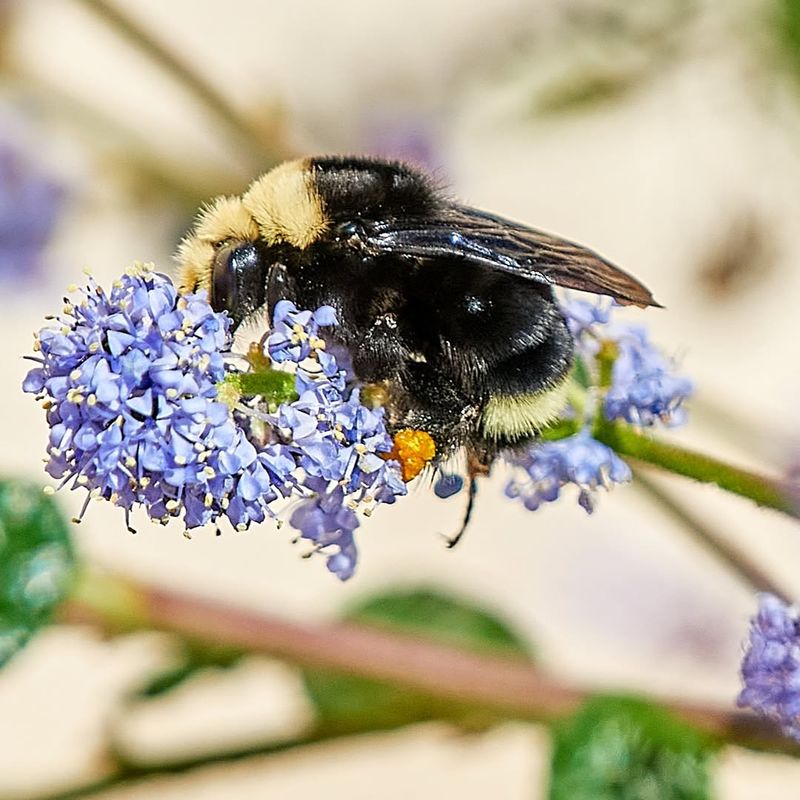
Walk past a blooming Ceanothus on a warm California morning and you’ll hear it before you see it. The buzzing is constant.
Bees, both honeybees and native species, flock to the flowers in numbers that can be genuinely impressive. Butterflies show up too, along with hummingbirds and other beneficial insects.
Ceanothus is considered one of the top pollinator plants for California gardens. The flowers are rich in nectar and pollen, and because the blooms arrive in early spring, they provide food at a time when many other plants haven’t started yet.
That timing matters a lot for native bee populations that are just waking up after winter.
Hydrangeas, while pretty, don’t offer nearly as much to pollinators. Many popular hydrangea varieties have been bred for larger, showier blooms, which actually reduces the amount of accessible pollen and nectar.
You get a beautiful flower, but the bees get very little from it. Choosing Ceanothus means your garden becomes part of something bigger.
In a state like California, where native bee populations face real pressure, planting something that actively supports local wildlife feels meaningful. It turns your yard into a small but important habitat.
Low Care, High Reward
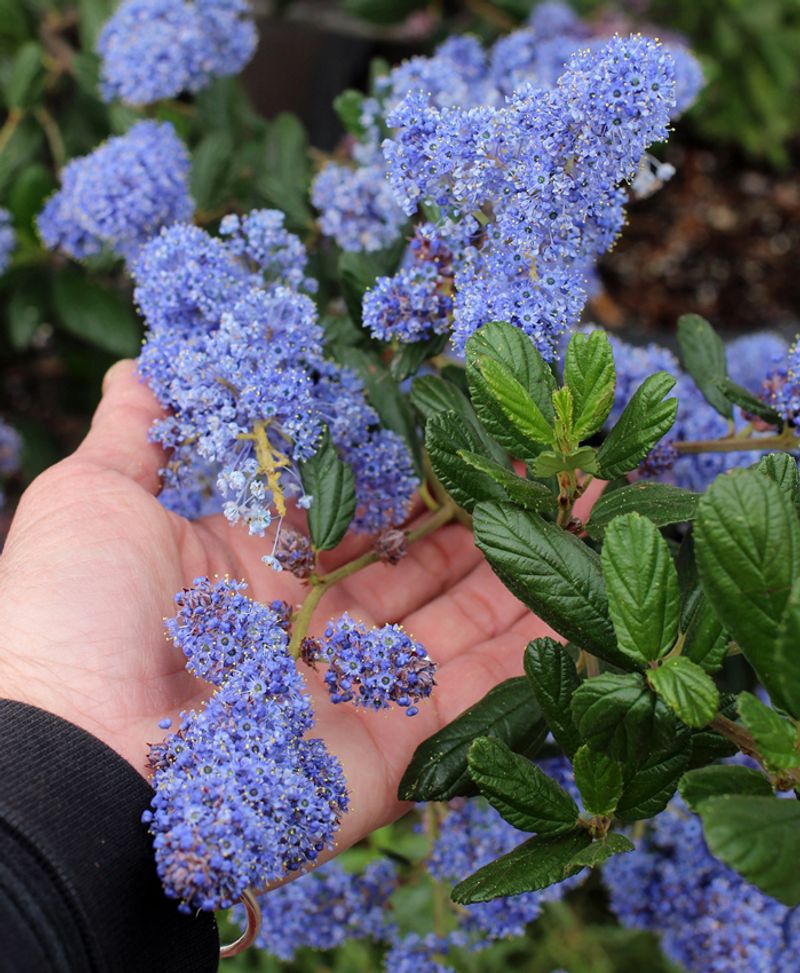
Not everyone has hours to spend in the garden every weekend. Life gets busy, and the last thing you want is a plant that punishes you for missing a watering or skipping a pruning session.
Ceanothus understands that. It’s one of the most self-sufficient shrubs you can grow in California.
After the first season, most Ceanothus varieties need very little attention. You don’t need to fertilize heavily, and you don’t need to spray for pests regularly.
The plant tends to handle itself. A light trim after flowering helps keep the shape tidy, but it’s not required for the plant to stay healthy and attractive.
Hydrangeas, by comparison, ask for quite a bit more. They need deadheading, consistent moisture, occasional feeding, and sometimes winter protection in colder parts of California.
That’s a lot of ongoing effort for a plant that may still struggle in the wrong microclimate. Ceanothus gives you something rare: a plant that looks like you worked hard for it, even when you didn’t.
For busy homeowners across California who want a yard that looks intentional and cared for without constant effort, this shrub is one of the most rewarding choices you can make.
Thrives In Poor Soil
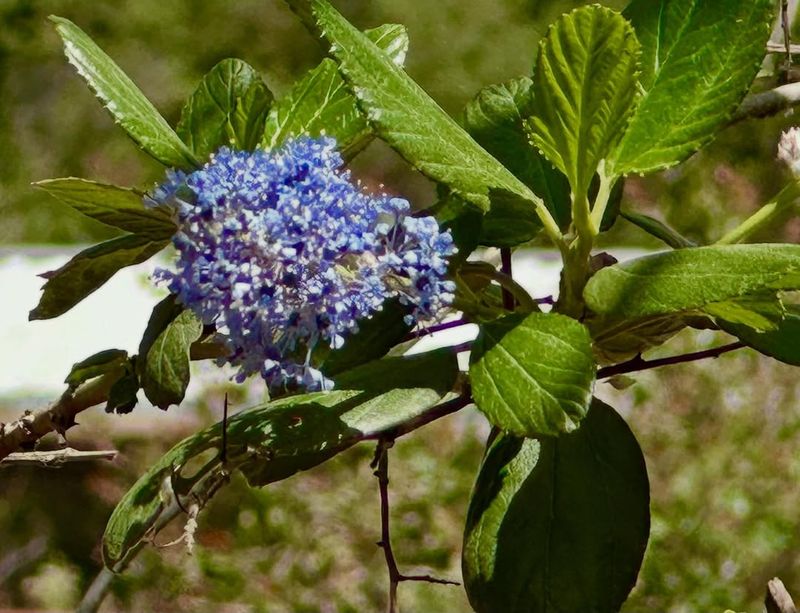
California soil can be tough. Rocky hillsides, sandy coastal ground, dense clay in the valleys.
Many plants struggle without serious soil amendment, compost, and fertilizer. Ceanothus shrugs all of that off.
It actually prefers lean, well-drained soil over rich, heavily amended garden beds.
This is one of the reasons Ceanothus does so well on California slopes and hillsides where other plants refuse to cooperate. The roots are adapted to finding nutrients in places where they’re scarce.
Adding too much fertilizer can actually stress the plant or cause it to grow too fast and become unstable. Less really is more with this shrub.
Hydrangeas need decent soil to perform well. They respond poorly to sandy or rocky ground without amendment, and they don’t like the alkaline conditions found in many parts of inland California.
Getting hydrangeas to thrive often means hauling in bags of compost and adjusting soil pH. That’s a lot of work before you even get started.
With Ceanothus, you can often plant directly into native California soil with minimal preparation. It’s a forgiving plant that meets your landscape where it is, not where you wish it could be.
Native Beauty That Belongs
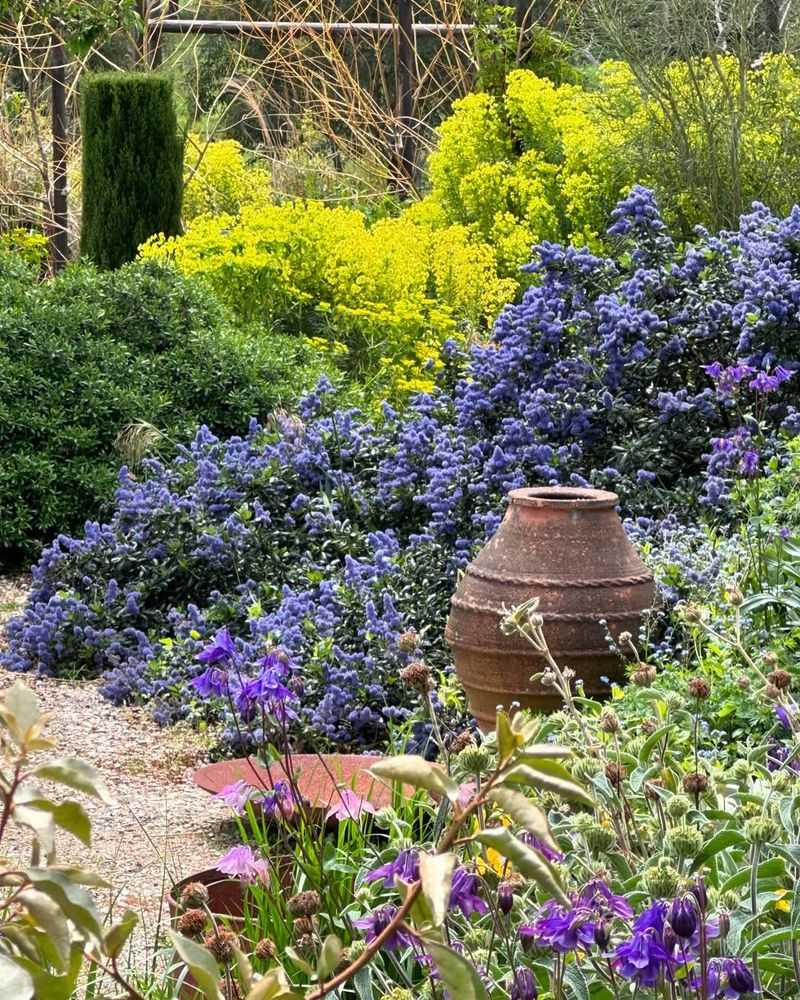
There’s something deeply satisfying about planting a garden that looks like it grew there on its own. Ceanothus has that quality.
Because it’s native to California, it fits into the landscape in a way that feels completely natural. It doesn’t look out of place or forced.
It looks like it belongs, because it does.
Native plants like Ceanothus also support the local ecosystem in ways that non-native plants simply can’t match. They’ve co-evolved with local insects, birds, and soil organisms over thousands of years.
That relationship shows up in every blooming season, as the garden fills with life that a hydrangea bed rarely attracts.
Across California, more homeowners and landscape designers are embracing native plant gardens. Cities like Los Angeles and San Francisco have programs that encourage residents to replace thirsty lawns and ornamental plants with California natives.
Ceanothus is often at the top of those recommended lists. Choosing it isn’t just a gardening decision.
It’s a way of connecting your yard to the broader California landscape, honoring the plants that shaped this region long before anyone put a garden hose in the ground. That sense of belonging is something no imported plant can replicate.
Sun-Loving And Heat-Ready
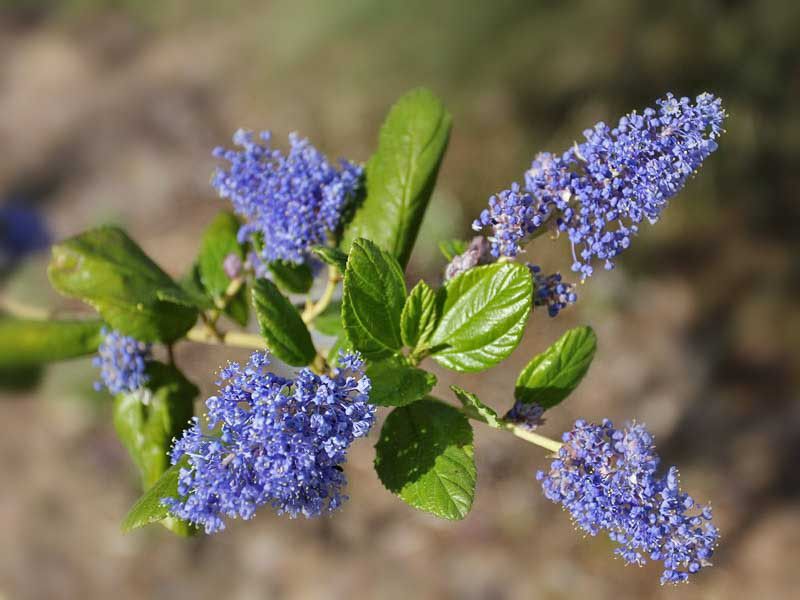
Full sun and high heat can be brutal for many garden plants. By midsummer in places like Bakersfield, Palm Springs, or the Inland Empire, temperatures regularly push past 100 degrees.
Plants that can’t handle that kind of intensity start to look rough fast. Ceanothus doesn’t flinch.
This shrub genuinely loves full sun. Give it a south-facing slope or an open spot with no shade, and it thrives.
The heat doesn’t stress it the way it does hydrangeas, which often need afternoon shade in hot California climates just to avoid leaf scorch. Ceanothus leans into the sun and comes out stronger for it.
That heat tolerance opens up parts of the yard that can be hard to plant successfully. Spots near driveways, against south-facing fences, or on exposed hillsides are often too harsh for most ornamental shrubs.
Ceanothus fills those spaces beautifully. It gives you color and structure in areas where other plants give up.
For California gardeners trying to make the most of every corner of their property, having a plant that welcomes the toughest conditions rather than avoiding them is a genuine advantage. Sun is everywhere in California, and Ceanothus knows exactly what to do with it.