How To Turn Soggy Oregon Yards Into A Peaceful Frog-Friendly Space
Rain shows up, the ground stays soft, and that one patch of yard never quite dries out. You step outside after another Oregon drizzle and hear that quiet squish underfoot. Most people see a problem. Standing water, muddy corners, plants that struggle. It can feel like wasted space that refuses to cooperate.
That soggy stretch actually matches the natural rhythm of much of Oregon’s landscape, especially in the Willamette Valley and coastal areas where heavy winter rain and slow-draining soils are part of the deal. Instead of fighting it, you can shape it into something that works with the conditions. Frogs already look for places like this, drawn to moisture, shelter, and still water where they can thrive.
A few thoughtful changes can turn that damp corner into a calm, living space filled with soft movement and quiet sound, the kind you start noticing just before dusk settles in.
Turn Standing Water Into Frog-Friendly Zones
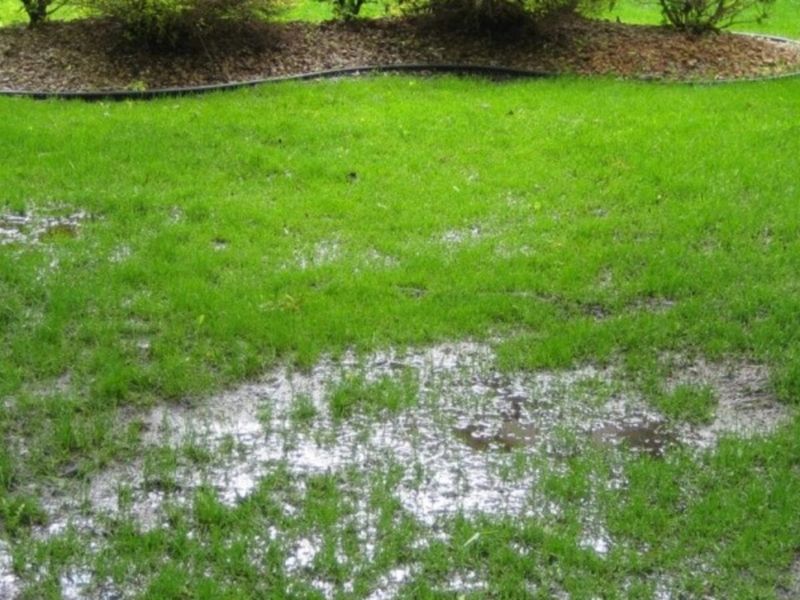
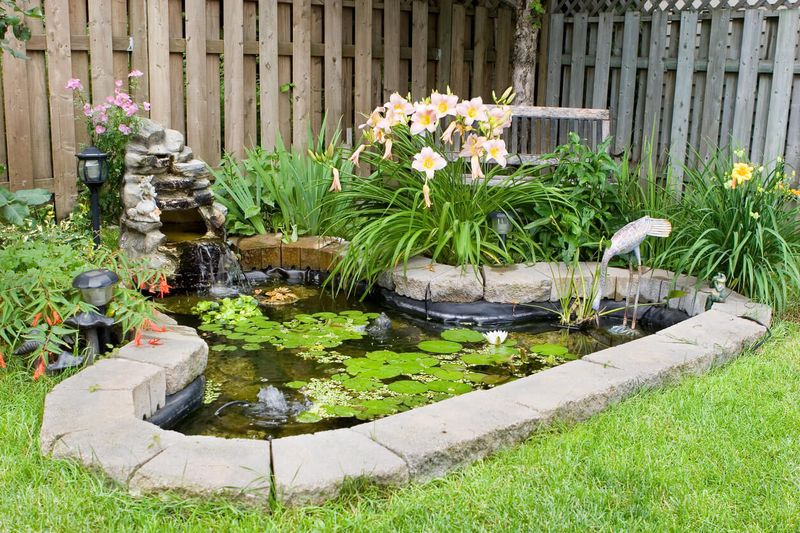
Standing water doesn’t have to be an eyesore or breeding ground for mosquitoes when you shape it into something frogs can actually use. Many Oregon yards collect water naturally in low spots, and these areas can become prime frog habitat with minimal effort.
The key is creating gentle slopes and varied depths rather than steep-sided pools that trap amphibians.
Frogs need easy entry and exit points, so adding flat rocks or logs at the water’s edge gives them safe access. Shallow sections no more than a few inches deep work perfectly for smaller species, while slightly deeper areas provide refuge during hotter days.
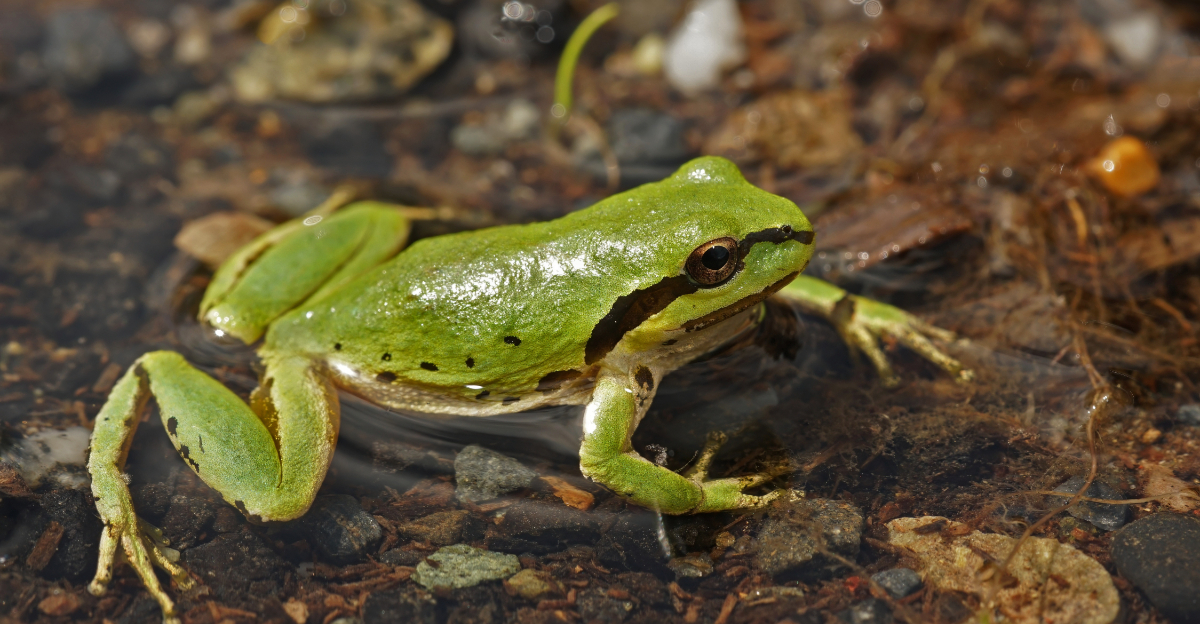
Oregon’s native Pacific tree frogs and red-legged frogs particularly appreciate these varied water zones.
Avoid the temptation to line these areas with plastic or concrete unless absolutely necessary. Natural soil bottoms allow beneficial bacteria to establish and help filter the water organically.
If you must use a liner, cover it with a layer of gravel and native soil to make it feel more natural.
Position these water zones where they receive partial shade to prevent excessive algae growth and keep temperatures comfortable. Surrounding vegetation provides cover from predators like herons and helps maintain moisture levels even during Oregon’s drier summer months.
Your standing water problem becomes a backyard asset when designed with amphibians in mind.
Choose Native Plants Frogs Naturally Gravitate Toward
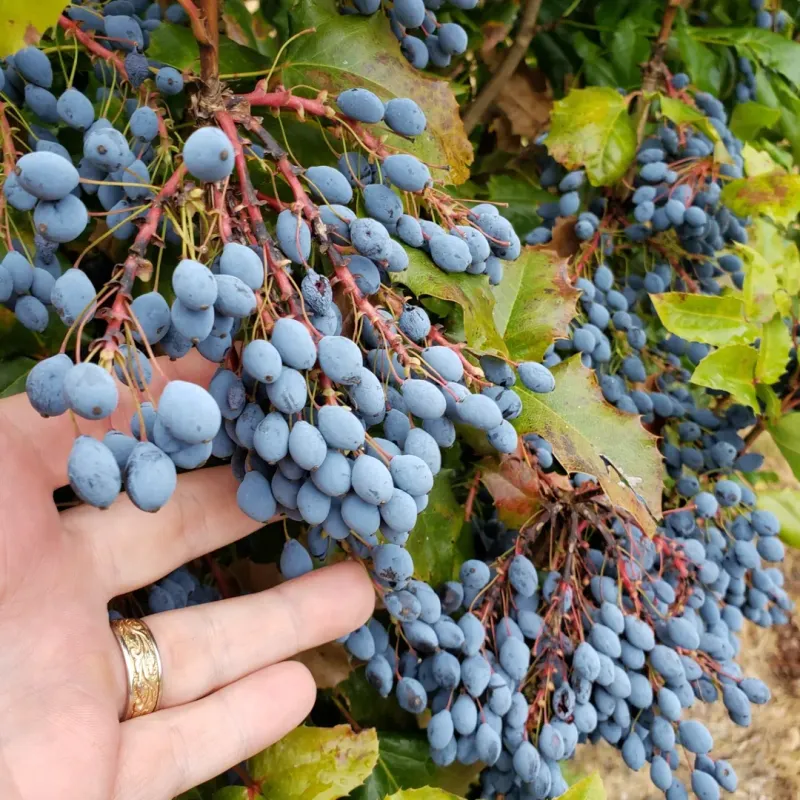
A frog-friendly space starts to come together when the plants around it actually support life, not just fill space. Native plants play a big role here, since they support the insects and invertebrates frogs rely on for food.
Oregon’s native vegetation has developed alongside local amphibians over a long stretch of time, so these plants tend to fit naturally into the conditions. Sword ferns, salal, and Oregon grape create thick ground cover that holds moisture well and gives frogs reliable places to stay hidden and safe.
Early bloomers like red-flowering currant and osoberry bring in insects right as frogs begin becoming active again in spring. These shrubs also add layers to the space, which frogs use for both shelter and hunting.
Your Oregon Garden Changes Every Week. Your Plan Should Too.
Gardening in Oregon changes quickly throughout the season. Every Friday you’ll receive a simple weekly plan showing exactly what to plant, prune, fertilize, harvest, and protect so you never miss the right timing.
Western bleeding heart and inside-out flower handle shady, damp areas well while quietly supporting the same food network frogs depend on.
Plants that need extra watering or regular chemical support often don’t contribute much to that system. Native choices are already suited to Oregon’s wetter soils and typically manage without added inputs that could disrupt amphibians.
Grouping plants together helps create small pockets of shade, moisture, and shelter across your yard. That layered feel also slows down evaporation and keeps conditions more stable.
Over time, these plantings settle in, need less attention, and create a space that feels active, balanced, and easy to maintain.
Create Cool, Shady Hiding Spots That Stay Moist
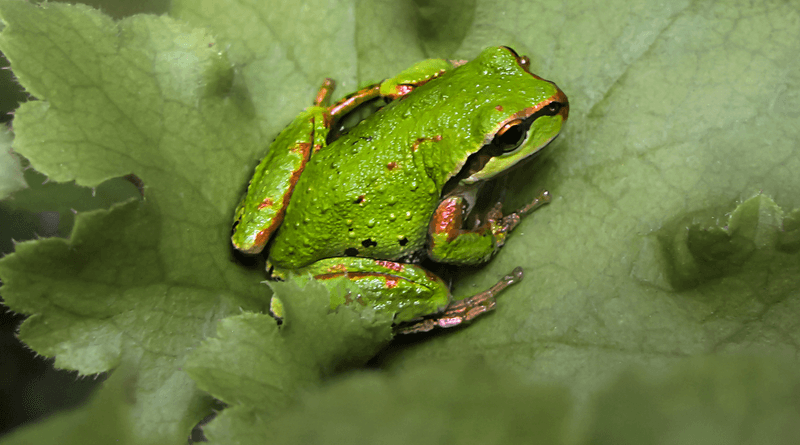
Frogs spend most of their time hiding rather than hopping around in plain sight, so providing adequate shelter is essential for attracting them to your Oregon yard. Cool, moist retreats protect amphibians from predators and prevent their sensitive skin from drying out during warmer weather.
Simple materials like flat rocks, untreated logs, and old boards create perfect hideaways when placed strategically.
Layer flat stones to create small caves with openings just large enough for frogs to squeeze through. These rock piles also attract the beetles, spiders, and other invertebrates that frogs hunt.
Position them in shaded areas where morning dew and Oregon’s frequent rain keep surfaces damp throughout the day.
Fallen logs placed directly on soil provide another excellent option, as they slowly decompose and create rich habitat for insects while offering frogs multiple hiding spots. Partially bury logs to increase their contact with moist ground and speed up the natural decay process that benefits the entire ecosystem.
Avoid moving or disturbing these features once frogs have claimed them as territory.
Overturned clay pots with a chip knocked out for an entrance work surprisingly well in smaller gardens. Place them in the shadiest, dampest corners of your Oregon property where they’ll stay cool even during summer.
The key is creating enough hiding spots throughout your yard so frogs can move safely between water sources and feeding areas without exposing themselves to danger for extended periods.
Skip Chemicals That Disrupt Your Garden’s Balance
Chemical pesticides, herbicides, and fertilizers can create conditions that frogs struggle to tolerate because they absorb substances directly through their permeable skin. Oregon’s amphibians are especially sensitive to these compounds, which may interfere with reproduction, immune response, and overall health when exposure builds over time.
Reducing or avoiding chemical use makes it much easier for frogs to settle and remain in your yard.
Synthetic lawn fertilizers often wash into low areas and water features, where they can encourage algae growth that lowers oxygen levels in water. This shift can affect small aquatic organisms that frogs rely on, along with the broader balance of your yard.
In many Oregon gardens, especially those with naturally moist soil, added fertilizer is often unnecessary because organic matter already breaks down steadily and releases nutrients.
Slug baits that contain metaldehyde can pose a risk because they target prey frogs would normally eat. When frogs consume affected slugs, they may also be exposed to those substances.
A more natural approach allows frogs to contribute to pest control as part of the ecosystem already forming in your yard.
Weed control products can also disrupt plant diversity, which supports insects and provides cover for amphibians. Hand removal and mulch take more effort at first but help build a stable environment over time.
Oregon’s regular rainfall helps mulch settle and stay in place, gradually improving soil while limiting unwanted growth. As chemical use decreases, conditions tend to become more supportive for frogs and the wider network of life around them.
Add Shallow Water Features Frogs Can Actually Use
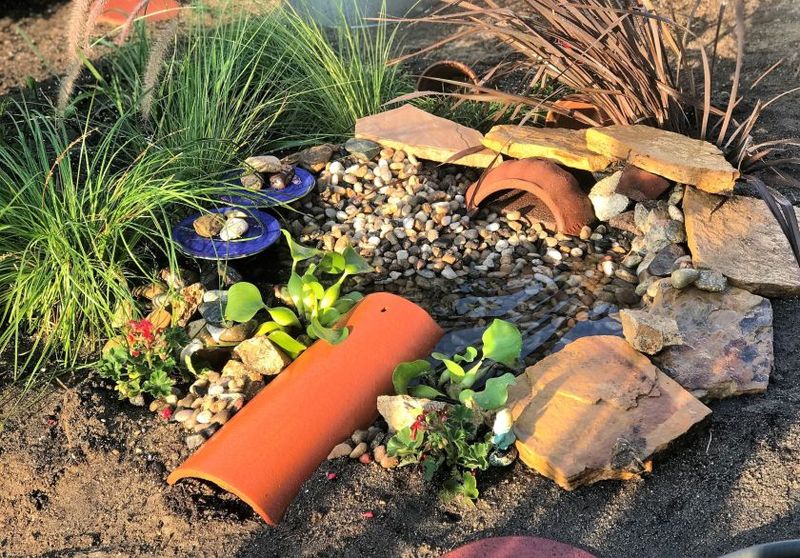
Purpose-built water features designed with frogs in mind differ significantly from decorative fountains or deep ponds that serve human aesthetics. Amphibians need shallow, accessible water sources they can enter and exit safely without risk of becoming trapped.
A simple ground-level basin no more than two to three inches deep at its center works better than elaborate installations.
Terracotta saucers, wide ceramic bowls, or naturally formed depressions lined with clay create ideal frog watering holes. The key is ensuring gradual slopes on all sides so even the smallest Pacific tree frogs can climb in and out easily.
Rough surfaces like unglazed pottery or textured stone provide better grip than smooth, slippery materials.
Position these features in shaded areas of your Oregon yard where they won’t heat up excessively or evaporate quickly. Partial shade from nearby shrubs or ferns keeps water temperatures comfortable while still allowing some light to reach the surface.
Frogs often visit these spots at night, so proximity to dense vegetation gives them safe travel corridors.
Refresh the water regularly to prevent stagnation, but avoid using chlorinated tap water if possible. Collected rainwater works perfectly in Oregon’s climate and requires no treatment.
If you must use municipal water, let it sit in an open container for 24 hours so chlorine can dissipate before adding it to your frog-friendly features. Multiple small water sources scattered throughout your property work better than a single large one.
Keep Soil Damp Without Overdoing It
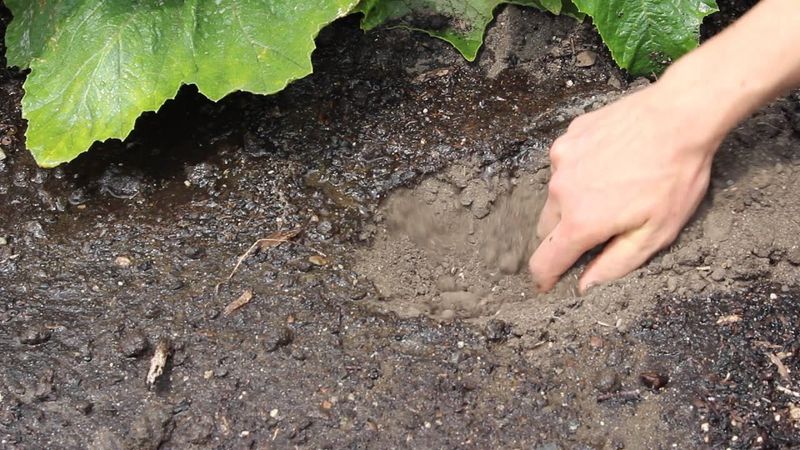
Maintaining consistent soil moisture without creating muddy swamps requires understanding how water moves through your Oregon property. Frogs need damp ground to keep their skin hydrated, but excessively saturated soil can actually limit the invertebrates they feed on.
The goal is achieving a spongy, moist consistency similar to a wrung-out sponge rather than soupy mud.
Organic mulch applied three to four inches deep helps regulate moisture by slowing evaporation during dry spells while preventing soil from becoming waterlogged during heavy rain. Shredded leaves, aged wood chips, or composted bark work excellently in Oregon gardens.
These materials break down gradually, improving soil structure and encouraging earthworm populations that frogs appreciate.
Improving drainage in the most problematic areas doesn’t mean eliminating moisture entirely. Adding compost to heavy clay soils increases their ability to hold water without becoming compacted.
This creates the ideal environment where moisture persists without forming puddles that take days to drain after Oregon’s frequent storms.
Observe how water flows across your property during rain events and identify natural moisture gradients. Some areas will naturally stay wetter than others, and these variations create diverse microhabitats that support different frog species.
Enhance these natural patterns rather than trying to make your entire yard uniformly damp. Grouping moisture-loving plants in the wettest zones while placing more drought-tolerant natives on higher ground creates the varied habitat structure that keeps Oregon’s frogs happy and well-fed throughout the seasons.
Let Leaf Litter And Debris Work In Your Favour
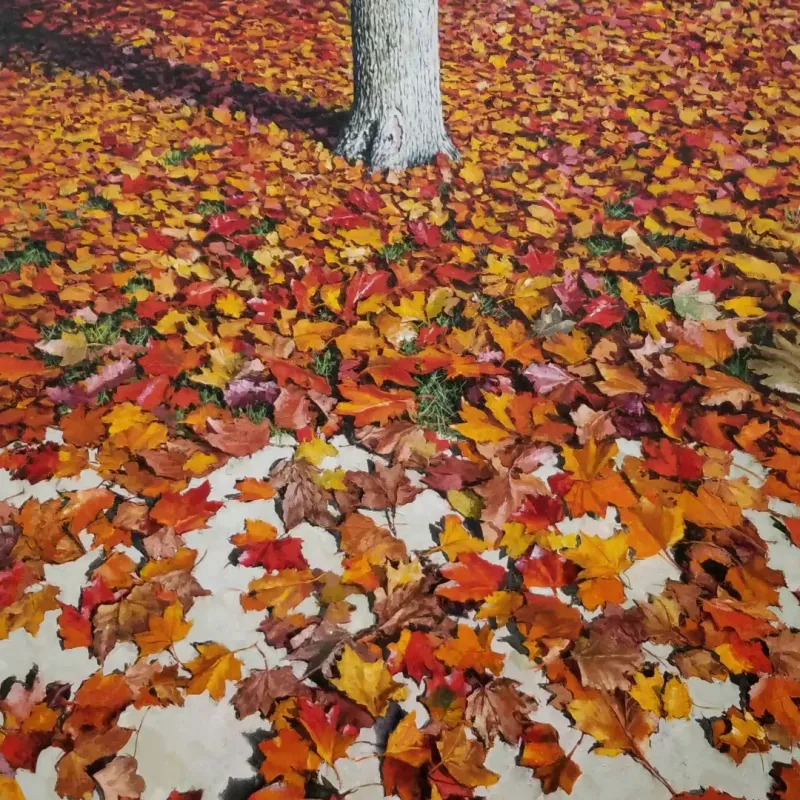
Oregon’s abundant rainfall and vegetation naturally produce copious amounts of fallen leaves and plant debris that many homeowners reflexively rake away. Leaving this organic matter in place creates one of the most valuable resources for frogs and the creatures they eat.
Leaf litter provides insulation, maintains soil moisture, and harbors countless invertebrates that form the base of your yard’s food web.
As leaves decompose, they release nutrients slowly and create the rich, crumbly soil that supports healthy plant growth without synthetic fertilizers. This layer also moderates temperature extremes, keeping the ground cooler in summer and providing insulation during Oregon’s occasional cold snaps.
Frogs burrow into leaf litter to escape predators and find food in the form of beetles, millipedes, and other decomposers.
You don’t need to leave your entire yard looking unkempt to gain these benefits. Concentrate leaf accumulation in garden beds, under shrubs, and along property edges where it looks intentional rather than neglected.
Paths and lawn areas can still be cleared for aesthetics while designated wildlife zones remain undisturbed.
Resist the urge to do major fall cleanup in your Oregon garden. The insects overwintering in leaf litter emerge in spring just as frogs need food after months of dormancy.
Twigs, small branches, and seed heads left standing through winter provide additional habitat structure. This natural approach reduces your workload while creating the complex, layered environment that supports thriving frog populations and transforms your soggy property into a genuinely peaceful wildlife sanctuary.