How California Gardeners Turn Everyday Kitchen Scraps Into Powerful Fertilizer
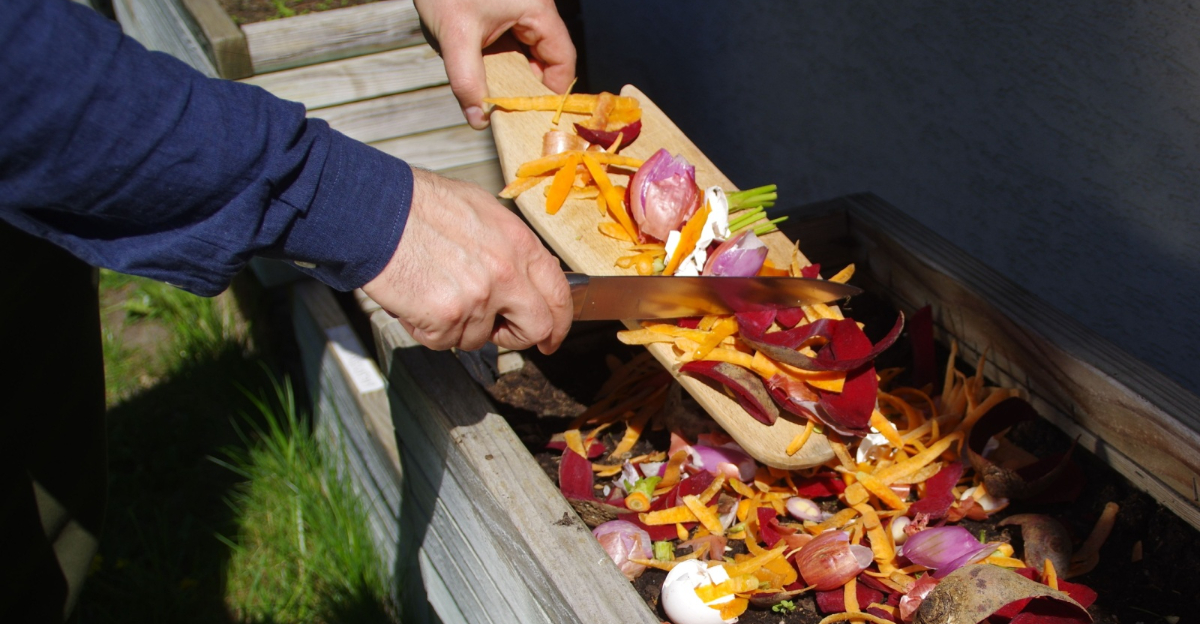
Banana peels, coffee grounds, and vegetable trimmings usually head straight for the bin. In California gardens, those scraps often take on a second life and quietly support healthier soil.
Walk through a backyard in San Diego or a raised bed in Sacramento and you may notice a small compost pile or buried peel doing steady work beneath the surface. It is simple, practical, and surprisingly effective.
Soil across California varies widely, from sandy coastal beds to dense clay in inland regions. That diversity makes organic matter especially valuable.
As kitchen scraps break down, they add nutrients and help support beneficial microbes that improve soil texture over time. Gardeners across the state use this approach to support vegetables, herbs, and fruit trees without depending entirely on store-bought fertilizers.
The appeal goes beyond saving money. It connects daily kitchen habits with long-term soil care.
With a few thoughtful adjustments, leftovers from dinner prep can start contributing to stronger, more resilient plants in a way that fits naturally into everyday life in California gardens.
1. The Role Of Kitchen Scraps In Supporting Healthier Soil
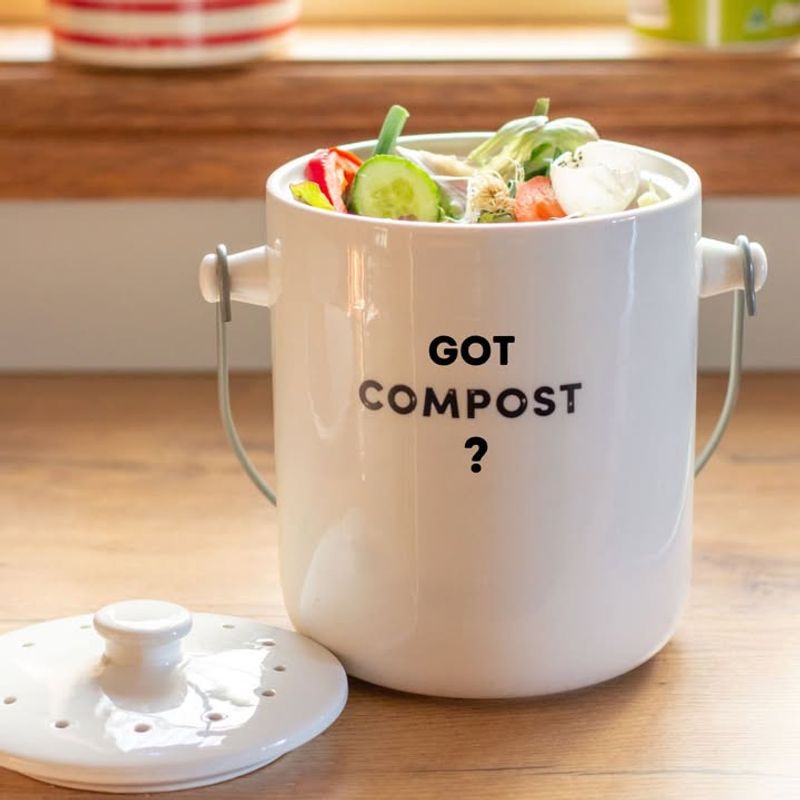
Healthy soil forms the foundation of productive gardens, and organic matter from kitchen scraps can contribute meaningfully over time. As plant-based scraps decompose, soil microorganisms break them down into simpler compounds that improve soil structure and nutrient availability.
The primary long-term benefit is not instant fertilization, but gradual improvement in soil texture, moisture retention, and microbial activity.
Across California, soil types vary widely. Heavy clay soils in the Central Valley tend to compact and drain poorly, while sandy coastal soils often drain too quickly and struggle to hold nutrients.
Adding organic matter helps both situations. In clay soils, decomposed material can improve aggregation and aeration.
In sandy soils, it increases water-holding capacity and nutrient retention.
Kitchen scraps contribute carbon-rich organic matter and, depending on the material, modest amounts of nitrogen and other nutrients. However, raw scraps should ideally be composted before large-scale application.
Directly adding fresh scraps in large quantities can temporarily tie up nitrogen as microbes break them down.
Improvements in soil condition occur gradually over seasons rather than weeks. Gardeners in Southern California with dry or compacted soils may notice better crumb structure and easier digging after repeated organic additions.
Kitchen scraps work best as part of a broader soil-building strategy that includes compost, mulch, and responsible watering practices.
2. Kitchen Scraps That Are Safe To Use In The Garden
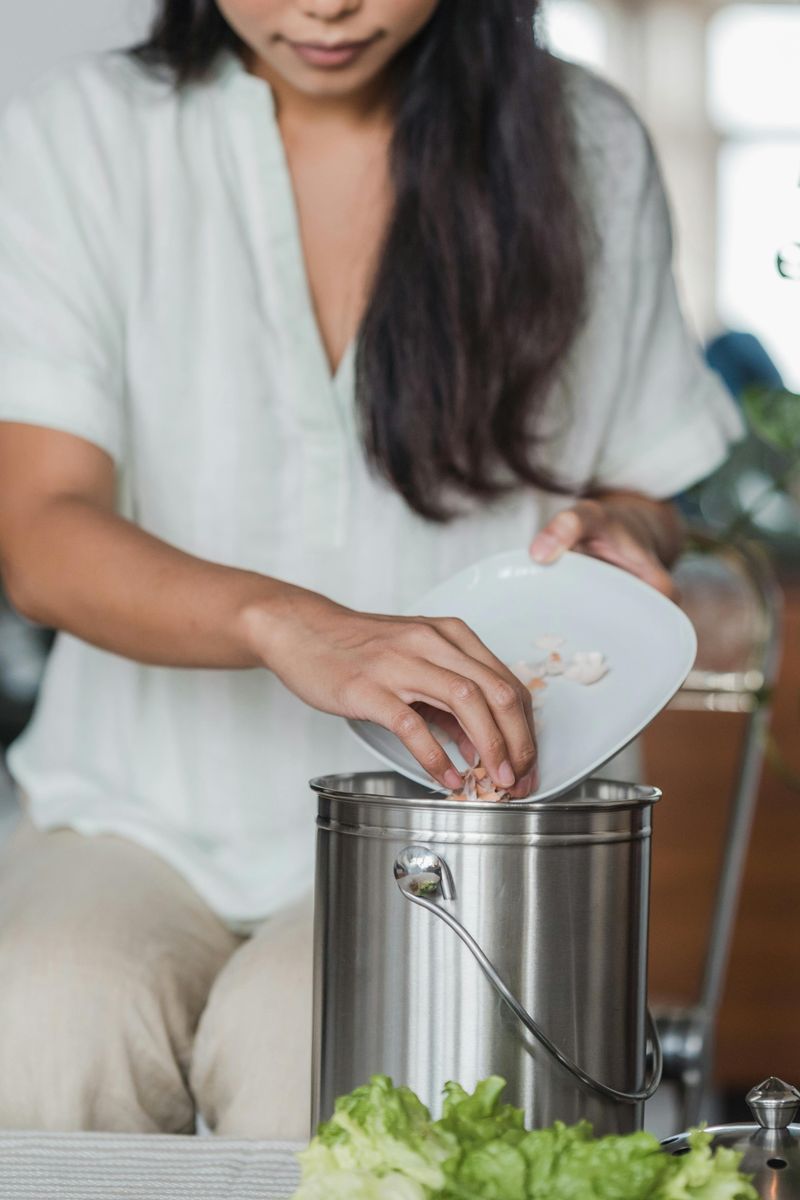
Not all kitchen scraps behave the same once introduced to soil. Plant-based materials tend to break down safely in backyard systems, especially when composted first.
Fruit and vegetable scraps such as peels, cores, leafy trimmings, and melon rinds are generally appropriate for composting. Eggshells can be included as well.
While eggshells contain calcium carbonate, they decompose slowly and should not be relied upon as a fast solution for calcium deficiencies. Finely crushing them helps increase surface area and speeds breakdown.
Coffee grounds are safe in moderate amounts. Used grounds are close to neutral in pH and primarily contribute organic matter and a small nitrogen input.
Your California Garden Changes Every Week. Your Plan Should Too.
Gardening in California changes quickly throughout the season. Every Friday you’ll receive a simple weekly plan showing exactly what to plant, prune, fertilize, harvest, and protect so you never miss the right timing.
They are best mixed into compost or blended into soil rather than applied in thick surface layers.
Tea leaves and plain paper tea bags without synthetic fibers can also be composted. Small amounts of plain cooked grains may be composted, though they should be buried well to avoid attracting pests.
Banana peels contain potassium, but nutrient release occurs gradually through decomposition. Fruit scraps, including citrus, can be composted in reasonable quantities.
Starting with these plant-based materials allows California gardeners to build soil organic matter steadily while reducing household waste.
3. Materials To Avoid Adding To Garden Beds

Certain kitchen materials are not well suited for backyard composting or direct burial in garden beds. Meat, fish, bones, dairy products, oily foods, and heavily seasoned leftovers can attract rodents and wildlife.
This concern is especially relevant in many California neighborhoods where raccoons, rats, and other scavengers are common.
Backyard compost systems rarely reach and maintain the sustained high temperatures required to safely process animal products. Without consistent heat, these materials can decompose slowly and create odor issues.
Large quantities of oily or salty foods may also disrupt microbial balance. Excess salt can accumulate in soil over time, which is particularly problematic in parts of California where irrigation water already contains dissolved salts.
Citrus peels are acceptable in moderate amounts, though high volumes may slow decomposition due to their tougher structure and natural oils. Onions and garlic can also be composted in typical household quantities without documented harm to compost systems.
Sticking primarily to raw, plant-based scraps and avoiding animal products keeps backyard compost manageable and reduces unwanted wildlife activity. This approach aligns well with home-scale systems that lack commercial composting controls.
4. Creating A Simple Kitchen Scrap Compost Pile
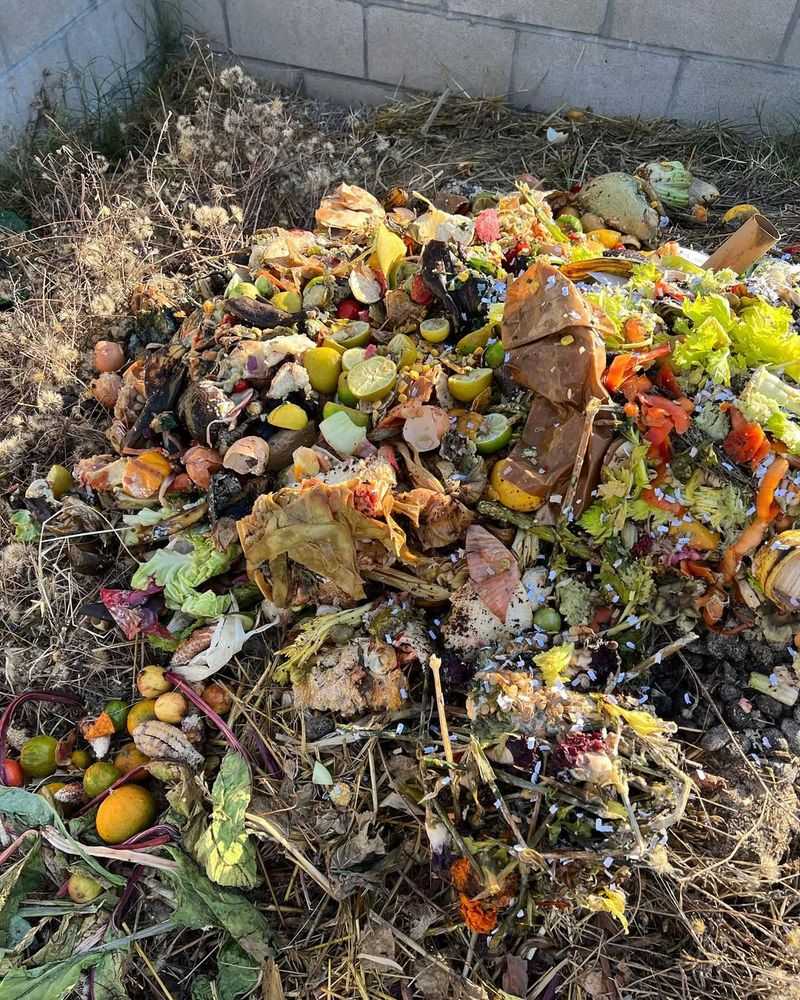
Composting does not require elaborate equipment. A basic backyard system can function with layered organic materials and adequate airflow.
California gardeners with small yards often use bins, while larger properties may maintain open piles.
Effective composting depends on balancing nitrogen-rich “green” materials such as fruit and vegetable scraps with carbon-rich “brown” materials like dried leaves, straw, or shredded cardboard. A general guideline is roughly two to three parts brown materials to one part green by volume.
This ratio supports microbial activity while reducing odors.
Turning the pile periodically introduces oxygen, which encourages aerobic decomposition. In hot inland areas such as the Sacramento Valley, compost piles can heat up quickly during summer.
Coastal regions may experience slower decomposition due to cooler, moist conditions.
Moisture management is critical. Compost should feel like a wrung-out sponge, not saturated or dusty dry.
California’s dry summers often require occasional watering of compost piles to maintain microbial activity.
Under favorable conditions, usable compost may form within three to six months, though timelines vary with temperature, particle size, and management practices.
5. Burying Scraps Directly In Garden Beds
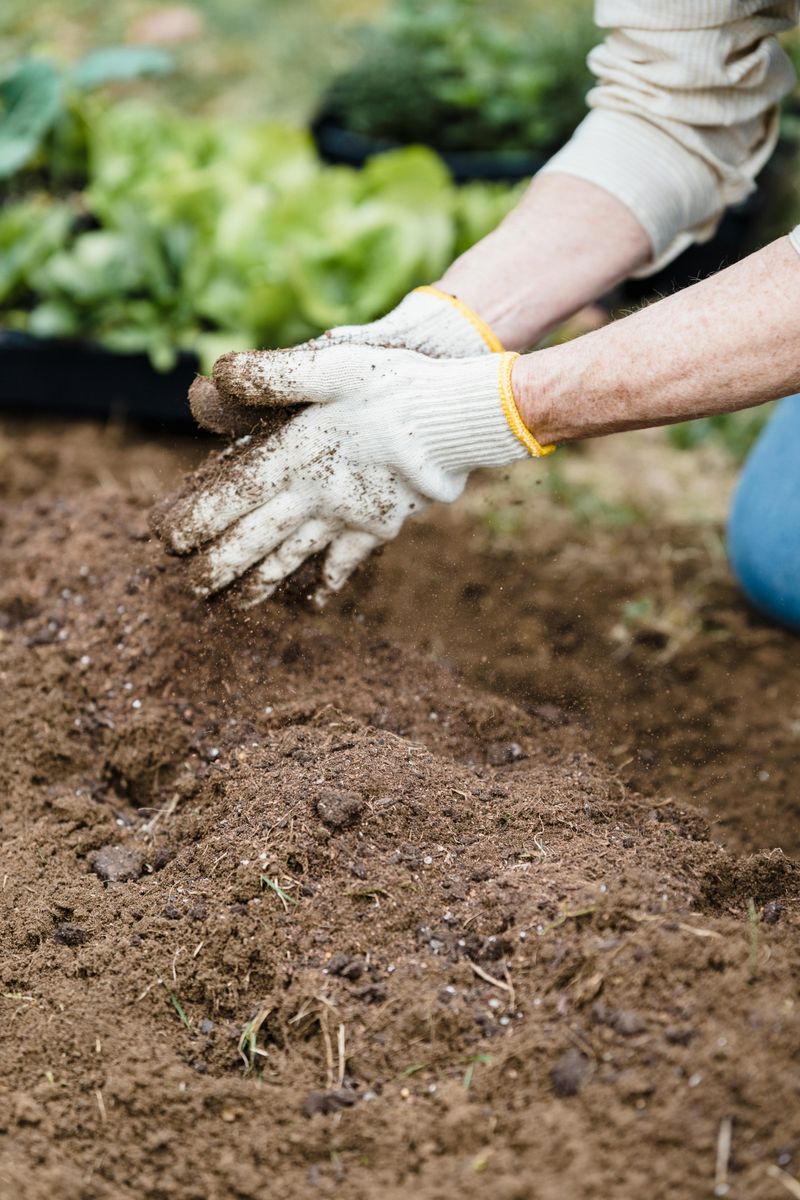
Trench composting offers a low-effort way to return organic matter to soil. Instead of maintaining a separate compost pile, gardeners dig a trench or hole, place scraps inside, and cover them with soil.
This method works best in unplanted areas or during bed preparation before a growing season. As microbes break down buried scraps, nutrients gradually become available in the surrounding soil.
Chopping scraps into smaller pieces speeds decomposition by increasing surface area. Burying materials at least six to eight inches deep helps discourage animals from digging.
In warmer regions of California, breakdown may occur within several weeks for soft materials, though tougher scraps require more time.
Trench composting does not produce finished compost for redistribution. Nutrients remain localized where scraps were buried.
Rotating burial spots across beds helps distribute organic matter more evenly over time.
Raised beds often simplify this method because loose soil allows easier digging. While straightforward, trench composting works best with plant-based scraps and moderate quantities to avoid temporary nutrient imbalances.
6. Making Liquid Fertilizer From Vegetable Peels
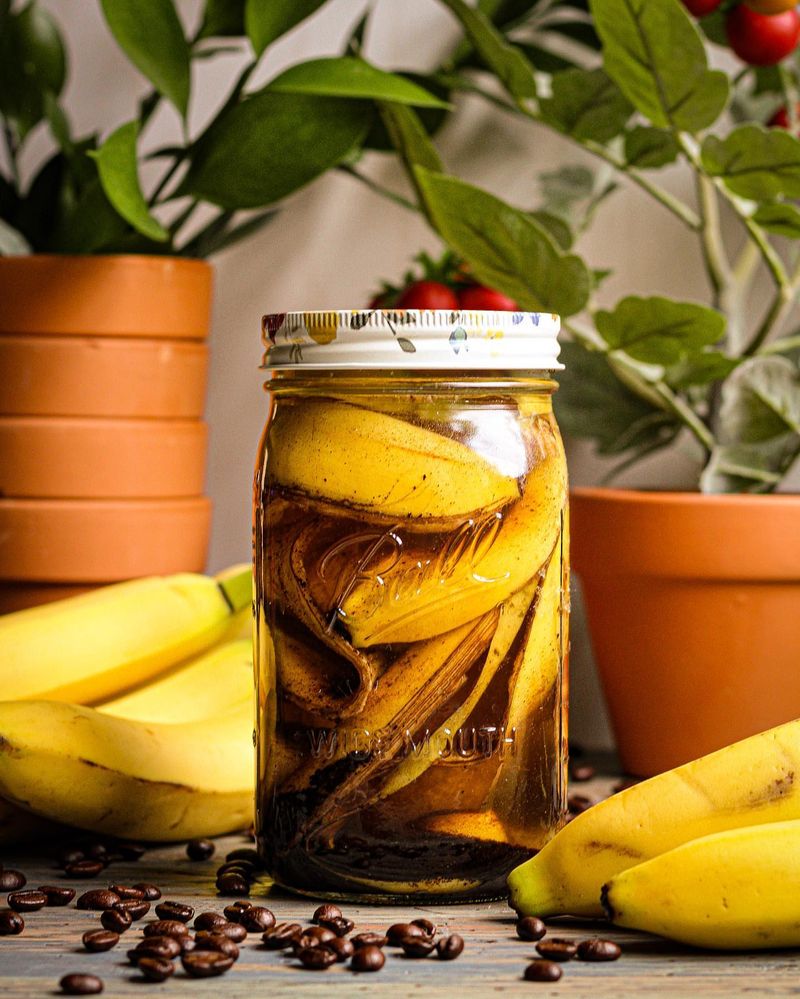
Soaking vegetable scraps in water creates a mild nutrient solution sometimes referred to as compost tea or scrap tea. The method involves steeping plant-based scraps in water for several days, then straining the liquid.
It is important to clarify that nutrient concentrations in homemade scrap water are variable and typically low. This liquid should be viewed as a mild supplemental input rather than a replacement for balanced fertilization.
Boiling scraps may extract some soluble nutrients, though research on nutrient content in homemade preparations is limited. Allowing steeped mixtures to sit too long without aeration can create unpleasant odors and reduce oxygen levels.
Diluting the liquid before application is prudent. A common household dilution ratio is roughly one part liquid to five to ten parts water.
Applying directly to soil rather than foliage reduces the risk of leaf spotting or microbial growth on plant surfaces.
California container gardeners may find light applications useful during active growth periods. However, reliance solely on homemade liquid fertilizers may not meet all nutrient needs, especially for heavy-feeding vegetables.
7. Understanding How Citrus Peels And Coffee Grounds Affect Soil
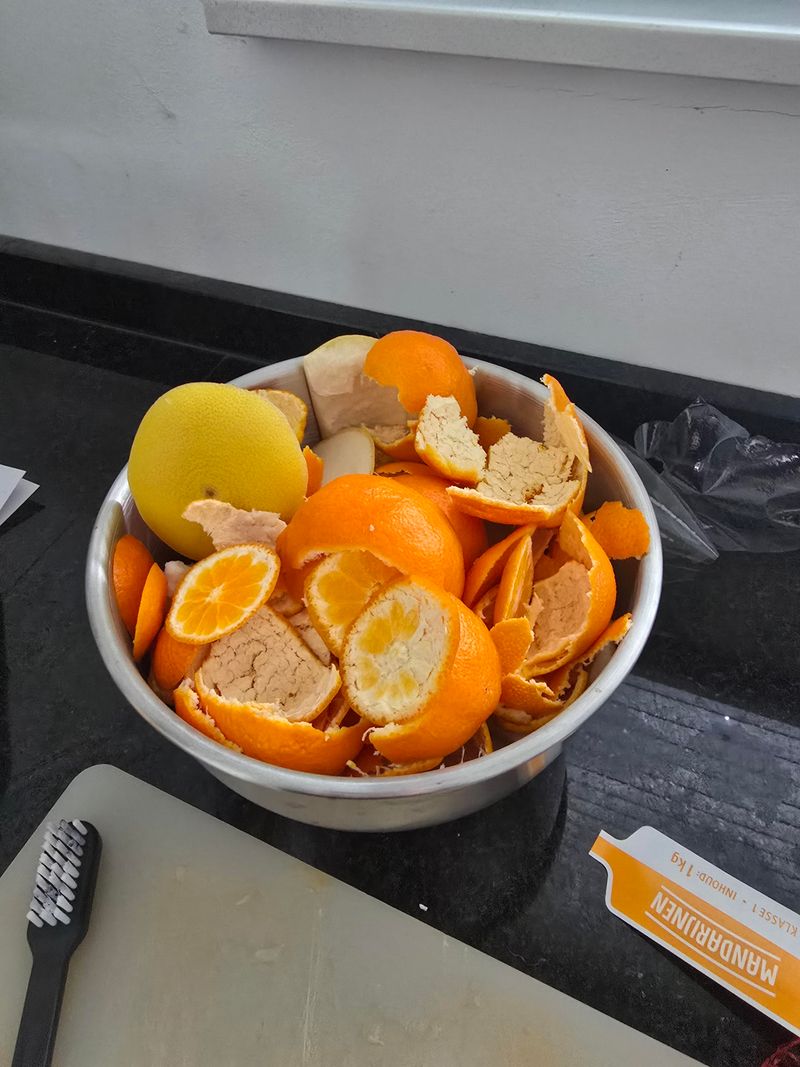
Citrus peels and coffee grounds are frequently discussed among gardeners. Used coffee grounds are near neutral in pH and do not significantly acidify soil when applied in moderate amounts.
Their primary contribution is organic matter and small amounts of nitrogen.
Applying thin layers and mixing them into compost or soil prevents compaction. Thick surface applications may form crusts that repel water.
Citrus peels decompose more slowly than softer scraps due to their fibrous structure and essential oils. Chopping or shredding improves breakdown.
While citrus contains organic acids, these compounds degrade during composting and do not permanently acidify finished compost.
Moderation remains important. Large quantities of any single material can disrupt balance in small compost systems.
In California, where citrus fruit is abundant, spreading additions over time helps maintain microbial stability.
Both materials function best as part of a diverse mix of organic inputs rather than as dominant ingredients.
8. Supporting Soil Microbial Life With Organic Matter
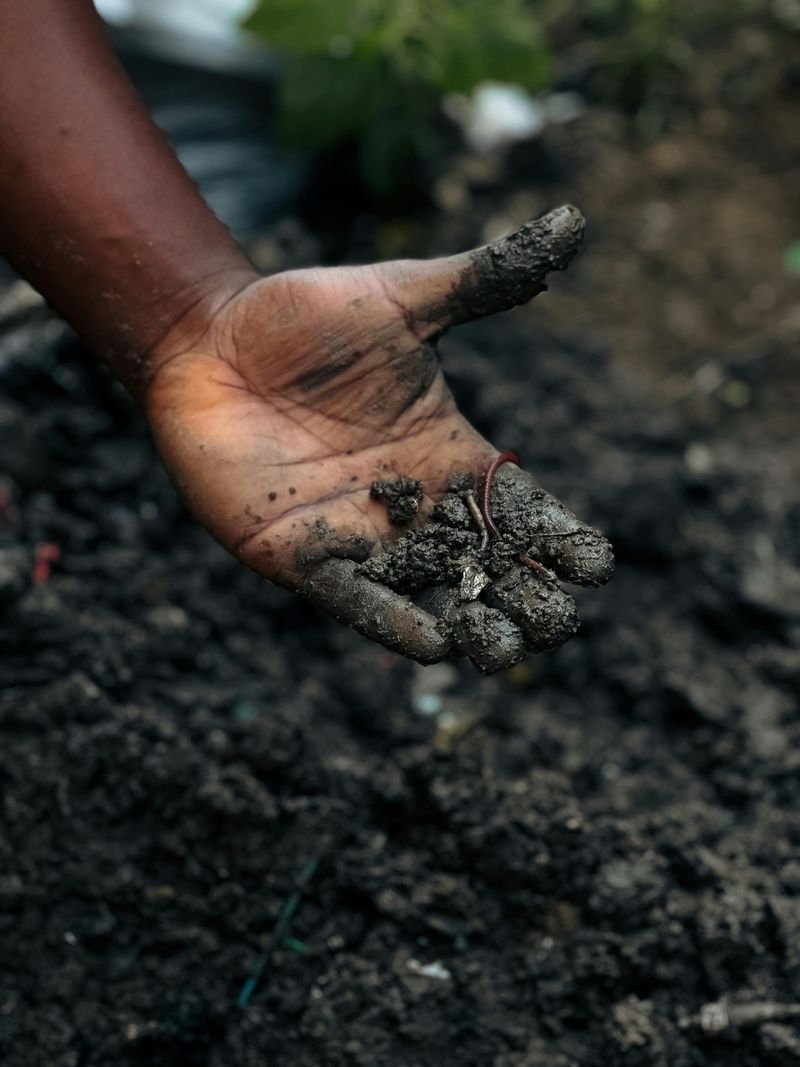
Soil hosts bacteria, fungi, protozoa, and other organisms that drive nutrient cycling. Organic matter from composted kitchen scraps provides energy sources for this microbial community.
Research consistently shows that higher organic matter levels improve soil aggregation, infiltration, and nutrient-holding capacity. These improvements are particularly valuable in California, where water conservation is a priority.
Earthworms often increase in soils receiving steady organic inputs. Their burrowing enhances aeration and drainage while mixing organic material into deeper layers.
The benefits accumulate gradually. Small, consistent additions support microbial balance more effectively than large, infrequent deposits.
Maintaining mulch cover further protects microbial habitat from extreme heat common in inland California regions.
Organic matter supports soil function, but it does not instantly transform poor soil. Improvement reflects ongoing management over seasons.
9. Understanding How Long Scraps Take To Break Down
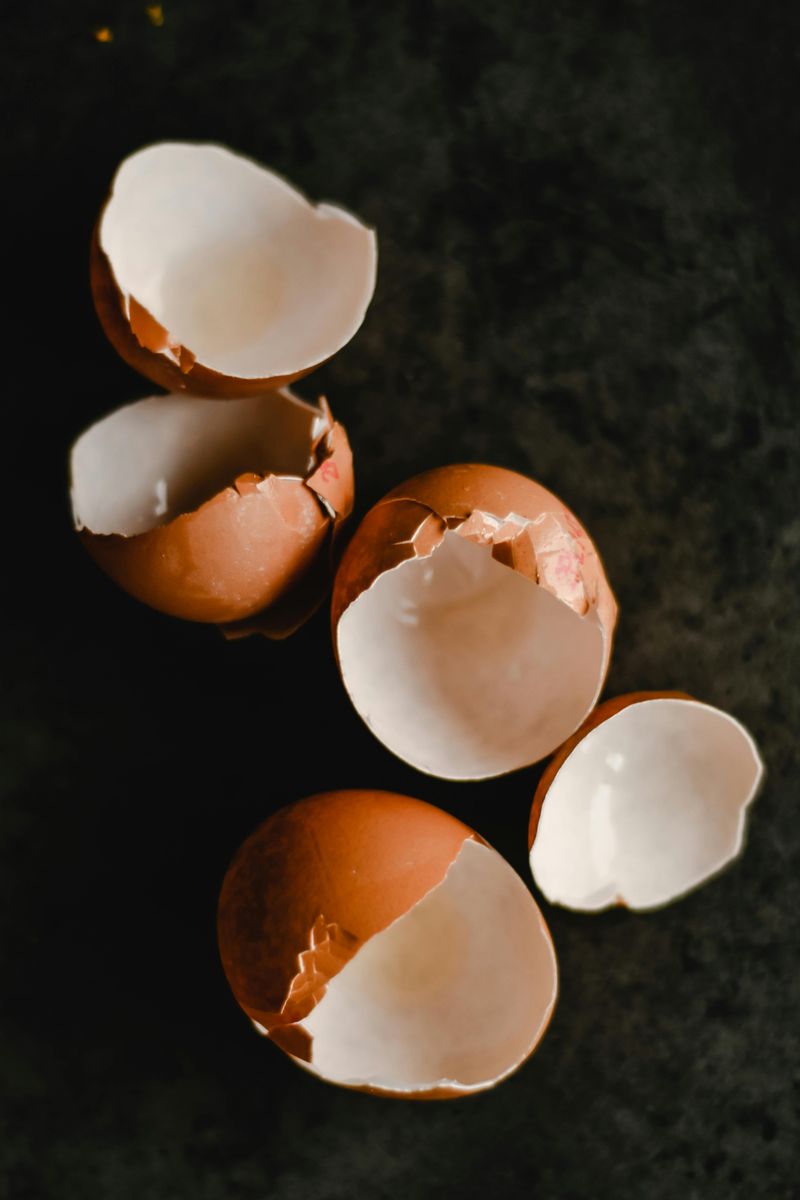
Decomposition rates vary based on temperature, moisture, particle size, and oxygen availability. California’s climate diversity influences timelines significantly.
Soft scraps such as lettuce leaves and banana peels may decompose within several weeks in warm, active compost piles. Denser materials like avocado skins, corn cobs, and citrus peels can require several months.
Eggshell fragments may remain visible for extended periods, though they gradually weather.
Cutting materials into smaller pieces accelerates breakdown. Compost piles in hot inland areas may reach higher temperatures that speed microbial activity.
Coastal piles often decompose more slowly and benefit from regular turning.
Finished compost is dark, crumbly, and earthy-smelling. Visible food fragments indicate additional time is needed.
Patience is essential, as decomposition rarely follows exact timelines.
10. Preventing Pests And Odors When Using Food Scraps
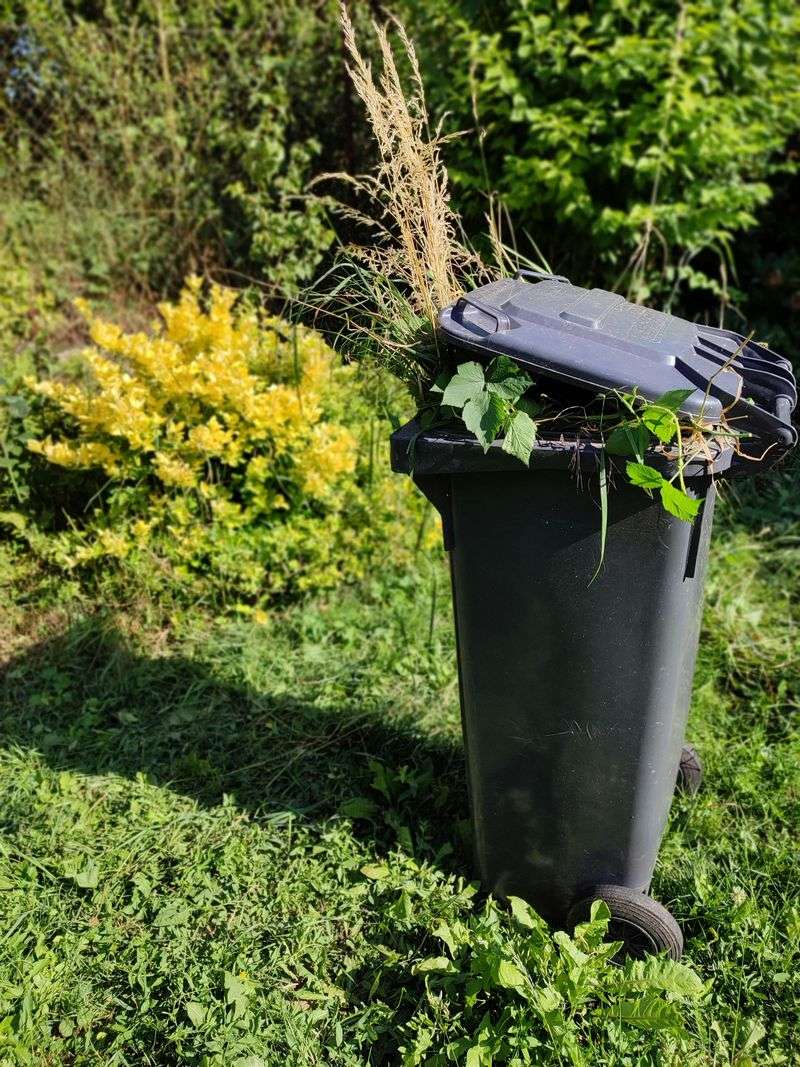
One of the most common concerns about using kitchen scraps in the garden is the possibility of attracting pests or creating unpleasant smells. These are legitimate concerns, particularly in California neighborhoods where raccoons, opossums, and rats are regular visitors.
Fortunately, a few straightforward practices can significantly reduce these issues without requiring major changes to your routine.
Covering buried scraps with at least six to eight inches of soil is one of the most effective deterrents for digging animals. For compost piles, using a bin with a secure lid and a solid base can help keep wildlife out.
Avoid adding meat, dairy, or cooked foods with strong odors, as these are the materials most likely to attract unwanted attention.
Odors in compost piles are usually a sign of too much moisture or not enough airflow. Turning the pile and adding dry brown materials like shredded newspaper or dried leaves can help restore balance and reduce smells quickly.
In warmer parts of California like the Inland Empire or the Central Valley, compost piles can heat up fast in summer, which speeds decomposition but can also intensify odors temporarily. Keeping the pile a reasonable distance from windows and seating areas is a simple practical step.
Managing a clean, balanced pile makes the whole process more pleasant for everyone nearby.
11. Applying Homemade Fertilizer In California Gardens
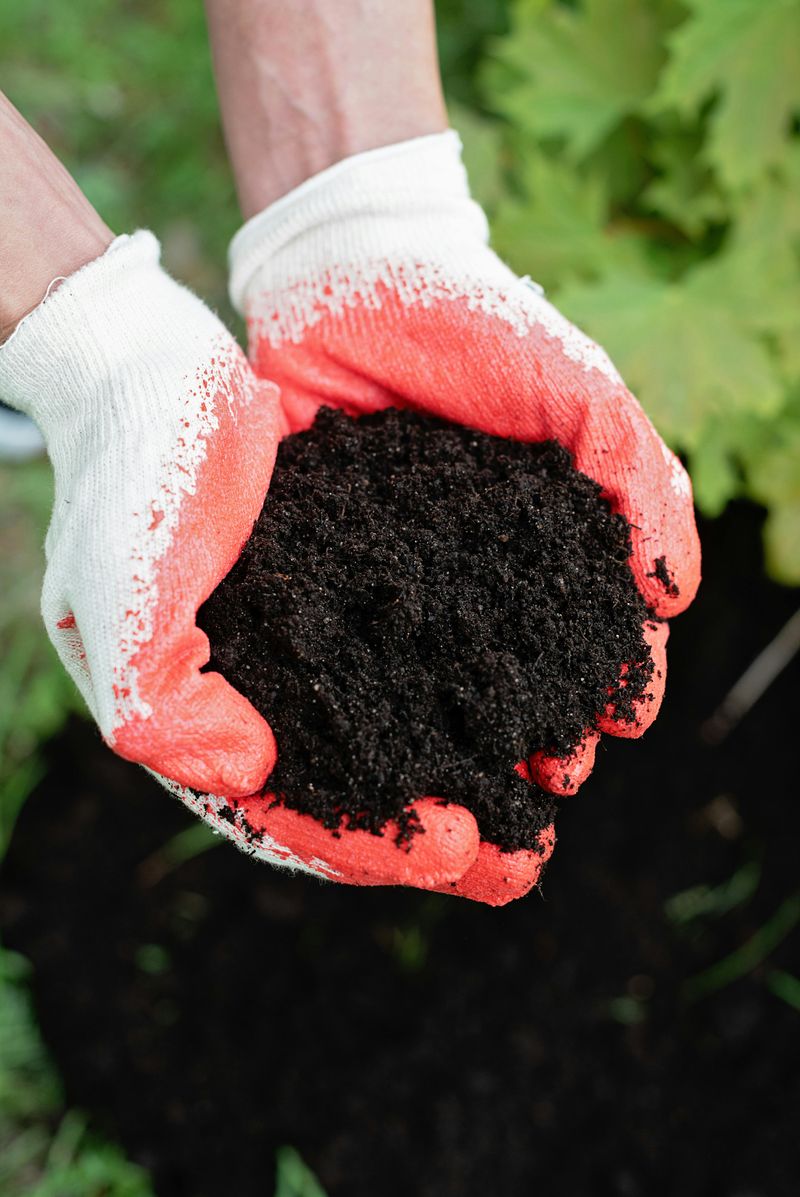
Finished compost can be incorporated into soil before planting or applied as a surface layer around established plants. A one to two inch layer mixed into the top few inches of soil is generally sufficient for most garden beds.
Application timing often aligns with spring bed preparation or fall soil building in California’s Mediterranean climate. Vegetable gardens benefit from compost before planting and between crop rotations.
Liquid scrap solutions should be diluted and applied during active growth. Overapplication may contribute to nutrient imbalances.
Desert regions may benefit from early morning applications to reduce evaporation. Coastal areas typically experience more moderate conditions that support gradual nutrient uptake.
Homemade fertilizers can reduce reliance on purchased products, though soil testing remains the most accurate way to determine nutrient needs. Kitchen scrap recycling works best as one component of a broader soil management plan rather than a complete fertility strategy.