7 Secrets To Getting Your Easter Cactus To Bloom In Ohio After A Long Winter
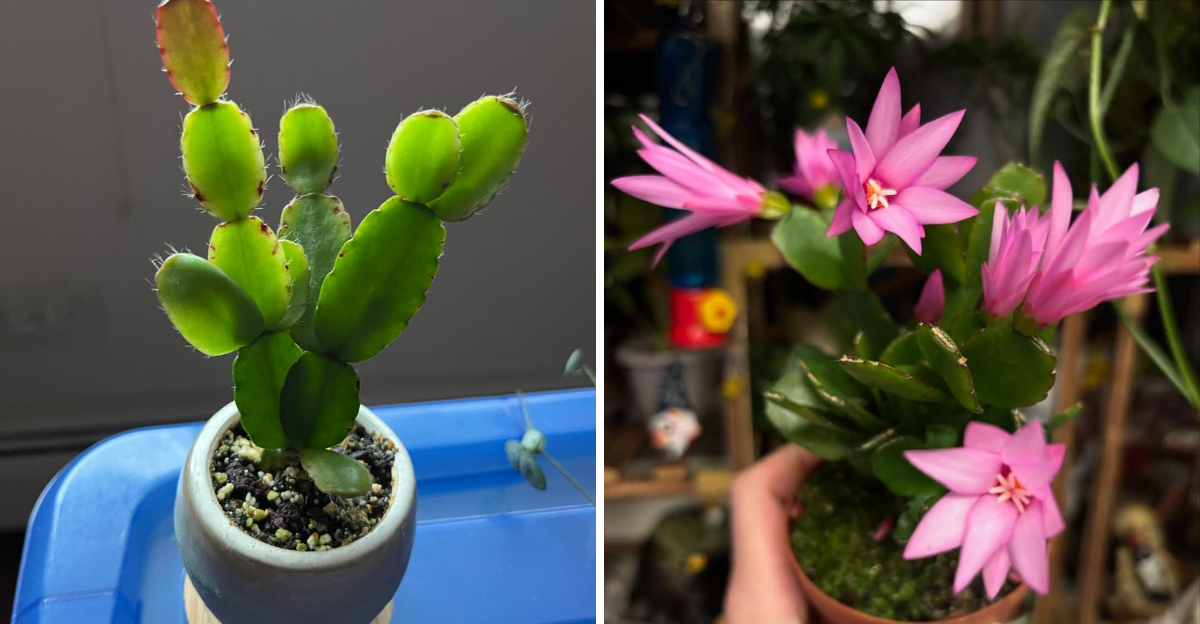
After a long Ohio winter, your Easter cactus can look tired, stubborn, and nowhere near ready to bloom. Gray skies, dry indoor heat, and short days often leave this tropical beauty stuck in survival mode instead of celebration mode.
Yet right as spring approaches, something remarkable can happen. With a few precise changes, tight buds can form, color can return, and your plant can burst into the vibrant display it was meant to give.
Many growers assume blooming comes down to luck, but seasoned plant lovers know it follows clear signals tied to light, temperature, and timing. Miss one, and flowers may never appear.
Get them right, and even a quiet, sleepy cactus can explode with life just in time for Easter. The transformation feels dramatic, rewarding, and completely within your control once you know what triggers the show.
1. Bright Indirect Light Builds Strong Blooms
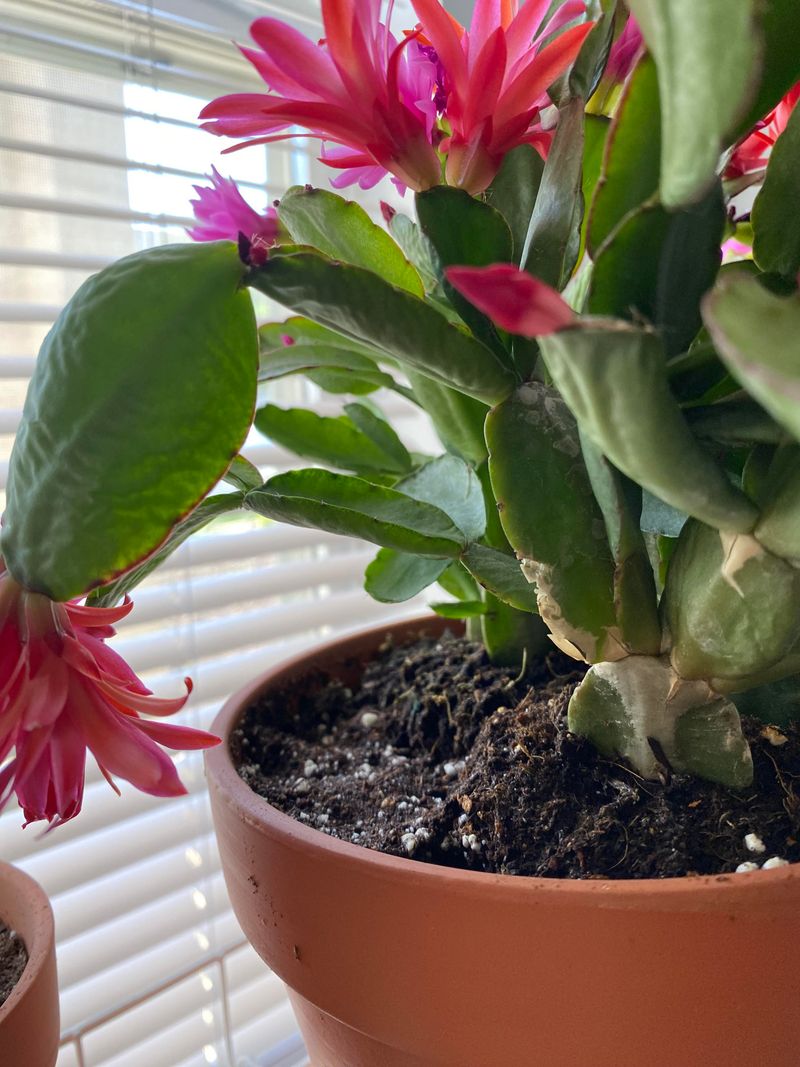
Morning light streaming through an east-facing window is one of the best gifts you can give your Easter cactus during Ohio’s late winter months. Unlike many tropical houseplants, this one thrives in bright but filtered light rather than intense direct sun.
Placing it directly against a south-facing window without any sheer curtain between the glass and the plant can actually stress the leaves and reduce bud production significantly.
In Ohio homes, winter window glass gets surprisingly cold, and that chill radiates outward in ways many gardeners do not expect. A plant sitting too close to a drafty or frost-edged window may receive adequate light but suffer from cold air exposure that shocks the root system and suppresses flowering.
Keep your Easter cactus a few inches back from the glass, or hang a lightweight sheer curtain to buffer both light intensity and temperature fluctuations.
An east-facing window is ideal because the morning sun is gentle and indirect, giving the plant plenty of brightness without the harshness of afternoon rays. Filtered south-facing light also works well in Ohio’s overcast winter months when natural light is already reduced.
Rotate the pot every week or two so all sides receive even exposure and the plant grows symmetrically toward the light source.
Bud formation is directly tied to light quality. Too little light and the plant simply will not have the energy to produce flowers.
Too much harsh direct light and the segments may turn reddish or yellow rather than staying a healthy green. Finding that sweet spot of consistent, bright, indirect light is the first step toward a successful bloom in spring.
2. Cool Nights Signal It Is Time to Flower
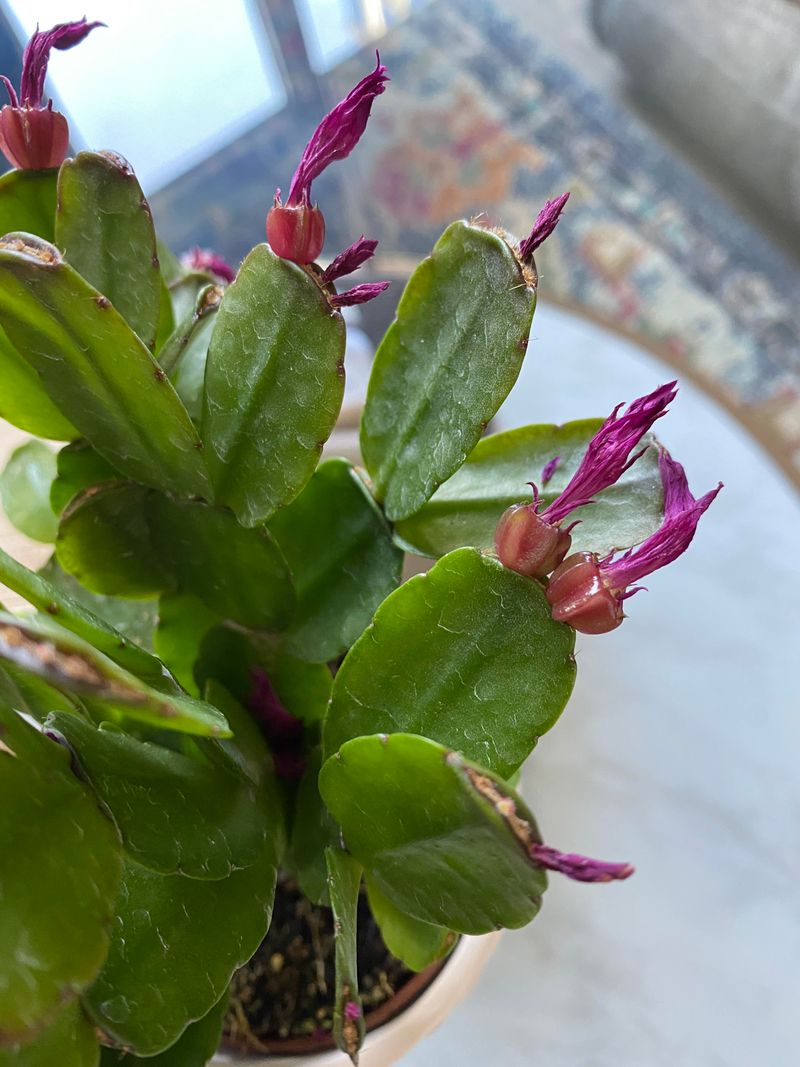
Temperature is one of the most powerful triggers for Easter cactus blooming, and Ohio’s late winter nights actually work in your favor if you use them correctly. University horticulture guidance suggests nighttime temperatures between 55 and 60 degrees Fahrenheit help encourage bud formation in Easter cacti.
That cool range signals to the plant that spring is approaching and it is time to prepare for flowering.
The challenge many Ohio gardeners face is that modern home heating systems keep indoor temperatures very consistent throughout the day and night. If your thermostat is set to 70 degrees around the clock, your Easter cactus may never receive the cool nighttime signal it needs to initiate bud formation.
Your Ohio Garden Changes Every Week. Your Plan Should Too.
Gardening in Ohio changes quickly throughout the season. Every Friday you’ll receive a simple weekly plan showing exactly what to plant, prune, fertilize, harvest, and protect so you never miss the right timing.
Turning the thermostat down slightly at night, or moving the plant to a slightly cooler room that stays in the upper 50s at night can make a real difference.
Avoid placing the plant near heating vents, radiators, or wood stoves. Dry, warm air from these sources is the opposite of what the plant wants during this critical period.
Even a few weeks of consistently cool nights in January or February can prompt the plant to set buds well before Ohio spring temperatures arrive outdoors.
Watch for tiny bud nubs forming at the tips of the leaf segments. That is your sign that the cool-night strategy is working.
Once buds appear, you can move the plant to a slightly warmer location for display. Getting those cool nights right from the start is what separates a plant full of beautiful blooms from one that stays stubbornly green all spring.
3. A Dry Winter Rest Sets Up Spring Blooming
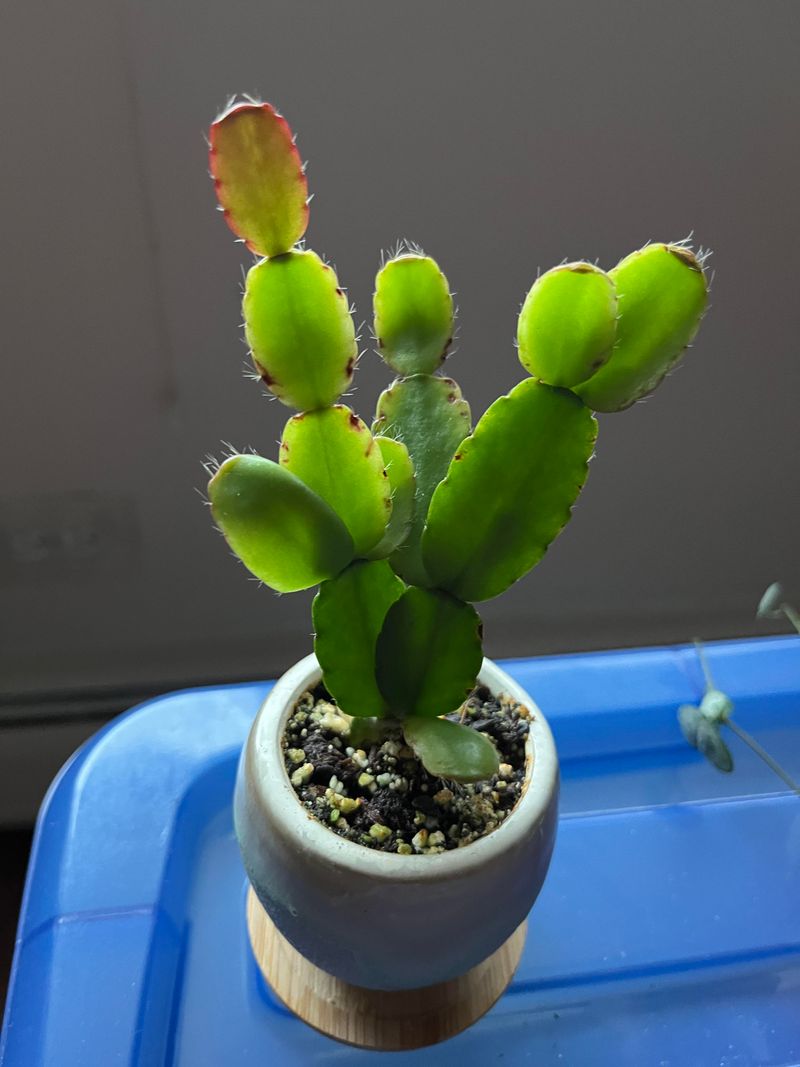
Pulling back on water during the winter months feels counterintuitive to many plant lovers, but this dry rest period is exactly what Easter cacti need to bloom reliably each spring. According to guidance from OSU Extension and other university horticultural resources, allowing the soil to dry out more completely between waterings during late fall and winter mimics the slightly drier seasonal conditions in its native Brazilian forest habitat.
In practical terms, this means watering your Easter cactus roughly every two to three weeks during the December through January period rather than the weekly schedule many houseplant owners follow. Stick your finger about an inch into the soil before watering.
If it still feels even slightly damp, wait a few more days. Ohio’s heated indoor air during winter actually dries soil faster than you might expect, so check regularly rather than going strictly by the calendar.
Overwatering during dormancy is one of the most common mistakes Ohio gardeners make. Soggy soil during the cool, low-light winter months can cause root stress and segment softening, both of which reduce the plant’s ability to produce flowers in spring.
Use a pot with good drainage holes and never let the plant sit in standing water in a saucer.
As late January transitions into February, you can begin gradually increasing your watering frequency again. This shift in moisture, combined with slightly longer days, helps signal the plant that its rest period is ending.
Think of this transition as the gentle wake-up call your Easter cactus needs after a long Ohio winter. Consistent, gradual change is far more effective than suddenly flooding the soil after weeks of dryness.
4. Long Dark Nights Trigger Bud Formation
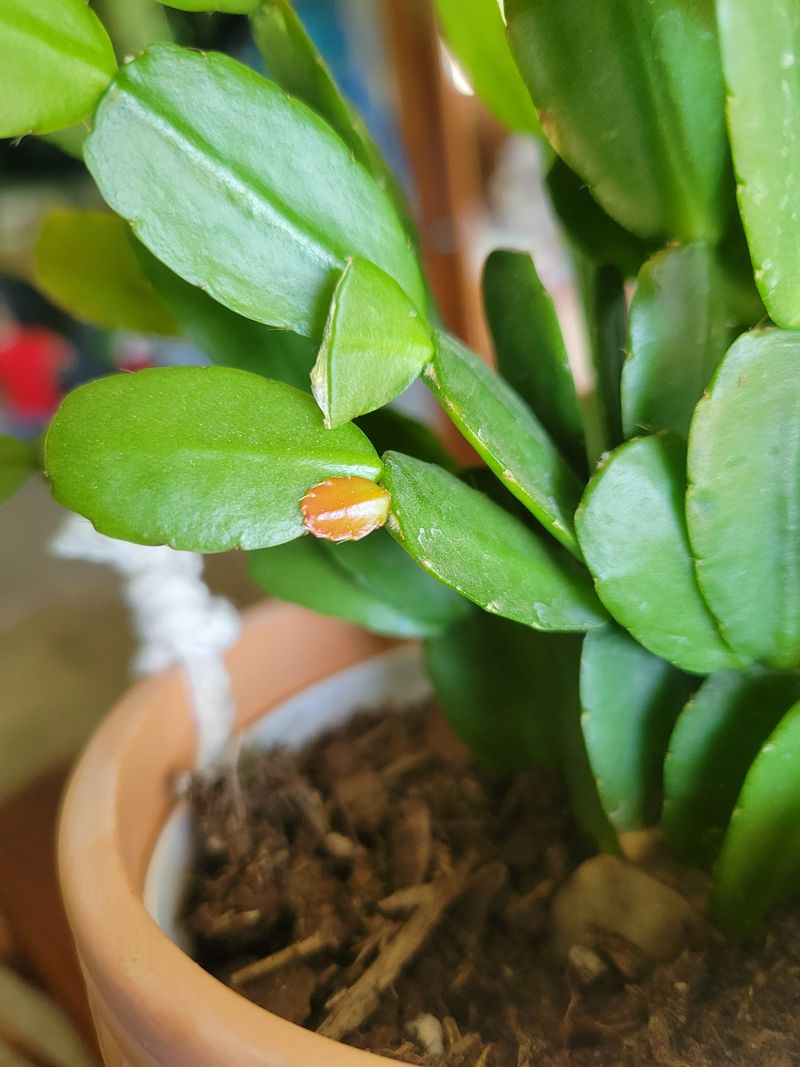
Few gardeners realize just how sensitive an Easter cactus is to light at night. Flowering in Easter cactus is influenced by both cooler temperatures and day length.
While it is not as strongly short-day dependent as poinsettias or Christmas cactus, providing longer, uninterrupted nights can help support reliable bud formation.
If your home stays brightly lit in the evening, reducing artificial light exposure at night may improve bloom performance. That sounds straightforward, but Ohio homes are full of light sources that most people never think about.
A lamp turning on at 9 p.m., a porch light flickering through the window, or even the glow from a television in the next room can interrupt the darkness and delay bud formation by weeks.
A simple and effective solution is to move the plant to a dark closet or spare room each evening around 6 p.m. and bring it back out in the morning. Covering it with a cardboard box or dark cloth also works well.
The key is consistency. Inconsistent evening lighting can delay bud formation, especially when combined with warm nighttime temperatures.
This step feels a little extra at first, but Ohio gardeners who stick with it consistently report dramatically better bloom rates than those who skip the darkness treatment. Once tiny buds appear at the segment tips, you can stop the darkness routine and enjoy your plant in its regular display spot.
The payoff of a fully blooming Easter cactus in March or April makes the effort completely worthwhile.
5. Slightly Root Bound Plants Bloom Better
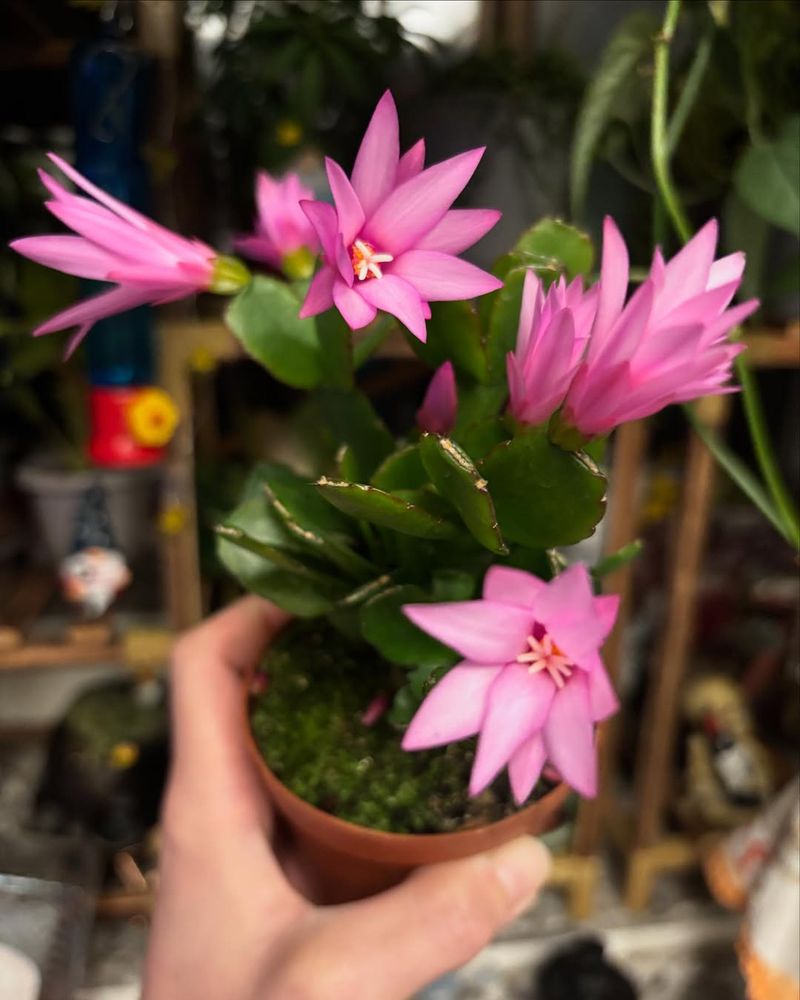
One of the quirkiest truths about Easter cacti is that they actually prefer to feel a little cramped in their pots. Giving this plant too much room too soon sends energy toward root expansion rather than flower production.
Many experienced Ohio houseplant growers have discovered through trial and error that a slightly snug pot produces far more blooms than a generously sized one.
You will know it is time to repot when roots start creeping out of the drainage holes or the plant dries out extremely fast after watering. When that happens, move up only one pot size, typically just one inch larger in diameter.
Going too large too quickly disrupts the balance between root growth and flowering energy in a way that can set back blooming for a full season.
Soil choice matters just as much as pot size for Ohio indoor growers. Easter cacti need a fast-draining mix that holds just enough moisture without staying waterlogged.
A blend of standard potting mix combined with perlite or coarse sand in roughly a 2:1 ratio works well. Some Ohio gardeners also use commercial cactus and succulent mix with a small amount of peat or coconut coir added to retain just a touch of moisture without suffocating the roots.
The best time to repot is right after the plant finishes blooming in spring, never during dormancy or bud development. Disturbing the roots during those critical periods can stress the plant and interrupt its natural cycle.
Once repotted and settled in, give it a few weeks to adjust before resuming your regular care routine. Healthy, slightly snug roots are the foundation of a plant that blooms year after year with minimal fuss.
6. Gentle Feeding Fuels Healthy Flower Buds
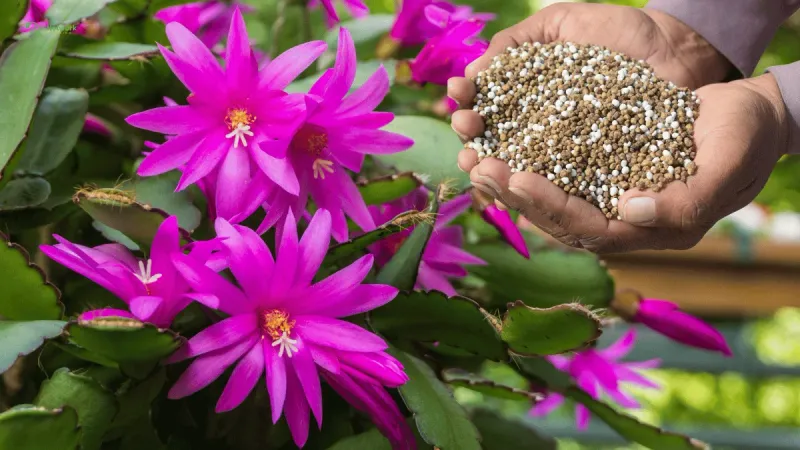
Fertilizing an Easter cactus at the right time and with the right product is one of the most overlooked steps in getting consistent blooms. Many Ohio gardeners either skip feeding entirely or use a general-purpose fertilizer that is too high in nitrogen, which pushes lush green growth at the expense of flower buds.
Understanding what this plant actually needs nutritionally changes the outcome dramatically.
During the winter dormancy period, hold off on fertilizing completely. The plant is resting and cannot efficiently use nutrients when growth is minimal.
As late winter approaches, typically around late January or early February in Ohio, you can begin light feeding with a balanced, water-soluble fertilizer that has a lower nitrogen ratio. Use a balanced, water-soluble fertilizer at half strength, such as 10-10-10 or 20-20-20.
If leafy growth becomes excessive, slightly reducing nitrogen can help redirect energy toward bud development.
Apply fertilizer at half the recommended label strength to avoid overwhelming the root system. Feed once every two to three weeks during the pre-bloom period and stop feeding once buds are actively forming.
Overfertilizing at that stage can actually cause buds to drop before they fully open, which is a frustrating outcome after weeks of careful preparation.
Some Ohio gardeners also have success using a diluted orchid fertilizer, which tends to be lower in nitrogen and well-suited to flowering houseplants. Whichever product you choose, always water the plant lightly before applying fertilizer to prevent root irritation on dry soil.
Consistent, gentle feeding during the right window gives your Easter cactus the nutritional boost it needs to produce full, vibrant flowers each spring.
7. Keep Conditions Stable Once Buds Appear
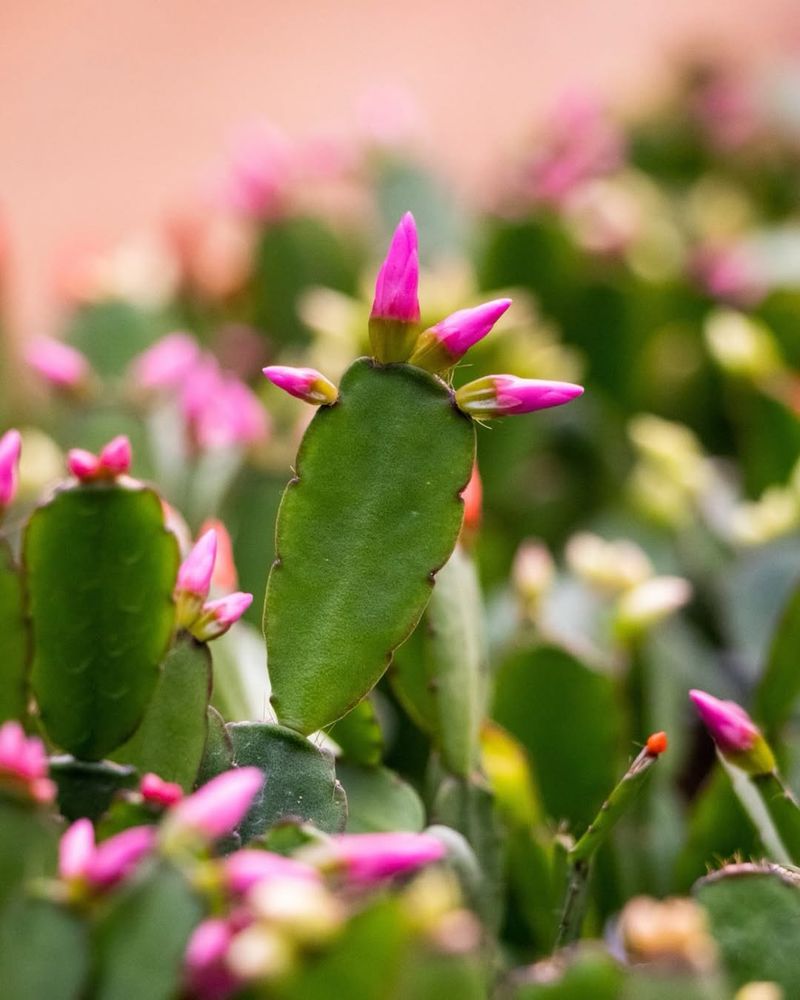
Tiny buds on your Easter cactus are exciting, but they are also surprisingly fragile. Once you spot those first little nubs forming at the tips of the segments, your job shifts from actively encouraging blooms to protecting the ones already developing.
Stability becomes the most important word in your Easter cactus vocabulary from this point forward.
Moving the plant to a different room, rotating it to a new window, or changing its light exposure after buds have set can confuse the plant and trigger bud drop. Ohio spring weather brings its own unpredictability, and open windows or doors that let in a sudden cold draft can shock the plant just enough to cause developing buds to fall off before they ever open.
Keep the plant away from exterior doors, air conditioning vents that may start running as Ohio temperatures warm, and any spots where temperature swings more than a few degrees throughout the day.
Consistent humidity also helps during this stage. Ohio homes in late winter tend to be quite dry from months of indoor heating, and low humidity can stress a budding Easter cactus.
Running a small humidifier nearby or placing the pot on a shallow tray filled with pebbles and water can raise the moisture level around the plant without wetting the roots directly.
Resist the urge to water more heavily just because the plant is finally doing something exciting. Stick with your established watering schedule and let the plant do its work.
Bud drop is one of the most disheartening outcomes after weeks of careful preparation, and almost all of it is preventable by simply keeping conditions calm, consistent, and stable from the moment those first buds appear through full bloom.