The 9 Deer-Resistant Flowers That Grow Beautifully In Oregon
Gardening in Oregon comes with lush landscapes, rich soil, and one very persistent challenge: deer.
These graceful visitors may look charming at the edge of the yard, but they can turn a carefully planted flower bed into a snack bar overnight.
The good news is that you do not have to give up on colorful, vibrant blooms to keep your garden intact. Many flowers naturally resist deer thanks to their scent, texture, or flavor, and they thrive in Oregon’s cool springs and mild summers.
With the right picks, you can enjoy waves of color, pollinator activity, and healthy growth without constant worry. A deer resistant garden is not about settling for less, it is about planting smarter.
Choose wisely and you will have a landscape that feels full, lively, and beautifully untouched, even when wildlife wanders through the neighborhood.
1. Lavender (Lavandula)
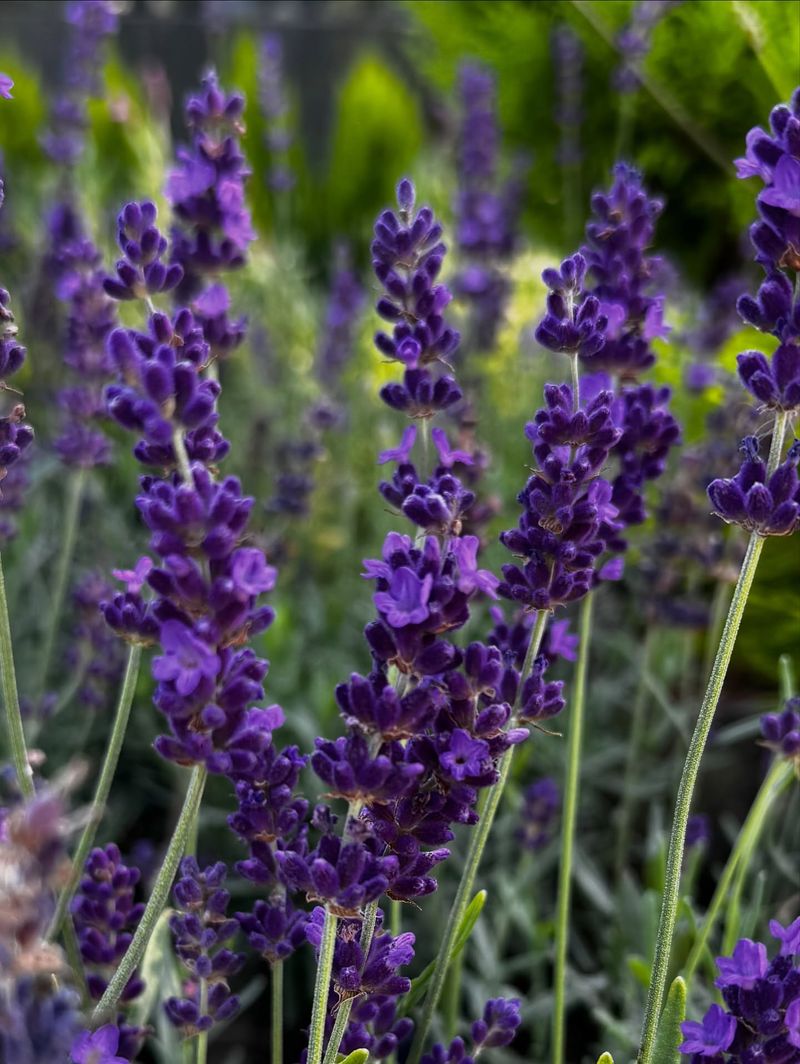
Few plants have earned as much love from Oregon gardeners as lavender. Its silvery-green leaves and tall purple flower spikes add a calming beauty to any yard.
Deer tend to avoid it because of its strong, aromatic scent, which smells wonderful to people but is overwhelming to wildlife.
Lavender thrives in Oregon’s sunny, well-drained spots, especially in areas east of the Cascades where summers are warm and dry. It loves full sun and does not need much water once it gets established.
Sandy or rocky soil actually works in its favor, making it a low-maintenance choice for busy gardeners.
Plant lavender along walkways or near your porch to enjoy its relaxing fragrance up close. It also attracts bees and butterflies, which helps pollinate the rest of your garden.
Trim it back lightly after blooming to keep it full and healthy. With the right care, lavender can live for many years and reward you with beautiful blooms every summer season.
2. Yarrow (Achillea millefolium)
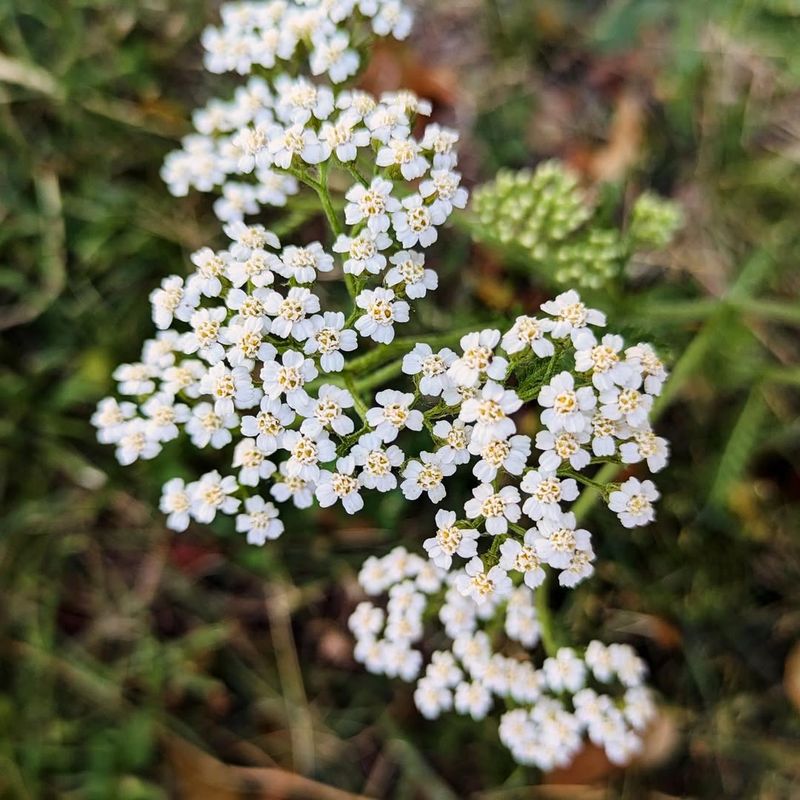
Yarrow has been growing wild across Oregon for centuries, and for good reason. This tough, cheerful plant produces flat clusters of tiny flowers in shades of yellow, white, pink, and red.
Deer steer clear of yarrow because its feathery leaves have a bitter, medicinal smell that wildlife finds unappealing.
One of the best things about yarrow is how little attention it needs. Once planted, it handles drought well, spreads on its own, and comes back reliably each year.
It grows happily in full sun and tolerates poor soil, which makes it a smart pick for Oregon gardens with challenging conditions.
Did you know yarrow has been used as a healing herb for thousands of years? Ancient soldiers reportedly used it to help treat wounds on the battlefield.
Today, Oregon gardeners use it to add long-lasting color and texture to their landscapes. Plant it alongside other perennials for a naturalistic look, or use it in cottage-style garden beds.
Cut the flowers and bring them indoors too, because yarrow makes a stunning, long-lasting addition to fresh or dried flower arrangements throughout the season.
3. Salvia (Salvia spp.)
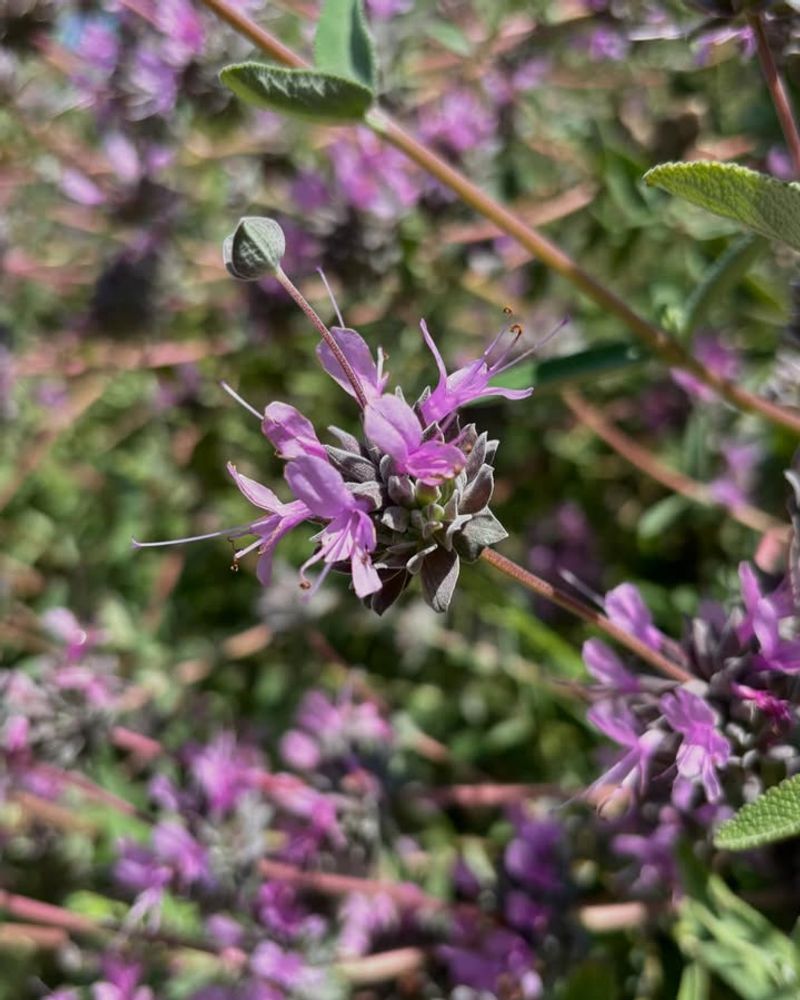
Salvia is one of those plants that works overtime in the garden. Its spiky blooms come in electric shades of blue, purple, red, and pink, and they just keep coming from late spring all the way through fall.
Your Oregon Garden Changes Every Week. Your Plan Should Too.
Gardening in Oregon changes quickly throughout the season. Every Friday you’ll receive a simple weekly plan showing exactly what to plant, prune, fertilize, harvest, and protect so you never miss the right timing.
Deer avoid salvia because its leaves are strongly aromatic, almost like sage, which makes sense since they are closely related plants.
Oregon’s climate suits salvia very well, especially in the warmer, sunnier parts of the Willamette Valley and southern Oregon. It prefers full sun and well-drained soil, and it is surprisingly drought-tolerant once established.
Deadheading spent blooms encourages the plant to produce even more flowers, keeping your garden looking full and vibrant for months.
Pollinators absolutely adore salvia. Bumblebees, hummingbirds, and butterflies flock to its flowers all season long, making it a wonderful choice for gardeners who want to support local wildlife.
Salvia looks fantastic planted in large groups for bold color impact, or mixed into borders with ornamental grasses and coneflowers. Whether you grow annual or perennial varieties, salvia delivers reliable beauty with very little fuss in Oregon gardens.
4. Foxglove (Digitalis purpurea)
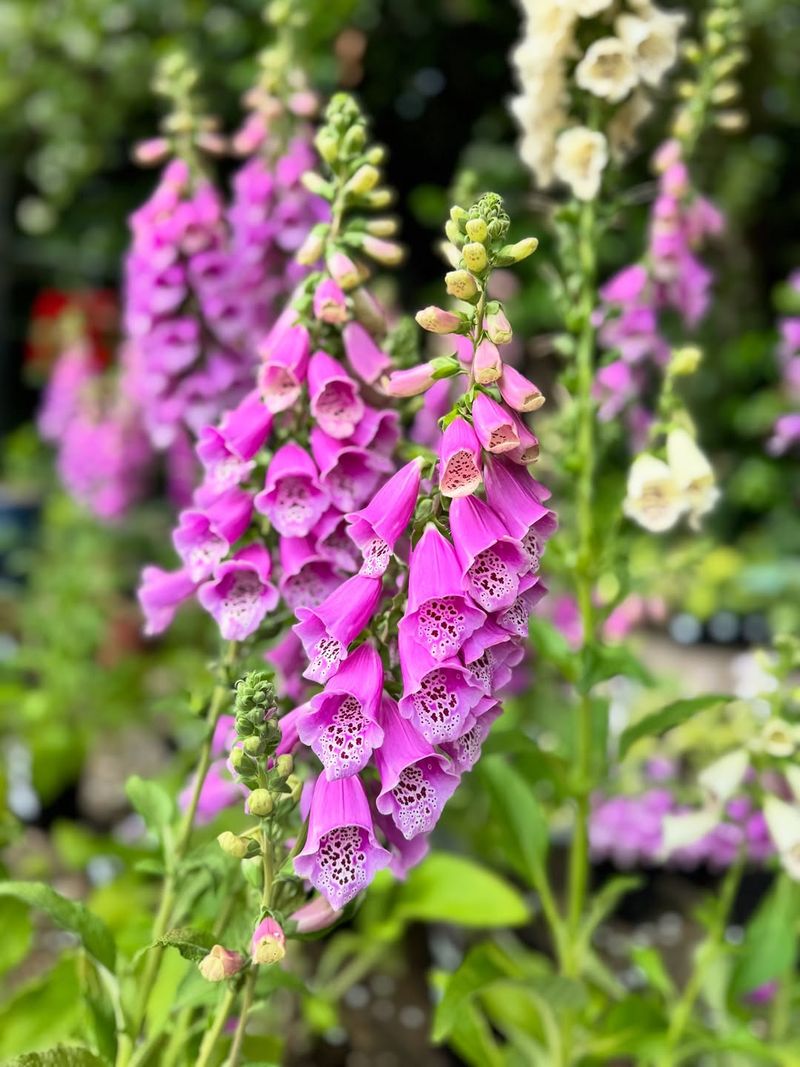
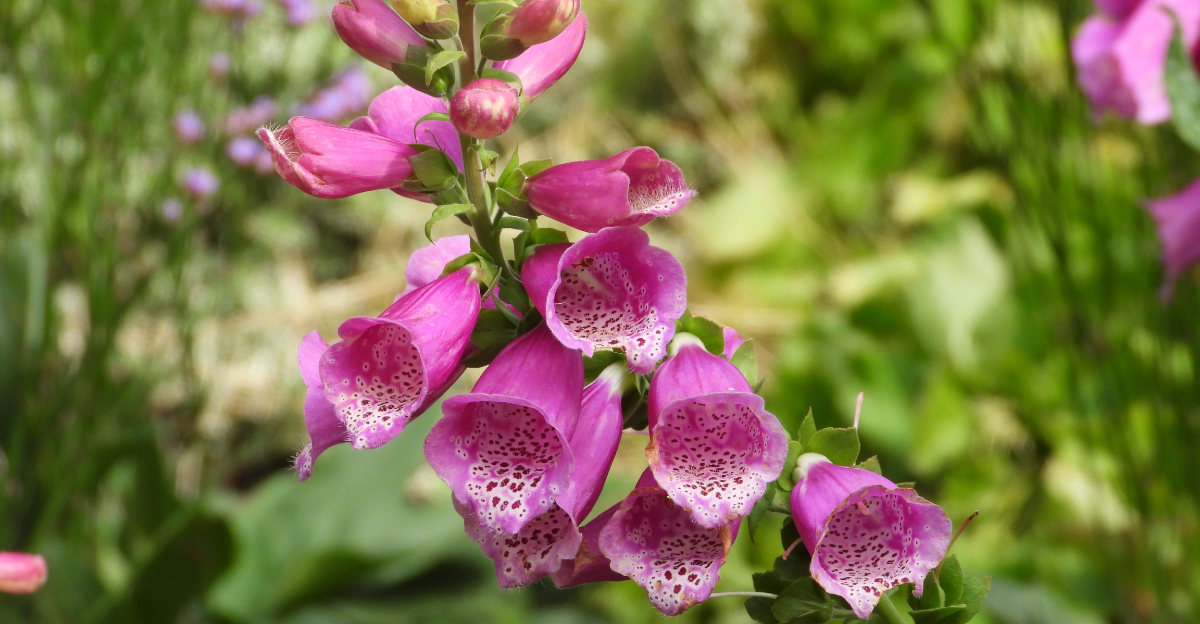
Walk through almost any shaded Oregon forest edge in early summer and you will likely spot the tall, dramatic spires of foxglove. This biennial plant produces long stems covered in tubular flowers that are often purple, pink, white, or cream with spotted throats.
Deer tend to leave foxglove alone entirely because all parts of the plant have a bitter, unpleasant taste.
Foxglove is a natural fit for Oregon’s wetter, shadier garden spots where other flowers struggle to perform. It grows well on the west side of the Cascades, where rainfall is plentiful and summers stay mild.
Plant it in partial shade under trees or along a fence for a dramatic vertical effect that draws the eye upward.
Since foxglove is a biennial, it grows leaves in its first year and then blooms in its second. After blooming, it drops seeds that sprout into new plants, so your garden keeps refreshing itself naturally.
It pairs beautifully with ferns, hostas, and astilbe for a lush, layered look. Foxglove also attracts hummingbirds, which love to visit the long, tubular blooms throughout the blooming season.
5. Russian Sage (Perovskia atriplicifolia)
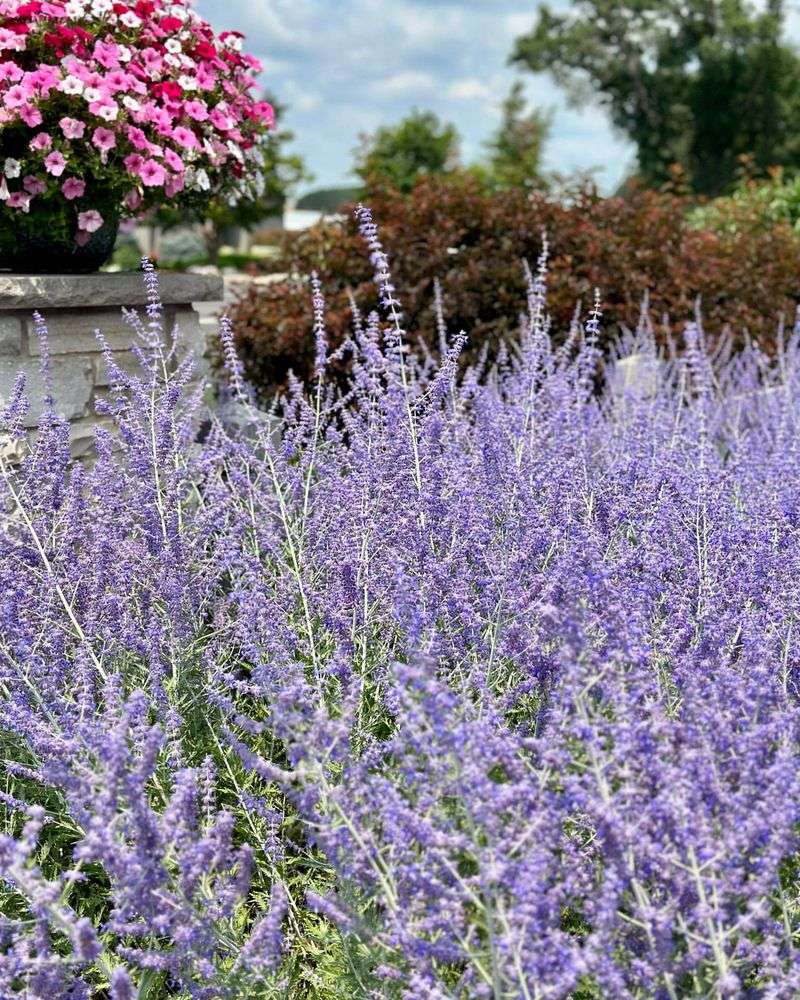
Russian sage looks like something out of a dream. Its tall, wispy stems are covered in tiny lavender-blue flowers that seem to float in the breeze, creating a soft, hazy effect that is hard to match in any garden.
The silvery stems and finely cut leaves give it a delicate appearance, but do not let that fool you because this plant is seriously tough.
Deer pass right by Russian sage without a second glance. The leaves have a strong, sage-like scent that wildlife finds off-putting, even though humans often enjoy the fragrance.
In Oregon, it thrives in the drier, sunnier regions east of the Cascades, where hot summers and well-drained soil allow it to reach its full potential.
Russian sage blooms from midsummer into fall, filling a gap when many other flowers start to fade. It pairs beautifully with ornamental grasses, black-eyed Susans, and coneflowers for a natural, meadow-inspired look.
Leave the stems standing through winter because they provide lovely structure and interest even in the cold months. Come spring, cut them back hard and watch the plant bounce back stronger than ever for another stunning season.
6. Daffodil (Narcissus)
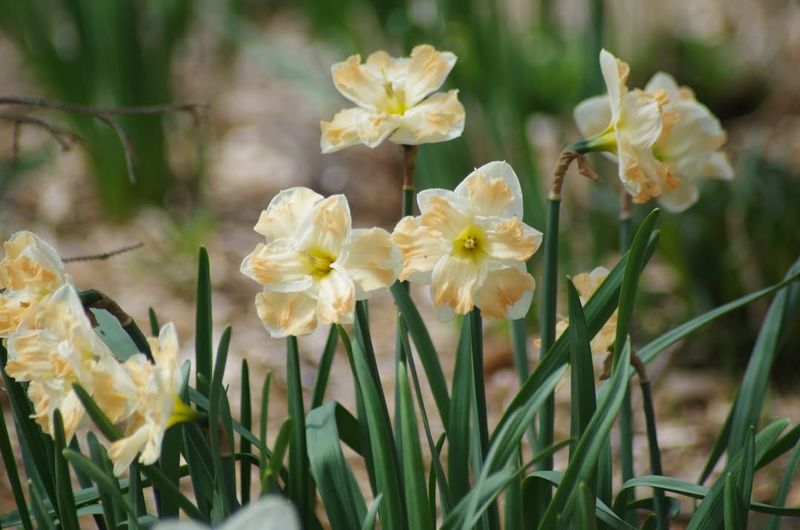
Nothing signals the arrival of spring in Oregon quite like a burst of bright yellow daffodils popping up after the long winter rain.
These cheerful, trumpet-shaped flowers are a classic garden staple, and they happen to be one of the most reliable deer-resistant bulbs you can plant.
Deer naturally avoid daffodils because the bulbs and foliage contain toxic compounds that make them taste terrible to wildlife.
Planting daffodil bulbs in fall is simple and deeply rewarding. They naturalize easily, meaning they spread and multiply over the years without much help from you.
In Oregon, they do well across the state, from the wet western valleys to the drier eastern high desert, as long as they get decent drainage and some sun.
Daffodils come in a huge range of sizes and colors beyond the classic yellow. You can find varieties in white, peach, orange, and even pink tones.
Mix early, mid, and late-blooming types to extend your color show across several weeks in spring.
They look stunning planted in drifts under trees, along pathways, or scattered through lawn areas for a natural, wildflower-inspired effect that welcomes the season with joy.
7. Oregon Iris (Iris tenax)
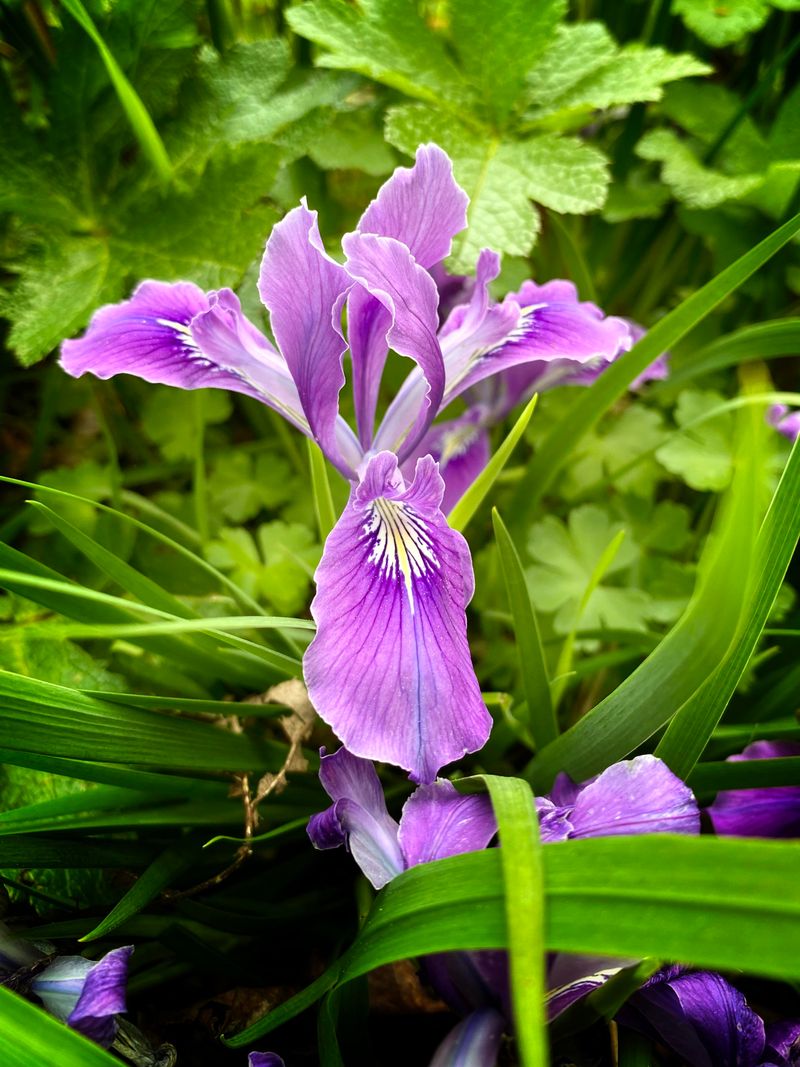
There is something special about growing a flower that is native to the very ground beneath your feet.
Oregon iris, also called tough-leaf iris, is a wildflower native to the Pacific Northwest, and it thrives naturally across western Oregon’s meadows, forest edges, and open slopes.
Its slender, grass-like leaves and beautiful purple-to-lavender blooms give gardens a graceful, native charm.
Deer tend to avoid iris plants because the leaves and roots contain compounds that taste sharp and unpleasant.
Oregon iris is especially well-suited to the state’s climate because it evolved here and is already adapted to the wet winters and dry summers that Oregon gardeners deal with every year.
Growing Oregon iris is a great way to support local pollinators, including native bees that depend on native flowering plants for food. It prefers well-drained soil and full to partial sun, and it needs very little supplemental water once established.
Plant it in naturalistic garden designs, along rain garden edges, or in mixed native plant borders for a look that feels right at home in the Oregon landscape. This is a plant that connects your garden to the wild beauty of the Pacific Northwest in a meaningful way.
8. Bee Balm (Monarda)
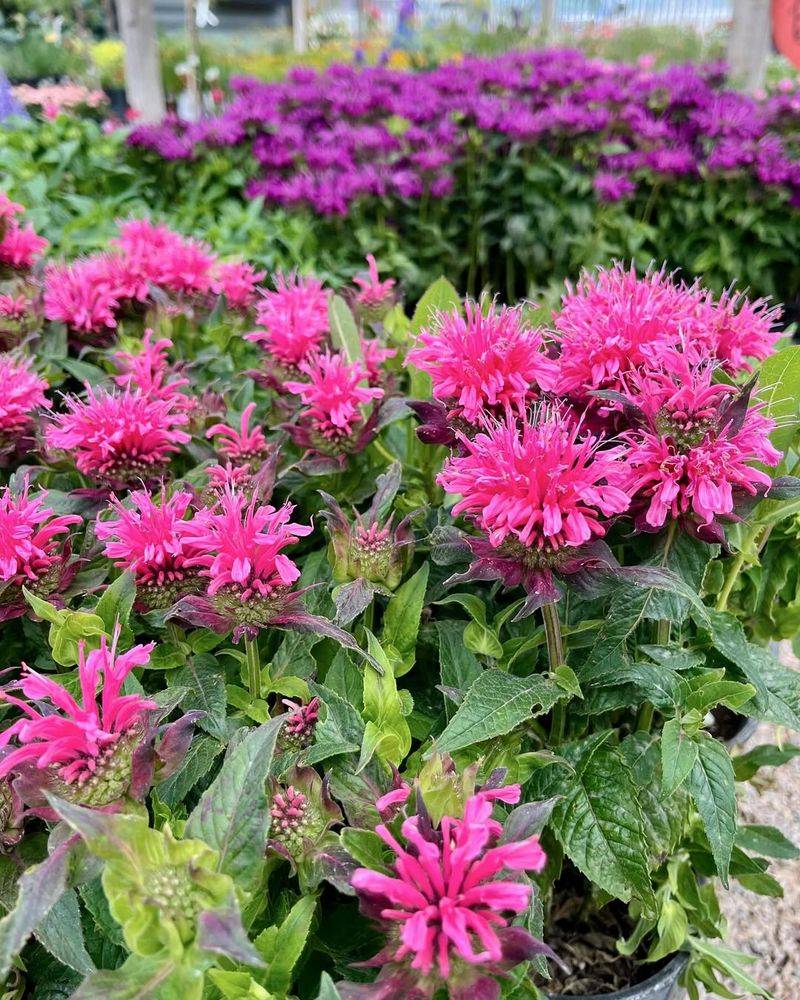
Bee balm is one of those plants that turns a garden into a living, buzzing, fluttering ecosystem. Its shaggy, crown-shaped flowers in shades of red, pink, purple, and white are irresistible to bees, butterflies, and hummingbirds.
But deer? They want nothing to do with it. The leaves smell strongly of oregano and mint, which is a scent that most deer find deeply unappealing.
In Oregon, bee balm grows best in spots that get morning sun and a bit of afternoon shade, especially in the warmer parts of the state. It likes moist, rich soil and does well near rain gardens or along stream edges where moisture stays consistent.
Good air circulation around the plants helps prevent powdery mildew, which can be a common issue in Oregon’s humid western regions.
Bee balm spreads by underground rhizomes, so it fills in a garden bed nicely over time. Divide clumps every few years to keep them healthy and vigorous.
The dried leaves can even be used to make a pleasant herbal tea at home. Plant bee balm in large groups for the most dramatic visual impact, and watch your garden come alive with pollinators from summer through early fall.
9. Blanket Flower (Gaillardia)
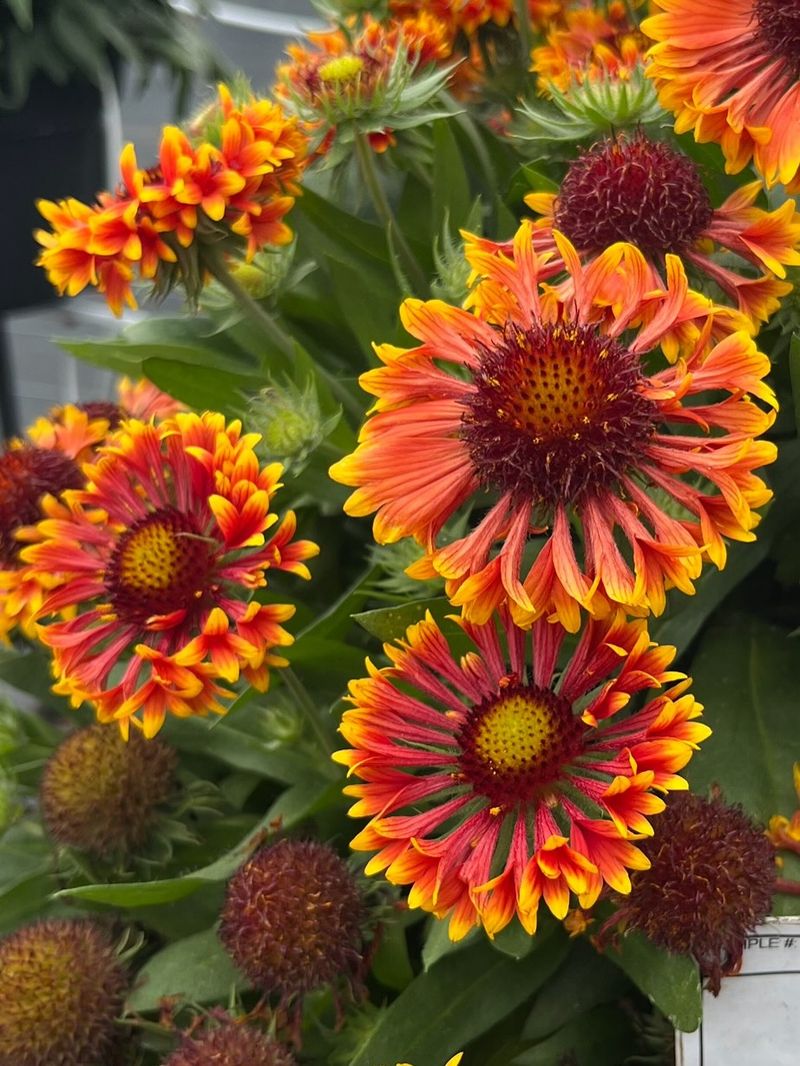
If your Oregon garden needs a serious pop of color, blanket flower delivers in the most cheerful way possible. Its bold, daisy-like blooms show off fiery combinations of red, orange, and yellow that look like a sunset captured in a flower.
Deer tend to skip over blanket flower because its hairy, rough-textured foliage is not something they find appealing to nibble on.
Blanket flower is built for sunshine and heat, making it a great choice for Oregon’s drier inland areas and the sunnier spots of the Willamette Valley. It thrives in poor, sandy, or gravelly soil and actually blooms more freely when it is not over-fertilized.
Overwatering is the one thing to avoid because it prefers to stay on the drier side once established.
What makes blanket flower especially useful for Oregon gardeners is its incredibly long bloom season. It starts flowering in early summer and keeps going strong until the first frost arrives.
Deadhead spent blooms regularly to encourage continuous flowering throughout the season. It looks fantastic paired with Russian sage, ornamental grasses, and coneflowers in a sunny border.
This is a plant that earns its place in the garden every single year with minimal effort required.