The Native Wildflower That Once Covered Ohio Fields
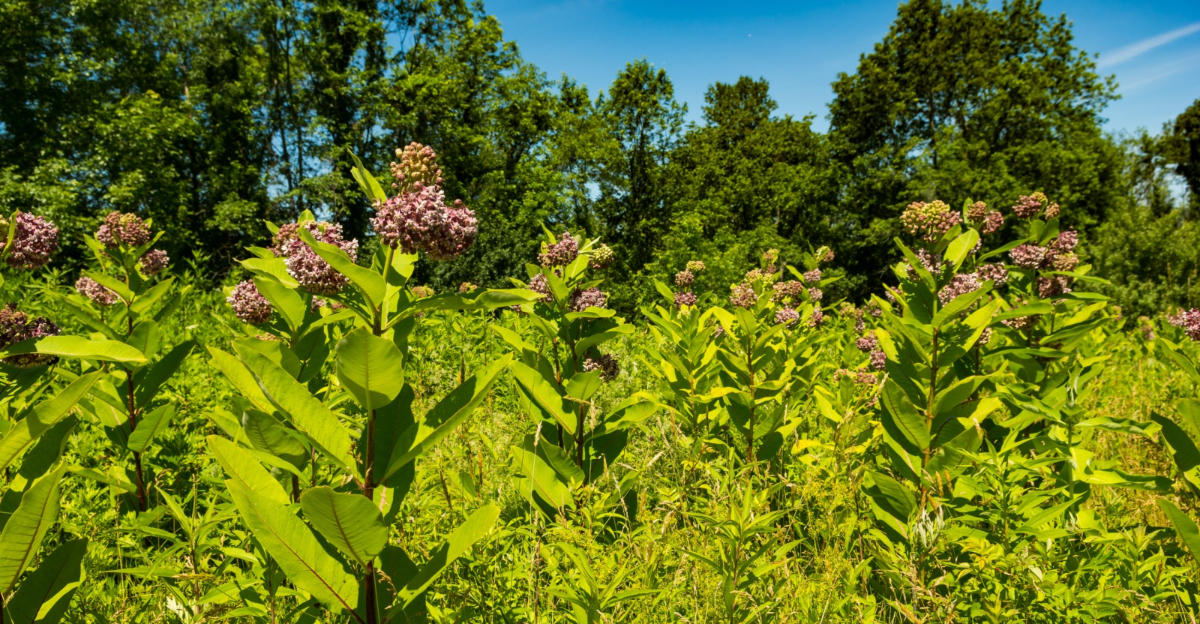
Across Ohio, native wildflowers once rolled like living color through open prairies, roadsides, and quiet countryside. Season after season, these resilient plants returned on their own, shaping landscapes rich with motion, pollinators, and natural beauty.
Over time, fields changed, wild spaces shrank, and many of these familiar blooms slowly faded from view. Yet their story never truly ended.
Gardeners and conservationists now work to restore the rhythm of those older landscapes, bringing back the species that once defined Ohio’s open land. And near the heart of that story stands milkweed.
Not loud, not showy from a distance, yet deeply powerful. It once spread across wide Ohio fields in great numbers, supporting life, movement, and renewal in ways few plants could match.
Today, its return represents more than a single wildflower. It signals restoration, resilience, and the quiet revival of Ohio’s living landscape.
1. When Milkweed Ruled The Open Fields
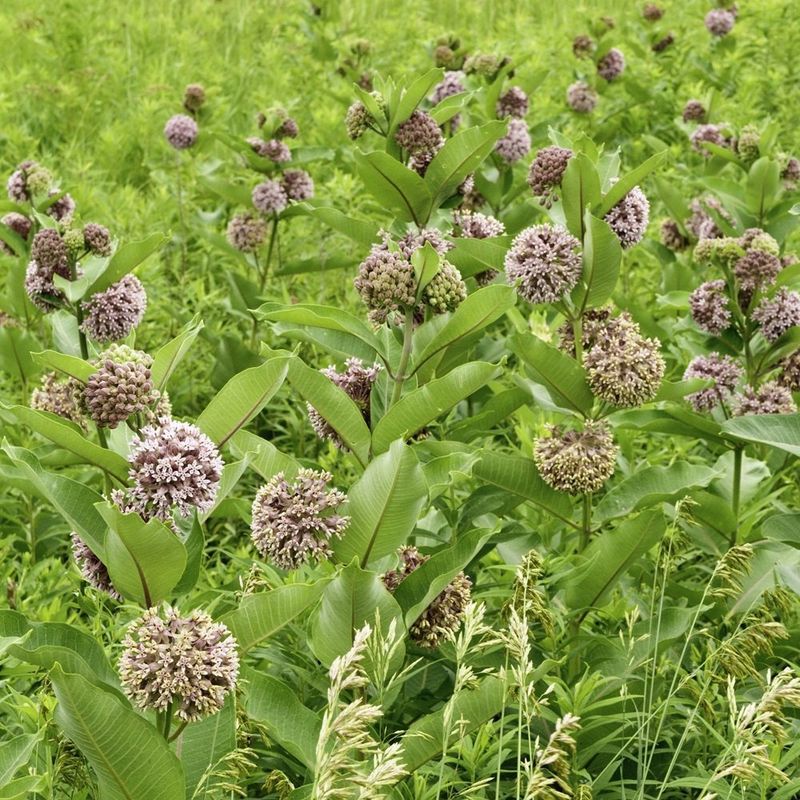
Before highways carved through farmland and subdivisions replaced pastures, milkweed was simply everywhere across Ohio. Open fields, untended lots, roadsides, and the edges of grain farms all hosted dense stands of Asclepias syriaca, the species botanists call common milkweed.
It spread naturally and generously, filling whatever space the land offered.
Ohio’s early agricultural landscape actually supported milkweed without even trying. Farmers tolerated it along fence rows and field borders because it was part of the background, a plant that had always been there.
According to records from the Ohio Natural Heritage Database, milkweed has historically been documented across nearly every county in the state.
Old-timers in rural communities remember seeing milkweed patches that stretched for acres, unbroken seas of broad green leaves and pink blossoms running alongside country roads and creek banks. That kind of abundance felt permanent at the time, the way truly common things always do.
Nobody worried about preserving something that seemed to grow back no matter what. The landscape held its own in ways that feel almost impossible to imagine now, and milkweed was a quiet but essential thread woven through all of it.
2. A Wildflower Woven Into Ohio Summers
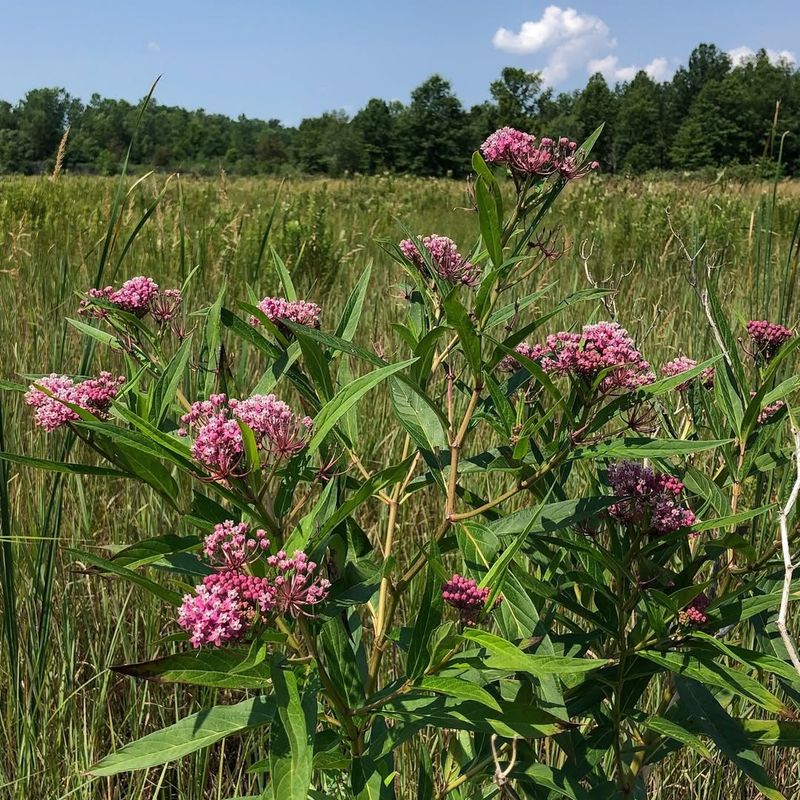
Summer in Ohio has its own rhythm, and for a long time, milkweed was part of keeping that beat. Shoots emerged from the soil in late spring, pushing up through last year’s leaf litter with surprising energy.
By June, the plants stood knee-high or taller, their broad oval leaves catching the light in a way that made whole fields glow soft green in the morning.
July was when milkweed truly announced itself. The rounded clusters of small mauve flowers opened gradually, drawing in bees, butterflies, and beetles before most people even noticed the blooms had appeared.
For kids growing up in rural Ohio, milkweed patches were landmarks, places to catch insects, watch caterpillars, or simply stand still and smell something impossibly sweet drifting on a hot afternoon breeze.
That seasonal rhythm made milkweed feel like a neighbor rather than just a plant. It came back every year without being asked, grew taller than expected, and filled its corner of the landscape with quiet confidence.
Your Ohio Garden Changes Every Week. Your Plan Should Too.
Gardening in Ohio changes quickly throughout the season. Every Friday you’ll receive a simple weekly plan showing exactly what to plant, prune, fertilize, harvest, and protect so you never miss the right timing.
Ohio State University Extension notes that common milkweed is a long-lived perennial that spreads through both seeds and underground rhizomes, which explains why established patches persisted for decades in the same spots, becoming as familiar as the fields themselves.
3. Soft Mauve Blooms Across Endless Land
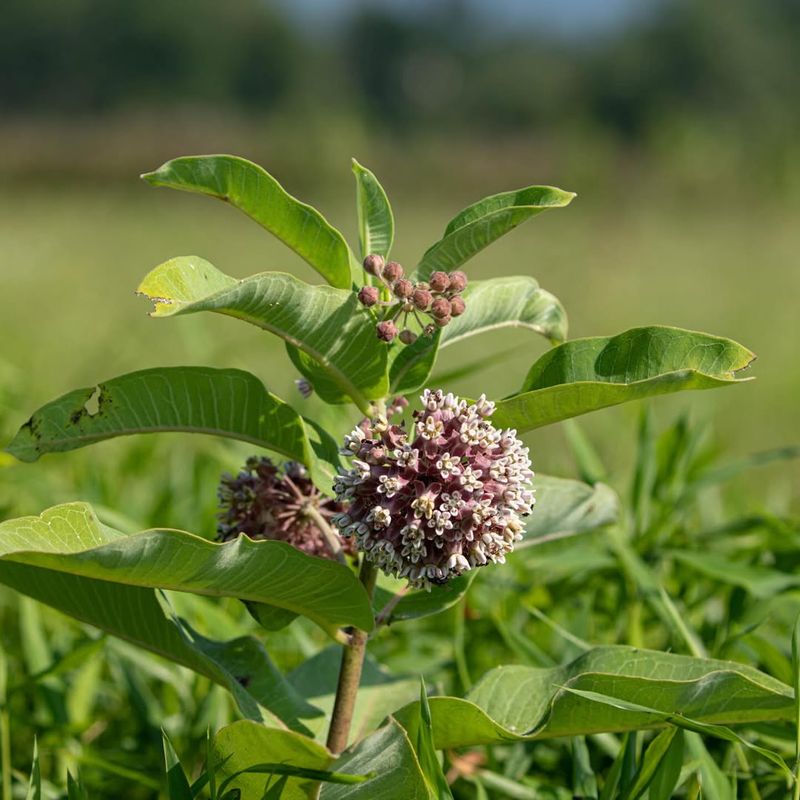
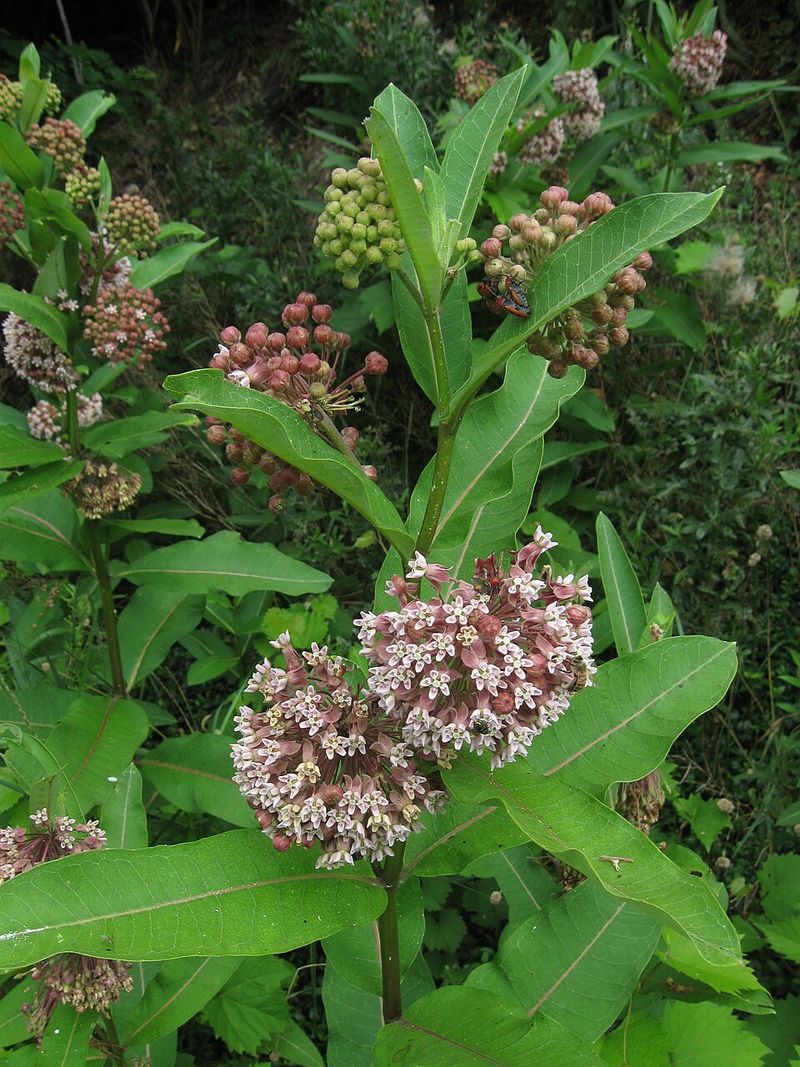
Few native wildflowers can match the quiet elegance of milkweed in full bloom. Each flower head is actually a dense globe of tiny individual blossoms, pale pink to dusty mauve in color, arranged so tightly together that the whole cluster looks almost like a small bouquet someone placed there intentionally.
Up close, the individual flowers reveal an intricate structure that botanists find genuinely remarkable.
Across a large patch, those blooms created a visual effect that was hard to forget. Imagine standing at the edge of an old Ohio pasture in mid-July, looking out at a hundred square feet of milkweed in peak flower, the pink clusters rising above the green leaves like soft lanterns in the afternoon sun.
The fragrance carried on the wind, sweet and slightly spicy, the kind of smell that lodges permanently in memory.
According to the Ohio Native Plant Society, common milkweed typically blooms from late June through August in Ohio. That extended bloom window gave pollinators a reliable food source across the hottest weeks of the year.
Large patches once created corridors of color across the Ohio landscape, visible from a distance and unmistakable to anyone who had grown up knowing what milkweed looked like standing tall against a clear summer sky.
4. The Plant That Carried Monarch Dreams
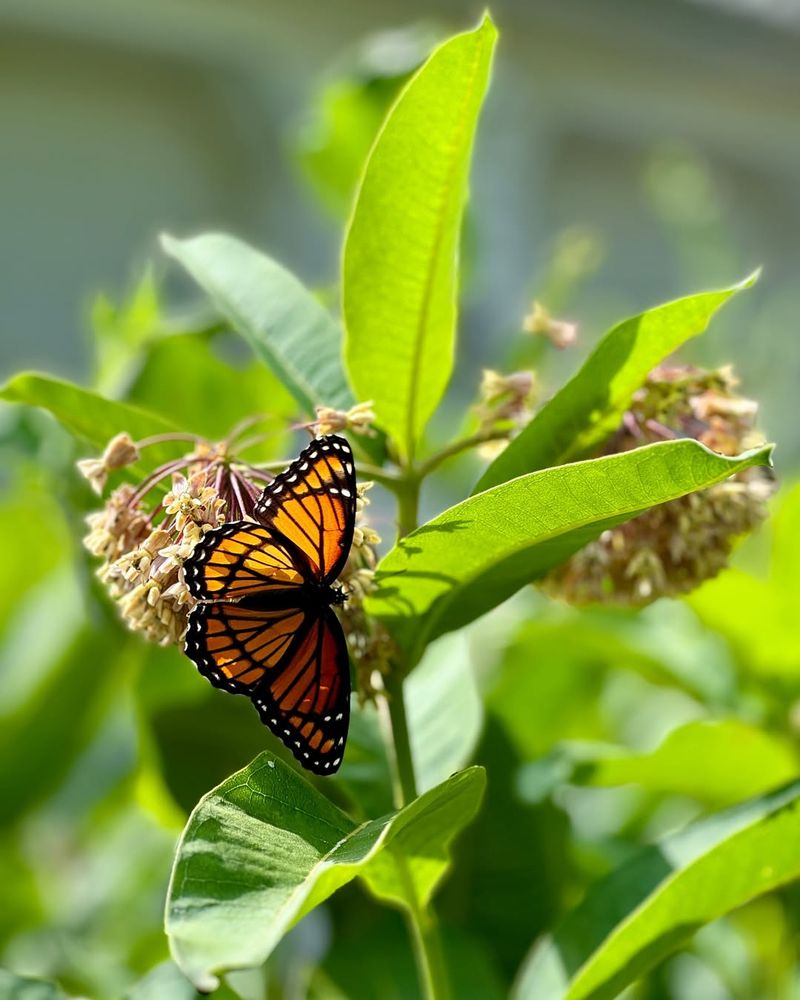
No other plant in Ohio’s native landscape carries the same emotional weight for wildlife lovers as milkweed does when monarchs are involved. Monarch butterflies depend exclusively on milkweed plants for laying their eggs, and their caterpillars can only eat milkweed leaves.
Without the plant, the monarch life cycle simply cannot happen. That relationship is one of the most well-documented examples of plant-insect dependency in North American ecology.
Ohio sits directly within the eastern monarch migration corridor, making the state’s milkweed population critically important to the species’ survival. Research from the Monarch Joint Venture and the U.S.
Fish and Wildlife Service has consistently linked the decline of milkweed across the Midwest, including Ohio, to steep drops in monarch populations over recent decades. Restoring milkweed is one of the most direct actions individuals and communities can take to support the monarch’s recovery.
Beyond monarchs, milkweed supports a surprisingly rich community of native insects. Milkweed beetles, aphids, various native bee species, and specialist wasps all rely on the plant for food or shelter.
The Ohio Prairie Association points out that milkweed functions as a key species within native pollinator communities, supporting biodiversity in ways that extend far beyond any single butterfly. Watching a monarch lay eggs on a milkweed leaf in a restored Ohio field is one of nature’s most moving everyday moments.
5. Floating Seeds On Warm Country Winds
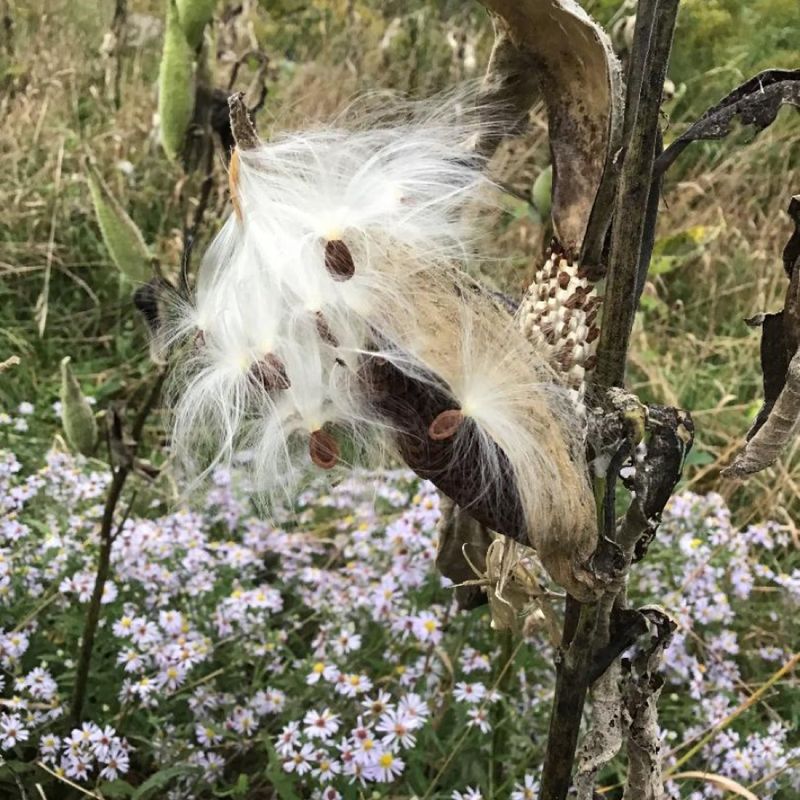
Late summer in Ohio used to bring a particular kind of magic that most people never thought to name. Milkweed pods, which spent weeks swelling and hardening through July and August, began to split open in September, releasing hundreds of seeds attached to long, silky white threads.
A warm afternoon breeze could carry those seeds hundreds of feet, sometimes farther, drifting like tiny parachutes across fields, fence rows, and open sky.
Children who grew up in rural Ohio remember chasing milkweed silk as a late-summer game, grabbing handfuls of the floating floss and letting it go again. That silk is actually one of the most efficient natural seed dispersal systems in the plant world.
Each seed is attached to a cluster of long, fine fibers that catch air currents remarkably well, allowing milkweed to colonize new areas with very little effort.
During World War II, the U.S. government collected milkweed floss from Ohio and other Midwestern states as a substitute for kapok in life preservers, a largely forgotten piece of history that highlights the plant’s practical value beyond ecology. Today, watching milkweed seeds drift across an open field on a September afternoon feels less like a simple natural event and more like witnessing something quietly precious that Ohio almost lost entirely.
6. A Quiet Giant Of Forgotten Meadows
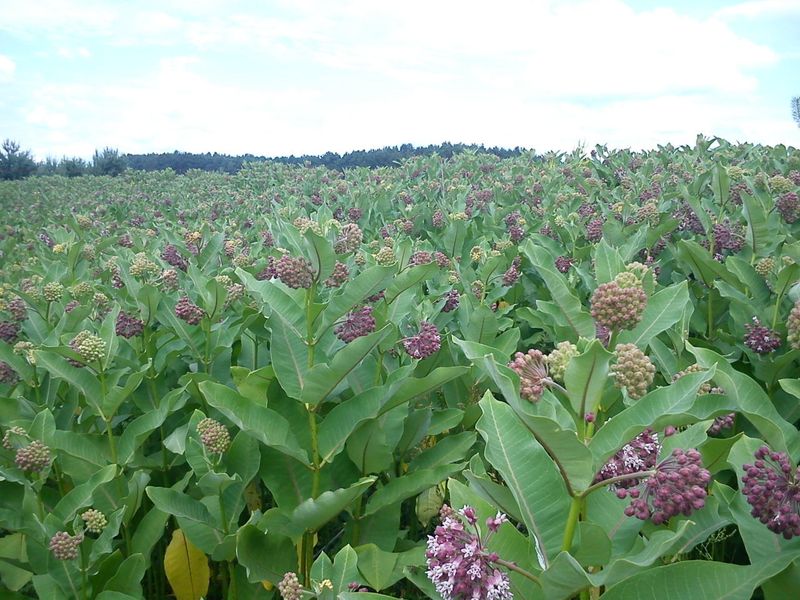
Standing nearly five feet tall in a good growing season, common milkweed is not a subtle plant. Its thick central stalk, broad leaves, and substantial seed pods give it a presence that smaller wildflowers simply cannot match.
In a restored Ohio prairie or old meadow, milkweed stands out as a structural plant, something that shapes the space around it rather than just filling it.
Ecologically, milkweed punches well above its weight. Its deep root system helps anchor soil and contributes to overall prairie stability.
The leaves provide food not only for monarch caterpillars but also for a range of specialist insects that have evolved alongside the plant over thousands of years. Even after the growing season ends, the dried stalks and empty pods provide shelter and nesting material for native bees and other overwintering insects.
Prairie ecologists working in Ohio note that milkweed tends to appear in the middle layers of native plant communities, filling a structural role between ground-level grasses and taller prairie species like goldenrod and wild bergamot. That mid-layer presence creates habitat complexity, the kind of layered ecosystem structure that supports the highest diversity of wildlife.
The Ohio Prairie Association and similar restoration groups consistently include milkweed as a foundational species in any serious native planting plan, recognizing its outsized role in the broader ecological picture.
7. From Prairie Seas To Scattered Patches
A century ago, milkweed grew so abundantly across Ohio that it was considered a common weed, something farmers occasionally tried to remove from crop fields without much long-term success. That attitude made sense when the plant seemed limitless.
Nobody counted milkweed plants in those days because there was no reason to. The fields were full of them, the roadsides were full of them, and the meadows were overflowing.
What changed was not any single event but a slow accumulation of pressures. The expansion of row crop agriculture brought herbicide use that targeted broadleaf plants like milkweed.
Rural land development converted open fields into neighborhoods and commercial zones. Roadside mowing schedules increased, cutting milkweed before it could flower or set seed.
Each of these changes alone might not have made a large difference, but together they reshaped Ohio’s landscape in ways that milkweed could not easily recover from.
A landmark study published in the journal Insect Conservation and Diversity estimated that milkweed abundance in the Midwest declined by more than 50 percent between 1999 and 2014, driven largely by agricultural intensification. Ohio was not exempt from that trend.
What was once a plant measured in acres is now often measured in scattered individual stems along forgotten fence rows or highway medians, remnants of a much larger natural presence that defined Ohio summers for generations.
8. Bringing Back A Lost Piece Of Ohio
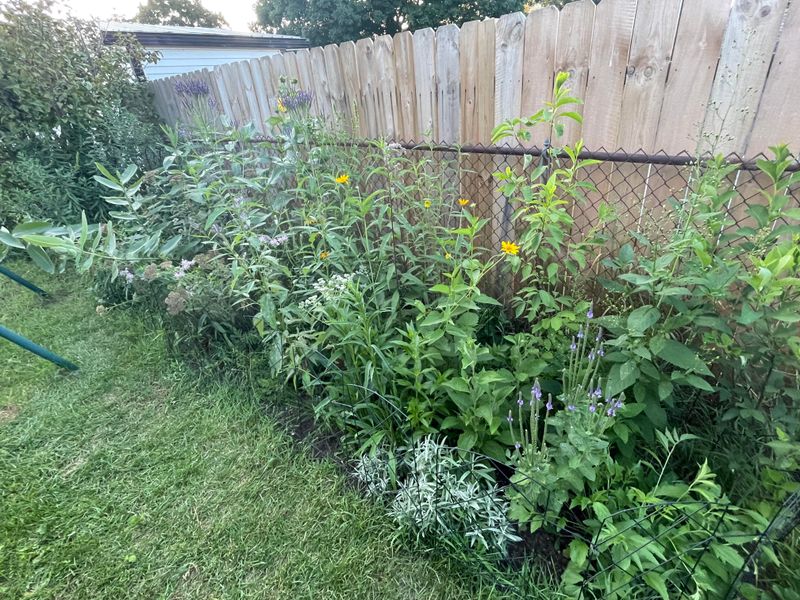
Planting milkweed today is one of the most direct ways anyone in Ohio can push back against decades of habitat loss. Whether you have a large backyard, a small garden bed, or even a sunny strip along a fence, common milkweed can find a home and thrive with very little extra care once it is established.
The plant asks for full sun, reasonably well-drained soil, and the patience to let it spread at its own pace.
OSU Extension recommends starting with locally sourced milkweed seed or nursery-grown plugs to ensure the plants are genetically appropriate for Ohio’s climate. Native plant nurseries across the state, along with organizations like the Ohio Native Plant Society and the Monarch Joint Venture, offer resources, seed packets, and planting guides specifically designed for Midwestern gardeners.
Schools, churches, and community groups have also taken up milkweed restoration as a shared project, turning unused land into pollinator habitat.
Beyond the ecological benefit, there is something genuinely moving about watching milkweed grow in a yard where it has not been seen for decades. When the first monarch visits, or when the pods split open and silk drifts across a September afternoon, the connection to Ohio’s older landscape feels real and close.
Restoring milkweed is not just gardening. It is a quiet act of remembering what Ohio once was and choosing to bring a little of that beauty back.