8 Tips For Growing Annual Vincas Successfully In Atlanta, Georgia
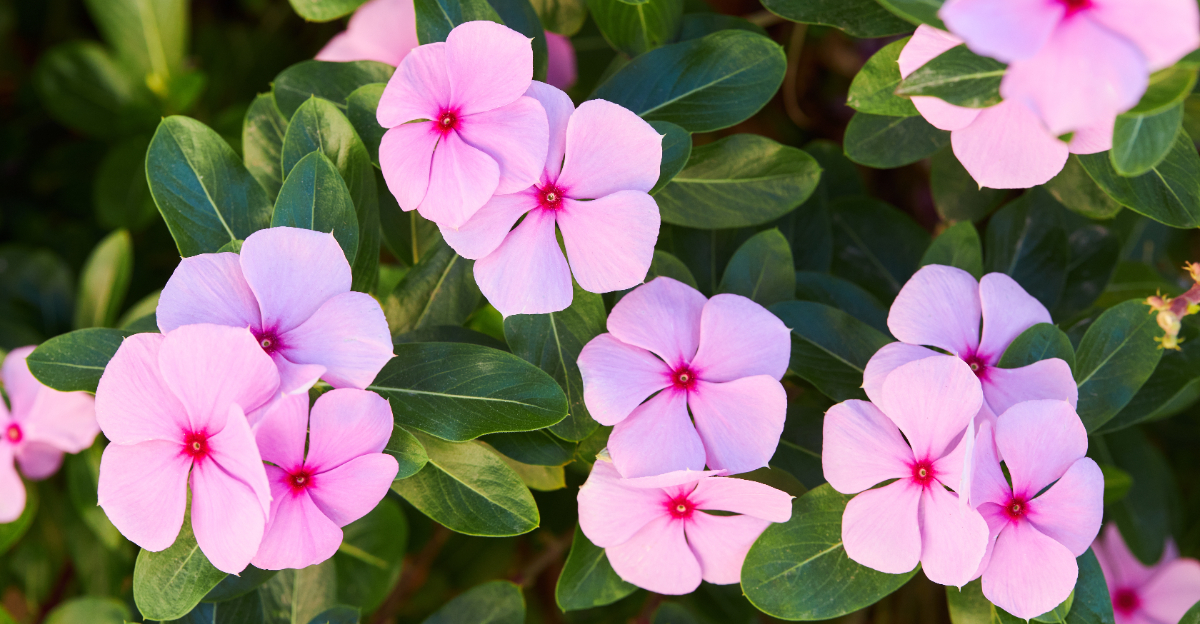
Annual vincas may look effortless in Atlanta, Georgia, but they only reward the right approach. These heat-loving flowers handle intense sun with ease, though heavy soil and excess moisture can stop them fast.
Many gardeners label them low maintenance, then feel frustrated when plants yellow or stall halfway through the season. Strong results come down to proper timing, well-drained soil, correct spacing, and watering habits that fit Atlanta’s climate.
When those basics are handled early, vincas stay compact, healthy, and covered in color through the hottest stretch of summer.
1. Wait Until Soil Temperatures Stay Warm Before Planting
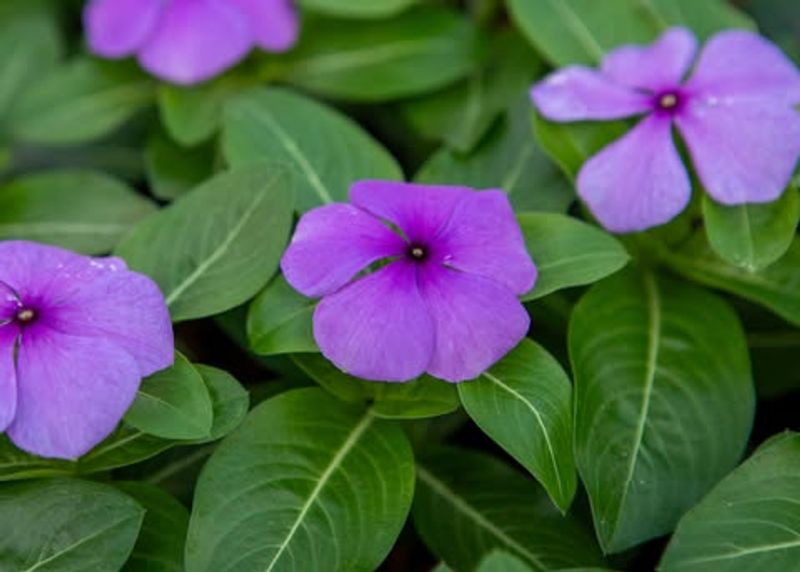
Rushing to plant too early is one of the most common mistakes Atlanta gardeners make with annual vincas. Cold soil, even when air temperatures feel pleasant, can stunt root development and leave young plants looking weak and unhappy for weeks.
Vincas are tropical by nature, and they genuinely love warmth from the ground up. Soil temperatures should consistently reach at least 65 to 70 degrees Fahrenheit before you put transplants in the ground.
In Atlanta, that window typically opens up in mid to late April, though some years it stretches into early May depending on overnight lows.
A simple soil thermometer, available at most garden centers, takes all the guesswork out of timing. Push it a few inches into the bed where you plan to plant, and check readings over several consecutive mornings.
If numbers stay consistently warm, you are good to go.
Planting into properly warmed soil gives roots the best possible start. Plants establish faster, begin blooming sooner, and hold up much better through Atlanta’s intense summer heat.
Patience during those early weeks pays off big once the season really gets rolling.
Cool nights can drop soil temperatures quickly, even after a few warm afternoons, so watching the forecast matters just as much as checking daytime highs. If you plant too soon and a late cold snap hits, vincas may stall and take weeks to recover.
Waiting just a little longer gives them the steady warmth they need to grow confidently from the start. In Atlanta’s climate, timing truly makes the difference between plants that struggle early and plants that thrive all summer.
2. Choose A Full Sun Location For Stronger Growth
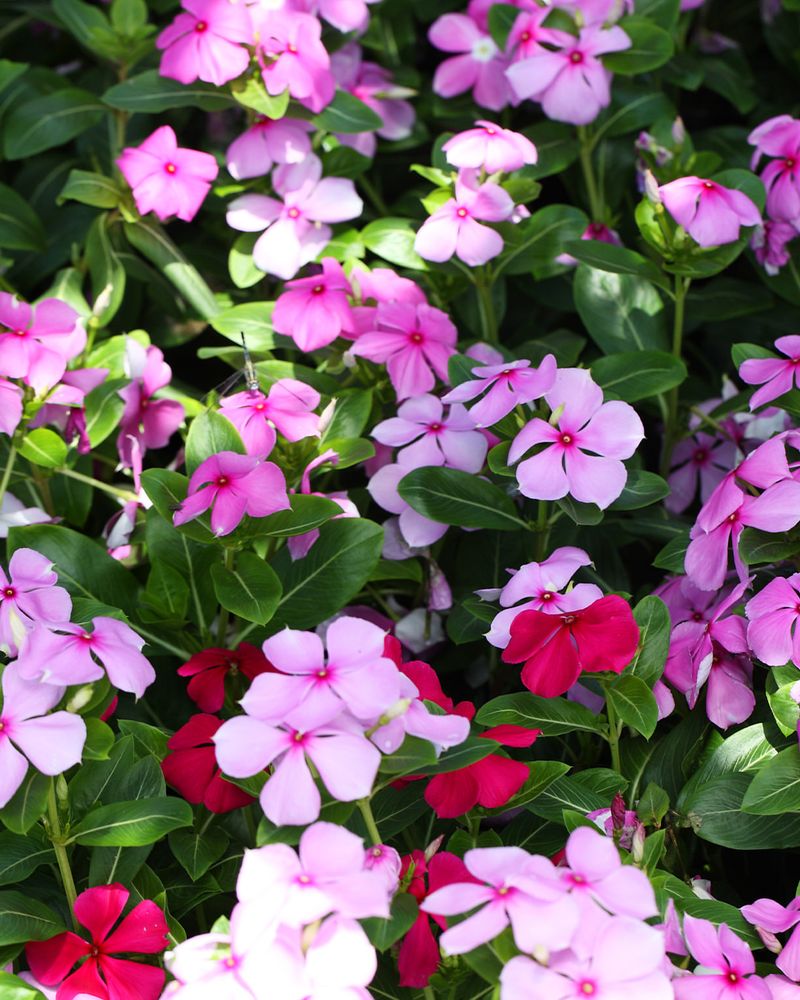
Sun is not just helpful for vincas, it is absolutely essential. Fewer than six hours of direct sunlight per day and these plants will stretch, struggle, and produce far fewer blooms than they are capable of delivering.
Atlanta gets generous sunshine through most of the growing season, which makes it a fantastic city for growing vincas at their peak potential. South and west-facing beds, open borders, and raised planters that catch full afternoon light are ideal placements.
Spots shaded by large trees or buildings should be skipped entirely for this particular flower.
Beyond just blooms, full sun also keeps foliage tight and compact. Plants grown in shadier spots tend to get leggy, with longer stems and fewer flowers spaced further apart.
In contrast, vincas soaking up eight or more hours of Atlanta sunshine stay dense, bushy, and loaded with color all season.
Your Georgia Garden Changes Every Week. Your Plan Should Too.
Gardening in Georgia changes quickly throughout the season. Every Friday you’ll receive a simple weekly plan showing exactly what to plant, prune, fertilize, harvest, and protect so you never miss the right timing.
When planning your garden layout, observe how sunlight moves across your yard at different times of day. Morning sun combined with strong afternoon exposure is the sweet spot.
Place your vincas where they will catch maximum light, and the plants will reward you with nonstop color from early summer straight through the first cool nights of autumn in Atlanta.
Strong sunlight also helps reduce fungal issues, since vincas prefer dry foliage and good air circulation. In Atlanta’s humid summers, planting them in full sun allows leaves to dry quickly after rain, which keeps plants healthier and blooming longer.
3. Plant In Well Drained Soil To Prevent Root Problems
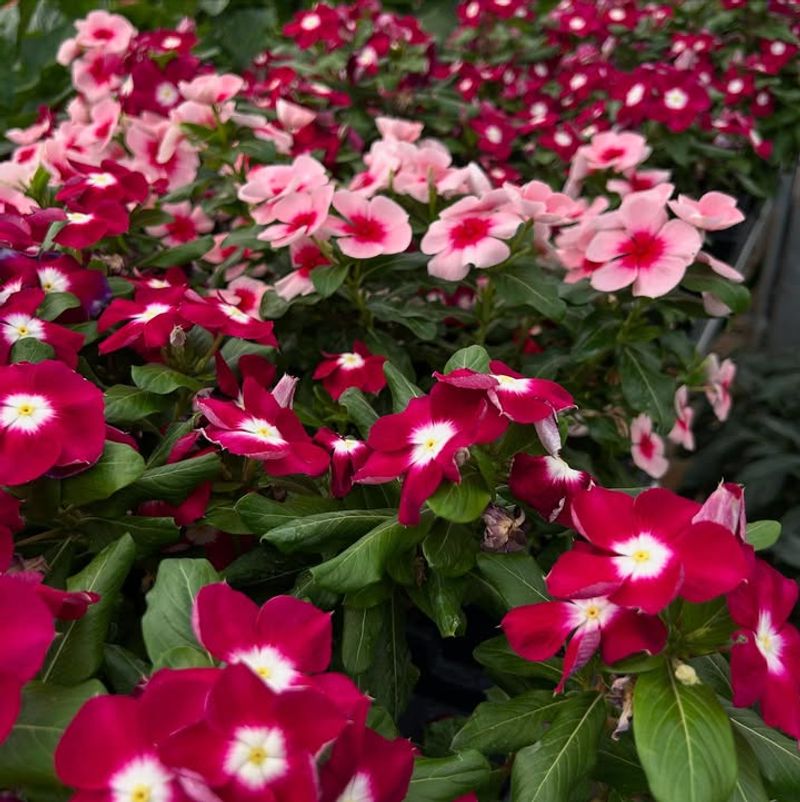
Soggy roots are a vinca’s worst enemy, and Atlanta’s clay-heavy native soil can make drainage a real challenge without some preparation.
Standing water around the root zone, even for short periods, creates conditions where roots cannot breathe properly and begin to break down.
Before planting, work organic compost and coarse perlite into the top eight to ten inches of your garden bed. Both amendments loosen compacted clay, improve drainage dramatically, and add nutrients that support strong early growth.
Raised beds are another excellent option in Atlanta neighborhoods where native soil is especially dense and slow to drain.
Good drainage does not mean dry soil, though. Vincas still need consistent moisture, especially during establishment.
Well-amended soil holds just enough water to keep roots hydrated while allowing excess moisture to move away freely. That balance between moisture retention and drainage is exactly what vincas need to perform at their best.
Check drainage before planting by digging a small hole about a foot deep, filling it with water, and watching how quickly it clears. If water drains within an hour, your bed is ready.
Slow drainage is a clear signal to add more amendments or consider switching to raised containers, both of which work beautifully for growing vincas across Atlanta’s diverse garden landscapes.
4. Avoid Overwatering During Humid Atlanta Summers
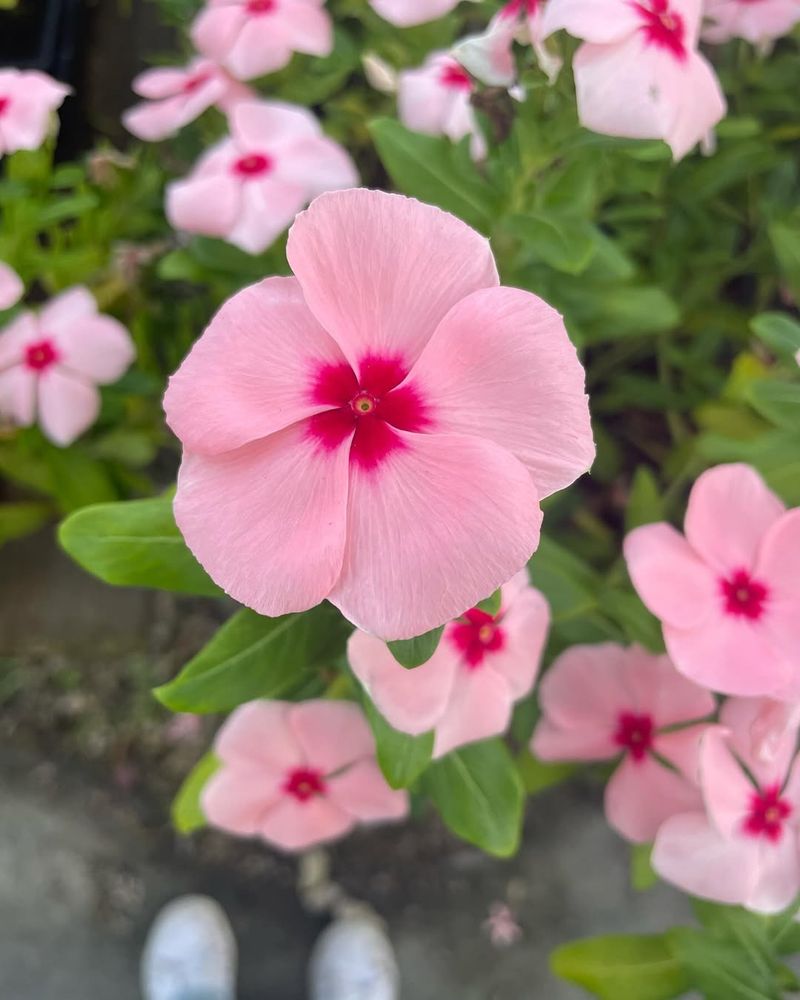
Atlanta summers bring serious humidity, and that moisture in the air changes how you should approach watering your vincas.
What feels dry on the surface can actually hold quite a bit of moisture deeper in the soil, especially during stretches of muggy, overcast weather.
Vincas are remarkably drought-tolerant once established, which makes overwatering a more common problem than underwatering in Atlanta gardens.
Roots sitting in consistently wet soil lose access to oxygen and begin to break down, causing the plant to look wilted even when water is plentiful.
Yellowing lower leaves and soft, mushy stems are both warning signs that water is being applied too generously.
A reliable approach is to water deeply once or twice per week and let the top inch of soil dry out between sessions. Push your finger about an inch into the ground near the base of the plant.
If it feels moist, hold off on watering for another day or two.
Drip irrigation or soaker hoses work especially well in Atlanta because they deliver water directly to the root zone without wetting foliage. Wet leaves in humid conditions can lead to other issues, so keeping the canopy dry is a smart habit.
Consistent but measured watering keeps vincas thriving all summer long without creating unnecessary problems.
It is also best to water early in the morning so excess moisture can evaporate as temperatures rise during the day.
Avoid frequent light sprinkling, since shallow watering encourages weak surface roots instead of the deep root system that helps vincas handle Atlanta’s summer heat.
5. Space Plants Properly To Improve Air Circulation
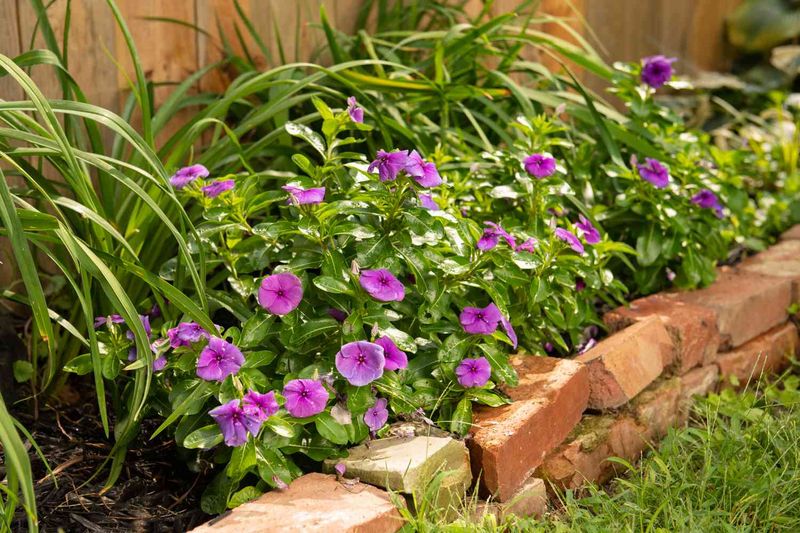
Crowding vincas together might seem like a way to create fuller, more colorful beds faster, but it actually works against the plants in the long run.
When stems and leaves overlap, air cannot move freely through the planting, and moisture gets trapped right where you do not want it.
In Atlanta’s warm, humid climate, poor air circulation creates a favorable environment for fungal issues that can spread quickly from plant to plant.
Proper spacing allows each vinca to dry out naturally after rain or watering, reducing the risk of problems taking hold in the first place.
Standard spacing for most annual vinca varieties is about ten to fourteen inches apart, though spreading types may need a bit more room.
Check the plant tag or seed packet for specific recommendations, since newer hybrid varieties can vary quite a bit in their mature spread.
Giving plants room from the start pays off in healthier, more vigorous growth.
Wider spacing also means each plant gets better access to sunlight and nutrients without competing aggressively with its neighbors.
Atlanta gardeners who space their vincas correctly typically see stronger stems, more consistent blooming, and far fewer problems throughout the season.
A little extra room at planting time is one of the simplest things you can do to set your garden up for success.
Crowding vincas may look like a shortcut to fuller beds, but in Atlanta’s humid climate it often invites fungal problems and weak growth. Space plants about ten to fourteen inches apart so air can move freely and foliage can dry properly after rain.
Giving each plant room from the start leads to stronger stems, steadier blooms, and far fewer issues through the season.
6. Use Light Fertilizer Instead Of Heavy Feeding
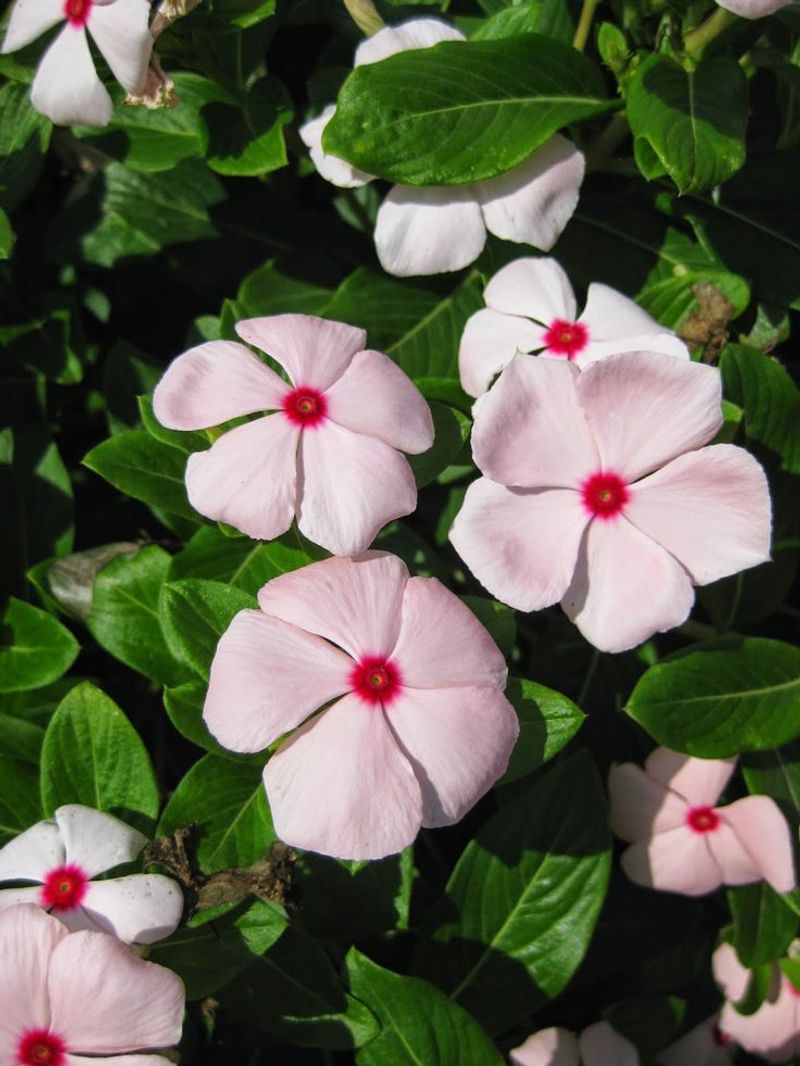
Vincas are not heavy feeders, and pushing them with too much fertilizer often backfires in surprising ways.
Excess nitrogen, in particular, pushes plants to produce lush green growth at the expense of flowers, leaving you with big leafy plants and very little color to show for your effort.
A balanced, slow-release granular fertilizer applied at planting time provides a steady, gentle supply of nutrients over several weeks. Something in the 10-10-10 or 12-12-12 range works well for most vinca plantings across Atlanta’s garden zones.
Apply according to package directions and resist the urge to add more, thinking extra feeding will speed things up.
Mid-season, a light liquid fertilizer applied once every three to four weeks can help maintain steady blooming without overstimulating leafy growth.
Atlanta’s long growing season means vincas have months to perform, so consistent, moderate feeding throughout the season outperforms one heavy application early on.
Think of fertilizing as a light, regular maintenance task rather than a dramatic intervention.
Plants that receive steady, balanced nutrition bloom more reliably, stay more compact, and hold their color with far less effort on your part as a gardener.
7. Remove Faded Blooms To Keep Plants Looking Fresh
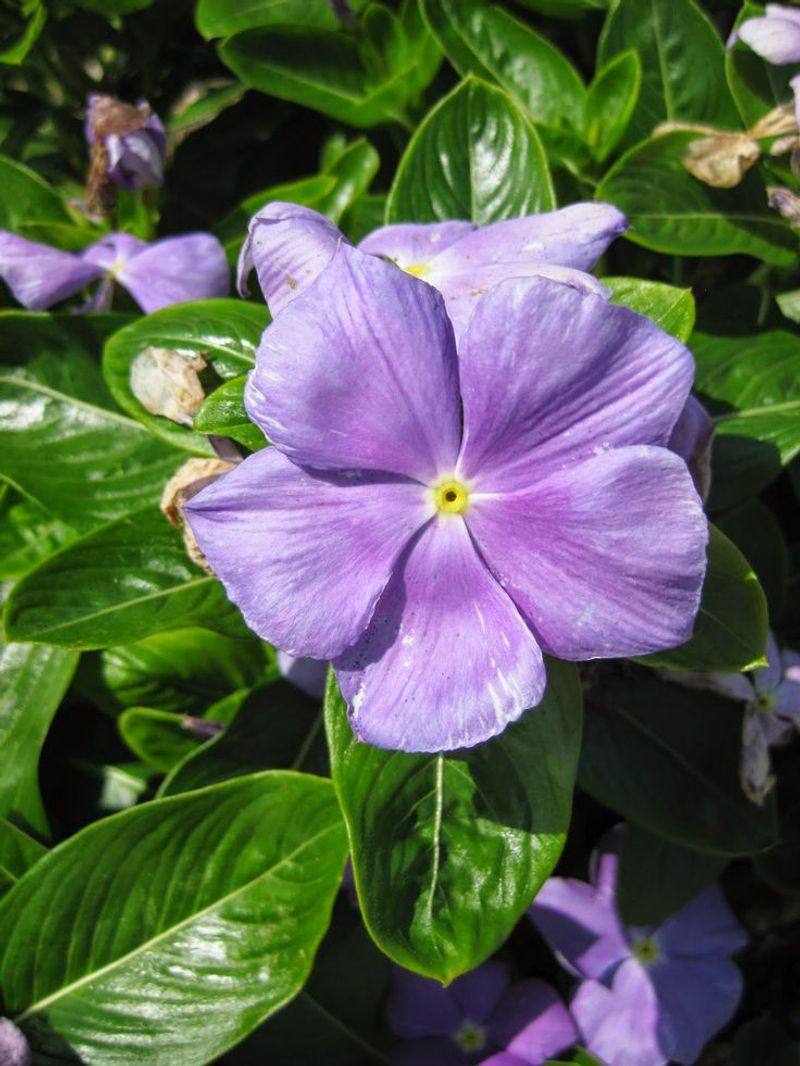
Spent flowers left on vinca plants are not just an eyesore, they actually signal the plant to shift energy toward producing seeds instead of new blooms.
Removing faded flowers keeps plants looking tidy and encourages fresh growth, even though many modern vinca varieties are self-cleaning.
Deadheading vincas is simple and satisfying work. Pinch or snip off flowers that have finished blooming, cutting just below the spent bloom and above the nearest set of healthy leaves.
Some gardeners prefer small pruning scissors for a clean cut, while others find that pinching with fingertips works just as well for routine maintenance.
Atlanta’s growing season stretches from late spring well into October, giving vincas a long runway to perform. Regular deadheading, done every week or so, keeps plants in active bloom mode throughout that entire stretch.
Skipping deadheading for even a few weeks can cause plants to look tired and sparse before the season actually winds down.
Beyond the blooms, light shaping of the overall plant helps maintain a tidy, compact appearance in garden beds and containers alike. If stems start to look leggy or stretched, trim them back by about a third to encourage fresh, bushy new growth.
Atlanta gardeners who keep up with deadheading and light trimming consistently enjoy the most colorful, eye-catching vinca displays from one end of summer to the other.
8. Watch For Fungal Issues During Prolonged Rain
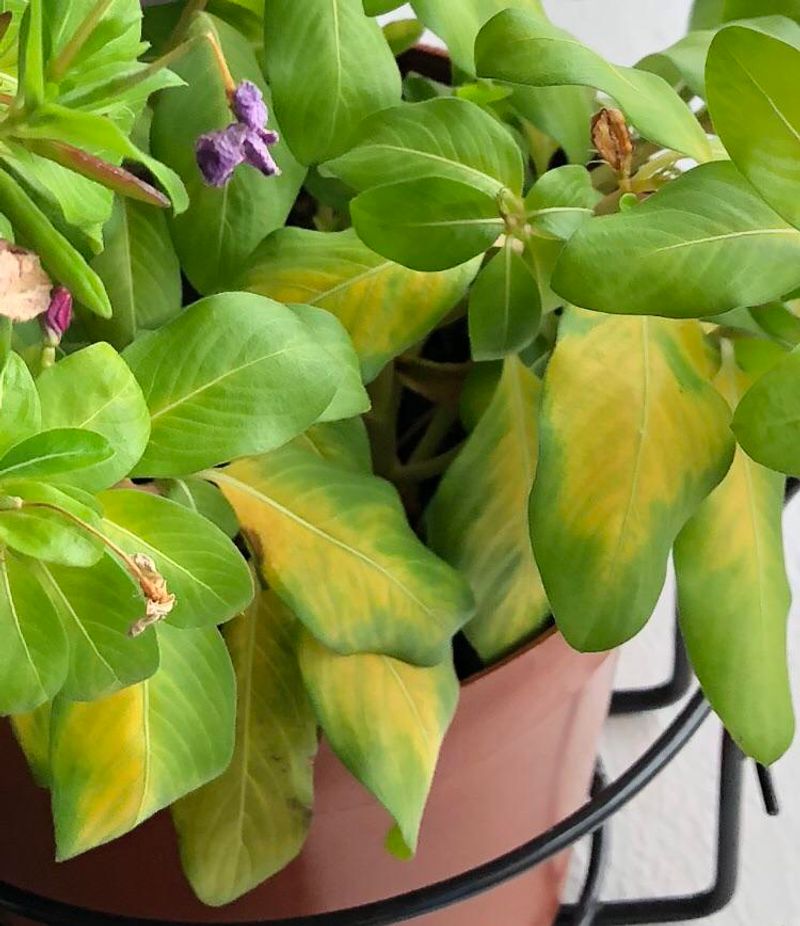
Extended rainy stretches in Atlanta can create conditions that put even healthy vincas under stress.
When foliage stays wet for long periods and air movement is limited, fungal pathogens find exactly the environment they need to get started and spread across a planting quickly.
Aerial phytophthora, also known as aerial blight, is one of the most common fungal problems affecting vincas in the Southeast. It shows up as dark, water-soaked spots on leaves and stems that expand rapidly in wet, warm weather.
Catching it early makes a significant difference in how much of the planting you can protect and preserve.
Preventive copper-based fungicide sprays, applied before wet weather sets in, offer a reasonable layer of protection for Atlanta gardens during the rainiest parts of summer.
Always follow label directions carefully, since applying too much or too frequently can cause its own set of problems for the plants and surrounding soil.
Good cultural practices go a long way as well. Avoid overhead watering, maintain proper plant spacing, and remove any damaged or spotted leaves promptly to reduce the spread of spores.
Atlanta gardeners who stay observant and act quickly at the first sign of trouble typically manage to keep fungal issues contained without losing significant portions of their vinca planting.
Vigilance during wet spells is the most effective tool in your gardening toolkit.