9 Georgia Native Spring Plants That Support Early Pollinators
Spring in Georgia often shifts quickly from cool mornings to warm afternoons, and that transition signals the start of an important season for local pollinators.
As temperatures rise, native bees, early butterflies, and even hummingbirds begin searching for dependable nectar and pollen sources to rebuild energy after winter.
Many gardens, however, rely heavily on plants that bloom later in the season, leaving a noticeable gap during those first crucial weeks.
Georgia native spring plants help close that gap because they flower in sync with local wildlife and thrive in the state’s clay soil and changing weather patterns. Choosing species that bloom early does more than add color and curb appeal.
It creates a stable food source at exactly the moment pollinators need it most, strengthening their populations and setting the tone for a healthier, more resilient garden throughout the rest of the growing season.
1. Eastern Redbud Feeds Early Native Bees In Spring
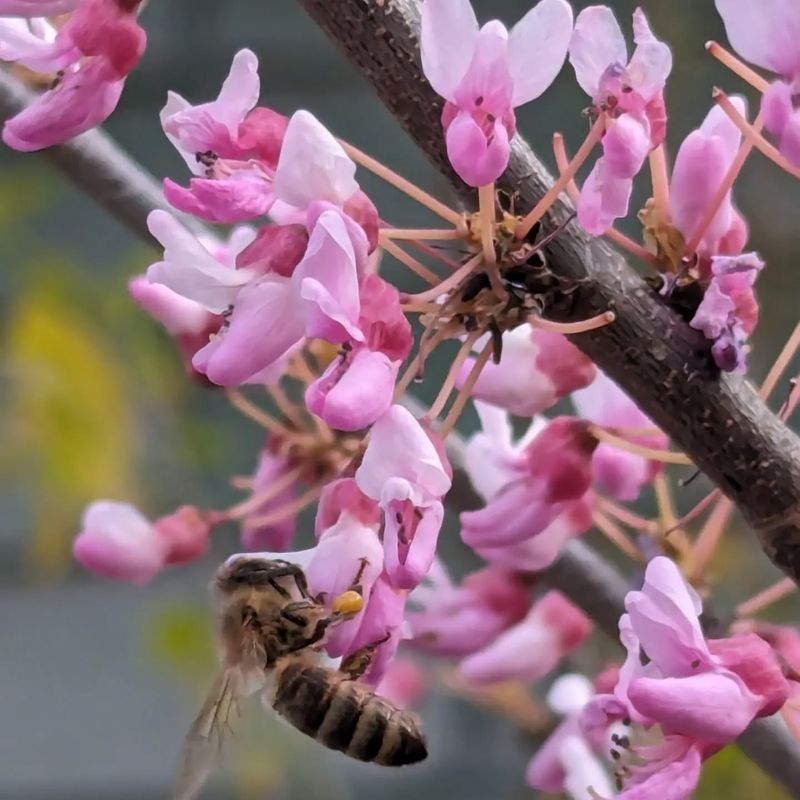
Before a single leaf appears, Eastern Redbud explodes into a cloud of rosy pink blooms that stop people in their tracks. Native to Georgia and much of the eastern United States, this small deciduous tree is one of the earliest flowering trees you can plant.
Bumble bees, mining bees, and mason bees flock to its blossoms the moment temperatures warm up.
What makes Redbud especially valuable is that it blooms when most other food sources are scarce. Early spring pollinators emerge hungry, and a mature Redbud can feed hundreds of native bees in a single day.
Planting one near a sunny border or woodland edge gives bees a dependable early buffet.
Redbud grows well across Georgia in USDA zones 6 through 9, reaching about 20 to 30 feet tall at maturity. It tolerates clay soil, which is common throughout the state.
Young trees establish quickly with moderate watering during their first season. Once settled in, Redbud is remarkably low maintenance and rewards you with spectacular spring color year after year.
In many parts of Georgia, Redbud typically begins blooming in March, sometimes even earlier during mild winters. Its heart-shaped leaves emerge shortly after flowering, providing light shade through summer before turning soft yellow in fall.
Because it is a native species, it also supports several caterpillar species, which in turn provide an important food source for local birds.
2. Carolina Jessamine Offers Early Nectar When Pollinators First Emerge
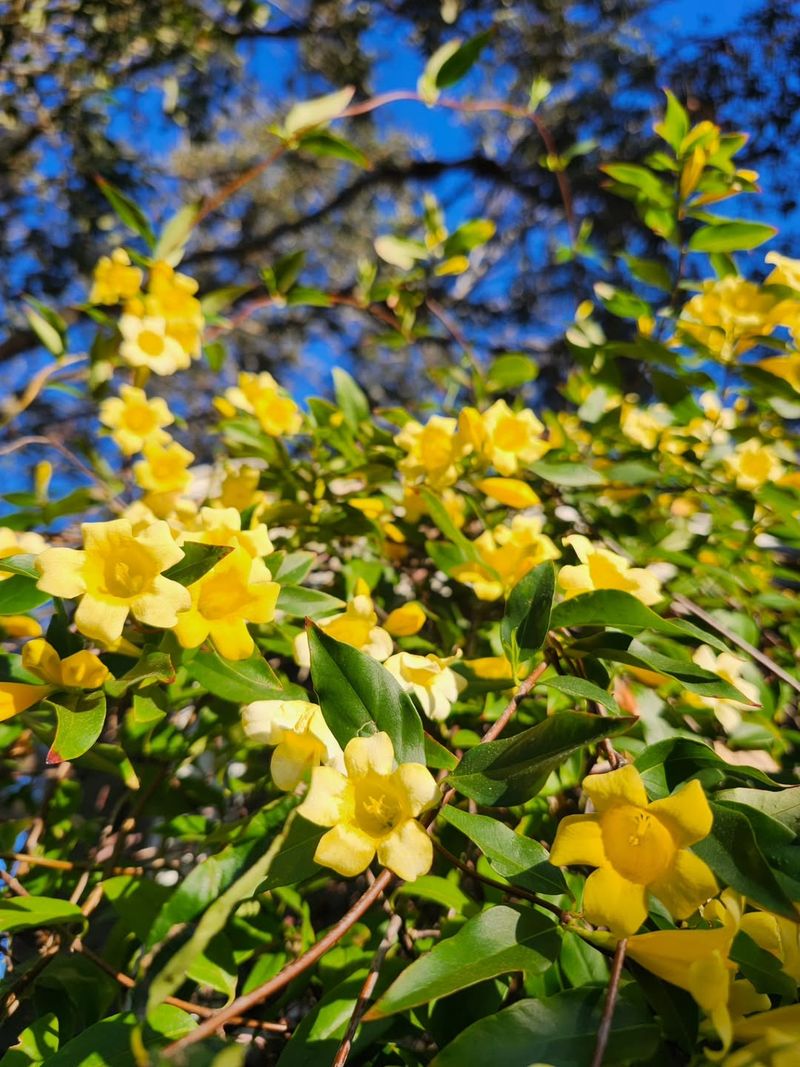
Few sights in a Georgia garden are as cheerful as Carolina Jessamine draping a fence in cascading yellow trumpets. Georgia’s official state wildflower, this native vine blooms from late winter into early spring, often pushing out flowers while nights are still chilly.
Early queen bumble bees and hummingbirds returning from migration are among its biggest fans.
Carolina Jessamine is a vigorous grower that can reach 20 feet when given a sturdy trellis or fence to climb. Its glossy evergreen leaves stay attractive year-round, making it a landscaping workhorse even when it is not blooming.
Plant it in full sun to partial shade, and it will reward you generously each spring.
Your Georgia Garden Changes Every Week. Your Plan Should Too.
Gardening in Georgia changes quickly throughout the season. Every Friday you’ll receive a simple weekly plan showing exactly what to plant, prune, fertilize, harvest, and protect so you never miss the right timing.
Gardeners across Georgia love this vine because it handles drought well once established. It thrives in the sandy soils of South Georgia just as easily as in the red clay of the Piedmont region.
One important note for families: every part of the plant is toxic to humans and pets, so choose its placement carefully. Despite that caution, its pollinator value and sheer visual beauty make it a top pick for native Georgia gardens.
In much of Georgia, Carolina Jessamine typically begins blooming as early as February during mild winters. Its early nectar supply provides critical fuel when few other native plants are flowering.
Prune it lightly after blooming if needed, since flowers form on the previous season’s growth and heavy pruning in fall can reduce the next spring’s display.
3. Wild Columbine Attracts Hummingbirds And Native Bees
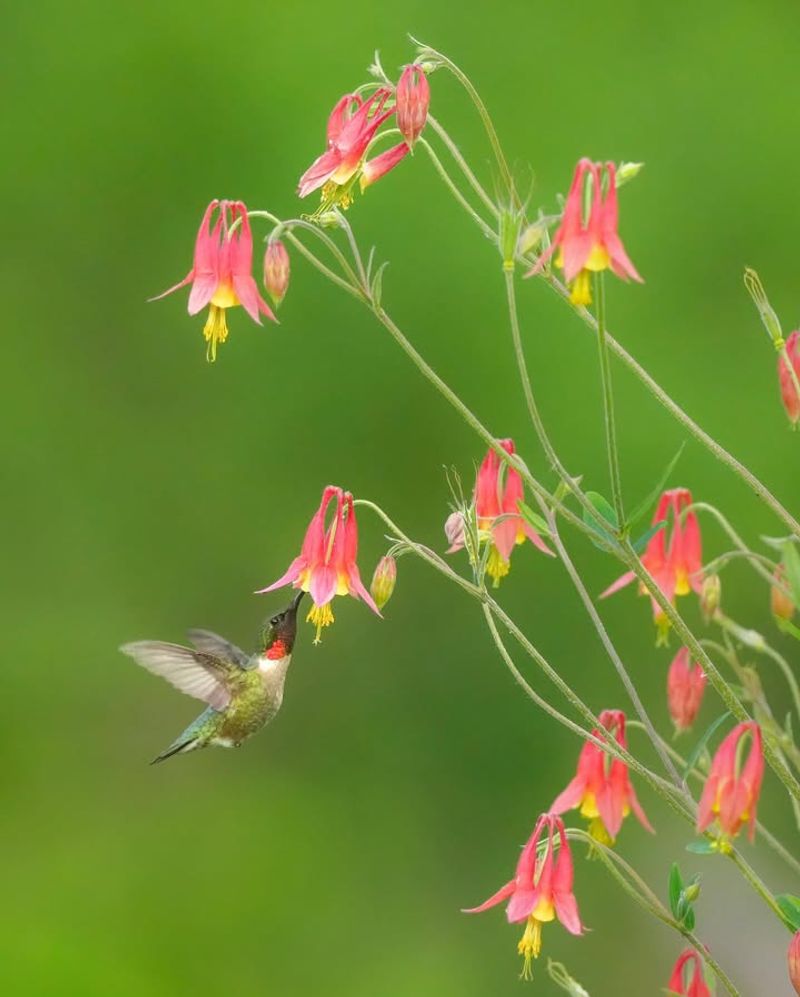
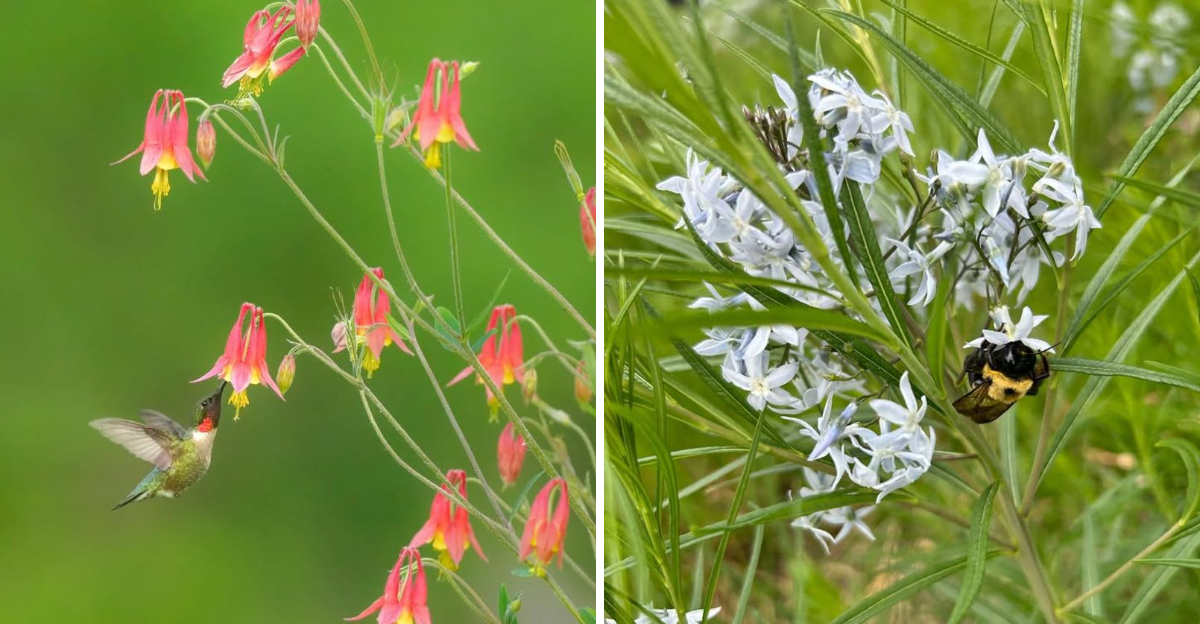
Ruby-throated hummingbirds returning to Georgia in early spring seem magnetically drawn to Wild Columbine, and honestly, who can blame them?
Those nodding red and yellow blooms with long nectar spurs are practically designed for a hummingbird’s long beak.
Long-tongued native bees also work these flowers skillfully, making Columbine a multi-species pollinator magnet.
Wild Columbine, known scientifically as Aquilegia canadensis, is a woodland native that thrives in dappled shade. Rocky slopes, woodland edges, and shaded garden beds across Georgia are perfect spots for this plant.
It reaches about one to three feet tall and blooms from March through May, filling a critical early-season gap.
Columbine self-seeds freely, which means once you plant it, you may find cheerful seedlings popping up in unexpected spots around your garden each year. Letting it naturalize creates a more dynamic, layered look in shaded borders.
It pairs beautifully with Virginia Bluebells and Wild Ginger for a lush native woodland garden feel. Soil drainage matters more than fertility for this plant, so avoid heavy wet spots to keep it thriving season after season in Georgia gardens.
4. Phlox Subulata Supports Butterflies And Small Spring Bees
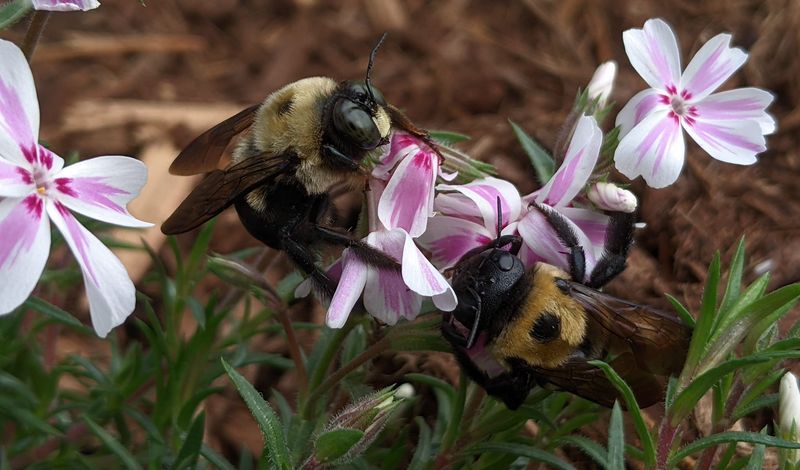
Imagine a ground-hugging carpet of pink, lavender, and white flowers so dense you can barely see the foliage beneath. Phlox subulata, commonly called Creeping Phlox or Moss Phlox, delivers exactly that kind of showstopping spring display.
Small native bees and early butterflies like the Cabbage White and Spring Azure actively visit its blooms throughout Georgia.
Creeping Phlox works wonderfully on slopes, rock gardens, and sunny borders where other plants struggle to establish. It stays evergreen through Georgia winters, forming a tidy mat that suppresses weeds naturally.
Blooming from March into May, it fills that sweet spot when pollinators are actively searching for reliable food sources.
Plant Creeping Phlox in full sun with well-drained soil for the best performance. Once established, it is quite drought tolerant, which is a major plus during Georgia summers.
Lightly shearing plants after they finish blooming encourages denser growth and a tidier appearance for the rest of the growing season. Spacing plants about 18 inches apart gives each one room to spread into a solid, eye-catching drift.
Over a few seasons, drifts fill in beautifully and create a living mulch that benefits both the garden and its visiting pollinators.
5. Spiderwort Provides Reliable Early Season Pollen
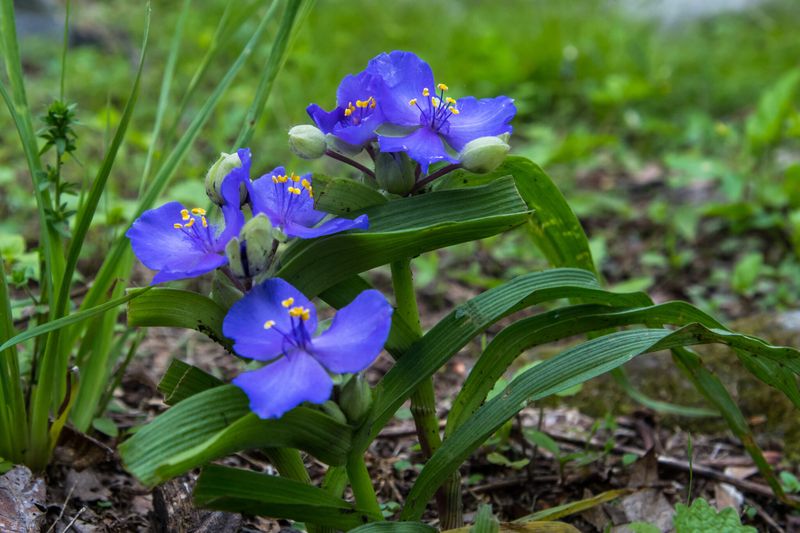
Bright violet-blue flowers with a pop of golden yellow stamens make Spiderwort one of the most visually striking spring natives in Georgia.
Beyond its looks, Spiderwort produces an extraordinary amount of pollen early in the season, making it an absolute favorite among native bees.
Bumble bees, sweat bees, and mining bees are all regular visitors.
Tradescantia virginiana, the native species found across Georgia, blooms from April through June and sometimes re-blooms in fall if cut back after the first flush. Growing one to three feet tall, it works well in borders, rain gardens, and naturalized areas.
It tolerates a range of soil conditions, from moist riverbanks to average garden beds.
One fun quirk about Spiderwort: each individual flower lasts only a single day, but the plant produces so many buds that the display continues for weeks. Morning hours are the best time to observe pollinators on Spiderwort because the flowers close by afternoon.
Gardeners in North Georgia and across the Piedmont region find Spiderwort nearly effortless to grow.
It spreads gradually by seed and clump division, which means one small plant can eventually create a full, generous colony of pollinator-supporting blooms over time.
6. Virginia Bluebells Supply Nectar In Shady Spring Gardens
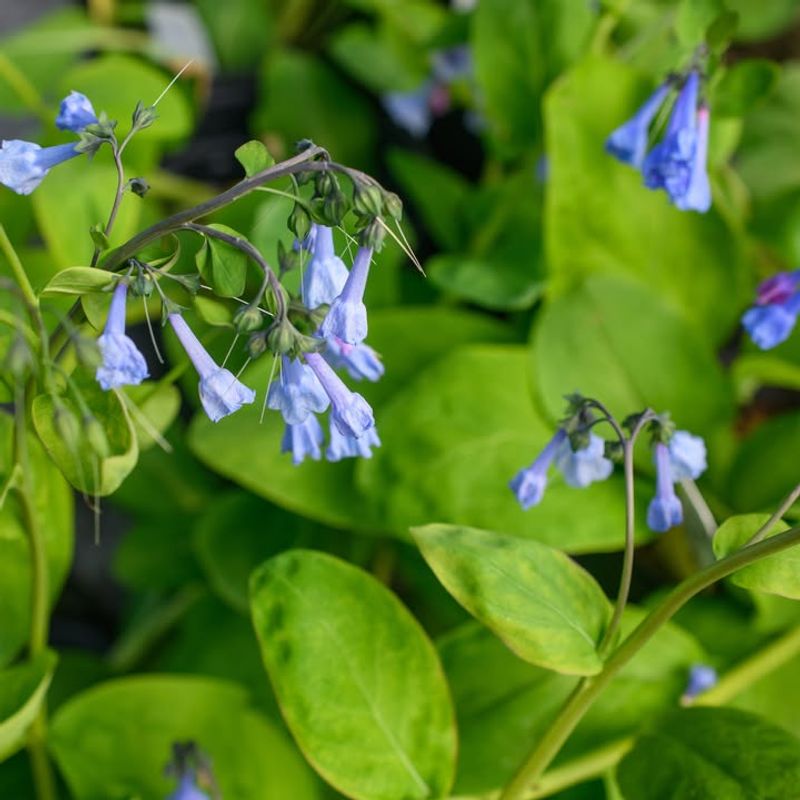
Walking into a garden where Virginia Bluebells are in full bloom feels like stepping into a watercolor painting. Soft sky-blue tubular flowers hang in graceful clusters above smooth blue-green leaves, creating one of spring’s most magical displays.
Long-tongued bees and early butterflies seek out these blooms for their rich nectar reserves.
Mertensia virginica is a spring ephemeral, which means it emerges, blooms brilliantly, and then quietly goes dormant by early summer. That cycle makes it perfect for pairing with summer-emerging plants like ferns or hostas, which fill in the gaps seamlessly.
Shaded and partly shaded spots in Georgia gardens are ideal for growing Virginia Bluebells successfully.
Moist, humus-rich soil mimics the floodplain woodlands where Virginia Bluebells naturally grow across the eastern United States. In Georgia, they perform especially well in North Georgia mountain gardens and shaded suburban yards where moisture is more consistent.
Planting them in groups of at least a dozen creates a more dramatic visual effect and provides a larger nectar resource for visiting pollinators.
Seeds sown in fall germinate reliably the following spring, so patience is rewarded with a steadily expanding colony of these enchanting native bloomers.
7. Blue Star Draws A Wide Range Of Early Pollinators
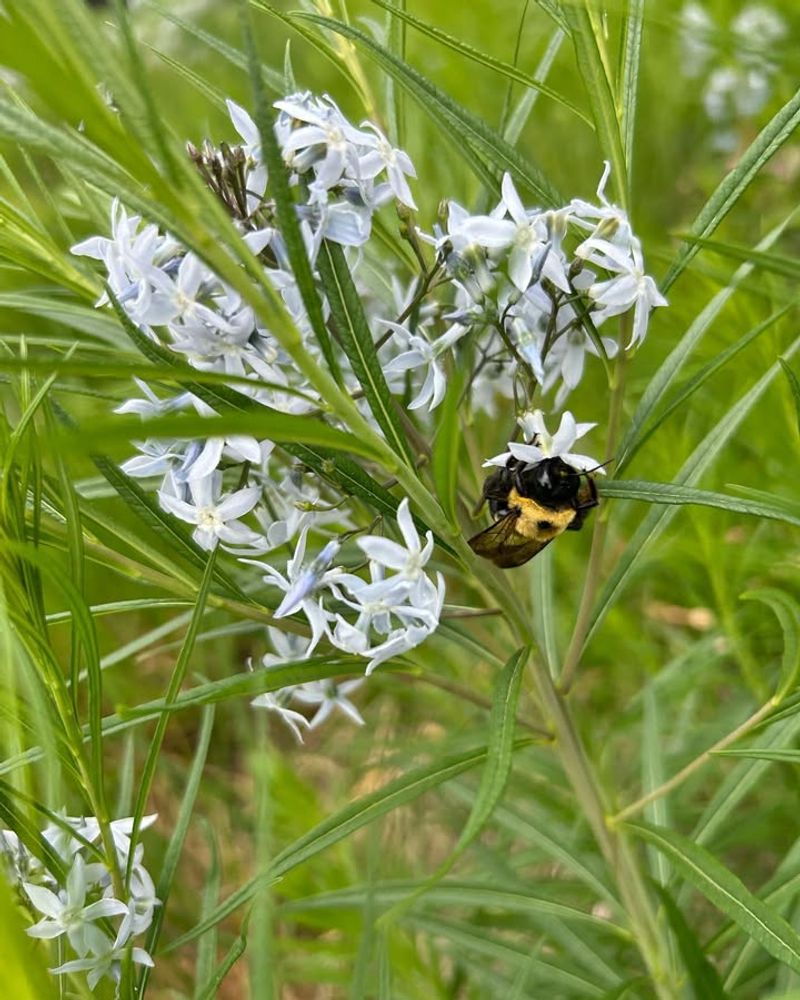
Not every pollinator plant needs to shout for attention, and Blue Star proves that quiet elegance can still pack a serious ecological punch.
Amsonia tabernaemontana produces clusters of pale, icy-blue star-shaped flowers in spring that attract a surprisingly wide variety of early pollinators.
Native bees, skippers, and small butterflies all find it irresistible.
Blue Star is a native perennial found naturally across Georgia and much of the southeastern United States. Growing two to three feet tall and equally wide, it forms a full, rounded clump that looks attractive even when not in bloom.
In fall, the foliage turns a brilliant golden yellow, adding a second season of garden interest.
Adaptability is one of Blue Star’s strongest qualities. It grows well in full sun or partial shade and handles clay soil, which is abundant in many Georgia gardens.
Established plants are drought tolerant and rarely need supplemental watering after their first summer. Minimal pruning is required, and deer tend to leave it alone, which is a genuine bonus in suburban and rural Georgia landscapes.
Planting Blue Star alongside other spring natives like Spiderwort or Wild Columbine creates a layered, pollinator-rich border that looks stunning from March through May.
8. Golden Alexander Supports Black Swallowtail Caterpillars
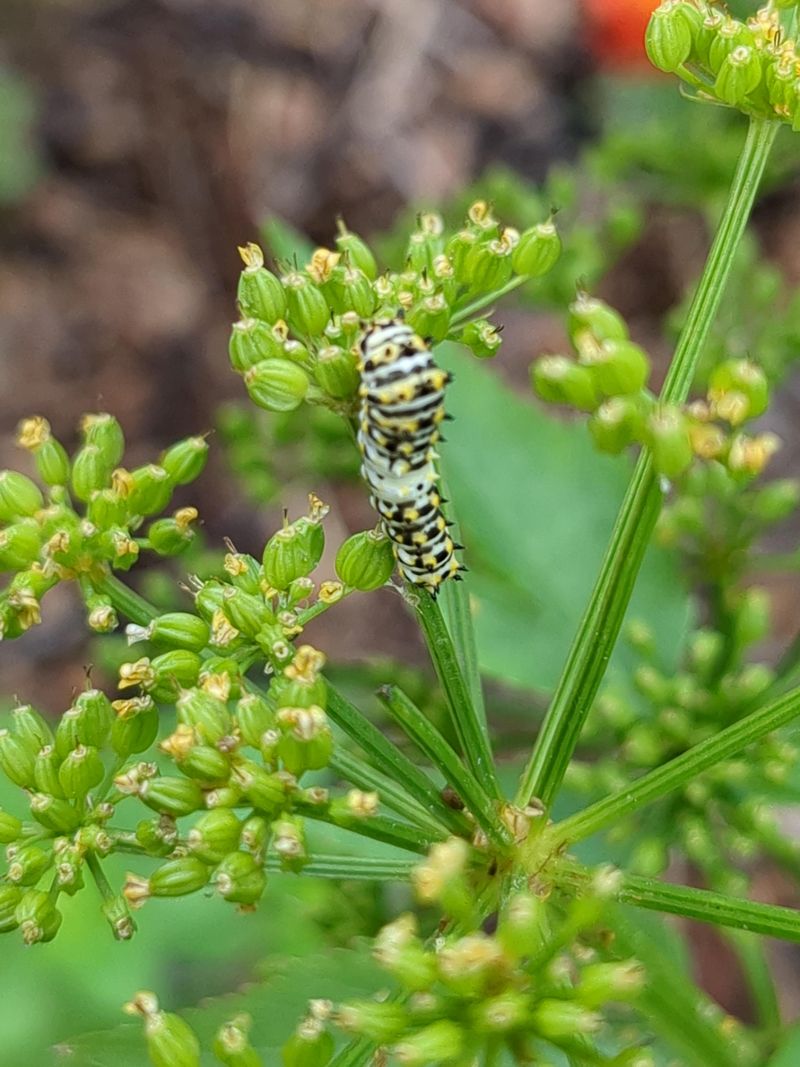
Golden Alexander might just be the most underrated native plant in Georgia, and Black Swallowtail butterflies would probably agree.
Zizia aurea serves as a critical host plant for Black Swallowtail caterpillars, meaning adult butterflies lay their eggs on its foliage so their young can feed and grow.
Supporting the full butterfly life cycle is something few spring plants manage as effectively.
Beyond its role as a host plant, Golden Alexander produces dense clusters of bright yellow flowers from April through June that attract a broad range of early pollinators.
Small native bees, beetles, and flies all visit the blooms, making it a genuinely diverse pollinator resource.
It belongs to the carrot family, which explains its strong appeal to Swallowtail species.
Growing two to three feet tall, Golden Alexander suits sunny to partly shaded borders, rain gardens, and meadow plantings across Georgia. Moist to average soil conditions work well, and it naturalizes easily in the right spot.
Planting it near parsley, dill, or fennel creates a dedicated butterfly garden that supports multiple Swallowtail species throughout the season.
Once established in a Georgia garden, Golden Alexander spreads gradually by seed, building a self-sustaining colony with very little effort from the gardener.
9. Oakleaf Hydrangea Provides Native Blooms For Spring Pollinators
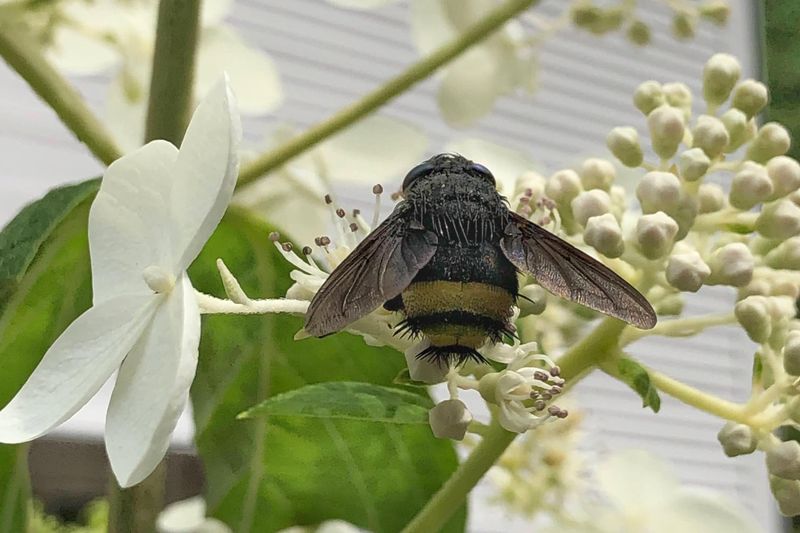
Few native shrubs command attention quite like Oakleaf Hydrangea in full bloom, standing proudly in a Georgia garden with its bold, cone-shaped white flower clusters.
Native to Georgia and the broader Southeast, Hydrangea quercifolia is a true four-season plant that earns its space through spectacular flowers, peeling cinnamon-colored bark, and rich fall foliage.
Early pollinators, especially native bees, are strongly attracted to its large, pollen-rich blooms.
Oakleaf Hydrangea blooms from late spring into early summer, bridging the gap between the earliest spring ephemerals and the summer-blooming natives.
Shaded and partly shaded spots suit it well, making it an excellent choice for the woodland edges and shaded borders common in Georgia yards.
Mature shrubs can reach six to eight feet tall and wide, creating a substantial presence in the landscape.
Drought tolerance once established is a standout feature for Georgia gardeners who deal with hot, dry summers. The large, lobed leaves that inspired its common name turn shades of burgundy and orange in fall before dropping to reveal the attractive peeling bark.
Planting Oakleaf Hydrangea as a foundation shrub or anchor plant in a native garden creates year-round structure while delivering reliable spring and early summer support for Georgia’s hardworking pollinators.