9 Poisonous Plants You Need To Avoid Growing In Your Georgia Garden
Georgia gardens are known for lush growth and long growing seasons, but not every beautiful plant belongs in the backyard.
Some popular ornamentals hide toxic qualities that can pose real risks to pets, children, and even adults who handle them without realizing the danger.
Bright berries, striking blooms, and fast-growing foliage can be especially tempting additions, yet certain species come with serious downsides. In a state where plants thrive easily, it is just as important to know what not to grow as it is to choose the right varieties.
Accidental exposure often happens during routine pruning, planting, or curious exploration around the yard.
Understanding which poisonous plants to avoid helps create a landscape that is not only attractive, but also safe for everyone who spends time in it.
1. Oleander Looks Beautiful But Every Part Of It Is Toxic
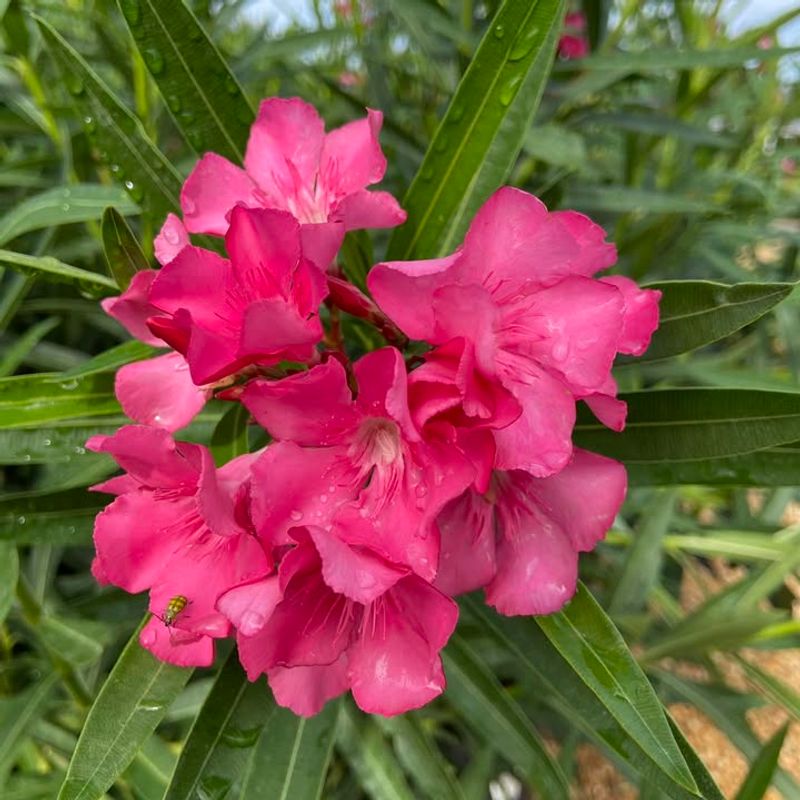
Few plants in Georgia look as stunning as oleander, with its clusters of bright pink, red, or white flowers. Gardeners across the South are often tempted to plant it along fences or driveways because it grows fast and stays green year-round.
But here is the hard truth: every single part of this plant is toxic, from the roots to the petals.
Even the smoke from burning oleander clippings can cause serious harm. Pets that chew on the leaves or children who touch the sap and then rub their eyes are at real risk.
Georgia families with young kids or animals roaming the yard should be especially cautious.
Symptoms of exposure can include nausea, dizziness, irregular heartbeat, and vomiting. If you or someone you know has come into contact with oleander, call Poison Control right away.
Wearing gloves when handling this plant is an absolute must. Swapping oleander out for a safer flowering shrub, like azaleas or gardenias, is a smart move for any Georgia gardener who wants beauty without the danger.
Oleander, scientifically known as Nerium oleander, contains powerful cardiac glycosides that can affect both people and animals even in small amounts.
According to the Georgia Poison Center, ingestion of any part of the plant should be treated as a medical emergency.
Because of its toxicity, many Georgia gardeners choose alternative evergreen shrubs that provide similar color without the same level of risk.
2. Foxglove Contains Powerful Compounds Even In Small Amounts
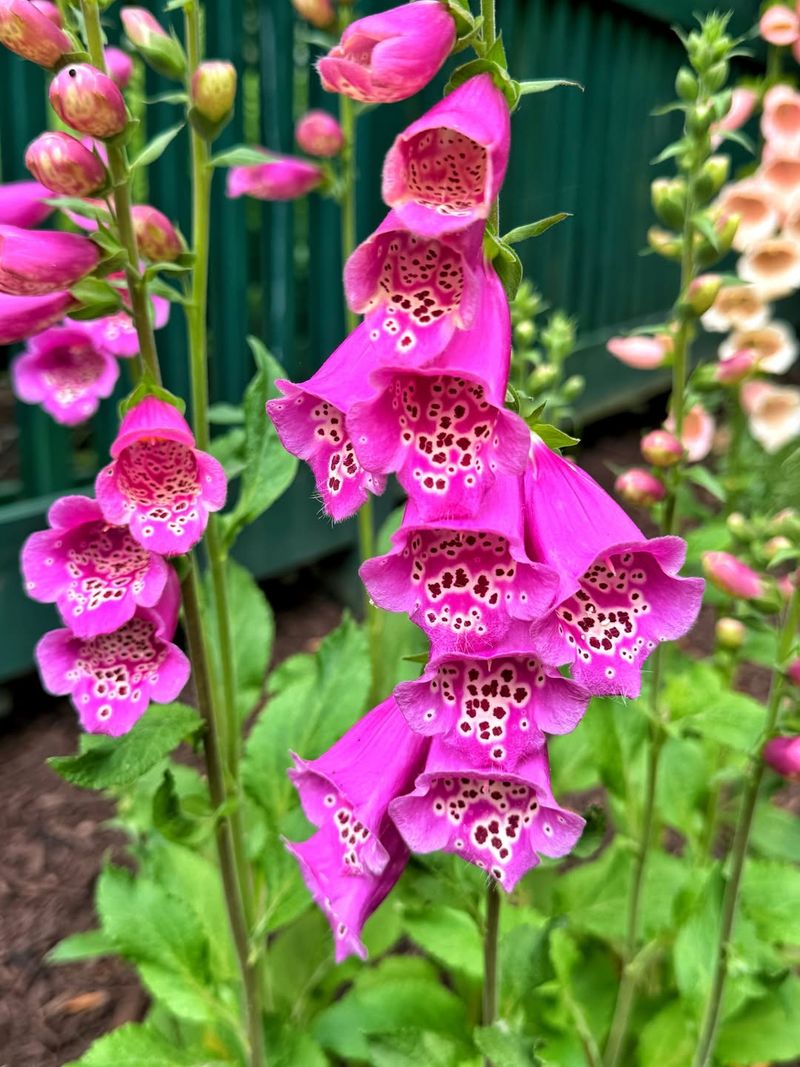
Foxglove is one of those plants that looks like it belongs in a fairytale garden, with tall spikes of tubular purple or pink flowers that attract bees and hummingbirds. Georgia gardeners sometimes plant it for that dramatic vertical look in flower beds.
What many people do not realize is that foxglove contains digitalis glycosides, powerful compounds that affect the heart.
Even touching the leaves and then putting your hands near your mouth can cause a reaction. Children are especially vulnerable because the flowers look playful and inviting.
Eating even a small amount of foxglove can lead to nausea, blurred vision, and heart rhythm problems that require medical attention.
Interestingly, digitalis from foxglove has been used in heart medications for centuries, but that does not make the plant safe in your backyard. Medical doses are carefully controlled in labs, not in garden soil.
Your Georgia Garden Changes Every Week. Your Plan Should Too.
Gardening in Georgia changes quickly throughout the season. Every Friday you’ll receive a simple weekly plan showing exactly what to plant, prune, fertilize, harvest, and protect so you never miss the right timing.
If you have young children or curious pets in your Georgia home, foxglove is simply not worth the risk. Consider planting tall, safe alternatives like salvia or snapdragons to get that same vertical pop without putting anyone in danger.
3. Castor Bean Seeds Hide A Highly Toxic Substance
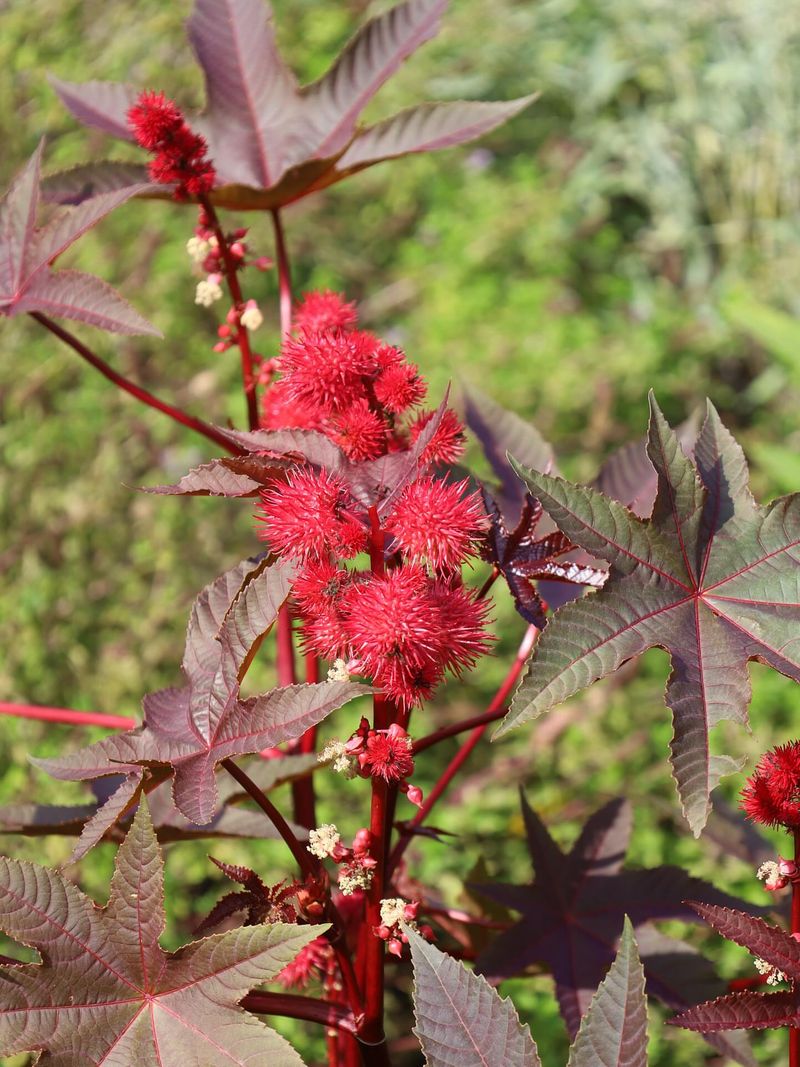
Bold, tropical-looking, and fast-growing, the castor bean plant turns heads in any Georgia garden. Its giant star-shaped leaves and spiky seed pods give it an exotic feel that many gardeners find irresistible.
But hiding inside those eye-catching pods is ricin, one of the most toxic natural substances known to science.
Ricin is found in the seeds of the castor bean plant. Even a very small amount can be extremely harmful if swallowed or if the seed coating is broken and the material is inhaled.
Children who pick up the colorful seeds, not knowing what they are, face a serious risk.
Georgia parents and pet owners should know that cats and dogs are also highly sensitive to castor bean toxins. Symptoms of poisoning can include severe stomach pain, vomiting, and weakness, and they may not appear for several hours after exposure.
Because of how serious the risk is, this plant should never be grown in yards where kids or animals spend time. If you love that bold tropical look, try elephant ears or cannas instead.
Both offer dramatic foliage without any of the hidden dangers that castor bean brings to a Georgia garden.
4. Poison Hemlock Can Be Dangerous Even In Small Doses
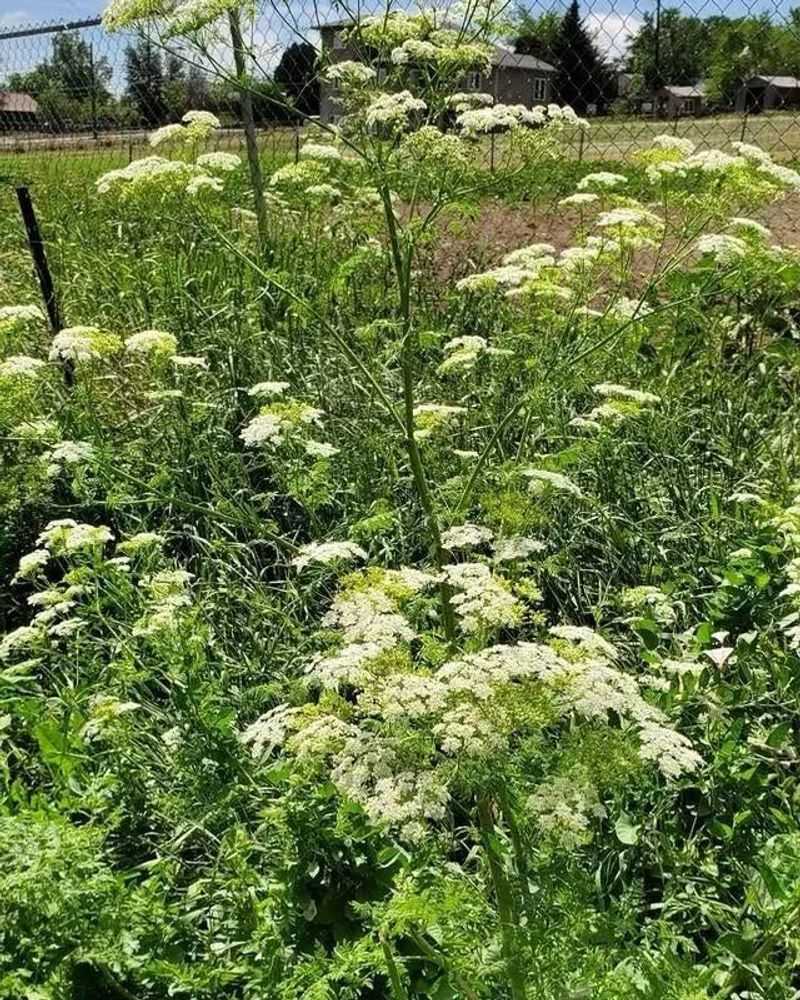
Poison hemlock has a long and dark history, most famously linked to ancient Greece, but it is very much a present-day concern for Georgia gardeners and homeowners.
It grows wild along roadsides, ditches, and fence lines across the state, and it can easily sneak into an untended garden bed.
What makes it especially tricky is that it closely resembles harmless plants like wild carrot or parsley.
All parts of poison hemlock are toxic, but the stems, leaves, and unripe seeds carry the highest concentration of harmful alkaloids. Even handling the plant and then touching your face can cause a reaction.
Children who mistake it for something edible face a very serious risk.
In Georgia, poison hemlock tends to pop up in moist areas like creek banks and low-lying garden spots. If you spot a tall plant with white flower clusters, hollow purple-spotted stems, and a musty smell, do not touch it with bare hands.
Wear gloves and remove it carefully, or contact your local county extension office for guidance.
Keeping your garden edges well-maintained and checking for new growth regularly is one of the best ways to prevent this plant from taking hold on your property.
5. Water Hemlock Is Considered One Of The Most Toxic Wild Plants
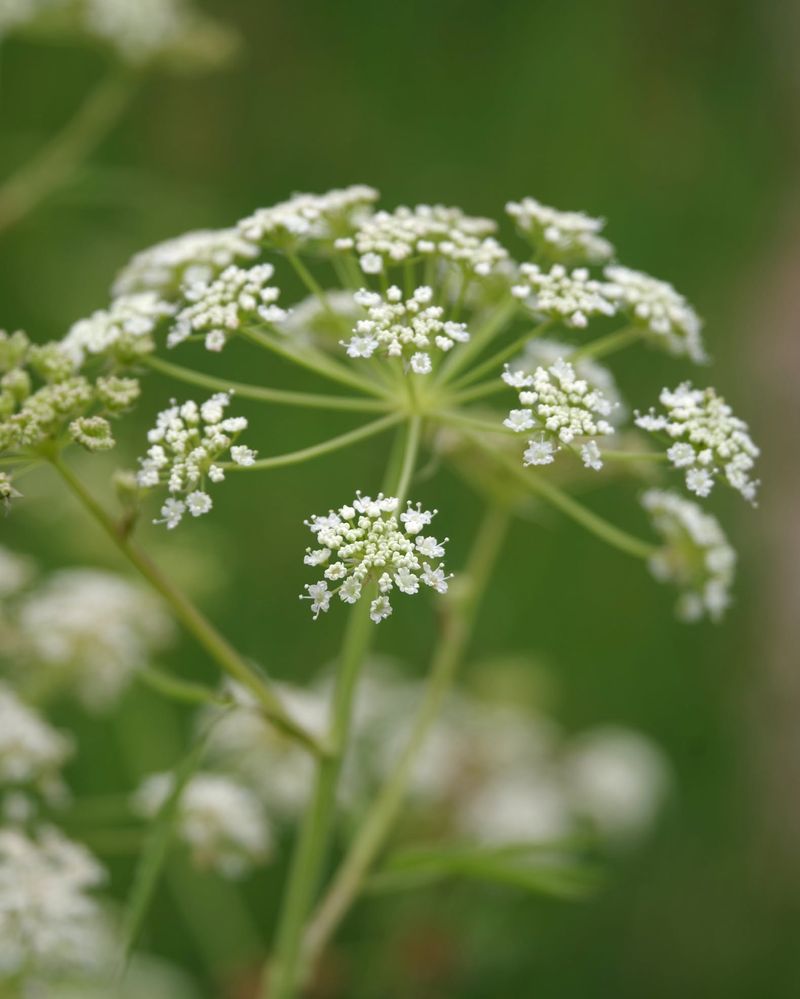
Water hemlock earns its reputation as one of the most toxic plants found in North America, and it grows naturally in Georgia wetlands, along stream banks, and in low, wet garden areas.
Unlike its cousin poison hemlock, water hemlock stores most of its toxins in the roots, which look disturbingly similar to parsnips or other root vegetables.
Cicutoxin, the compound found in water hemlock, acts on the nervous system almost immediately after ingestion. Even a small piece of the root can cause violent seizures, muscle tremors, and loss of consciousness.
Georgia farmers and gardeners who work near wet or marshy land should be aware of this plant and teach children never to pull up unknown roots.
Water hemlock typically grows two to five feet tall and produces white flower clusters that look similar to Queen Anne’s lace.
It thrives in the moist, humid conditions that are common throughout much of Georgia, especially in the northern and central parts of the state.
If you find it growing near your property, do not attempt to remove it without proper protective gear. Contacting your local agricultural extension office is always a smart first step when dealing with this particularly hazardous plant.
6. Monkshood Contains Potent Natural Toxins
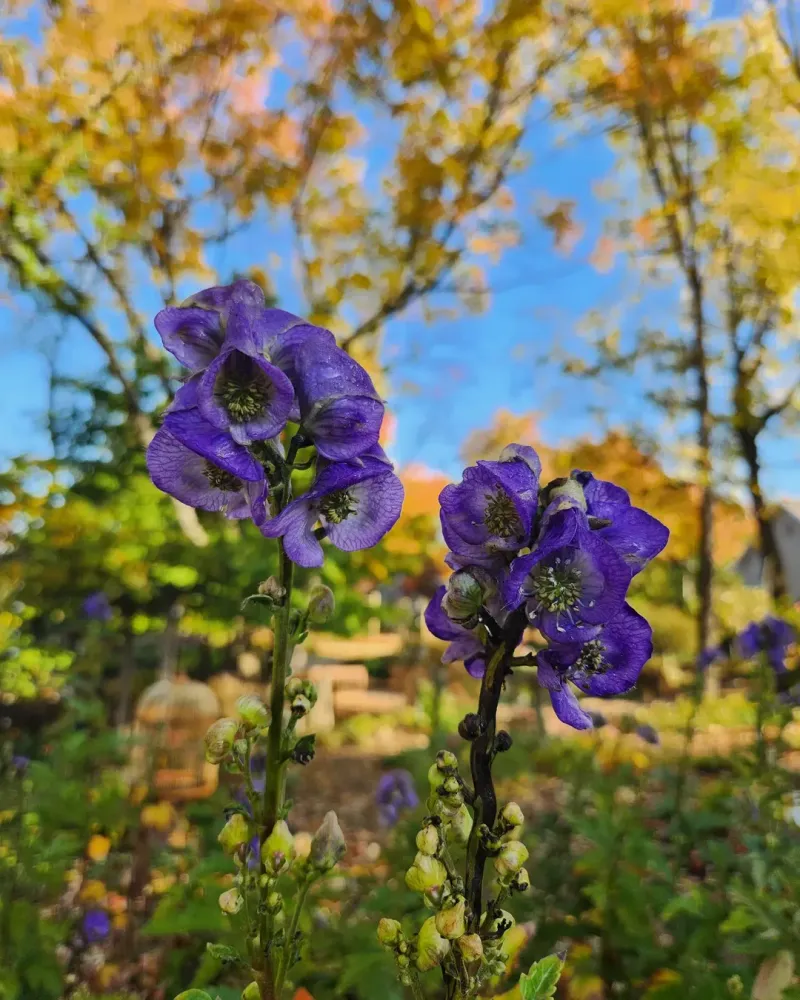
Monkshood, sometimes called wolfsbane, is one of the most visually dramatic plants you can grow in a shaded Georgia garden. Its deep purple, helmet-shaped flowers are genuinely striking, and gardeners often seek it out for that reason.
But beneath that beautiful exterior lies aconitine, a naturally occurring toxin that is among the most potent found in any plant.
What makes monkshood especially alarming is that the toxin can be absorbed through the skin. Gardeners who handle it without gloves have reported tingling and numbness in their fingers within minutes.
Ingesting even a small amount can affect the heart and nervous system in serious ways.
In Georgia, monkshood grows best in the cooler, shadier spots of north Georgia gardens, where temperatures drop enough to support it through the season.
Its beauty is undeniable, but the risk it carries is simply too high for most home gardens, especially those with children or pets.
If you are set on growing something with that same rich purple color and vertical elegance, baptisia, also known as false indigo, is a native Georgia alternative that delivers the visual drama without the hidden hazards.
Always research a plant fully before adding it to your garden.
7. Autumn Crocus Contains A Powerful Plant Compound
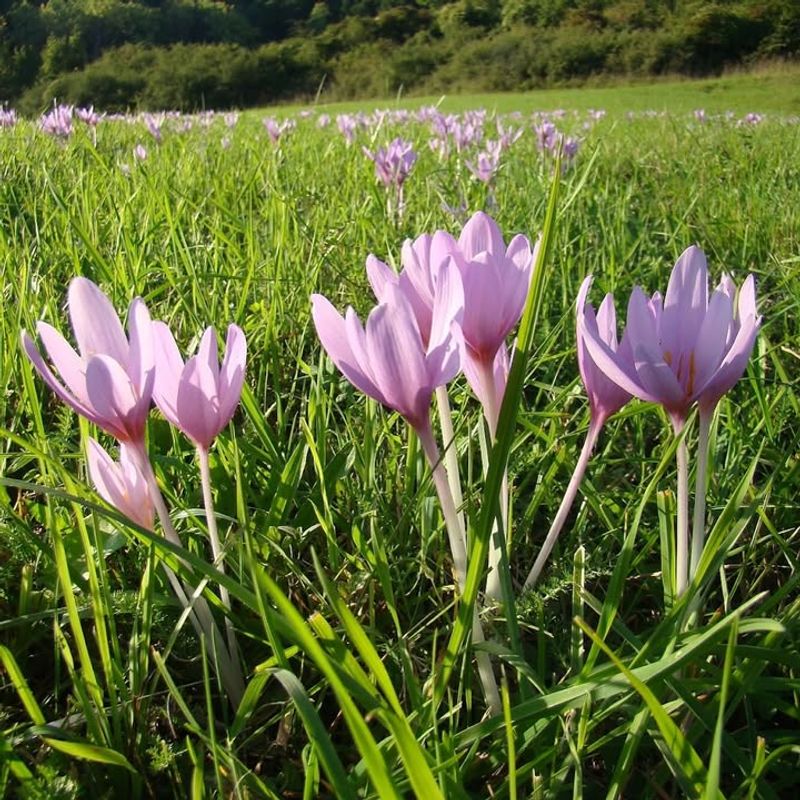
Autumn crocus catches people off guard because it blooms in fall without any leaves present, making it look like a magical, bare flower rising straight from the ground.
Georgia gardeners sometimes plant it for that unusual late-season color when most other flowers have faded.
But autumn crocus contains colchicine, a powerful compound that can cause severe harm even from very small amounts.
Unlike spring crocuses, which are relatively safe, autumn crocus belongs to a completely different plant family and carries a much higher risk level. Colchicine affects cells at a fundamental level and can cause organ damage if enough of it enters the body.
Pets are particularly vulnerable, and veterinarians across Georgia regularly warn about this plant.
One of the trickiest things about autumn crocus is that symptoms of exposure can take hours or even a day or two to appear, which sometimes means people do not connect the plant to the reaction right away.
Nausea, vomiting, and difficulty breathing are among the signs to watch for.
If you love fall-blooming bulbs, consider planting native Georgia asters or ornamental kale instead. Both offer beautiful autumn color and are completely safe for families and pets to be around without worry.
8. Yew Needles And Seeds Are Harmful If Ingested
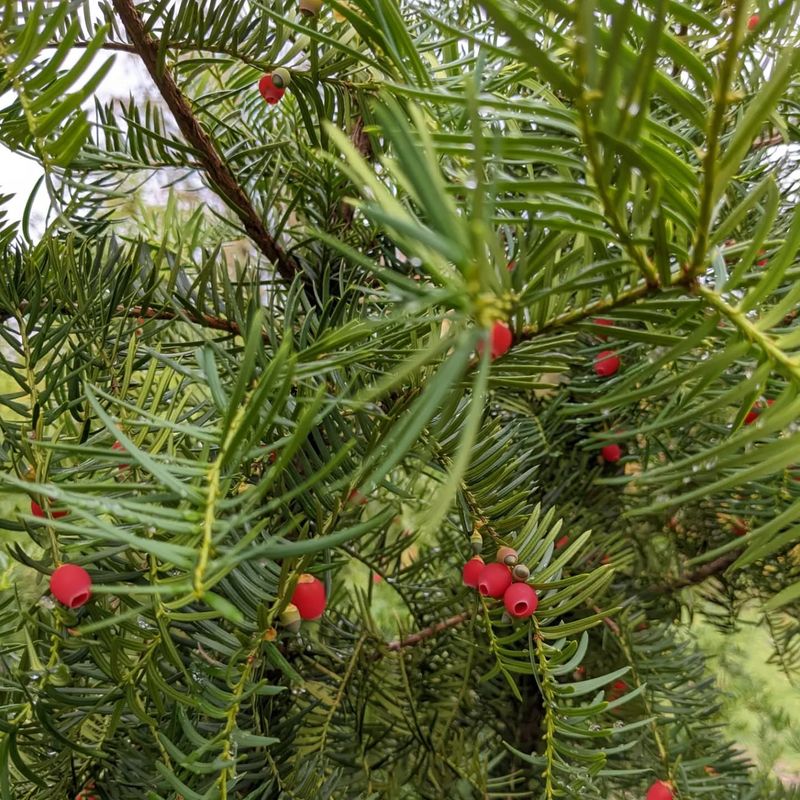
Yew shrubs are one of the most common landscaping plants in the American South, and Georgia neighborhoods are full of them.
Planted as hedges, foundation shrubs, and privacy screens, they are everywhere, which makes their toxicity all the more important to understand.
Almost every part of the yew plant is harmful, with one exception: the fleshy red part of the berry, known as the aril.
The seed inside that red aril, however, is highly toxic. Children are naturally drawn to the bright red berries, and even swallowing one or two seeds can cause rapid heart rate, nausea, and serious complications.
Pets that graze on yew clippings are also at significant risk, and cases are reported across Georgia each year.
Taxine, the compound responsible for yew toxicity, acts quickly on the cardiovascular system.
Gardeners who trim yew hedges should always bag and dispose of clippings promptly rather than leaving them on the ground where animals or children might access them.
If you have young kids or pets and established yew hedges on your Georgia property, consider replacing them gradually with safer evergreen alternatives. Wax myrtle or native hollies both thrive in Georgia and offer the same lush, year-round green look.
9. Lily Of The Valley May Cause Serious Symptoms If Eaten
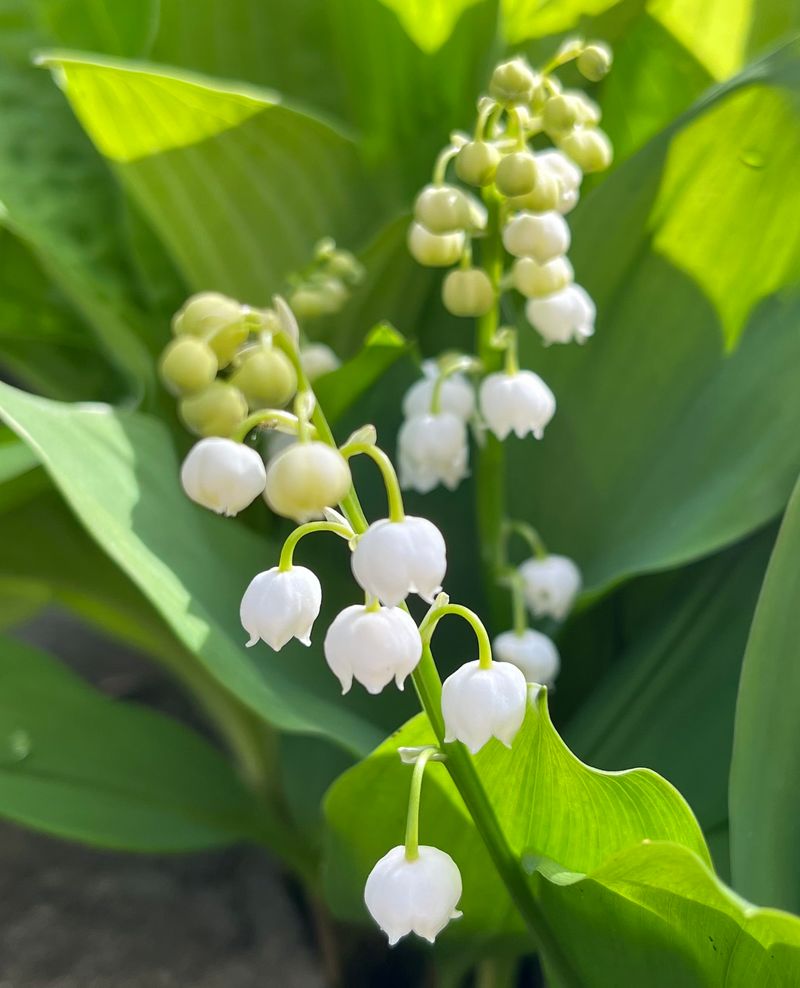
Lily of the valley is one of the most beloved plants in cottage gardens, known for its dainty white bell-shaped flowers and sweet fragrance.
Georgia gardeners often tuck it into shaded spots under trees or along walkways where it spreads into a charming ground cover.
What surprises many people is that this soft, innocent-looking plant is actually packed with toxic cardiac glycosides throughout every part of it.
Eating any portion of lily of the valley, including the flowers, leaves, or the small red berries it produces in fall, can cause heart rhythm problems, nausea, and vomiting. Even the water in a vase holding cut lily of the valley flowers becomes toxic.
Cats and dogs are especially sensitive, and Georgia pet owners should be very cautious about growing it anywhere animals roam freely.
Despite the risk, many gardeners are reluctant to remove it because it is so pretty and spreads so easily in shaded Georgia landscapes. If you choose to keep it, fence off the area and make sure children know not to touch or taste it.
For a safer ground cover option in shaded Georgia gardens, consider native alternatives like wild ginger or green-and-gold, both of which offer lush coverage without putting your family or pets at risk.