Why Arizona Homes Look Better With Lantana Near The Entry
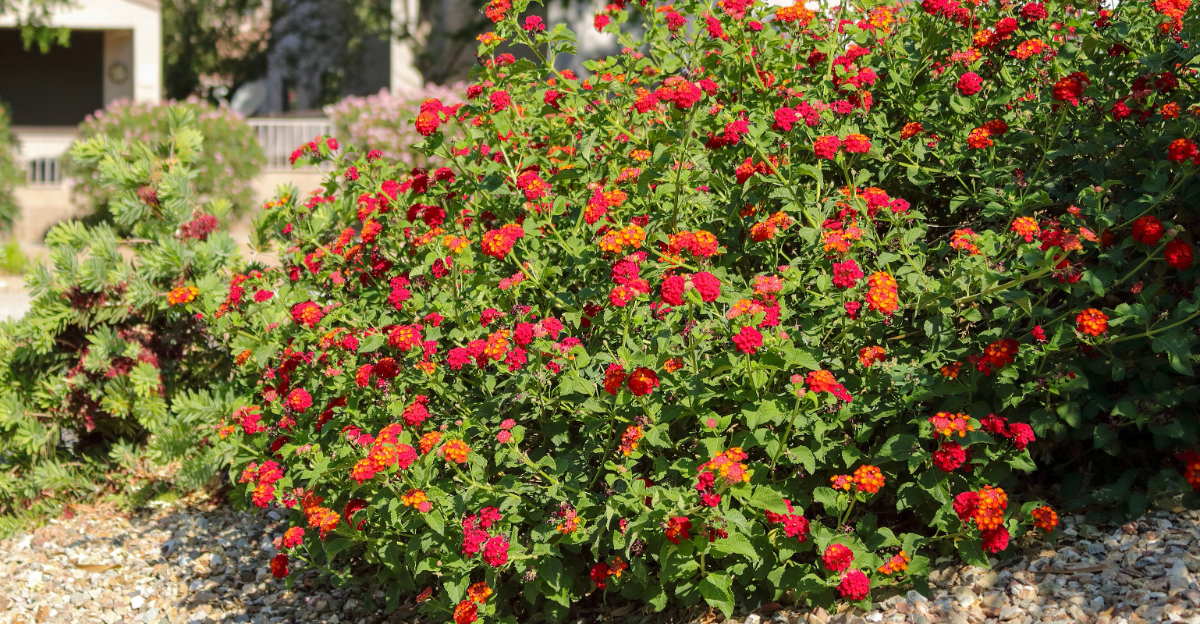
Your front entry in Arizona sits in one of the hottest, driest spots around your home, where sun reflects off walls and concrete for hours and soil loses moisture fast.
Many plants that look strong in spring start fading quickly in that space because the conditions are simply too intense.
When the area by the door looks tired or bare, it usually has more to do with heat and exposure than with effort.
Lantana naturally fits Arizona’s climate and holds its color through long stretches of sun and dry weather. It continues blooming where other plants slow down, giving the entry consistent color and shape without constant replanting.
Placing lantana near the door creates a fuller, more welcoming look that stays attractive even during the hottest months.
1. Lantana Thrives In Intense Sun Near Arizona Entryways
Entryways in Arizona face brutal sun exposure that turns most flowering plants into crispy shadows of their former selves. Lantana actually prefers this punishment.
Full sun makes these plants produce more blooms, not fewer, which means your front entrance stays colorful even during the hottest months when other flowers fade away or require constant replacement.
Phoenix and Tucson homeowners deal with sun that beats down for 10 to 12 hours daily during summer. That concentrated heat near doorways gets even more intense because walls and pavement radiate warmth long after sunset.
Lantana handles this without wilting or showing stress. Its leaves stay green and healthy while flowers keep opening in waves throughout the growing season.
Most shade-loving plants people try near entries end up looking burned and sad within weeks. Roses need protection.
Impatiens turn brown. Petunias struggle and demand excessive water just to survive.
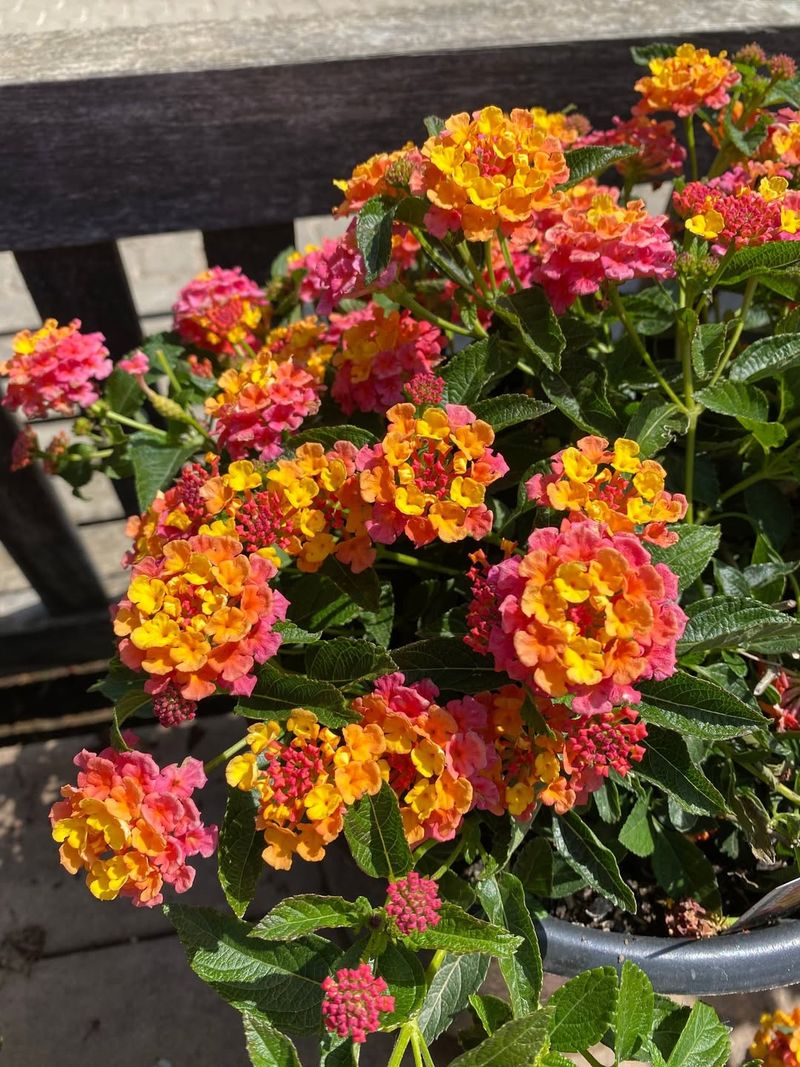
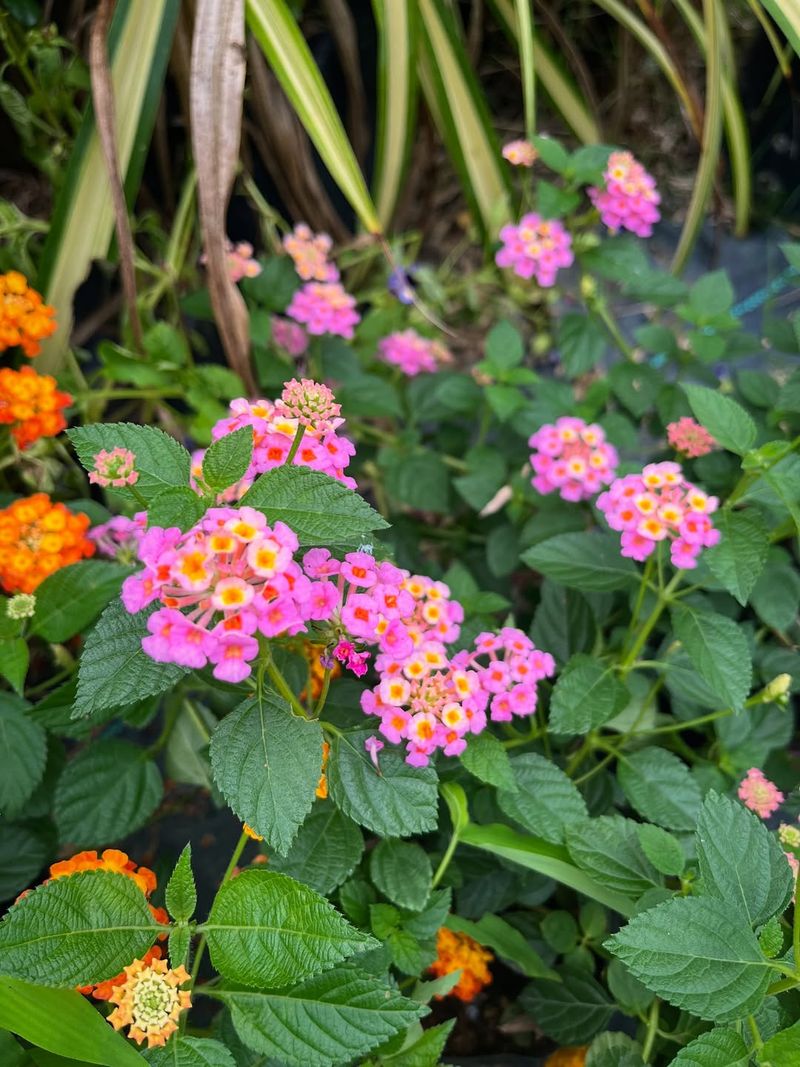
Lantana laughs at these conditions and rewards you with clusters of tubular flowers in orange, yellow, pink, red, or purple depending on which variety you choose.
Planting lantana on the south or west side of your Arizona home makes perfect sense. These exposures get the most punishing afternoon sun, yet lantana treats this as ideal growing conditions.
You stop fighting against your climate and start working with plants that naturally fit your environment.
Your entryway looks intentionally designed rather than constantly struggling, and visitors notice the difference immediately when they approach your front door.
2. Bold Bloom Clusters Keep Front Entrances Vibrant For Months
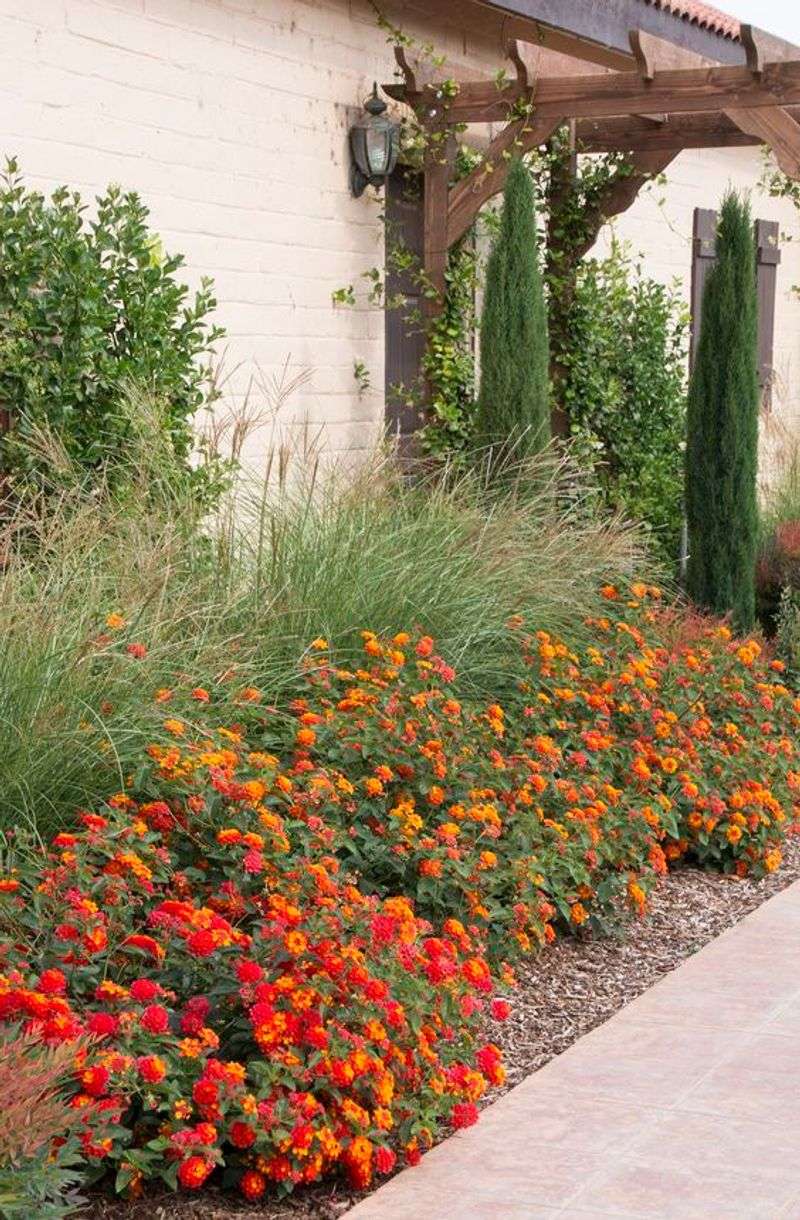
Color near your front door matters more than anywhere else in your landscape. First impressions form in seconds, and a bare or drab entryway sends the wrong message about your home.
Lantana solves this with flower clusters that pack multiple colors into each bloom head, creating visual interest that single-color flowers cannot match.
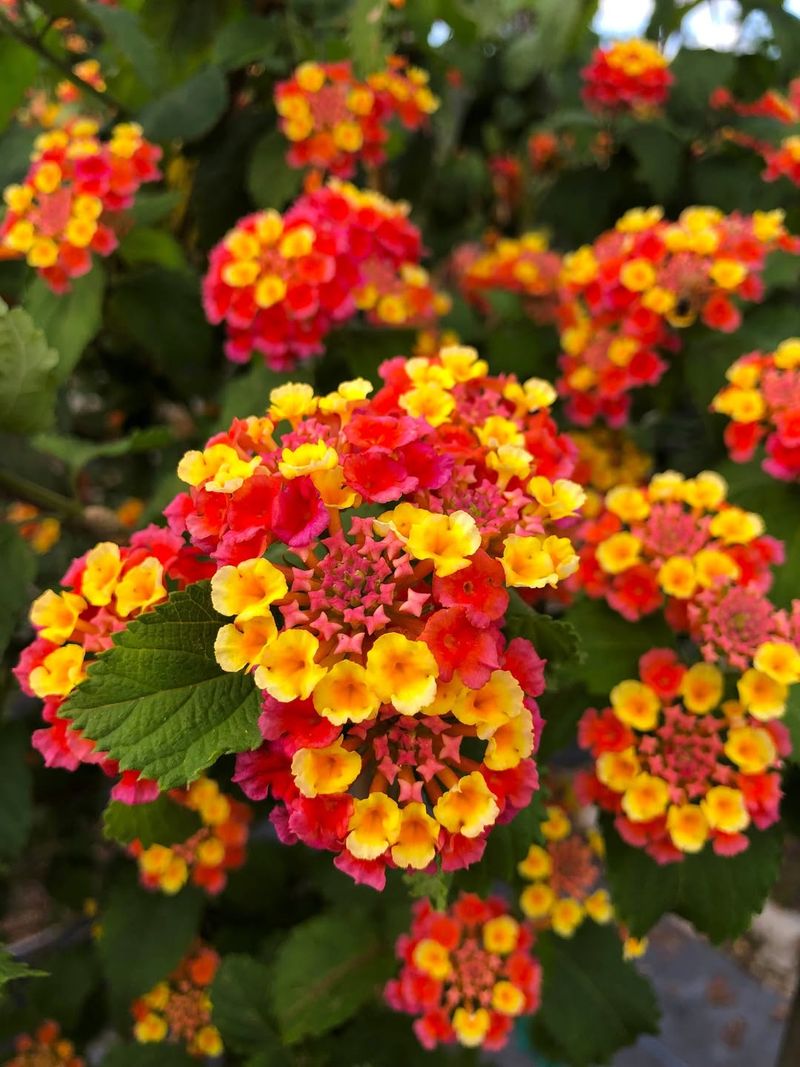
Each lantana flower cluster starts as tiny buds in the center and opens outward in rings. Older flowers on the outside often shift to different shades than the fresh blooms in the middle, giving you a multicolored effect from a single plant.
Some varieties show yellow centers with orange edges, while others blend pink into purple or white into lavender. This natural color gradation keeps your entrance looking dynamic and carefully designed.
Your Arizona Garden Changes Every Week. Your Plan Should Too.
Gardening in Arizona changes quickly throughout the season. Every Friday you’ll receive a simple weekly plan showing exactly what to plant, prune, fertilize, harvest, and protect so you never miss the right timing.
Arizona’s long growing season means lantana blooms from late spring through fall, sometimes into early winter in warmer parts of the state like Yuma or southern Tucson.
That gives you six to eight months of continuous color without replanting annuals multiple times per year.
Your entrance stays vibrant while neighbors replace their seasonal flowers repeatedly, spending more money and effort for less consistent results.
Flowers appear in such abundance that the plant becomes almost completely covered during peak bloom periods.
You get maximum impact from a relatively small planting area, which works perfectly for the limited space most people have flanking their front doors or lining short entry walkways.
Three to five lantana plants create a professional-looking entrance design that stays colorful far longer than traditional bedding plants ever could in Arizona’s demanding climate.
3. Heat And Reflected Light From Concrete Do Not Fade Lantana
Concrete and stucco around Arizona entryways create microclimates that roast most plants.
Reflected heat from these surfaces can push temperatures 15 to 20 degrees higher than ambient air, essentially creating an oven effect right where you want attractive landscaping.
Lantana not only survives this but actually benefits from the extra warmth that accelerates its growth and flowering.
Traditional entry plantings fade quickly under these conditions. Petunias bleach to pale versions of their original colors.
Geraniums dry out despite watering. Even supposedly heat-tolerant plants show stress when trapped between hot pavement and sun-baked walls.
Lantana maintains its bold flower colors without fading, keeping your entrance looking fresh and intentional rather than tired and neglected.
Walkways leading to front doors in Scottsdale, Mesa, and throughout the Phoenix metro area often feature decorative concrete or pavers that absorb and radiate intense heat.
Plants positioned alongside these hardscapes face the dual challenge of root-zone heat from below and reflected light from the side.
Most species struggle or simply refuse to bloom under these circumstances. Lantana treats this as normal and continues producing flower clusters without complaint.
This heat tolerance means you can plant lantana directly adjacent to your walkway edges without leaving awkward gaps.
The plants can grow right up to the concrete without showing damage, creating a polished look that frames your entry path with continuous color.
You avoid the sparse, struggling appearance that happens when you have to position heat-sensitive plants several feet back from hardscapes just to keep them alive.
4. Low Water Needs Fit Desert Friendly Front Yards
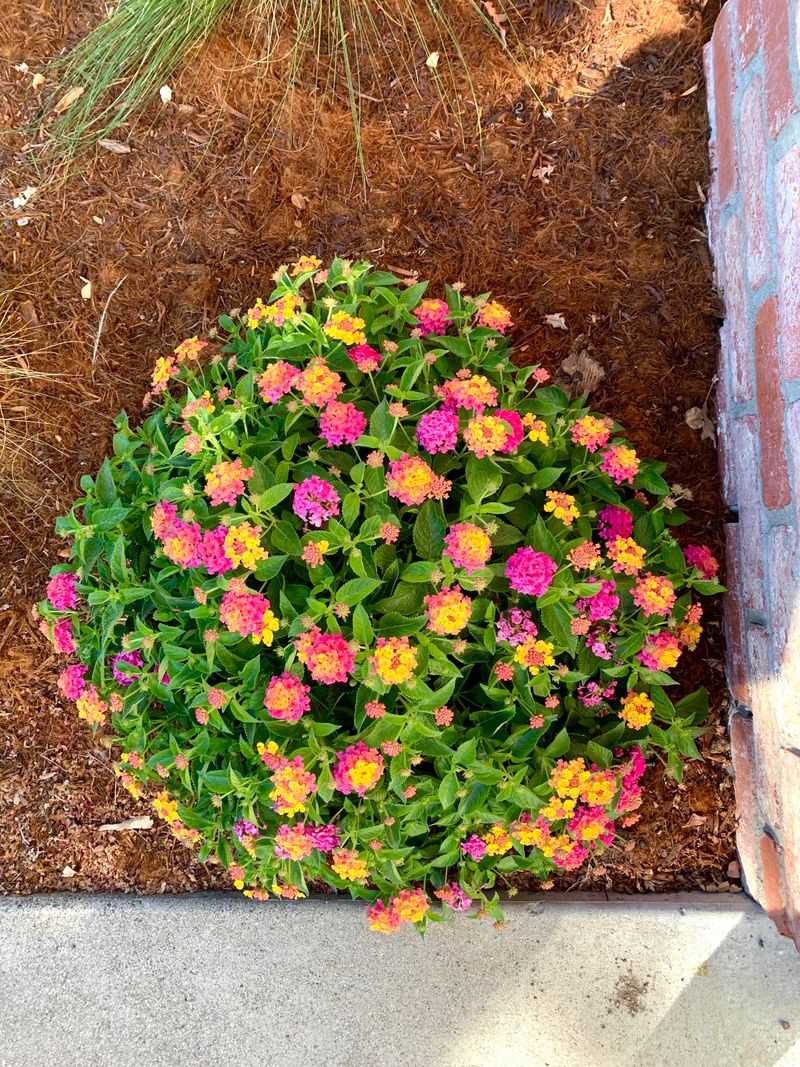
Water bills in Arizona can skyrocket when you try maintaining thirsty plants near your entrance. Traditional flowering plants often need daily watering during summer months, which conflicts with both desert conservation ethics and household budgets.
Lantana needs deep watering only once or twice weekly after establishment, dramatically reducing your water consumption while maintaining the colorful entrance you want.
Desert-adapted landscaping has become essential across Arizona communities as water resources face increasing pressure. Tucson and Phoenix have implemented regulations and incentive programs encouraging homeowners to reduce outdoor water use.
Lantana fits perfectly into these efforts because it evolved in dry tropical regions and naturally handles periods between watering without suffering damage or dropping flowers.
Compare this to roses, which many people plant near entries but which demand consistent moisture to prevent stress and disease. Impatiens and begonias need even more water to survive Arizona summers.
These plants create maintenance headaches and guilt about wasting precious desert water resources. Lantana lets you enjoy beautiful flowers without the environmental concerns or constant irrigation management.
Drip irrigation systems work exceptionally well with lantana planted near entryways.
You can set timers for infrequent deep watering that encourages strong root development rather than frequent shallow watering that keeps plants dependent on constant moisture.
This approach reduces your overall water usage while actually creating healthier, more resilient plants that look better and require less attention.
Your front entrance becomes both beautiful and responsible, aligning your landscaping choices with Arizona’s environmental realities rather than fighting against them.
5. Compact Varieties Frame Walkways Without Overgrowing Paths
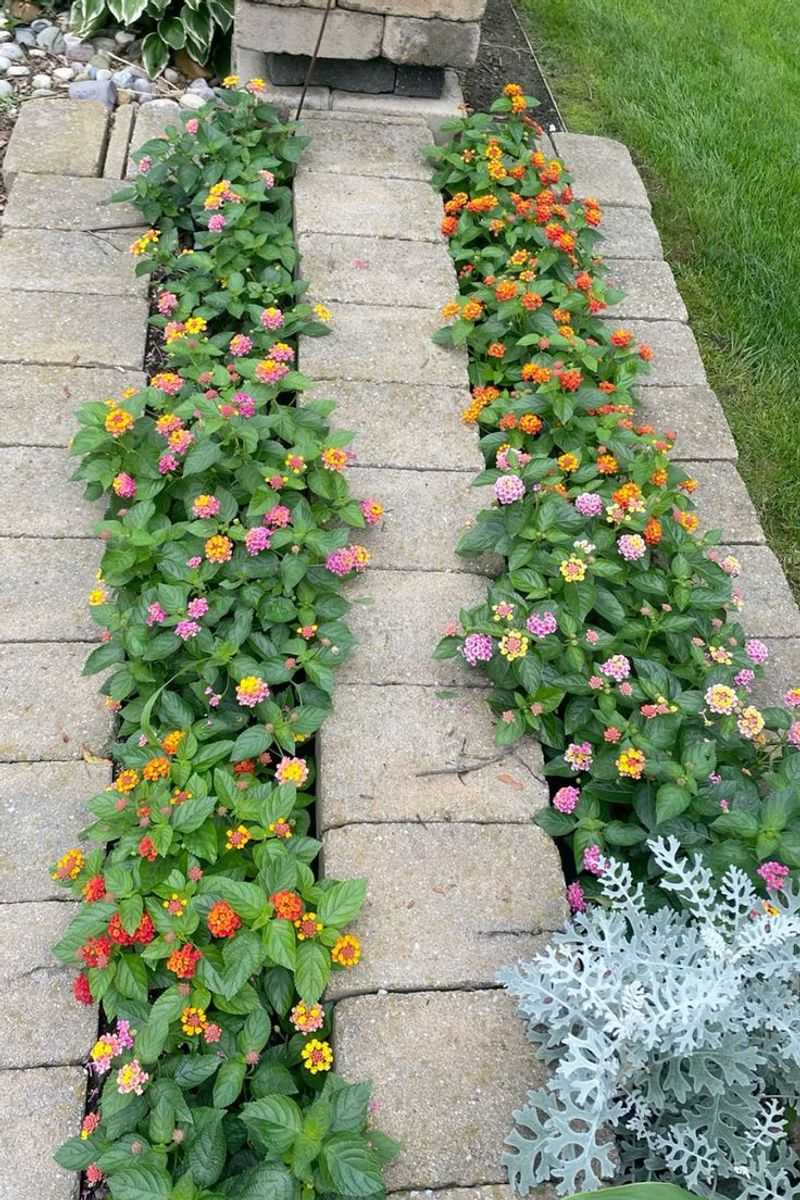
Overgrown plants blocking walkways create both safety hazards and visual clutter that makes entries feel neglected.
Many flowering shrubs start small but eventually sprawl across paths, forcing visitors to brush against them or step into planting beds to reach your door.
Compact lantana varieties stay contained within their designated spaces, maintaining clear walkway access while still providing abundant color and impact.
Lantana comes in both spreading groundcover types and more upright compact forms. Choosing the right variety for your Arizona entryway makes the difference between a tidy, professional appearance and a messy tangle.
Compact selections like ‘New Gold’ or ‘Patriot Rainbow’ typically stay under 24 inches tall and spread only 2 to 3 feet wide, making them ideal for the narrow planting strips that flank most residential walkways.
These controlled-growth varieties eliminate the constant trimming and cutting back that other flowering shrubs demand. Bougainvillea looks beautiful but requires aggressive pruning to keep it from overwhelming entry areas.
Oleander grows too large for most residential entries. Texas ranger needs regular shaping.
Lantana naturally maintains a rounded, compact form that looks intentional without demanding weekly attention or professional maintenance.
Spacing compact lantana 30 to 36 inches apart along your walkway creates a continuous line of color that guides visitors toward your door without creating obstacles.
The plants fill in to touch each other at maturity but do not merge into an uncontrolled mass.
This spacing also allows air circulation that keeps foliage healthy and reduces any potential pest issues, giving you an entrance planting that looks professionally designed and stays that way with minimal intervention throughout the growing season.
6. Tough Roots Handle Poor Soil Common Around Foundations
Soil near Arizona home foundations ranks among the worst planting conditions imaginable. Builders typically backfill around foundations with excavated material full of rocks, caliche chunks, and construction debris.
This compacted mess drains poorly during monsoons but dries to concrete hardness between rains. Most plants struggle or refuse to establish in these conditions.
Lantana develops tough, adaptable roots that penetrate poor soil and extract nutrients other plants cannot access.
Caliche layers present particular challenges throughout Arizona landscapes. This calcium carbonate deposit forms a cement-like barrier that blocks root growth and water penetration.
Foundation areas often have disturbed caliche mixed into the soil profile, creating an inconsistent growing medium that frustrates typical landscaping plants.
Lantana roots push through these obstacles and establish functional root systems even when conditions seem impossible.
Soil amendments help but cannot completely fix the poor conditions near most Arizona foundations.
Adding compost and improving drainage requires significant effort and expense, especially when you need to treat the narrow planting strips on both sides of entry walkways.
Lantana reduces or eliminates this preparation work because it adapts to existing conditions rather than demanding ideal soil to survive.
You can plant directly into native soil after loosening the immediate planting hole, saving time and money compared to extensive soil renovation projects.
Established lantana near your entrance handles Arizona summer heat and winter cold without stress or replacement. Weaker-rooted plants often decline after their first summer or unexpected cold snap.
Lantana’s tough roots anchor plants securely and support healthy top growth year after year, making your initial investment pay off with seasons of reliable performance rather than constant replanting and disappointment.
7. Butterflies Gather Around Bright Lantana Near The Door

Wildlife activity near your entrance creates unexpected moments of beauty that make your home feel connected to the larger desert ecosystem. Butterflies find lantana flowers irresistible, visiting throughout the day to feed on nectar.
Watching these colorful insects hover and land on flowers right by your front door adds a dynamic element that static landscaping cannot provide, giving you and your visitors something delightful to notice each time you come and go.
Arizona hosts numerous butterfly species throughout the year, from common painted ladies and gulf fritillaries to occasional monarchs during migration periods.
Lantana serves as an important nectar source for these insects, especially during hot months when many other flowering plants stop blooming.
Planting lantana near your entrance essentially creates a butterfly feeding station in the most visible part of your landscape, where you actually spend time and can enjoy watching the wildlife activity.
Children especially love discovering butterflies on entry plantings. Having these insects visible right by your front door creates teaching moments about desert ecology and pollinator importance without requiring trips to special locations.
Your everyday comings and goings become opportunities to observe nature, making your home environment richer and more engaging for family members of all ages.
Butterfly activity also signals healthy plants and a well-functioning landscape. When lantana near your Arizona entrance attracts numerous butterflies, you know the plants are thriving and producing abundant nectar.
This visible success reinforces your landscaping choices and provides satisfaction beyond simple aesthetics.
Your entrance becomes more than just attractive; it becomes ecologically valuable, supporting desert wildlife while creating the welcoming, colorful appearance that first drew you to lantana as an entry planting solution.