How Emerald Ash Borer Is Impacting Ash Trees In Atlanta, Georgia And What You Can Do
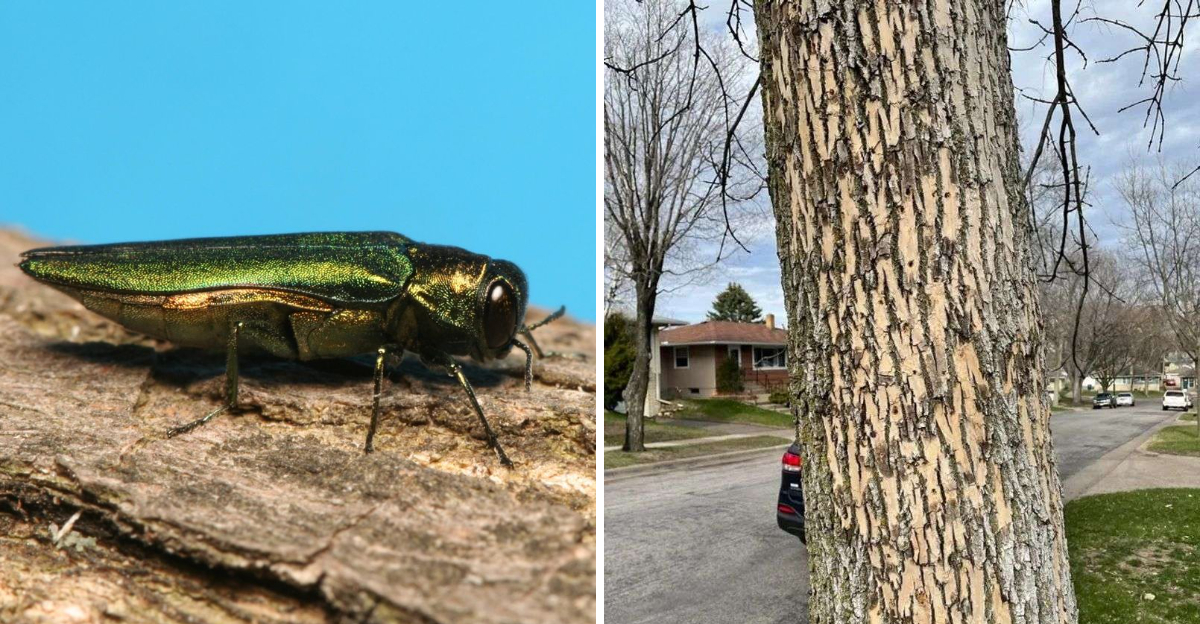
Ash trees have been part of Atlanta, Georgia neighborhoods for years, giving streets and backyards steady shade through long, hot summers. Lately, many of those trees have started to show stress, and emerald ash borer is often the reason.
This small green beetle attacks ash trees from the inside, cutting off the flow of water and nutrients that keep them strong.
At first, the signs can look minor, such as thinner leaves or weak upper branches, but the damage can move quickly if no action is taken.
Because ash trees are common across the Atlanta area, the impact can spread from yard to yard. The good news is that early action can protect healthy trees and help you decide the best next step for those already under pressure.
1. Emerald Ash Borer Larvae Tunnel Beneath Bark And Disrupt Nutrient Flow
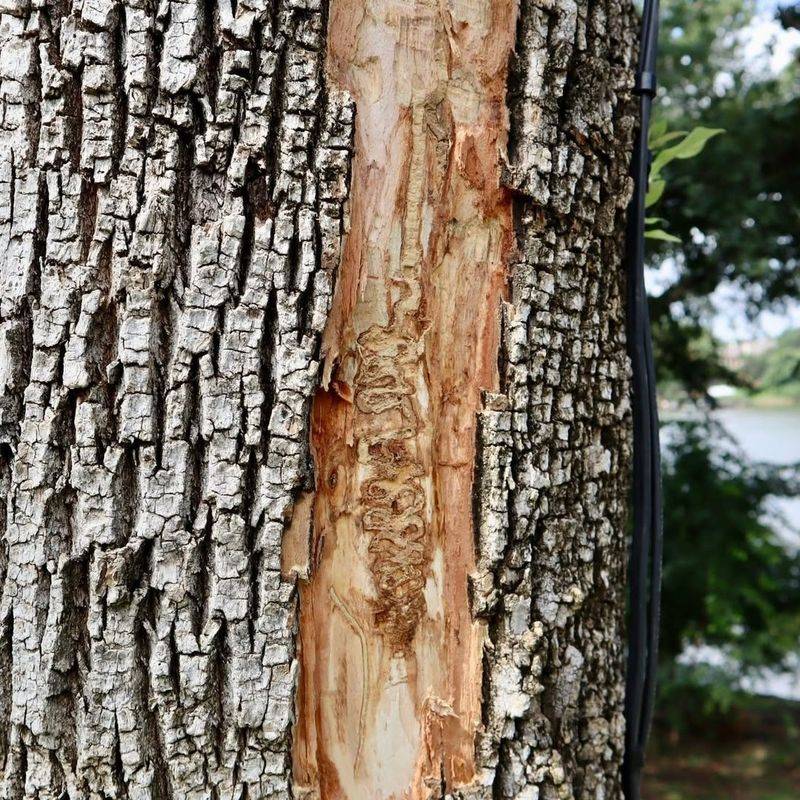
Beneath the surface of an ash tree, a silent attack is already underway. Emerald Ash Borer larvae carve winding, S-shaped tunnels called galleries through the layer of tissue just under the bark.
That tissue, known as the cambium, is responsible for moving water and nutrients up and down the tree.
Once those galleries are carved, the flow of food and water gets cut off. Sections of the tree above the damage begin to weaken because they can no longer receive what they need to survive.
Atlanta homeowners often miss this early damage because it happens completely out of sight. By the time visible symptoms appear above ground, the larvae may have already been feeding for a full season or longer.
A single infested tree can host hundreds of larvae working at once, multiplying the internal destruction rapidly.
What makes this pest especially tricky is that the adult beetles cause almost no visible harm on their own. All the real destruction happens underground the bark during the larval stage.
Recognizing that the most dangerous phase is invisible is the first step toward protecting your ash trees in Atlanta, Georgia before it becomes too late to save them.
2. Thinning Canopy And Sparse Leaf Growth Signal Early Trouble
A healthy ash tree should have a full, lush canopy packed with leaves from spring through fall. When you start noticing patches of bare branches or fewer leaves than usual, that is your tree sending out a distress signal worth paying close attention to.
Emerald Ash Borer damage often shows up first at the very top of the tree. As larval galleries block nutrient flow, the uppermost branches lose their ability to produce healthy foliage.
Leaves may come in small, pale, or not at all in affected sections.
Atlanta residents sometimes mistake this pattern for drought stress or a rough winter. Both can cause similar leaf issues, so it helps to look for other signs alongside the thinning foliage.
If you spot sparse leaves combined with bark changes or unusual woodpecker activity, Emerald Ash Borer becomes a much stronger possibility.
Catching canopy thinning early gives you the best shot at saving the tree. Atlanta, Georgia homeowners should make a habit of checking their ash trees each spring when leaves first emerge.
Your Georgia Garden Changes Every Week. Your Plan Should Too.
Gardening in Georgia changes quickly throughout the season. Every Friday you’ll receive a simple weekly plan showing exactly what to plant, prune, fertilize, harvest, and protect so you never miss the right timing.
Compare how full the canopy looks compared to the previous year. A noticeable drop in leaf density two years in a row is a strong reason to call a certified arborist right away for a professional inspection and treatment assessment.
3. D-Shaped Exit Holes Appear On The Bark Surface
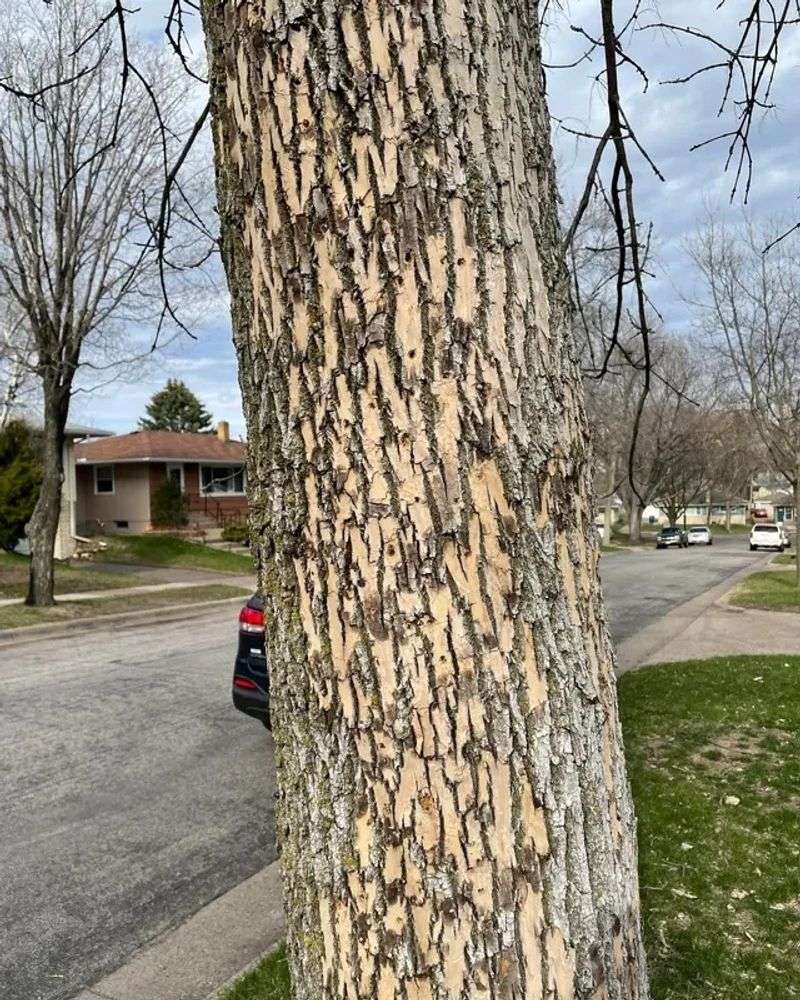
One of the most reliable clues that Emerald Ash Borer has been at work on your ash tree is a tiny hole shaped like the letter D.
Adult beetles chew their way out through the bark after completing their development beneath the surface, leaving behind these distinctively flat-edged, roughly 4-millimeter openings.
Round holes on tree bark are often made by other wood-boring insects, so the D-shape is a key detail that sets Emerald Ash Borer apart. Run your finger along the bark and feel for the flat side of the opening.
Once you know what to look for, these exit holes become surprisingly easy to spot on a close inspection.
Atlanta, Georgia property owners should check the main trunk and larger branches carefully, especially on trees that have already shown signs of canopy thinning. Exit holes can appear anywhere on the tree but tend to cluster where larval populations are heaviest.
Sometimes the holes are partially hidden under loose or flaking bark, so gently pressing on suspicious areas can reveal them.
Spotting even a handful of D-shaped exit holes confirms that adult beetles have already emerged and may have spread to nearby trees. At that stage, contacting a licensed arborist in the Atlanta area is strongly recommended.
Professional treatment options are still available, but acting quickly after finding exit holes gives healthy trees nearby a much better chance of protection from further spread.
4. Vertical Bark Splits May Expose Hidden Larval Galleries
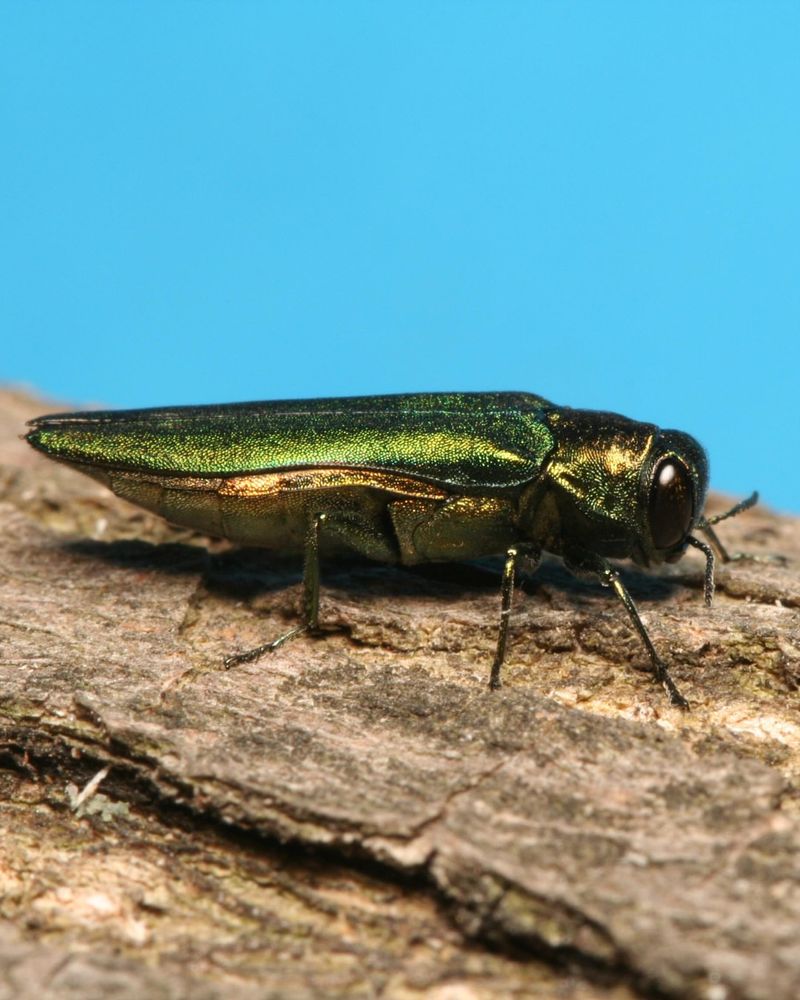
Cracks running up and down an ash tree trunk are not always a sign of old age or weather damage.
Vertical bark splits are a known symptom of Emerald Ash Borer infestation, and they often appear as the tree responds to the tunneling happening just beneath the surface.
As larvae carve their S-shaped galleries through the cambium layer, the bark above those tunnels can begin to separate and crack. Pulling back a loose section of bark near a split will sometimes reveal those winding galleries clearly etched into the wood.
Fresh galleries with a greenish or cream-colored tint are a strong indicator of active or recent infestation.
Atlanta, Georgia homeowners should pay close attention to any tree showing unexplained bark cracking, especially on ash species like white ash, green ash, or Carolina ash.
Checking in late spring or early summer gives you the best chance of finding fresh evidence because that is when larval feeding activity tends to be at its peak.
Bark splits alone do not always confirm Emerald Ash Borer, since other stressors can cause similar cracking. Pairing this observation with other signs like D-shaped exit holes or canopy thinning builds a clearer picture.
If you suspect infestation after checking the bark on your Atlanta property, reach out to a Georgia-certified arborist promptly.
Early professional confirmation means faster treatment decisions and a stronger chance of protecting the tree from further interior damage.
5. Woodpecker Activity Often Increases On Infested Trees
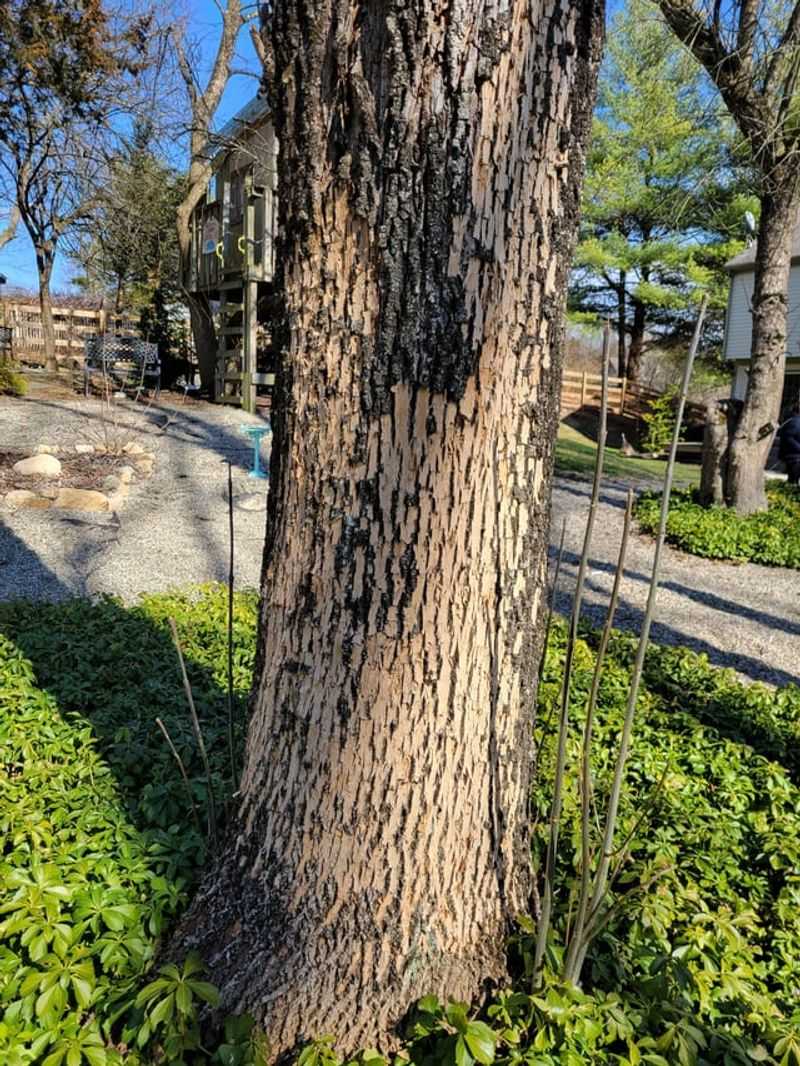
Woodpeckers are surprisingly good at sniffing out trouble inside a tree. When Emerald Ash Borer larvae are feeding beneath the bark, woodpeckers can hear and sense the movement, prompting them to hammer through the outer layers in search of a meal.
A sudden spike in woodpecker activity on a specific ash tree is often one of the earliest visible clues that something is wrong inside.
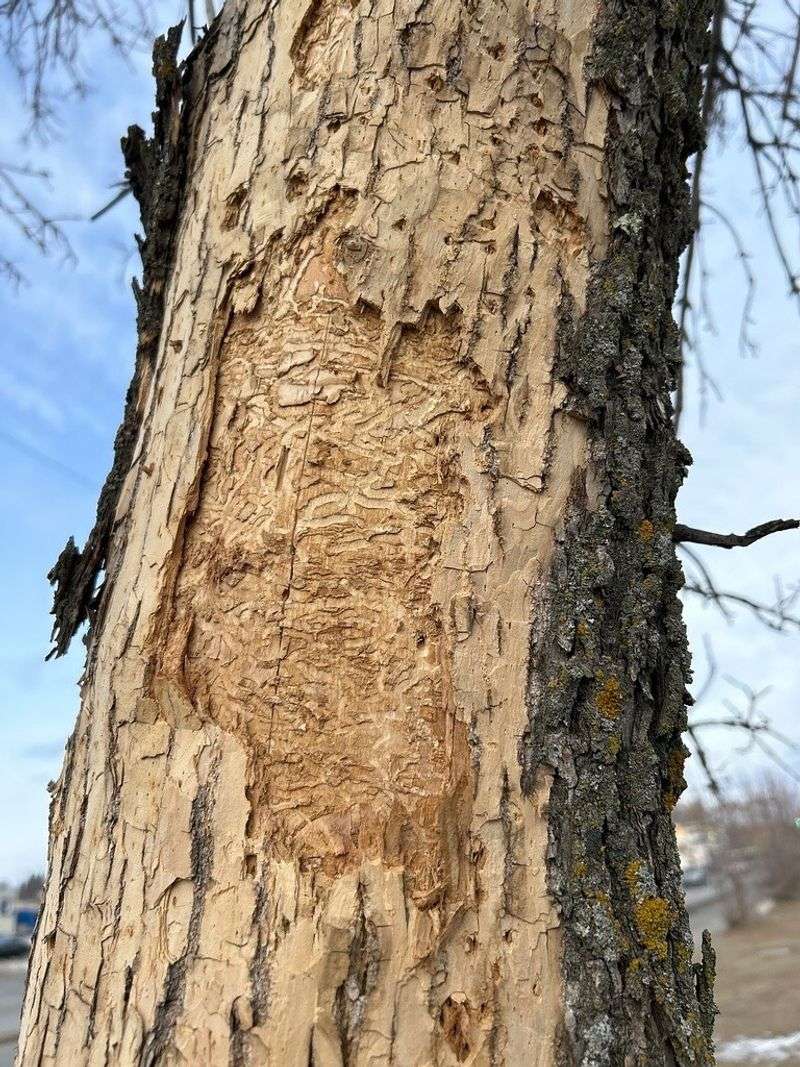
Look for patches of bark that have been chipped or peeled away in irregular shapes, sometimes called “blonding” because the exposed wood looks pale and fresh. Heavy blonding concentrated on the upper trunk or main branches is particularly telling.
Atlanta, Georgia sits in a region where several woodpecker species are common year-round, including the Downy, Red-bellied, and Pileated woodpeckers.
Seeing one of these birds working persistently on the same ash tree over multiple days is worth taking seriously.
Occasional woodpecker visits are normal, but repeated focused attention on one spot signals that the bird is finding something worth coming back for.
Homeowners across Atlanta should treat increased woodpecker interest as a prompt to inspect the tree more closely for other Emerald Ash Borer signs.
Combine your observations with a bark check for D-shaped holes and a look at the canopy for unusual thinning.
Woodpeckers will not cause lasting harm to a tree on their own, but they are nature’s early warning system, and in Atlanta, that warning is worth acting on quickly.
6. Early Insecticide Treatment Can Protect Healthy Ash Trees
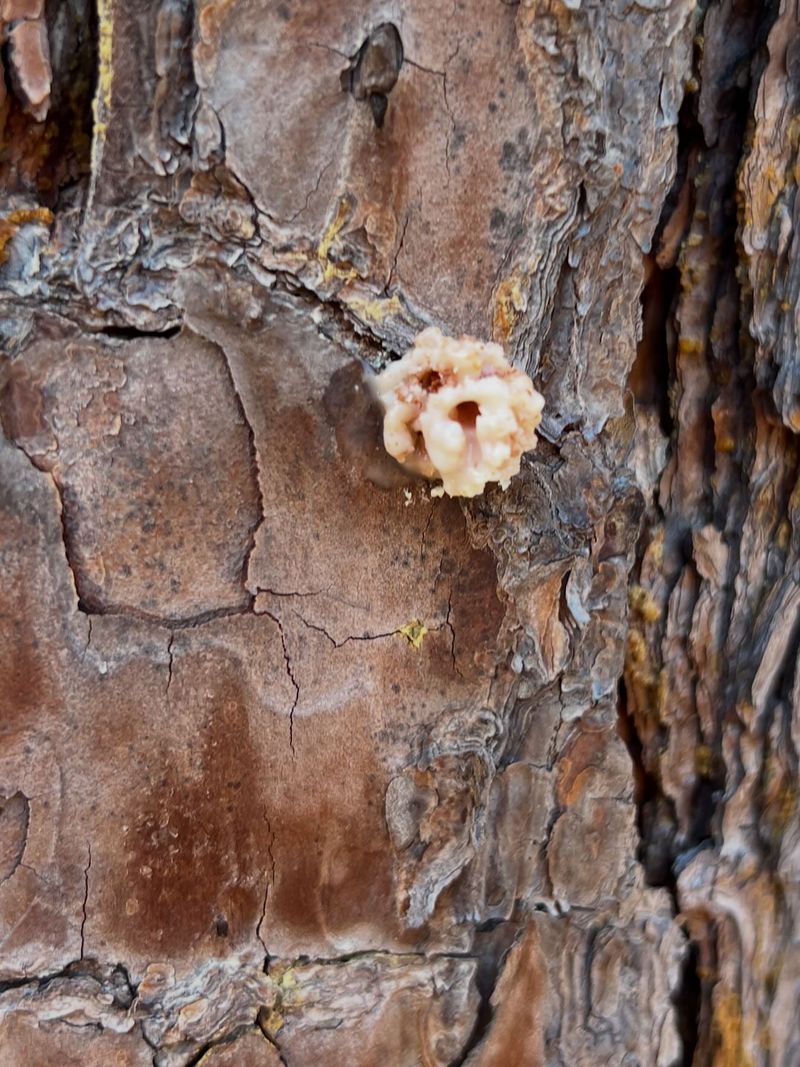
Protecting an ash tree before infestation takes hold is far more effective than trying to reverse serious damage after the fact.
Insecticide treatments applied at the right time can stop Emerald Ash Borer larvae from establishing inside the tree, giving Atlanta homeowners a real fighting chance.
Several treatment methods are available, including soil injections, trunk injections, and bark sprays. Emamectin benzoate, delivered through trunk injection, is widely considered one of the most effective options for established trees.
Imidacloprid applied as a soil drench is another common choice, though its effectiveness can vary depending on soil conditions and tree size.
Timing matters enormously with any treatment approach. In Atlanta, Georgia, applications are most effective when done in early spring before adult beetles become active.
Treatments applied too late in the season may not move through the tree’s system in time to intercept newly hatching larvae. A licensed arborist familiar with Georgia’s climate and pest calendar will know exactly when to schedule treatment for maximum impact.
Not every ash tree is a good candidate for treatment. Trees that have already lost more than half their canopy may be too far along for insecticides to make a meaningful difference.
For trees in earlier stages of decline or those showing no signs yet, preventive treatment is a smart and cost-effective investment.
Atlanta residents with ash trees on their property should consult a certified arborist to evaluate each tree individually and build a treatment plan that fits their specific situation.
7. Avoid Moving Firewood And Replace Severely Damaged Trees Wisely
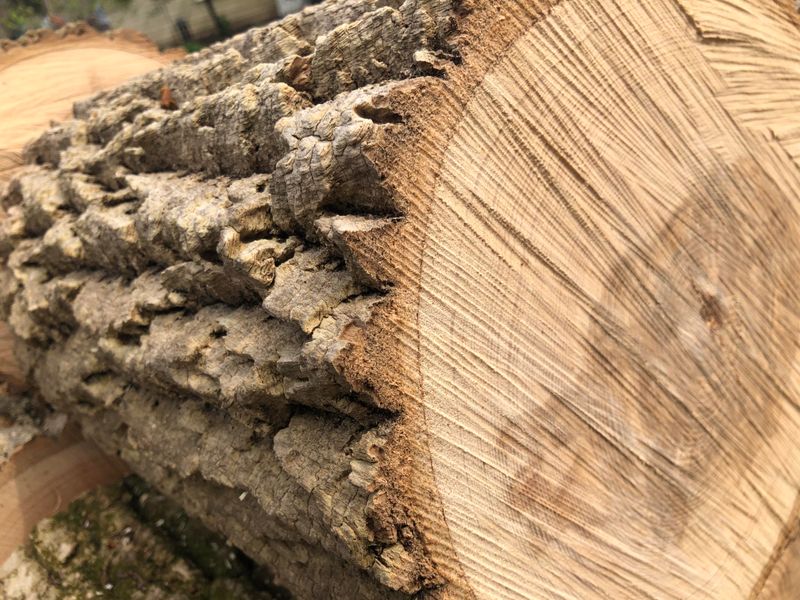
Firewood moves beetles. Emerald Ash Borer has spread to new regions largely because people unknowingly transported infested logs from one location to another.
Adult beetles and their eggs can hide inside cut wood for months, making a seemingly harmless load of firewood a major risk to healthy ash trees in any new area.
Atlanta, Georgia residents should never bring firewood in from outside the local area, and ash wood in particular should not be transported beyond the county where it was cut.
Georgia Forestry Commission guidelines strongly discourage moving ash logs or wood debris from infested zones.
Buying firewood locally and burning it where you buy it is one of the simplest and most effective ways to slow the spread of this pest.
When an ash tree on your Atlanta property has suffered severe internal damage and no longer responds to treatment, removal becomes the responsible choice.
Leaving a heavily compromised tree standing poses safety risks as weakened branches become unpredictable over time.
Work with a certified arborist to have the tree removed safely and the wood disposed of properly according to local guidelines.
Replacing a lost ash tree with a species that is not vulnerable to Emerald Ash Borer is a positive step forward. Native alternatives like red maple, sweetgum, or tulip poplar thrive in Atlanta’s climate and add lasting beauty to your landscape.
Replanting thoughtfully helps restore the tree canopy that makes Atlanta neighborhoods so appealing while reducing the risk of future pest-related losses across the city.