7 Backyard Animals Michigan Gardeners Commonly Spot In March
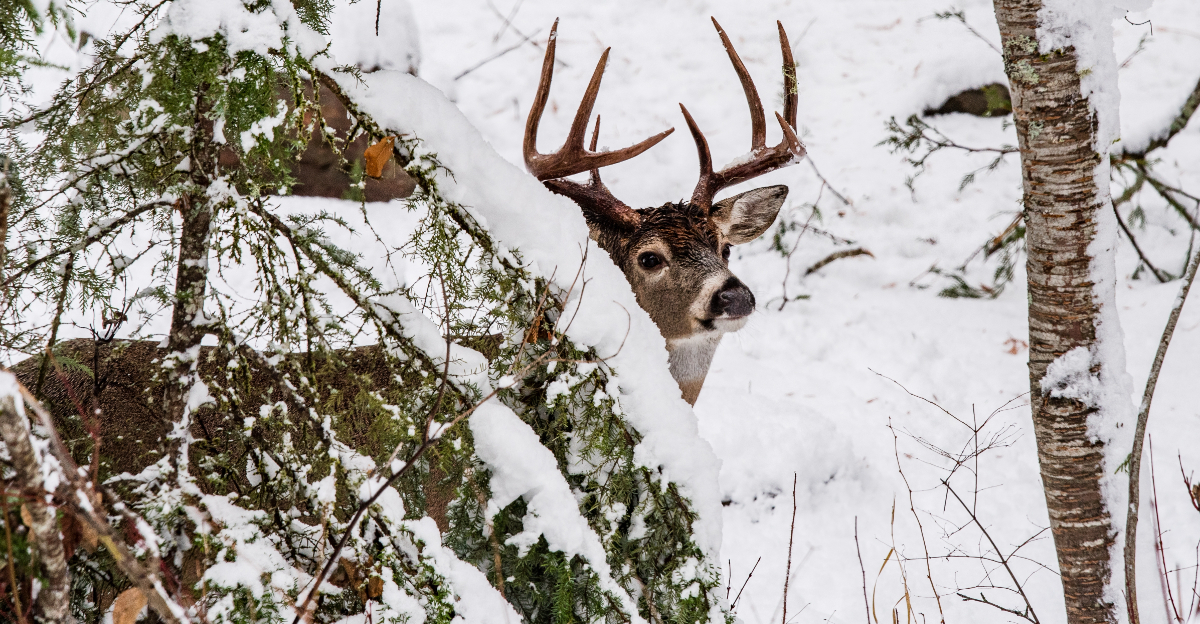
Step outside on a crisp March morning and you may notice movement where winter once felt still and silent. In Michigan, this transitional month blends lingering snow with the first stirrings of spring, creating a landscape alive with unexpected wildlife activity.
Even as temperatures hover near freezing, many animals remain active, moving through snowy yards in search of food, shelter, and early signs of seasonal change.
Tracks appear across fresh snow, birds grow more vocal, and small creatures venture out during brief stretches of milder weather.
These sightings reveal the remarkable resilience of wildlife that has adapted to Michigan’s long, cold winters. Observing these animals during this in between season offers a deeper appreciation for the natural rhythms unfolding around you.
Knowing which creatures are most active in March helps you recognize these quiet signs of change and turns an ordinary walk outside into a fascinating glimpse of Michigan’s living winter landscape.
1. Eastern Gray Squirrels Stay Active Even Across Snow Covered Yards
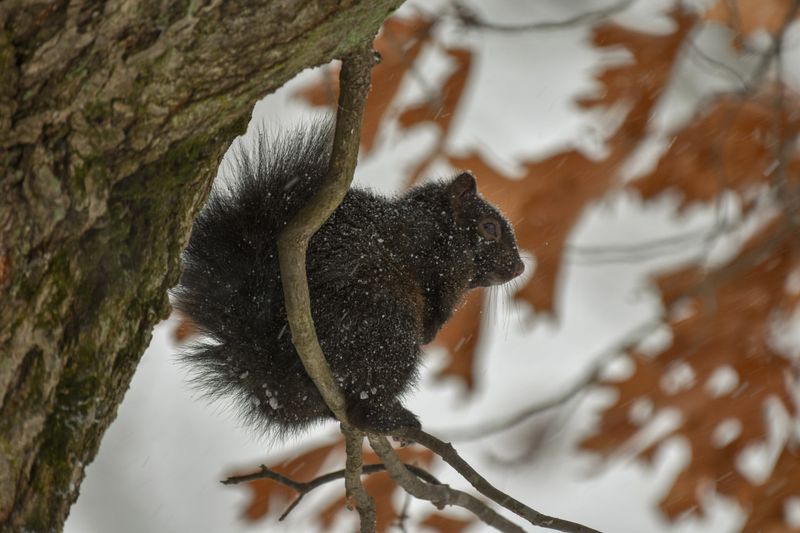
Watch any Michigan backyard in March and you’ll likely spot these bushy-tailed acrobats dashing across the snow. Eastern Gray Squirrels never hibernate, making them year-round residents in gardens and wooded areas.
Their constant activity during cold months surprises many new homeowners who expect wildlife to disappear completely.
These resourceful rodents spend autumn months burying nuts and seeds throughout their territory. When March arrives, they rely on excellent spatial memory to relocate these hidden food caches beneath the snow.
You’ll notice them digging frantically through snowdrifts, uncovering acorns and other stored treasures.
Their thick winter coats provide impressive insulation against Michigan’s harsh weather conditions. Gray squirrels also build leafy nests called dreys high in tree branches for shelter.
During extreme cold snaps, several squirrels may huddle together in one drey for warmth.
Gardeners often observe squirrels visiting bird feeders during March when natural food becomes scarce. They’re opportunistic feeders who adapt their diet based on availability.
Besides cached nuts, they’ll nibble on tree bark, buds, and any accessible seeds.
Their energetic presence adds life to otherwise quiet winter landscapes. Watching squirrels leap between snow-covered branches showcases their remarkable agility and balance.
These entertaining creatures remind us that nature stays vibrant even during Michigan’s coldest transitional months.
2. Eastern Cottontail Rabbits Continue Feeding Above The Snow Line
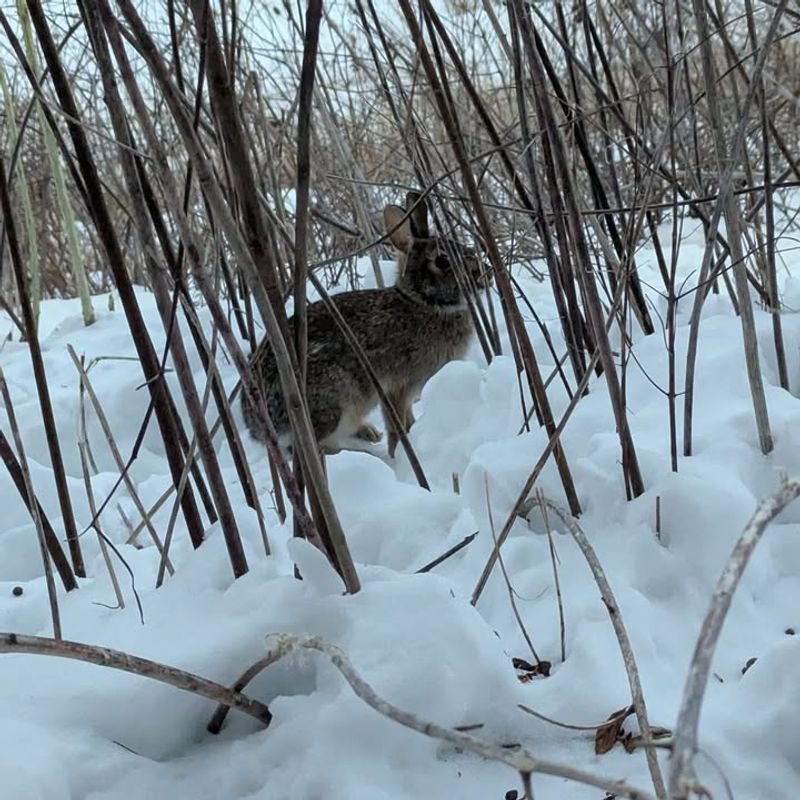
Spotting a cottontail rabbit hopping through your snowy March garden might seem surprising at first. These adaptable mammals remain active throughout winter, never entering true hibernation like some Michigan wildlife.
Their year-round presence makes them frequent visitors to residential yards and garden edges.
Eastern Cottontails adjust their diet dramatically when snow covers their usual food sources. During warmer months they prefer tender grasses, clover, and garden vegetables.
March finds them nibbling on woody plant material instead, including bark, twigs, and dormant buds from shrubs and young trees.
You’ll often notice them feeding during dawn and dusk hours when they feel safest. Their brown-gray fur provides excellent camouflage against bare branches and melting snow patches.
Your Michigan Garden Changes Every Week. Your Plan Should Too.
Gardening in Michigan changes quickly throughout the season. Every Friday you’ll receive a simple weekly plan showing exactly what to plant, prune, fertilize, harvest, and protect so you never miss the right timing.
Cottontails create shallow depressions called forms in sheltered areas for resting between feeding sessions.
Gardeners sometimes discover damage to ornamental plants from hungry rabbits stripping bark during late winter. Young fruit trees and decorative shrubs become particularly vulnerable when other food remains scarce.
Protective tree wraps and fencing help prevent this browsing damage in vulnerable plantings.
These rabbits have adapted remarkably well to suburban environments across Michigan. Their ability to survive on minimal nutrition during harsh months demonstrates impressive resilience.
Watching cottontails navigate snowy terrain offers gardeners a glimpse into wildlife survival strategies during challenging seasonal transitions.
3. White Tailed Deer Travel Packed Snow Trails In Late Winter
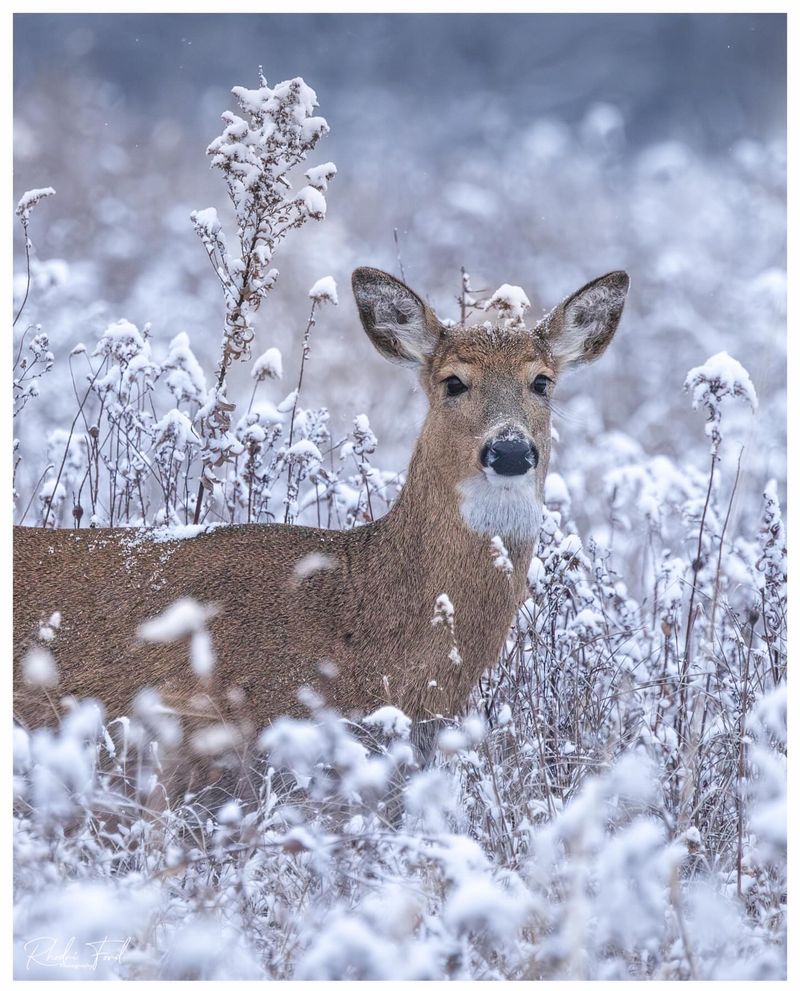
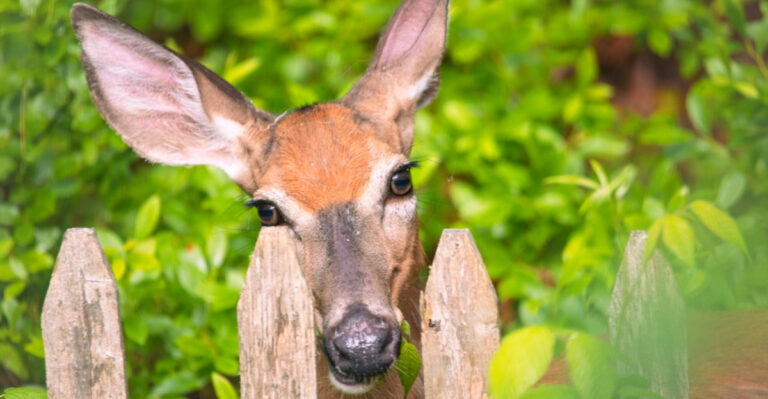
Few sights capture Michigan’s late winter beauty like deer moving gracefully along established snow trails. White-tailed deer remain fully active during March, though their behavior shifts considerably from summer patterns.
Rather than wandering freely, they create and follow packed pathways through deep snow to conserve precious energy.
These well-worn trails connect feeding areas with protected bedding sites in dense cover. Deer repeatedly use the same routes, tramping down snow until firm paths form across yards and woodlands.
This strategic movement reduces the physical effort required to travel through challenging terrain.
March represents a critical survival period for Michigan’s deer populations. Winter has depleted their fat reserves, making efficient movement essential for finding adequate food.
You’ll observe them browsing on woody vegetation, including twigs, buds, and evergreen foliage accessible above the snowline.
Gardeners often notice increased deer activity near residential areas during late winter months. Ornamental plantings and sheltered yard edges provide attractive feeding opportunities when natural browse becomes limited.
Deer may appear thinner than during autumn, reflecting the nutritional challenges of extended cold weather.
Their presence in snowy landscapes demonstrates remarkable adaptation to Michigan’s demanding climate. Does often travel in small family groups while bucks typically move alone or in bachelor groups.
Observing their efficient trail systems reveals sophisticated survival strategies developed over countless generations.
4. Striped Skunks Emerge During Warmer March Nights Even With Snow Present
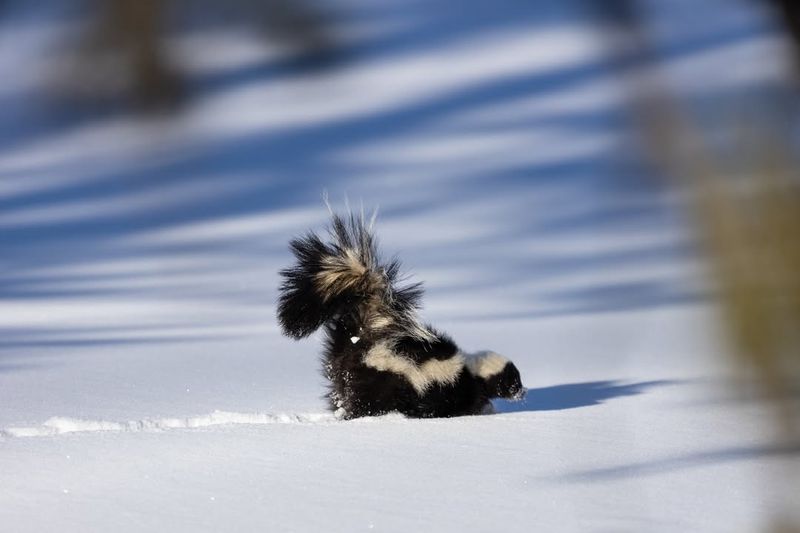
Something unexpected waddles through many Michigan gardens on milder March evenings. Striped skunks enter a state of dormancy during the coldest winter months but don’t truly hibernate.
When nighttime temperatures climb above freezing, even with snow still covering the ground, these distinctive black-and-white mammals venture out to forage.
Their winter dormancy differs significantly from true hibernation seen in other species. Skunks remain in underground dens for extended periods, living off accumulated fat reserves.
However, their body temperature doesn’t drop dramatically, allowing them to wake and emerge relatively quickly during temperature breaks.
March’s fluctuating weather creates perfect conditions for skunk activity throughout Michigan. You might notice their characteristic shuffling gait near foundations, compost areas, or garden edges during evening hours.
They’re searching for any available food after weeks of minimal eating.
These opportunistic omnivores consume insects, grubs, small rodents, and various plant materials. During early spring emergence, they’ll investigate anywhere food might be accessible.
Bird feeders, garbage containers, and pet food left outdoors attract their attention during these hungry foraging missions.
Gardeners should exercise caution when encountering skunks during nighttime yard visits. While generally non-aggressive, they’ll defend themselves when startled or threatened.
Their infamous spray serves as highly effective protection, so maintaining respectful distance benefits everyone. Watching from windows lets you safely observe their fascinating early spring behavior.
5. Raccoons Continue Moving During Mild Nights In Snowy March Weather
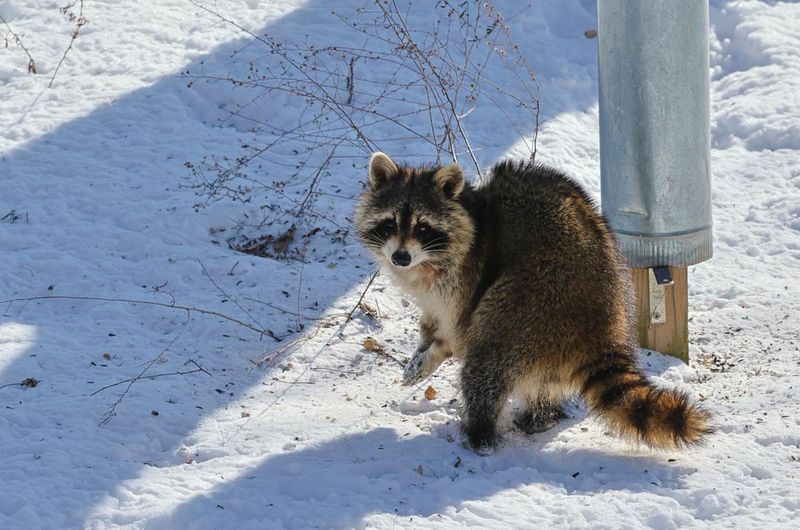
Those mysterious nighttime visitors leaving tracks across your snowy garden are likely raccoons. These masked bandits stay surprisingly active during Michigan’s transitional March weather.
Unlike true hibernators, raccoons enter periods of torpor during extreme cold but wake frequently to forage when conditions moderate.
Raccoons possess remarkable adaptability that allows survival through harsh winter months. They build up substantial fat reserves during autumn, then retreat to dens in tree cavities, abandoned buildings, or other sheltered locations.
During milder March nights, hunger drives them out to search for food.
Their dexterous front paws function almost like human hands, allowing them to manipulate objects and explore potential food sources. You’ll find their distinctive hand-like tracks throughout snowy yards after mild evenings.
Raccoons investigate everything from garbage bins to bird feeders during these nocturnal excursions.
March represents a particularly active period for raccoons across Michigan. Breeding season occurs during this month, increasing movement and interaction between individuals.
Males travel extensively searching for mates while females prepare den sites for upcoming litters.
Gardeners should secure trash containers and remove outdoor pet food to avoid attracting raccoons. While fascinating to observe, they can create significant mess when accessing human food sources.
Their intelligence and persistence make them challenging neighbors, yet their resourcefulness commands respect. Watching raccoons navigate snowy landscapes showcases nature’s incredible ability to thrive despite difficult conditions.
6. Red Foxes Hunt Across Snow Covered Fields And Yards
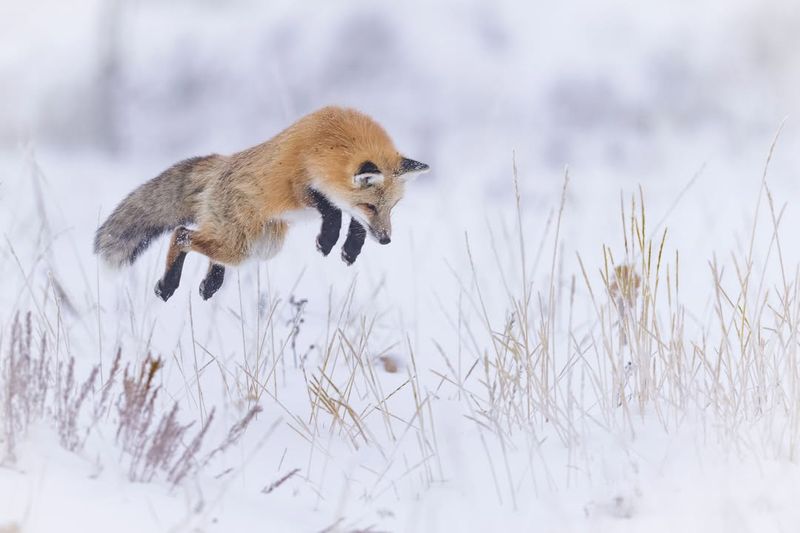
A flash of russet fur against white snow creates an unforgettable sight for Michigan gardeners. Red foxes remain active hunters throughout winter, making them visible residents during March’s snowy conditions.
Their striking appearance and fascinating hunting techniques captivate anyone lucky enough to witness them in action.
These sleek predators possess adaptations perfectly suited for winter survival in Michigan. Their thick fur coats provide excellent insulation while their relatively small body size reduces energy requirements.
Foxes hunt primarily during dawn, dusk, and nighttime hours but may appear during daytime in March when food demands increase.
Watch a hunting fox and you’ll observe remarkable stalking behavior. They move slowly through snow, listening intently for rodents moving beneath the surface.
When prey is located, foxes execute their signature pounce, leaping high and diving nose-first through snow to capture hidden meals.
March brings increased fox activity as breeding season progresses and food needs intensify. Vixen foxes prepare dens for raising kits while males hunt to provide for their families.
You might hear their distinctive screaming vocalizations echoing across neighborhoods during nighttime hours.
Gardeners occasionally worry about foxes near chicken coops or small pet areas. While foxes do hunt birds and small mammals, they also provide valuable rodent control benefits.
Their presence indicates a healthy local ecosystem with sufficient prey populations. Observing these beautiful hunters reminds us that wild predators continue thriving even in suburban Michigan landscapes.
7. Coyotes Remain Active And Travel Widely Across Snowy Terrain
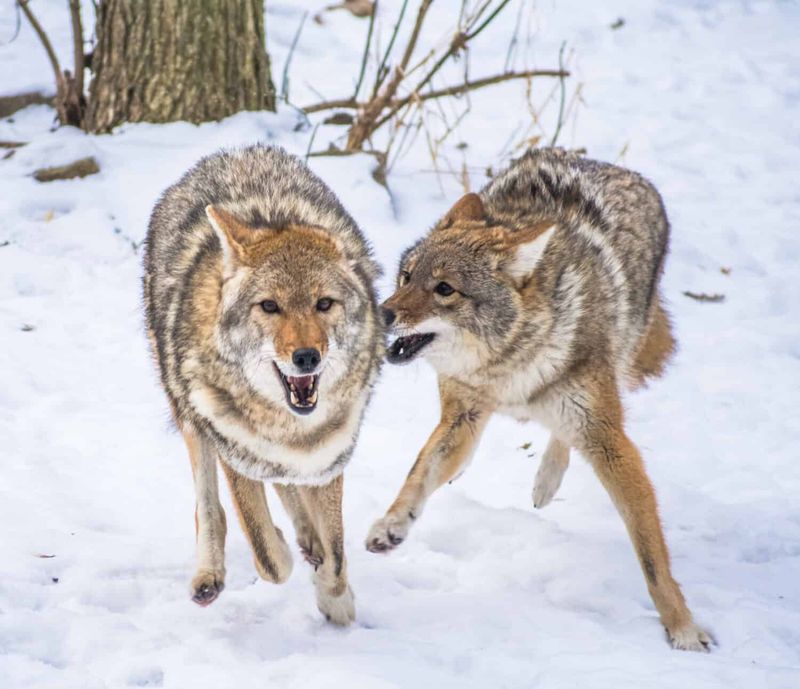
Hearing distant howls echoing across snowy March evenings signals one of Michigan’s most adaptable predators. Coyotes maintain year-round activity throughout the state, traveling impressive distances across winter landscapes.
Their expanding range means more Michigan gardeners encounter these wild canines near residential areas than ever before.
These resourceful hunters possess remarkable endurance and territorial ranges spanning many square miles. Coyotes don’t hibernate or enter dormancy, instead remaining active through the coldest months.
March finds them particularly visible as breeding pairs establish territories and search for food to support upcoming litters.
Their diet demonstrates incredible flexibility, including small mammals, birds, carrion, fruits, and occasionally larger prey. During winter, coyotes often follow deer trails, scavenging remains and hunting weakened animals.
You might spot their dog-like tracks crisscrossing snowy fields and yard edges during morning inspections.
Coyotes typically hunt alone or in pairs rather than large packs like wolves. Their intelligence and adaptability allow them to thrive in diverse habitats from deep forests to suburban neighborhoods.
Michigan’s coyote population has grown significantly over recent decades as they’ve learned to coexist near human development.
Gardeners should keep small pets supervised outdoors, especially during dawn and dusk when coyotes are most active. While they generally avoid humans, coyotes will investigate yards for food opportunities or potential prey.
Their presence reflects successful adaptation to changing landscapes and demonstrates nature’s resilience across Michigan’s varied environments.