7 Ways To Prepare Your Oregon Garden For Butterfly Season
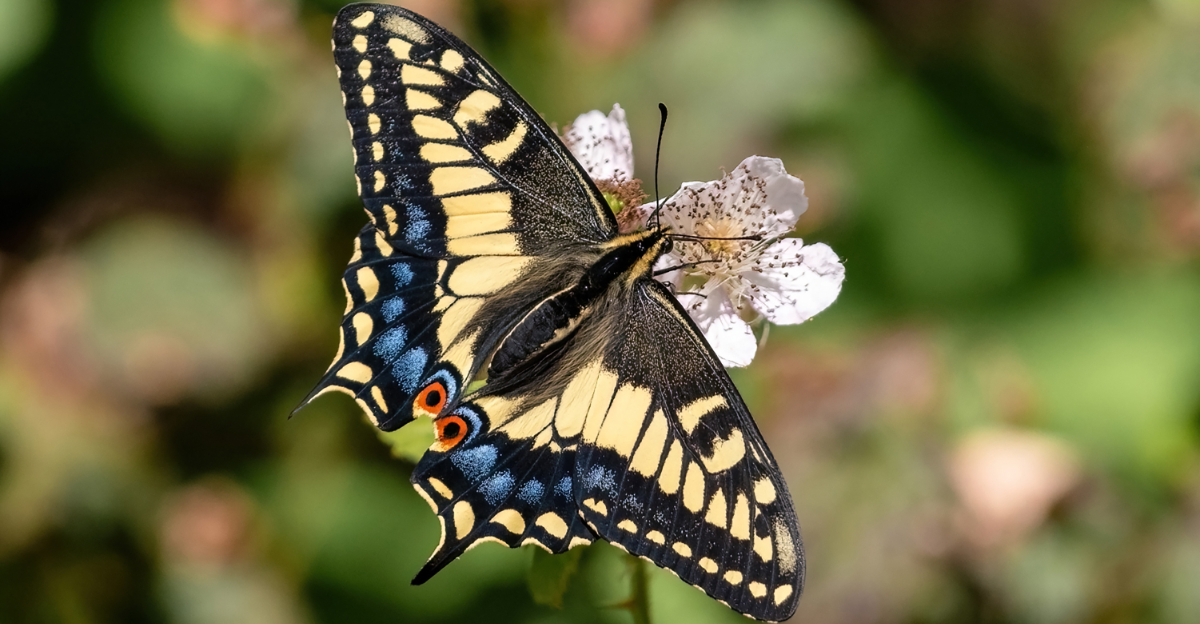
As winter fades and Oregon gardens begin to stir, butterflies are not far behind. These delicate visitors arrive with the warmth of spring, searching for nectar, shelter, and safe places to lay their eggs.
A little preparation now can transform your garden into a colorful haven filled with fluttering wings and gentle movement.
Simple changes like adding the right plants, creating sunny resting spots, and reducing disturbances make a big difference in attracting and supporting healthy butterfly populations.
Oregon’s mild climate offers a wonderful opportunity to welcome a wide variety of species throughout the season.
Your garden can become more than just beautiful, it can turn into a lively, ever changing space that supports pollinators and brings a sense of magic to everyday outdoor life. Prepare to enjoy a season filled with color, motion, and the quiet joy butterflies bring.
1. Plant Native Nectar Flowers
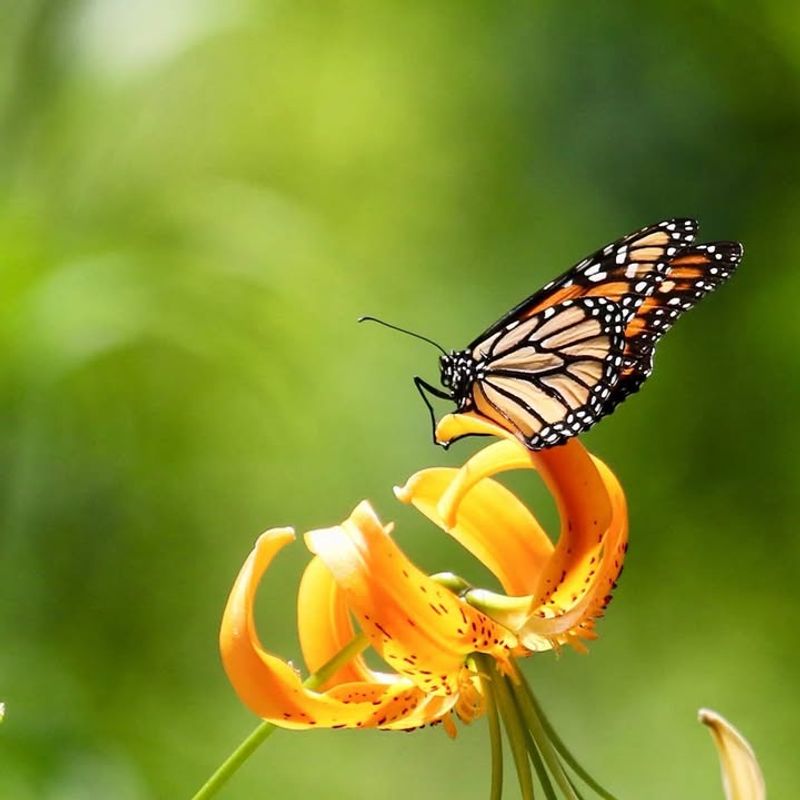
Nothing draws butterflies to an Oregon garden faster than a bright patch of native nectar flowers. Native plants have evolved alongside local butterfly species, making them the perfect food source.
They are also easier to grow because they are already adapted to Oregon’s climate and soil.
Some of the best native nectar plants for Oregon include coneflower, goldenrod, aster, and Oregon grape. These plants bloom at different times, which means butterflies will have food available across multiple seasons.
Planting a mix of species gives you the best results.
When choosing where to plant, pick spots that get at least six hours of direct sunlight each day. Butterflies are cold-blooded and need warm, sunny areas to stay active.
Grouping plants together in clusters rather than spreading them out makes it easier for butterflies to find and feed on them.
Native flowers also support bees and other beneficial insects, so your whole garden ecosystem benefits. You can find native plants at local Oregon nurseries or through native plant societies in your area.
Starting with just a few species and expanding each year is a great approach for beginners.
2. Add Host Plants For Caterpillars
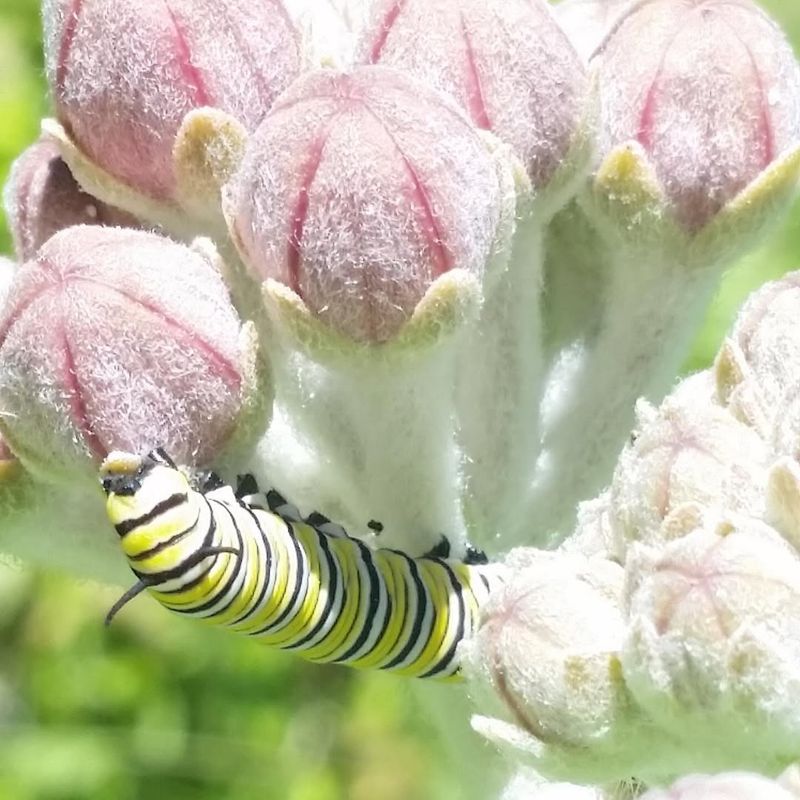
Butterflies do not just need flowers for nectar. They also need specific plants where they can lay their eggs and where their caterpillars can feed and grow.
These are called host plants, and adding them to your Oregon garden is one of the most important things you can do for local butterfly populations.
Different butterfly species rely on different host plants. Monarch butterflies need milkweed.
Western tiger swallowtails love willows and cottonwoods. Painted ladies prefer thistles and mallows.
Doing a little research on which butterflies are common in your part of Oregon will help you choose the right host plants.
Do not worry if you notice leaves being eaten on your host plants. That is actually a sign that your garden is working exactly as it should.
Caterpillars munching on leaves means butterflies are using your garden to raise the next generation.
Host plants do not have to take over your whole yard. Even a small patch of milkweed or a potted willow can make a real difference.
Your Oregon Garden Changes Every Week. Your Plan Should Too.
Gardening in Oregon changes quickly throughout the season. Every Friday you’ll receive a simple weekly plan showing exactly what to plant, prune, fertilize, harvest, and protect so you never miss the right timing.
Mix host plants in among your ornamental plants so the garden still looks beautiful while doing important work for Oregon’s butterfly populations.
3. Skip Chemical Pesticides
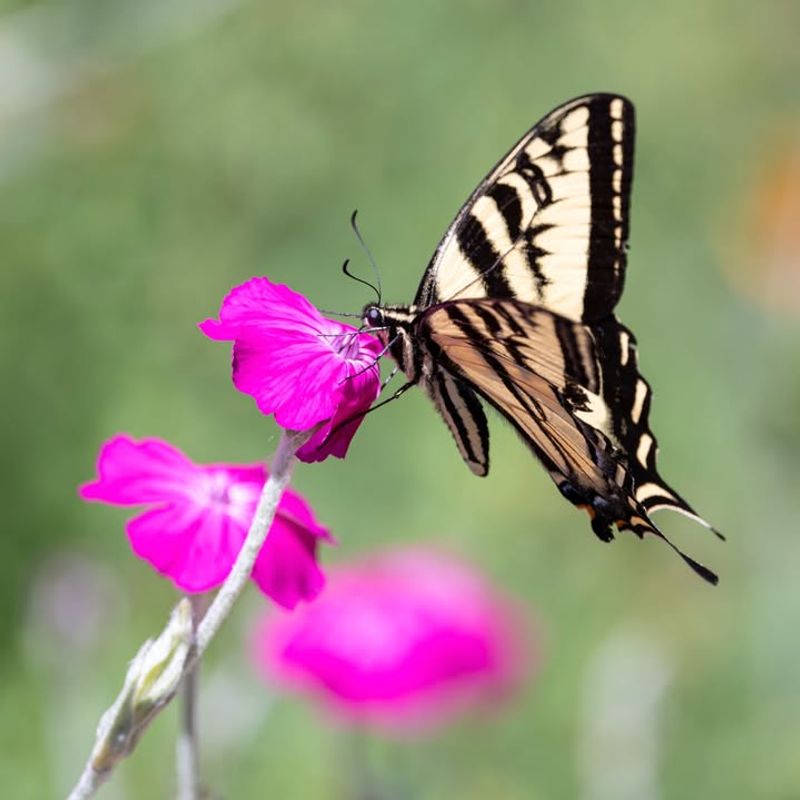
One of the quickest ways to hurt your butterfly garden is by using chemical pesticides. Many common garden sprays are designed to stop insects, and butterflies are insects.
Even products labeled as safe can harm caterpillars, eggs, and adult butterflies if they come into contact with treated plants.
Oregon gardeners who want to attract butterflies need to rethink how they handle pests. Instead of reaching for a spray bottle, try natural pest control methods.
Handpicking pests, using row covers, or encouraging natural predators like birds and ladybugs are all effective alternatives.
Neem oil and insecticidal soap are sometimes considered safer options, but even these should be used with caution around butterflies and their host plants. The best approach is to avoid spraying anything on or near plants that butterflies use for feeding or laying eggs.
A garden with a few chewed leaves is a healthy, functioning ecosystem. Letting go of the idea of a perfectly manicured garden is actually one of the best things you can do for butterflies in Oregon.
Over time, you will notice that a chemical-free garden attracts far more wildlife, and it ends up looking more vibrant and alive than ever before.
4. Provide Shallow Water Sources
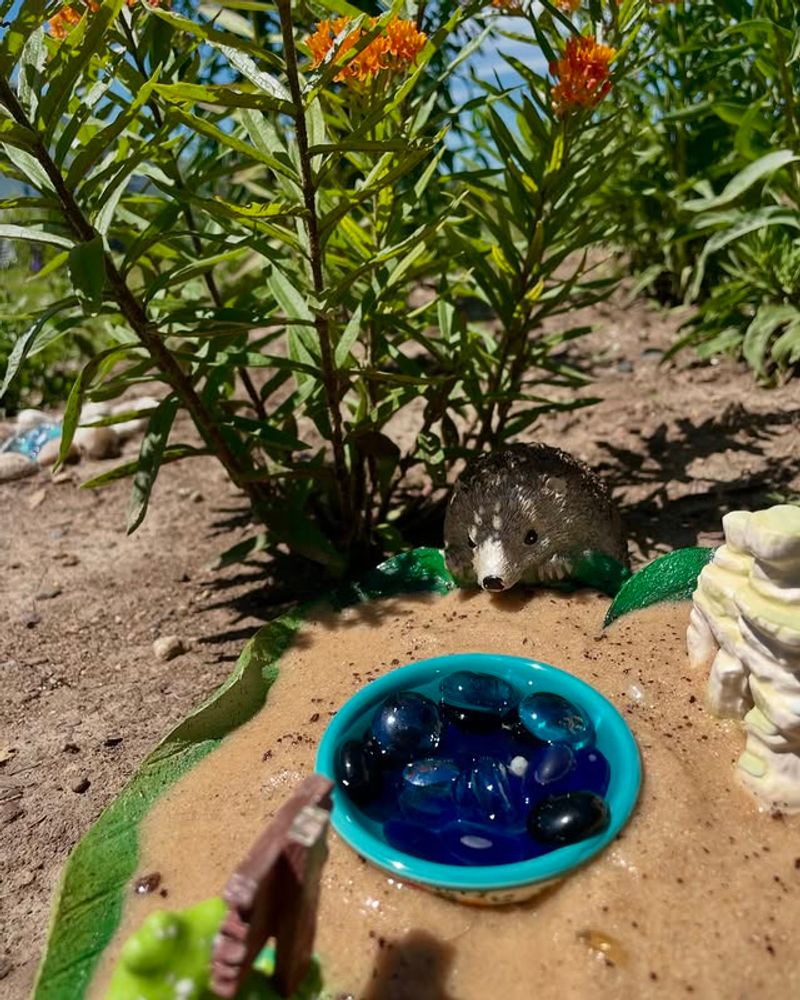
Butterflies need water just like any other creature, but they have a unique way of drinking. They cannot sip from deep water sources.
Instead, they land on wet sand, mud, or shallow puddles and draw up moisture and minerals through a process called puddling. Setting up the right kind of water source in your Oregon garden can make it much more attractive to visiting butterflies.
Creating a puddling station is simple and inexpensive. Fill a shallow dish or tray with coarse sand or small pebbles, then add just enough water to keep the sand damp but not flooded.
Place it in a sunny spot in your garden where butterflies can easily spot it and land safely.
You can also add a pinch of sea salt or wood ash to the water. These provide minerals that butterflies, especially males, actively seek out.
Refreshing the water every couple of days keeps it clean and appealing.
Oregon summers can get surprisingly dry, especially east of the Cascades. During hot spells, a reliable water source becomes even more valuable.
Positioning your puddling station near your nectar flowers creates a one-stop spot where butterflies can eat, drink, and rest comfortably throughout the season.
5. Create Sunny Resting Spots
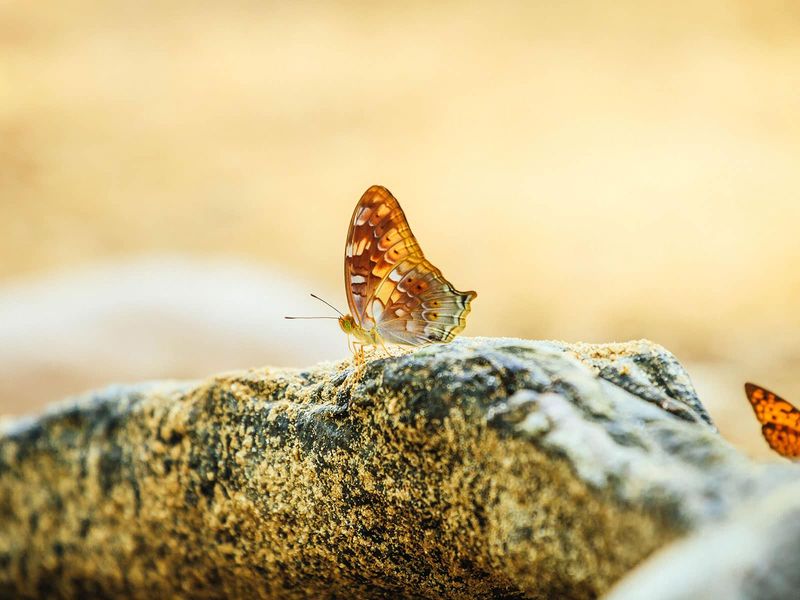
Butterflies are solar-powered. Their bodies need warmth from the sun to function, and they regularly stop to bask and recharge.
If your Oregon garden does not have sunny resting spots, butterflies may pass through without stopping for long. Adding the right features can encourage them to linger and return day after day.
Flat, dark-colored rocks are perfect for this purpose. They absorb heat from the sun and stay warm even when the air cools down a little.
Place a few large, smooth stones in the sunniest parts of your garden, ideally close to nectar flowers so butterflies can easily move between feeding and resting.
Wooden fences, logs, and bare patches of soil also work well as basking spots. The key is making sure these areas are open and exposed to direct sunlight for most of the day.
Sheltered spots that block the sun will not attract much butterfly activity.
In Oregon, where cloudy days are common, especially in spring, having warm resting spots becomes even more important. On cooler mornings, you may spot butterflies sitting completely still on a warm rock with their wings spread wide.
They are simply soaking up the heat they need to get moving for the day.
6. Leave Some Wild Areas Undisturbed
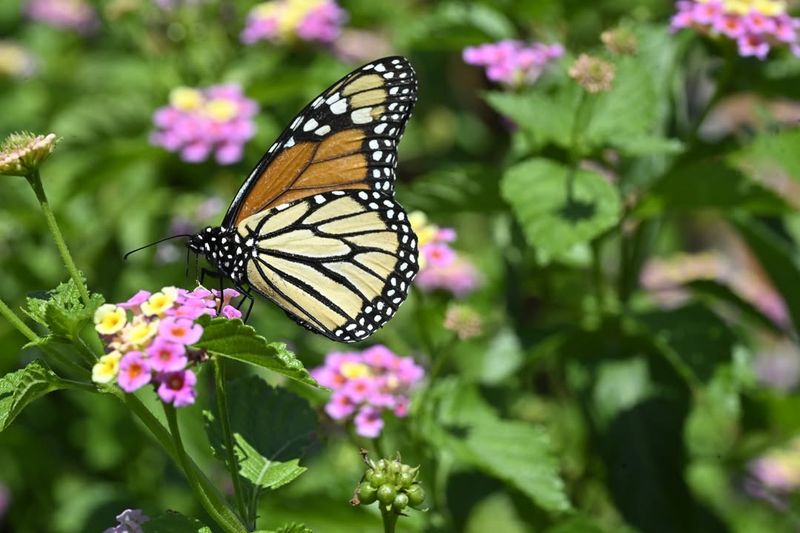
Not every part of your garden needs to be neat and tidy. In fact, leaving a wild corner untouched is one of the most valuable things you can do for Oregon butterflies.
Many species use leaf litter, tall grasses, and dense undergrowth to shelter, rest, and survive cooler weather. Cleaning everything up too thoroughly can remove the very places butterflies depend on.
Try setting aside a small section of your yard where you let nature take over a little. Let fallen leaves pile up naturally.
Leave dried flower stalks standing through winter. Allow some native grasses and weeds to grow freely.
These seemingly messy spots are actually rich habitat for butterfly pupae and overwintering adults.
Some Oregon butterfly species spend the winter tucked into bark crevices, leaf piles, or hollow stems. If you clear all of this away in the fall, you may be removing butterflies before they even get a chance to emerge in spring.
Letting go of the urge to over-tidy your garden is surprisingly freeing. A wilder garden looks more natural, requires less maintenance, and supports far more wildlife.
Even a small patch of intentional wildness in an Oregon backyard can become a thriving microhabitat that benefits butterflies for years to come.
7. Grow Blooms From Spring Through Fall
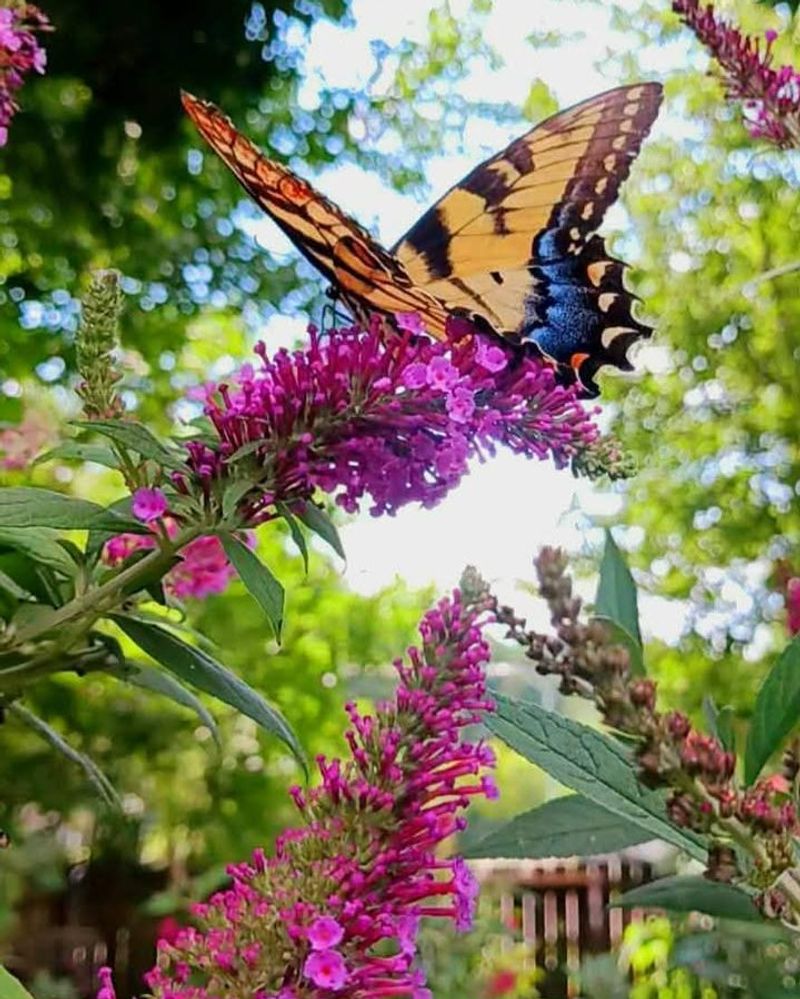
Keeping butterflies coming back to your Oregon garden all season long requires planning your plantings carefully. If all your flowers bloom at once and then fade, butterflies will have nothing to return to.
The goal is to create a continuous supply of nectar from early spring all the way through fall.
Start with early bloomers like Oregon grape, bleeding heart, and lilac to welcome the first butterflies of the year. Move into summer with coneflower, lavender, and bee balm.
Then finish strong in late summer and fall with goldenrod, aster, and sedum. Each of these groups keeps the nectar buffet open for a different wave of butterfly visitors.
Staggered blooming also benefits butterflies that migrate through Oregon, like the monarch, which passes through during late summer and fall. Having flowers available at the right time can make a real difference for these long-distance travelers.
Planning a season-long garden does not have to be complicated. A simple sketch of your garden with notes on when each plant blooms can help you spot gaps in your flowering calendar.
Fill those gaps with new plant choices each year. Over time, you will build a garden that bursts with life from the first warm days of spring all the way through the final weeks of fall in Oregon.