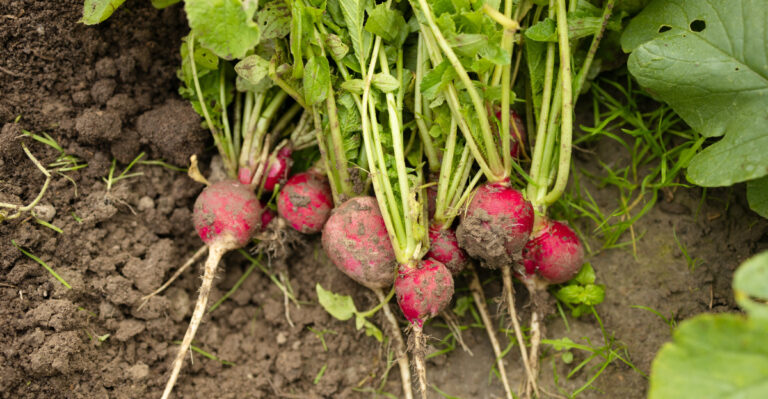
8 Important Garden Tasks North Carolina Gardeners Should Do In Early April
Early April in North Carolina feels like the true beginning of the gardening season, when everything starts shifting from dormant and quiet to vibrant and full of possibility.
Across the state, longer days and steadily warming temperatures signal that it’s finally time to step back outside and get your hands in the soil.
Plants that seemed lifeless just weeks ago are pushing out fresh growth, lawns are greening up, and garden beds are ready for attention.
Whether you’re growing in the cool mountain regions, the rolling piedmont, or the milder coastal plain, this window of early spring is packed with important opportunities.
The work you put in now lays the groundwork for months of healthy blooms, productive harvests, and fewer headaches as the season progresses.
By tackling essential tasks early and staying ahead of the rush, you’ll set yourself up for a thriving, beautiful garden that rewards you all year long.
1. Plant Warm Season Crops After Local Frost Risk Passes
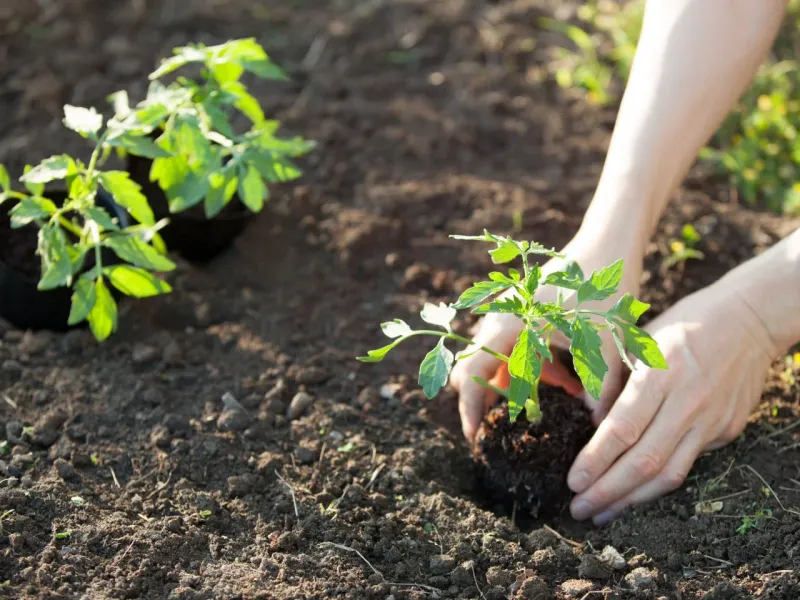
Timing is everything when it comes to warm season vegetables, and North Carolina gardeners know that better than most. The state stretches across three distinct regions, each with its own last frost date.
In the coastal plain, frost risk typically ends by late March or very early April. The piedmont usually sees its last frost around mid-April, while mountain gardeners often wait until early May before planting tender crops outside.
Tomatoes, peppers, squash, cucumbers, and sweet corn all need warm soil and frost-free nights to really take off. Planting too early can stress young transplants and slow their growth significantly.
Checking the NC State Extension frost date maps for your specific county gives you the most reliable guidance available.
Hardening off transplants before putting them in the ground makes a real difference in how well they settle in. Set seedlings outside in a sheltered spot for a few hours each day over one to two weeks, gradually increasing their outdoor time.
This process toughens the plants and reduces transplant shock noticeably. Soil temperature also matters here since warm season crops prefer soil above 60 degrees Fahrenheit for strong root development.
2. Continue Planting Cool Season Vegetables While Temperatures Remain Mild
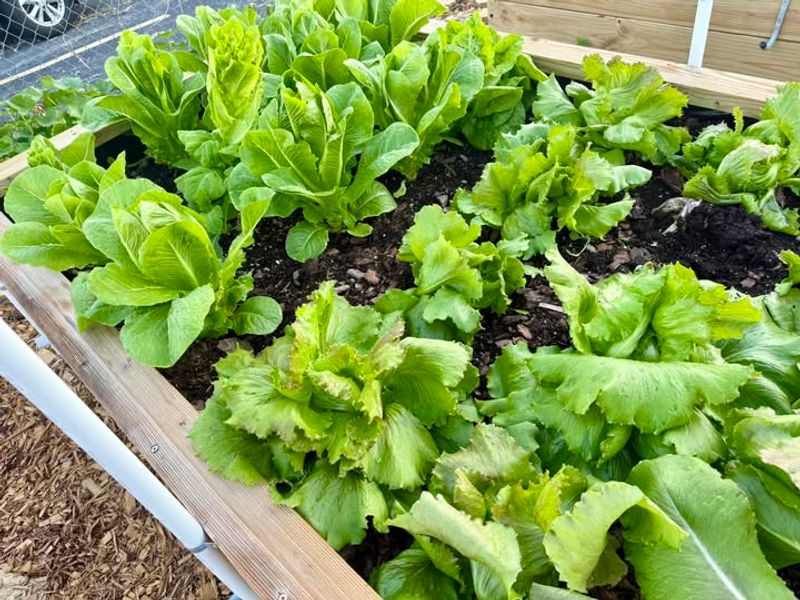
There is still plenty of growing time left for cool season crops in early April across most of North Carolina. Lettuce, spinach, kale, Swiss chard, beets, and English peas all perform beautifully when daytime temperatures stay in the 50s and 60s Fahrenheit.
These crops were built for exactly this kind of weather, and they reward gardeners with crisp, flavorful harvests that warm season plants simply cannot match.
Succession planting is a smart move right now. Sowing a small batch of lettuce or spinach every ten to fourteen days keeps a steady supply coming to your kitchen table.
Most cool season greens bolt, meaning they flower and turn bitter, once summer heat arrives, so making the most of this window pays off well.
Peas especially love the mild April conditions in the piedmont and coastal plain. Plant them along a trellis or fence and they will climb happily, producing sweet pods within about 60 to 70 days.
Your North Carolina Garden Changes Every Week. Your Plan Should Too.
Gardening in North Carolina changes quickly throughout the season. Every Friday you’ll receive a simple weekly plan showing exactly what to plant, prune, fertilize, harvest, and protect so you never miss the right timing.
Radishes and turnips are also worth tucking into any open gaps in your beds since they mature quickly.
Keeping beds consistently moist and adding a light layer of compost at planting time gives cool season crops the gentle boost they need to produce abundantly before the heat rolls in.
3. Mulch Garden Beds To Conserve Moisture And Suppress Weeds
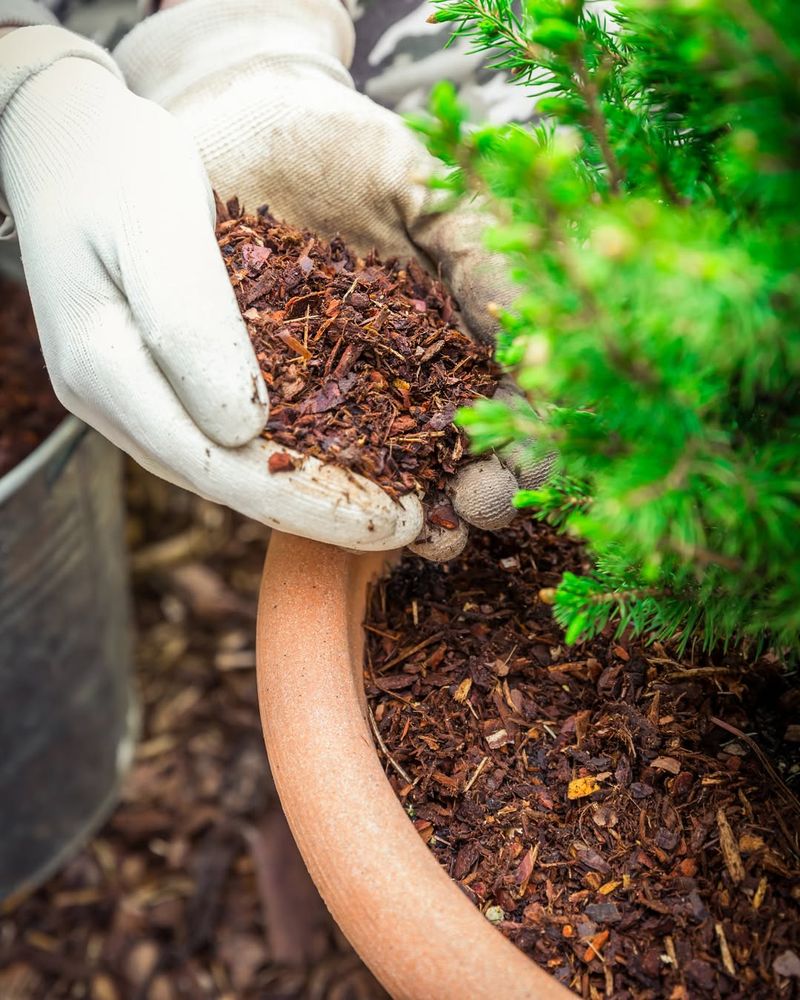
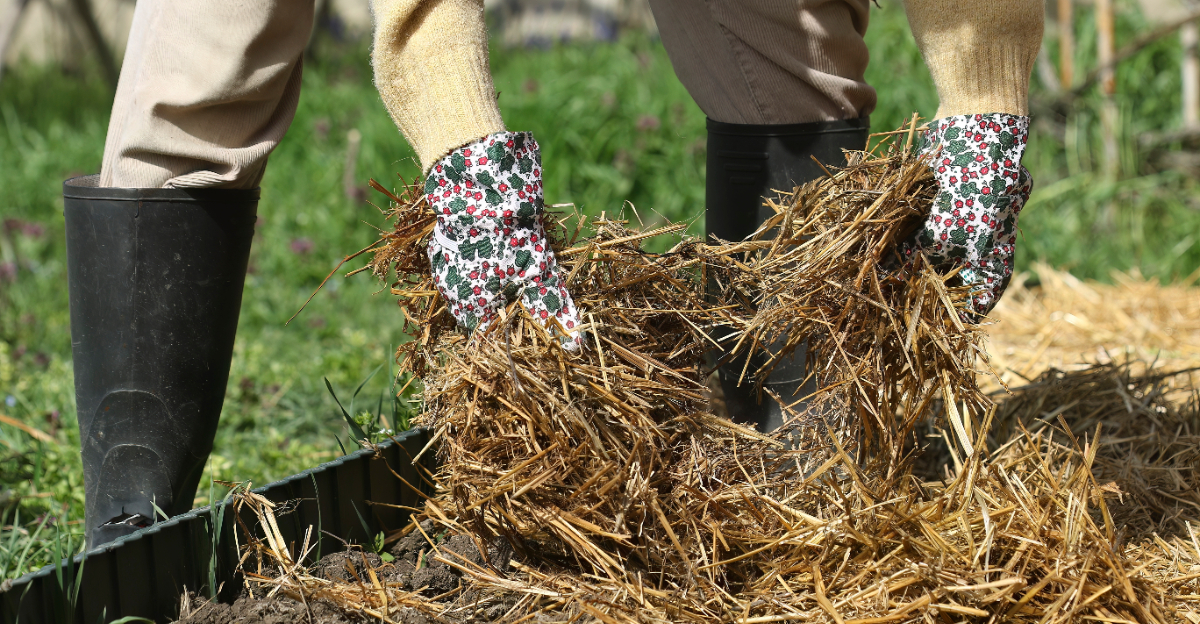
Few garden tasks deliver as much reward for the effort as laying down a fresh layer of mulch in early April. North Carolina springs can swing between rainy spells and surprisingly dry stretches, making moisture retention a real priority.
A two to three inch layer of mulch over your garden beds acts like a protective blanket, slowing evaporation from the soil surface and keeping plant roots comfortable during temperature swings.
Weed seeds are already waking up in the soil this time of year, eager to sprout and compete with your vegetables and flowers. Mulch blocks the light those seeds need to germinate, cutting your weeding workload dramatically over the coming weeks.
Organic options like shredded hardwood bark, pine straw, straw, or compost are all excellent choices that also break down gradually and feed the soil.
Pine straw is especially popular across North Carolina because it is widely available and works beautifully around acid-loving plants like blueberries and azaleas.
When applying mulch, keep it a few inches away from plant stems and tree trunks to prevent moisture buildup that can cause rot.
Vegetable beds do well with straw or shredded leaves since these materials decompose faster and blend nicely into the soil by season’s end. Mulching now is one of the simplest ways to work smarter, not harder, all summer long.
4. Fertilize Lawns And Actively Growing Plants Appropriately

Early April brings a noticeable surge of growth in lawns and garden plants across North Carolina, and that growth needs fuel to stay strong and healthy.
Before reaching for any fertilizer bag, though, getting a soil test through NC State Extension is the smartest first step a gardener can take.
Soil tests reveal exactly what nutrients your soil already has and what it lacks, preventing the common mistake of over-fertilizing, which can actually harm plants and pollute nearby waterways.
Warm season lawns like Bermuda and zoysia are just beginning to green up in April and benefit from a light application of nitrogen once they show consistent active growth.
Applying too early, before the grass fully wakes up, wastes fertilizer and can encourage weeds instead.
Cool season lawns like tall fescue, on the other hand, should generally not receive heavy nitrogen in spring since it can stress them heading into summer heat.
In garden beds, flowering shrubs, roses, and perennials that are actively pushing out new growth respond well to a balanced, slow-release fertilizer applied according to package directions.
Container plants need more frequent feeding since nutrients wash out with regular watering.
Fruit trees and berry bushes also appreciate a spring feeding timed just as new leaves emerge. Always water well after applying granular fertilizers to help nutrients move into the root zone effectively.
5. Watch For Early Season Pests And Plant Diseases
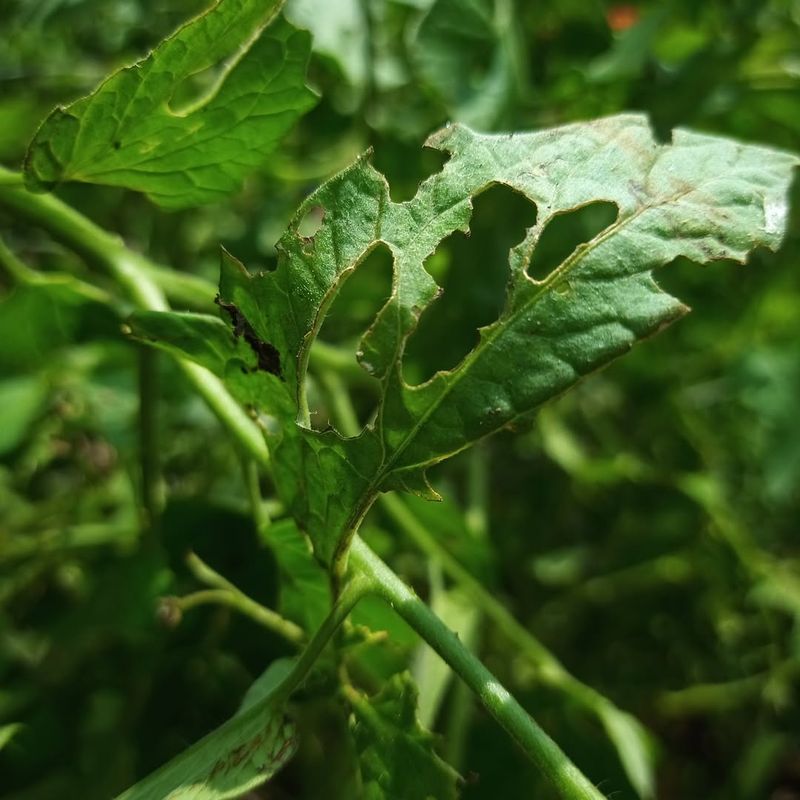
Warmer April temperatures do not just wake up your plants. They also signal insects and fungal pathogens to get active, making early scouting one of the most valuable habits a North Carolina gardener can build.
Catching problems in their early stages almost always leads to easier, less costly solutions than dealing with a full-blown infestation or outbreak later in the season.
Aphids are among the first pests to appear on tender new growth in spring, clustering on the undersides of leaves and on young shoots.
A strong spray of water knocks them off effectively, and beneficial insects like ladybugs and lacewings often arrive naturally to help manage populations.
Slugs also become active in moist April conditions, so checking under mulch and around seedlings in the evening can reveal their hiding spots.
Fungal diseases like powdery mildew and early blight begin to develop when warm days combine with cool, damp nights, a combination very common in North Carolina spring weather.
Improving air circulation by spacing plants properly and avoiding overhead watering in the evening reduces fungal pressure significantly.
Fire blight can affect apple and pear trees during bloom, so watch for wilting branch tips that look scorched. Keeping garden tools clean and removing any affected plant material promptly helps slow the spread of both insects and disease through the season.
6. Divide And Replant Overcrowded Perennials
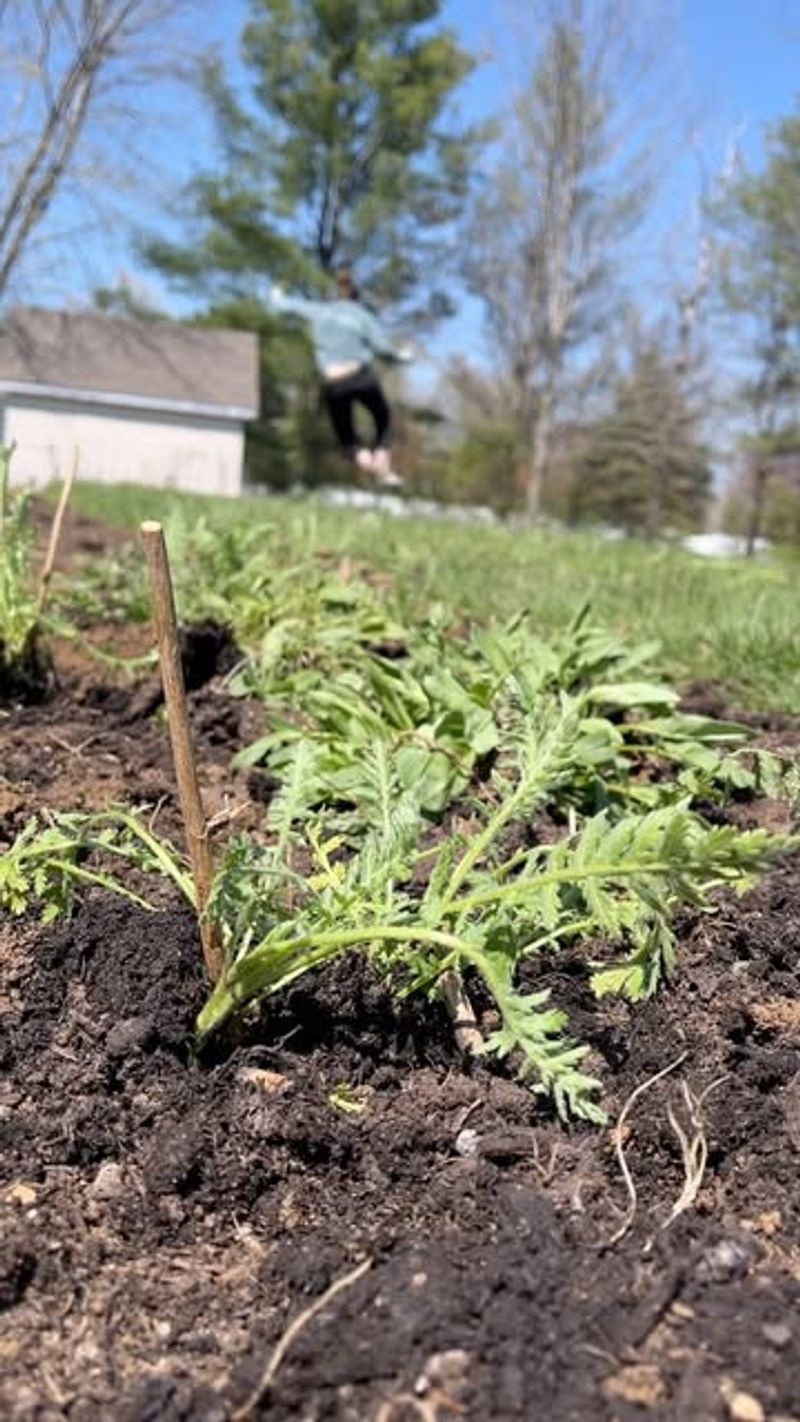
Perennials are the workhorses of the garden, returning year after year with minimal fuss. Over time, though, many of them spread into dense clumps that compete with themselves, producing fewer flowers and looking a bit ragged around the edges.
Early spring, just as new growth is emerging from the soil, is one of the best windows for dividing these plants and giving them fresh space to flourish.
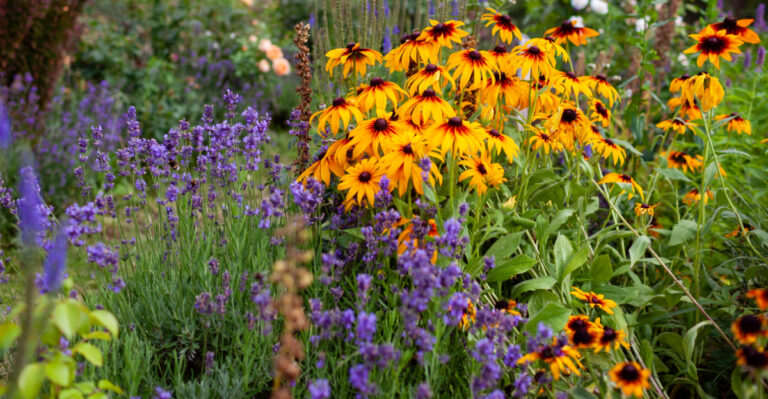
Popular North Carolina perennials that benefit from regular division include daylilies, hostas, black-eyed Susans, coneflowers, ornamental grasses, and liriope. A sharp spade or garden fork works well for lifting the entire clump out of the ground cleanly.
Once lifted, you can pull or cut the clump into smaller sections, making sure each division has healthy roots and several growing points attached before replanting.
Replant divisions at the same depth they were originally growing, water them in thoroughly, and add a layer of mulch to help them settle. Divisions can also be potted up and shared with neighbors or friends, which is one of the most enjoyable parts of this task.
Early April gives divided plants several weeks of mild weather to establish new roots before summer heat arrives, dramatically improving their survival rate.
Avoid dividing plants that are already in full bloom since the stress of division combined with flowering can set them back considerably.
7. Prune Spring Flowering Shrubs After Bloom
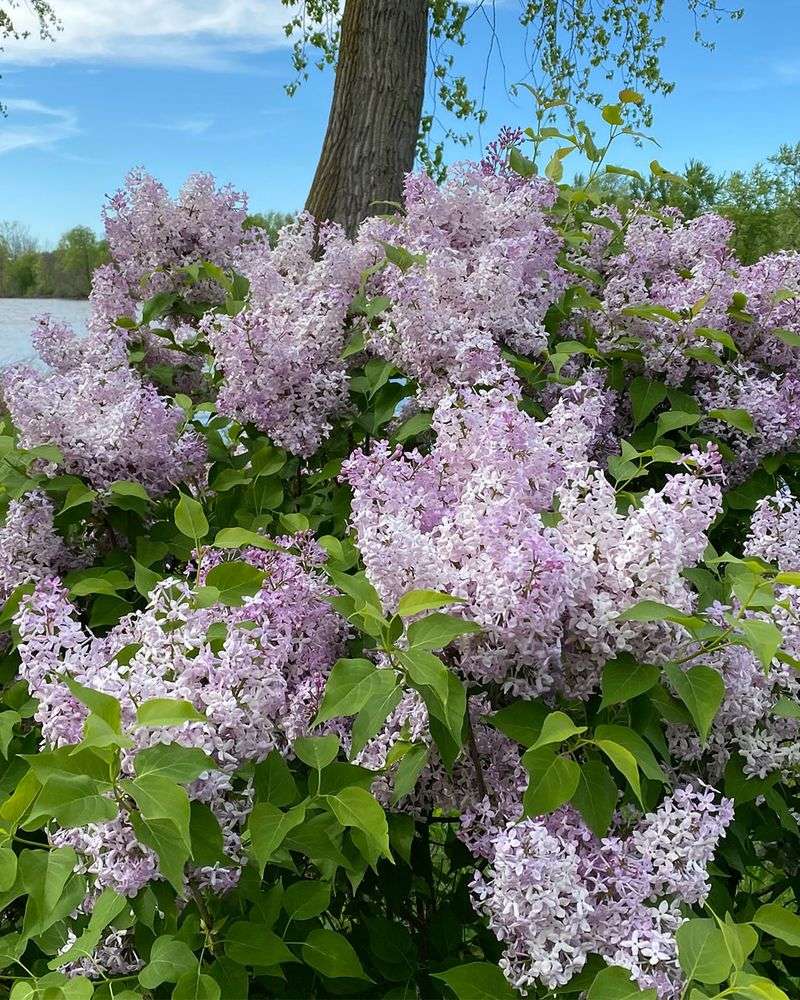
Spring-blooming shrubs are among the showiest plants in any North Carolina yard, but knowing when to prune them makes all the difference between a spectacular display next year and an underwhelming one.
Shrubs like forsythia, azalea, flowering quince, spirea, and lilac bloom on what horticulturists call old wood, meaning the flower buds formed on last year’s growth during the previous summer and fall.
Pruning these shrubs before or during bloom removes those carefully formed buds, which eliminates the very flowers you have been waiting for all winter. The correct approach is to wait until the flowers fade completely before picking up your pruners.
Right after bloom is the ideal window because the shrub has enough time to grow new branches through spring and summer, setting next year’s flower buds before autumn arrives.
When pruning, focus on removing any crossing, damaged, or very old woody stems first. Thinning out the center of the shrub improves air circulation and light penetration, which promotes healthier, more vigorous new growth.
For overgrown azaleas or forsythias, a more aggressive rejuvenation pruning can be done right after bloom by cutting back the oldest and thickest stems close to the ground. Always use clean, sharp tools to make smooth cuts that heal quickly.
Avoid shearing spring bloomers into tight geometric shapes since this reduces flowering and looks unnatural over time.
8. Prepare Irrigation And Watering Systems For Warmer Weather
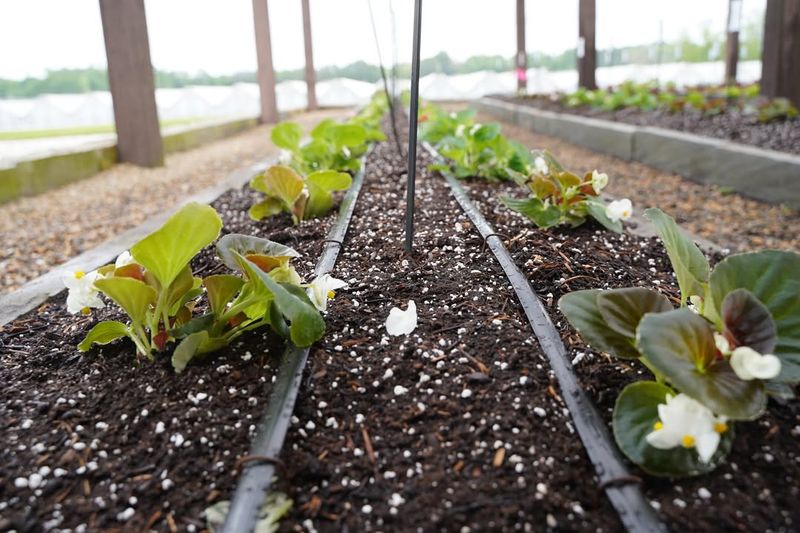
April in North Carolina might still bring plenty of rain, but the warm, dry stretches of late spring and summer are not far off.
Getting your irrigation and watering systems checked and ready now, before the real heat arrives, saves a lot of scrambling later in the season when plants are actively growing and thirsty.
A few hours of preparation in early April can prevent stressed plants and wasted water for months ahead.
Start by inspecting any drip irrigation lines or soaker hoses you have stored away over winter. Look for cracks, clogs, or disconnected fittings that need attention before the system goes back into service.
Drip irrigation delivers water directly to the root zone, reducing evaporation and keeping foliage dry, which also helps lower fungal disease pressure in the garden.
If you use an in-ground sprinkler system, turn it on and walk through each zone carefully, checking for broken heads, misaligned nozzles, or areas with poor coverage.
Adjusting sprinkler heads to avoid watering sidewalks and driveways saves water and money meaningfully.
Setting up a rain gauge in your garden is also a simple but surprisingly useful step since it helps you track how much natural rainfall your beds receive each week.
Most vegetables need about one inch of water per week, so understanding your rainfall patterns helps you irrigate only when truly necessary.