What March Snow Really Means For Daffodils Camellias And Fruit Trees In North Carolina
A sudden snowfall in March can feel unsettling when your North Carolina garden has already begun to stir back to life.
Early signs of spring are everywhere, with daffodils pushing through the soil, camellias opening in bright color, and fruit trees beginning their delicate bloom.
Seeing fresh growth dusted in snow naturally raises concerns about damage and lost progress. Many gardeners wonder if this late return of winter could undo weeks of seasonal change.
Understanding how late season snow truly affects emerging plants can ease that anxiety and help you respond with confidence instead of guesswork.
In many situations, snow acts as a temporary protective layer rather than a threat, and plants are often more resilient than they appear.
Learning what is actually happening beneath that brief blanket of white allows you to make thoughtful choices that support your garden’s health. The reality behind March snow is often far calmer and more reassuring than it first seems.
Camellia Blooms Can Be Damaged By Hard Freezes Not Light Snow
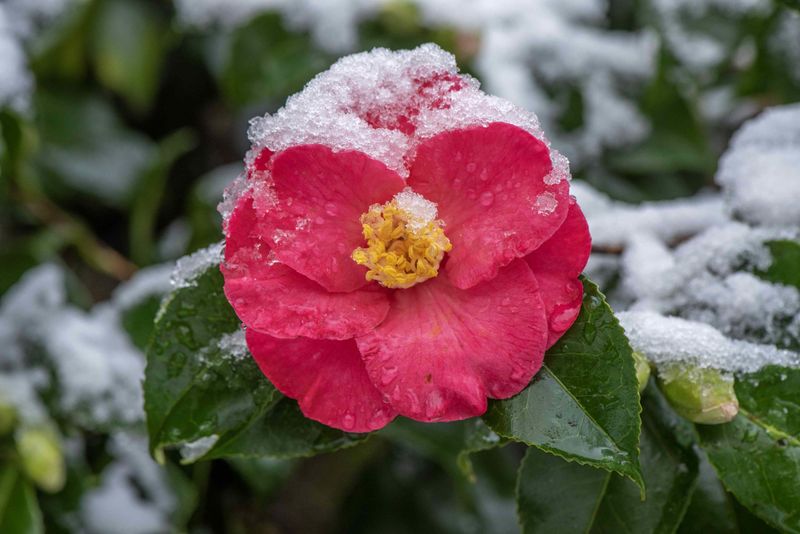
Camellias are one of the most stunning flowering shrubs in the Southeast, and they bloom during the coolest months of the year, which makes them seem tougher than many other flowering plants.
The shrub itself handles cold temperatures quite well, but the open flowers tell a different story when temperatures plunge hard and fast. Light snow falling on camellia blooms does not automatically cause damage.
The real trouble starts when air temperatures drop significantly below freezing, generally below 28 degrees Fahrenheit, especially for extended periods overnight.
At that point, the water inside open flower petals can freeze and rupture cell walls, causing blooms to turn brown and mushy once they thaw.
North Carolina gardeners in the Piedmont and coastal plain often enjoy camellia blooms through January, February, and into March with only minor cold damage.
The shrubs themselves are hardy and bounce back strongly even after a rough cold snap injures the flowers.
Snow alone, without that accompanying hard freeze, is usually not enough to cause visible damage to open camellia flowers.
Understanding this distinction helps gardeners respond with calm rather than panic when they see snowflakes settling on those gorgeous petals.
Protecting plants during a predicted hard freeze matters far more than worrying about every light snow event that passes through.
Snow Itself Rarely Damages Daffodils
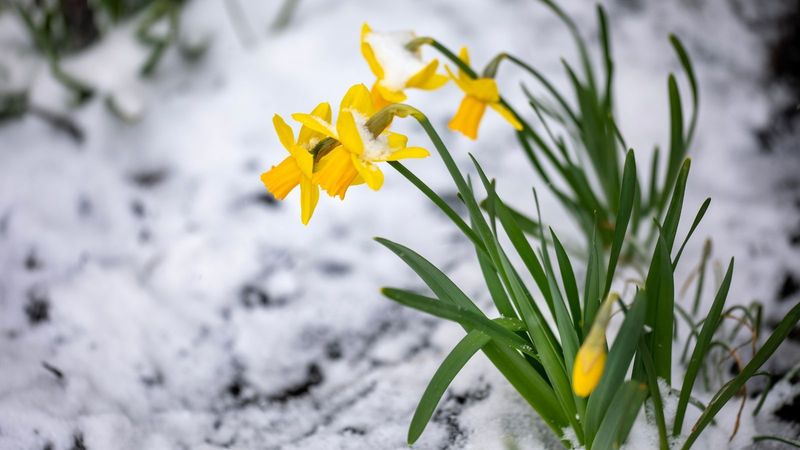
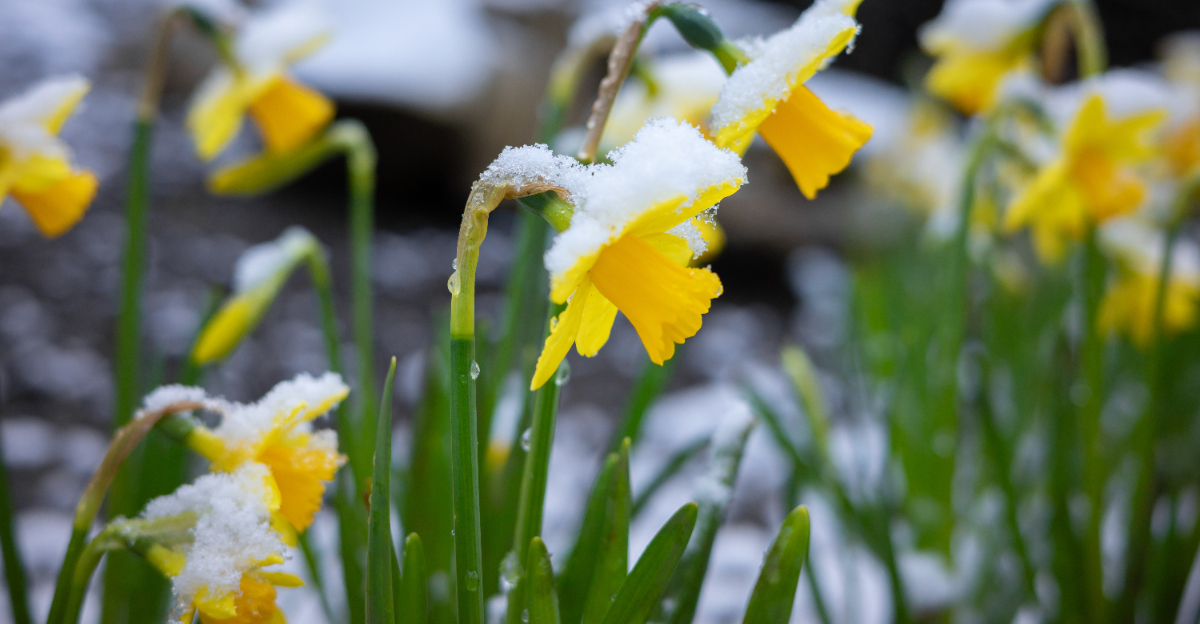
Believe it or not, a blanket of snow falling over your daffodils is not the disaster it looks like. Daffodils are cold-hardy bulbs that evolved to handle late-winter and early-spring temperature swings with impressive resilience.
The bulb itself sits safely underground, well-insulated from the surface chill, and that is where all the real energy and life of the plant lives. Snow actually works more like a cozy blanket than a threat.
When temperatures hover near freezing, a layer of snow traps ground warmth and keeps the soil from dropping too far below 32 degrees Fahrenheit.
Horticultural research consistently shows that the snow cover itself is rarely the culprit behind daffodil damage in regions like North Carolina.
Your North Carolina Garden Changes Every Week. Your Plan Should Too.
Gardening in North Carolina changes quickly throughout the season. Every Friday you’ll receive a simple weekly plan showing exactly what to plant, prune, fertilize, harvest, and protect so you never miss the right timing.
What actually matters is the air temperature beneath and around that snow. A hard freeze with temperatures dropping well below 28 degrees for several hours is far more concerning than fluffy snow sitting on top of leaves and stems.
North Carolina gardeners can generally relax when snow falls, because daffodils are among the most cold-tolerant spring bulbs available.
Their sturdy nature makes them a reliable and rewarding choice for gardens across the state, from the Piedmont to the foothills, season after season.
Open Daffodil Blooms May Bend But Often Recover
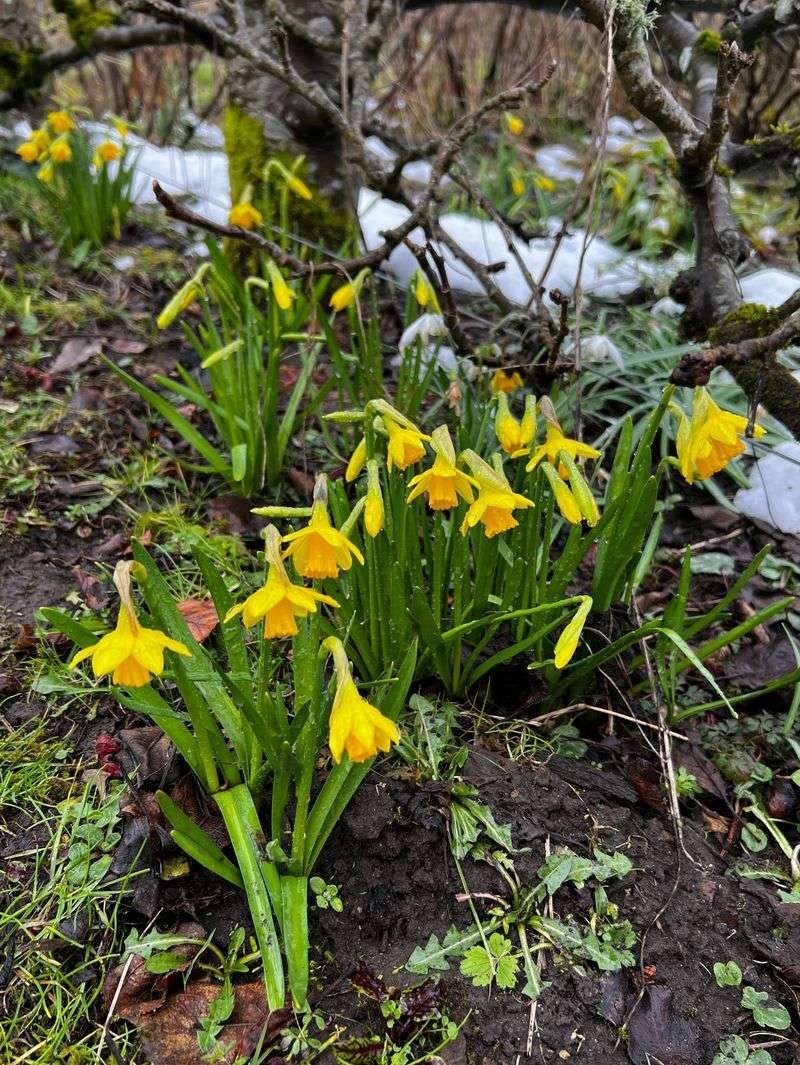
Picture this: you wake up, look out the window, and your cheerful daffodils are completely flattened under a thick layer of wet March snow.
It feels heartbreaking, but the story does not end there. Daffodil stems are surprisingly flexible, and many fully open blooms will straighten back up once the snow melts and temperatures climb above freezing again.
The weight of wet, heavy snow is the main reason blooms bend toward the ground. Unlike dry, powdery snow that sits lightly on petals, wet snow clings and adds real pressure to tender stems.
Even so, the cellular structure of daffodil stems allows them to rebound with remarkable speed once that weight lifts away. There are some exceptions worth knowing.
Blooms that were already aging or fully mature before the snow arrived may not recover as crisply as younger, fresher flowers.
Stems that snap rather than bend will not recover, but snapping is uncommon with healthy, well-watered plants.
If you want to help things along, gently brushing heavy snow off stems before it turns icy can prevent unnecessary bending.
North Carolina gardeners who act quickly during a snowfall often find their daffodil displays look nearly perfect once the sun returns. Patience and a light touch go a long way here.
Camellia Bud Stage Determines Frost Risk
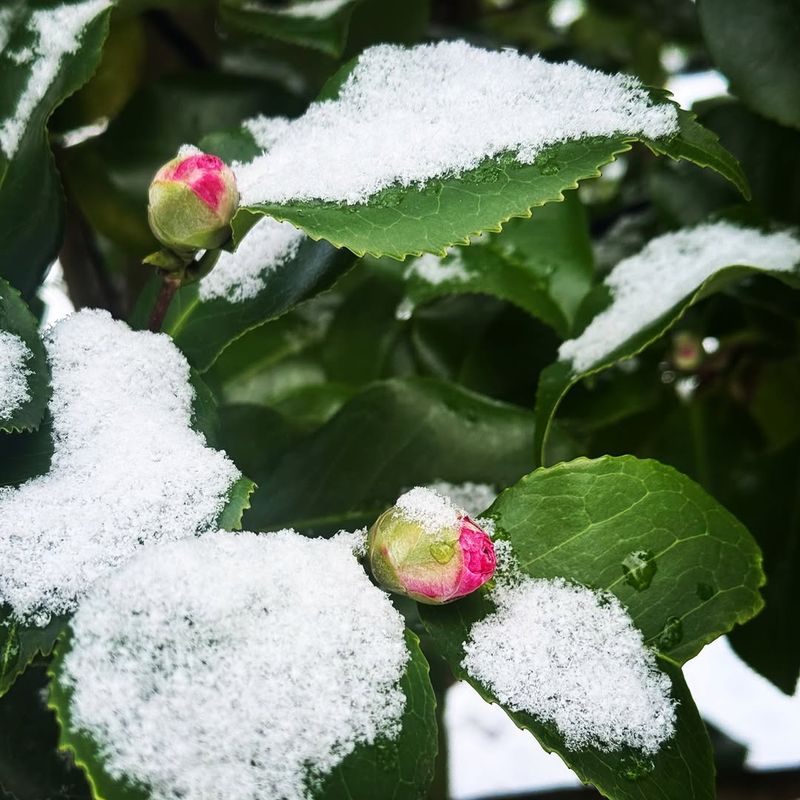
Not all parts of a camellia plant face the same level of cold risk at the same time.
The stage of development that each bud or flower has reached when cold weather arrives makes an enormous difference in how much damage actually occurs.
Tight, closed buds handle freezing temperatures with far greater ease than flowers that have already opened wide.
When a camellia bud is still compact and sealed, the delicate inner tissues stay protected by layers of tightly wrapped petals and bud scales. That natural packaging provides meaningful insulation against brief cold snaps.
Fully open flowers, on the other hand, expose their fragile petals and reproductive structures directly to frigid air, making them vulnerable at temperatures that a closed bud would survive without trouble.
This is why you might notice that some blooms on the same shrub look perfect while others turn brown after a cold night.
The ones that opened first took the hit, while the later buds stayed protected and continue developing normally.
North Carolina gardeners can use this knowledge to their advantage by timing protective measures for nights when temperatures threaten and blooms are at their most open and vulnerable stage.
Covering shrubs with frost cloth during those specific nights can preserve a much larger portion of the flowering display, making the effort absolutely worth it for camellia enthusiasts who wait all season for that spectacular show.
Fruit Tree Blossoms Are Most Vulnerable During Full Bloom
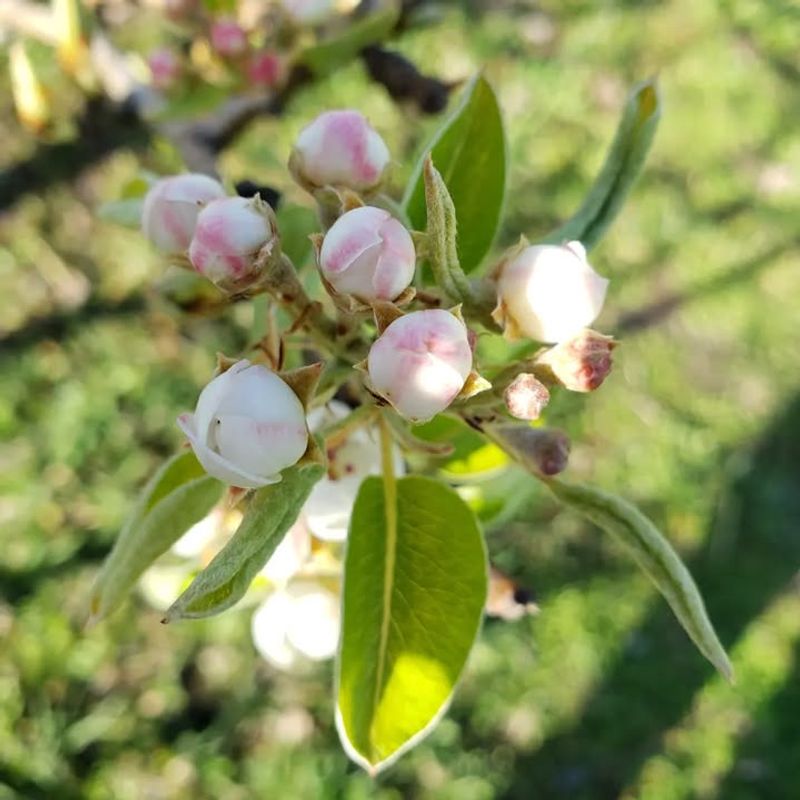
Spring in a North Carolina orchard can feel magical when fruit trees burst into bloom, but that same beauty comes with a real vulnerability that growers have respected for generations.
The moment a peach, apple, or plum tree reaches full bloom, its blossoms become highly sensitive to freezing temperatures, and a single hard freeze at the wrong moment can dramatically reduce the season’s fruit set.
During full bloom, the fertilized ovary inside each flower is especially fragile. Research from NC State University Extension confirms that peach blossoms at full bloom can sustain significant damage when temperatures fall to 28 degrees Fahrenheit for 30 minutes or more.
Apple blossoms follow a similar pattern, with full-bloom flowers being more vulnerable than tight pink-bud stage flowers.
The timing of bloom varies across North Carolina depending on location, variety, and the warmth of the preceding weeks.
Early-blooming peach varieties in the Piedmont are particularly exposed to late-season freezes because they open before the risk of cold weather has fully passed.
Growers and home orchardists often monitor forecasts closely during bloom season for exactly this reason.
Smudge pots, overhead irrigation, and frost cloth are traditional tools used to protect blossoms during critical nights.
Understanding that full bloom represents the highest-risk window helps growers focus their protective efforts at exactly the right moment to preserve as much fruit potential as possible.
A Light Frost May Not Destroy All Fruit Potential
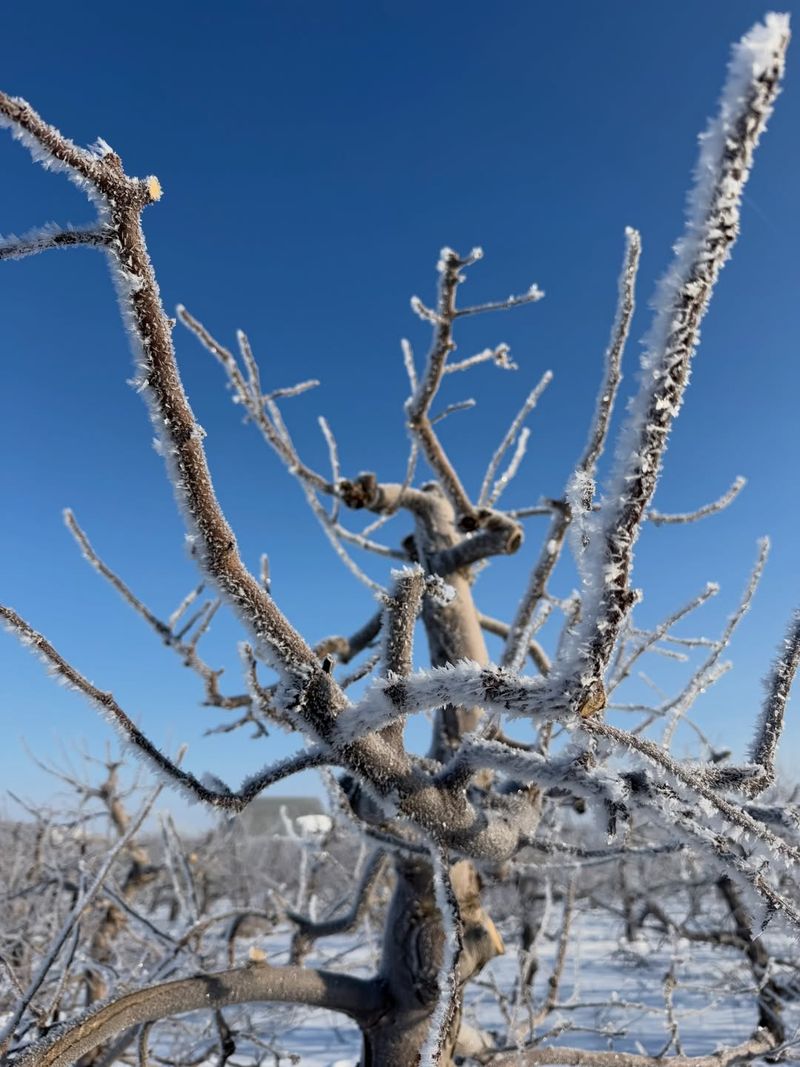
Here is some genuinely good news for fruit growers who watch every spring forecast with nervous anticipation.
A light frost event during bloom does not automatically wipe out your entire crop for the season.
The outcome depends on several important factors, including how low temperatures actually dropped, how long they stayed there, and what percentage of blossoms were open at the time.
Fruit trees typically produce more blossoms than they need to set a full crop. This built-in redundancy means that losing a portion of blossoms to a light frost still leaves plenty of surviving flowers to pollinate and develop into fruit.
Agricultural extension guidance consistently notes that partial bloom damage can result in a reduced but still worthwhile harvest, especially when the frost was brief and temperatures stayed above 26 degrees Fahrenheit.
The key is resisting the urge to assume the worst after a frosty morning. Wait a few days and inspect the blossoms closely. Damaged flowers will show browning at the center of the bloom where the pistil sits, while healthy flowers remain cream-colored and firm inside.
If a good portion of your blossoms still show healthy centers, your crop potential remains solid.
North Carolina fruit growers, both backyard hobbyists and commercial producers, have learned over the years that patience and careful observation after a frost often reveal far better results than the initial cold morning suggested.
Snow Can Insulate Flower Buds If Temperatures Stay Near Freezing
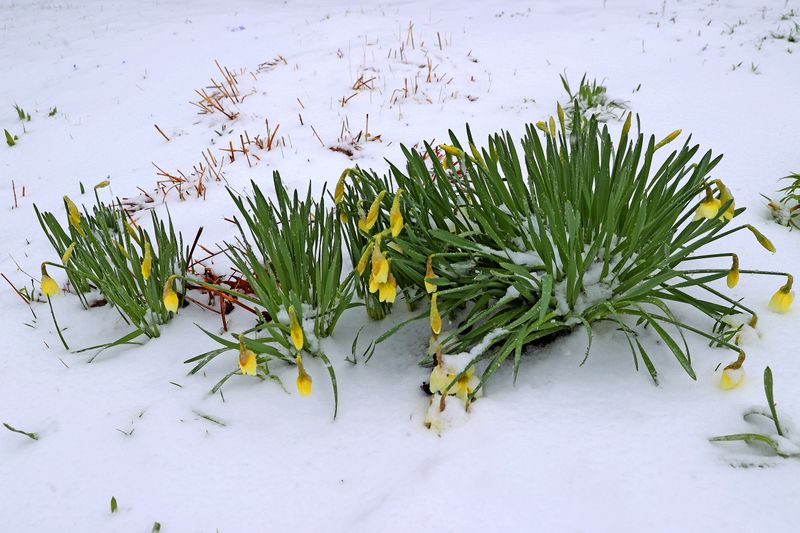
Snow has a fascinating physical property that most gardeners never think about until a late-season storm rolls through.
Freshly fallen snow is actually a decent insulator because it traps air within its crystalline structure, slowing the transfer of cold from the atmosphere down to whatever sits beneath it.
When temperatures hover right around 32 degrees Fahrenheit, this insulating effect can genuinely protect flower buds from dropping into more damaging temperature ranges.
The science behind this is straightforward. Snow cover on branches and buds creates a microclimate that buffers against the sharpest temperature swings.
Buds buried under or surrounded by snow may stay a few degrees warmer than exposed buds during a night when air temperatures dip just below freezing.
That small difference can mean the gap between minor damage and no damage at all.
The important caveat here is that this insulating benefit disappears quickly when temperatures fall hard and stay low for many hours.
Snow cannot protect buds during a serious hard freeze when air temperatures drop into the low 20s or teens. At that point, the cold overwhelms any insulating capacity the snow provides.
North Carolina gardeners should understand this nuance clearly: snow during a borderline cold event near 32 degrees is relatively harmless and may even help, but snow combined with a genuine hard freeze is an entirely different situation requiring more active protective measures for vulnerable plants.
Mountain Regions Face Higher Risk Than Coastal Areas
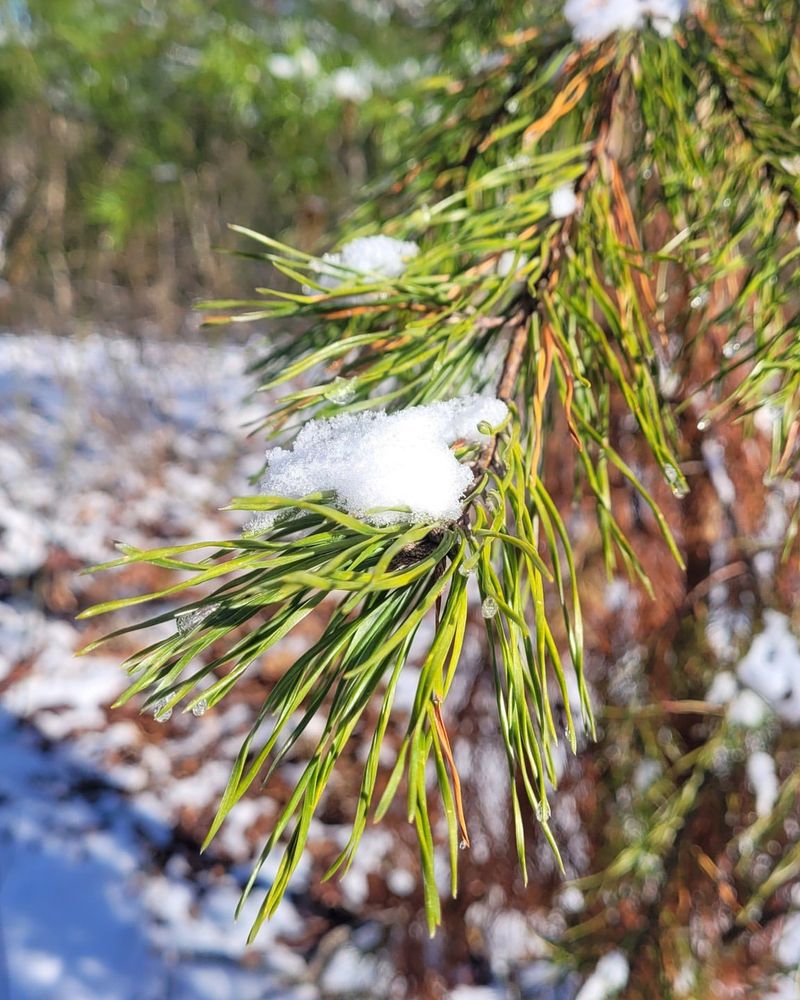
Geography plays a huge role in how much risk March snow and cold temperatures actually pose to flowering plants across North Carolina.
The state covers an impressive range of elevations and climate zones, from the barrier islands along the Atlantic coast to the peaks of the Blue Ridge Mountains in the west, and those differences translate directly into plant survival outcomes during late-season cold events.
Western North Carolina mountain communities like Asheville, Boone, and Hendersonville sit at elevations that produce consistently colder nighttime temperatures than the Piedmont or the coastal plain.
Frost dates in the mountains run several weeks later than those closer to the coast, meaning that fruit trees and flowering shrubs in mountain gardens face a longer window of cold risk after they begin blooming in spring.
A March storm that brings only a light dusting to Raleigh might dump several inches and accompany much harder freezes at higher elevations.
Coastal areas benefit from the moderating influence of the Atlantic Ocean, which keeps temperatures more stable and reduces the frequency of hard freeze events during late winter and early spring.
Gardeners in coastal counties like New Hanover, Brunswick, and Dare often grow camellia varieties and early-blooming fruit trees with far less cold-related anxiety than their mountain counterparts.
Knowing your local climate zone is one of the most practical tools any North Carolina gardener can use when planning a spring garden.
Duration Of Cold Matters More Than A Brief Snow Event
One cold night is very different from three cold nights in a row, and that distinction matters enormously when it comes to plant survival during March in North Carolina.
Gardeners sometimes focus heavily on whether snow fell, but the duration of freezing temperatures is actually a much stronger predictor of plant damage than the presence of snow itself.
Plant cells can tolerate brief exposure to cold temperatures better than prolonged exposure because they have limited natural mechanisms for managing cellular ice formation.
A quick dip below 28 degrees for an hour before sunrise is far less damaging than temperatures staying at 24 degrees for six or eight consecutive hours through the night.
Extended cold depletes the natural cold-tolerance reserves of plant tissues, especially in actively growing flowers and buds that have already broken dormancy.
Fruit growers in North Carolina use this understanding when interpreting freeze warnings. A forecast showing temperatures of 28 degrees for just 30 minutes carries a very different risk level than one showing 26 degrees sustained for four hours.
Horticulturists at NC State Extension recommend tracking both the low temperature and the number of hours at or below the critical threshold when assessing potential crop damage.
For camellia growers and daffodil enthusiasts, the same principle applies. A fast-moving cold front that clears by morning is far less threatening than a slow, stubborn cold air mass that lingers over the region for multiple days.
Healthy Established Plants Recover Better From Cold Stress
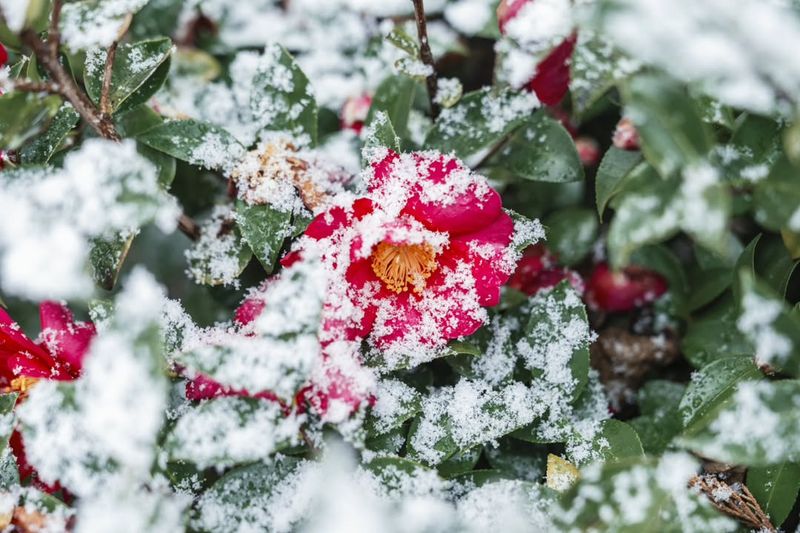
There is a reason experienced gardeners talk so much about building strong, healthy plants before problems arrive.
When a cold event rolls through in March, the plants that bounce back fastest and most completely are almost always the ones that were well-established and thriving before the cold hit.
Root strength, nutritional health, and proper hydration all play significant roles in how a plant weathers cold stress.
Established plants have deeper, more extensive root systems that access soil moisture and nutrients more efficiently than newly planted specimens.
Those resources fuel the repair and regrowth processes that kick in after cold damage occurs.
A camellia shrub that has been growing in the same spot for five or six years has a far greater recovery capacity than one planted last fall that is still developing its root structure.
Proper garden care throughout the year directly supports cold resilience. Plants that receive appropriate fertilization, consistent watering during dry spells, and correct pruning timing enter winter and early spring in a stronger physiological state.
Avoiding heavy nitrogen fertilization in late summer and fall is particularly important because it prevents a flush of tender new growth that would be highly vulnerable to cold.
North Carolina gardeners who invest in consistent, thoughtful plant care throughout the growing season are essentially building their garden’s cold-weather insurance policy one good habit at a time, and that investment pays off every single spring.