What To Do If Your Hydrangeas Leaf Out Early And Snow Is Forecast In North Carolina
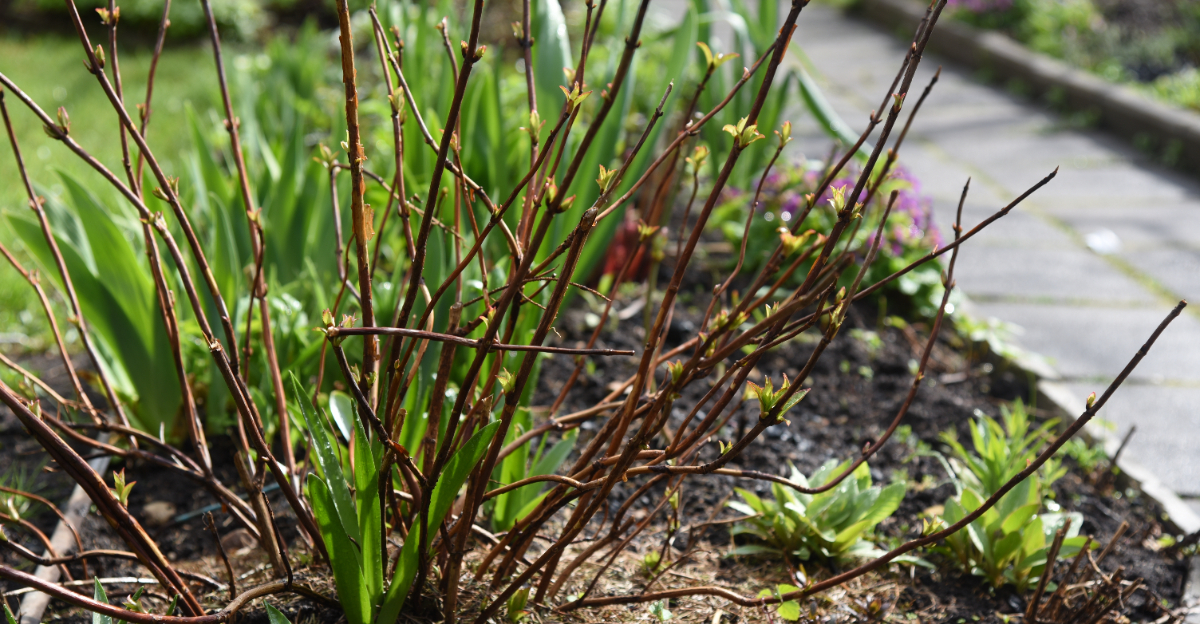
Spring weather in North Carolina has a way of keeping gardeners on their toes, especially when hydrangeas begin unfurling fresh green leaves earlier than expected.
A stretch of warm days in February or March can easily convince plants that winter has passed, encouraging tender growth that feels full of promise.
Then, just as quickly, a sudden snowstorm or cold snap can arrive and leave you wondering whether that early progress is now at risk.
Watching those delicate leaves face freezing temperatures can spark real concern, particularly if you have been looking forward to a beautiful season of blooms.
Knowing how to respond in that critical moment can make a meaningful difference in how your hydrangeas recover and perform in the months ahead. With the right approach, you can reduce stress on the plant and avoid unnecessary damage.
These practical tips will help you safeguard your hydrangeas and stay confident, even when spring weather refuses to follow a predictable pattern.
Do Not Panic, Early Leaf Out Is Common In Mild Winters
Your hydrangeas are not doing anything wrong. Early leaf out is actually a well-known response to warm winter spells, and North Carolina gardeners see it happen more often than you might think.
A stretch of mild temperatures in late January or February can easily trick a hydrangea into waking up ahead of schedule.
Horticultural experts confirm that many deciduous shrubs, including hydrangeas, respond to accumulated warmth rather than the calendar. This means a warm week or two is enough to trigger new growth, even if winter is not truly finished.
The plant is simply following its natural programming. The good news is that established hydrangeas are more resilient than their delicate-looking leaves suggest. Even if a late freeze does cause some leaf damage, the plant itself usually stays healthy below the soil.
Most mature hydrangeas in North Carolina recover well from a single frost event without needing major intervention.
Rather than worrying, use the time to prepare. Check your supply of frost cloth, assess your mulch situation, and keep an eye on the forecast.
Being ready ahead of time puts you in a much better position than scrambling the night before a freeze. Stay calm, stay informed, and trust that your plants have more strength than you might expect.
Check The Forecast For Actual Freezing Temperatures, Not Just Snow
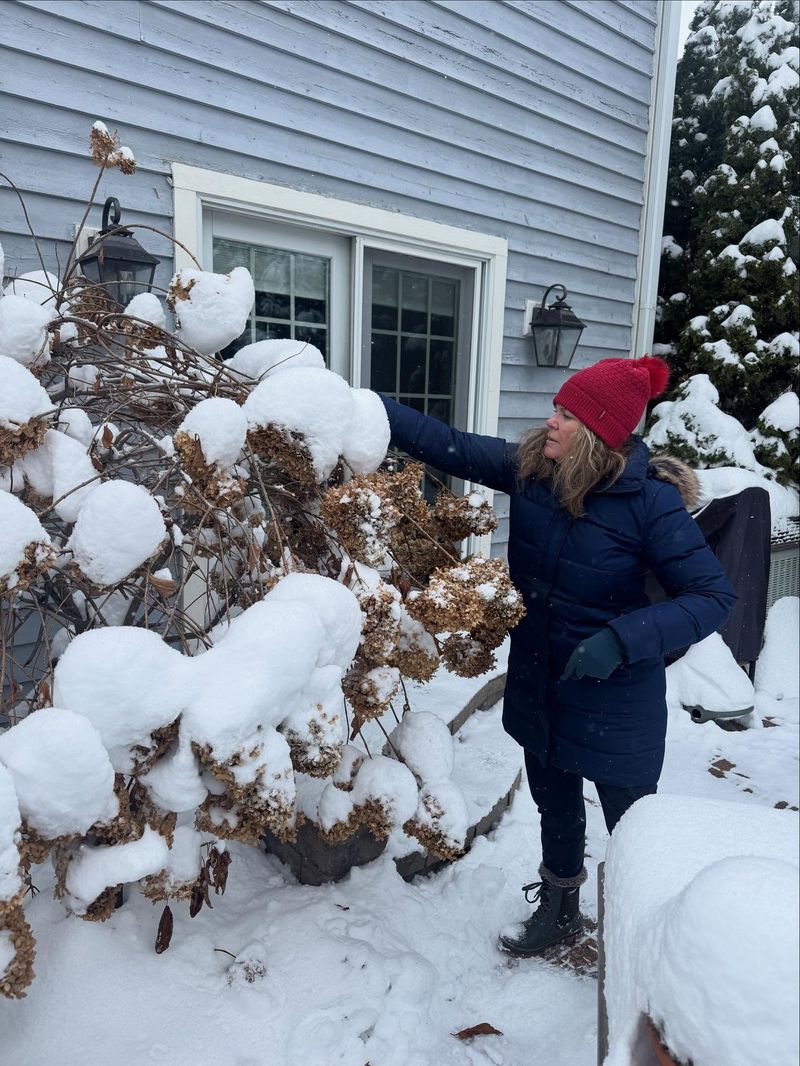
Snow looks alarming, but it is actually the temperature that determines whether your hydrangeas will suffer. A wet snowfall at 33 degrees Fahrenheit is far less damaging than a clear, calm night that drops to 25 degrees.
Understanding this difference helps you make smarter decisions about when and how to protect your plants.
Plant scientists explain that tissue damage in hydrangeas typically begins when temperatures fall below 32 degrees Fahrenheit for a sustained period.
Light, brief freezes often cause only surface damage, while prolonged sub-freezing temperatures penetrate deeper into tender stems and fresh leaf tissue.
Snow itself can actually insulate plants somewhat, acting like a fluffy blanket over branches and soil.
Your North Carolina Garden Changes Every Week. Your Plan Should Too.
Gardening in North Carolina changes quickly throughout the season. Every Friday you’ll receive a simple weekly plan showing exactly what to plant, prune, fertilize, harvest, and protect so you never miss the right timing.
Use a reliable weather source to check the actual low temperature forecast, not just whether snow is in the picture. The National Weather Service provides hourly forecasts that let you see exactly when temperatures will dip and how long they will stay cold.
That level of detail is incredibly helpful for timing your protective actions.
Pay special attention to overnight lows, since that is when the most damage typically happens. If the forecast shows temperatures staying above 32 degrees, your hydrangeas may come through just fine without extra help.
When you see readings below 28 degrees predicted for more than a couple of hours, that is your signal to take action.
Cover Plants With Frost Cloth Or Breathable Fabric
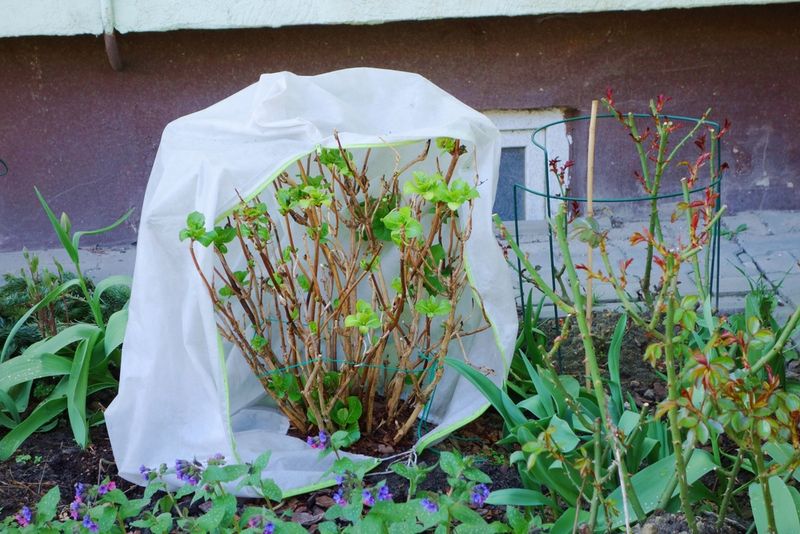
Frost cloth is one of the most effective and affordable tools a gardener can keep on hand. Lightweight and breathable, it works by trapping the heat that radiates from the soil and the plant itself overnight, creating a slightly warmer microclimate right around your hydrangea.
That small temperature boost can make a surprisingly big difference. Garden centers and online retailers carry frost cloth in various thicknesses, often labeled by the degrees of protection they provide.
A standard row cover fabric rated for about four degrees of protection is usually enough for a brief North Carolina cold snap.
Drape it loosely over the entire plant and anchor the edges with rocks, stakes, or garden pins to keep it from blowing away in the wind.
Make sure the fabric reaches all the way to the ground on every side. Heat escapes from the bottom if the cover is not sealed against the soil, reducing its effectiveness significantly.
A full drape that touches the ground all around the plant creates the best insulating effect.
Always remove frost cloth during daylight hours if temperatures rise above freezing. Leaving it on during warm, sunny days can cause heat buildup that stresses the plant in a completely different way.
Breathable fabric allows some air and light through, but direct sun through the cloth on a warm day can still overheat tender new growth.
Protect The Root Zone With Mulch For Added Insulation
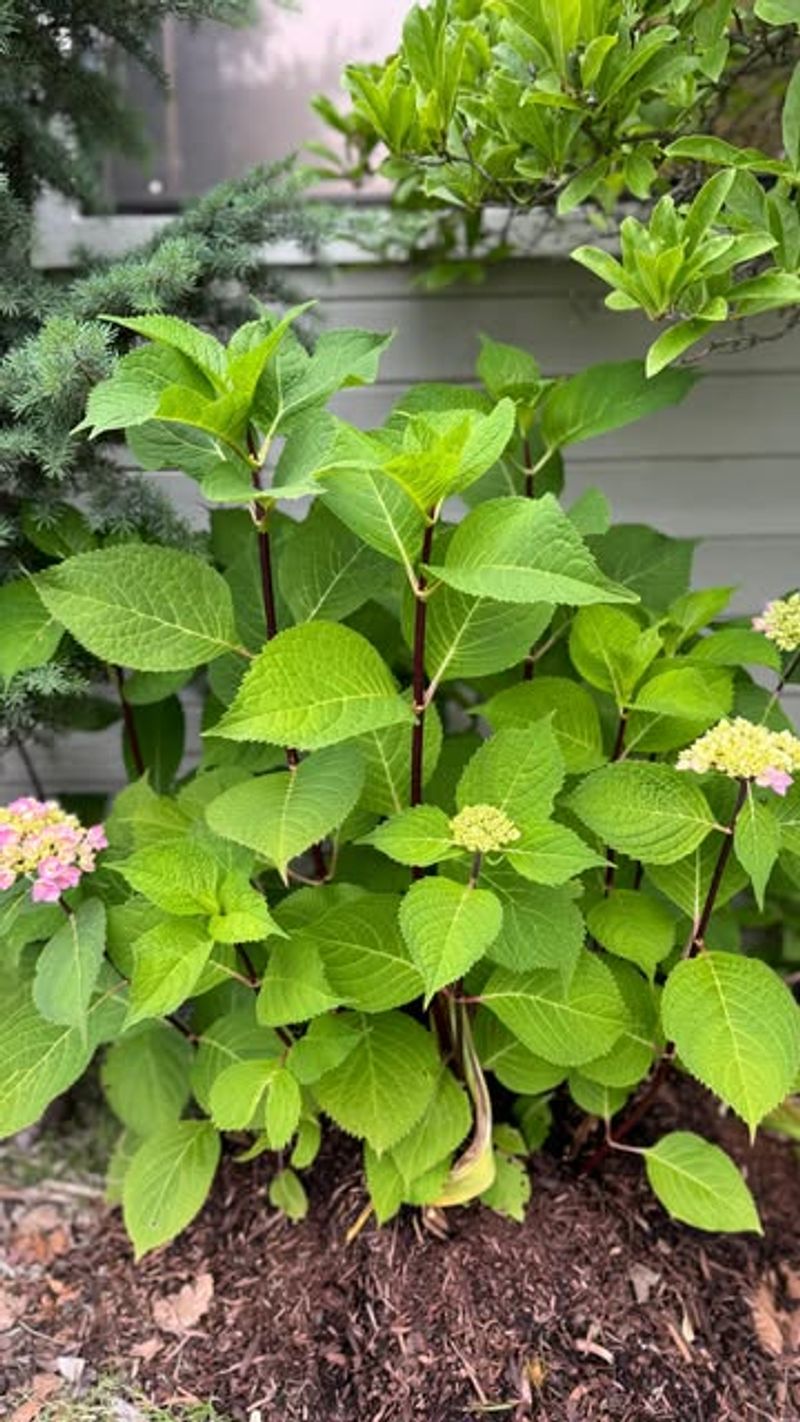
The roots of your hydrangea are its lifeline, and keeping them insulated during a cold snap is one of the most practical steps you can take.
Mulch acts as a natural buffer, slowing down the rate at which cold air penetrates the soil and keeping root zone temperatures more stable. Even a modest layer can make a measurable difference during a hard freeze.
University extension programs across the Southeast consistently recommend applying two to four inches of organic mulch around the base of shrubs heading into winter.
Pine straw, shredded bark, and wood chips are all excellent choices that are widely available in North Carolina.
Spread the mulch in a wide ring around the plant, keeping it a few inches away from the main stem to prevent moisture-related issues at the crown.
If you already have mulch in place but the layer has thinned over the season, now is a great time to top it off. A fresh addition before the freeze arrives gives your roots the best possible protection without requiring much time or effort.
It also helps retain soil moisture, which has its own benefits during cold weather.
Mulch works around the clock without any effort from you, which makes it one of the most reliable garden investments you can make. Once it is down, it keeps doing its job through multiple cold events, not just one. That long-term value is hard to beat.
Avoid Using Plastic Directly On Leaves During Freezing Weather
Plastic sheeting might seem like a quick and easy solution when a freeze is coming, but placing it directly against your hydrangea leaves can actually make things worse. Unlike breathable frost cloth, plastic traps moisture against the leaf surface.
When temperatures drop, that trapped moisture freezes and causes more cellular damage than the cold air alone would have.
Horticultural research supports the idea that contact between plastic and plant tissue during a freeze increases the risk of injury.
The plastic also conducts cold temperatures directly to whatever it is touching, rather than creating an insulating air gap the way fabric does. That direct contact is the key problem, not the plastic itself.
If plastic is truly your only option, use stakes or a simple frame to hold it up and away from the leaves. Creating even a small air space between the plastic and the plant dramatically reduces the risk of freeze damage caused by direct contact.
Think of it like building a tiny tent rather than wrapping the plant in a bag.
Remove plastic covers as soon as temperatures warm up the next morning. Sunlight heats plastic very quickly, and the temperature inside a plastic-covered plant can rise fast enough to stress or scorch tender new growth.
Breathable frost cloth is always the safer and more forgiving choice, and it is worth picking some up before the next cold event arrives.
Water The Soil Before A Freeze If It Is Dry
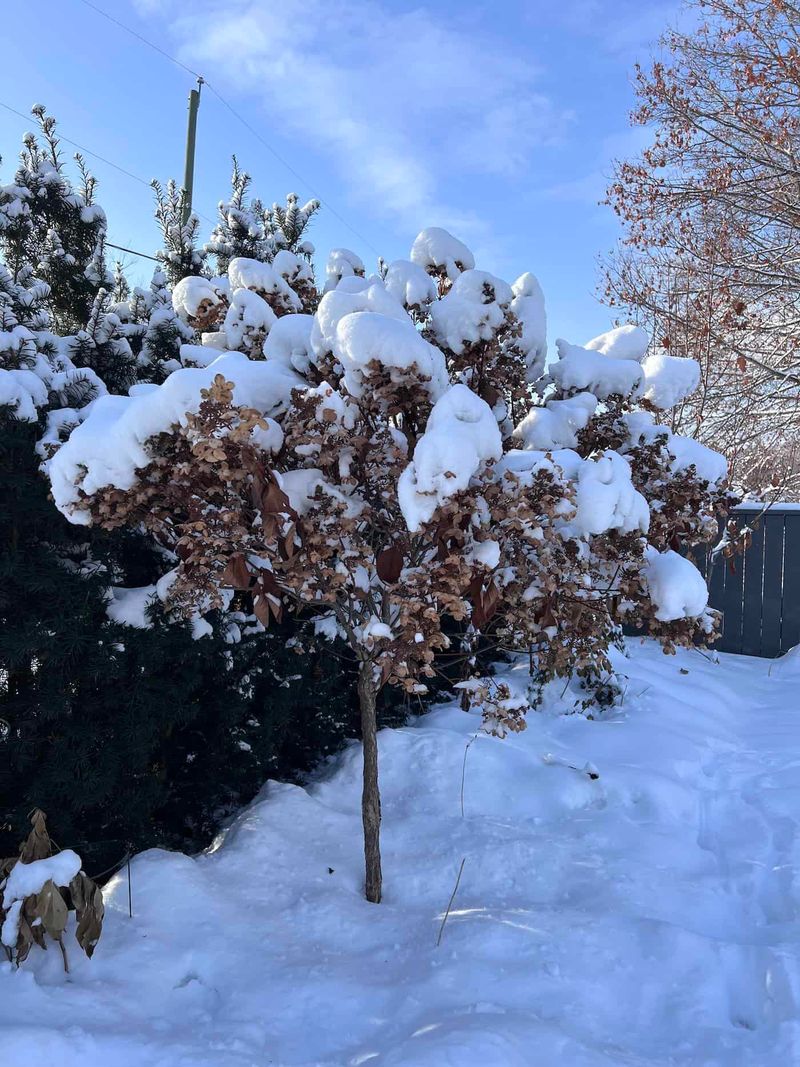
Here is a tip that surprises many gardeners: watering your plants before a freeze can actually help protect them.
Moist soil holds heat far more effectively than dry soil does, releasing warmth slowly through the night and keeping root zone temperatures slightly higher.
Dry soil loses heat quickly and offers much less protection when temperatures plunge. Soil science backs this up clearly. Water has a high heat capacity, meaning it absorbs and stores thermal energy efficiently.
When you water thoroughly before a cold night, you are essentially giving the soil a heat reservoir that works in your plant’s favor while temperatures drop. That stored warmth can make a real difference during a borderline freeze.
Check the soil moisture around your hydrangeas a day or two before the freeze is expected. If the top few inches feel dry and crumbly, give the area a deep, slow soak.
Avoid watering so heavily that you create puddles or waterlogged soil, since excess moisture near the crown of the plant can cause other issues. A thorough but balanced watering is the goal.
Try to water during the afternoon so the soil has time to absorb the moisture before nightfall. Watering too close to freezing temperatures can leave surface water that ices over, which is not ideal.
Afternoon watering gives everything time to settle and start doing its protective work before the coldest hours arrive.
Do Not Prune Immediately After Cold Damage
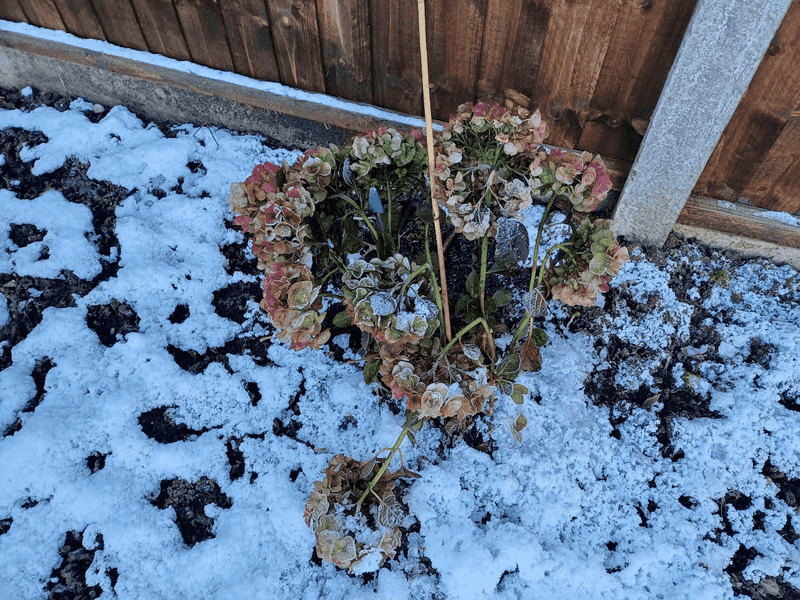
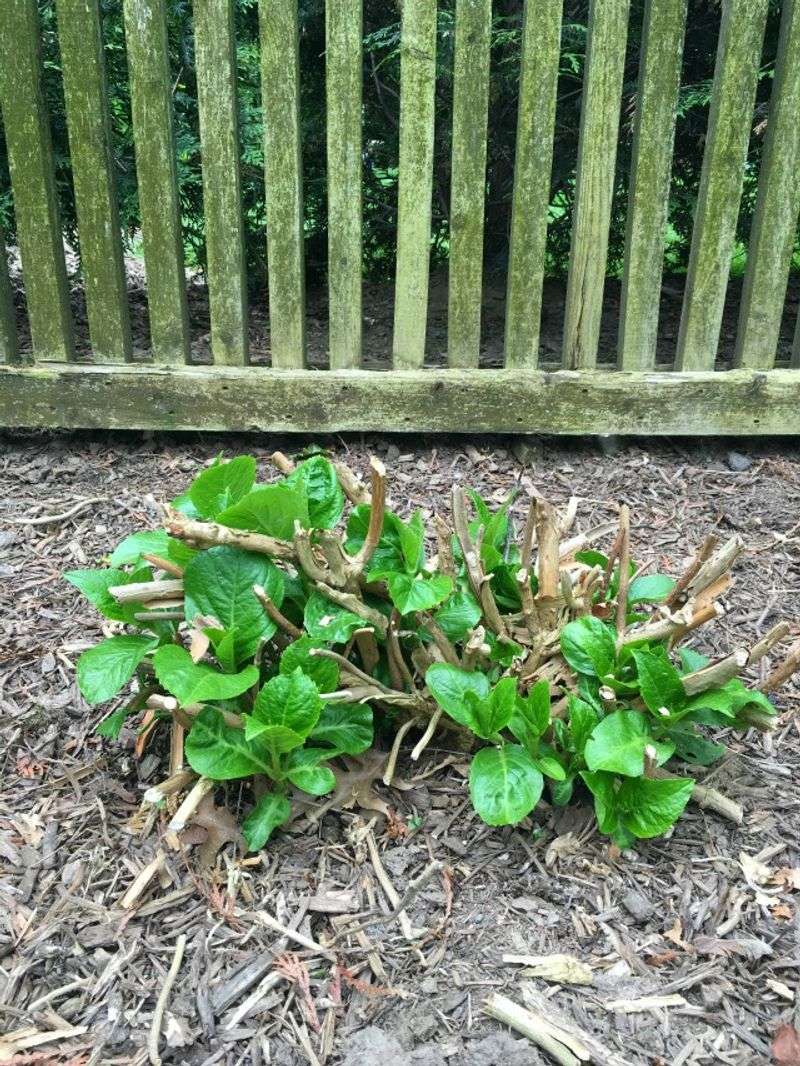
Seeing brown, wilted leaves after a freeze is genuinely upsetting, and the urge to grab your pruners and tidy things up is completely understandable. Resist that urge.
Pruning too soon after cold damage can remove stems that still have viable buds beneath the surface, cutting away growth that would have recovered on its own given a little more time.
Horticulture specialists advise waiting until you can clearly see where new growth is emerging before making any cuts. In North Carolina, that often means waiting until late March or April, depending on the variety and the severity of the cold event.
Patience during this window is genuinely one of the best things you can do for your plant.
The damaged outer tissue also provides a small amount of insulation for the healthier tissue underneath. Removing it prematurely exposes that tender interior to any additional cold snaps that might still be coming.
Leaving the plant alone for a few more weeks costs you nothing and protects you from accidentally removing viable growth.
When you do eventually prune, use clean, sharp tools and make cuts just above a node where you can see healthy green tissue. Work gradually from the tips downward, stopping as soon as you reach wood that looks firm and green inside.
That methodical approach ensures you remove only what truly needs to go and leave everything else to flourish.
Expect Leaf Damage But Not Always Plant Loss
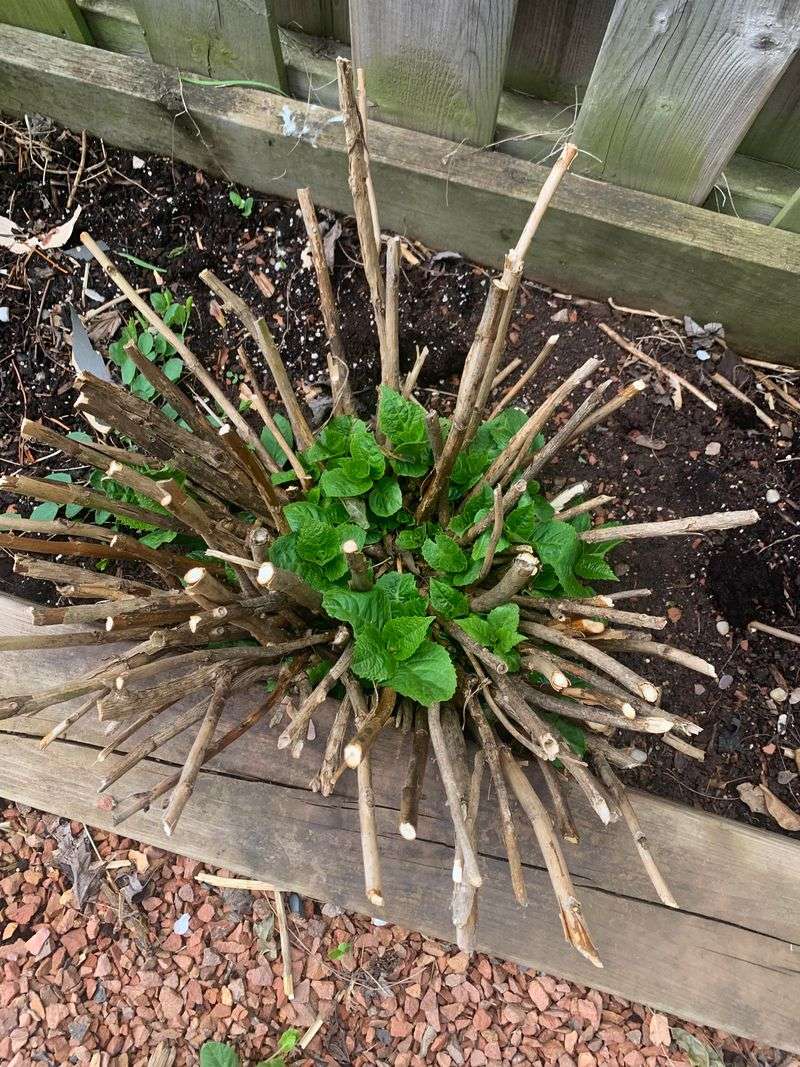
Frost-burned hydrangea leaves look dramatic, and it can feel like the whole plant is in serious trouble. The reality is usually much less severe than appearances suggest.
The leaves that leafed out early are the most vulnerable part of the plant, but those leaves are not the plant’s entire future. Established hydrangeas store energy in their roots and woody stems, not just in their leaves.
Plant biology explains why this matters so much. The root system of a well-established hydrangea is extensive, reaching deep into soil that stays significantly warmer than the air above it.
Even if every single new leaf gets damaged in a freeze, the root system remains intact and capable of pushing out fresh growth when conditions improve.
Many North Carolina gardeners have watched their hydrangeas look completely ruined in March, only to see a full flush of new leaves by May. The recovery can be genuinely impressive, especially for plants that have been in the ground for three or more years.
Younger plants in their first season are a bit more vulnerable, but even they often bounce back with proper care.
Managing your expectations during the waiting period makes the whole experience much less stressful. Accept that the current leaves may not survive, focus on protecting the root system, and trust the process.
The plant has more resilience built into it than most gardeners give it credit for, and spring almost always brings a pleasant surprise.
Different Hydrangea Types Have Different Cold Sensitivity
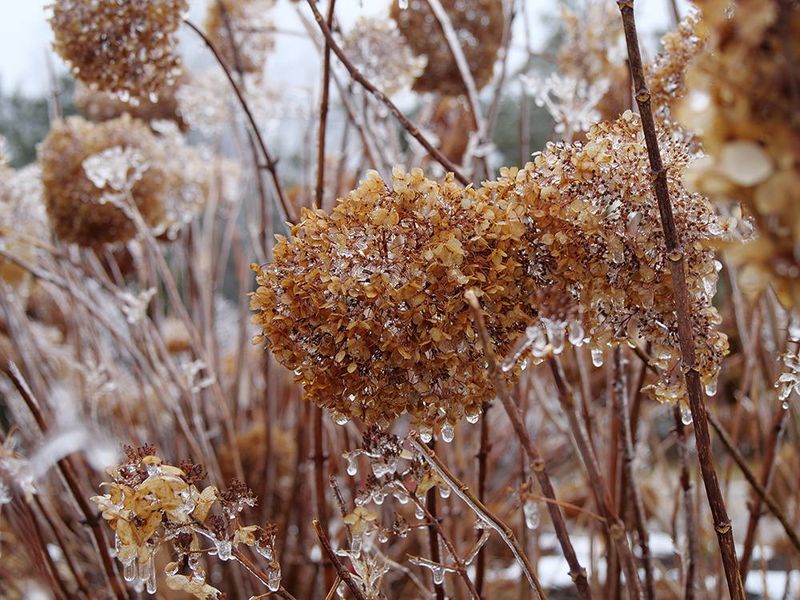
Not all hydrangeas are created equal when it comes to handling cold weather, and knowing your specific variety can completely change how you respond to a freeze forecast. Bigleaf hydrangeas, known botanically as Hydrangea macrophylla, are the most cold-sensitive of the common types.
Their flower buds form on old wood from the previous season, making them especially vulnerable to late frosts.
Smooth hydrangeas, like the popular Annabelle variety, and panicle hydrangeas, such as Limelight, are significantly more cold tolerant. Both of these types bloom on new growth produced in the current season, which means even if a freeze damages their early leaves, they can still produce flowers later in the year.
That biological difference is a real game-changer during unpredictable spring weather.
Oakleaf hydrangeas fall somewhere in the middle. They are native to the southeastern United States and handle temperature swings better than bigleaf types, but their flower buds can still be affected by a hard late freeze.
Checking which variety you have before a cold event helps you decide how much protective effort to invest.
If you are in a part of North Carolina that regularly sees late freezes, planting cold-tolerant reblooming bigleaf varieties, such as Endless Summer, gives you a safety net. These cultivars can produce blooms on both old and new wood, improving your chances of a beautiful summer display even after a rough spring frost event.
Remove Covers Gradually After Temperatures Rise
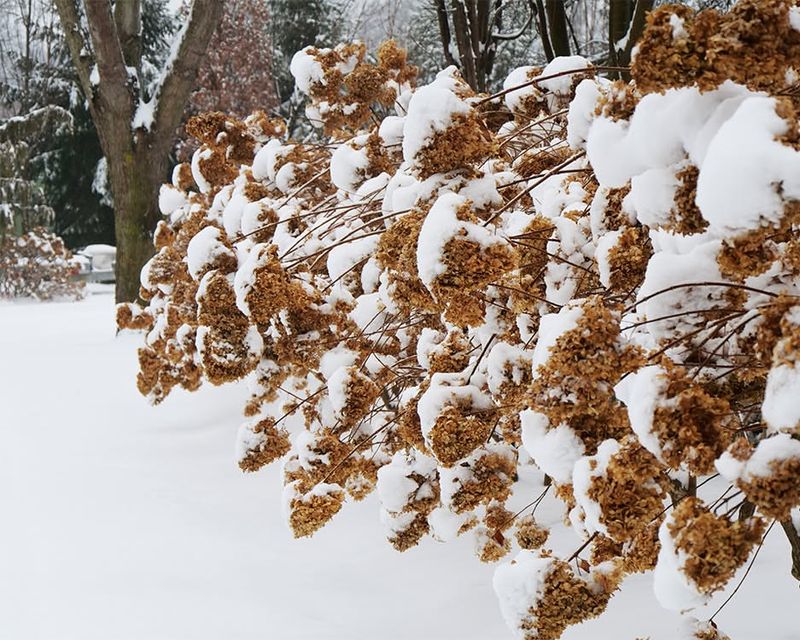
Once the freeze has passed and warmer temperatures return, it is tempting to pull off all the covers immediately and let your plants breathe. Going too fast, though, can actually stress plants that have been sheltered for a day or more.
A gradual transition back to normal conditions gives them time to adjust without any sudden shock.
Think of it like stepping out of a warm house into cold air without a coat versus layering up before you go outside. Plants that have been under frost cloth experience a slightly different microclimate, and moving them abruptly into full sun and open air on a breezy morning can cause unnecessary stress to their already-recovering tissues.
A slow uncovering process smooths that transition.
Start by loosening the fabric and allowing airflow without fully removing it. Do this in the morning before temperatures peak, and give the plant an hour or two to adjust before taking the cover off completely.
On very sunny days, partial shading for newly uncovered plants helps prevent any additional stress from intense light hitting cold-stressed leaves.
Store your frost cloth carefully after each use so it is ready for the next cold event. North Carolina winters can deliver multiple freeze events in a single season, and having your supplies clean, dry, and accessible means you can act quickly next time.
Good preparation before and thoughtful recovery after a freeze are equally important parts of keeping your hydrangeas healthy all season long.