What New Gardeners In Oregon Usually Learn Too Late
Starting a garden in Oregon feels exciting at first. The soil looks rich, the rain seems generous, and garden centers are packed with tempting plants.
Then reality sets in. New gardeners often discover a few hard lessons after they have already planted, watered, and hoped for the best.
Oregon’s climate has its quirks, including soggy stretches, surprise cold snaps, dry summers, and regional differences that can completely change how a plant performs.
Some flowers that look perfect in spring struggle by August, while certain shrubs quietly outgrow their space faster than expected.
Timing, drainage, and plant selection matter more than many beginners realize. The good news is that these lessons shape stronger, smarter gardens over time.
With a little insight and planning, you can avoid common missteps and build a landscape that truly thrives in Oregon’s beautifully unpredictable conditions.
1. Not All Plants Survive Oregon Winters
Oregon winters can fool you. The mild, rainy weather in the Willamette Valley might make you think most plants will be just fine through the cold months.
But that’s not always the case.
Many popular plants sold at garden centers are not cold-hardy enough for Oregon’s wet, freezing nights. Even plants labeled as “perennials” in other states can struggle here.
The combination of cold temperatures and soggy soil is especially tough on roots.
New gardeners in Oregon often lose lavender, rosemary, and certain succulents because they don’t protect them before winter hits. A simple frost cloth or a layer of mulch can make a big difference.
Moving potted plants indoors before the first freeze also helps a lot.
The best move is to research each plant’s hardiness zone before buying. Oregon spans multiple USDA hardiness zones, from Zone 5 in the mountains to Zone 9 near the coast.
Knowing your zone helps you pick plants that will actually survive the season.
Talk to local nursery staff in your area of Oregon. They know exactly what thrives and what doesn’t.
Their advice is often better than anything you’ll read on a plant tag.
2. Our Summers Are Drier Than You Think
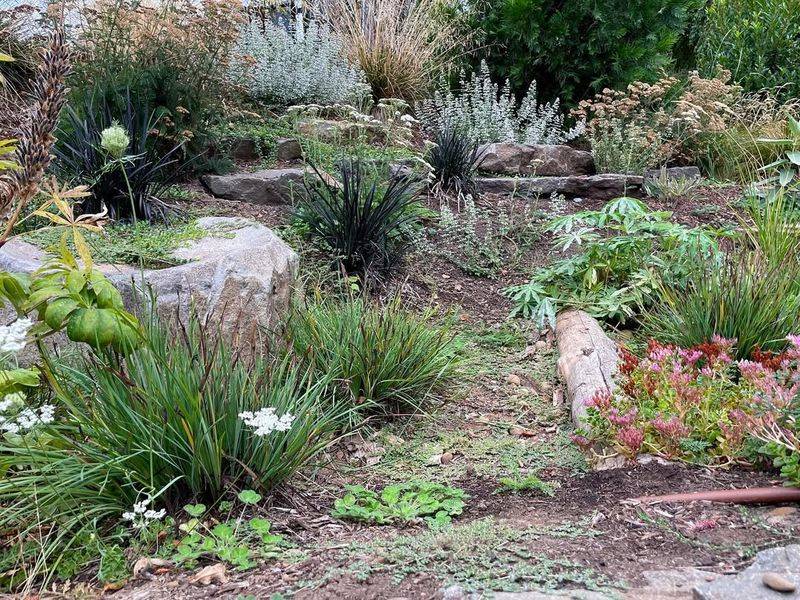
Most people picture Oregon as a rainy, green place year-round. That image is only half true.
Western Oregon gets most of its rain between October and May, and summers can be surprisingly dry.
From June through September, rainfall almost disappears in many parts of the state. New gardeners are often caught off guard when their plants start wilting in July.
They assumed the Oregon climate would keep things moist, but summer here can feel almost desert-like.
Vegetables like tomatoes, squash, and peppers need consistent watering during dry months. Without a solid watering plan, even healthy plants can suffer quickly.
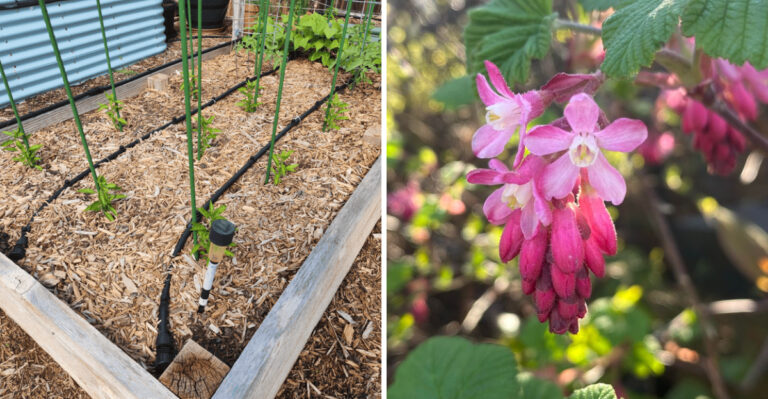
Setting up a drip irrigation system early in the season saves time and water.
Mulching your garden beds also helps lock in soil moisture during Oregon’s hot, dry summers. A two to three inch layer of wood chips or straw can reduce how often you need to water.
Your Oregon Garden Changes Every Week. Your Plan Should Too.
Gardening in Oregon changes quickly throughout the season. Every Friday you’ll receive a simple weekly plan showing exactly what to plant, prune, fertilize, harvest, and protect so you never miss the right timing.
It also keeps weeds down, which is a bonus.
Planning ahead is the key. Check the typical rainfall patterns for your specific part of Oregon before you plant.
Knowing what to expect helps you set up the right watering routine and keeps your garden looking its best all season long.
3. Clay Soil Changes Everything
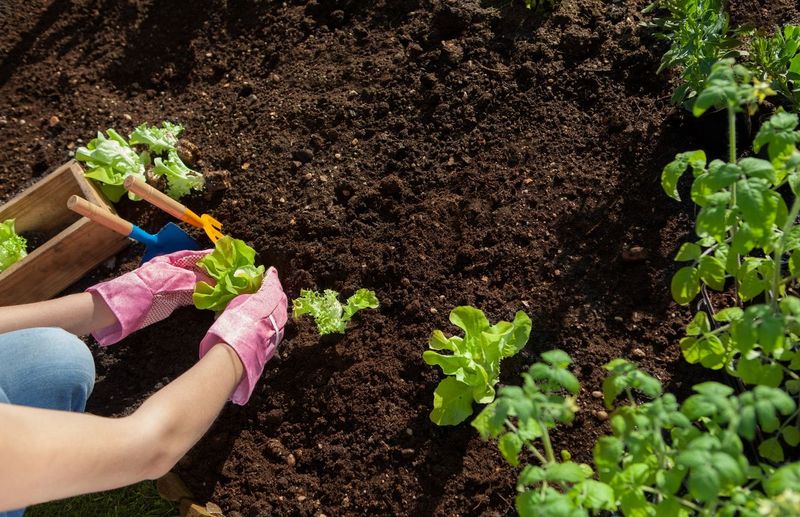
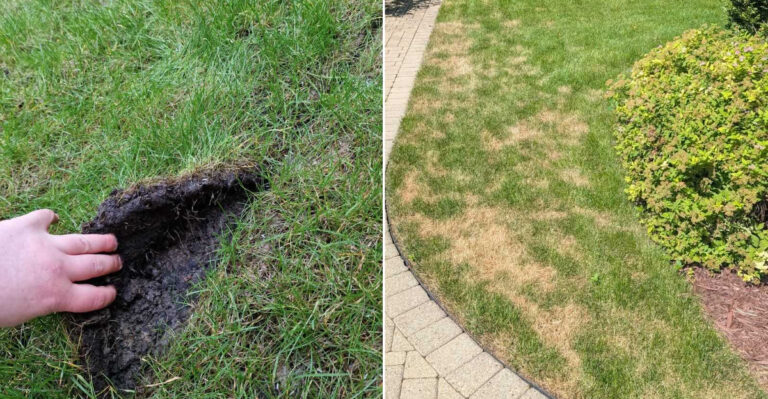
Much of Oregon, especially the Willamette Valley, is known for its heavy clay soil. It holds water, compacts easily, and can feel like concrete when it dries out.
For new gardeners, this comes as a real shock.
Clay soil drains poorly, which means plant roots can sit in standing water after Oregon’s rainy season. That leads to root rot and poor growth.
On the flip side, when summer arrives and the soil dries out, it becomes rock-hard and nearly impossible to dig.
Amending your soil is the first step every Oregon gardener should take. Adding compost, aged manure, or other organic matter breaks up the clay and improves drainage.
It takes time and consistent effort, but the results are worth it.
Raised garden beds are another popular solution in Oregon. Filling them with a quality garden mix lets you skip the clay problem entirely.
Many local gardeners swear by this method, especially for vegetables and herbs.
Don’t work clay soil when it’s soaking wet. Digging or walking on wet clay compacts it even more, making drainage worse.
Wait until it’s slightly damp but not muddy before you start planting or amending. Your plants will respond much better with a little patience and the right soil prep.
4. Deer Will Eat Almost Anything
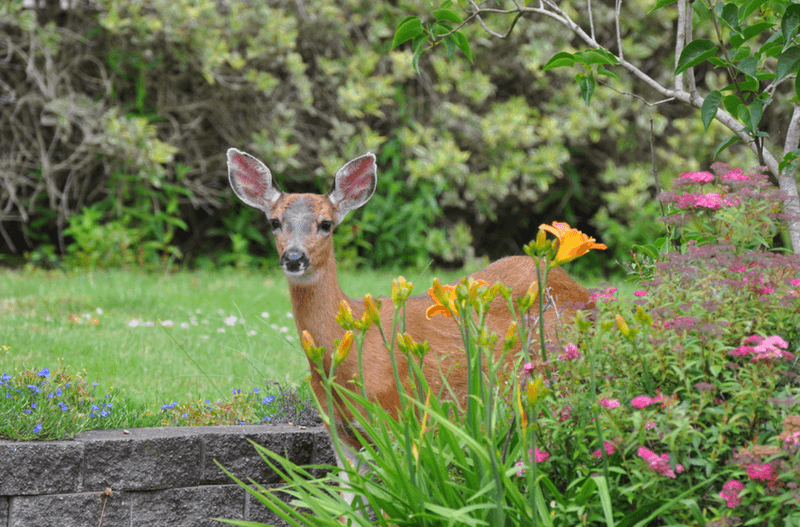
If you garden anywhere near the edges of Oregon’s forests, suburbs, or rural areas, deer are part of the deal. These animals are bold, persistent, and surprisingly creative when it comes to finding food.
Many new gardeners don’t take the threat seriously until half their garden disappears overnight.
Deer in Oregon are not picky. They’ll munch on hostas, roses, lettuce, beans, tulips, and even plants that are supposedly deer-resistant.
When food is scarce, especially in late summer and fall, they’ll try almost anything green.
Fencing is the most reliable protection. A fence that’s at least eight feet tall is usually needed because deer are strong jumpers.
Shorter fences work if they’re angled outward, which confuses the deer and discourages jumping.
Deer repellent sprays can help in a pinch, but they need to be reapplied often, especially after rain. Oregon gets plenty of rain, so sprays alone are rarely enough as a long-term solution.
Choosing naturally deer-resistant plants is a smart strategy. Lavender, yarrow, foxglove, and ornamental grasses are plants deer tend to avoid.
Mixing these into your garden creates a natural buffer. Local Oregon nurseries often carry tags or lists identifying which plants tend to hold up better in deer-heavy areas.
5. Native Plants Perform Better
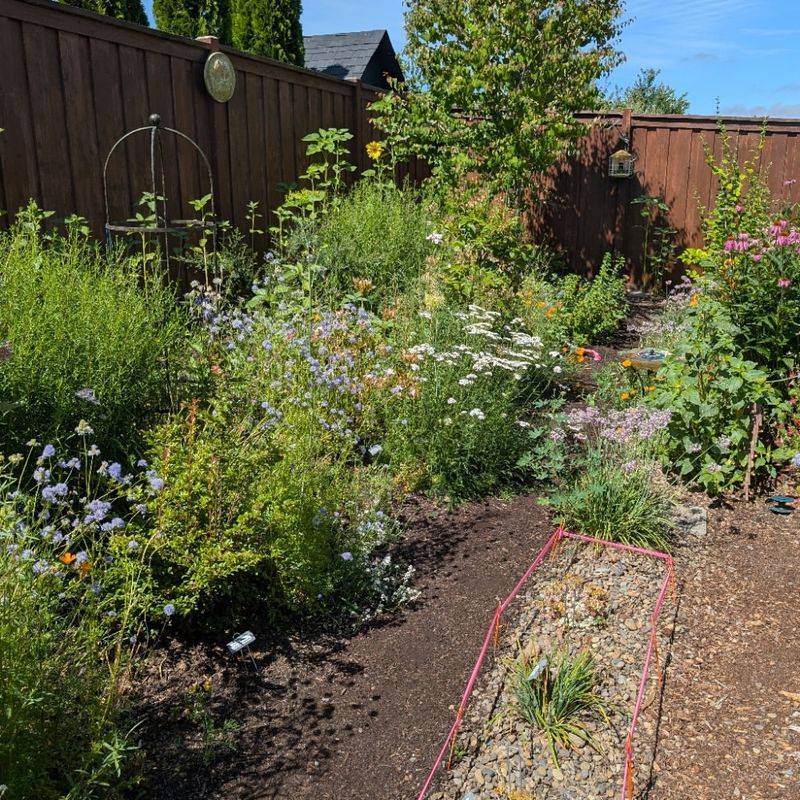
There’s something almost effortless about growing plants that already belong in Oregon. Native plants evolved here over thousands of years, which means they’re naturally adapted to local rainfall patterns, soil types, and temperatures.
They don’t need much help once they get established.
New gardeners often spend a lot of money on exotic or tropical-looking plants, only to watch them struggle through Oregon’s wet winters and dry summers. Meanwhile, native plants like Oregon grape, red flowering currant, and camas quietly thrive with little to no extra care.
Beyond being low-maintenance, native plants support local wildlife. Oregon’s native bees, butterflies, and birds depend on these plants for food and shelter.
Planting natives helps the whole local ecosystem, not just your yard.
Water usage is another big benefit. Once established, most Oregon native plants don’t need extra irrigation during the dry season.
That saves time, money, and resources compared to maintaining non-native plants that demand regular watering all summer.
A great place to start is the Oregon Department of Agriculture or a local native plant society. They offer resources, plant lists, and even local sales where you can buy region-specific species at affordable prices.
Starting with just a few native plants can transform how your garden feels and functions throughout the year.
6. Overwatering Is a Common Mistake
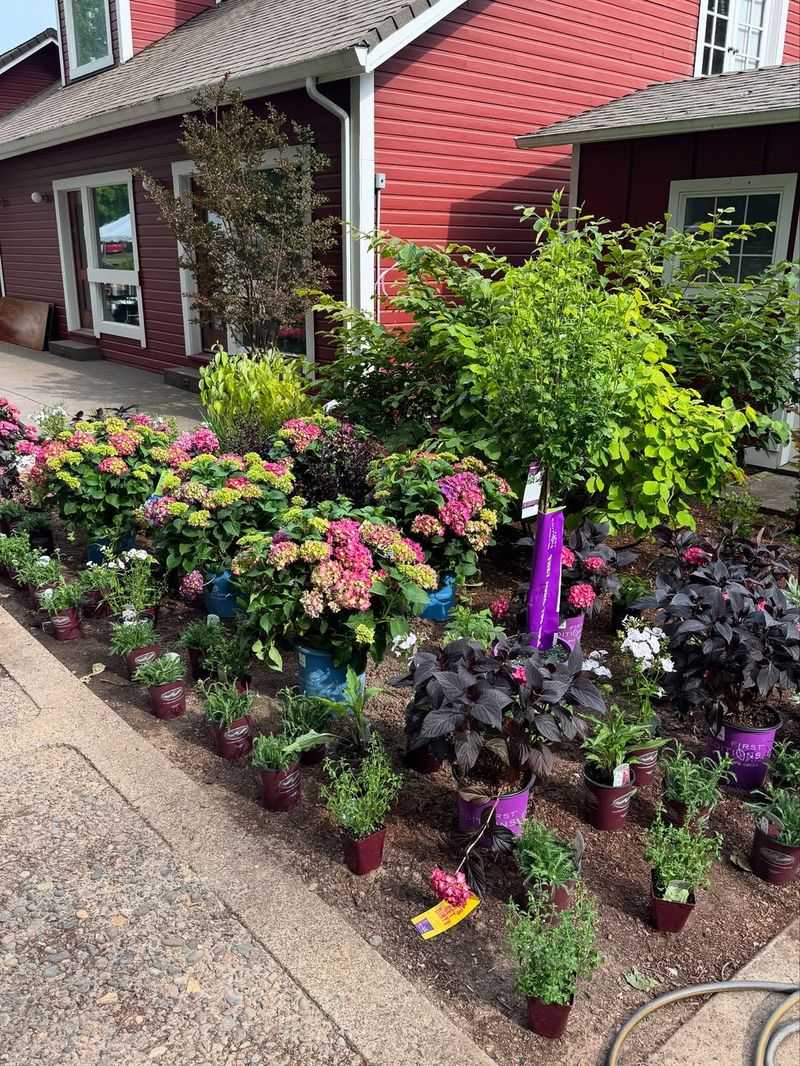
It might seem hard to overwater a garden in a place known for rain, but it happens all the time in Oregon. New gardeners often set up automatic watering systems and forget to adjust them when the rains return in fall.
The result is waterlogged soil and struggling plants.
Too much water pushes oxygen out of the soil. Plant roots need air as much as they need water.
When soil stays soaking wet for too long, roots can rot and plants start to look yellow and weak, even though they’re getting plenty of moisture.
One easy test is to stick your finger two inches into the soil. If it still feels wet, hold off on watering.
This simple check can prevent a lot of problems and helps you learn what your specific garden actually needs.
Oregon’s rainy season usually starts in October and can last well into spring. During this time, most outdoor gardens don’t need any supplemental watering at all.
Turning off your irrigation system completely during these months is the right move.
Container plants are especially vulnerable to overwatering because they can’t drain as freely as in-ground plants. Make sure pots have drainage holes and empty saucers after heavy rain.
Paying attention to your plants rather than following a strict schedule leads to much better results in Oregon’s climate.
7. Microclimates Matter More Than Expected
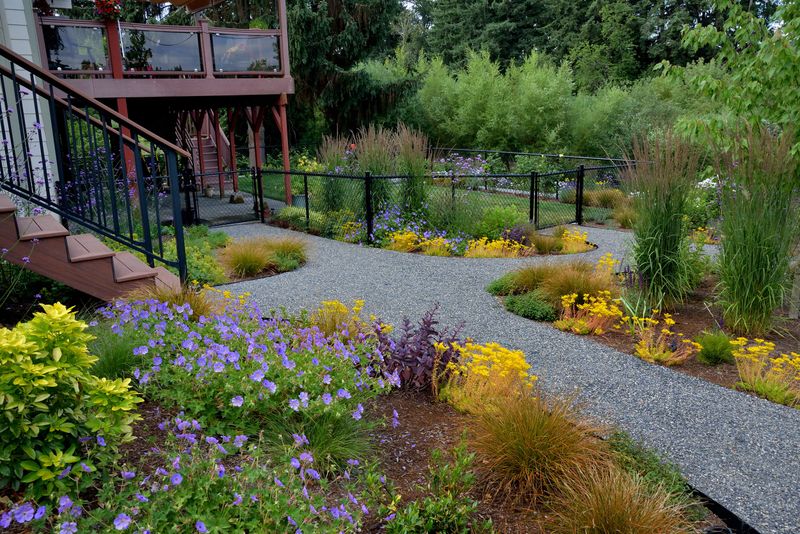
Oregon is a state of extremes, and even within a single backyard, conditions can vary more than you’d expect. A microclimate is a small area where temperature, wind, and moisture are different from the surrounding space.
Learning to spot them can completely change how you garden.
A south-facing wall in an Oregon garden can create a warm pocket that extends the growing season by weeks. That same yard might have a shady corner under Douglas firs where the soil stays cold and wet much longer into spring.
These two spots will need totally different plants and care.
New gardeners often plant everything the same way across their whole yard, then wonder why some spots thrive and others don’t. The answer is almost always the microclimate.
Paying attention to where the sun hits, where wind funnels through, and where frost settles first makes a huge difference.
Coastal Oregon has its own set of microclimates shaped by ocean winds and fog. Eastern Oregon is drier and colder, with harsher temperature swings.
Even within the same city, elevation and nearby buildings can create unique growing conditions.
Spend a full season observing your yard before planting everything. Note where puddles form, where snow lingers, and where the soil dries out fastest.
That knowledge is more valuable than any gardening book when it comes to making smart planting decisions in Oregon.
8. Plant Labels Don’t Tell The Whole Story
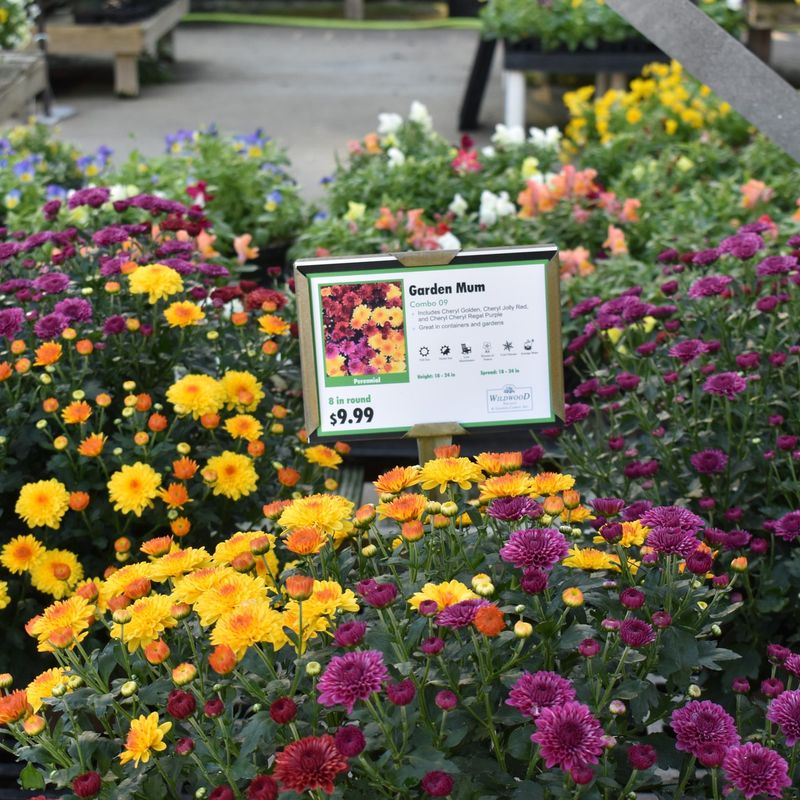
Those little plastic tags stuck in potted plants at the nursery look helpful, but they often leave out the most important details. They’re written for a general audience across the whole country, not specifically for Oregon gardeners.
Following them too closely can lead to real disappointment.
For example, a tag might say a plant needs “full sun” and “moderate water.” In Oregon’s Willamette Valley, full sun in July is very different from full sun in coastal Lincoln City where fog rolls in every afternoon.
The same plant can behave very differently depending on where in Oregon you live.
Hardiness zone information on labels is another area that gets tricky. A plant rated for Zone 8 might survive mild winters in Portland but struggle in a colder inland valley.
Oregon’s geography creates so many variations that a single zone rating doesn’t capture the full picture.
Local knowledge fills in the gaps that plant labels miss. Talking to experienced gardeners at Oregon Master Gardener events or community gardens gives you real-world advice tailored to your specific area.
Online forums focused on Pacific Northwest gardening are also packed with useful, region-specific tips.
Always treat plant labels as a starting point, not the final word. Do a little extra research before committing to a plant, especially if you’re spending money on something that’s supposed to come back year after year in your Oregon garden.