Michigan Perennials That Come Back Strong After Harsh Winters
Michigan winters are known for their intensity, with plunging temperatures, heavy snowfall, and soil that stays frozen for long stretches. While these harsh conditions can seem unforgiving, they also create the perfect test for truly resilient plants.
Some perennials do more than simply survive the cold. They rely on it, using the long winter season to rest, store energy, and prepare for a strong return when warmer days arrive.
As spring unfolds, these hardy plants emerge with renewed vigor, often fuller and more vibrant than the year before. Gardeners who choose the right varieties can enjoy a landscape that becomes more dependable with each passing season.
Instead of replanting year after year, you can build a garden that strengthens over time and requires less effort to maintain. If you are looking for plants that can handle tough winters and still deliver reliable beauty, these ten durable perennials are ready to prove their value.
1. Purple Coneflower (Echinacea purpurea)
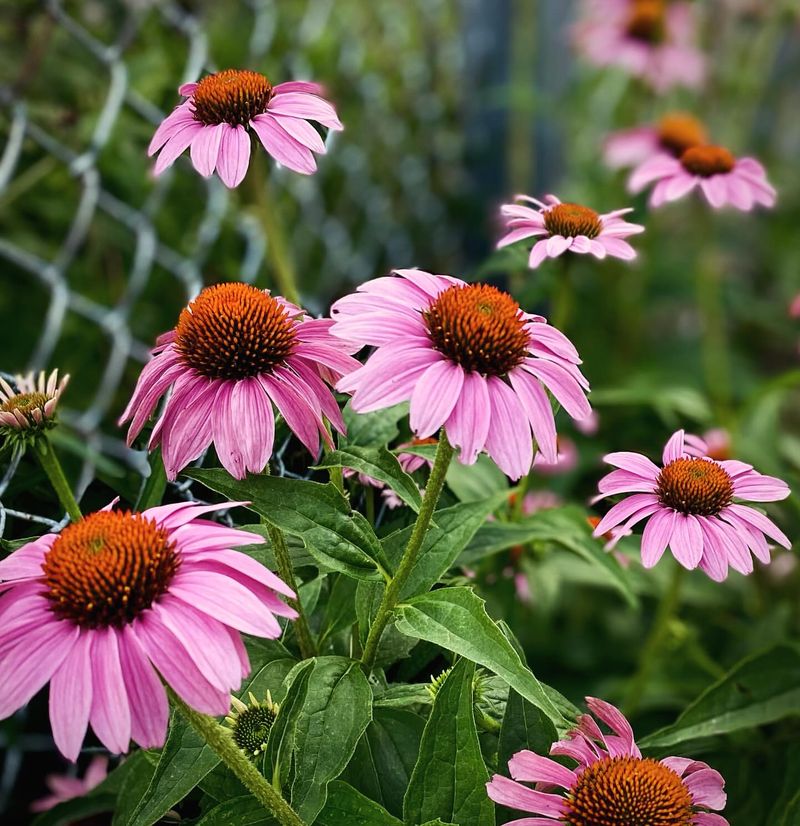
Few plants earn their place in a Michigan garden quite like the purple coneflower. Native to the Midwest, this beauty has been thriving in cold, punishing climates long before gardeners started paying attention.
Its secret weapon is a deep, fibrous root system that anchors itself well below the frost line, staying safe and cozy even when the surface soil turns to solid ice.
When temperatures crash in January and February, the coneflower simply goes dormant and waits it out. The roots store energy underground, so when spring warmth finally arrives, new growth pushes up quickly and confidently.
Most gardeners are surprised by how fast it bounces back after months of brutal cold.
Purple coneflowers also attract pollinators like bees and butterflies, making them a lively addition to any yard. They prefer full sun and well-drained soil, but they are forgiving if conditions are not perfect.
Bonus tip: leaving the seed heads standing through winter feeds birds like goldfinches and provides extra insulation for the root crown. Plant them once and enjoy them for many seasons to come.
2. Daylily (Hemerocallis spp.)
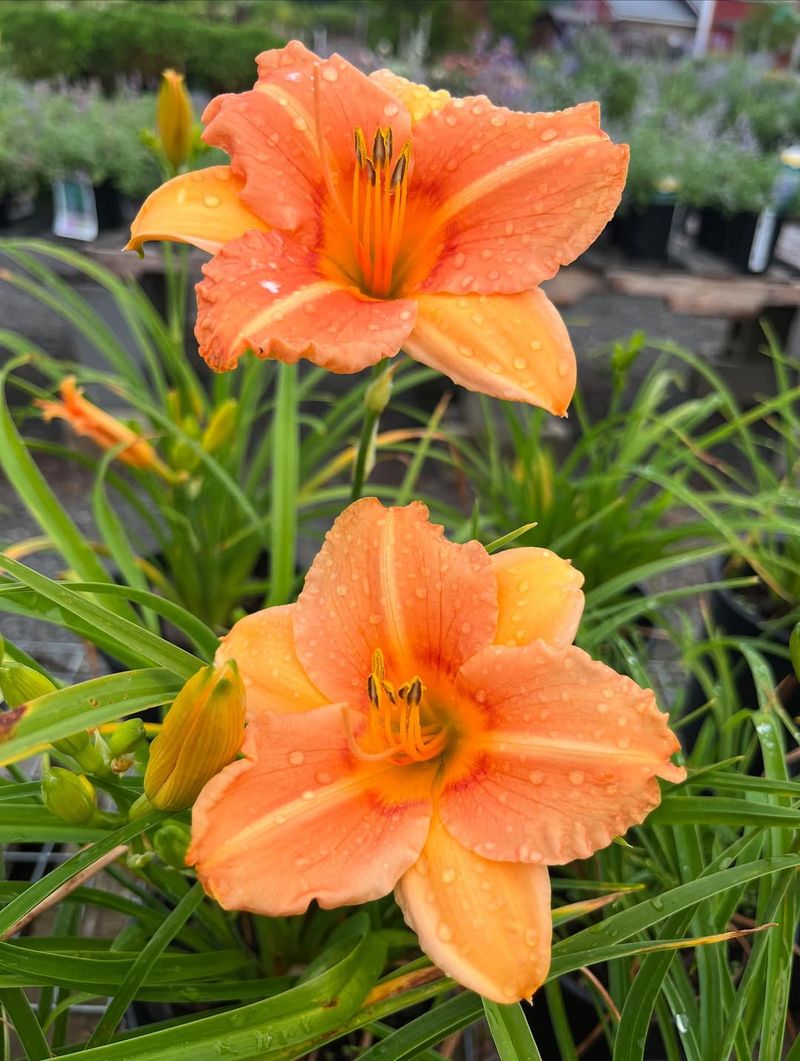
Daylilies are the ultimate survivors of the perennial world, and Michigan gardeners have relied on them for good reason. These plants form dense, fleshy root clumps that hold moisture and nutrients through even the longest freeze.
When the ground is locked in ice, those roots sit quietly underground, fully prepared to spring back the moment temperatures climb.
What makes daylilies so dependable is their sheer toughness. They tolerate a wide range of soil types, bounce back from neglect, and ask for very little in return.
Gardeners often joke that daylilies thrive on being ignored, and there is a lot of truth to that. Plant them in full sun or light shade, and they will reward you generously each summer with waves of color.
Each individual bloom lasts just one day, but each plant produces dozens of buds, so the show goes on for weeks. Varieties like Stella de Oro and Happy Returns bloom repeatedly through the season, giving you even more bang for your buck.
Your Michigan Garden Changes Every Week. Your Plan Should Too.
Gardening in Michigan changes quickly throughout the season. Every Friday you’ll receive a simple weekly plan showing exactly what to plant, prune, fertilize, harvest, and protect so you never miss the right timing.
Dividing clumps every three to four years keeps them vigorous and blooming at their best. For low-effort, high-reward gardening in Michigan, daylilies are genuinely hard to beat.
3. Hostas (Hosta spp.)
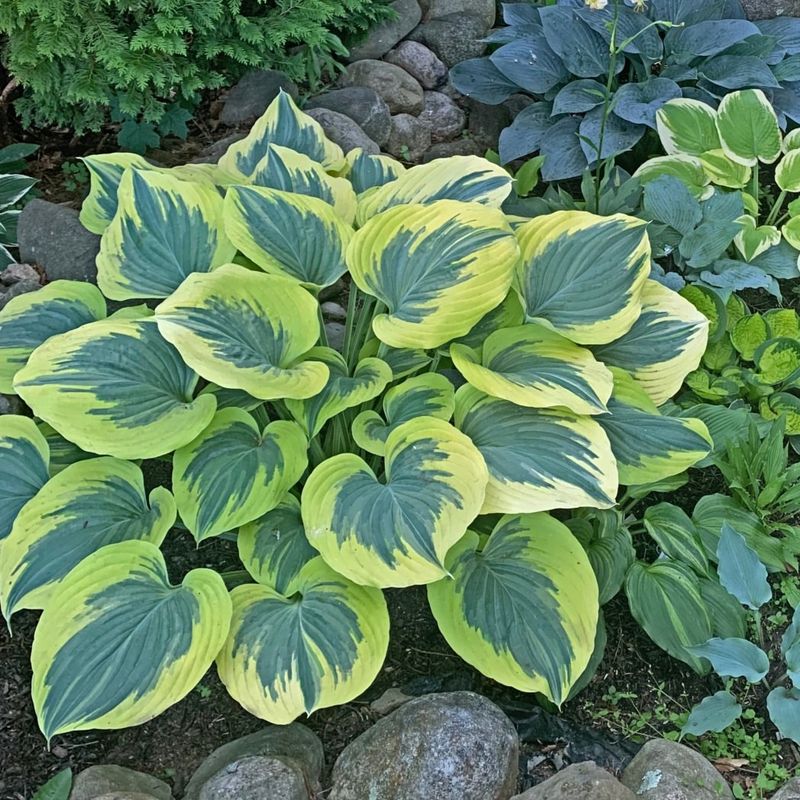
Walk through almost any Michigan neighborhood in summer and you will spot hostas thriving in shady spots where other plants struggle. These leafy powerhouses have a clever trick for surviving brutal winters: they simply disappear.
As temperatures drop in autumn, hostas pull all their energy down into the crown, going fully dormant and leaving nothing above ground to get damaged by frost or ice.
Underground, the crown stays protected beneath frozen soil, insulated by layers of mulch and snow. When spring warmth returns, tightly rolled shoots push through the soil with impressive speed, almost as if the plant is eager to get the season started.
Within a few weeks, hostas fill out into their full, lush form, looking like they never missed a beat.
Hostas come in an extraordinary range of sizes and colors, from tiny miniatures to giant varieties with leaves the size of dinner plates. Blue, gold, green, and variegated options give gardeners tons of creative flexibility.
They prefer moist, well-drained soil and partial to full shade, making them perfect for spots under trees or along north-facing walls.
Adding a layer of mulch in late autumn gives the crown extra protection through the coldest Michigan months, ensuring a strong and healthy return every single spring.
4. Black-Eyed Susan (Rudbeckia hirta / fulgida)
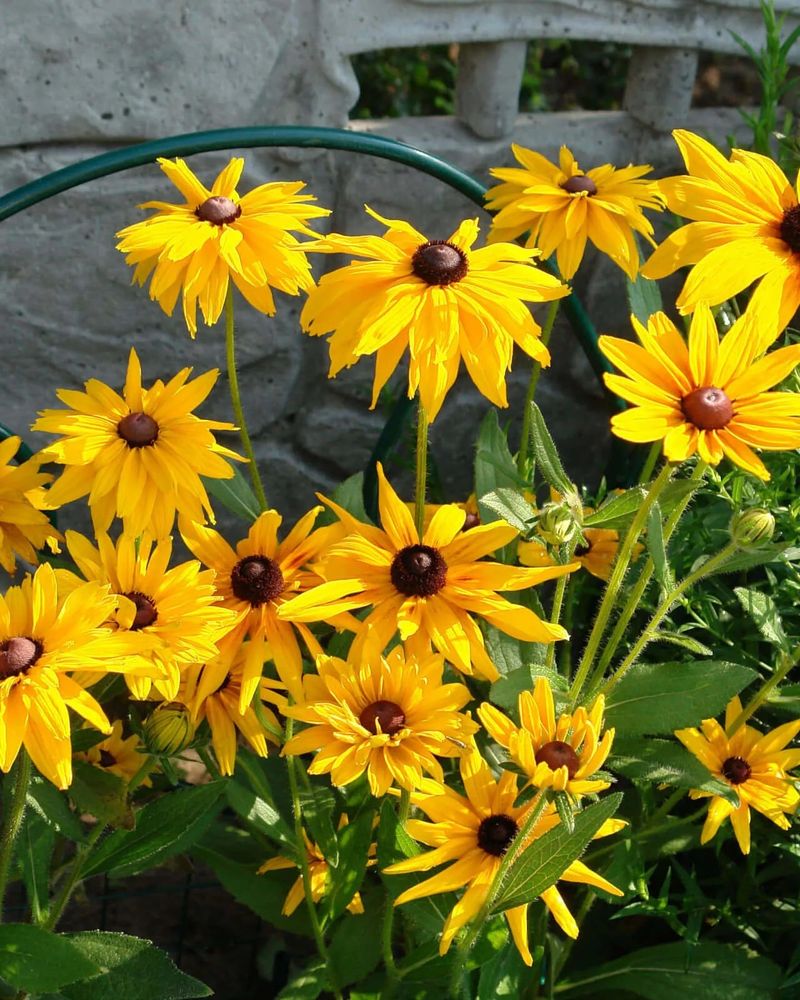
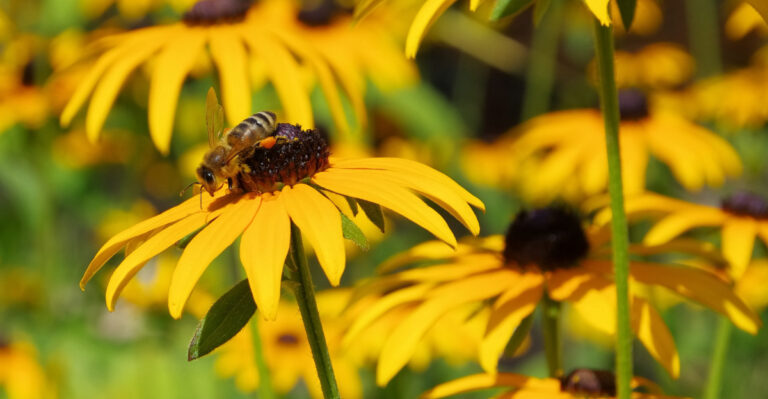
Bright, bold, and almost impossibly cheerful, black-eyed Susans bring a burst of golden color to Michigan gardens every summer. These plants are native to North America, which means they evolved right alongside the kind of harsh winters Michigan regularly delivers.
Their cold hardiness is built in at a genetic level, not something they have to struggle to maintain.
Black-eyed Susans handle frozen ground with ease, thanks to a sturdy crown and a well-established root system. They also have a clever backup plan: natural self-seeding.
Even in years when the crown takes a hard hit from an unusually brutal winter, seeds that dropped the previous autumn sprout fresh plants in spring. This means your garden almost always has a new generation ready to take over.
Growing black-eyed Susans is wonderfully straightforward. They love full sun and are tolerant of dry, poor soil, which makes them ideal for spots where other perennials give up.
Rudbeckia fulgida, the perennial variety, is especially reliable for Michigan gardens compared to the biennial or annual forms. Pair them with purple coneflowers or ornamental grasses for a native planting that looks stunning and practically manages itself.
Leaving the seed heads standing in winter also feeds hungry birds through the cold months.
5. Peony (Paeonia spp.)
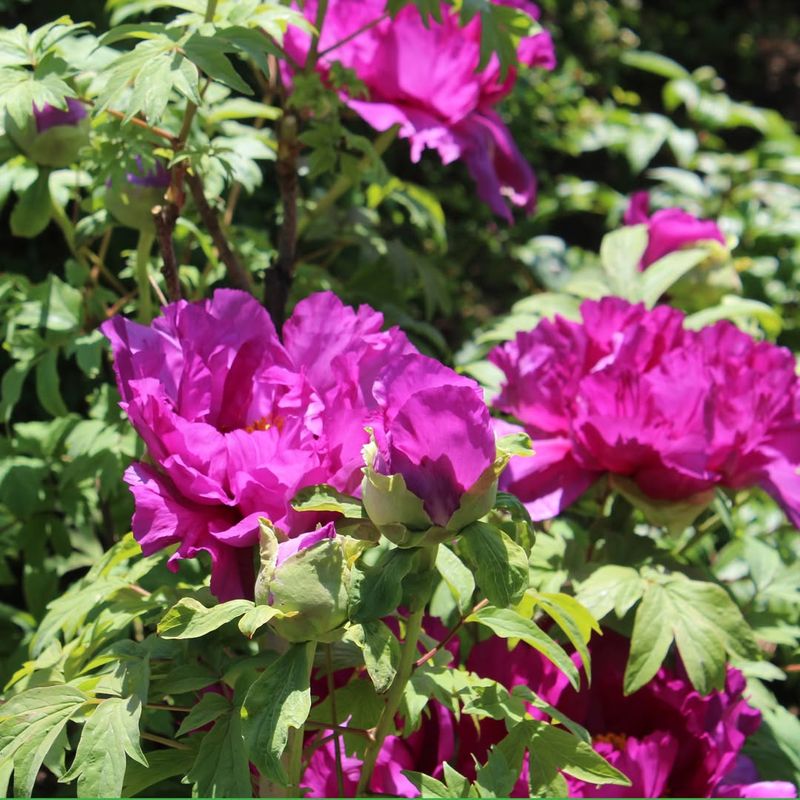
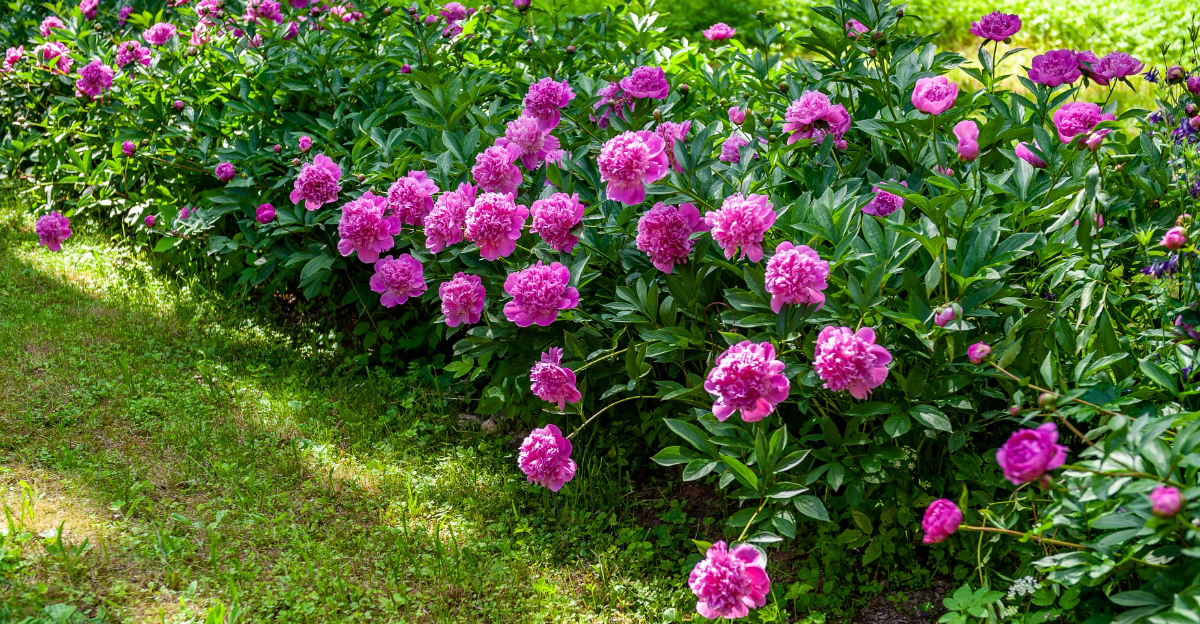
Peonies have a reputation that spans centuries, and they more than live up to the hype in Michigan gardens. These stunning plants are not just beautiful; they are genuinely long-lived, with some established clumps known to bloom reliably for 50 years or more.
Cold winters do not slow them down one bit. In fact, peonies actually need a period of freezing temperatures to trigger their bloom cycle, making Michigan’s climate nearly perfect for them.
The key to a peony’s winter survival lies in its thick, tuberous root system. These roots store tremendous amounts of energy, sitting safely below the frost line while winter does its worst above ground.
When spring arrives, fat red shoots push through the soil, signaling that another spectacular bloom season is on the way. Few sights in a Michigan garden are more satisfying than that first burst of peony color in late May or early June.
Peonies prefer full sun and rich, well-drained soil. One important tip: plant the eyes, which are the pinkish-red buds on the root, no more than one to two inches below the soil surface.
Planting too deep reduces blooming significantly. Support cages are helpful for keeping heavy blooms upright during spring rains.
Once established, these plants need very little attention, making them one of the most rewarding long-term investments a Michigan gardener can make.
6. Bee Balm (Monarda didyma)
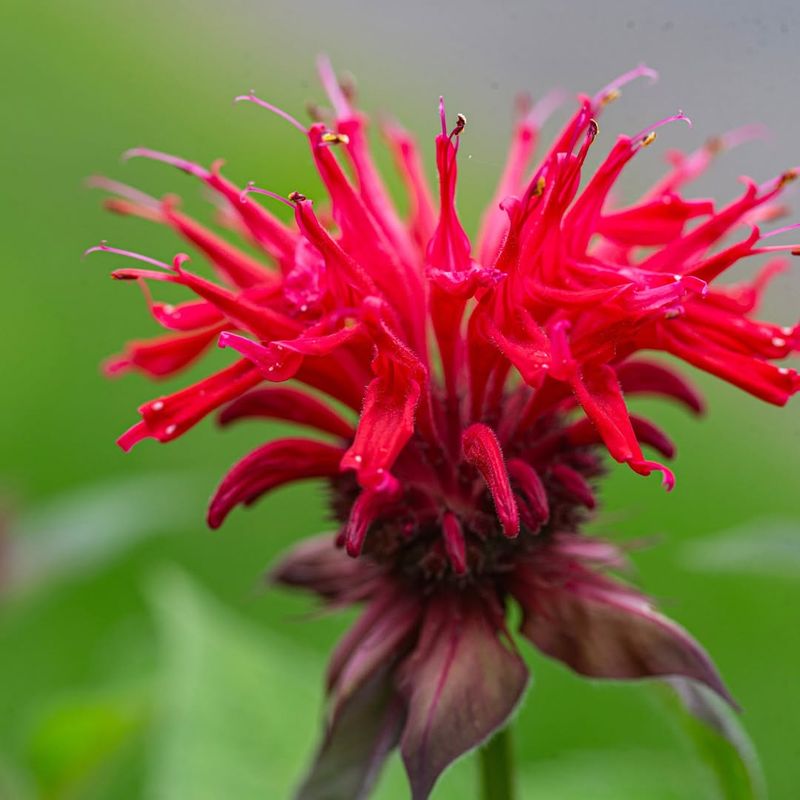
Bee balm is one of those plants that earns admiration from every direction. Hummingbirds love it, bees swarm around it, and gardeners cannot stop photographing its wild, firework-like blooms.
Native to eastern North America, bee balm has strong roots in cold-climate gardening, and Michigan winters barely register as a challenge for this vigorous perennial.
Below ground, bee balm spreads through a network of shallow rhizomes that hold up well through frozen soil. These underground runners actually help the plant regenerate aggressively each spring, often filling in larger areas than the previous year.
If anything, a cold winter seems to sharpen its appetite for growth once the warmth returns. Gardeners sometimes need to thin it out to keep it from taking over neighboring plants.
Bee balm thrives in full sun to light shade and prefers consistently moist soil. Good air circulation around the plants helps reduce powdery mildew, which is its one real weakness.
Choosing mildew-resistant varieties like Jacob Cline or Marshall’s Delight makes a noticeable difference in overall plant health. Cutting stems back to the ground in late autumn tidies up the garden and encourages fresh, healthy growth the following spring.
For a garden that buzzes with life from midsummer into early autumn, bee balm earns a permanent spot every time.
7. Sedum / Stonecrop (Hylotelephium / Sedum spp.)
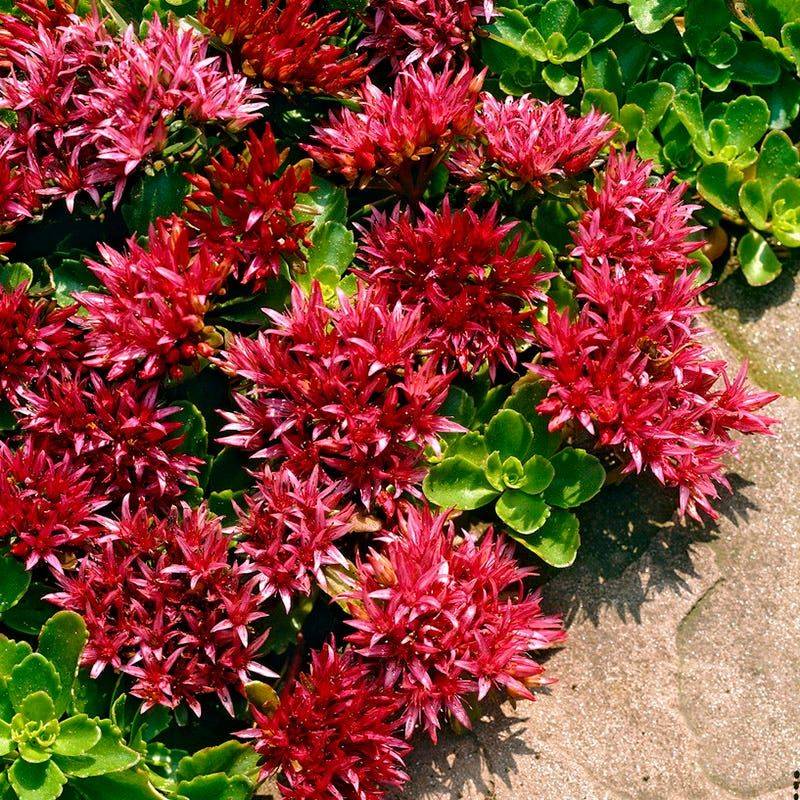
Sedum is the plant that laughs at bad weather. Seriously tough and surprisingly beautiful, stonecrop varieties handle Michigan winters with an almost casual ease.
Their thick, succulent leaves store water, and their compact root systems grip the soil firmly through freeze-thaw cycles that would stress most other perennials. Cold is simply not a problem for this resilient group of plants.
Taller varieties like Autumn Joy, now classified as Hylotelephium, are especially popular in Michigan gardens. They produce large, flat flower heads that start out pale pink in late summer and deepen to rich burgundy as autumn arrives.
Here is a fun bonus: those dried flower heads look stunning standing above the snow in winter, adding structure and visual interest to an otherwise bare garden. Birds also pick at the seeds through the cold months.
Sedum is incredibly low-maintenance, which makes it a top choice for busy gardeners. It thrives in full sun and well-drained soil, and it actually prefers conditions on the drier side.
Overwatering or heavy clay soil causes more trouble than any winter storm ever could. Cutting plants back to a few inches in early spring encourages fresh, compact growth and prevents the floppy stems that sometimes develop on older plants.
For a plant that delivers beauty in every season with almost no effort, sedum is genuinely outstanding.
8. Shasta Daisy (Leucanthemum x superbum)
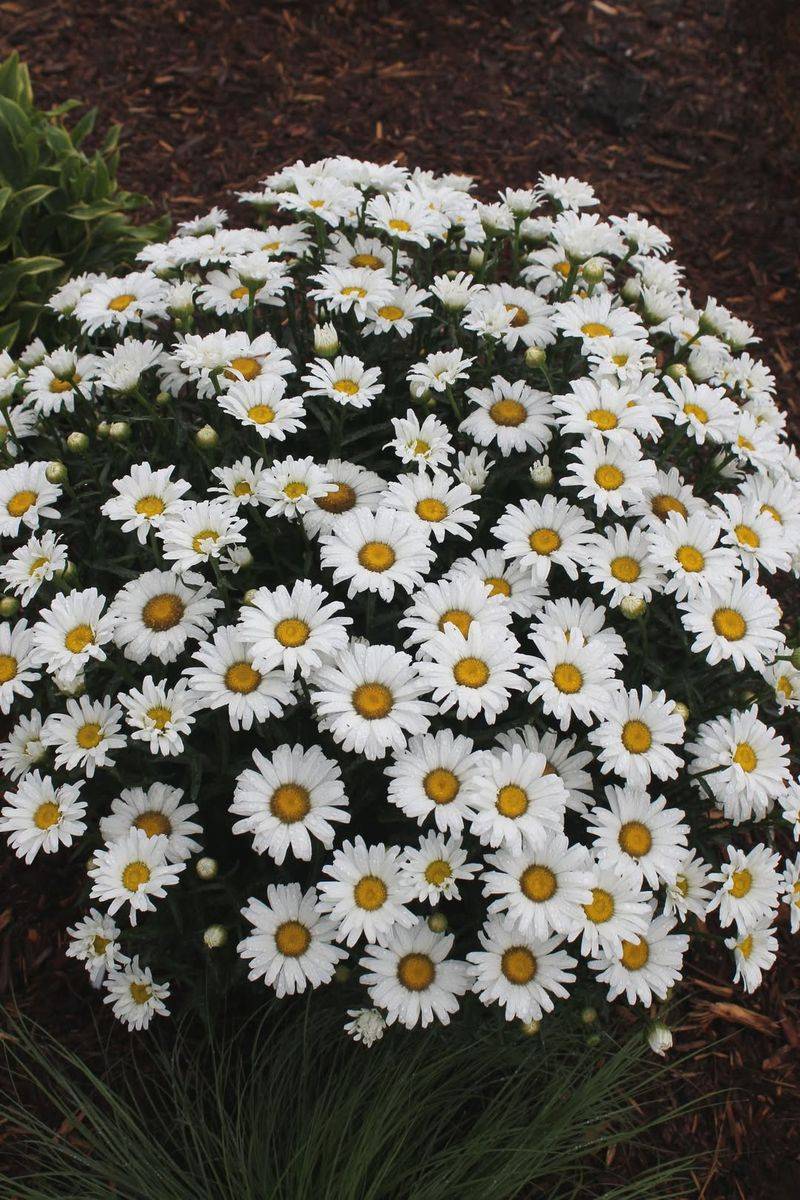
There is something wonderfully classic about Shasta daisies. Their crisp white petals and sunny yellow centers look like something straight out of a cottage garden painting, and they bring that same cheerful energy to Michigan yards every summer.
What gardeners love most, beyond the blooms, is how reliably these plants return after even the harshest winters the state can deliver.
Shasta daisies are cold-hardy perennials that overwinter through a low-growing rosette of foliage that stays close to the ground. This flat, compact form stays below the worst of the wind and cold, protecting the plant’s crown through freezing temperatures.
Good soil drainage is the single most important factor for success, since standing water around the crown during freeze-thaw cycles can cause problems. Raised beds or slopes work particularly well for keeping moisture moving away from the roots.
In terms of garden placement, Shasta daisies shine in full sun with moderately fertile, well-drained soil. They bloom heavily in early to midsummer, and cutting spent flowers promptly often encourages a second flush of blooms later in the season.
Dividing clumps every two to three years keeps plants vigorous and prevents the center from becoming woody and unproductive.
Varieties like Becky and Alaska are especially well suited to Michigan’s climate, offering strong stems and reliable cold tolerance season after season.
9. Yarrow (Achillea millefolium)
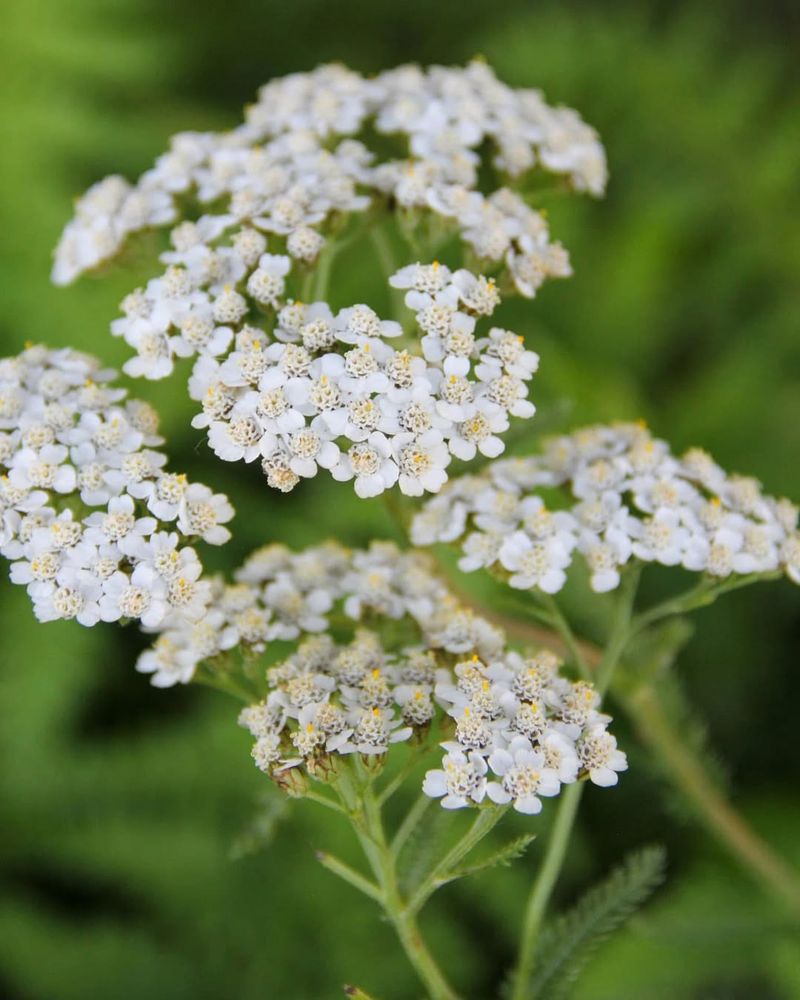
Yarrow has been growing wild across North America for thousands of years, and its track record in cold climates is essentially flawless. This tough, adaptable perennial handles freezing temperatures, poor soil, and limited rainfall without missing a step.
Michigan winters, as punishing as they can be, are well within yarrow’s comfort zone. It simply goes dormant, conserves its energy, and waits for the right moment to push back up through the soil.
One of yarrow’s most impressive qualities is how quickly it rebounds in spring. Even after extended periods of deep frost, new feathery foliage appears early in the season, often before many other perennials have shown any sign of life.
The flat-topped flower clusters, which come in shades of yellow, white, pink, and red, appear from early summer through early autumn and attract a wide variety of beneficial insects.
Yarrow thrives in full sun and actually performs better in lean, well-drained soil than in rich, heavily amended beds. Too much fertilizer causes floppy, weak stems.
Dividing clumps every two to three years maintains vigor and keeps the plant from spreading beyond its intended space. Cutting stems back after the first flush of blooms often triggers a second round of flowers later in summer.
For a plant that asks for almost nothing and gives back generously, yarrow is a Michigan garden essential.
10. Blanket Flower (Gaillardia spp.)
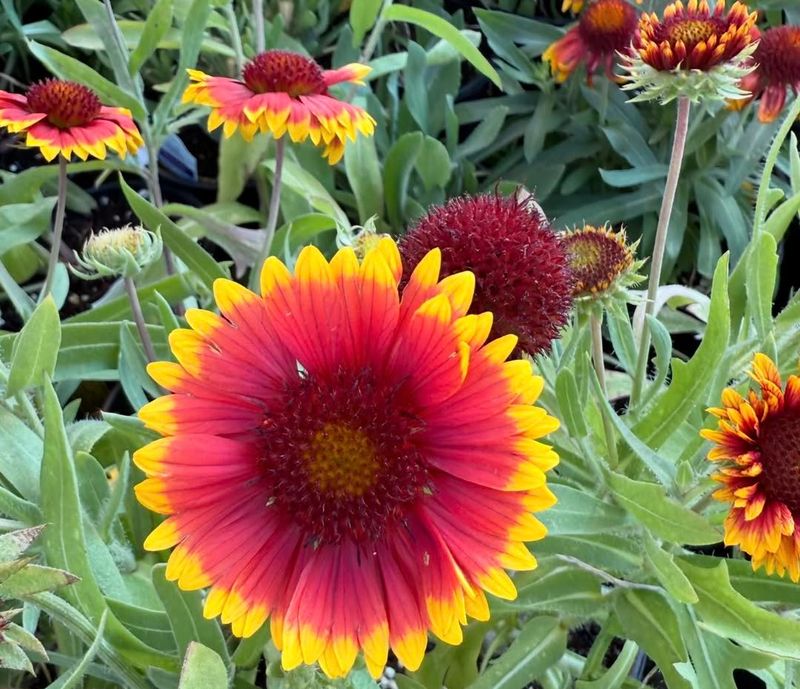
Blanket flowers look like summer captured in plant form. Their bold, flame-colored blooms in shades of red, orange, and yellow light up garden beds from midsummer all the way into early autumn, long after many other perennials have finished for the season.
Native to North America, Gaillardia brings natural toughness to Michigan gardens, handling cold winters far better than their tropical appearance might suggest.
The key to blanket flower success in Michigan is soil drainage. These plants evolved in open prairies with fast-draining, sandy, or gravelly soil, and they carry that preference into garden settings.
Well-drained soil allows the root crown to stay dry during winter freeze-thaw cycles, which is the single most important factor in their survival.
Gardeners who plant them in heavy clay or low-lying spots often struggle, while those with good drainage see reliable returns year after year.
Blanket flowers love full sun and actually prefer soil on the lean side, similar to yarrow. Rich, heavily fertilized soil produces lush foliage but fewer flowers and weaker stems.
Deadheading spent blooms regularly through summer dramatically extends the flowering period, keeping the display going until the first hard frost.
Varieties like Goblin and Arizona Sun are especially cold-tolerant and compact, making them excellent choices for Michigan gardens. Give them the right conditions and they reward you with months of spectacular, non-stop color.