8 Winter Care Tips To Help Easter Cactus Bloom Better In Michigan
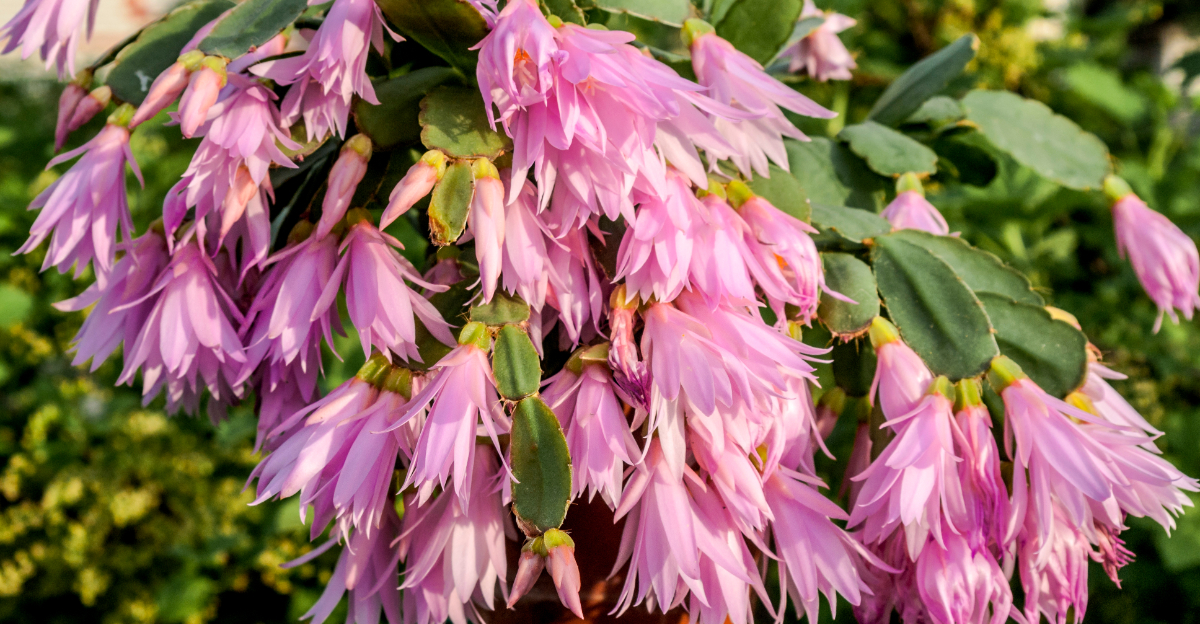
Easter cactus is a bright and uplifting houseplant that brings a welcome burst of color just as spring begins to arrive. Its vibrant blooms feel especially rewarding after months of gray winter days, making it a favorite for gardeners who enjoy nurturing plants indoors.
In Michigan, however, encouraging an Easter cactus to flower beautifully requires a bit of extra attention during the long winter season. Indoor conditions can quietly challenge your plant, from dry heated air that pulls away moisture to shorter days that limit natural light.
Without the right care, it is easy for the plant to focus on survival instead of producing buds. The good news is that small adjustments can make a big difference in how your cactus performs.
With a thoughtful approach and consistent care, you can guide your plant through winter in strong shape. Follow these eight practical winter care tips to help your Easter cactus thrive and deliver a brilliant display of spring color.
1. Provide Cool Night Temperatures In Winter
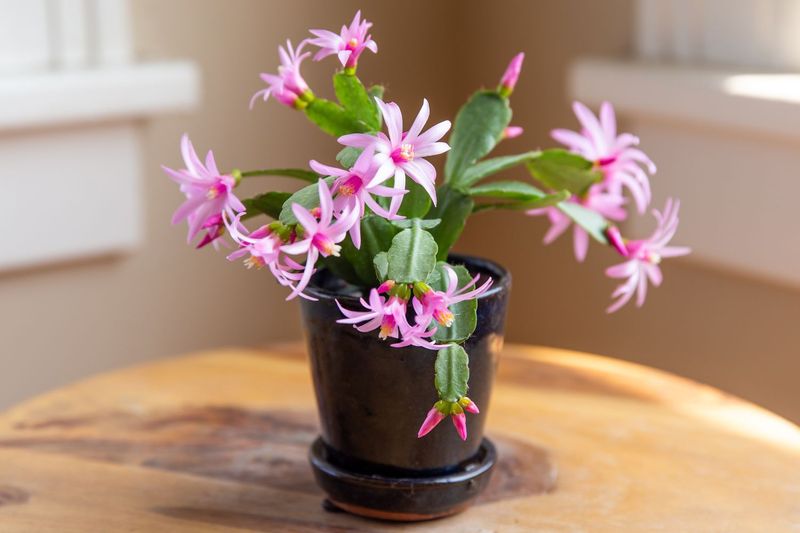
Most Michigan gardeners crank up the heat in winter, and honestly, who can blame them? But your Easter cactus has a different opinion about warm nights.
This tropical plant actually needs cool nighttime temperatures between 55 and 60 degrees Fahrenheit to trigger the bud-setting process that leads to those gorgeous spring flowers.
When your home stays too warm overnight, the plant simply skips bud formation altogether. It stays in a kind of comfortable limbo, green and healthy looking but stubbornly flowerless.
Michigan homes with forced-air heating are especially prone to keeping temperatures too high for Easter cactus to respond naturally.
A simple fix is moving your plant to a cooler room at night, like a spare bedroom, a sunroom, or even near a drafty but not freezing window. Aim for that sweet spot of 55 to 60 degrees consistently from late November through February.
You do not need a thermometer in every room, but checking temperatures in a few spots helps you find the coolest comfortable location. Even a few weeks of cool nights can make a real difference in how many buds your plant sets by late winter.
2. Increase Bright, Indirect Winter Light
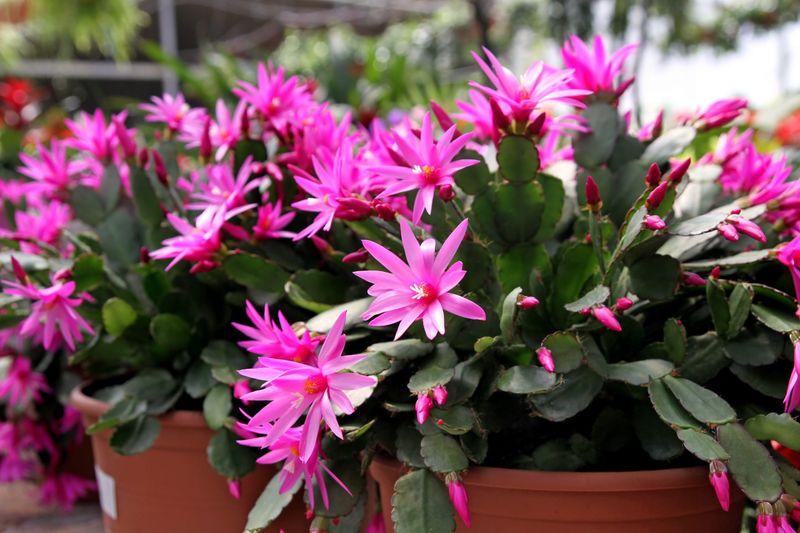
Michigan winters are notoriously gloomy, and that low-light situation is one of the biggest hidden reasons Easter cactus struggles to bloom indoors here. Natural daylight hours shrink dramatically from November through February, and cloudy skies cut available light even further.
Your plant needs consistent bright, indirect light to build the energy required for flower bud development.
Moving your Easter cactus closer to your brightest window makes a real difference. South or east-facing windows tend to offer the most usable winter light in Michigan homes.
Just make sure the plant is not sitting directly in harsh afternoon rays, which can stress the segments and actually slow bud production rather than help it.
If your home simply does not have enough natural light, a grow light is a genuinely worthwhile investment. Full-spectrum LED grow lights set on a timer for 12 to 14 hours a day can replicate the light conditions your plant craves.
Your Michigan Garden Changes Every Week. Your Plan Should Too.
Gardening in Michigan changes quickly throughout the season. Every Friday you’ll receive a simple weekly plan showing exactly what to plant, prune, fertilize, harvest, and protect so you never miss the right timing.
Position the light about 12 inches above the plant for best results. Consistent, quality light exposure throughout winter gives your Easter cactus the fuel it needs to push out a generous flush of blooms right when spring arrives.
3. Avoid Overwatering During Winter Dormancy
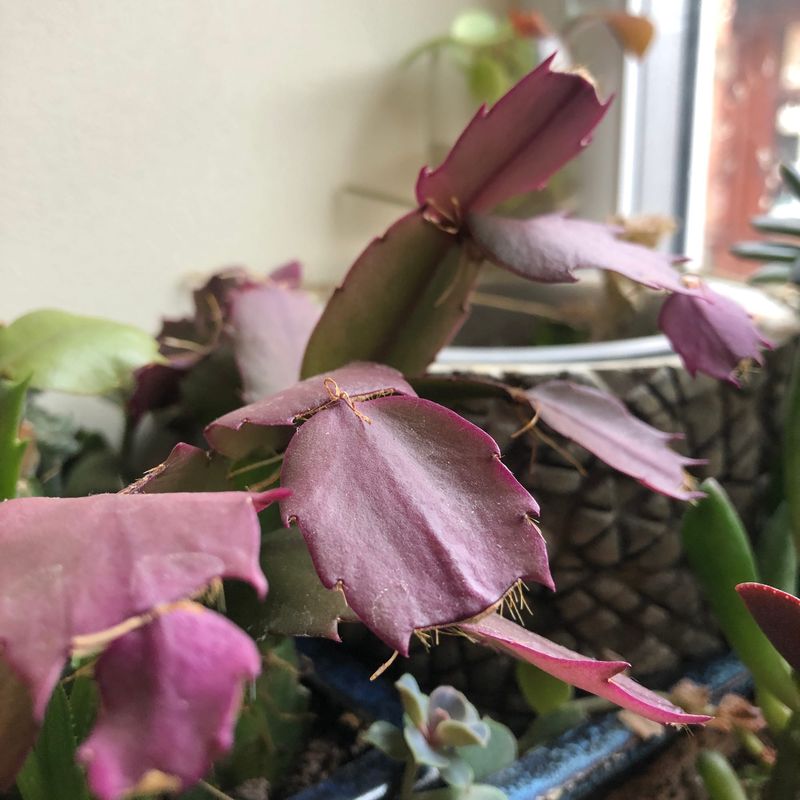
Watering habits that work perfectly in summer can quietly sabotage your Easter cactus all winter long. During the colder months, your plant enters a natural semi-dormant phase where its roots absorb moisture much more slowly.
Keeping the soil consistently wet during this period creates the perfect conditions for root rot to develop, and that means fewer blooms or no blooms at all.
Root rot does not announce itself loudly. The plant may look fine on the surface while the roots are struggling underneath, and by the time you notice wilting or mushy segments, significant damage has already occurred.
Overwatered Easter cactus also tends to focus whatever energy it has on trying to recover rather than producing flower buds.
The best approach is to let the top inch of soil dry out completely before watering again. During winter dormancy, this might mean watering only every ten to fourteen days depending on your home’s humidity and pot size.
Always use a pot with drainage holes and empty the saucer after watering so the roots are never sitting in standing water. This simple adjustment to your watering routine protects your plant’s root system and keeps it primed for a strong bloom season ahead.
4. Reduce Water Slightly Before Bud Formation
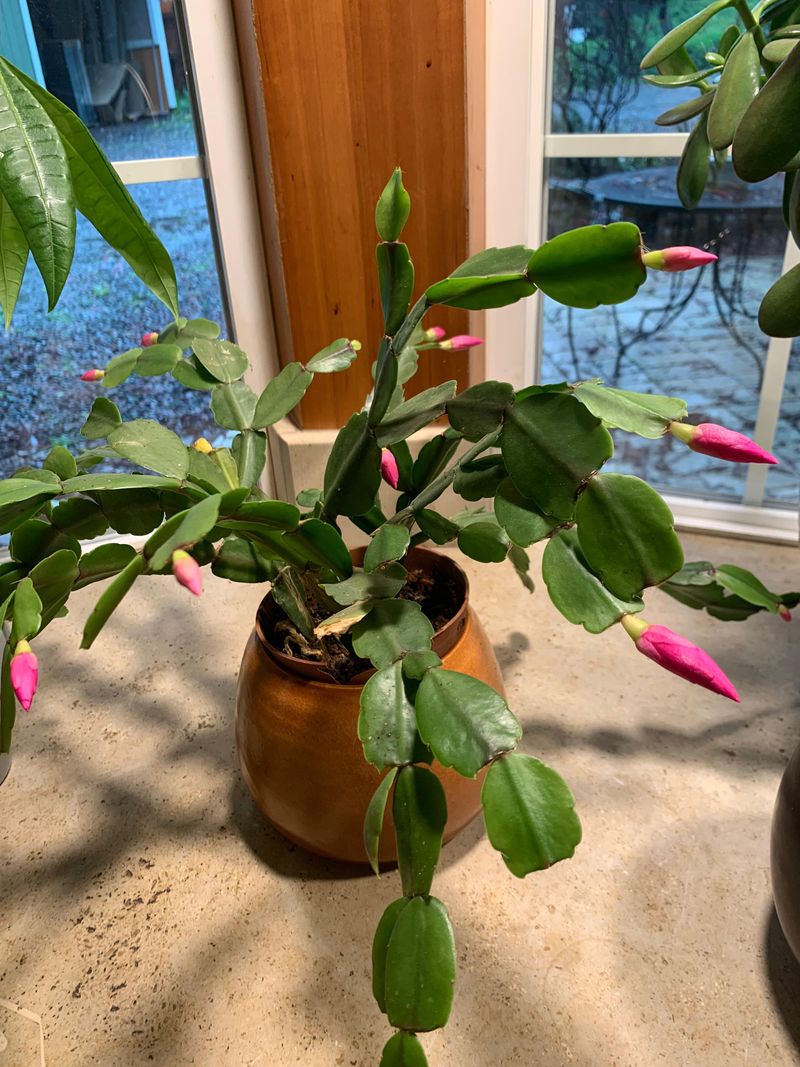
Here is something many Easter cactus owners do not realize: a deliberate, slight reduction in watering during late winter can actually encourage the plant to bloom. This technique mimics the natural dry season that Easter cactus would experience in its native Brazilian rainforest habitat, signaling that conditions are right to shift energy toward flowering.
Starting around January or early February in Michigan, try stretching the time between waterings just a little longer than usual. You are not trying to stress the plant or let it shrivel up.
The goal is to keep the soil barely moist rather than evenly damp. This mild dry period sends a gentle hormonal cue that encourages bud initiation at the tips of the leaf segments.
Once you start noticing tiny bud nubs forming, you can gradually return to your normal moderate watering schedule. At that point, consistent moisture helps the buds develop fully without dropping.
The key is the timing. Do the slight water reduction in late winter before buds appear, not after.
This two-phase approach, slightly drier then consistently moist, works remarkably well for Michigan growers trying to coax reliable blooms from their Easter cactus every year.
5. Maintain Moderate Indoor Humidity
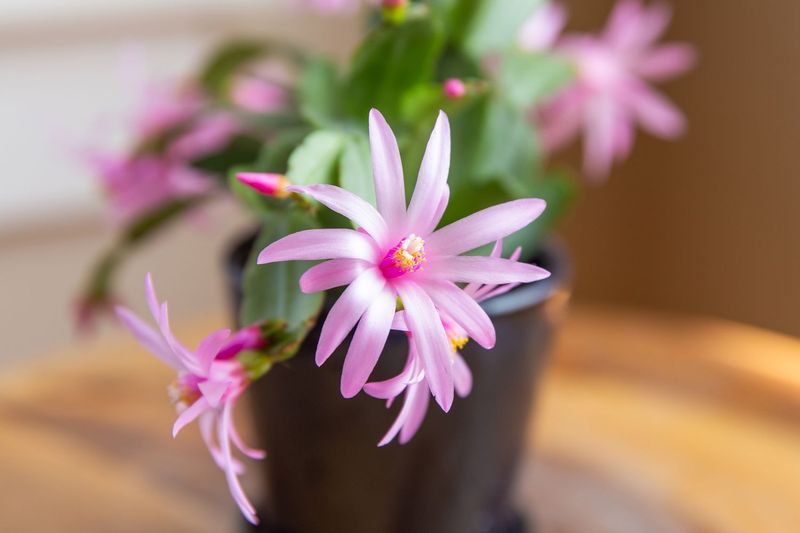
Michigan winters and dry indoor air go hand in hand. When heating systems run constantly from November through March, indoor humidity levels can drop to 20 percent or lower, which is genuinely harsh for a plant that originates from Brazil’s humid forest environment.
Easter cactus prefers humidity levels between 40 and 60 percent, and when the air gets too dry, the plant responds with stressed segments and reduced flowering.
Low humidity causes moisture to evaporate from the plant’s leaf segments faster than the roots can replace it. This forces the plant into a kind of constant low-level stress that diverts energy away from producing buds.
You might notice the tips of segments looking slightly shriveled or dull, which is often a humidity problem rather than a watering issue.
Boosting humidity around your Easter cactus does not require anything complicated. A small humidifier nearby works wonderfully and benefits other tropical houseplants at the same time.
Alternatively, placing the pot on a tray filled with pebbles and water creates a gentle humidity zone as the water evaporates. Grouping your houseplants together also raises the local humidity naturally.
Keeping the air around your Easter cactus comfortably moist through winter gives it one more reason to reward you with a full, vibrant bloom display in spring.
6. Avoid Drafts And Sudden Temperature Swings
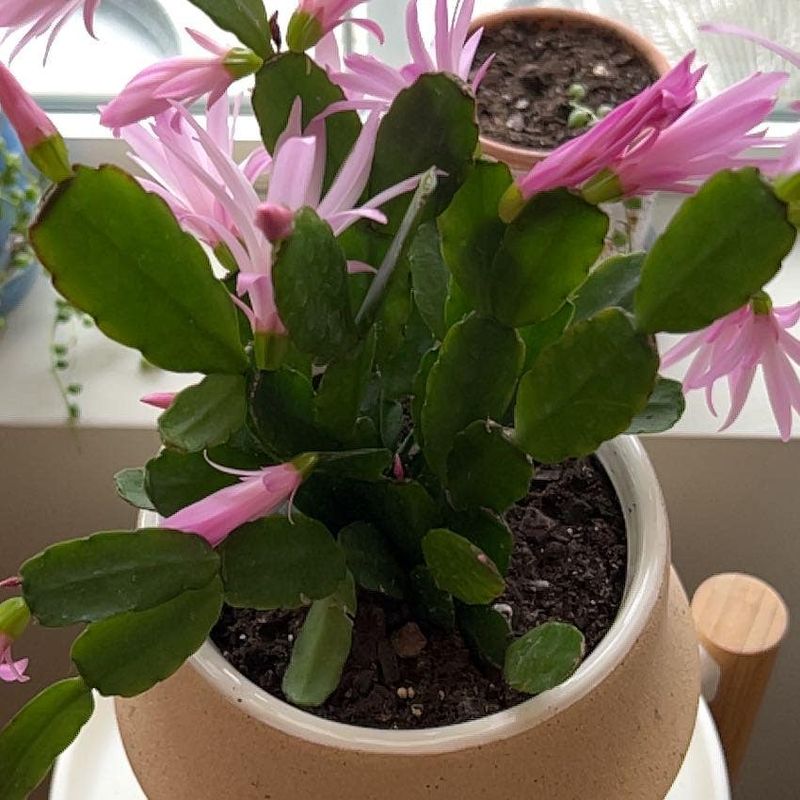
Bud drop is one of the most frustrating things that happens to Easter cactus owners, and cold drafts are one of the most common culprits in Michigan homes. Once your plant sets its buds, even a single exposure to a sudden cold blast from an opening door or a drafty window can cause those buds to fall off before they ever open.
The plant reacts to rapid temperature change as a stress signal and sheds its buds as a protective response.
But cold drafts are only half the problem. Sudden blasts of warm air from heating vents or radiators sitting too close to the plant cause the same bud-drop reaction.
The Easter cactus is surprisingly sensitive to temperature swings in either direction once it enters the bud stage, and Michigan homes are full of these hot-and-cold microclimates during winter.
Walk through your home and look at where your Easter cactus currently sits. Is it near an exterior door? Right above a heating vent? Beside a drafty window frame?
Moving it to a more stable spot, away from both cold drafts and heat sources, can save an entire season’s worth of buds.
A spot in the middle of a room or on an interior wall shelf tends to offer the most consistent temperature environment through Michigan’s long winter heating season.
7. Do Not Fertilize In Deep Winter
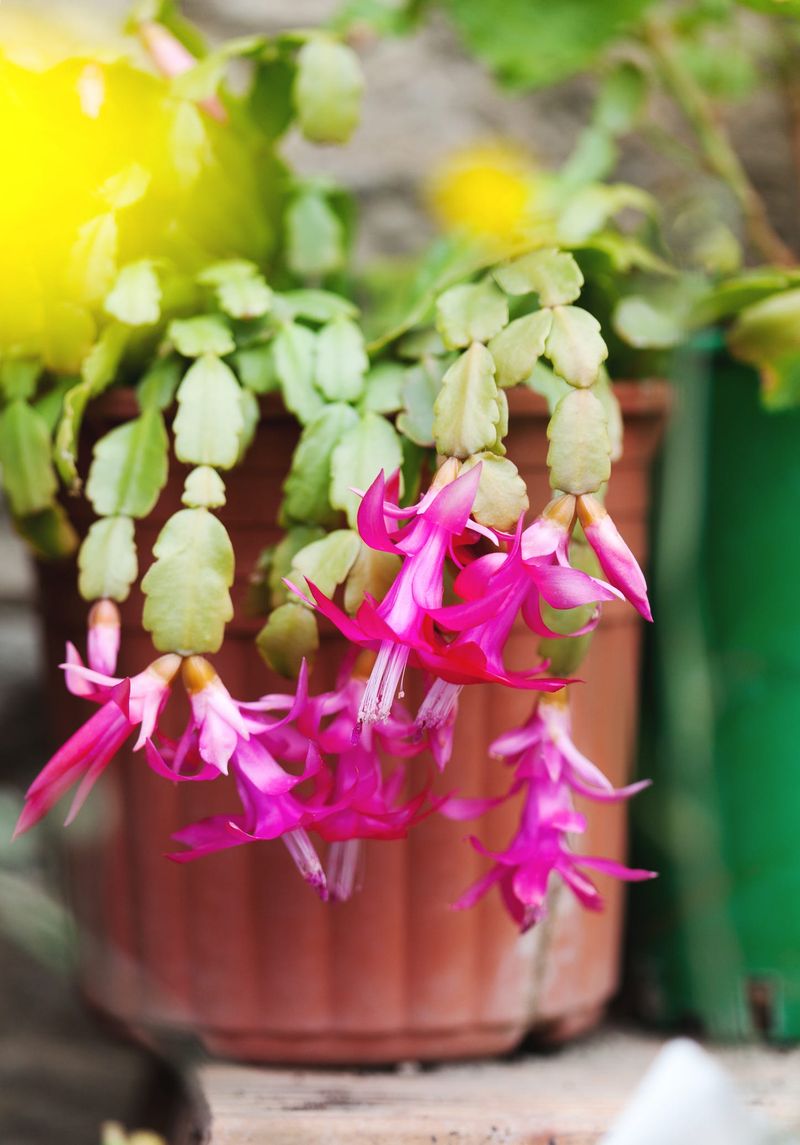
Fertilizer is a wonderful tool for Easter cactus during its active growing season, but applying it in deep winter is one of the quieter mistakes that can cost you your spring blooms. During the dormant winter period, your Easter cactus is resting and conserving energy.
Feeding it with fertilizer during this time pushes the plant into producing new leafy growth instead of channeling resources toward flower bud development.
Think of it this way: fertilizer tells the plant to grow. But what you actually want in winter is for the plant to pause, rest, and then redirect its energy into blooming.
Nitrogen-heavy fertilizers especially encourage lush green segment production, which looks healthy but actually works against flowering. A plant busy pushing out new growth rarely has the stored energy needed to produce a generous flush of buds.
Hold off on any fertilizing from around November through late February. When late winter arrives and you start to see tiny bud nubs forming at the segment tips, that is your green light to resume feeding.
Use a low-nitrogen, bloom-boosting fertilizer like a 5-10-10 or similar formula to support bud development without encouraging excessive leaf growth.
This well-timed approach to fertilizing keeps your Easter cactus focused on exactly what you want it to do: bloom beautifully every spring.
8. Keep The Plant Slightly Root-Bound
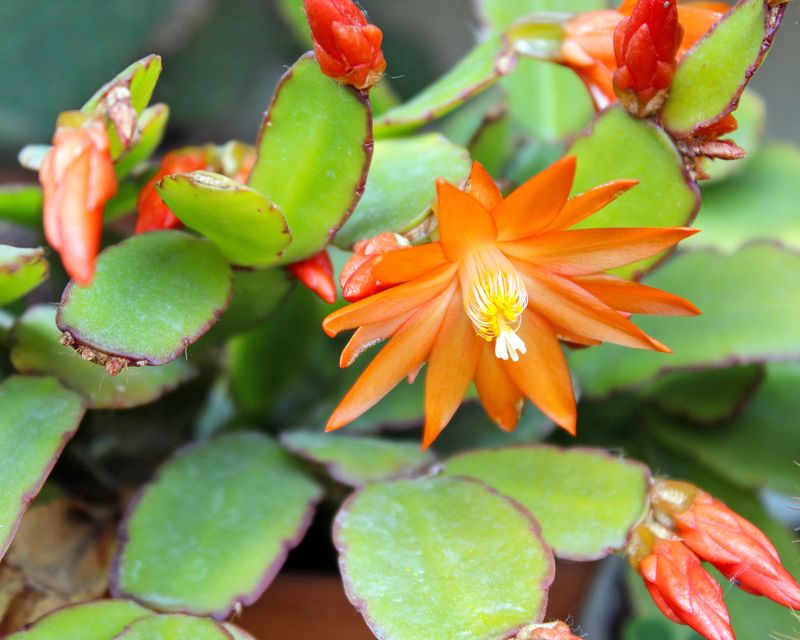
Here is a counterintuitive gardening truth that surprises many Easter cactus owners: this plant actually blooms better when its roots are a little cramped.
Unlike many houseplants that thrive after being repotted into larger containers, Easter cactus tends to respond to a snug pot by putting its energy into flowers rather than roots and foliage.
It is a survival response that works beautifully in your favor. When an Easter cactus sits in an oversized pot, the roots spread out to fill the extra space and the plant focuses on vegetative growth. Lots of green segments, very few blooms.
A slightly root-bound plant, where roots are comfortably filling the pot but not severely circling or escaping the drainage holes, sends a natural signal that it is time to reproduce. And for a plant, that means flowering.
If your Easter cactus has been in the same small pot for two or three years and the roots are just starting to peek out of the drainage holes, resist the urge to upsize dramatically. If you do need to repot, move up only one pot size, about one inch larger in diameter.
Repotting is best done right after the plant finishes blooming in spring, not during winter when the plant is resting and preparing its bud display for the season ahead.