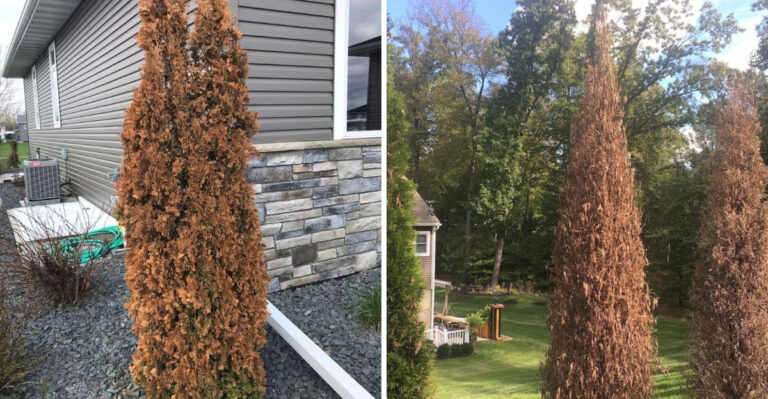
How To Protect Shrubs And Small Trees From Heavy Wet Snow In Michigan
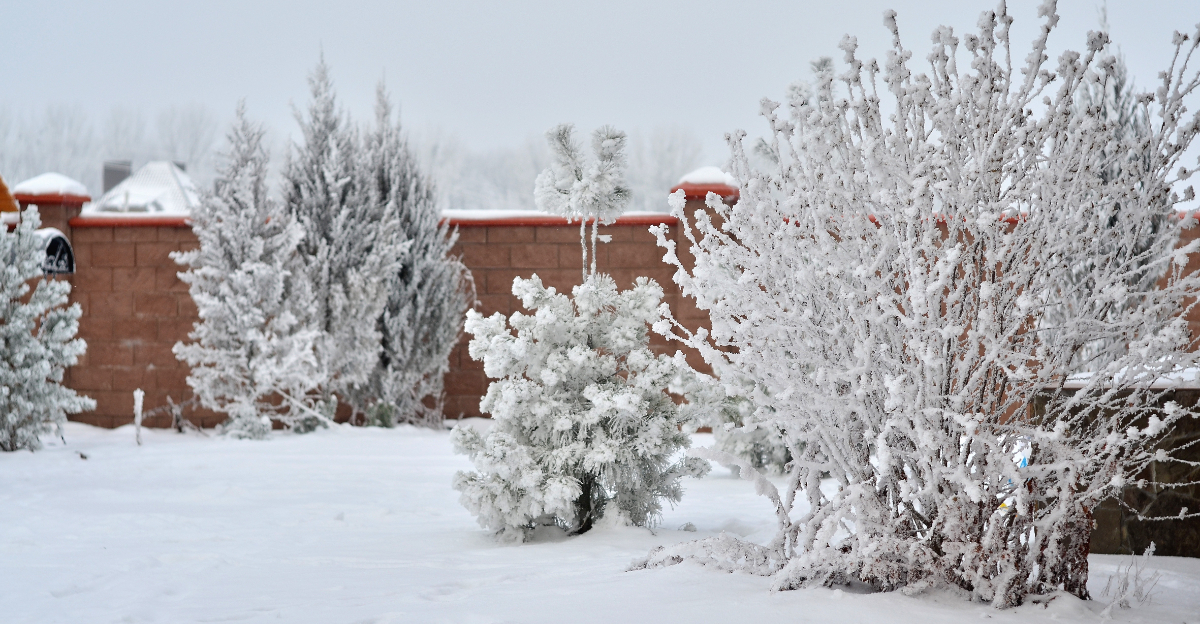
Michigan winters can be harsh, and your yard often bears the brunt of the season’s toughest weather. Heavy, wet snow is particularly challenging because it is far denser than the light, fluffy powder many people picture when they think of a winter wonderland.
When it accumulates on shrubs, small trees, and delicate branches, the weight can quickly become overwhelming.
Even a single strong snowstorm has the power to bend branches out of shape, split them apart, or cause permanent damage to plants you have nurtured for years.
The key to keeping your landscape safe is preparation and timely action. By understanding how snow affects different types of plants and taking steps to reinforce or protect them before storms arrive, you can minimize damage and preserve the beauty of your yard.
With the right strategies, what once felt like a season of worry can become a manageable part of winter garden care.
Gently Brush Off Wet Snow Quickly
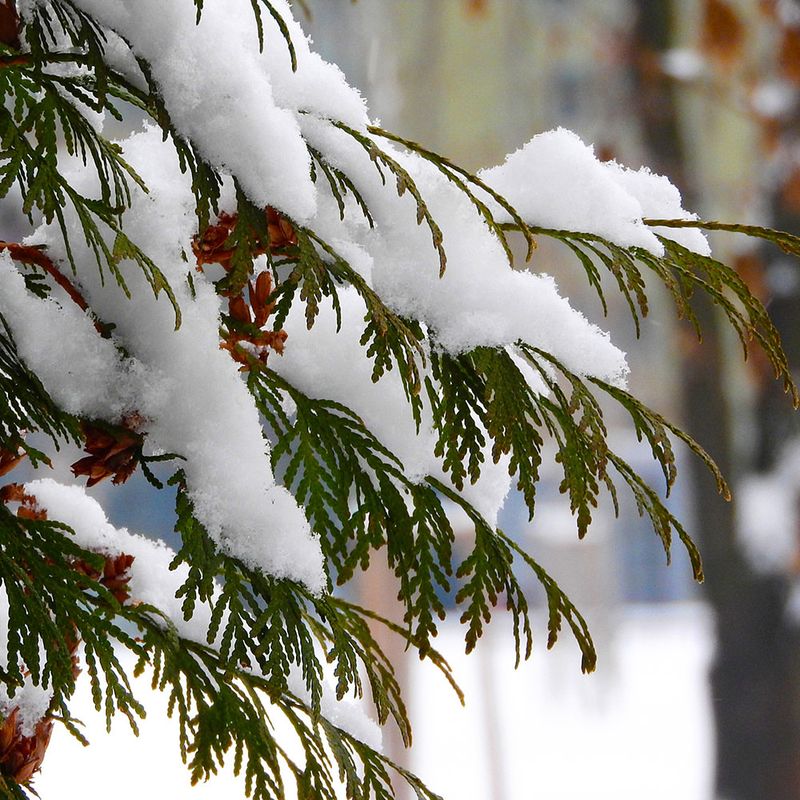
Wet snow does not mess around. It can weigh several times more than dry, fluffy snow, and every inch that piles up on a branch adds pressure that builds surprisingly fast.
Acting quickly after a storm begins is one of the smartest moves you can make as a Michigan gardener.
Use a soft-bristled broom or a foam brush to sweep snow off branches in an upward motion, starting from the bottom of the plant and working your way up. Pushing snow upward prevents branches from snapping downward under the added force.
Never whack branches sharply or shake them aggressively, especially when temperatures drop below freezing, because cold wood becomes brittle and breaks much more easily than you might expect.
Timing really matters here. If you wait until snow has been sitting for hours, it may already have started to compact or partially freeze, making removal both harder and riskier.
Check your plants every hour or two during an active snowfall and clear accumulation before it becomes a serious problem. Even small shrubs like boxwood or yew can suffer when left unattended during a heavy Michigan snowstorm.
Making this a regular habit throughout winter keeps your plants healthier and looking great when spring finally arrives.
Tie Upright Evergreens With Soft Support
Arborvitae, columnar junipers, and other upright evergreens are some of the most popular plants in Michigan landscapes, and they are also some of the most vulnerable when wet snow arrives.
Their naturally vertical shape catches and holds snow like a funnel, which pushes branches outward and causes the whole plant to splay open in ways that are hard to fix later.
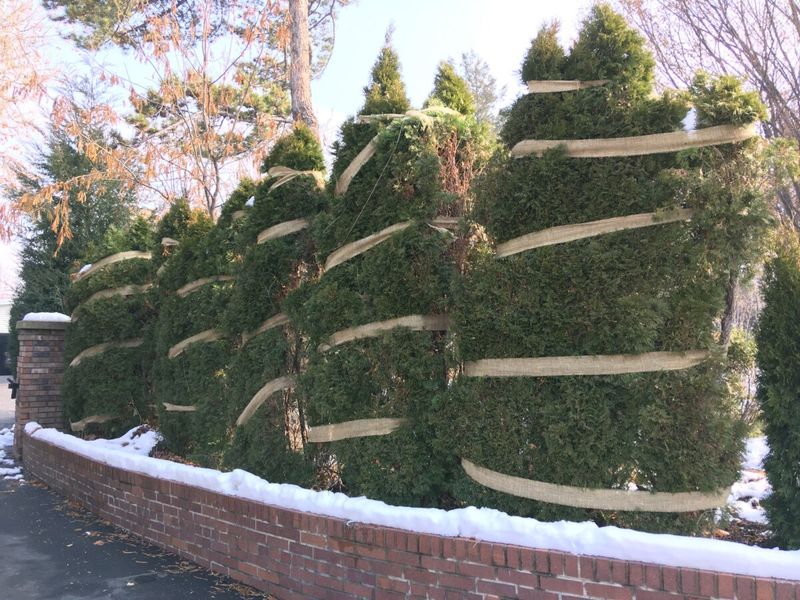
Tying these plants loosely with soft cotton twine or stretchy tree-tie tape before winter storms hit is a simple and effective solution.
Start at the base of the plant and spiral the twine upward in a gentle wrap, gathering branches inward without squeezing them too tightly.
You want the plant to hold its natural shape while the twine keeps branches from spreading outward under snow weight. Avoid using wire, rope, or anything rough that could cut into the bark or damage tender branch tissue during the process.
Your Michigan Garden Changes Every Week. Your Plan Should Too.
Gardening in Michigan changes quickly throughout the season. Every Friday you’ll receive a simple weekly plan showing exactly what to plant, prune, fertilize, harvest, and protect so you never miss the right timing.
The best time to do this is in late fall, before the first major snowfall of the season. Once branches have spread open under ice or heavy snow, they often stay that way permanently, ruining the plant’s attractive form.
A little prep work in November saves a lot of heartbreak come March. Removing the twine in early spring allows the plant to breathe and grow naturally through the warmer months ahead.
Install Temporary Snow Supports Or Frames
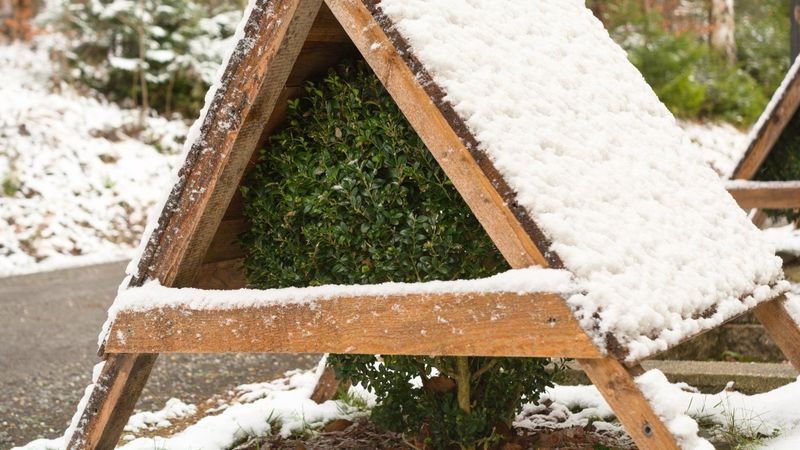
Sometimes the best protection is a physical barrier that keeps snow from landing directly on vulnerable plants in the first place.
Temporary snow supports and A-frame structures are fantastic tools that Michigan gardeners have used for decades to shield low-growing shrubs and young ornamental plants through the harshest winter months.
You can build simple A-frames from scrap lumber, or purchase ready-made shrub covers and wire cages from garden centers. Position the structure over the plant before a major storm rolls in, making sure it is tall enough to sit above the plant’s top without crushing it.
The angled sides of an A-frame naturally shed snow to the sides, preventing heavy accumulation from pressing down on branches below. For wider shrubs, a wooden teepee style frame works beautifully and is easy to assemble with just a few stakes and boards.
Burlap-covered frames offer a double benefit by blocking drying winter winds in addition to shedding snow weight.
This extra wind protection is especially useful for broadleaf evergreens like rhododendrons and mountain laurel, which can suffer from moisture loss during Michigan’s cold, dry winters.
Make sure supports are secured firmly in the ground so wind does not knock them over mid-storm. Removing them in early spring before new growth begins gives plants full access to sunlight and fresh air right when they need it most.
Shake Snow Off Multi-Stem Shrubs Carefully
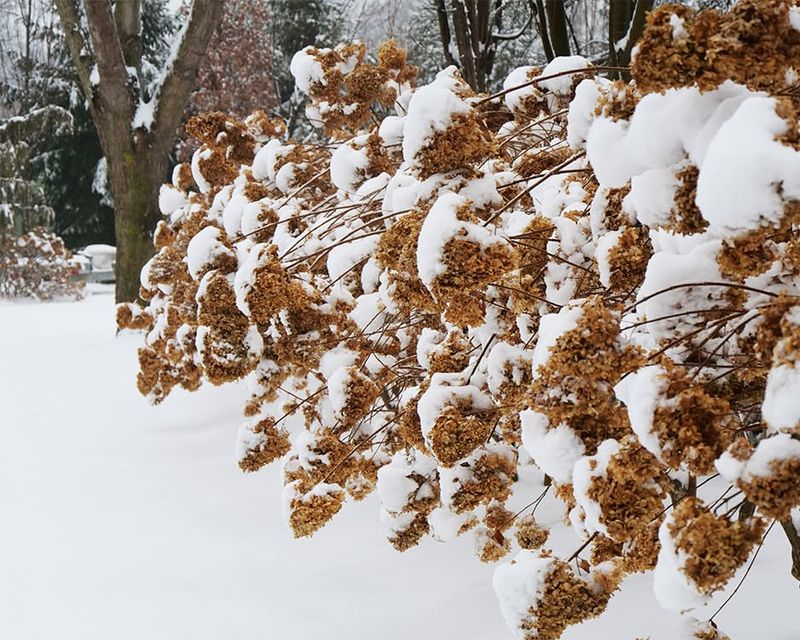
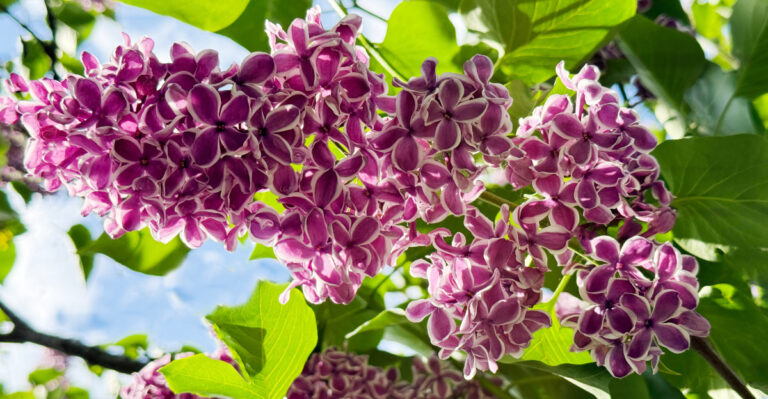
Multi-stem shrubs like hydrangea, lilac, forsythia, and viburnum have an open, spreading structure that catches wet snow across dozens of individual branches at once.
That might sound manageable, but the combined weight across all those stems adds up fast, and before you know it, branches are bending toward the ground at alarming angles.
Carefully grasping the main trunk or a lower stem and giving the plant a few gentle shakes is often enough to dislodge the bulk of the snow without putting stress on individual branches.
Work section by section on larger shrubs rather than shaking the whole plant at once. This approach distributes the movement more evenly and reduces the chance of snapping a stem that is already under pressure from the weight above it.
One thing to keep in mind is that frozen or icy branches should never be shaken, since brittle wood breaks far more easily under sudden force than under gradual pressure.
If temperatures have already dropped below freezing and snow has started to harden, it is safer to leave the plant alone and let the ice melt naturally on a warmer day.
Patience in those moments protects the plant better than rushing. Checking your multi-stem shrubs during and after every snowstorm throughout Michigan’s long winter season helps you catch problems early and keep plants in great condition through spring.
Avoid Letting Ice Form On Snow-Loaded Branches
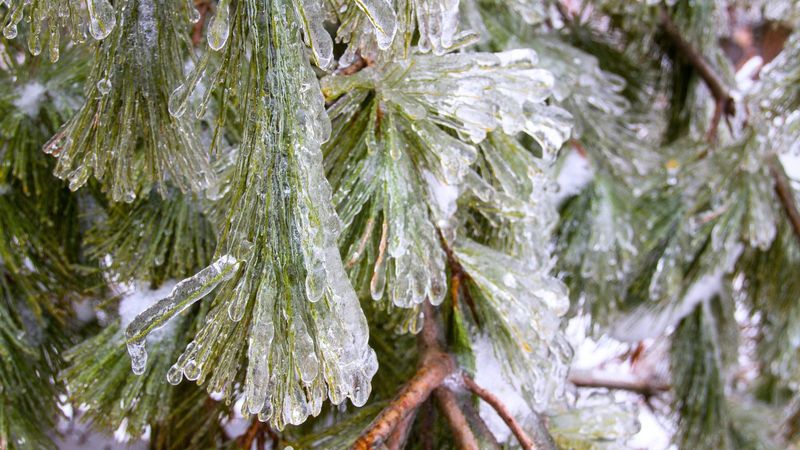
Here is something a lot of people do not realize until it is too late: wet snow that sits on branches overnight and then freezes can become dramatically heavier than the original snow alone.
A single inch of ice can weigh more than a foot of fresh powder, and that kind of weight puts branches under extraordinary stress that can cause serious structural damage.
The key is removing wet snow before temperatures drop below freezing and lock everything in place. Monitor weather forecasts closely throughout Michigan’s winter season, especially when snowstorms are followed by overnight temperature drops.
If you know a freeze is coming after a snowfall, prioritize clearing your most vulnerable plants as quickly as possible before conditions change. Even partial removal helps reduce the total ice weight that forms once temperatures fall.
If ice has already formed and you cannot safely remove it, the best approach is simply waiting for a natural thaw. Trying to chip or force ice off branches almost always causes more harm than the ice itself.
Applying warm water is occasionally suggested, but it risks refreezing on the plant and making things worse in very cold conditions. Prevention is genuinely the most reliable strategy here.
Building a habit of quick snow removal after every storm gives your shrubs and small trees a fighting chance against Michigan’s most damaging winter weather patterns throughout the season.
Prune Weak Or Crossing Branches Before Winter
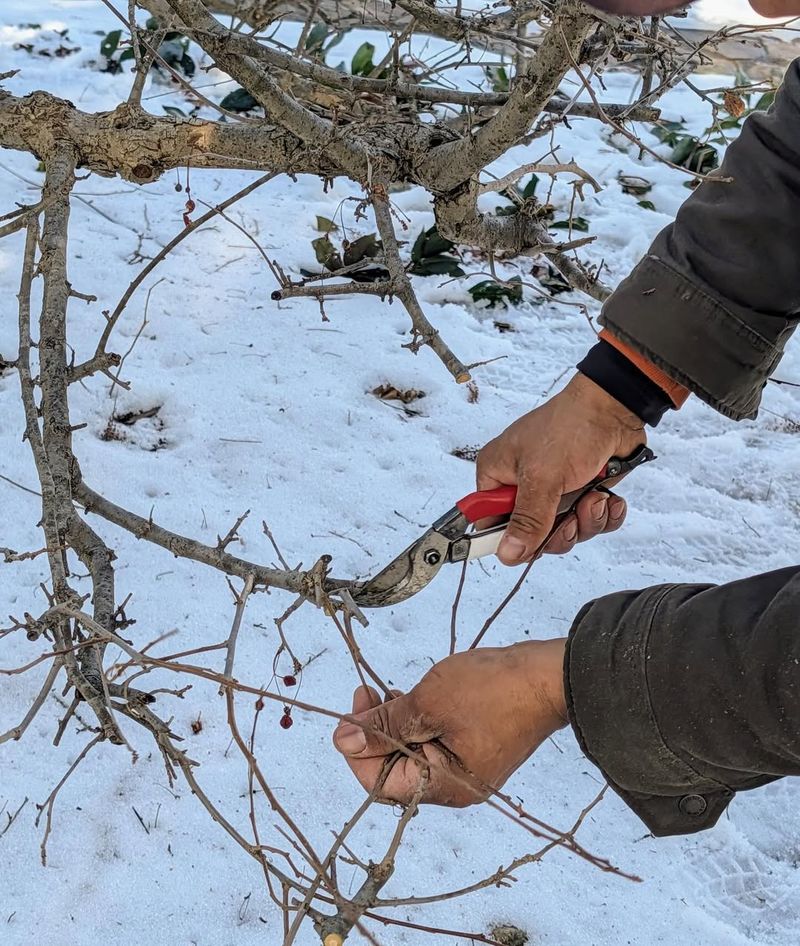
Think of late fall pruning as giving your plants a strength training session before the hardest months of the year.
Branches that are already weak, damaged, or rubbing against each other are the first to fail under heavy snow load, and removing them before winter arrives eliminates the problem entirely before it ever becomes a crisis.
Walk around each shrub and small tree in your yard and look for branches that cross and rub, grow inward toward the center of the plant, or show signs of previous damage like cracking or splitting bark. These are the branches most likely to snap under stress.
Remove them cleanly with sharp, sanitized pruning shears or loppers, cutting just outside the branch collar to encourage healthy healing. Thinning the canopy also allows snow to fall through the plant more easily rather than piling up on dense foliage.
Timing is important when it comes to fall pruning. Most deciduous shrubs and trees handle late fall pruning very well once they have gone dormant, which typically happens after the first hard frost in Michigan.
Pruning too early in the season can stimulate new growth that gets damaged by cold weather. Evergreens generally need less pruning, but removing dead or damaged wood before winter still improves their overall snow resistance.
A well-pruned plant is a structurally stronger plant, and that strength pays off every single time a major snowstorm rolls through.
Use Tree Wrap On Young Flexible Trees
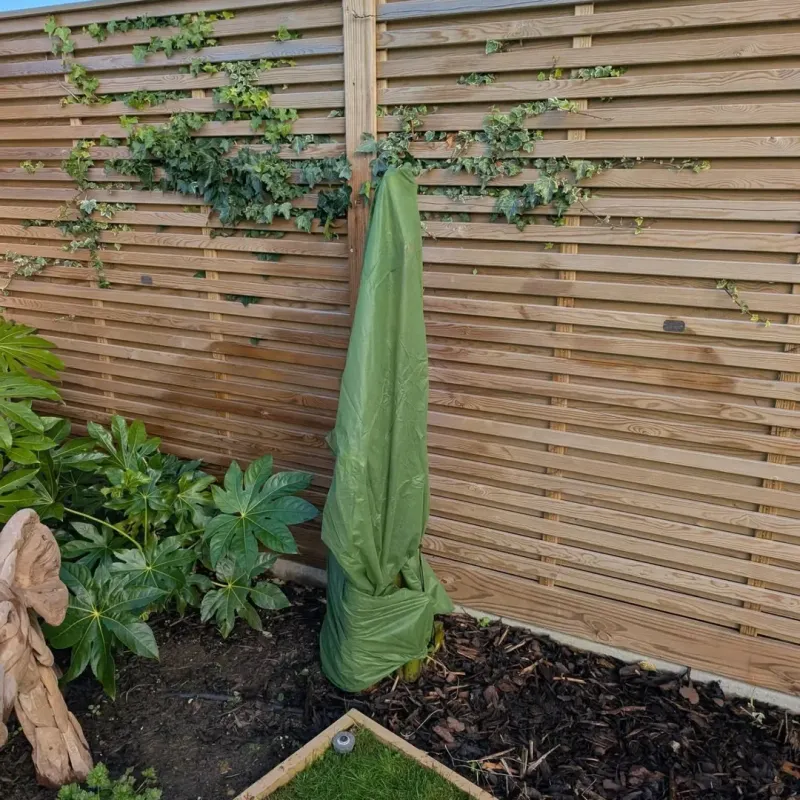
Young trees have a certain charm, but they also have a vulnerability that older, more established trees do not share.
Their trunks are still slender and flexible, which sounds like an advantage until a heavy, wet snowstorm rolls through and bends them sideways far beyond what is healthy.
That kind of stress can cause lasting trunk damage or permanent lean if left unchecked through a Michigan winter.
Tree wrap, which is a paper or foam material that spirals around the trunk from the base upward, adds a layer of physical support and insulation that helps young trees stay more upright under pressure.
Start wrapping at the base of the tree and work upward in overlapping spirals, finishing just below the first major branches.
The wrap holds the trunk slightly more rigid and also protects the thin bark from sunscald, which is a common winter injury caused by extreme temperature swings between sunny days and cold nights in Michigan.
Choose breathable wrap materials rather than plastic, which can trap moisture and encourage disease.
Remove the wrap in early spring as soon as temperatures begin to warm consistently, since leaving it on too long can create problems for the bark underneath.
Most garden centers in Michigan carry affordable tree wrap options that are easy to apply even for beginners. Wrapping young trees every fall is a small investment of time that pays back with healthier, straighter, more resilient trees for years to come.
Stake Young Trees For Winter Stability
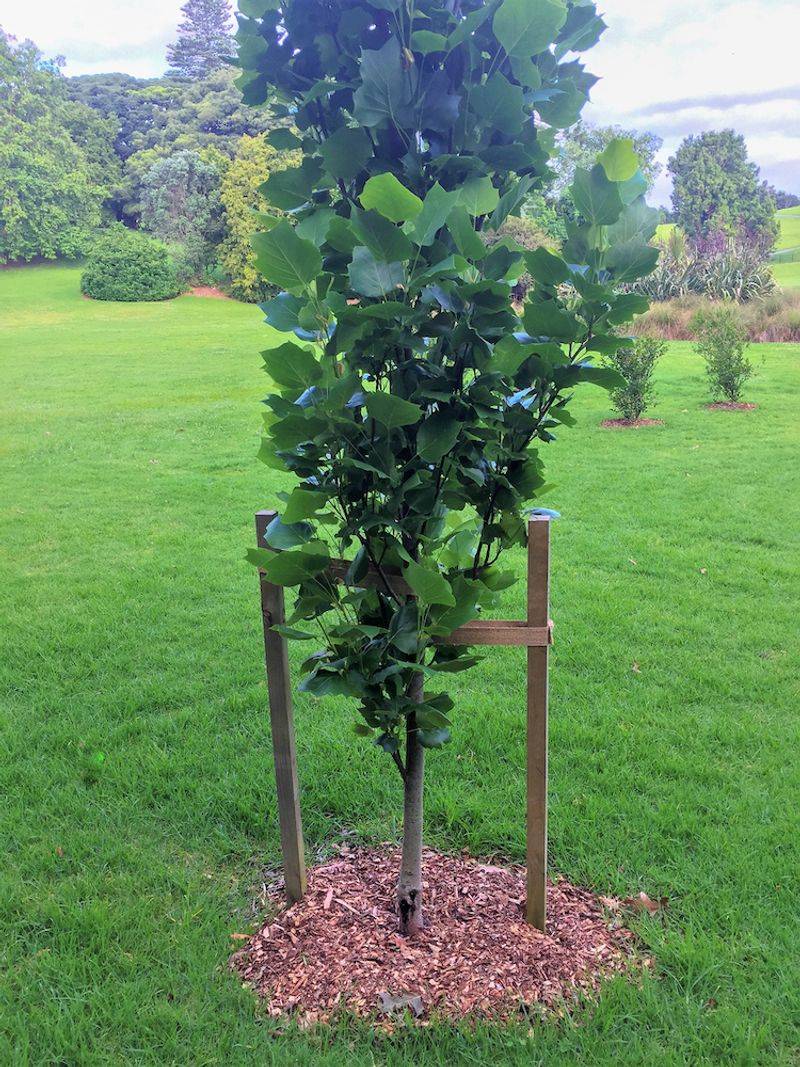
Snow and wind are a tough combination, and young trees with shallow or recently established root systems are especially vulnerable to that double threat.
When wet snow piles onto branches and wind pushes from the side at the same time, small trees can lean significantly or even shift at the root zone, which disrupts the root system just when the plant needs stability most.
Staking provides an anchor that keeps young trees upright through Michigan’s most challenging winter conditions.
Drive two or three wooden or metal stakes into the ground around the tree at equal distances, then attach the tree to the stakes using soft, flexible ties that allow slight movement without cutting into the bark.
A little sway is actually healthy for young trees because it encourages stronger trunk development, so avoid tying them so tightly that there is zero movement at all.
Install stakes before the ground freezes solid in late fall, since driving stakes into frozen Michigan soil is extremely difficult and often ineffective.
Check the ties periodically throughout winter to make sure they have not tightened or shifted as the tree moves in wind.
Remove the stakes and ties in spring after the ground has thawed and the tree shows signs of healthy new growth, which signals that the root system has established enough to support the tree on its own.
Staking is a temporary tool, not a permanent fix, and using it correctly makes all the difference.
Plant Snow-Sensitive Shrubs In Sheltered Locations
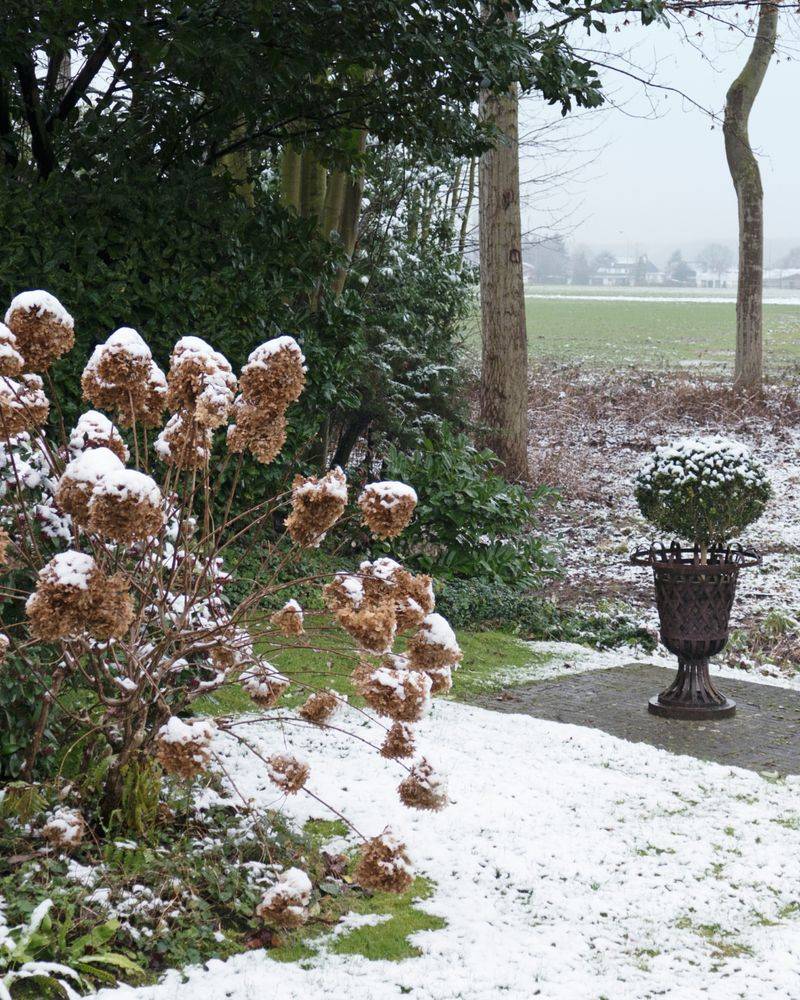
Location is everything in gardening, and nowhere is that more obvious than during a Michigan winter.
Shrubs planted in open, exposed areas of the yard face the full force of wind-driven snow, which piles up unevenly and relentlessly on branches that have nowhere to hide.
Moving those same plants to a more sheltered spot can dramatically reduce the amount of snow and wind stress they experience throughout the season.
Natural windbreaks like fences, walls, hedgerows, and the sides of buildings create protected microclimates where snow accumulation is lighter and wind speeds are lower.
Planting snow-sensitive shrubs such as rhododendrons, azaleas, and boxwoods in these sheltered zones takes advantage of that natural protection without any extra effort once the plants are in the ground.
Even the north or east side of a building, which gets less direct sun in winter, can provide valuable protection from the prevailing west and northwest winds that dominate Michigan winter weather patterns.
When planning new plantings or rearranging your landscape, think ahead about where snow tends to dump the heaviest in your yard during past winters. Those spots are clearly exposed and should be reserved for tougher, more resilient plants.
Saving the sheltered corners and protected edges for your most delicate shrubs is a smart long-term landscaping strategy that reduces winter damage year after year without requiring any extra tools or ongoing effort from you.
Choose Snow-Resistant Shrub Forms When Planting
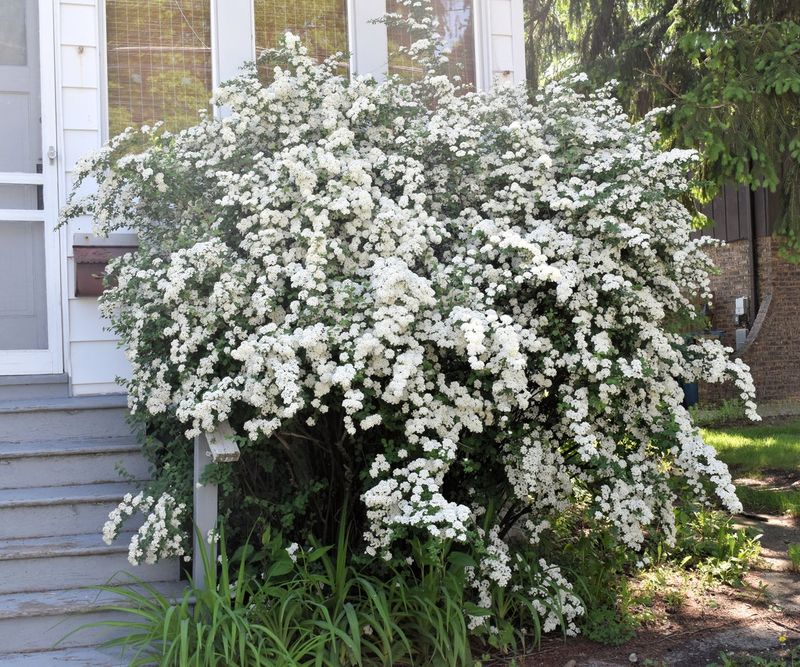
Not all shrubs are created equal when it comes to handling Michigan’s heavy wet snowfalls, and the shape of a plant matters just as much as its species when it comes to winter survival.
Wide, flat-topped shrubs with horizontal branching tend to catch and hold snow like a shelf, while narrow, arching, or mounded forms shed snow naturally before it has a chance to build up to dangerous levels.
Shrubs with flexible branches fare far better than those with stiff, brittle wood.
Plants like native spirea, ornamental grasses, and many compact viburnum varieties have naturally springy branches that bend under snow weight and bounce back when the snow slides off, rather than snapping under pressure.
Columnar or fastigiate forms, while elegant, can be tricky since they trap snow between upright stems, so they need extra support as described earlier in this article.
When shopping for new shrubs at Michigan garden centers, ask specifically about snow tolerance and branch flexibility for any variety you are considering.
Native Michigan shrubs are often excellent choices because they have adapted naturally to local weather conditions over many generations.
Avoiding plants that are rated for warmer hardiness zones than your specific Michigan location is also a smart move, since those plants tend to be less prepared for the intensity of a real Michigan winter.
Choosing wisely from the start saves you a lot of protective effort every single year going forward.