7 Early Season Garden Pests Starting To Show Up In North Carolina Yards
You wait all winter for that first stretch of warmer days. The soil softens, the daffodils push through, and you finally step outside to check on the beds you’ve been thinking about since January.
Then you notice tiny holes in your greens or clusters of something clinging to a stem, and just like that, garden season feels very real.
Late winter in North Carolina is when gardens begin to stir, and certain pests do the same. Some have been tucked into the soil or hiding in plant debris.
Others move in as soon as tender new growth appears. It does not take much for a promising start to look a little stressed.
Before you plant another row or thin those seedlings, it helps to know which early visitors are already active and what they are likely to target first.
1. Cabbage Aphid
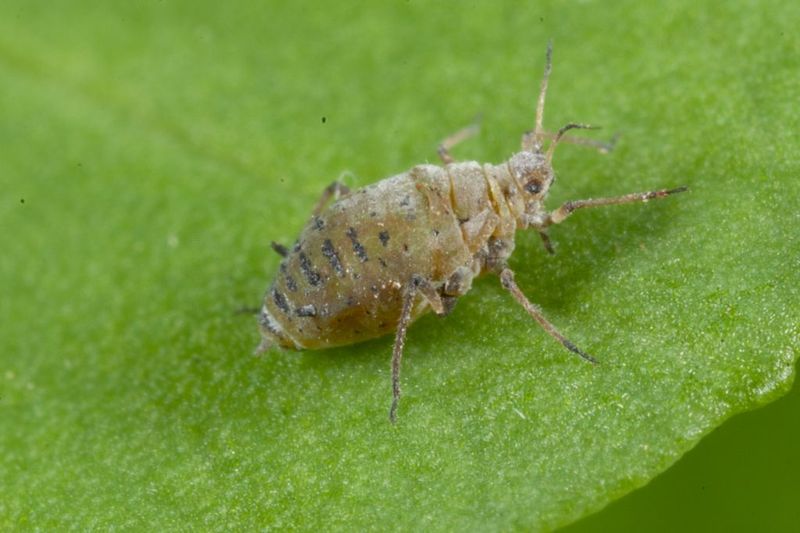
Gray-green clusters on cabbage and other brassicas can signal cabbage aphids, and in North Carolina they can be active earlier than many gardeners expect. NC State Extension notes cabbage and turnip aphids may continue feeding and producing offspring at reduced rates through winter, especially on overwintering hosts like collards, with activity increasing as warmer weather returns.
Mild winters in some parts of the state may allow populations to persist on cool-season crops for extended periods.
You’ll often spot them on leaf undersides and along stems, feeding on plant sap and leaving sticky honeydew behind. That honeydew can attract ants and can contribute to sooty mold on leaves, which may interfere with photosynthesis when buildup is heavy.
Ant activity around infested plants sometimes signals aphid presence before colonies are easily visible.
Young plants and fresh growth tend to show stress first. Leaves may curl, look puckered, or lose vigor as populations build.
Another reason gardeners keep an eye out is that aphids, as a group, can spread certain plant viruses in susceptible crops, so catching outbreaks early is helpful. Heavily infested leaves may also feel sticky to the touch due to honeydew accumulation.
In late winter and early spring, check brassicas at least weekly, focusing on the newest growth where colonies start. A firm spray of water can reduce light infestations by knocking aphids off the plant.
If numbers climb, insecticidal soap can help when applied thoroughly to the parts of the plant where aphids are feeding, following label directions. Encouraging beneficial insects also supports longer-term balance in the garden.
2. Turnip Aphid
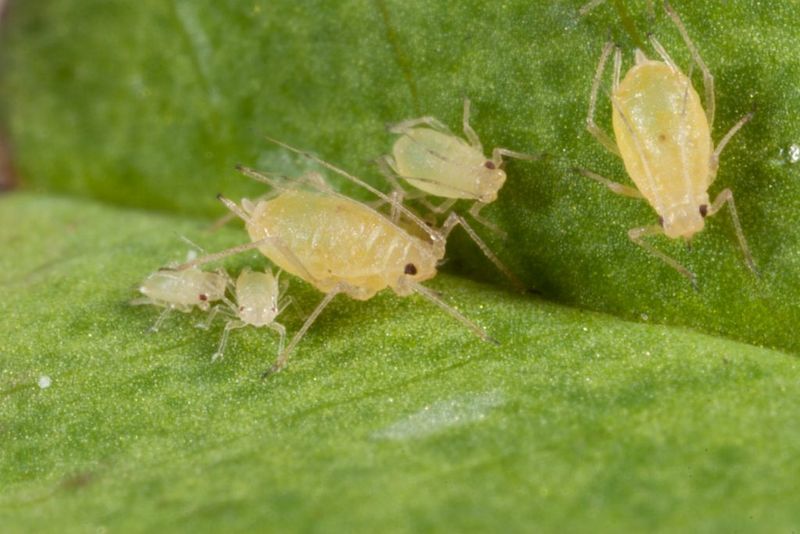
If you flip over a leaf on your turnips or mustard greens and see clusters of small yellowish-green insects packed along the veins, you are likely looking at turnip aphids. These aphids favor plants in the mustard family and are well suited to cooler conditions, which means they can become active earlier in the season than many other garden pests in North Carolina.
In some areas with milder winters, they may continue feeding on overwintered brassica crops and increase in number as temperatures begin to rise.
Turnip aphids concentrate on new growth, causing leaves to crinkle and curl downward. Heavy infestations can stunt plant development, and the honeydew they produce supports the growth of black sooty mold on leaf surfaces.
Your North Carolina Garden Changes Every Week. Your Plan Should Too.
Gardening in North Carolina changes quickly throughout the season. Every Friday you’ll receive a simple weekly plan showing exactly what to plant, prune, fertilize, harvest, and protect so you never miss the right timing.
These pests are also known to transmit plant viruses in crucifer crops, which makes early detection important for vegetable growers. Colonies typically gather on leaf undersides and along stems, where they feed in dense clusters.
Winged adults may develop when populations become crowded and can move to nearby plants.
Regular scouting becomes essential as daytime temperatures begin to warm. Check the youngest leaves and growing tips where aphids tend to congregate first.
Small populations can be managed by removing heavily infested leaves or washing aphids away with a firm stream of water. For persistent problems, insecticidal soaps or horticultural oils can reduce numbers when applied thoroughly and according to label directions.
Floating row covers help limit early colonization of young transplants. Removing crop residue and volunteer brassicas at the end of the season can reduce places where aphids may persist between plantings.
3. Striped Flea Beetle
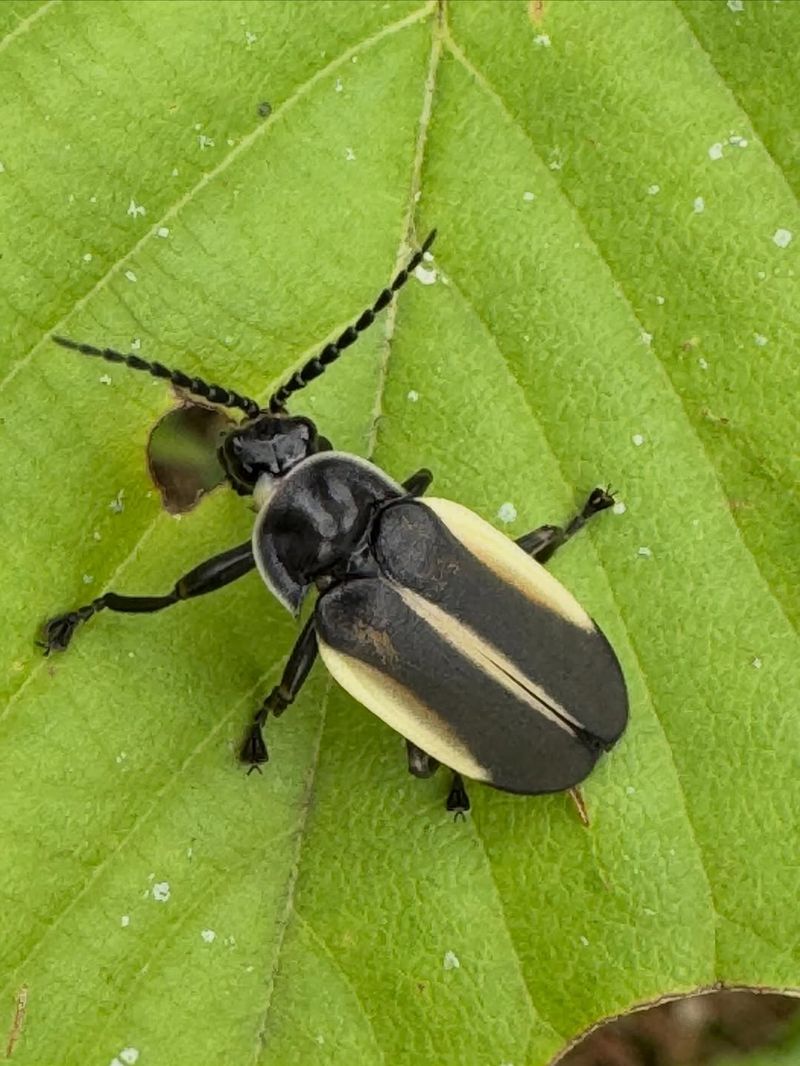
Tiny jumping beetles and “shot-hole” feeding on seedlings often point to striped flea beetles. NC State Extension notes they overwinter among debris in and around fields and emerge early in spring to attack seedlings and young plants.
Flea beetles earn their name from strong hind legs that help them hop quickly when disturbed. Adults chew many small holes in tender leaves, and young plants are most vulnerable because even moderate feeding can slow growth and reduce vigor.
NC State Extension also notes females lay eggs in small crevices at the base of host stems, and the larvae (grubs) move into the soil to feed on roots before pupating and producing another generation.
In North Carolina yards, keep a closer watch on susceptible crops like radishes, turnips, and other brassicas once gardens begin putting on tender new growth. If you notice the first speckled holes, act early.
Floating row covers can help protect seedlings and transplants during the most vulnerable stage, as long as edges are sealed to reduce access.
Sticky traps can be used for monitoring, but row covers and strong plant establishment usually do more heavy lifting for home gardens. Keeping beds free of old crop debris reduces sheltering sites where adults can overwinter.
When damage shows up, consistent moisture and good fertility can help plants grow through light feeding pressure, even if you still see a few beetles hopping around on warm afternoons.
4. Cutworms
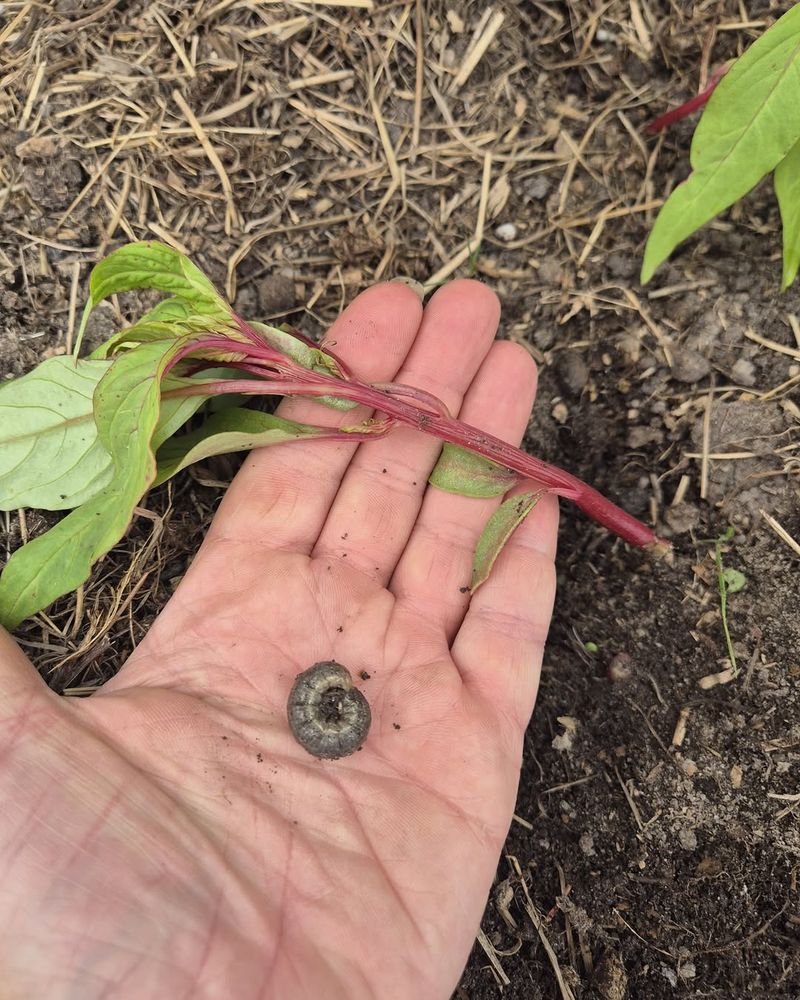
Seedlings that look fine at sunset and then show up toppled or neatly cut at the base the next morning often point to cutworms. These caterpillars hide in soil or under debris during the day and feed at night, sometimes cutting through tender stems near ground level.
Because they work fast and stay out of sight, prevention usually works better than chasing them after damage starts. NC State Extension supports the use of collars as a mechanical barrier.
Collars made from cardboard, foil, or similar material, inserted into the soil around seedlings, can prevent cutworms from reaching stems.
For collars to work well, push them partway into the soil and leave enough height above ground to block crawling larvae. This is especially helpful during the first couple of weeks after transplanting, when stems are most tender.
It also helps to clear weeds and plant debris before planting, since that reduces hiding places and alternative food sources.
If you suspect cutworms, an evening check with a flashlight can confirm activity. Hand-removal can reduce pressure in small beds, especially when you find them curled in a C-shape just below the soil surface near damaged plants.
A light cultivation before planting can expose some larvae to birds and other predators, though it won’t eliminate every cutworm in a yard. Combining bed cleanup, collars, and quick response gives seedlings a much better chance to get established.
5. Slugs
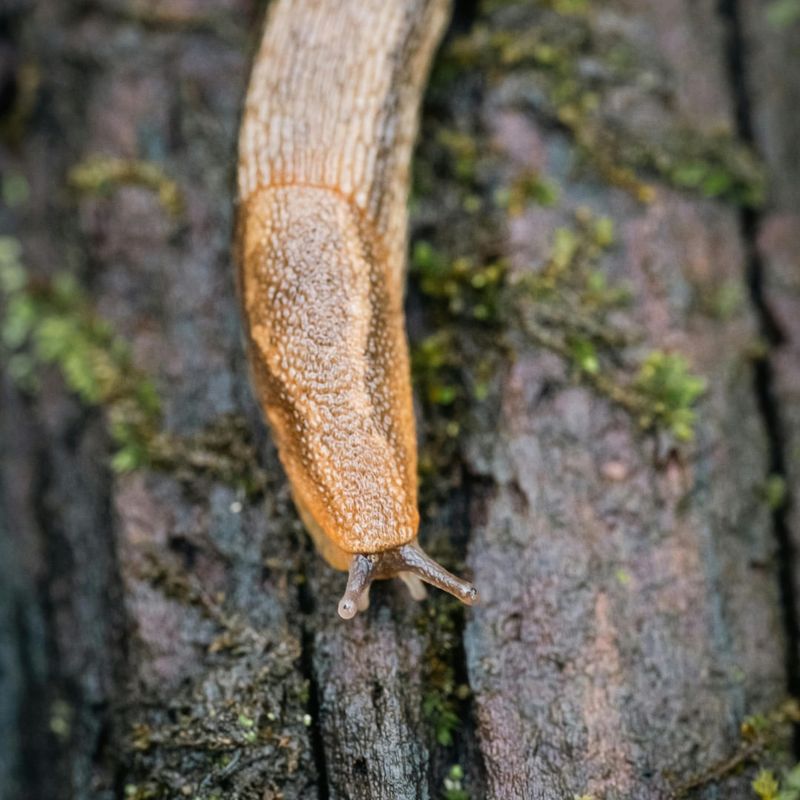
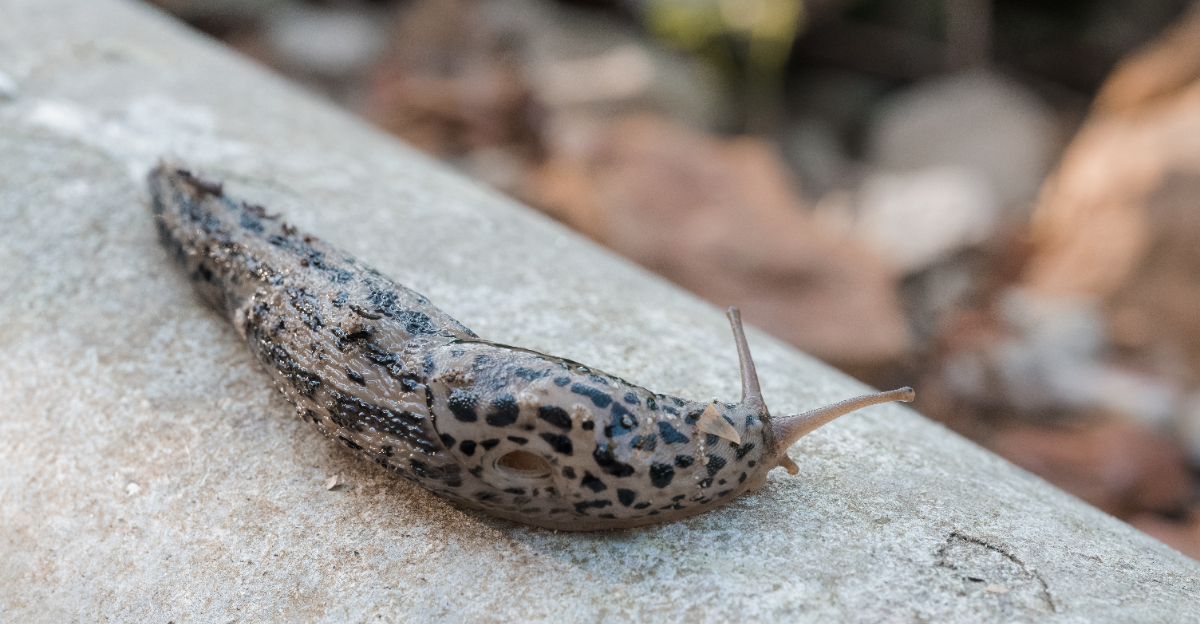
Silvery trails and ragged holes in tender leaves often point to slugs, especially in damp, shady beds. They hide under mulch, boards, pots, and plant debris, then feed at night or during cool, overcast weather.
Damage is often most noticeable on low-growing crops and newly emerging seedlings.
The first step is reducing hiding places. Pull back excess mulch from the crowns of vulnerable plants, remove boards or clutter that stays damp, and improve drainage where water lingers.
Watering earlier in the day can also help because soil surfaces have more time to dry before evening activity. Improving air circulation around dense plantings may also reduce moisture buildup.
Hand-picking can work surprisingly well in smaller gardens, especially during evening checks. If you prefer a bait approach, NC State Extension notes iron phosphate baits have good efficacy against slugs and snails and are often considered a lower-toxicity option compared with some other active ingredients, though you still need to use any bait exactly as labeled.
Physical barriers can also help in certain setups. Copper barriers are sometimes used around containers and raised beds because slugs may avoid crossing them, although results can vary with conditions and placement.
The main goal in late winter is catching the problem early, before slug pressure builds with spring growth. Once you know where they’re hiding and when they’re active in your yard, it gets much easier to protect lettuce, seedlings, and other soft-leaved favorites without turning the whole garden upside down.
6. Harlequin Bug
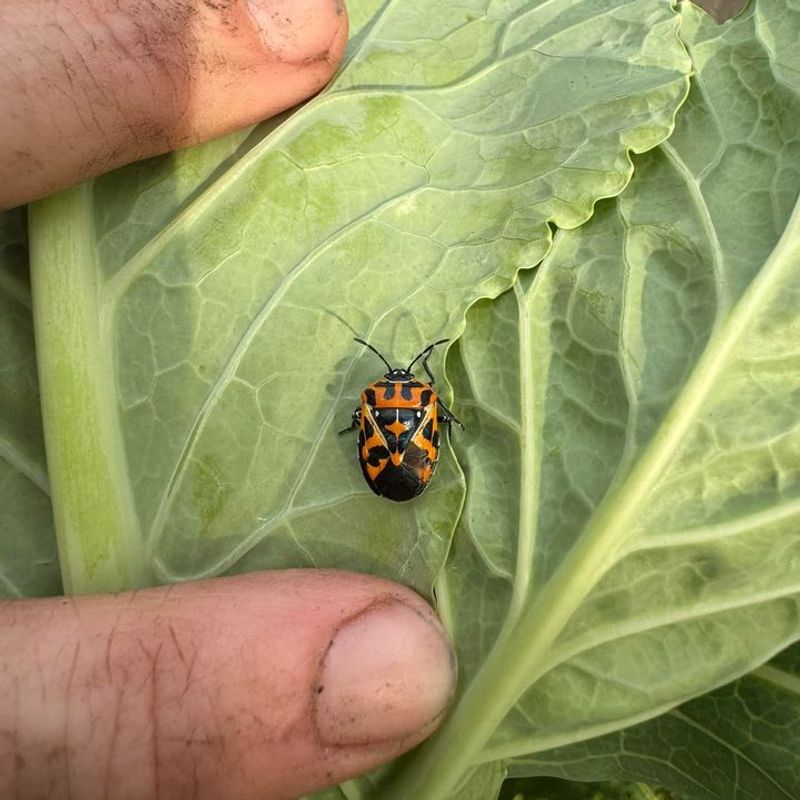
Seeing shield-shaped true bugs clustered on collards or cabbage can signal early-season pest activity in North Carolina gardens. NC State Extension notes that this species overwinters as adults across much of its range, sheltering in plant debris and protected areas.
As temperatures begin to rise in early spring, those surviving adults resume feeding and move onto available host plants, particularly brassicas. Mild winters can increase the number of surviving adults in some areas.
They feed by piercing plant tissue and sucking sap, which can leave pale, stippled patches that may turn brown with heavier feeding. On leafy greens, that damage can show up as scattered light spots that expand over time, and plants may look less vigorous if populations build.
Severe feeding may cause leaves to wilt during warm, dry periods.
Eggs are often laid on leaf undersides in neat clusters, and nymphs feed too, so checking both sides of leaves matters. In smaller gardens, hand-removal of adults and egg clusters can reduce pressure if you catch them early.
Dropping collected insects into soapy water is a common home-garden method to prevent escape.
Row covers can help protect young brassica plants during early growth, particularly when edges are secured. Another practical step is garden cleanup.
Because adults can shelter in plant debris, removing and disposing of old brassica remnants after harvest can reduce places for pests to hide going into the next season.
In North Carolina yards, consistent scouting is what keeps harlequin bugs from getting ahead of you. A quick leaf check while you’re already out inspecting greens often catches the first adults before they turn into a much bigger headache.
7. Thrips
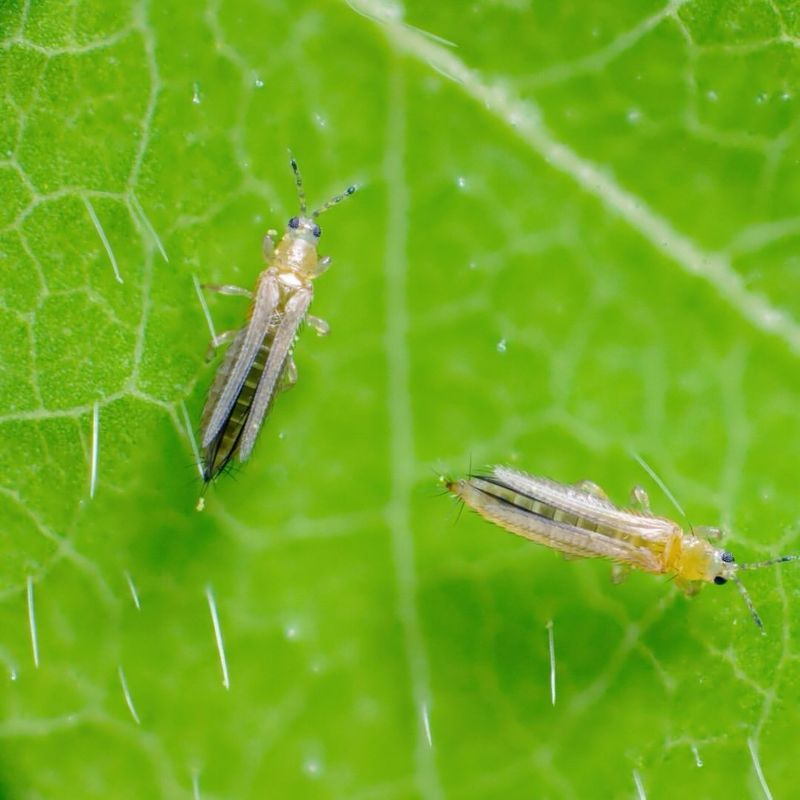
You might first notice something looks slightly off with your plants before you ever spot an insect. New leaves may appear twisted, and petals may not open as smoothly as expected.
In many cases, this type of damage is linked to very small insects that are easy to overlook at a glance.
They feed by scraping plant surfaces and drawing out cell contents, which can leave silvery streaks and fine stippling across leaves. When populations increase, that feeding may also cause rough patches on fruit or scarring on delicate petals.
Some species feed inside developing buds, which can interfere with normal flower formation and lead to blooms that open unevenly or look distorted.
Monitoring is usually the first win. A common check is tapping flowers or tender growth over white paper to spot the tiny moving insects.
Sticky traps can also help you track activity, especially near susceptible plants. Inspecting plants during warm, calm afternoons may make thrips easier to observe.
For home settings, Extension-style guidance commonly supports contact options like insecticidal soap or horticultural oil for thrips when applied thoroughly and according to label directions, since coverage matters with insects that hide in tight growth points. Repeated applications may be needed because eggs are often protected within plant tissue.
Cultural steps can reduce pressure too. Keeping weeds down around beds helps because many weeds can serve as hosts.
Better spacing improves airflow and makes plants easier to inspect and treat, especially in late winter when growth is just starting to pick up.
Because thrips can build as the season warms, the late-winter goal is early detection. Once you spot the first scarring on tender new growth, you’ll know exactly where to look next, and which plants to keep a closer eye on as spring planting gets going.