7 Plants Deer Definitely Won’t Eat In Your Pennsylvania Garden
Deer can turn a beautiful Pennsylvania garden into a buffet in no time, nibbling on flowers, shrubs, and young trees. For gardeners who want vibrant greenery without constant worry, choosing plants deer avoid is a game changer.
These resilient selections help your garden stay full, healthy, and colorful even when wildlife is around.
Many of these deer resistant plants are native to Pennsylvania, which means they thrive in local soil, weather, and seasonal changes with minimal care. From bold perennials to hardy shrubs, they provide structure, texture, and long-lasting blooms while keeping deer at bay.
Some even attract pollinators like bees and butterflies, adding extra life to your outdoor space.
Planting deer resistant species gives you peace of mind, letting you enjoy your garden without fences or constant repairs. With the right choices, your Pennsylvania garden can flourish beautifully while staying largely untouched by hungry wildlife.
1. Lavender
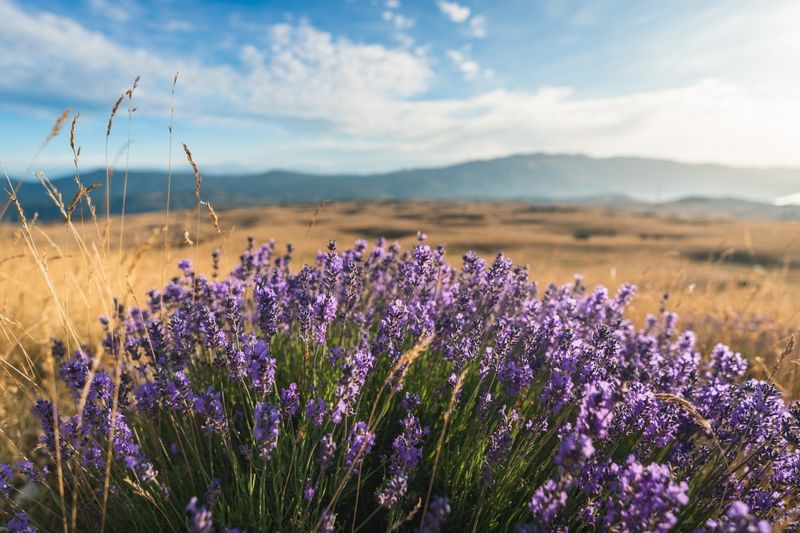
Walk past a lavender plant and you will immediately understand why deer want nothing to do with it. That bold, unmistakable fragrance that humans love so much is exactly what sends deer in the other direction.
Deer rely heavily on their sense of smell, and lavender’s strong essential oils are simply overwhelming to them.
In Pennsylvania, lavender thrives in spots with full sun and well-drained soil. It does not like sitting in wet ground, so raised beds or slopes work really well.
Sandy or slightly rocky soil is actually better for lavender than rich, heavy garden soil. If your yard gets at least six hours of sunlight a day, lavender is a fantastic choice.
Beyond keeping deer away, lavender is genuinely beautiful. Its silvery, slightly fuzzy foliage looks elegant even when it is not blooming.
The soft purple flower spikes appear in early summer and attract pollinators like bees and butterflies in huge numbers. Planting lavender along walkways or near your front porch also lets you enjoy that calming scent every time you walk by.
One more perk is that lavender is a perennial, so it comes back every year without much effort on your part. Trim it back lightly in early spring to keep it tidy and encourage fresh growth.
Once established, it handles dry spells well, making it a low-maintenance winner for Pennsylvania gardeners who want beauty without the deer headache.
2. Russian Sage
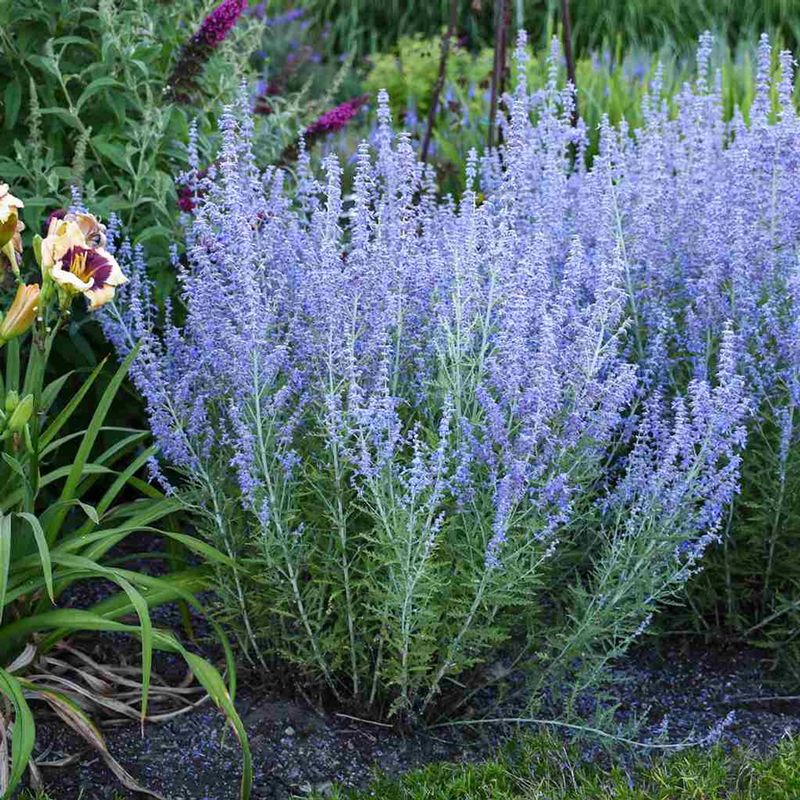
Russian sage looks like something out of a dream garden. Its tall, airy stems are covered in tiny lavender-blue flowers that seem to float in the breeze from midsummer all the way into fall.
But as gorgeous as it looks to us, deer find it completely unappealing, and that is exactly why Pennsylvania gardeners love it.
The secret is in the smell. Russian sage has a strong, medicinal aroma that comes from its woody stems and leaves.
Deer browse based on scent before they even taste something, and Russian sage sends a clear message to stay away. Even in areas of Pennsylvania where deer pressure is heavy, like suburban townships bordering state game lands, Russian sage tends to stay untouched.
Your Pennsylvania Garden Changes Every Week. Your Plan Should Too.
Gardening in Pennsylvania changes quickly throughout the season. Every Friday you’ll receive a simple weekly plan showing exactly what to plant, prune, fertilize, harvest, and protect so you never miss the right timing.
Growing Russian sage is surprisingly simple. It loves full sun and handles dry conditions like a champ once it gets established.
You do not need to water it constantly or fuss over the soil too much. It actually performs better in lean, well-drained ground than in rich, heavily amended beds. Poor soil and sunshine are basically all it asks for.
Cut it back hard in late winter or very early spring, right down to about six inches from the ground. New growth will emerge quickly, and the plant will fill out beautifully by summer.
Russian sage pairs wonderfully with ornamental grasses, coneflowers, and black-eyed Susans, all of which also happen to hold up reasonably well against deer browsing in Pennsylvania landscapes.
3. Daffodils
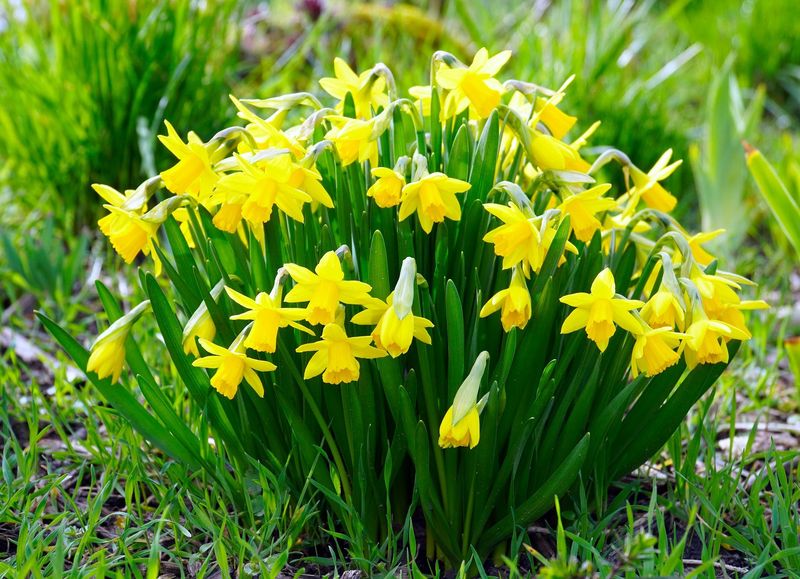
Few things signal the end of a Pennsylvania winter like a burst of daffodils popping up in the yard. They are cheerful, reliable, and best of all, deer will not go near them.
Unlike tulips, which deer treat like a buffet, daffodils contain toxic compounds in both their bulbs and leaves that make them deeply unpleasant to any browsing animal. Deer have learned over generations to leave them completely alone.
This makes daffodils one of the most dependable deer-resistant choices you can plant in Pennsylvania. You can tuck them into garden beds, line them along a fence, or naturalize them in a lawn area where they spread and multiply over time.
Once you plant the bulbs in fall, they come back every spring without any replanting. That kind of easy return is hard to beat.
Daffodils come in a wide range of colors and sizes beyond the classic yellow trumpet style. You can find white varieties, soft peach tones, double-petaled types, and miniature forms that look delightful along walkways or in containers.
Mixing several varieties lets you extend the bloom season from early March all the way into May across different parts of Pennsylvania.
Plant bulbs in fall, about six inches deep and six inches apart, in a spot that gets good sunlight. They are not picky about soil as long as it drains reasonably well.
After blooming, let the foliage fade naturally before cutting it back so the bulbs can store energy for next year’s show.
4. Boxwood
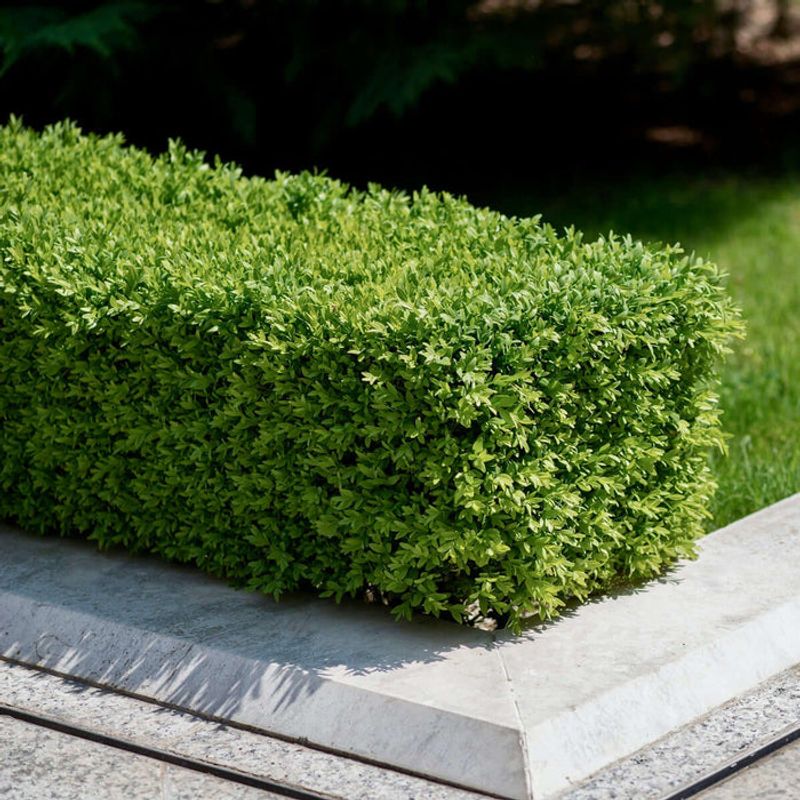
Boxwood is one of those classic garden shrubs that has been used in American landscapes for centuries, and it still earns its place today. Gardeners across Pennsylvania rely on it for structure, clean lines, and evergreen color through even the harshest winters.
What makes it especially valuable in deer country is that deer generally avoid it, thanks to its strong, distinctive scent and tough, leathery leaves.
That smell is something most people notice right away when they brush against a boxwood hedge. It is a sharp, slightly pungent odor that deer find off-putting.
While no plant is completely immune from deer pressure during the harshest winters when food is scarce, boxwood is rarely a deer’s first choice. In most Pennsylvania neighborhoods and suburban settings, it holds up remarkably well throughout the year.
Boxwood is incredibly versatile in the landscape. You can shape it into formal hedges, trim it into neat balls or cones, or let it grow in a more natural, rounded form.
It works beautifully as a foundation planting along the front of a house, as a border along a walkway, or as a low hedge separating garden rooms. Its evergreen structure adds visual interest even in the middle of February when everything else looks bare.
Plant boxwood in a spot with some protection from harsh winter winds, which can cause leaf burn. It prefers moist, well-drained soil and partial to full sun.
Water it regularly during the first season to help it get established, and it will reward you with decades of reliable, low-fuss beauty in your Pennsylvania yard.
5. Lamb’s Ear
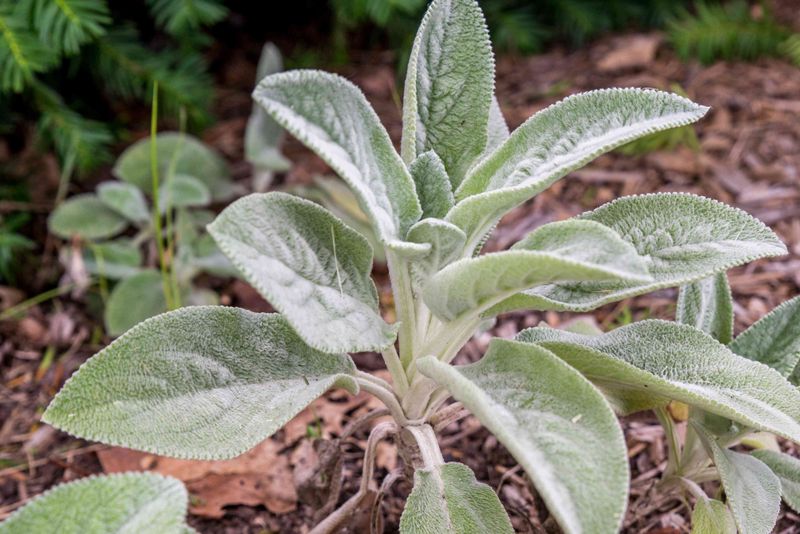
Run your fingers across a lamb’s ear leaf and you will instantly understand how this plant got its name. The leaves are unbelievably soft, thick, and covered in fine, silvery hairs that feel almost like velvet.
Kids love touching it. Gardeners love its silver color. And deer? They want absolutely nothing to do with it.
Deer avoid lamb’s ear because of that fuzzy texture. Browsing animals tend to prefer smooth, tender foliage, and the woolly coating on lamb’s ear is just not something they enjoy eating.
In Pennsylvania gardens where deer traffic is heavy, lamb’s ear often sits completely untouched even when surrounding plants get nibbled down to nothing.
Lamb’s ear is a low-growing perennial that spreads gradually to form a soft, silvery carpet. It works beautifully as an edging plant along sunny borders, as a ground cover under roses, or tucked between stepping stones in a garden path.
Its neutral silver tone makes it an excellent companion for almost any flower color, from bold purples to bright pinks to warm yellows.
It thrives in full sun and well-drained soil across Pennsylvania. In fact, it handles dry conditions and poor soil with ease, making it a great option for spots where other plants struggle.
The one thing it dislikes is standing water or overly humid conditions, which can cause the leaves to rot. Good air circulation keeps it looking fresh and healthy.
Trim back any tired or faded leaves in spring to encourage a flush of bright new growth that stays attractive all season long.
6. Yarrow
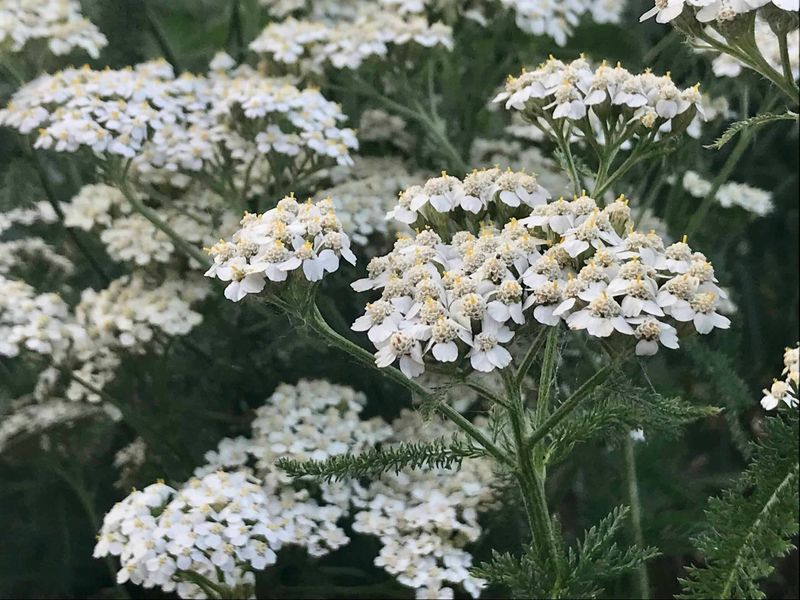
Yarrow is one of those plants that has been growing wild across Pennsylvania’s meadows and roadsides for a very long time. It is tough, adaptable, and almost impossible to discourage once it gets going.
Deer steer clear of it because of its strongly bitter taste and pungent, herby smell, which makes it one of the most reliable deer-resistant perennials you can add to a Pennsylvania garden.
The flowers are genuinely stunning. Yarrow blooms in wide, flat-topped clusters that come in shades of yellow, white, pink, red, and coral.
The blooms appear in early summer and keep going for weeks, often reblooming if you trim the spent flower heads back. Few perennials offer that kind of long-lasting color through the hottest months of a Pennsylvania summer.
Pollinators absolutely adore yarrow. Butterflies, native bees, and beneficial wasps flock to the flowers in impressive numbers.
If you care about supporting local wildlife and creating a garden that buzzes with life, yarrow earns a spot every single time. It is also a wonderful cut flower that dries beautifully for indoor arrangements.
Growing yarrow is refreshingly easy. Plant it in full sun and give it average to poor, well-drained soil.
Rich soil actually makes yarrow flop over, so resist the urge to over-fertilize. It handles drought well once established and spreads slowly over time to fill in gaps in a border.
Divide clumps every few years to keep them vigorous and to share starts with neighbors who are also trying to outsmart the deer in their Pennsylvania yards.
7. Peony
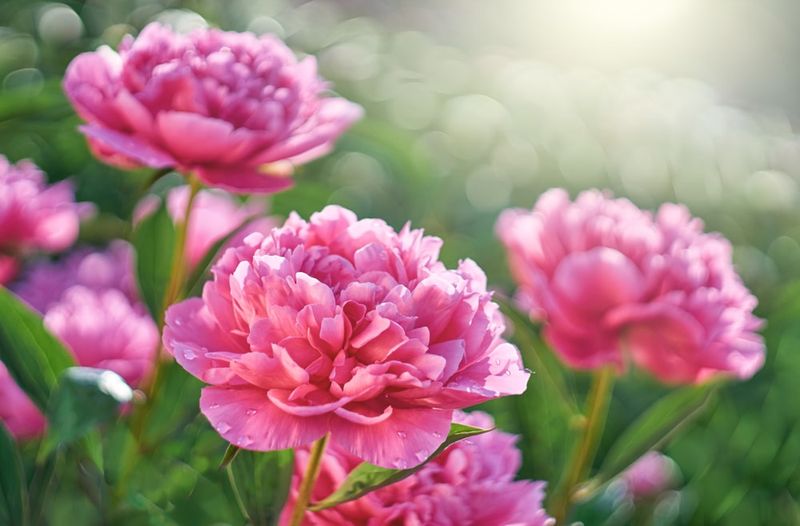
There is something almost magical about a peony in full bloom. The flowers are enormous, layered, and often so fragrant that you can smell them from several feet away.
Peonies have been a staple of Pennsylvania gardens for generations, passed down from grandmothers to grandchildren, thriving in the same spot for fifty years or more. And here is the wonderful part: deer almost never bother them.
Exactly why deer avoid peonies is not completely agreed upon, but most gardeners believe it comes down to the strong fragrance and the slightly bitter quality of the foliage.
Whatever the reason, peony plants across Pennsylvania consistently escape deer damage even in areas where other flowers get wiped out overnight.
That kind of reliability is enormously valuable when you are trying to grow something beautiful.
Peonies bloom in late spring, usually from mid-May into early June depending on where you are in Pennsylvania. The flowers can be single, semi-double, or fully double, and they range from pure white to deep burgundy, with every shade of pink in between.
After the blooms fade, the dark green foliage remains attractive and full all the way through fall, adding structure to a garden bed.
Plant peonies in full sun with rich, well-drained soil. The most important thing to remember is not to plant them too deep.
The eyes, which are the reddish buds on the roots, should sit no more than one to two inches below the soil surface. Plant them too deep and they will not bloom.
Get the depth right and a peony will reward you with spectacular flowers for many decades in your Pennsylvania garden.