7 Meaningful Plants Pennsylvanians Gift For Good Luck And Positivity
Giving a plant as a gift can feel more personal than flowers or trinkets. In Pennsylvania, certain plants are traditionally chosen to bring good luck, positive energy, and a sense of well-being to homes.
These gifts carry meaning beyond their beauty, offering hope, growth, and a little charm with every leaf.
From small potted plants to larger greenery, each has a story. Some are believed to attract prosperity, while others symbolize protection, happiness, or harmony.
Many of these plants are easy to care for, making them practical gifts as well as symbolic ones. They thrive in Pennsylvania’s climate, allowing the recipient to enjoy their presence for years.
Choosing a meaningful plant shows thoughtfulness and intention. Whether for a housewarming, birthday, or just a kind gesture, gifting plants that symbolize luck and positivity adds beauty, life, and good energy to any Pennsylvania home.
It’s a simple way to spread cheer that keeps growing.
1. Lucky Bamboo
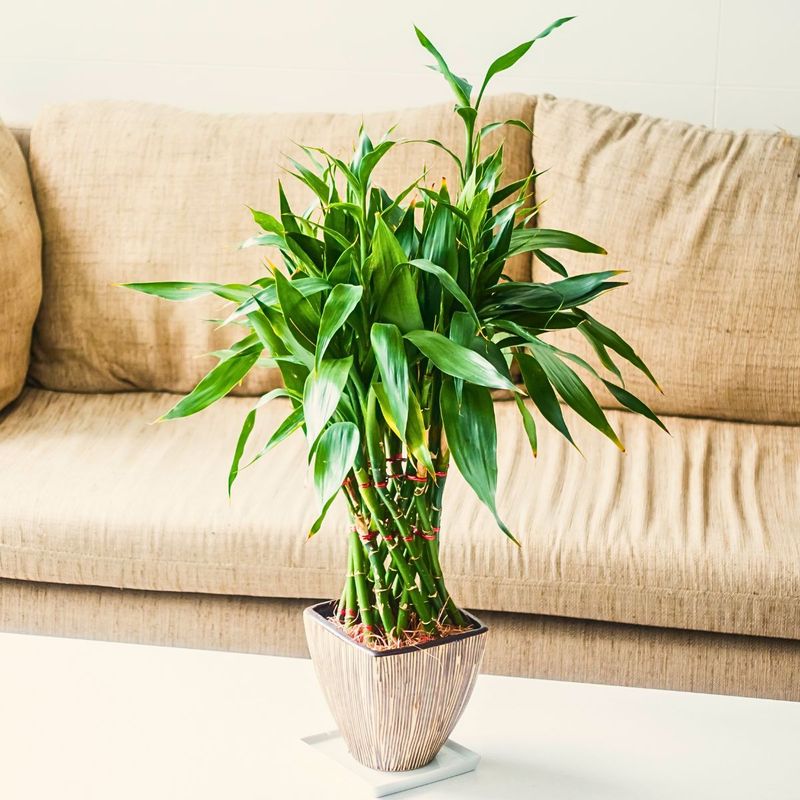
Few plants carry as much good energy as lucky bamboo. In many cultures, this slender green plant is believed to bring luck, harmony, and success to whoever receives it.
That is why it has become one of the most popular housewarming gifts across Pennsylvania, especially when someone is starting a new chapter in life.
Lucky bamboo is actually not a true bamboo at all. It belongs to the Dracaena family and grows beautifully in a simple vase of water with small pebbles.
You do not even need soil, which makes it one of the easiest plants to care for indoors. Pennsylvania winters can be harsh, but this plant thrives inside where temperatures stay warm and comfortable.
The number of stalks matters, too. Two stalks are said to bring love, three bring happiness, and five bring wealth.
Many Pennsylvanians choose arrangements based on the message they want to send to the person they are gifting. It is a thoughtful and personal touch that makes the gift feel extra special.
Keep lucky bamboo away from direct sunlight and change the water every week or two to keep it fresh and healthy. It grows slowly but steadily, just like the good fortune it represents.
If you are looking for a low-maintenance, meaningful gift that brightens any room and carries a powerful positive message, lucky bamboo is a wonderful choice that never goes out of style.
2. Money Tree (Pachira Aquatica)
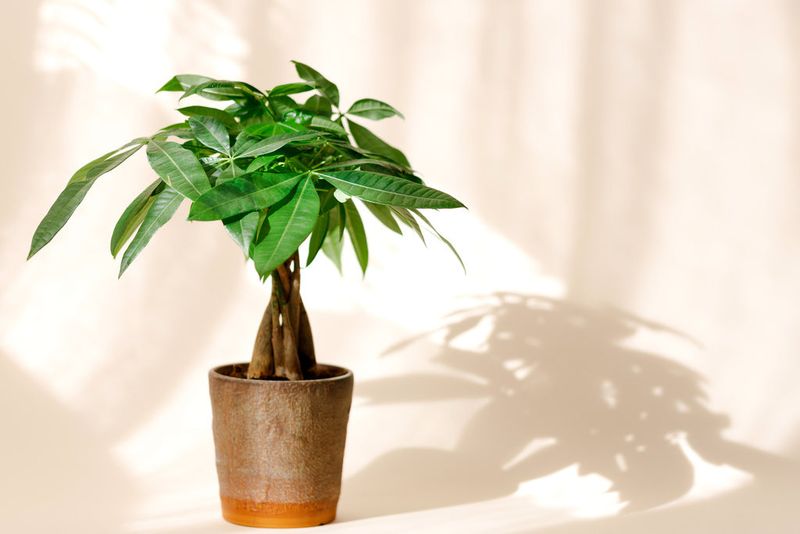
Walk into any garden center in Pennsylvania and you will almost certainly spot a money tree near the front. With its braided trunk and full, shiny leaves, this plant is hard to miss.
The money tree, known scientifically as Pachira aquatica, is strongly associated with wealth, prosperity, and good fortune, making it one of the most sought-after gift plants in the state.
The braided trunk is not just for looks. It is said to symbolize stability and balance, as if the five separate trunks woven together represent the five elements of nature working in harmony.
Many people in Pennsylvania gift money trees at housewarmings, business openings, and even graduations to wish the recipient financial success and a stable future.
Your Pennsylvania Garden Changes Every Week. Your Plan Should Too.
Gardening in Pennsylvania changes quickly throughout the season. Every Friday you’ll receive a simple weekly plan showing exactly what to plant, prune, fertilize, harvest, and protect so you never miss the right timing.
Growing a money tree indoors is surprisingly straightforward. It prefers bright, indirect light, so placing it near a window that does not get harsh afternoon sun works perfectly.
Water it thoroughly but let the soil dry out between waterings. Overwatering is the most common mistake people make, so err on the side of less rather than more.
Did you know the money tree is native to Central and South America? Despite its tropical roots, it adapts very well to indoor living in Pennsylvania homes.
It can grow several feet tall over time, making it an impressive centerpiece in any room. If you want to give someone a gift that feels both elegant and full of positive intention, the money tree delivers on every level.
3. Jade Plant
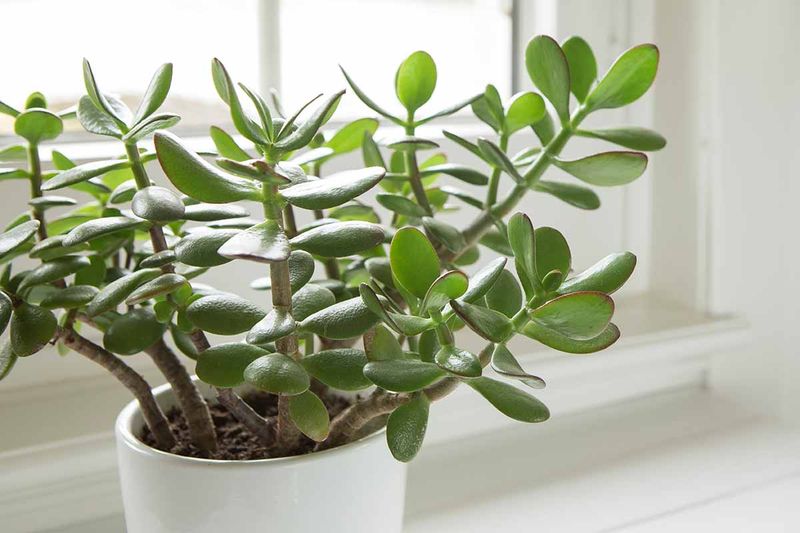
Some plants earn nicknames that stick for good reason. The jade plant has long been called the fortune plant, and in many Asian cultures, it is placed near the entrance of a home or business to attract money and good luck.
Pennsylvanians have embraced this tradition warmly, and jade plants are a popular gift choice for anyone entering a new home or starting a fresh venture.
Beyond its lucky reputation, the jade plant symbolizes long life and financial abundance. Its thick, rounded leaves resemble small coins, which is part of why it has such strong ties to prosperity.
Gifting a jade plant is essentially saying, “I wish you a long, healthy, and prosperous life,” which is about as meaningful as a gift can get.
As a succulent, the jade plant is wonderfully forgiving and easy to grow. It loves bright indoor light and does not need much water, especially during Pennsylvania’s cooler months when growth naturally slows down.
A sunny south-facing windowsill is an ideal spot. Let the soil dry out completely between waterings and avoid letting it sit in standing water.
Jade plants can live for decades with the right care, which makes them an especially sentimental gift. Imagine passing down a plant that has grown for twenty or thirty years.
That kind of living legacy is rare and deeply touching. Whether gifted to a friend, family member, or colleague, a jade plant is a small token that grows into something truly meaningful over time.
4. Peace Lily
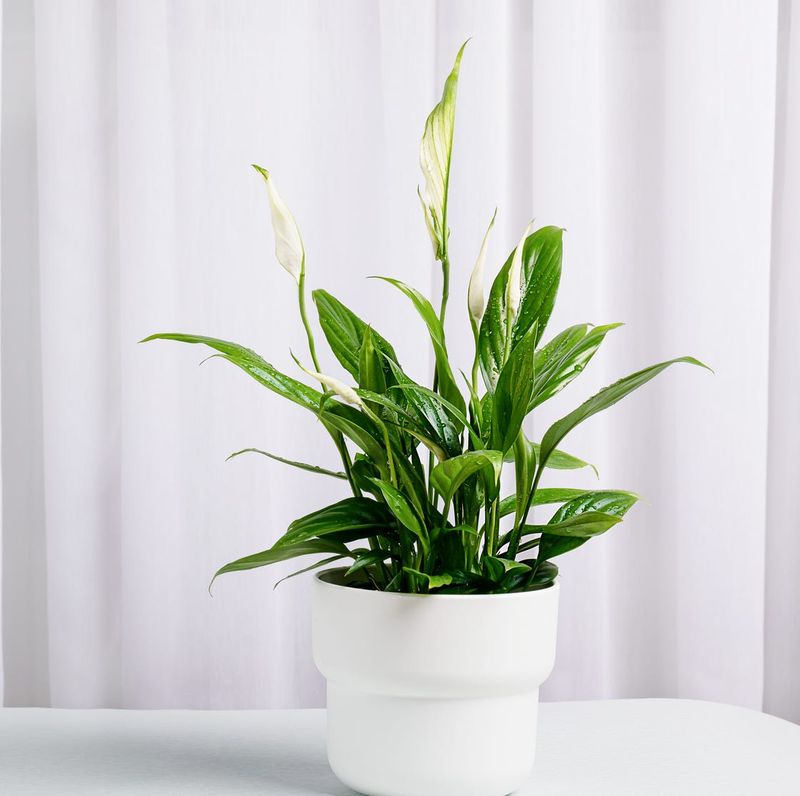
There is something quietly powerful about a peace lily. Its elegant white blooms rise above deep green leaves like a gentle wave of calm, and that visual feeling matches exactly what this plant is meant to represent.
The peace lily stands for peace, healing, and emotional balance, which is why so many Pennsylvanians reach for it when they want to offer comfort and support to someone they care about.
Unlike some gift plants that are purely symbolic, the peace lily also does real work in a room. Studies have suggested it can help improve indoor air quality by filtering out certain airborne pollutants.
So when you give someone a peace lily, you are gifting them both emotional and physical well-being in one beautiful package.
One of the best things about peace lilies is how well they handle lower light conditions. Many homes in Pennsylvania, especially during the long grey winters, do not get a lot of natural sunlight.
The peace lily thrives in moderate to low light, making it a practical and thoughtful choice for indoor spaces throughout the year.
Water your peace lily when the top inch of soil feels dry, and mist the leaves occasionally to mimic the humid environment it naturally loves. If the leaves start to droop slightly, that is the plant telling you it is thirsty.
It bounces back quickly once watered. For anyone going through a tough time or needing a boost of positive energy, receiving a peace lily feels like a warm, caring hug delivered in plant form.
5. Snake Plant
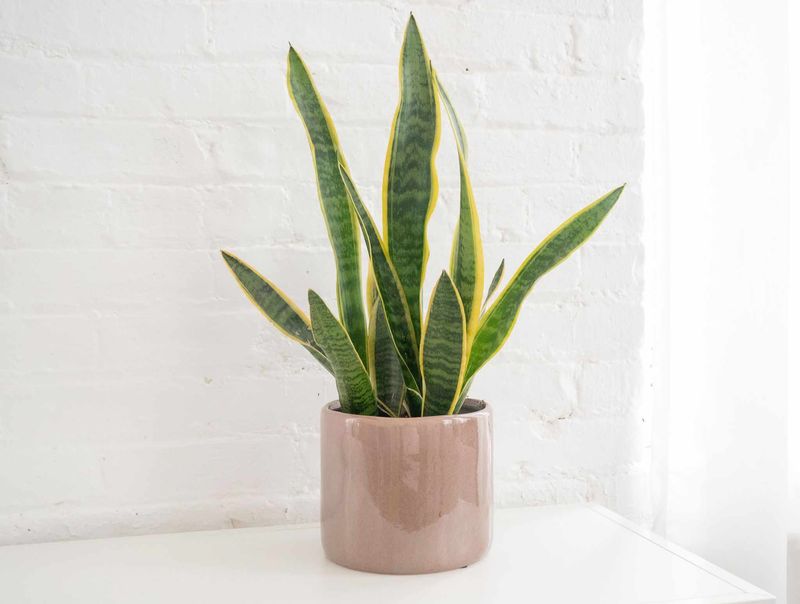
Bold, striking, and nearly impossible to neglect, the snake plant has earned a devoted following among plant lovers across Pennsylvania.
Known scientifically as Dracaena trifasciata and sometimes called mother-in-law’s tongue, this plant is believed in several cultures to protect the home against negative energy and bad luck.
That protective symbolism makes it a meaningful and powerful gift for anyone settling into a new space.
Beyond its spiritual meaning, the snake plant is a symbol of endurance and resilience. Its tall, upright leaves push confidently toward the ceiling, unbothered by dim light, irregular watering, or temperature swings.
For busy Pennsylvanians juggling work, family, and everything in between, this plant is practically a dream come true.
Snake plants are among the lowest-maintenance houseplants available. They can survive in low light, though they grow faster with more brightness.
Water them only when the soil is completely dry, which in cooler Pennsylvania months might mean watering just once every three to four weeks.
They truly thrive on a little neglect, which makes them perfect for people who love plants but do not always have time to fuss over them.
Feng shui practitioners often recommend placing snake plants near entryways to block negative energy from entering the home. Whether you believe in that tradition or simply appreciate a tough, attractive plant, the snake plant delivers.
Gifting one to a friend or family member in Pennsylvania says, “You are strong, and I want your home to feel safe and protected.” That is a message worth giving.
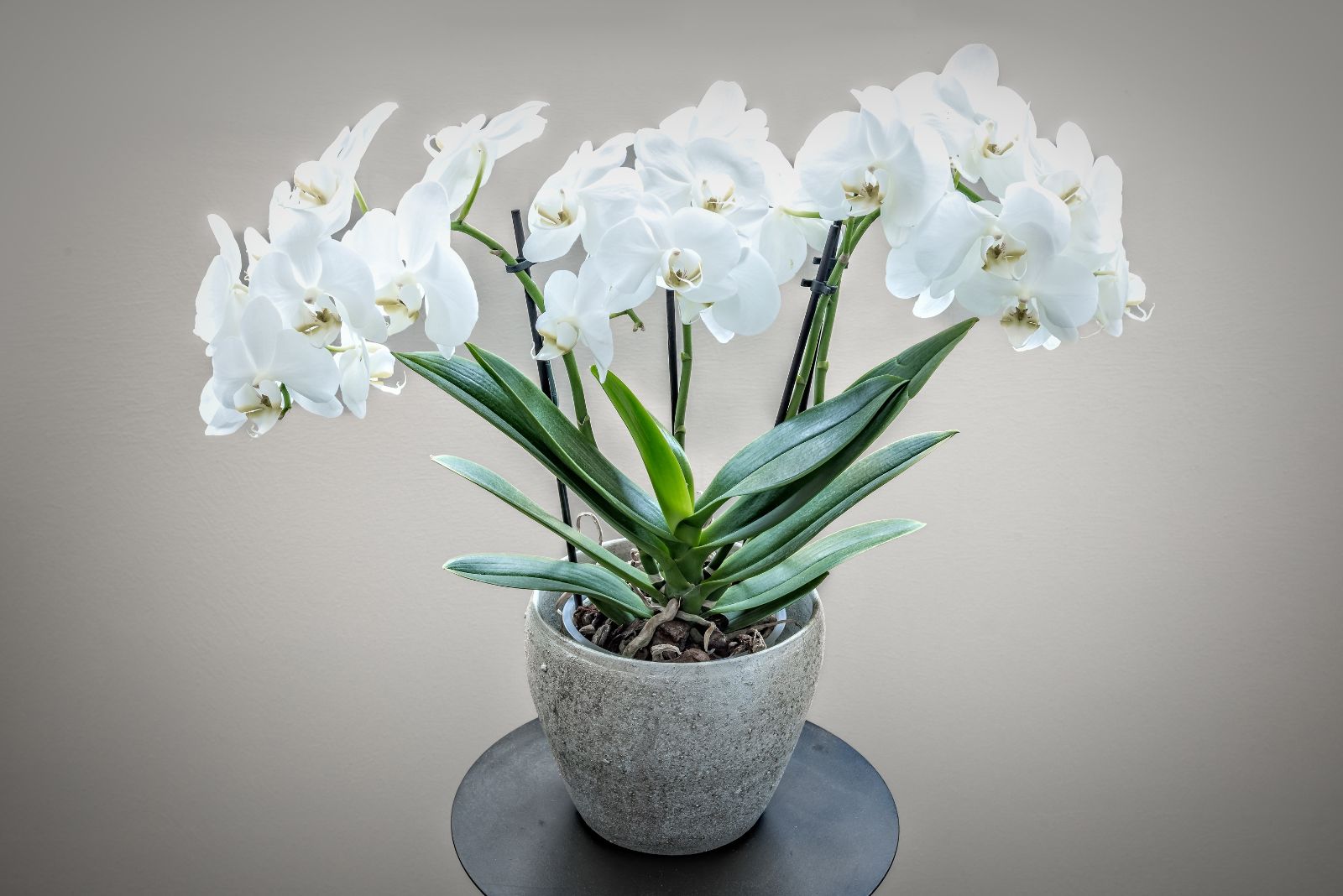
6. Orchid (Pink Or White)
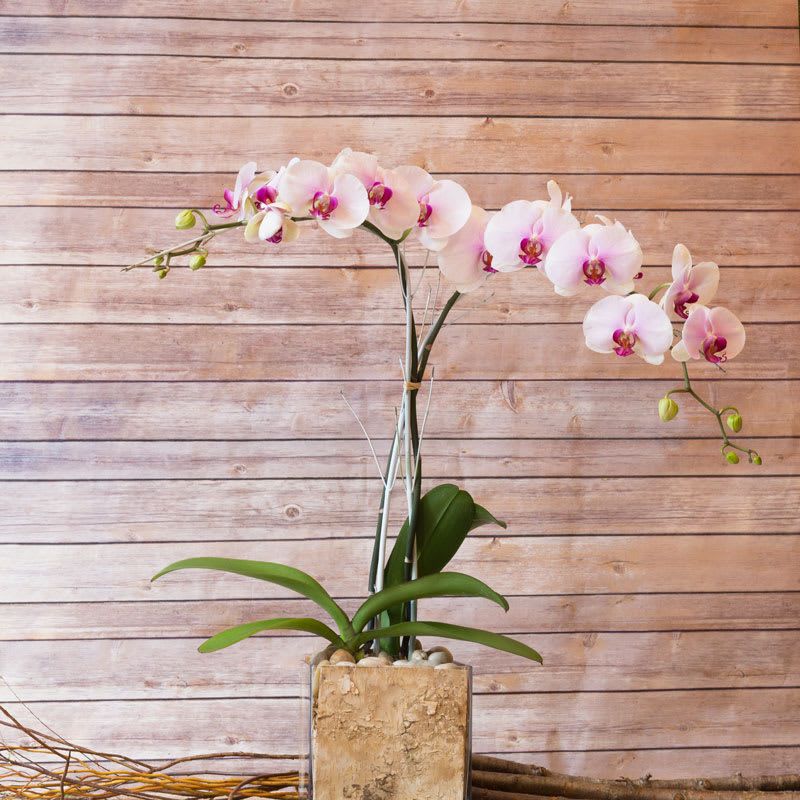
An orchid in full bloom stops people in their tracks. There is a quiet elegance to it that few other plants can match, and that beauty is exactly why orchids have become one of the most gifted flowering plants in Pennsylvania.
Pink and white orchids, in particular, carry rich symbolic meaning tied to love, beauty, strength, and admiration, making them a natural choice when you want to express something heartfelt without saying a single word.
Orchids have a long and fascinating history. Ancient Greeks believed they symbolized virility and strength.
In more modern times, orchids have come to represent rare beauty and refined taste. Gifting a pink orchid to someone in Pennsylvania tells them you see something extraordinary in them.
A white orchid, on the other hand, speaks to purity, new beginnings, and sincere positive wishes.
Many people assume orchids are difficult to grow, but that reputation is a bit unfair. Phalaenopsis orchids, the most common variety sold in Pennsylvania flower shops and garden centers, are actually quite manageable indoors.
They prefer bright, indirect light and need watering only about once a week. After blooming, with a little patience and the right care, they often rebloom beautifully.
One practical tip: avoid placing orchids near heating vents, which are common in Pennsylvania homes during winter. Dry air can stress the plant and shorten bloom time.
A light misting and occasional fertilizing during the growing season keeps them happy. For a gift that feels luxurious, personal, and full of positivity, an orchid is always a stunning choice.
7. Rosemary
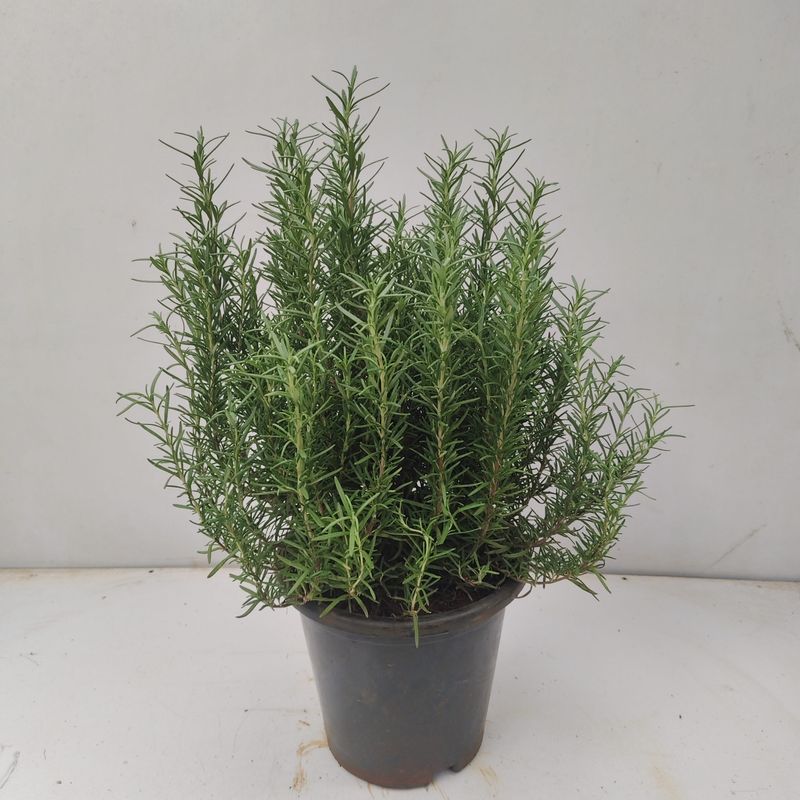
Long before rosemary was a staple in kitchens, it was a plant steeped in meaning and tradition. For centuries, rosemary has been tied to remembrance, protection, and good wishes across many cultures.
In parts of Europe, it was woven into wedding bouquets as a symbol of fidelity and good fortune.
Today, Pennsylvanians who appreciate both history and practicality often gift rosemary as a way to send warm, heartfelt wishes wrapped in something beautiful and useful.
The fragrance alone makes rosemary a standout gift. That piney, herbal scent is instantly recognizable and genuinely uplifting.
Some people believe the aroma of rosemary improves focus and memory, and while science is still exploring that idea, there is no doubt that walking past a rosemary plant and catching its scent is a small but real moment of joy in an ordinary day.
Growing rosemary indoors in Pennsylvania is very doable, especially in a south-facing window where it can soak up as much winter sun as possible. It needs well-draining soil and does not like to sit in wet conditions.
Water it when the top of the soil feels dry, and make sure the pot has good drainage holes. During warmer months, moving it to a sunny outdoor spot helps it thrive even more.
What makes rosemary especially charming as a gift is that it works on multiple levels. It is beautiful, fragrant, meaningful, and edible.
The recipient can use it in cooking, enjoy its scent, and appreciate its symbolism all at once. For anyone in Pennsylvania who wants to give something truly layered with care and intention, a rosemary plant is an inspired choice.