The Right Time To Prune Blueberries In Georgia Before Buds Start To Swell
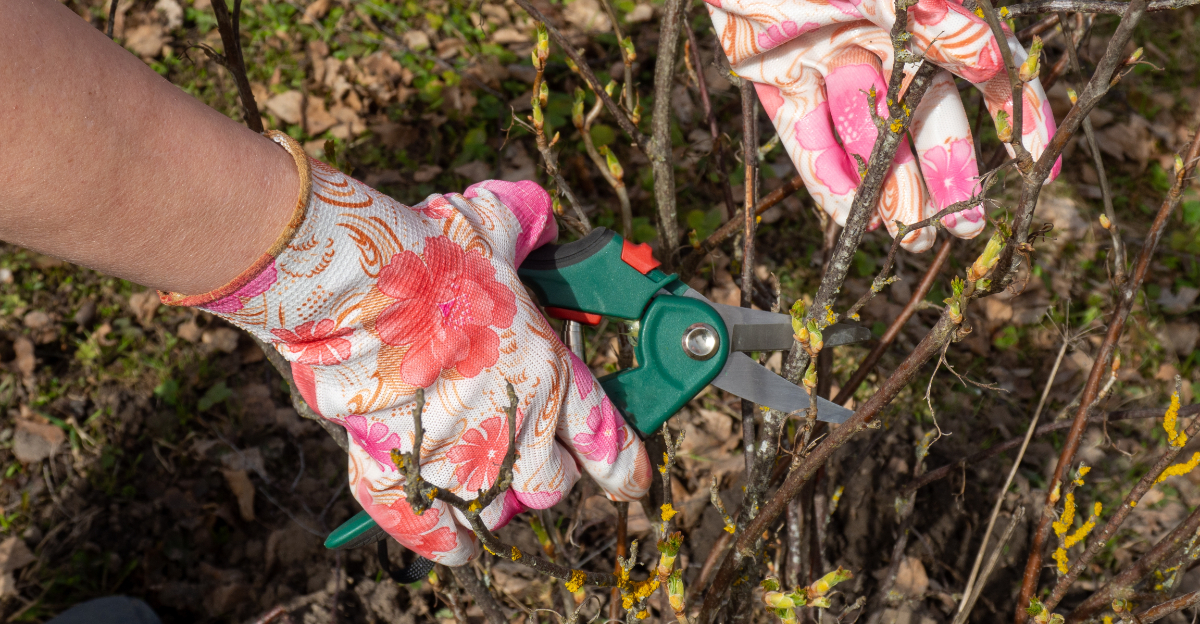
Blueberries in Georgia can fool you. In winter they look lifeless, bare, almost forgotten, and that is exactly when the most important cut of the year decides your entire harvest.
Prune too soon and cold can undo your work. Wait too long and you may slice away the very buds that would have turned into berries.
The difference between branches loaded with fruit and a light, disappointing crop often comes down to a short, easy-to-miss window.
Buds change quietly, without obvious warning, and once that shift begins there is no undo button.
Georgia’s weather only makes that timing trickier from north to south.
So when is the moment that protects both the plant and your future harvest?
1. Late Winter Before Bud Break Is The Ideal Window Across Georgia
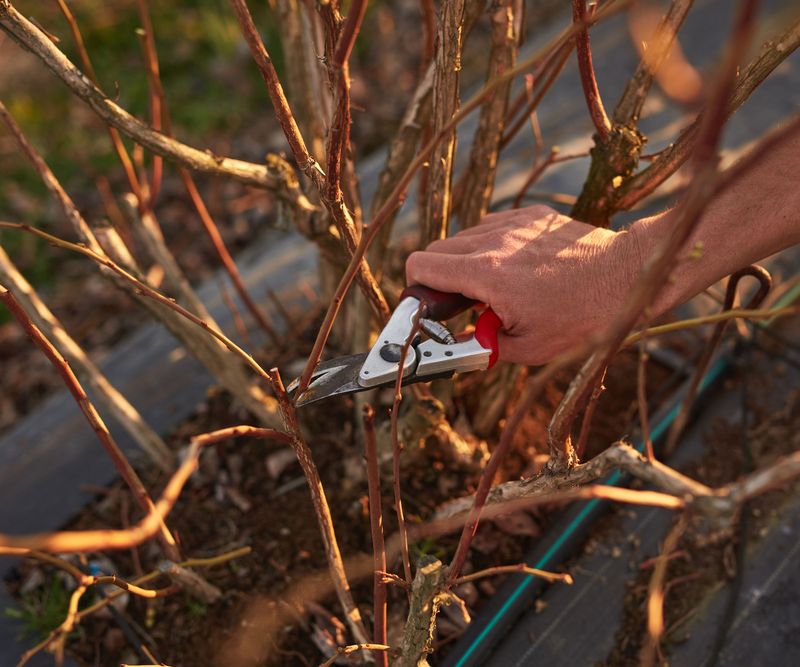
Timing is everything when it comes to blueberry pruning, and Georgia gardeners have a narrow but powerful window to work with.
Late winter, typically from late January through mid-February in most parts of Georgia, is when blueberry bushes are fully dormant and not yet showing signs of bud activity.
Pruning during this time reduces stress on the plant and gives it the best chance to channel energy into strong new growth once spring arrives.
When temperatures are still cool but hard freezes are becoming less frequent, that is your green light to get out there with your shears.
In north Georgia, that window might stretch a bit later due to cooler mountain temperatures, while growers in south Georgia near Valdosta or Waycross may need to act earlier since warmer springs arrive sooner there.
Paying attention to local weather patterns each year matters more than following a fixed date on the calendar.
Pruning too early in deep winter risks exposing fresh cuts to harsh cold snaps. Pruning too late, after buds begin to swell, removes flower buds that would have become fruit and cuts into your harvest before it even starts.
Catching that sweet spot in late winter means your Georgia blueberries go into spring with a clean, open structure and maximum potential. Walk your rows regularly in January and check those canes closely.
2. Remove Weak, Damaged, And Unproductive Canes At The Base
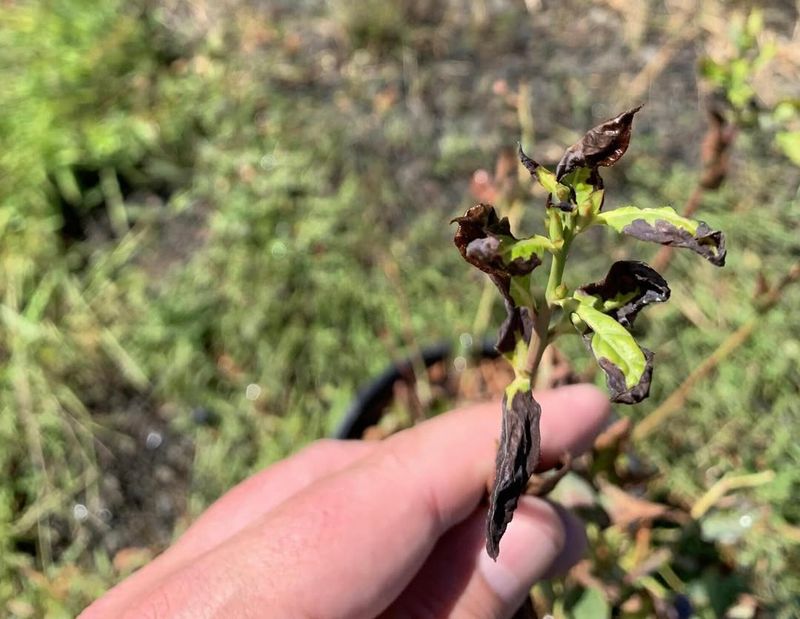
Not every cane on a blueberry bush deserves to stay.
Weak, spindly, or damaged stems drain energy from the plant without giving anything back in return, and removing them at the base is one of the most impactful cuts you can make during the late winter pruning session in Georgia.
Start by walking around each plant and looking for canes that are pencil-thin or thinner. A healthy, productive cane should be sturdy enough to hold fruit without bending under the weight.
Canes showing signs of physical damage, such as splits, cracks, or bark that looks rough and discolored, should also come out entirely. Leaving these in place invites fungal issues and pests that can spread to healthy wood.
Unproductive canes are a bit trickier to spot because they may look okay at first glance. Older canes that have not produced strong new lateral shoots in recent seasons are often past their prime.
Your Georgia Garden Changes Every Week. Your Plan Should Too.
Gardening in Georgia changes quickly throughout the season. Every Friday you’ll receive a simple weekly plan showing exactly what to plant, prune, fertilize, harvest, and protect so you never miss the right timing.
If a cane looks gray and rough rather than smooth and reddish-brown, chances are it has run its course. Cut these flush at the base rather than leaving stubs, because stubs can harbor disease and slow the plant’s recovery.
Georgia growers dealing with rabbiteye or southern highbush varieties should pay close attention to cane density at the center of each plant. Crowded, weak canes create humid pockets that invite problems during Georgia’s warm and wet spring season.
Clean removal keeps air moving and keeps your bushes on the right track heading into the growing season.
3. Thin Out The Oldest Wood To Keep Berry Production Strong
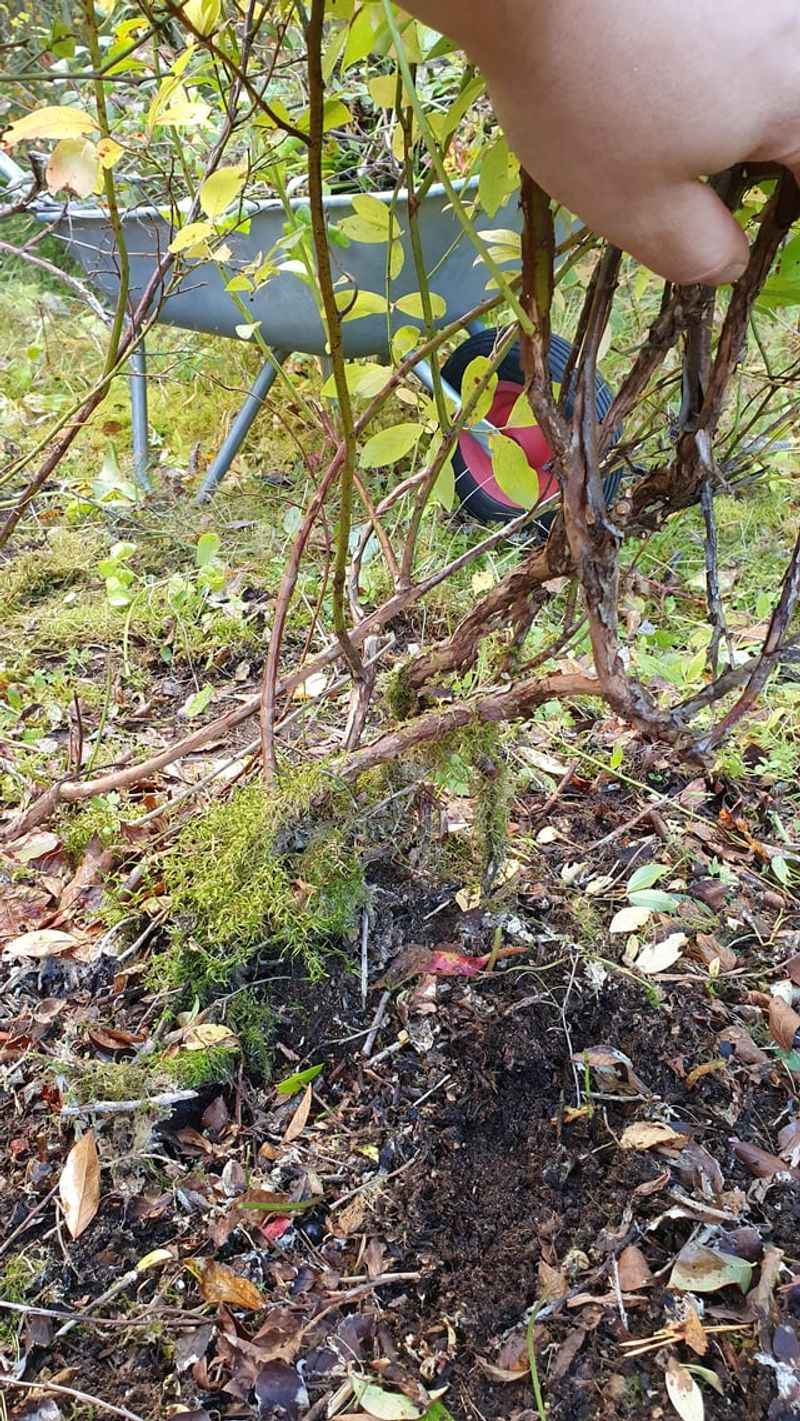
Old wood is the quiet enemy of a productive blueberry patch. Canes that are four years old or more begin to lose their ability to produce large, flavorful berries, even if they still look sturdy from the outside.
Thinning out that oldest wood each late winter is one of the smartest habits a Georgia blueberry grower can develop.
A reliable way to identify old canes is by color and texture. Younger, productive canes tend to have smooth bark with reddish or greenish tones.
Older canes look darker, grayer, and rougher with more visible bark ridges. On a mature plant, aim to remove one or two of the oldest canes each season rather than cutting everything old at once.
Gradual renewal keeps the plant productive while encouraging vigorous new growth to take over.
In Georgia, where rabbiteye blueberries can live for decades, cane renewal is especially important for long-term productivity. Without regular thinning, old wood accumulates and crowds out the younger, more fruitful stems trying to push through.
Berries on old wood tend to be smaller and fewer, which means your harvest shrinks even though the plant looks full and bushy.
After removing the oldest canes, step back and evaluate the overall structure. A well-thinned plant should look open and balanced, not stripped bare.
Removing too much at once shocks the plant and slows recovery. Steady, consistent thinning done each late winter in Georgia builds a foundation for reliable, strong production year after year without pushing the plant too hard at any one time.
4. Maintain 6 To 8 Healthy Upright Canes On Established Plants
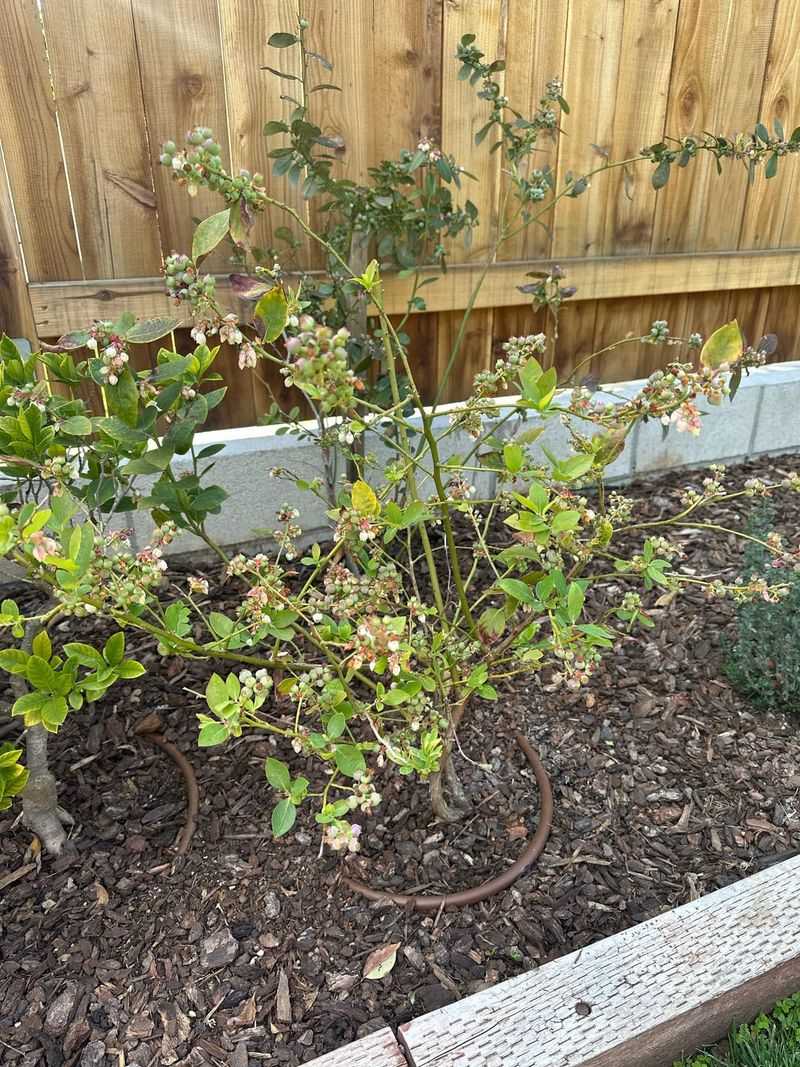
Six to eight strong, upright canes per established plant is the sweet spot most Georgia blueberry growers aim for, and for good reason.
Having the right number of canes keeps each one well-fed with nutrients and sunlight, which directly translates into larger, more abundant berries come harvest time.
Too many canes mean competition; too few mean lost production potential.
When you are pruning in late winter, count the canes on each plant before you start cutting. For younger plants still building their structure, you might only be working with four or five canes, and that is perfectly fine.
Established plants that have been in the ground for five or more years in Georgia should ideally carry six to eight healthy uprights by the time you finish your pruning session.
Upright canes matter more than spreading or arching ones. A cane that grows outward at a steep angle tends to bend further under the weight of fruit and eventually lays on the ground.
Selecting for upright growth means your plant stays compact, manageable, and productive season after season. During pruning, favor the canes that grow straight up or at a slight angle over those that reach outward dramatically.
Georgia’s heat and humidity make plant structure even more critical because good airflow through an open, well-spaced set of canes reduces fungal pressure during the long warm season.
Keeping six to eight healthy uprights gives your blueberry bush a strong skeleton to build on.
Walk away from each plant feeling confident that what remains is purposeful, productive, and ready for a great Georgia growing season ahead.
5. Shorten Tall, Spindly Growth That Produces Small Berries
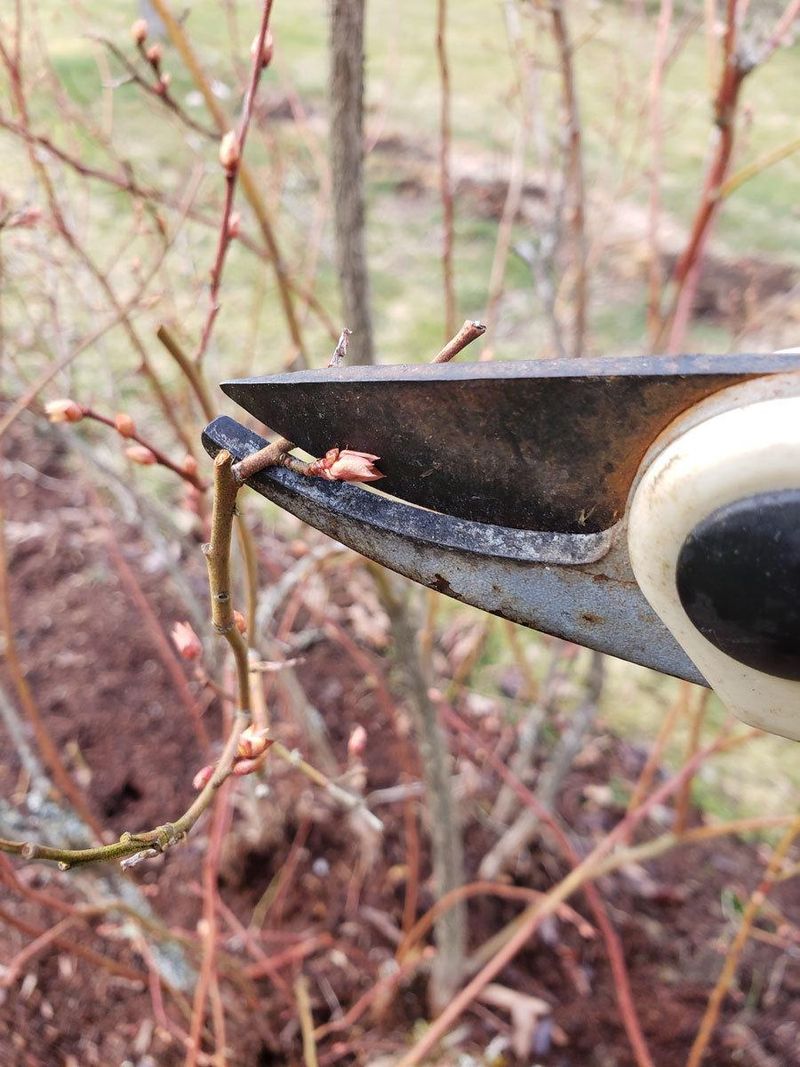
Tall and spindly is not a sign of strength in a blueberry bush.
Long, whippy shoots that shoot up above the rest of the plant often look impressive but consistently deliver small, underwhelming berries because they lack the structural strength to support proper fruit development.
Cutting these back during late winter pruning in Georgia is a straightforward fix that pays off at harvest.
Spindly growth usually appears at the tips of canes or as long, thin shoots emerging from the midsection of the plant. These stems are often thinner than a pencil and may bow under their own weight.
Rather than removing them entirely, shorten them by cutting just above a healthy outward-facing bud. Doing this redirects the plant’s energy into stronger lateral branches that are far more capable of producing plump, full-sized fruit.
In Georgia’s growing conditions, rapid vegetative growth is common because the long warm season encourages blueberry plants to push a lot of new wood. Not all of that growth is productive, though.
Tall, soft shoots that emerged late in the previous season are especially prone to producing subpar berries.
Cutting them back to a manageable height, generally keeping the overall plant between four and six feet tall depending on the variety, creates a more manageable and fruitful structure.
Shortening spindly growth also makes harvesting easier. Berries clustered on compact, sturdy lateral branches are far simpler to pick than fruit dangling from long, floppy shoots that swing around with every breeze.
A little strategic trimming in late winter sets up a much more enjoyable harvest experience across your Georgia blueberry patch.
6. Clear Low Branches That Rest On Soil And Invite Problems
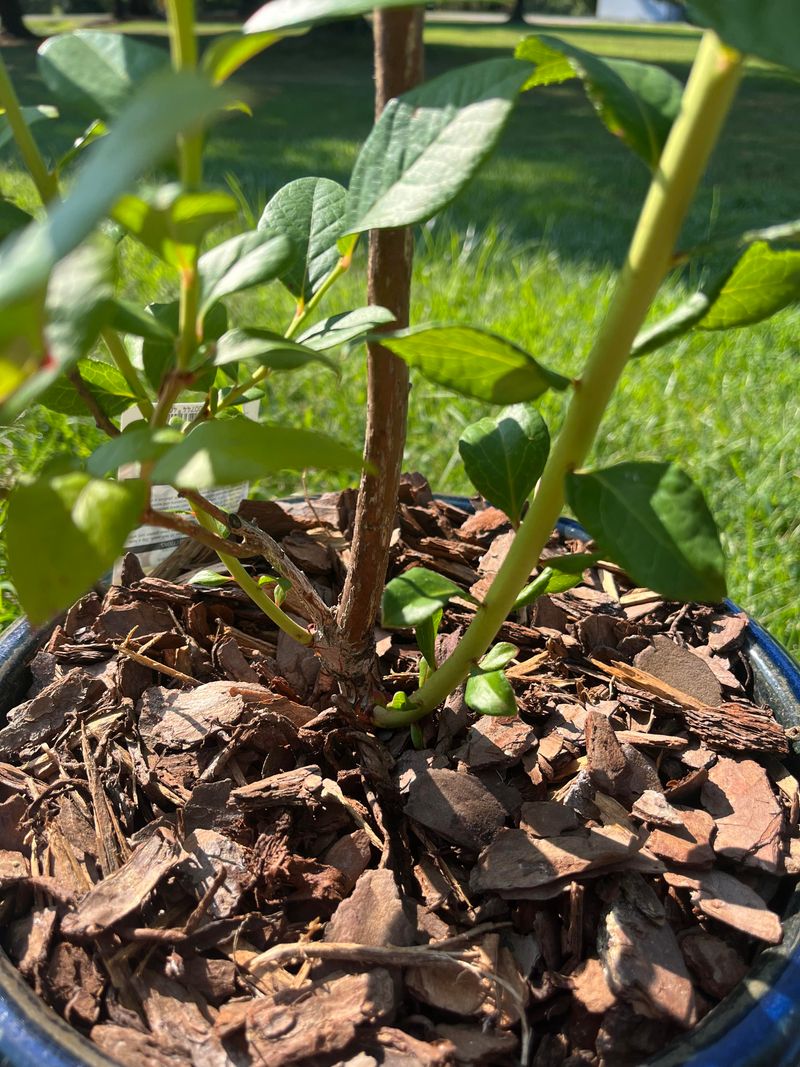
Branches touching the ground are an open invitation for trouble in any Georgia garden. Low-hanging blueberry canes that rest on the soil create a direct pathway for fungal spores, soil-borne pathogens, and insects to move from the ground onto your plant.
Clearing these during late winter pruning is a simple step that protects the entire bush throughout the growing season.
Walk around each plant and look for any canes or lateral branches that droop down and make contact with the soil or mulch layer. Even if they are not fully resting on the ground, branches that hang within an inch or two of the surface are worth addressing.
Lifting or shortening them removes the risk before Georgia’s warm, wet spring weather creates the ideal environment for disease to spread upward into the plant.
Rabbiteye blueberry varieties, which are widely grown across central and south Georgia, tend to develop a naturally arching growth habit that can push lower branches toward the ground over time.
Pruning these varieties with an eye toward upward structure helps counteract that tendency.
When you remove a low branch entirely, make the cut clean and flush at the point where it connects to the main cane.
Beyond disease prevention, clearing low branches also improves airflow at the base of the plant and makes mulching and weeding much easier throughout the season.
Gardeners in humid regions of Georgia, especially those in coastal areas or the piedmont, benefit enormously from keeping the base of their blueberry plants open and elevated above the soil surface.
A few cuts now saves a lot of headaches later in the season.
7. Shape For An Open Center So Light And Air Reach Every Cane
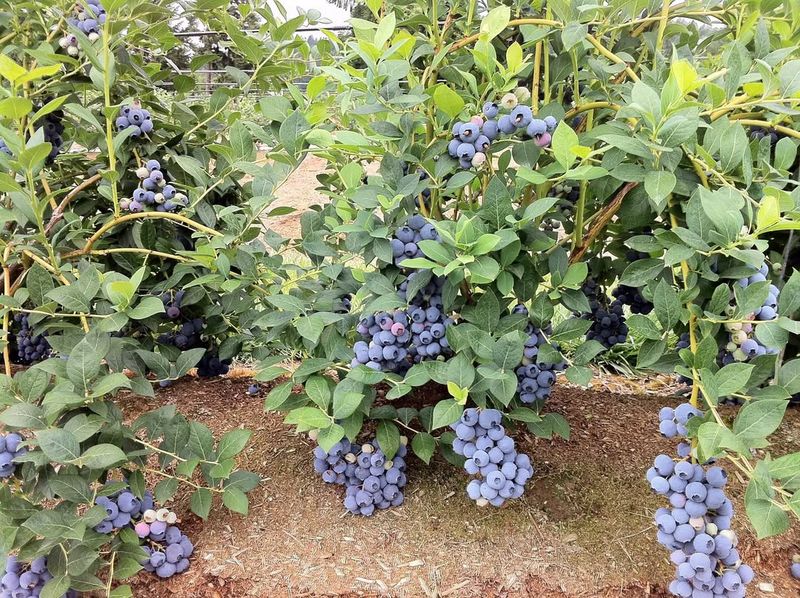
An open center is the goal every Georgia blueberry grower should be working toward with each pruning session.
When light and air can reach every cane in the plant, photosynthesis improves, berry quality goes up, and fungal diseases have a much harder time gaining a foothold during the warm, humid Georgia spring and summer months.
Shaping for an open center means removing or shortening any canes that cross through the middle of the plant. Crossing canes not only block light but also rub against each other when the wind blows, creating wounds that can become entry points for disease.
During your late winter pruning session, step back frequently and look at the plant from multiple angles to spot these problem canes before you finalize your cuts.
Picture the ideal blueberry bush as a vase or goblet shape, wide and open at the top with canes spreading outward and upward from a narrower base.
Achieving that shape takes a few seasons of consistent pruning, but even modest improvements each year make a noticeable difference in plant health and fruit production.
Georgia gardeners who commit to open-center shaping often report visibly larger berries and fewer disease issues compared to unpruned or overly dense plants.
Once you have made your shaping cuts, take one final look from above the plant. You should be able to see daylight and open space through the center of the bush.
If the middle still looks dense and cluttered, remove one or two more crossing stems until that openness is achieved.
Starting each Georgia growing season with a well-shaped, light-filled plant is one of the simplest ways to guarantee a stronger, more satisfying blueberry harvest.