9 Georgia Native Shrubs That Turn Shady Spots Into Lush Garden Areas
Not every part of a Georgia yard gets full sun, and that is not a problem if the right plants take root there. Under mature trees or along the north side of a house, soil stays cooler and light filters through in patches.
Many common shrubs thin out in those conditions, but native species are built for it. They grow naturally in woodland edges and forest understories across Georgia, which means shade is part of their design.
Instead of sparse growth, they offer dense foliage, seasonal flowers, and strong structure that anchors the space.
The result is not a dark corner that struggles to survive, but a layered garden area that looks intentional, full, and connected to the surrounding landscape.
1. Virginia Sweetspire Lights Up Dim Corners In Spring And Fall
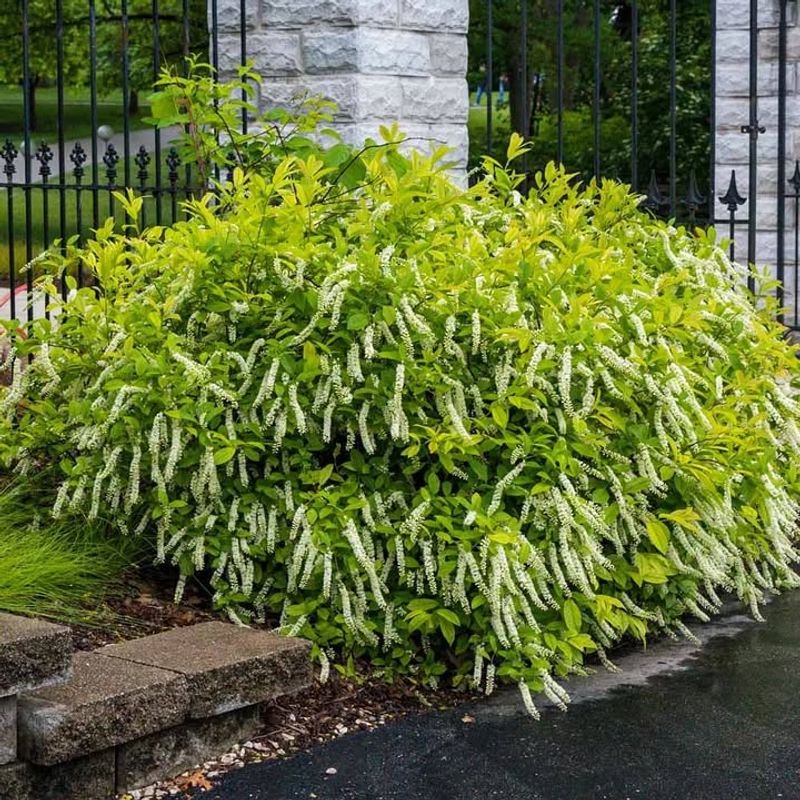
Virginia Sweetspire is one of those plants that earns its place in a Georgia garden twice over. In late spring, long arching clusters of fragrant white flowers droop gracefully from the tips of each branch, attracting bees and butterflies like a magnet.
Then in fall, the foliage ignites in shades of red, orange, and burgundy that rival almost any shrub in the landscape.
Adaptable is almost an understatement when describing this native. Virginia Sweetspire tolerates wet soil, clay, dry shade, and everything in between.
Georgia gardeners dealing with low spots or poorly draining areas near shade trees will find it especially useful. It spreads gradually by suckers to form a dense colony, which makes it excellent for erosion control on slopes or along stream banks.
Growing to about three to five feet tall and wide, it fits comfortably under trees without competing for vertical space. Pruning is rarely needed, though light shaping after flowering keeps it tidy.
Plant it alongside American Beautyberry or Fothergilla for a stunning multi-season display. Few native shrubs offer this level of reliability in Georgia’s shady, challenging spots with so little maintenance required.
2. Sweetshrub Fills Woodland Beds With Fragrant Growth
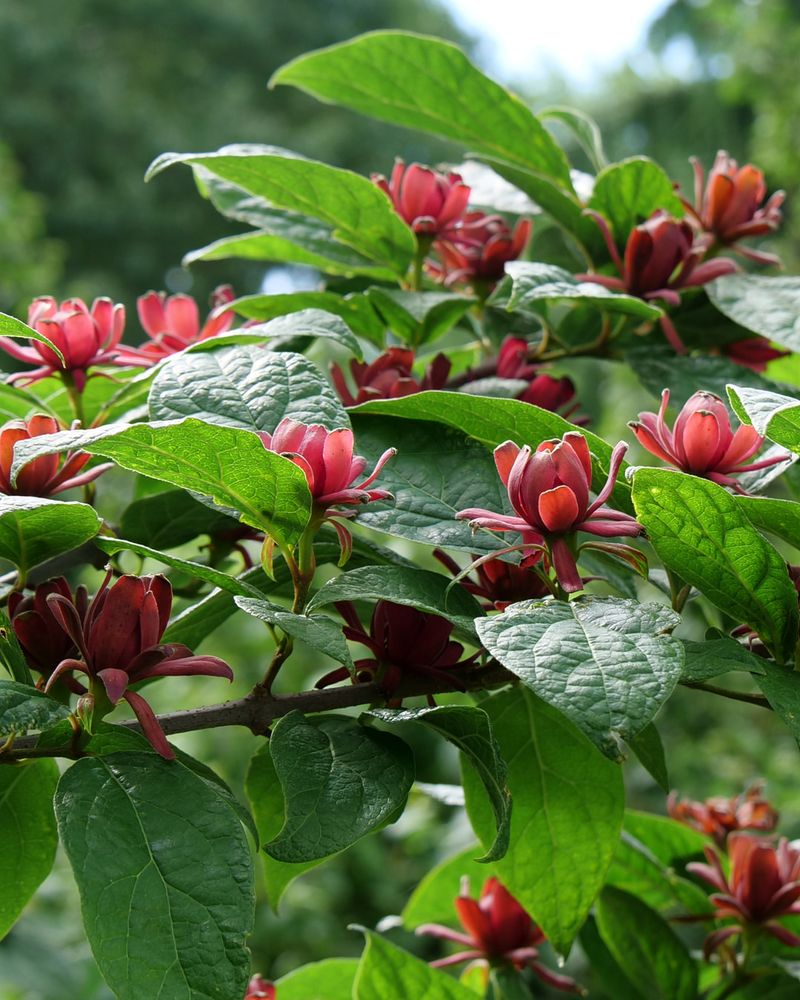
Crush a leaf, snap a twig, or lean close to a bloom, and Sweetshrub will immediately tell you why it earned that name.
Calycanthus floridus produces unusual dark reddish-brown flowers with a spicy, fruity fragrance that drifts through the air on warm Georgia afternoons.
It’s one of the most sensory plants you can add to a shady garden bed.
Native throughout the Southeast, Sweetshrub has a relaxed, natural growth habit that suits woodland-style plantings beautifully. It typically reaches six to nine feet tall and wide, forming a rounded mound of glossy, dark green leaves.
Georgia gardeners appreciate that it handles both moist and moderately dry shade without complaint, making it a dependable filler in spots where other shrubs struggle.
Blooms appear from mid-spring through early summer, and the plant occasionally re-blooms in fall. Butterflies and native bees visit the flowers regularly.
Plant it toward the back of a shady border where its size and fragrance can make a real impact without overwhelming smaller plants nearby. Sweetshrub pairs well with Oakleaf Hydrangea and native ferns for a layered, textured look.
Your Georgia Garden Changes Every Week. Your Plan Should Too.
Gardening in Georgia changes quickly throughout the season. Every Friday you’ll receive a simple weekly plan showing exactly what to plant, prune, fertilize, harvest, and protect so you never miss the right timing.
Once established in Georgia soil, it asks for very little and gives back generously season after season.
Its dense foliage also provides quiet shelter for small birds, adding even more life to shaded corners of the yard.
With its fragrance, adaptability, and native roots, Sweetshrub feels right at home in Georgia landscapes that lean into a natural, woodland-inspired design.
3. Oakleaf Hydrangea Brings Bold Texture And Long-Lasting Blooms
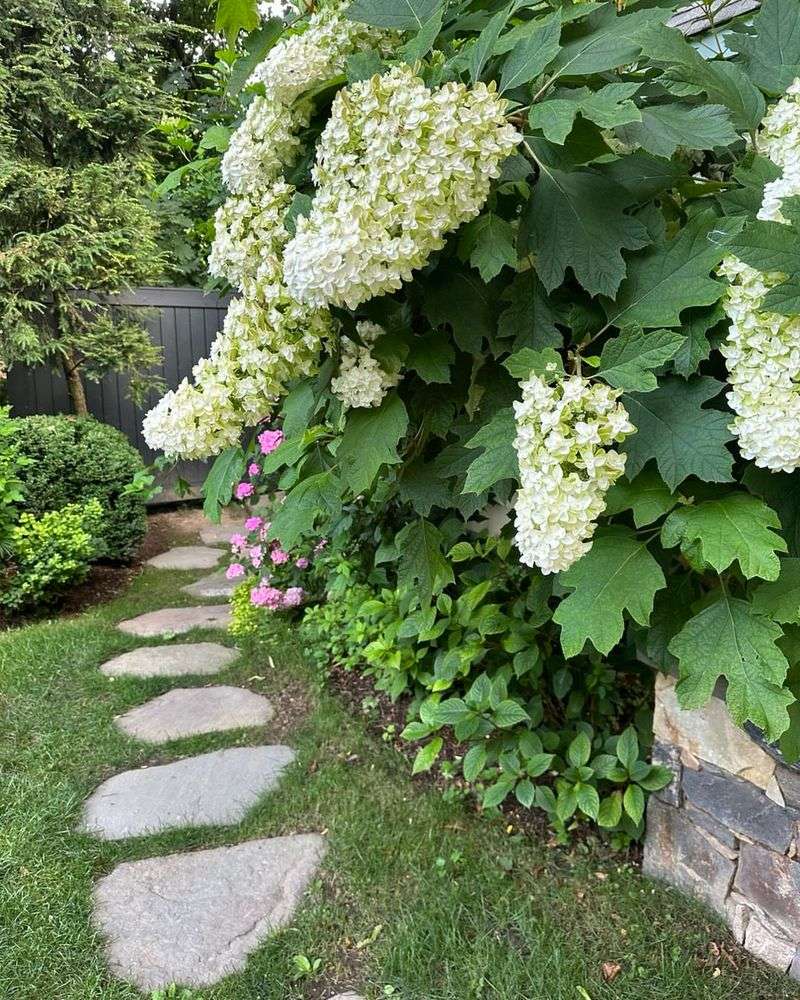
Few shrubs command attention quite like Oakleaf Hydrangea does in a Georgia shade garden.
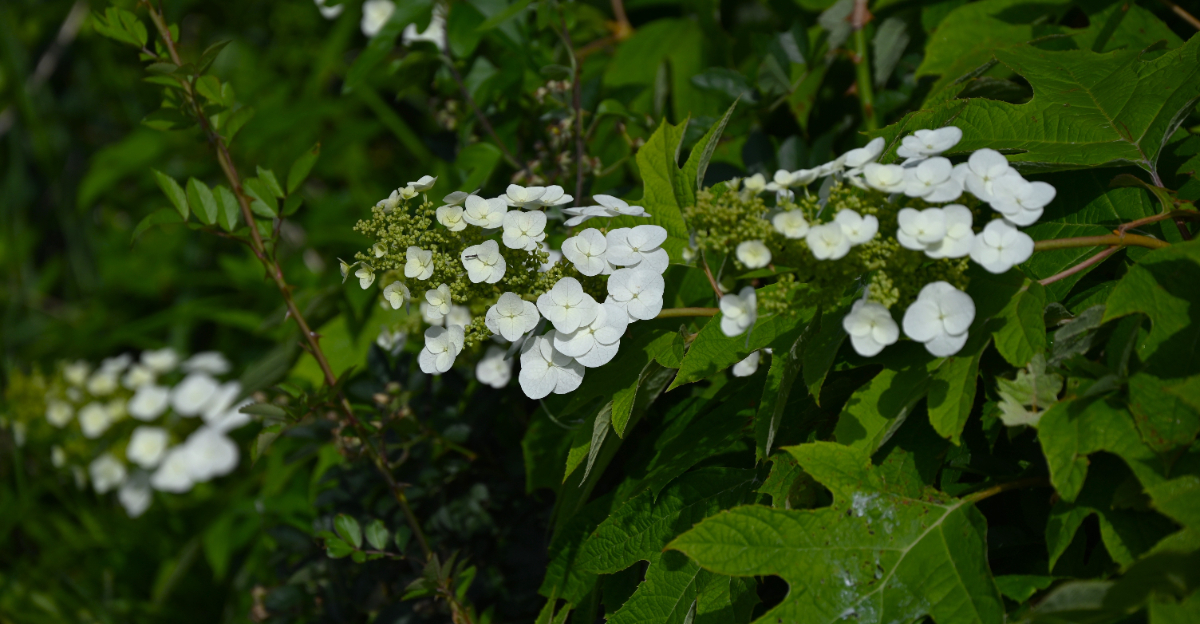
Native to the Southeast, this bold beauty produces massive cone-shaped flower clusters that start bright white in early summer and slowly age to a warm parchment color by fall.
Gardeners across Georgia rely on it to fill large shady spots with genuine drama.
What makes Oakleaf Hydrangea stand out beyond its blooms is the year-round interest it brings. Deeply lobed leaves shaped like oak foliage turn rich shades of burgundy and orange in autumn.
During winter, the peeling cinnamon-brown bark adds a sculptural quality that keeps the shrub looking intentional even without leaves.
Plant it in well-drained soil with partial to full shade, and it will reward you with minimal fuss. Established plants handle Georgia’s summer heat and occasional drought surprisingly well.
Space them about six feet apart to allow airflow and prevent mildew on the leaves. Pair Oakleaf Hydrangea with ferns or Spicebush to create a layered, woodland-style planting that feels completely natural.
Birds and pollinators visit frequently, making it a genuine powerhouse for any Georgia shade garden.
Its strong structure makes it an ideal anchor plant along fences, under tall pines, or at the back of a mixed border where shade-loving plants need a bold focal point.
Once established, it asks for very little beyond occasional pruning after flowering, making it one of the most reliable native shrubs for Georgia landscapes.
4. American Beautyberry Steals Attention In Late Summer
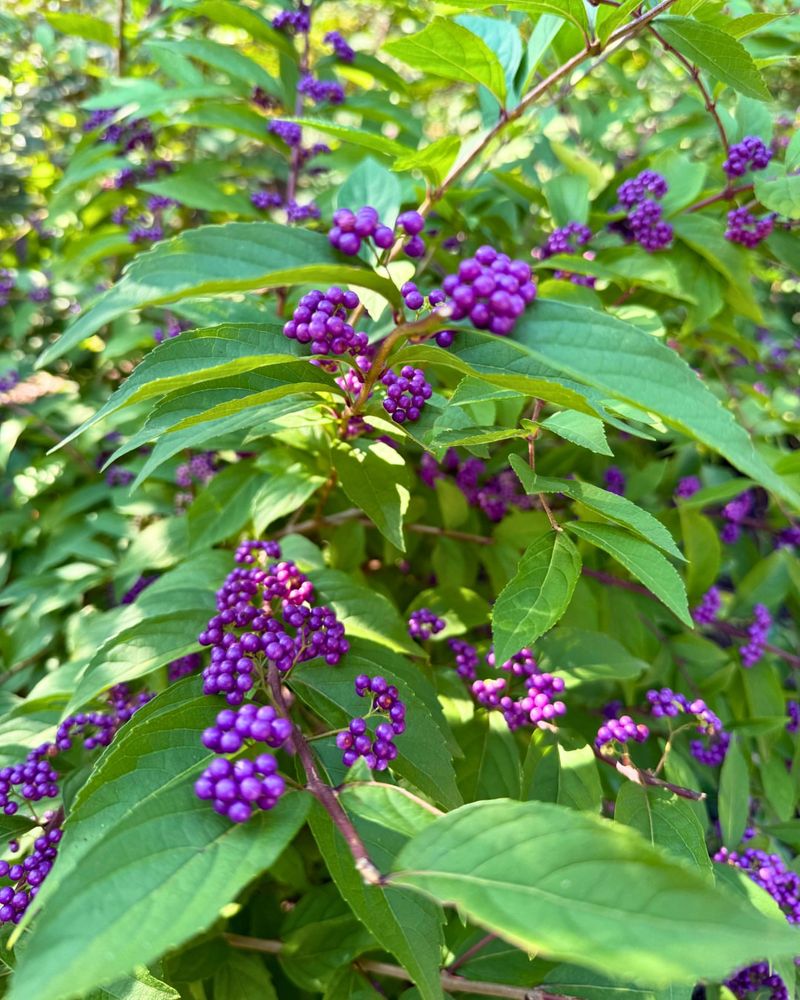
Nothing in a late-summer Georgia garden stops people in their tracks quite like American Beautyberry. Clusters of brilliant magenta-purple berries wrap tightly around each arching stem in a pattern so striking it looks almost artificial.
Native across Georgia and the broader Southeast, this shrub earns every bit of the attention it gets.
Beautyberry grows fast, often reaching six to eight feet tall in a single season under good conditions. It thrives in partial to full shade and handles Georgia’s red clay soil better than most ornamental shrubs.
Arching branches give it a graceful, fountain-like form that softens the edges of shady borders and woodland paths naturally.
Spring and summer bring small, unremarkable lavender flowers, but patience pays off when fall arrives and the berry show begins. Birds, including mockingbirds, robins, and brown thrashers, flock to the berries as a reliable food source during migration.
Cut it back hard in late winter and it bounces back with vigor every spring. Pair it with Virginia Sweetspire or Spicebush for a dynamic native planting that carries interest from spring through fall.
American Beautyberry is truly one of Georgia’s most underused and underappreciated native shrubs for shady spaces.
5. Fothergilla Sparks Early Interest And Brilliant Autumn Color
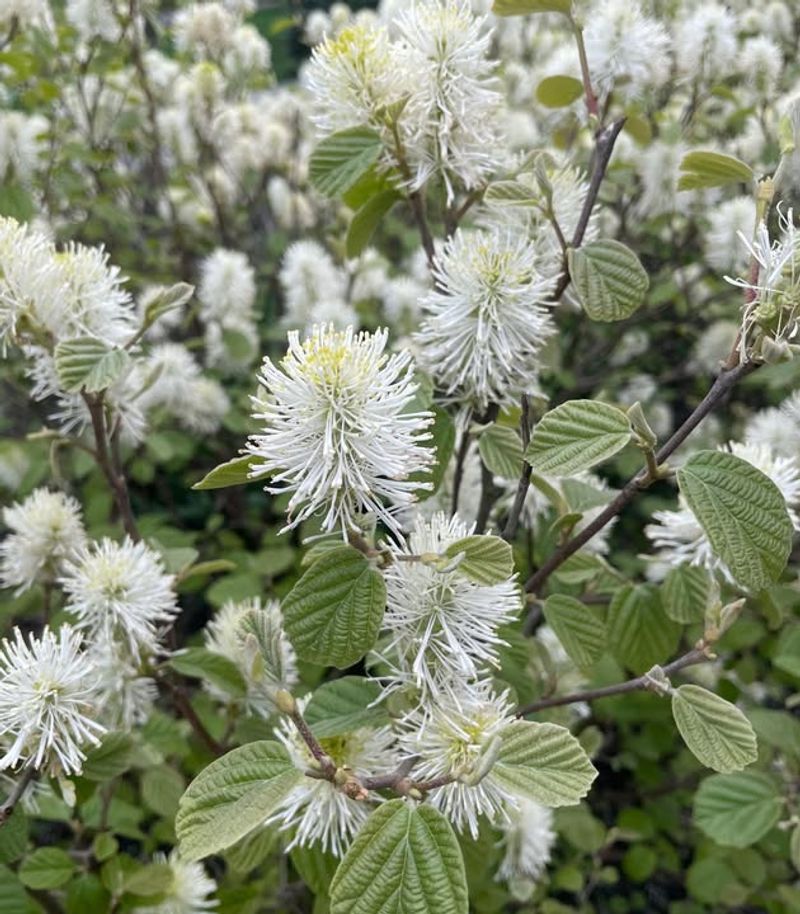
Before most trees have even thought about leafing out, Fothergilla is already showing off. Fluffy white bottlebrush-shaped flowers appear on bare branches in early spring, releasing a soft honey-like fragrance that feels like a reward for surviving a Georgia winter.
It’s one of the earliest native shrubs to bloom in the region, and that alone makes it worth growing.
Fothergilla comes in two main species, both native to the Southeast. Fothergilla gardenii stays compact at two to three feet, while Fothergilla major can reach six feet or more.
Both work beautifully in shaded Georgia gardens, preferring acidic, well-drained soil that mimics the woodland floor conditions they naturally grow in. Pair them with azaleas or Mountain Laurel for a layered spring display.
Fall color is where Fothergilla truly earns legendary status among native plant enthusiasts. Leaves turn a kaleidoscope of yellow, orange, and deep red simultaneously, often on the same branch.
Few shrubs match that kind of autumn performance in Georgia’s Piedmont or mountain regions. Plant it where morning light can filter through the canopy and afternoon shade keeps it cool.
Low maintenance, long-lived, and genuinely beautiful across multiple seasons, Fothergilla is a native gem worth seeking out.
6. Witch Hazel Blooms When Most Shrubs Stay Quiet
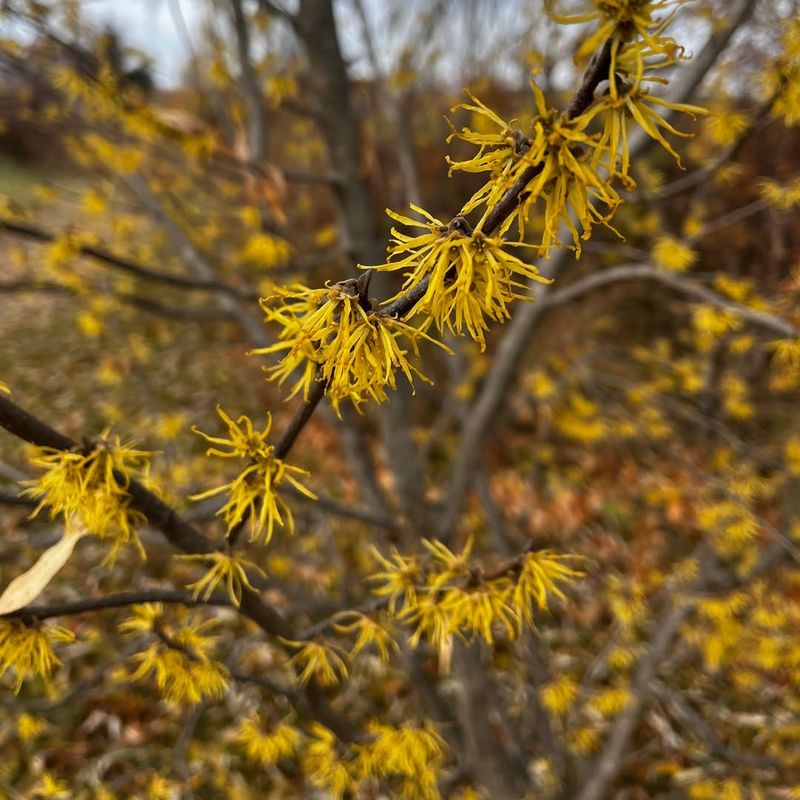
Witch Hazel blooms in the middle of winter, which makes it one of the most surprising and welcome sights in any Georgia shade garden.
Spidery, ribbon-like flowers in shades of yellow, orange, or red twist along bare branches from December through February, depending on the variety.
For Georgia gardeners tired of a bare winter landscape, this native shrub is genuinely exciting.
Hamamelis virginiana, the native species found naturally in Georgia, produces yellow flowers in late fall through early winter. It grows as a large multi-stemmed shrub or small tree, eventually reaching fifteen feet or more.
Shaded areas under mature hardwoods suit it well, and it tolerates the moist, humus-rich soils common in Georgia’s woodland gardens without any special amendments.
Beyond the blooms, Witch Hazel offers attractive foliage throughout spring and summer, followed by golden yellow fall color before the flowers emerge again.
Wildlife value is solid too, with native bees seeking out the late-season blooms as a rare nectar source.
Plant it as a specimen near a path or window where the winter flowers can be appreciated up close. Combined with Spicebush or Sweetshrub, it creates a layered woodland planting with year-round appeal across Georgia landscapes.
7. Spicebush Thrives Beneath Mature Tree Canopies
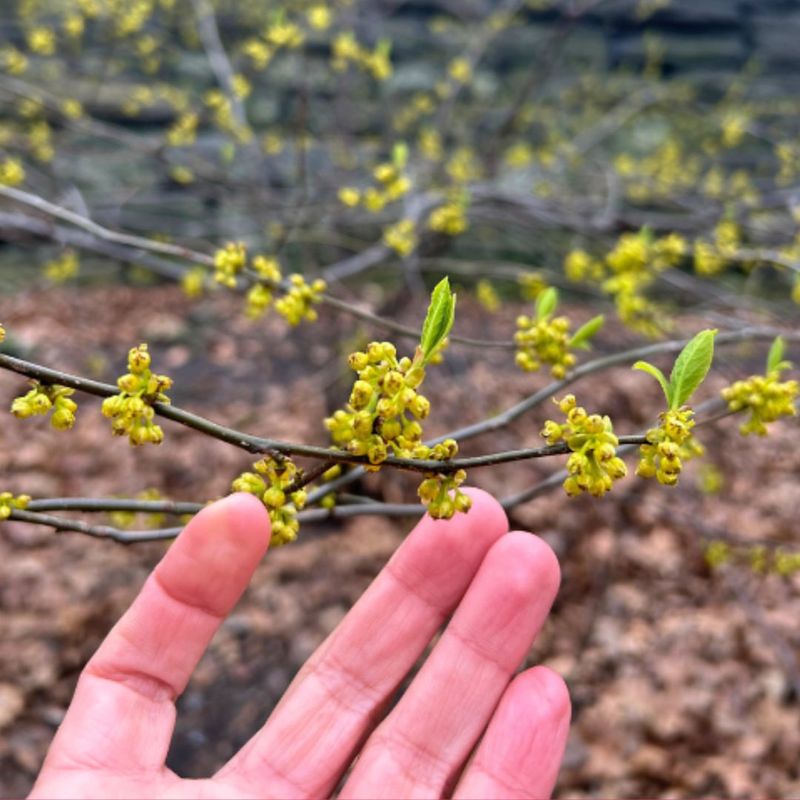
Deep shade under a canopy of mature oaks or hickories is tough territory for most plants, but Spicebush was practically built for exactly that situation.
Lindera benzoin grows naturally across Georgia’s woodland understory, which means it already knows how to handle low light, competing roots, and the dry summers that come with life beneath big trees.
Few native shrubs are this well-suited to difficult conditions.
Tiny clusters of yellow flowers appear along the branches in very early spring, well before the leaves emerge. It’s a subtle show compared to showier shrubs, but those early blooms are critical food for native bees and early-emerging butterflies.
By summer, Spicebush is covered in glossy green leaves that smell spicy and pleasant when crushed. Female plants produce bright red berries in fall that birds absolutely love, especially wood thrushes and veeries during migration.
Spicebush is also the host plant for the Spicebush Swallowtail butterfly, one of Georgia’s most beautiful native butterflies.
Growing six to twelve feet tall, it works well as a natural screen or background plant in shaded borders.
Plant both male and female plants for berry production. Spicebush is low-maintenance, wildlife-friendly, and perfectly at home in Georgia’s shadiest garden spots.
8. Mountain Laurel Adds Evergreen Structure And Intricate Flowers
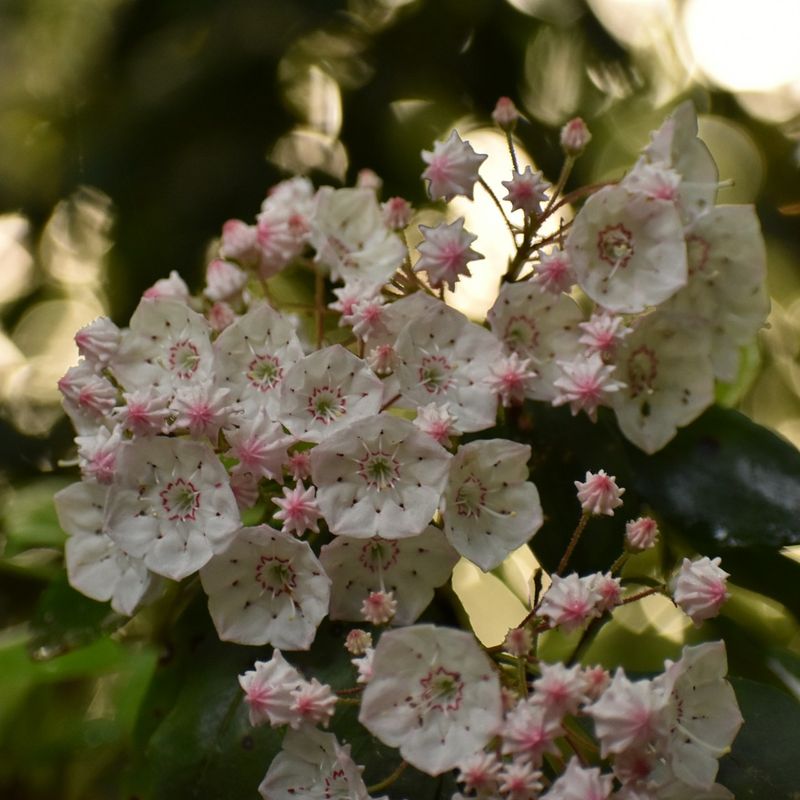
Year-round structure is something most shade gardens desperately need, and Mountain Laurel delivers it with serious style. Kalmia latifolia is a broadleaf evergreen native to Georgia’s mountain regions, holding its dark, glossy leaves through every season.
Even without flowers, it gives shaded beds a polished, finished look that deciduous shrubs simply cannot provide during winter months.
Bloom time in late spring brings clusters of intricate cup-shaped flowers in shades of white, pink, and rose, often with detailed banding or spotting inside each bloom. Up close, the flowers look almost hand-painted.
Mountain Laurel performs best in acidic, well-drained soil with dappled to partial shade, conditions that mirror its native habitat along Georgia’s Blue Ridge slopes and woodland edges.
Avoid heavy clay or consistently wet soil, as root rot can become a problem in poorly drained spots. Mulch generously to keep roots cool and moisture levels stable through Georgia’s hot summers.
Pruning is rarely needed, but removing spent flower clusters encourages better blooming the following year. Pair it with Fothergilla or native ferns for a refined woodland planting.
Mountain Laurel grows slowly but lives for decades, making it one of the most rewarding long-term investments in a Georgia shade garden.
9. Leucothoe Cascades Gracefully Through Low-Light Areas
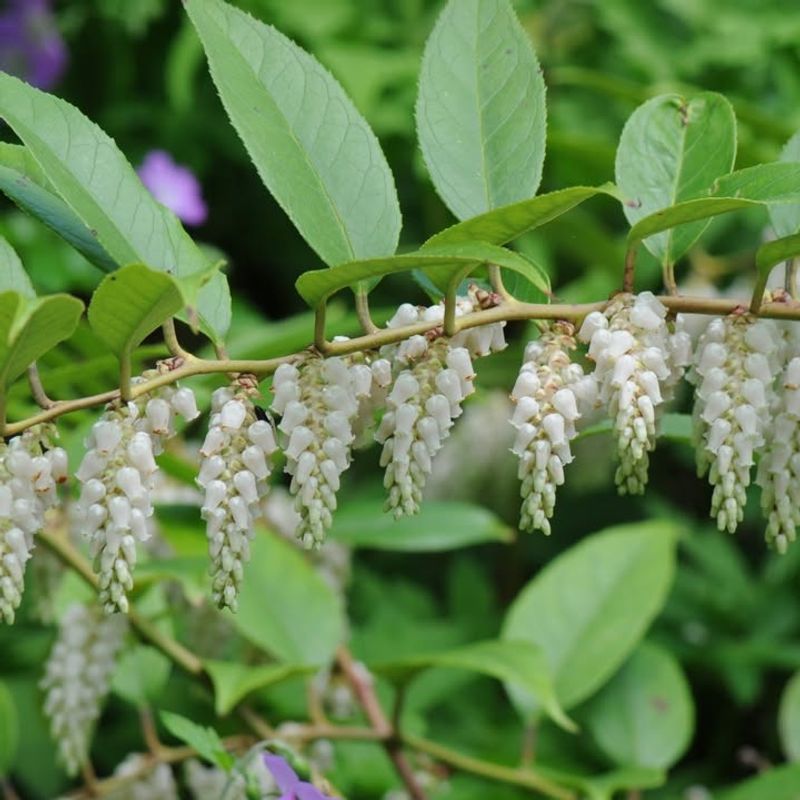
Graceful is the word that comes to mind every time someone encounters Leucothoe growing in a shaded Georgia garden.
Arching branches sweep outward and downward in a natural fountain shape, creating flowing layers of glossy foliage that look intentional and elegant without any effort.
It’s a shrub that makes a shaded corner look designed rather than neglected.
Leucothoe fontanesiana, native to the Southern Appalachians including parts of Georgia, thrives in moist, acidic soil beneath trees and along stream banks.
Leaves emerge green in spring and summer, then shift to stunning shades of burgundy, bronze, and purple during fall and winter, giving the plant a completely different personality across the seasons.
Small white urn-shaped flowers hang beneath the branches in spring, adding a subtle charm that rewards close inspection.
Growing two to four feet tall and spreading four to six feet wide, Leucothoe works beautifully as a ground-level layer beneath taller native shrubs like Mountain Laurel or Sweetshrub.
It spreads slowly by underground stems to form a dense, weed-suppressing mat that reduces garden maintenance over time.
Consistent moisture is key in Georgia’s warmer zones, so mulch heavily and avoid dry, exposed locations. Leucothoe is a refined, low-fuss native shrub that brings four-season beauty to Georgia’s shadiest garden spaces.