How To Choose The Right Apple Tree Variety For Georgia’s Chill Hours
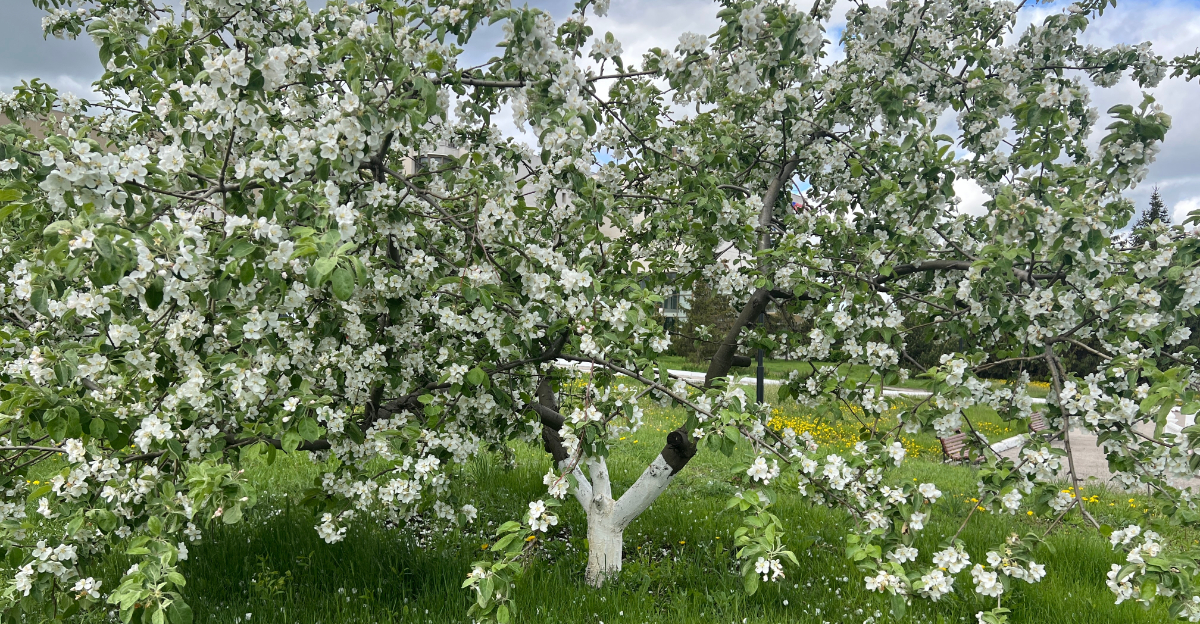
Apple trees can thrive in Georgia, but only if the variety matches the state’s winter chill pattern. Unlike colder regions, Georgia does not deliver long, consistent cold periods, and that matters more than many gardeners realize.
Each apple variety requires a specific number of chill hours to set fruit properly, and planting one that demands more cold than the area provides often leads to weak flowering or little harvest.
The challenge is not whether apples grow in Georgia, but whether the right type goes in the ground.
Local climate zones, average winter temperatures, and bloom timing all influence long-term success. When chill requirements align with Georgia’s conditions, apple trees reward the effort with reliable blossoms and productive harvests year after year.
1. Know Your Local Chill Hour Range Before Choosing Any Variety
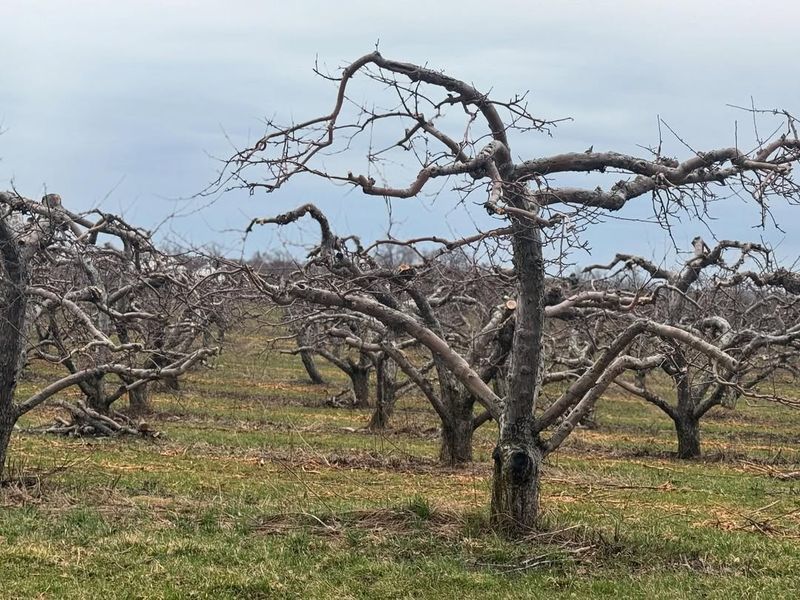
Before you buy a single tree, the most important thing you can do is figure out how many chill hours your specific area of Georgia actually receives each year.
Chill hours are simply the total number of hours during winter when outdoor temperatures hover between 32 and 45 degrees Fahrenheit.
Apple trees need a certain number of those cold hours to properly wake up in spring and produce fruit.
Georgia is not one-size-fits-all when it comes to winter cold. South Georgia averages roughly 400 to 600 chill hours annually, which means growers there need varieties built for warmer winters.
Central Georgia lands in a middle range of about 600 to 800 chill hours, while North Georgia, especially at higher elevations, can rack up 800 to 1,000 or more chill hours in a good season.
Getting this number wrong is one of the most common mistakes new growers make. Plant a high-chill variety in South Georgia and it may leaf out unevenly, produce little to no fruit, or simply struggle every single year.
Plant a low-chill variety in North Georgia and it might bloom dangerously early, exposing tender flowers to late frosts.
Your local university extension office is one of the best resources for finding your exact chill hour data. Many Georgia counties have published guides specifically for home orchardists.
Spending fifteen minutes researching your local chill hours before purchasing any tree could save you years of frustration and wasted effort in the orchard.
2. North Georgia Can Support Medium To Higher Chill Apple Types
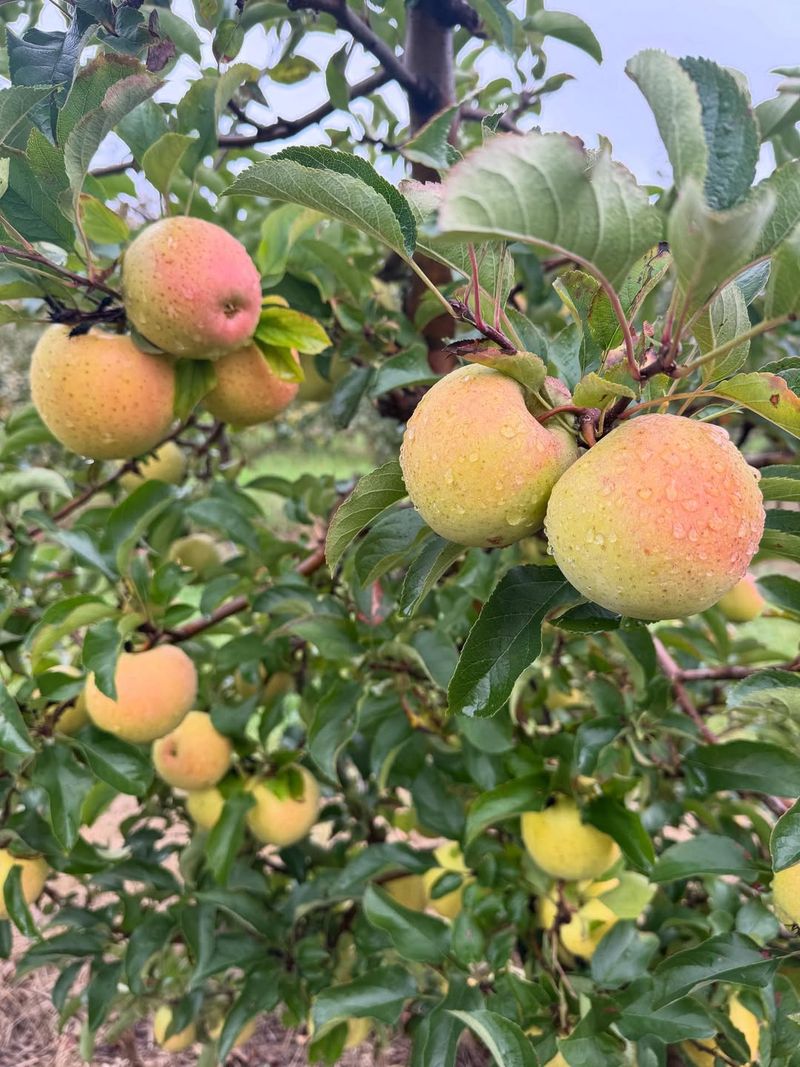
North Georgia is genuinely exciting territory for apple growers.
Elevations in counties like Gilmer, Fannin, and Pickens push chill hour totals well above what the rest of the state sees, and that opens the door to some truly outstanding apple varieties that simply cannot perform further south.
GoldRush is a standout choice for this region. It ripens late in the season, stores exceptionally well, and develops a complex sweet-tart flavor that improves even after harvest.
Enterprise is another strong performer, offering solid disease resistance and reliable fruit set in the mountain climate.
Arkansas Black, with its deep burgundy skin and dense, crisp flesh, also thrives at higher elevations in North Georgia and has a loyal following among growers who value long storage life.
Your Georgia Garden Changes Every Week. Your Plan Should Too.
Gardening in Georgia changes quickly throughout the season. Every Friday you’ll receive a simple weekly plan showing exactly what to plant, prune, fertilize, harvest, and protect so you never miss the right timing.
In the highest elevation areas, some growers have had real success with Honeycrisp, the variety that took grocery stores by storm over the past two decades.
Honeycrisp demands significant chill hours and cooler summer nights to develop its signature crunch and sweetness.
Not every spot in North Georgia will meet those demands consistently, so talk to local nurseries before committing.
Variety selection in North Georgia should also factor in disease pressure. Apple scab and fire blight are genuine concerns throughout the region.
Choosing varieties with built-in resistance, like Enterprise, can dramatically reduce the amount of spraying and management required over the life of your orchard. Starting smart pays off for years to come.
3. Central Georgia Performs Best With Reliable Mid-Chill Varieties
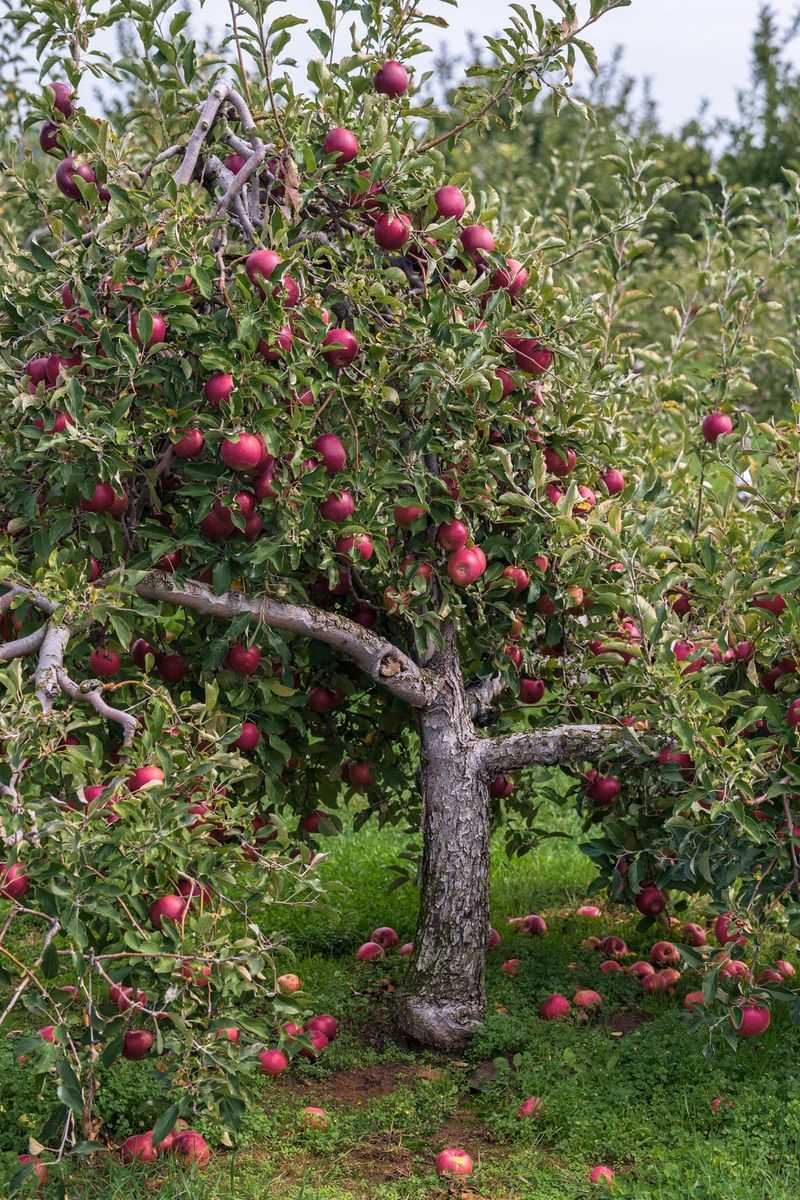
Central Georgia sits in a sweet spot for apple growing, not too cold and not too warm, which means growers here have a genuinely solid lineup of varieties to work with.
Hitting that 600 to 800 chill hour window consistently gives mid-chill apples exactly what they need to bloom on schedule and produce well-formed, flavorful fruit.
Gala is one of the most reliable performers across Central Georgia. It ripens relatively early, produces crisp and mildly sweet fruit, and adapts well to the red clay soils common throughout this part of the state.
Fuji is another excellent option, known for its outstanding flavor and long shelf life after harvest. Both varieties are widely available at nurseries serving the Central Georgia market.
Pink Lady, technically known as Cripps Pink, has become increasingly popular with home growers in this region. It ripens late, which means it spends a long time on the tree developing sugar and acidity into a beautifully balanced apple.
Ginger Gold is worth adding to any Central Georgia planting because it matures early in the season, giving you fresh apples well before most other varieties are ready.
Mollie’s Delicious rounds out the list nicely. It is a variety bred specifically with southeastern conditions in mind, and it shows in its consistent performance across Central Georgia counties.
Selecting two or three of these mid-chill varieties and planting them together creates a productive home orchard with staggered harvest times that stretch the fresh apple season considerably.
4. South Georgia Requires Proven Low-Chill Apples
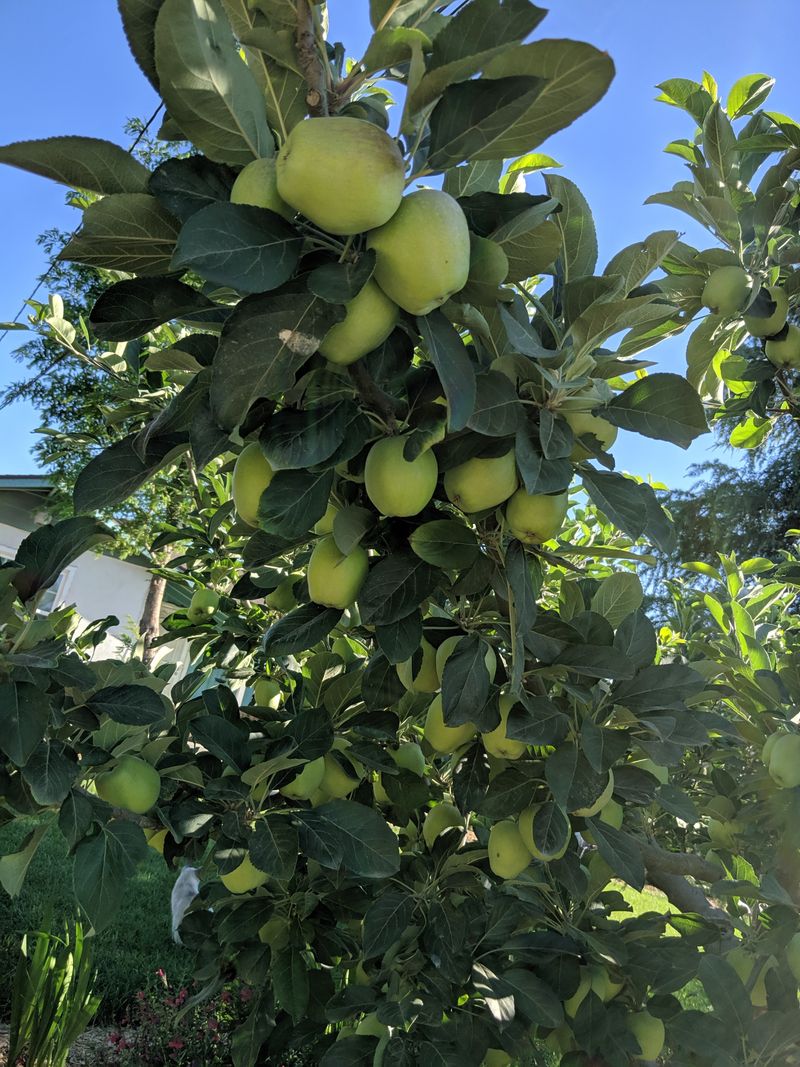
South Georgia does not get the cold winters that apple trees traditionally crave, but that does not mean apple growing is out of reach.
A handful of varieties have been specifically selected and tested for exactly this kind of warm-winter environment, and they can produce remarkably well when matched correctly to the region’s climate.
Anna is the go-to apple for South Georgia growers, and for very good reason. Developed in Israel for warm climates, it needs as few as 200 to 300 chill hours to perform, making it one of the most cold-tolerant, low-chill options available.
Dorsett Golden is another top performer in the region, producing sweet, golden fruit on a schedule that lines up perfectly with South Georgia’s mild winters.
TropicSweet was developed with the southeastern United States in mind, and it shows real promise across the lower half of Georgia.
It produces medium to large fruit with good sweetness and handles warm springs with more reliability than many other varieties.
Ein Shemer, another variety with Israeli roots, is gaining popularity among South Georgia orchardists looking for something beyond the standard Anna and Dorsett Golden combination.
One thing South Georgia growers need to watch carefully is summer heat stress. Even low-chill varieties can struggle when temperatures stay relentlessly high through the growing season.
Mulching around the base of trees, maintaining consistent moisture, and providing afternoon shade where possible can make a meaningful difference in fruit quality and overall tree health across the southern part of the state.
5. Plant Two Compatible Varieties That Bloom At The Same Time
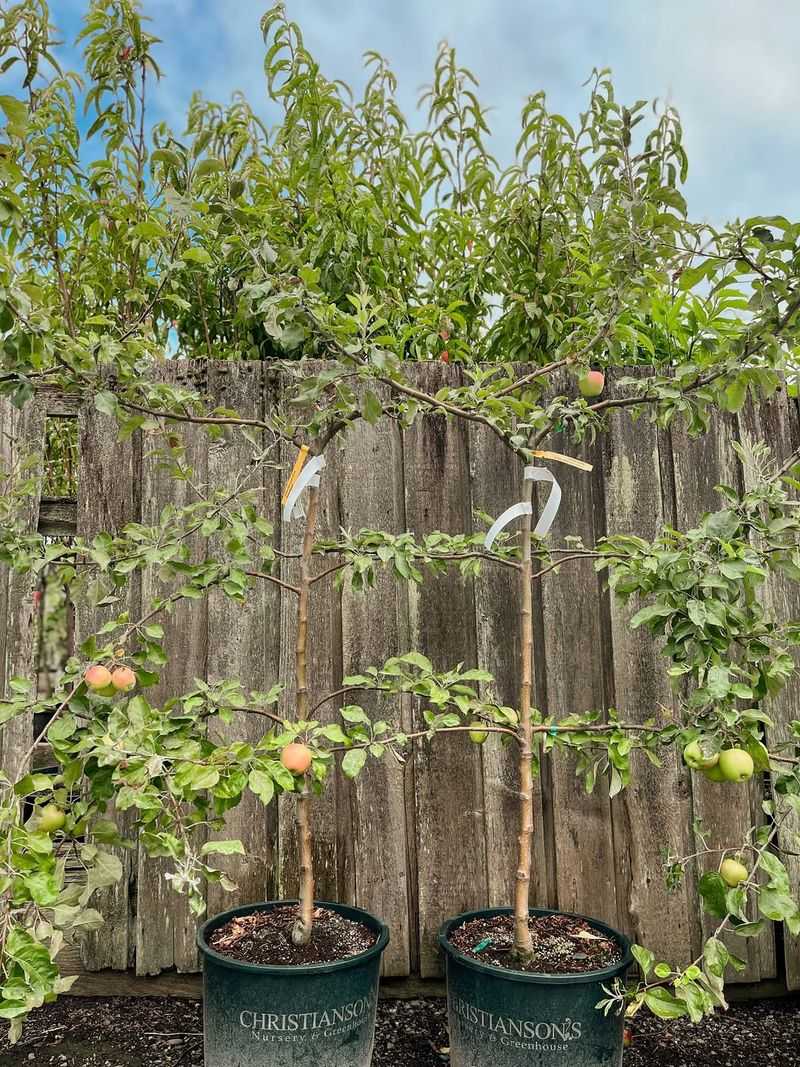
Apple trees are not great at going it alone.
Almost every variety you will encounter needs pollen from a different apple variety to set fruit properly, and that means planting at least two trees that bloom at the same time is not optional, it is essential for a productive harvest.
Pairing compatible varieties is straightforward once you know what to look for. In South Georgia, Anna and Dorsett Golden are a classic combination because they bloom simultaneously and pollinate each other beautifully.
Across Central Georgia, Fuji and Gala make an excellent pairing, with overlapping bloom windows that ensure plenty of cross-pollination when bees are active in the orchard.
Bloom timing is everything in this equation. Two varieties might both be described as mid-season bloomers, but if one opens its flowers a full week before the other, effective pollination drops sharply.
When shopping for trees at a Georgia nursery, always ask specifically about bloom timing rather than relying solely on chill hour requirements.
Spacing also plays a role in pollination success. Bees are efficient, but planting compatible trees within 50 to 100 feet of each other gives pollinators the best chance of moving pollen between varieties consistently.
If space is tight in your yard, some Georgia growers plant two different varieties in the same hole, training them as a multi-trunk tree.
It sounds unconventional, but it works surprisingly well and keeps a small backyard orchard productive without requiring a large footprint.
6. Avoid Very High-Chill Apples In Warmer Southern Counties
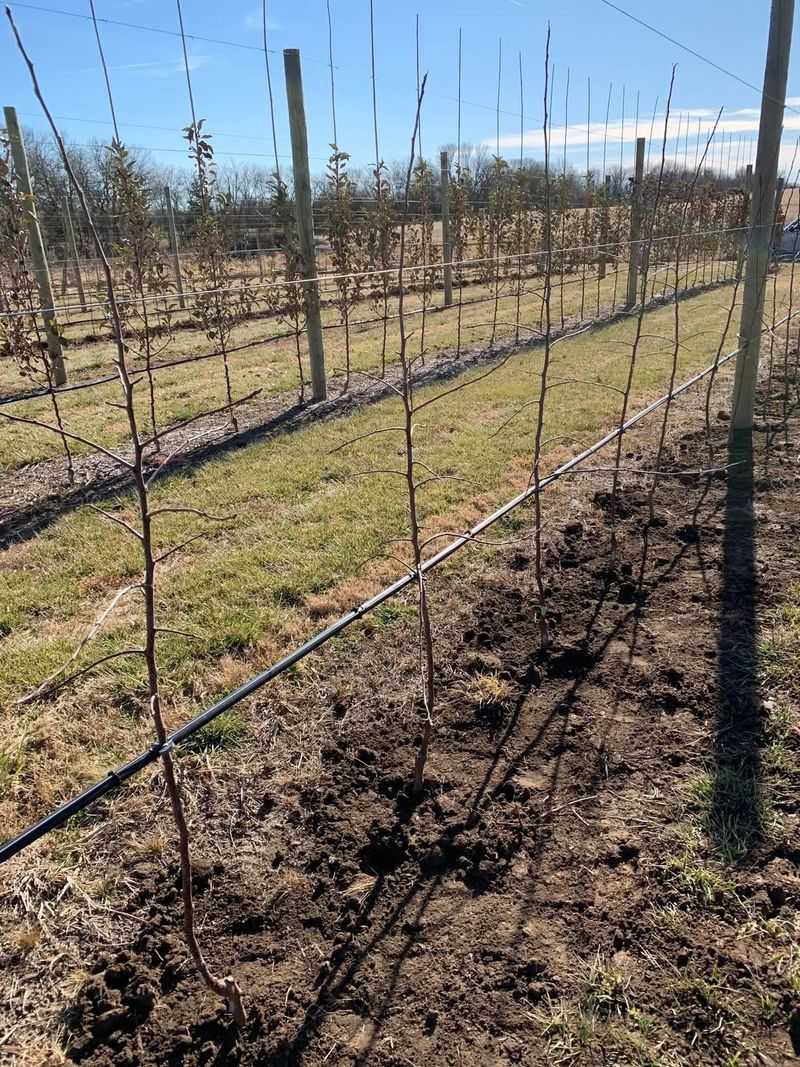
Catalog photos of Honeycrisp, Granny Smith, and Fuji Delicious apples are genuinely tempting, but planting a high-chill variety in the wrong part of Georgia is a setup for ongoing disappointment.
Varieties that require 800 or more chill hours simply cannot fulfill their biological requirements in South Georgia’s warmer winters, and the results show up fast.
When a high-chill apple does not receive enough cold hours, the consequences are visible and frustrating. Leaf break becomes erratic, with some buds opening weeks before others.
Bloom is sparse and poorly timed, which makes cross-pollination unreliable even when a compatible partner tree is nearby. Fruit set drops significantly, and what does develop is often small, misshapen, or flavorless.
Beyond poor yields, chronically under-chilled trees can develop a condition called delayed foliation, where the tree pushes out leaves weeks late and never fully establishes a healthy canopy for the season.
Over multiple years, this cycle weakens the tree structurally and makes it more vulnerable to pests and disease pressure common throughout South Georgia.
Sticking to varieties proven for your chill hour range is not settling for less, it is actually the path to growing better apples.
A well-matched low-chill variety planted in South Georgia will outperform a high-chill variety planted in the same spot every single year.
Growers who take the time to match variety to location consistently report healthier trees, stronger harvests, and far less frustration managing their backyard orchard over the long term.
7. Consider Bloom Timing To Reduce Frost Risk In Colder Parts Of The State
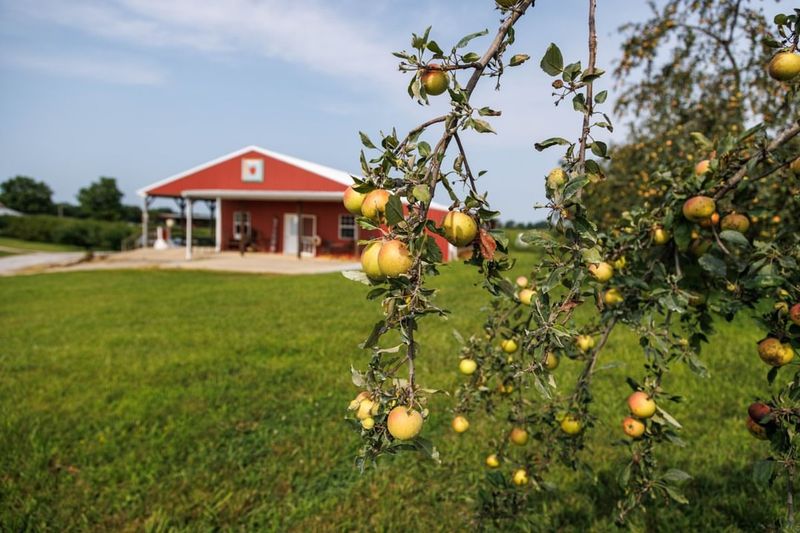
Late spring frosts are one of the most heartbreaking events in a North Georgia orchard. You watch the tree bloom beautifully, bees start working the flowers, and then a single cold night wipes out the entire crop before a single apple has a chance to form.
Choosing later-blooming varieties is one of the smartest ways to reduce that risk.
Enterprise is an excellent example of a later-blooming variety that performs well across North Georgia.
Its flowers open after many other varieties have already finished blooming, which means it misses the most dangerous frost windows that often hit in late March and early April in the mountain counties.
GoldRush follows a similar pattern, pushing its bloom period later into spring and rewarding patient growers with exceptional fruit quality at harvest.
Understanding bloom timing goes hand in hand with knowing your specific microclimate within Georgia. A hillside orchard in Gilmer County might experience frost events two weeks later than a valley site just five miles away.
Cold air drains downhill and collects in low spots, so even within the same county, site selection can dramatically change your frost exposure and bloom success rate.
Combining a later-blooming variety with a well-chosen planting site gives North Georgia growers a real advantage.
Position trees on a gentle slope where cold air drains away naturally. Pair them with varieties like Enterprise or GoldRush that bloom later, creating a simple, low-cost way to protect your investment and secure a reliable apple harvest each year.