8 Georgia Native Perennials That Show New Growth Before March Arrives
Georgia does not always wait for the calendar to announce spring, and neither do some of its toughest native perennials. While many plants still look dormant, certain species begin pushing up fresh growth as soil temperatures shift and daylight increases.
That early movement brings welcome signs of life to beds that have looked quiet through winter.
Native perennials adapted to Georgia’s climate respond naturally to subtle seasonal changes, which allows them to wake up sooner without suffering damage from normal late cool spells.
Their early growth sets the stage for strong stems, fuller foliage, and reliable blooms later in the season. When the right natives take root, the garden begins its transition long before March officially begins, creating steady momentum into true spring.
1. Christmas Fern Unfurls New Fronds Before Spring Officially Begins
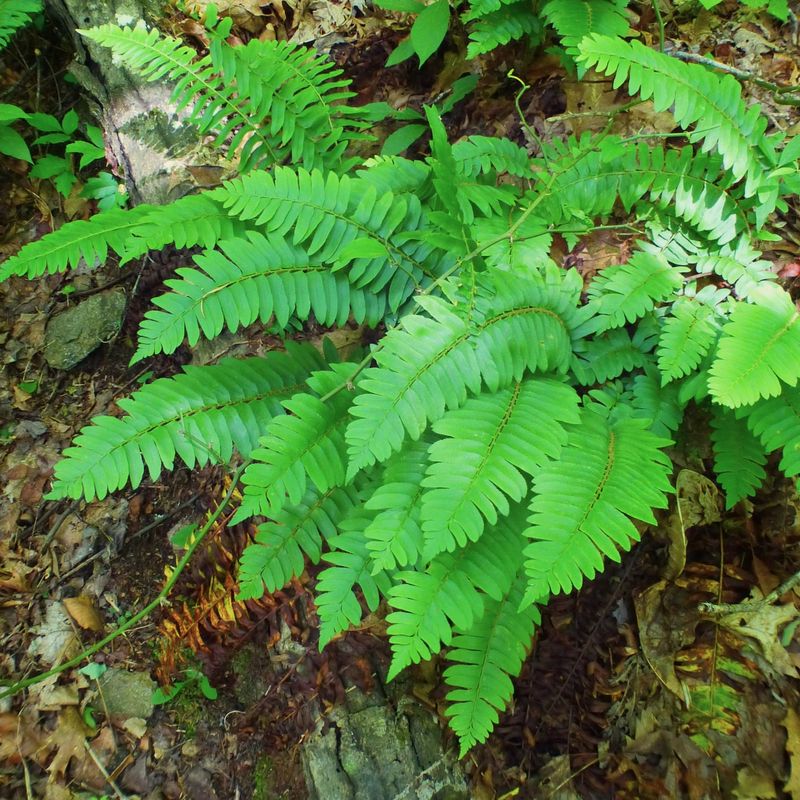
Bright green coils appear at the base of Christmas Fern clumps while winter still grips the landscape. These tightly wound fronds look like nature’s perfect spirals, slowly unwinding as days gradually lengthen.
Old fronds from last year stay green all winter, but the new growth stands out with its lighter, fresher color that practically glows against brown leaf litter.
This evergreen fern earned its common name because it stays green through Christmas and beyond. Native to Georgia’s forests, it grows naturally on hillsides and in ravines where moisture collects.
The plant tolerates deep shade better than most perennials, making it valuable for those difficult spots under dense tree cover.
Each frond can reach two feet long once fully expanded, creating substantial masses of greenery.
February warmth triggers rapid frond development in established Christmas Fern colonies. Within weeks, those tight coils transform into fully formed fronds with dozens of leaflets arranged along a central stem.
The leaflets have a distinctive shape with a small projection that resembles a Christmas stocking, which helps with identification. Spores develop on the undersides of specialized fronds later in the growing season.
Georgia gardeners value Christmas Fern for its reliability and toughness. Drought doesn’t bother established plants much, and deer typically leave them alone.
Plant them in groups for best effect, spacing them about eighteen inches apart. They’ll slowly spread to form attractive colonies that look good twelve months a year.
2. Wild Ginger Wakes Up Early In Shaded Georgia Woodlands
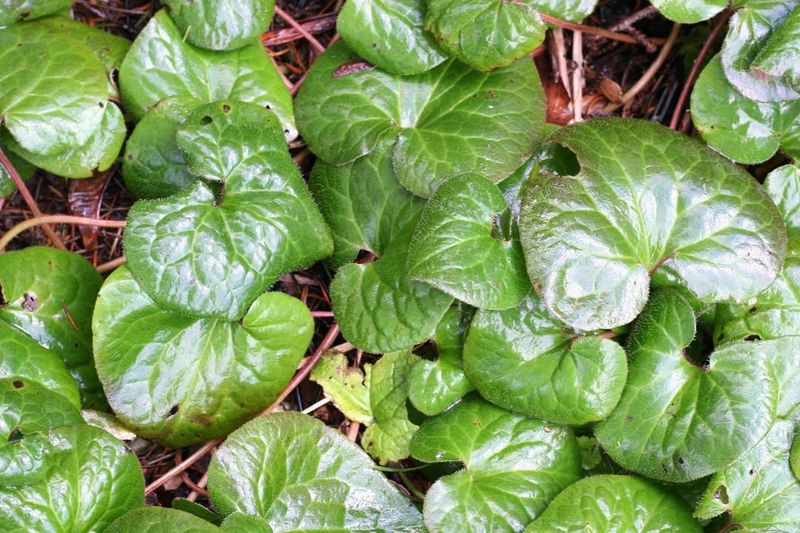
Heart-shaped leaves push through leaf litter in Georgia’s woodlands weeks before most people expect anything to grow.
Wild Ginger spreads low across the ground, with each leaf emerging on its own stem directly from underground rhizomes.
The foliage has a soft, almost velvety texture that invites touching, and crushing a leaf releases a spicy aroma that explains the common name.
Shade-loving gardeners appreciate how well Wild Ginger performs in spots where grass refuses to grow.
The plant forms dense mats that suppress weeds once established, creating attractive ground cover under shrubs and trees.
Each plant slowly expands outward as rhizomes creep through the soil, eventually covering several square feet. Growth starts remarkably early in the season, with leaves appearing in late January during mild winters.
Your Georgia Garden Changes Every Week. Your Plan Should Too.
Gardening in Georgia changes quickly throughout the season. Every Friday you’ll receive a simple weekly plan showing exactly what to plant, prune, fertilize, harvest, and protect so you never miss the right timing.
Small flowers hide beneath the leaves in early spring, sitting right on the soil surface where they’re easily overlooked. These unusual blooms have a dark purple-brown color and a shape that doesn’t resemble typical flowers at all.
They’re pollinated by ground-dwelling insects that crawl beneath the leaf canopy. Most gardeners grow Wild Ginger for its foliage rather than its hidden flowers.
Georgia’s native Wild Ginger needs consistent moisture and rich soil to thrive. Add compost when planting to improve soil quality and help retain water.
The plant goes dormant during extreme heat and drought but bounces back when conditions improve. Space plants twelve inches apart for ground cover that fills in within two growing seasons.
3. Eastern Columbine Pushes Fresh Foliage While Winter Still Lingers
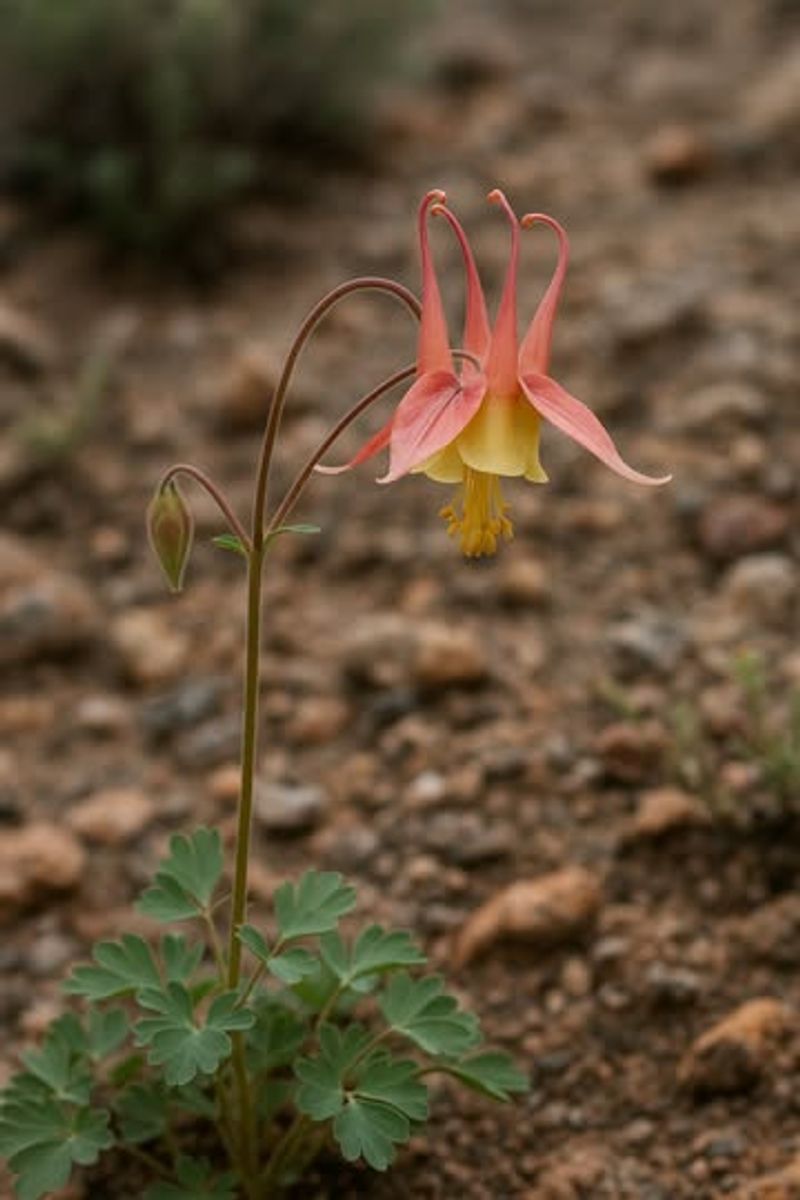
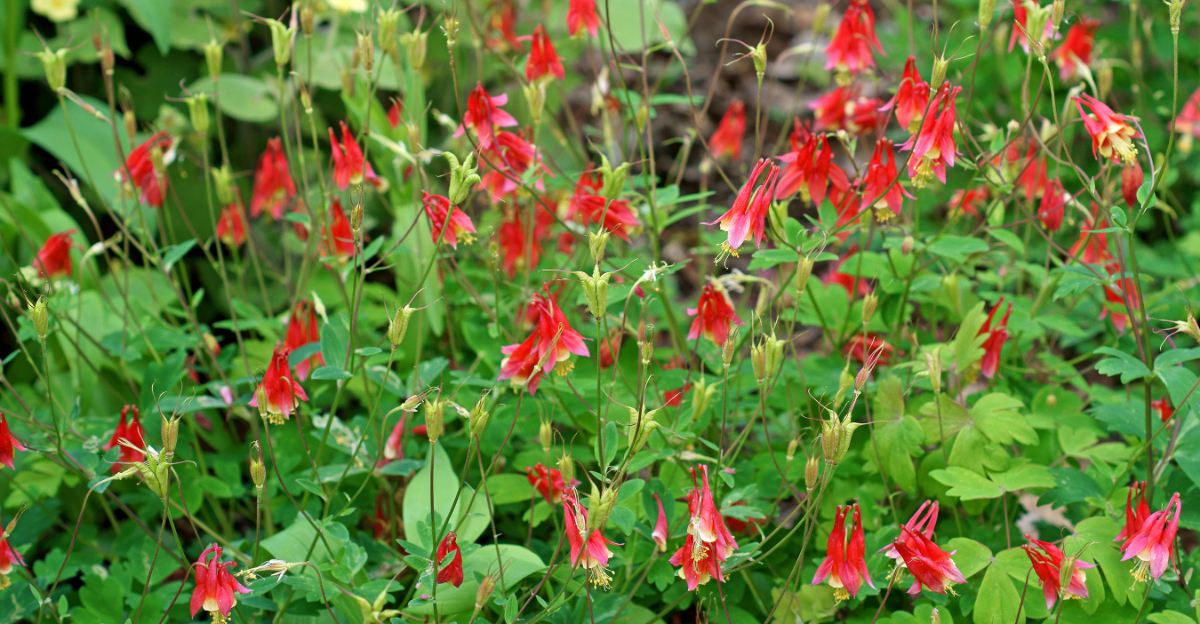
Watch closely in February and you’ll spot Eastern Columbine’s distinctive leaves appearing near the base of trees. The delicate, rounded leaflets emerge in clusters that look almost like tiny fans spreading across the ground.
Each leaf divides into three parts, and those parts divide again, creating an intricate pattern that catches your eye even before flowers appear.
Georgia’s native woodlands provide the perfect home for this early riser. Columbine thrives in partial shade where taller trees protect it from harsh afternoon sun.
The plant sends down deep roots that help it survive dry spells once summer arrives. Those same roots store energy all winter, giving the plant fuel to push out new growth when temperatures barely climb above freezing.
By the time March rolls around, your Columbine plants will already have substantial leaf growth. The foliage stays attractive throughout spring and into early summer, providing ground cover in shaded garden spots.
Red and yellow flowers follow in April and May, dangling like little lanterns from thin stems. Hummingbirds love these blooms and will visit your Georgia garden regularly once they appear.
Plant Eastern Columbine under deciduous trees where it gets winter sun but summer shade. The soil should drain well since soggy conditions can cause problems.
Once established, this perennial returns year after year with minimal care, always among the first to signal that spring is coming.
4. Foamflower Sends Up New Shoots In Late Winter Light
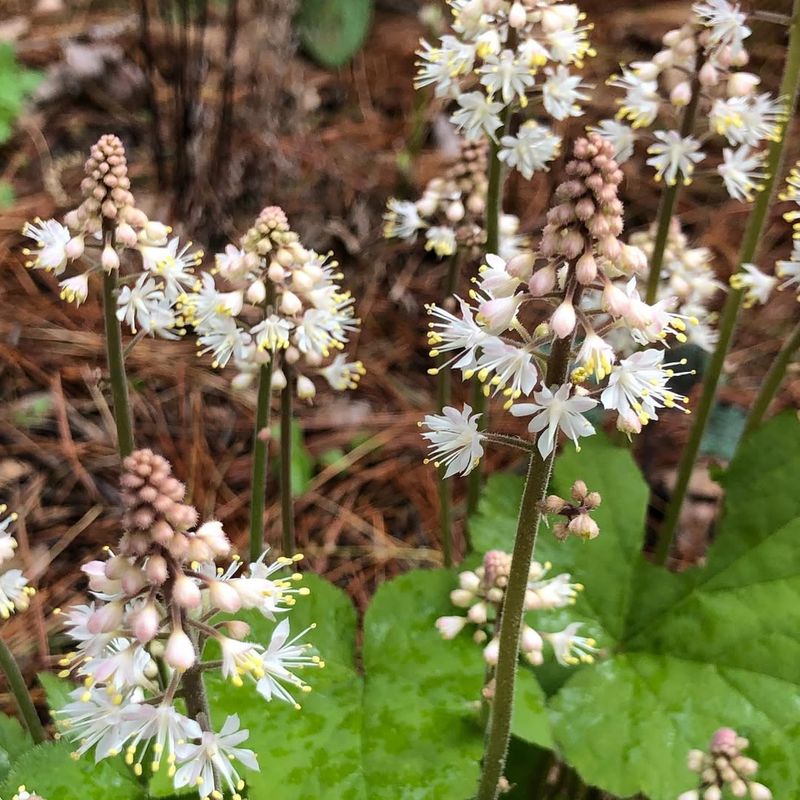
Fuzzy new leaves emerge from Foamflower’s crown while frost still threatens on cold Georgia mornings. The foliage unfolds in rosettes close to the ground, with each leaf displaying an intricate pattern of veins and lobes.
Some varieties show purple or bronze markings that make the leaves decorative even before flower spikes appear.
The texture is slightly hairy, giving leaves a soft appearance that contrasts nicely with smoother-leaved companions.
Late winter sunshine filtering through bare tree branches triggers growth in established Foamflower patches. The plant spreads by runners that root wherever they touch soil, gradually expanding to cover available space.
This growth habit makes Foamflower excellent for erosion control on shaded slopes. Georgia gardeners often use it as ground cover in woodland gardens where its early growth provides interest when little else is happening.
Flower spikes emerge in April, rising six to twelve inches above the foliage. The tiny white or pink blooms cluster densely along the spike, creating a frothy appearance that inspired the common name.
Flowers last several weeks and attract small pollinators. After blooming finishes, the foliage remains attractive throughout summer if plants receive adequate moisture.
Plant Foamflower in partial to full shade where soil stays consistently moist. It tolerates brief periods of dryness once established but performs best with regular moisture.
The plant combines beautifully with ferns and other shade perennials. Space plants twelve to eighteen inches apart, and they’ll fill in to create solid cover within one or two seasons.
5. Blue Cohosh Breaks Dormancy Ahead Of Most Spring Perennials
Purple-tinted shoots break through soil in February, announcing Blue Cohosh’s early arrival. The emerging stems have an almost prehistoric appearance, thick and sturdy with a waxy coating that gives them a bluish cast.
As stems elongate, compound leaves begin to unfold, revealing an intricate structure with multiple leaflets arranged in groups. The entire plant has an architectural quality that makes it stand out in woodland gardens.
Georgia’s native populations of Blue Cohosh grow naturally in rich, moist woods where they receive dappled shade.
The plant can reach two to three feet tall by the time it finishes growing, making it more substantial than many woodland perennials.
Early growth gives it a competitive advantage, allowing it to photosynthesize and store energy before tree leaves fully expand and block sunlight. This strategy helps the plant thrive in challenging understory conditions.
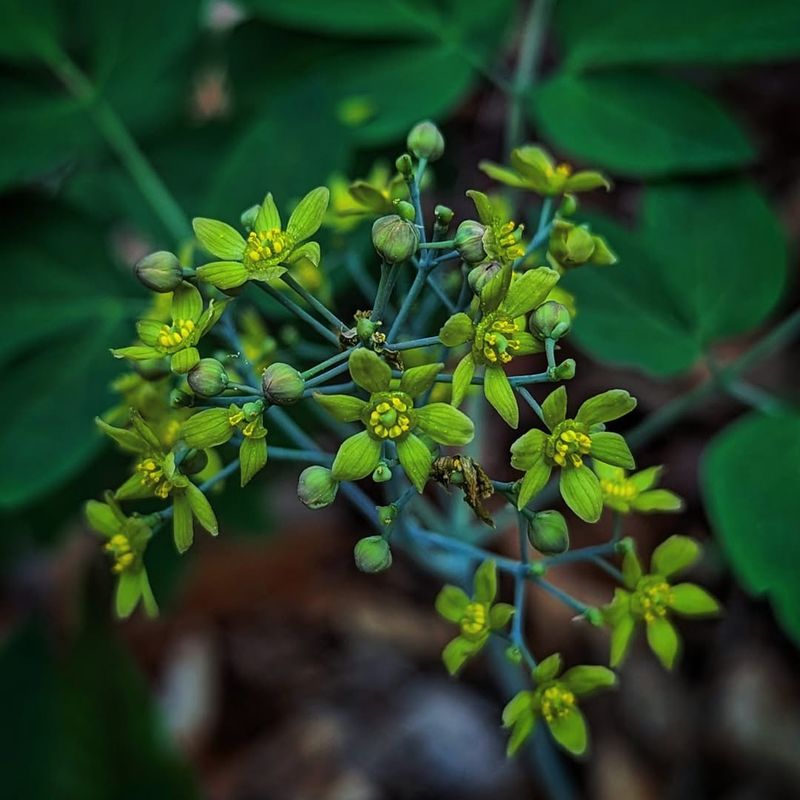
Yellowish-green flowers appear in April, clustered at the tops of stems among the fully expanded leaves. These blooms aren’t showy, but they develop into bright blue berries by late summer.
The berries give the plant its common name and provide food for birds. Fall brings yellow foliage color before the plant goes dormant for winter.
Choose a shaded spot with rich, well-drained soil for Blue Cohosh in your Georgia garden. The plant prefers neutral to slightly alkaline soil, which can be uncommon in Georgia’s typically acidic conditions.
Adding lime may help if your soil is very acidic. Space plants two feet apart and be patient, as they take time to establish but live for many years once settled.
6. Solomon’s Seal Emerges With Arching Stems Before March
Pointed shoots emerge like asparagus spears from the soil, quickly developing into the gracefully arching stems that make Solomon’s Seal so recognizable.
The stems grow rapidly once they start, adding several inches per week during favorable weather.
Leaves unfold in two neat rows along each stem, creating a ladder-like pattern that looks precise and orderly. Even without flowers, the foliage provides strong visual interest in shaded garden areas.
Growth begins remarkably early for this Georgia native, often in mid to late February when warm spells interrupt winter cold. The plant’s rhizomes store substantial energy reserves that fuel rapid spring development.
By the time March arrives, stems may already be a foot tall with fully expanded leaves. This early start helps Solomon’s Seal complete most of its growth before summer heat arrives.
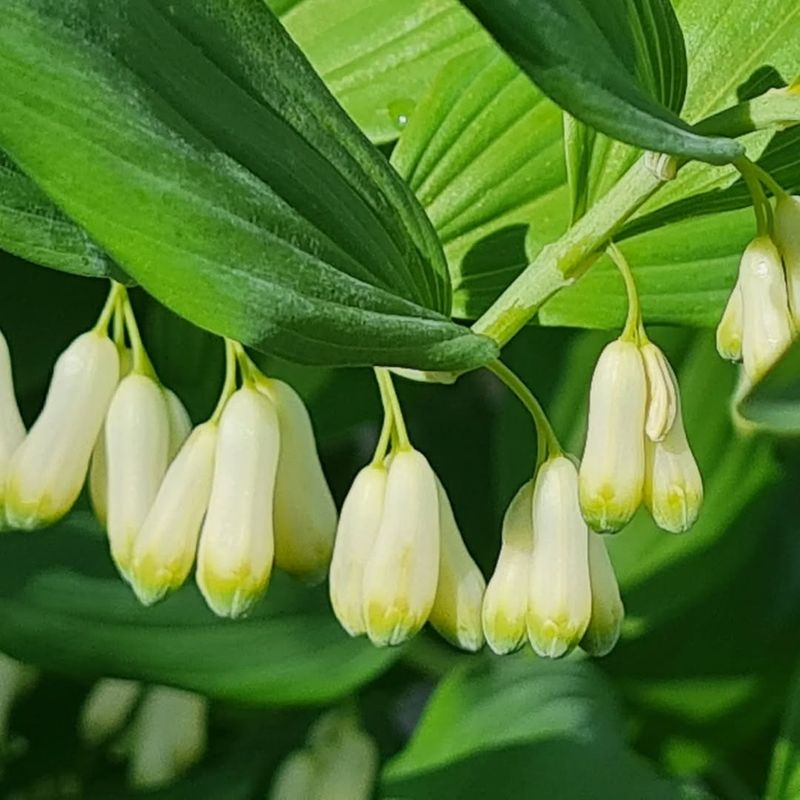
Small white flowers dangle in pairs beneath the arching stems in April and May. These bell-shaped blooms hang down like tiny lanterns, often hidden by the foliage unless you look up from below.
Pollinators find them easily despite their concealed position. Blue-black berries follow the flowers, providing food for birds in late summer.
Plant Solomon’s Seal in partial to full shade where soil remains moderately moist. The plant tolerates dry conditions once established but grows more vigorously with consistent moisture.
It spreads slowly by rhizomes, eventually forming attractive colonies. Space plants eighteen to twenty-four inches apart in Georgia gardens.
The foliage yellows attractively in fall before the plant goes dormant for winter.
7. Wild Geranium Forms Early Leaves As Temperatures Slowly Rise
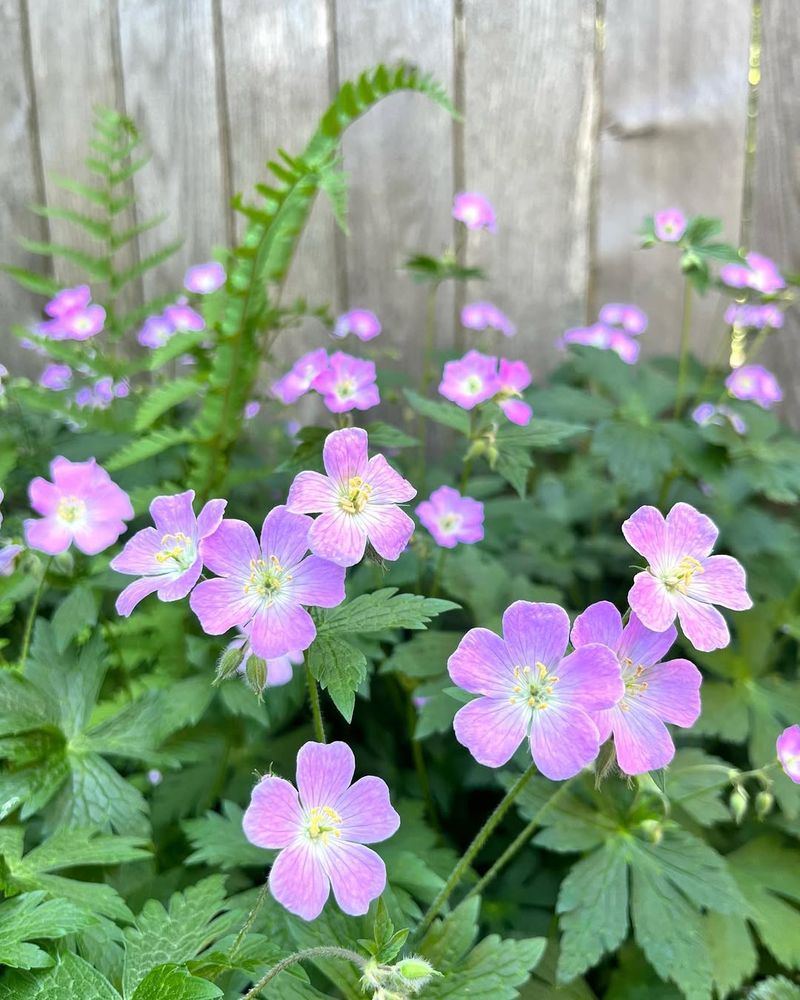
Deeply cut leaves appear in rosettes at ground level while winter still dominates the weather forecast. Each leaf divides into five to seven segments that spread like fingers on a hand, creating a distinctive shape that’s easy to recognize.
The foliage has a fresh, bright green color when it first emerges, often with a slight reddish tinge along the edges. Leaves grow larger as weather warms, eventually reaching several inches across.
Wild Geranium thrives in Georgia’s open woodlands and woodland edges where it receives filtered sunlight. The plant tolerates more sun than many woodland natives, making it versatile for various garden situations.
Early leaf development allows it to capture sunlight before deciduous trees fully leaf out overhead. This strategy helps the plant build energy reserves for flowering and seed production later in the season.
Flower stems emerge in April, rising above the foliage to display pink to lavender blooms. Each flower has five petals with delicate veining that adds detail and interest.
Blooms last several weeks and attract various pollinators. After flowering, distinctive seed capsules develop that split open explosively when ripe, flinging seeds several feet from the parent plant.
Choose a spot with partial shade and well-drained soil for Wild Geranium in your Georgia landscape. The plant adapts to various soil types as long as drainage is adequate.
It self-seeds moderately, gradually expanding its presence without becoming invasive. Space plants twelve to eighteen inches apart.
8. Virginia Bluebells Appear In Moist Soil Before Spring Settles In
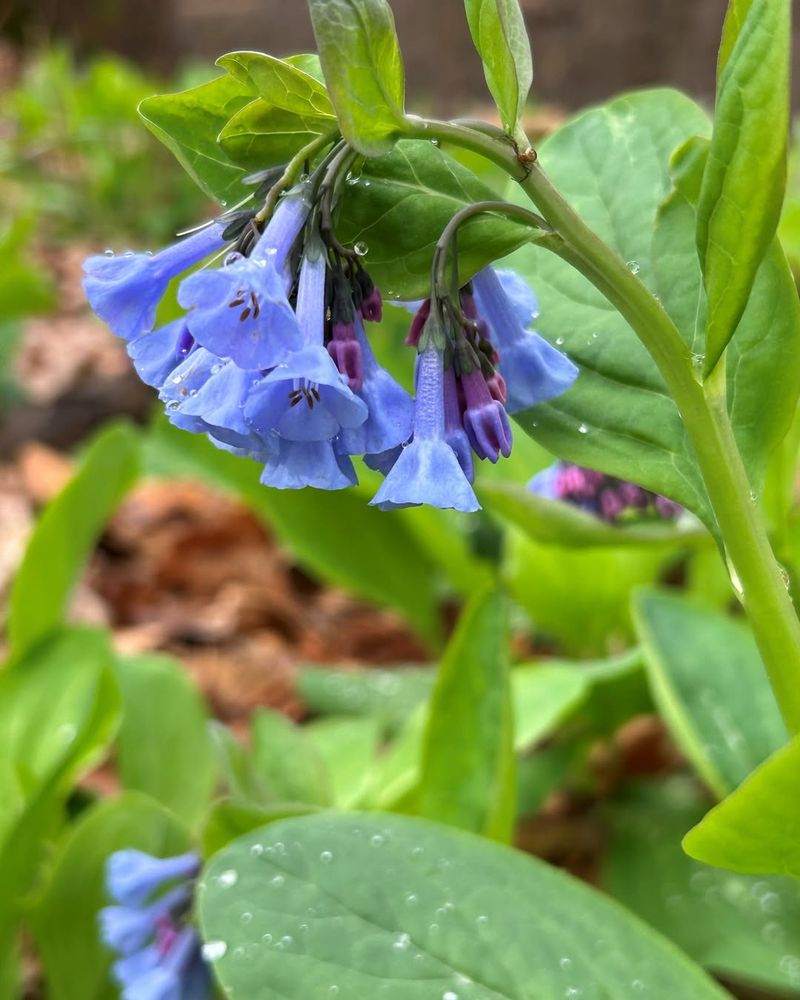
Smooth, oval leaves push through moist soil in protected spots, signaling that Virginia Bluebells are awake and growing. The foliage emerges with a slightly blue-green cast that distinguishes it from other early perennials.
Leaves appear in clusters, with several shoots coming from each plant’s root system. Growth accelerates quickly once it begins, and plants can reach substantial size within a few weeks under favorable conditions.
Georgia’s moist woodlands and stream banks provide ideal habitat for Virginia Bluebells. The plant needs consistent moisture throughout its growing season, which runs from late winter through late spring.
Early emergence allows maximum growth before summer heat and potential drought arrive. By starting growth in February, the plant completes its entire life cycle before many trees fully leaf out and shade the forest floor completely.
Clusters of pink buds appear in March or early April, opening to reveal sky-blue flowers that hang in graceful clusters. The color is exceptional, a true blue that’s uncommon among spring wildflowers.
Flowers attract early-season pollinators, especially bees. After blooming finishes, the plant sets seed and then goes completely dormant by early summer, disappearing until the following spring.
Plant Virginia Bluebells in consistently moist, shaded locations in your Georgia garden. The soil should be rich in organic matter to support vigorous growth.
Space plants twelve inches apart, understanding that they’ll vanish by midsummer. Pair them with ferns or other perennials that emerge later to fill the space after Bluebells go dormant.
Mark their location so you don’t accidentally disturb dormant roots during summer garden work.