7 Ways To Keep Your Easter Cactus From Drying Out In Arizona Homes
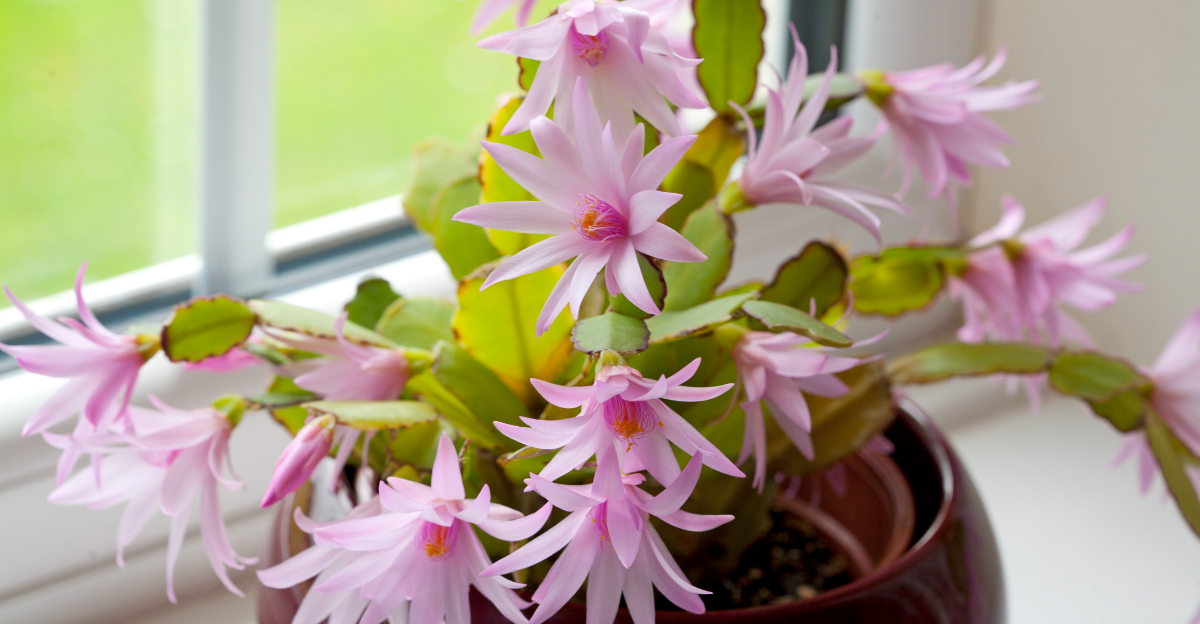
Easter cactus often surprises Arizona plant owners. It may look sturdy, but inside dry homes it can start to wrinkle, thin out, or drop segments without much warning.
The problem usually is not neglect. It is the combination of filtered winter sun, indoor heating, and air that holds very little moisture.
This plant does not behave like a desert cactus. It prefers steady hydration, gentler light, and a bit more humidity than most Arizona interiors naturally provide.
Small adjustments in placement and watering routine can completely change how it responds.
Once you understand what dries it out and how to correct it early, Easter cactus becomes far easier to keep firm, healthy, and ready to bloom.
1. Provide Bright Indirect Light And Protect It From Intense Afternoon Sun
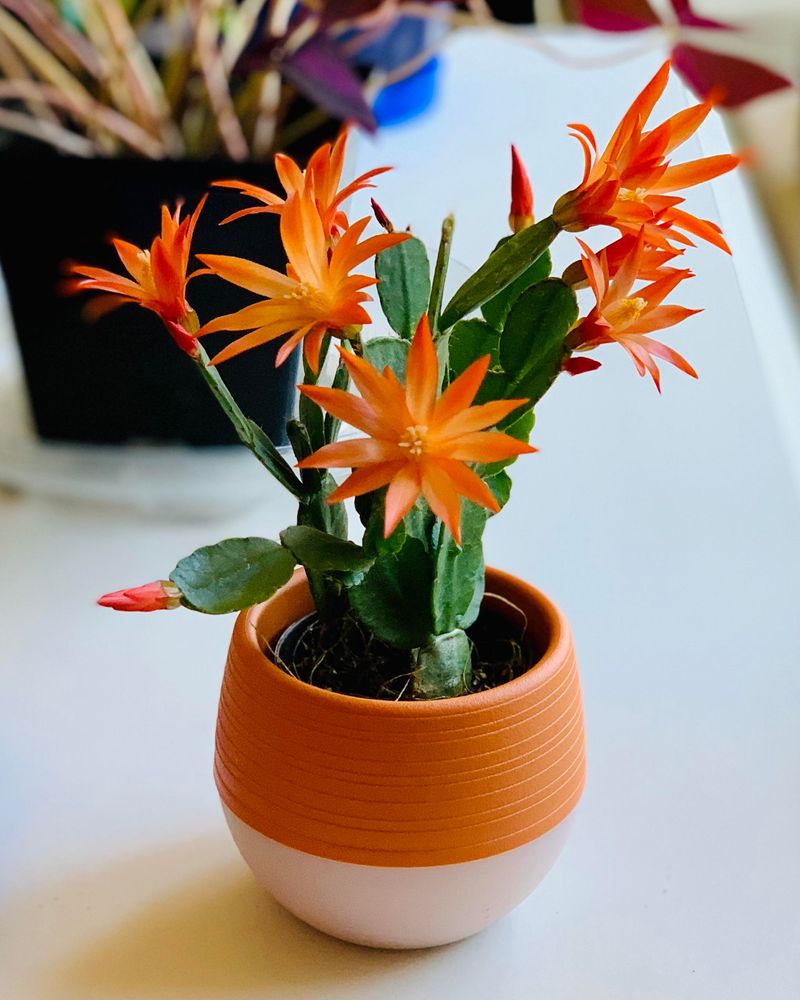
Arizona sunlight is no joke. What works for actual desert cacti will scorch your Easter cactus faster than you’d think.
These plants evolved under the canopy of Brazilian rainforests, where dappled light filters through leaves overhead. Direct Arizona sun, especially during our brutal afternoons, will bleach those segments and leave brown burn marks that never really go away.
An east-facing window works beautifully because your plant gets gentle morning light without the punishment of afternoon heat. North-facing windows provide consistent brightness throughout the day without any direct rays.
If you only have south or west exposures, pull your plant back several feet from the glass or hang a sheer curtain to diffuse that intensity.
During summer months in Arizona, even indoor light near windows can get too strong. Watch for segments that look pale or yellowish, which signals too much exposure.
You might need to move your plant to a slightly shadier spot between May and September when our sun is at its most aggressive.
Outdoor placement during Arizona’s milder months requires careful positioning. A covered patio with bright ambient light but no direct sun creates ideal conditions.
Morning sun is tolerable, but anything past 10 AM starts pushing the limits. Remember that our UV index stays high even on cloudy days, so protection matters year-round in this climate.
If you notice reddish or purplish stress coloring along the edges, that’s another early warning sign the light is too intense. Rotate the pot every couple of weeks so growth stays balanced and doesn’t lean toward one light source.
Getting the light right is the biggest factor in keeping an Easter cactus healthy and encouraging reliable blooms in Arizona homes.
2. Water Thoroughly But Let The Top Inch Of Soil Dry Before Watering Again
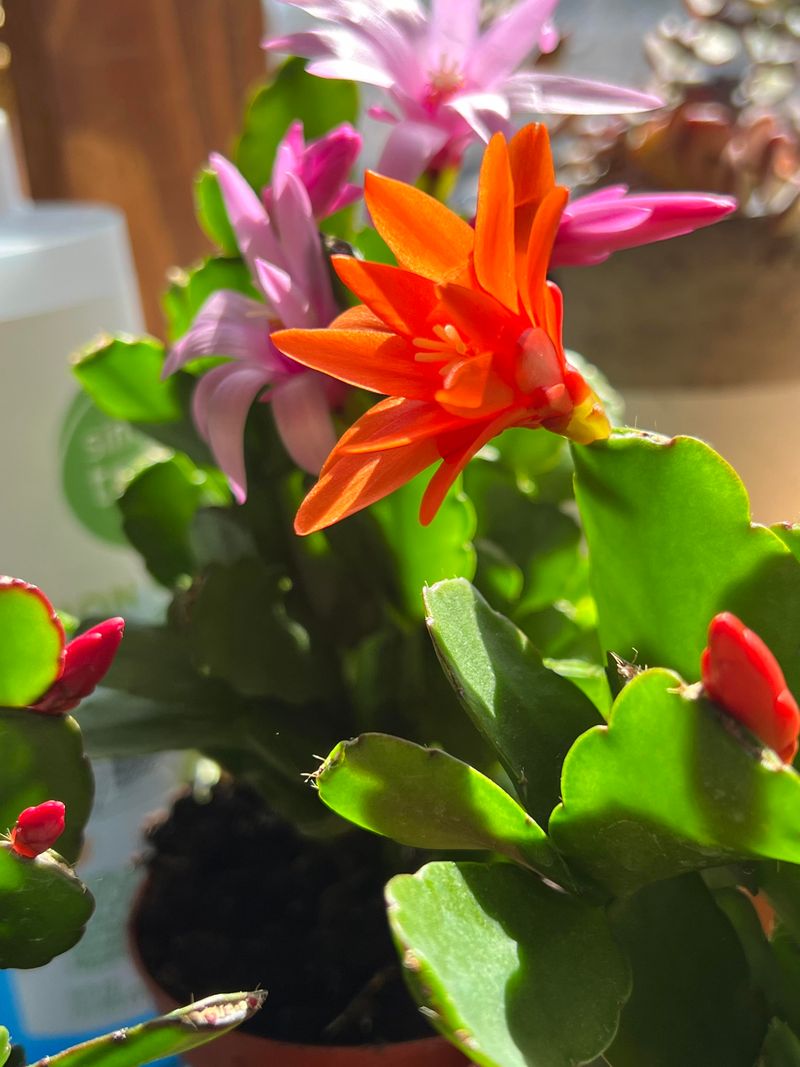
Watering Easter cactus in Arizona feels counterintuitive at first. Your brain says “desert equals dry,” but these plants aren’t built like saguaros.
They need consistent moisture without sitting in soggy soil, which is trickier than it sounds when our air sucks moisture from everything.
Stick your finger down about an inch into the potting mix before you water. If it feels dry at that depth, go ahead and water thoroughly until liquid runs out the drainage holes.
Your Arizona Garden Changes Every Week. Your Plan Should Too.
Gardening in Arizona changes quickly throughout the season. Every Friday you’ll receive a simple weekly plan showing exactly what to plant, prune, fertilize, harvest, and protect so you never miss the right timing.
If there’s still moisture, wait another day or two and check again. This simple finger test beats any moisture meter and helps you avoid both overwatering and underwatering.
Arizona’s low humidity means soil dries faster than in other regions, especially during our hottest months. You might water every five to seven days in summer, but only every ten to fourteen days in winter.
The key is responding to what the soil tells you rather than following a rigid schedule.
When you do water, be generous. A thorough soaking encourages roots to grow throughout the pot, creating a healthier plant.
Shallow, frequent watering leads to weak surface roots that struggle during Arizona’s dry spells. Always use pots with drainage holes because trapped water causes root problems quickly in our climate.
Temperature swings between day and night in Arizona affect how fast soil dries. Check more frequently during spring and fall when daily temperature ranges are widest.
3. Use A Well Draining Slightly Acidic Potting Mix To Prevent Root Rot
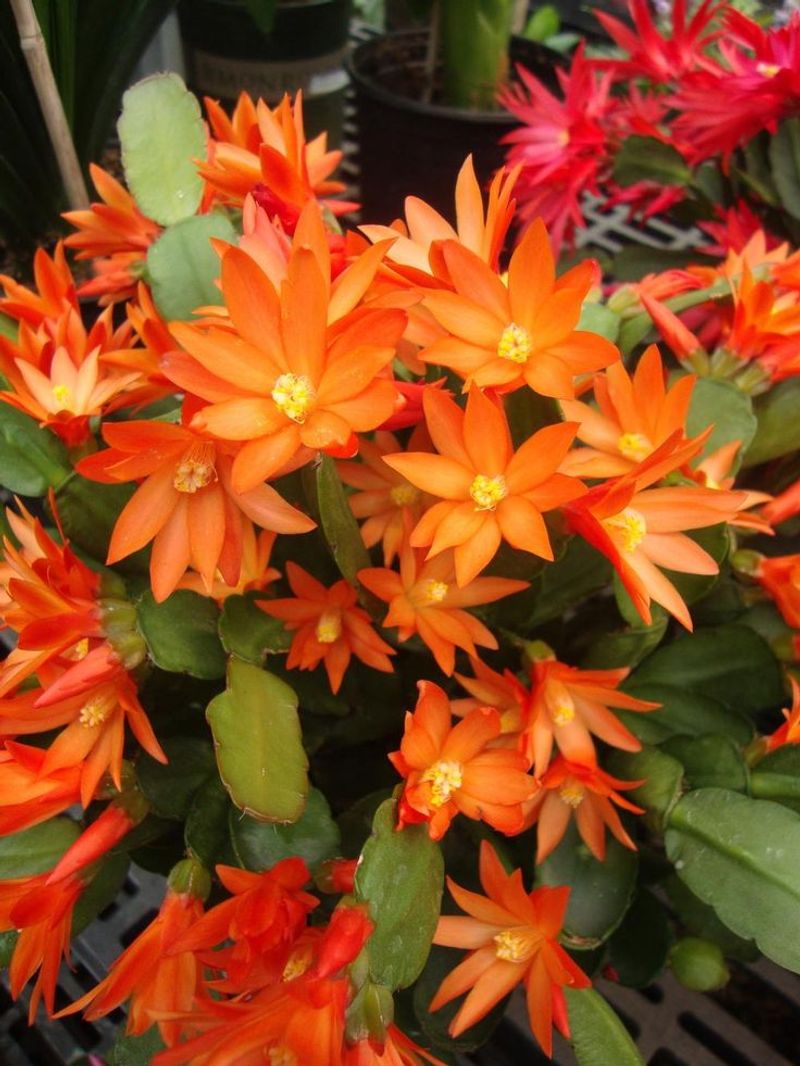
Regular potting soil turns into a swamp trap for Easter cactus roots, especially when you’re fighting Arizona’s extreme conditions.
These plants need a mix that drains fast but still holds some moisture, which sounds contradictory until you get the ratios right.
A blend of half standard potting soil and half perlite or pumice gives you that perfect balance. The potting soil provides nutrients and moisture retention, while the perlite creates air pockets and drainage channels.
Some growers in Arizona add a handful of orchid bark for extra drainage, which works particularly well if you tend to water on the generous side.
Slightly acidic soil with a pH between 5.5 and 6.5 keeps nutrients available to your plant. Most commercial cactus mixes lean too alkaline for Easter cactus because they’re formulated for true desert species.
Adding a bit of peat moss or coconut coir to your mix helps maintain that acidic edge these plants prefer.
Arizona’s hard water gradually pushes soil pH higher over time, which is another reason to start with an acidic base. You’ll need to refresh the top couple inches of soil annually or repot every two to three years to combat this alkaline creep.
Clay pots work better than plastic in Arizona because they allow excess moisture to evaporate through the sides. This extra drying action helps prevent root rot, which is the number one problem for Easter cactus growers in humid-free climates like ours.
Always choose a pot with a drainage hole, since decorative cachepots without drainage quickly create hidden water buildup at the bottom. After repotting, wait a few days before watering so any disturbed roots can settle and reduce the risk of rot.
If you notice fungus gnats hovering around the soil, it’s usually a sign the mix is staying too wet and needs better airflow or less frequent watering.
4. Increase Humidity During Arizona’s Extremely Dry Periods
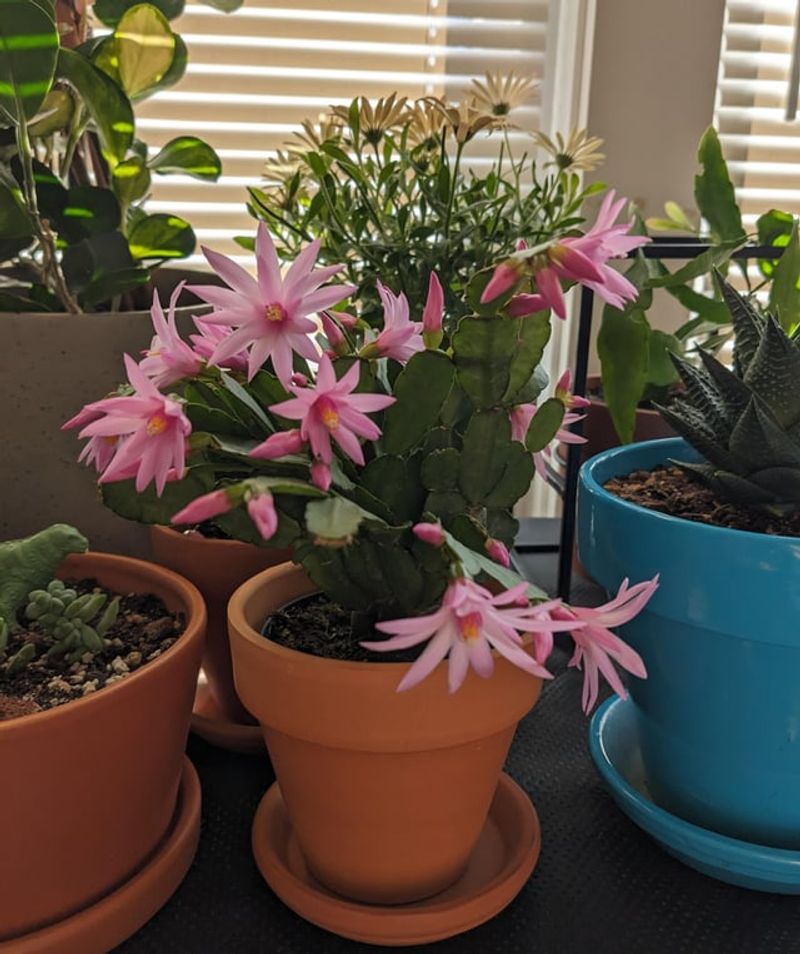
Humidity in Arizona regularly drops below 10 percent, which is basically mummy-making conditions for a plant that evolved in moist Brazilian forests.
Your Easter cactus segments will start looking shriveled and sad when the air gets this parched, no matter how perfectly you water.
A pebble tray provides constant localized humidity without much fuss. Fill a shallow tray with stones, add water until it almost reaches the top of the pebbles, then set your pot on top.
As water evaporates, it creates a humid microclimate around your plant. Just make sure the pot sits on stones, not in water, to avoid root problems.
Grouping several houseplants together creates a humidity bubble through their combined transpiration. Your Easter cactus benefits from being near other plants, especially during Arizona’s driest months from April through June.
The collective moisture they release helps everyone in the group.
Small humidifiers work wonders if you’re willing to invest in one. Position it near your Easter cactus during peak dry periods, aiming for humidity around 40 to 50 percent in the immediate area.
You don’t need to humidify your whole house, just the space around your plant.
Misting provides temporary relief but isn’t a long-term solution in Arizona’s climate. The moisture evaporates too quickly to make much difference, and wet foliage in hot conditions can sometimes encourage fungal issues.
Stick with pebble trays or humidifiers for consistent results in our challenging desert environment.
5. Move It Away From Prolonged Heat Above 95°F To Prevent Stress
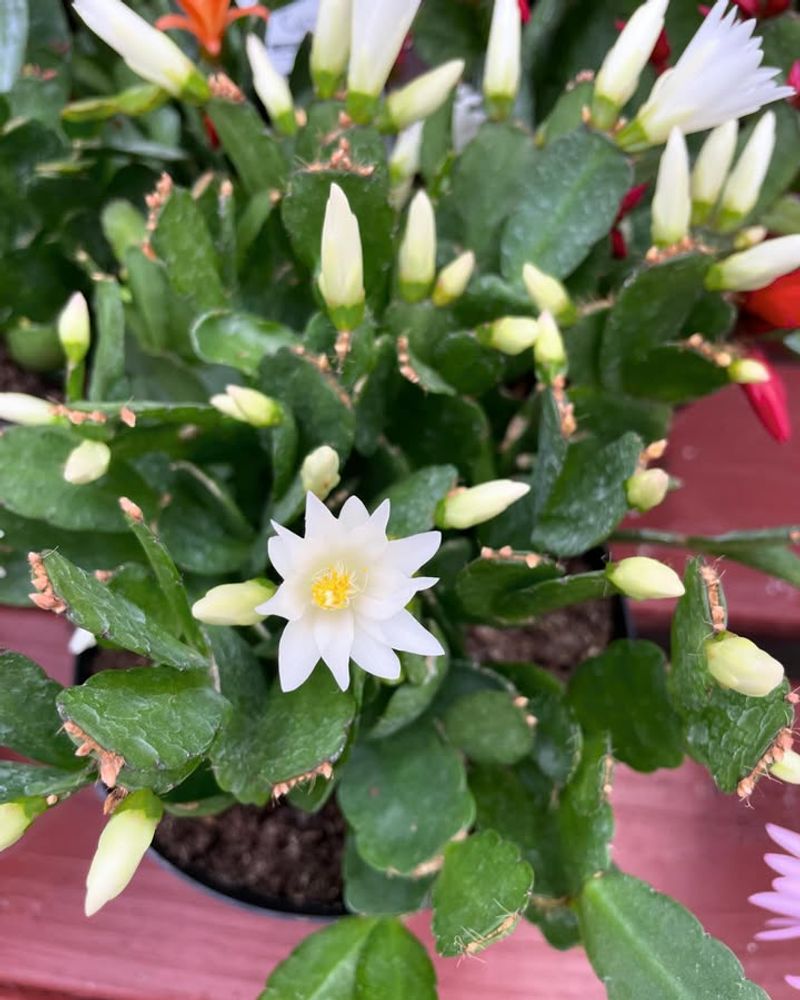
Temperatures above 95 degrees Fahrenheit push Easter cactus into survival mode rather than growth mode. Arizona summer heat easily exceeds this threshold for weeks on end, both outdoors and in poorly cooled spaces.
Your plant won’t immediately show distress, but prolonged exposure causes segments to become limp, growth to stall, and buds to drop before opening.
Indoor temperatures matter more than you might expect. Rooms with west-facing windows can heat up significantly in Arizona afternoons, even with air conditioning running.
That sunny spot that seemed perfect in March becomes a hot zone by June. Feel the area around your plant during the hottest part of the day to gauge actual conditions.
Moving your Easter cactus to a cooler room during summer makes a huge difference. Interior bathrooms, north-facing bedrooms, or any space that stays consistently below 85 degrees provides relief.
The plant doesn’t need to be in the coolest spot in your house, just somewhere that avoids temperature extremes.
Avoid placing your Easter cactus near heat sources like vents, appliances, or electronics. Arizona homes rely heavily on evaporative coolers or AC units, and the areas directly in line with airflow experience temperature fluctuations that stress plants.
Keep your Easter cactus away from these zones.
Outdoor Easter cactus in Arizona must come inside once temperatures regularly hit the mid-90s. There’s no amount of shade that compensates for our extreme summer heat.
Plan to bring your plant indoors by late May and keep it there until October when temperatures moderate.
Brief spikes over 95 degrees won’t destroy the plant, but repeated days and warm nights above that range slowly weaken it. If segments start shriveling despite proper watering, heat stress is usually the hidden cause.
Keeping temperatures steady through summer is one of the biggest factors in helping your Easter cactus stay healthy and set buds for its next bloom cycle.
6. Flush The Soil Periodically To Reduce Mineral And Salt Buildup
Arizona water comes loaded with minerals, salts, and dissolved solids that accumulate in potting soil over time. You’ll notice a white or crusty residue on the soil surface and pot edges, which signals buildup that can damage your Easter cactus roots.
These salts interfere with the plant’s ability to absorb water and nutrients, even when you’re watering correctly.
Flushing means running water through the pot for several minutes, allowing it to drain completely, then repeating the process.
Do this every two to three months if you’re using tap water, or less frequently if you water with filtered or distilled water.
Take your plant to a sink or bathtub where excess water can drain freely without making a mess.
The white crust isn’t just ugly; it’s a sign that salt concentrations in the soil are getting too high. Left unchecked, this buildup causes brown tips on segments, stunted growth, and general decline.
Regular flushing prevents these problems before they start, which is especially important in Arizona where our water quality challenges are well-known.
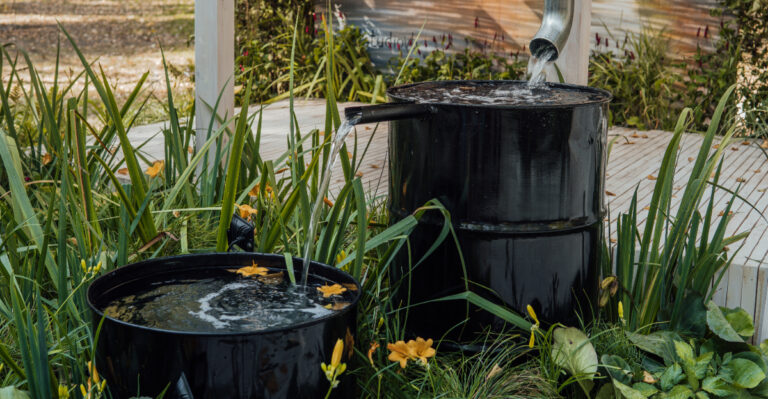
Rainwater provides the best alternative to tap water if you can collect it during our monsoon season. Store it in clean containers and use it for watering throughout the year.
This eliminates mineral buildup entirely and keeps your soil chemistry more stable.
Repotting every two to three years gives you a chance to completely refresh the soil and remove accumulated salts. Even with regular flushing, Arizona water eventually saturates potting mix beyond what periodic rinsing can fix.
7. Provide A Cooler Rest Period In Late Winter To Encourage Blooming
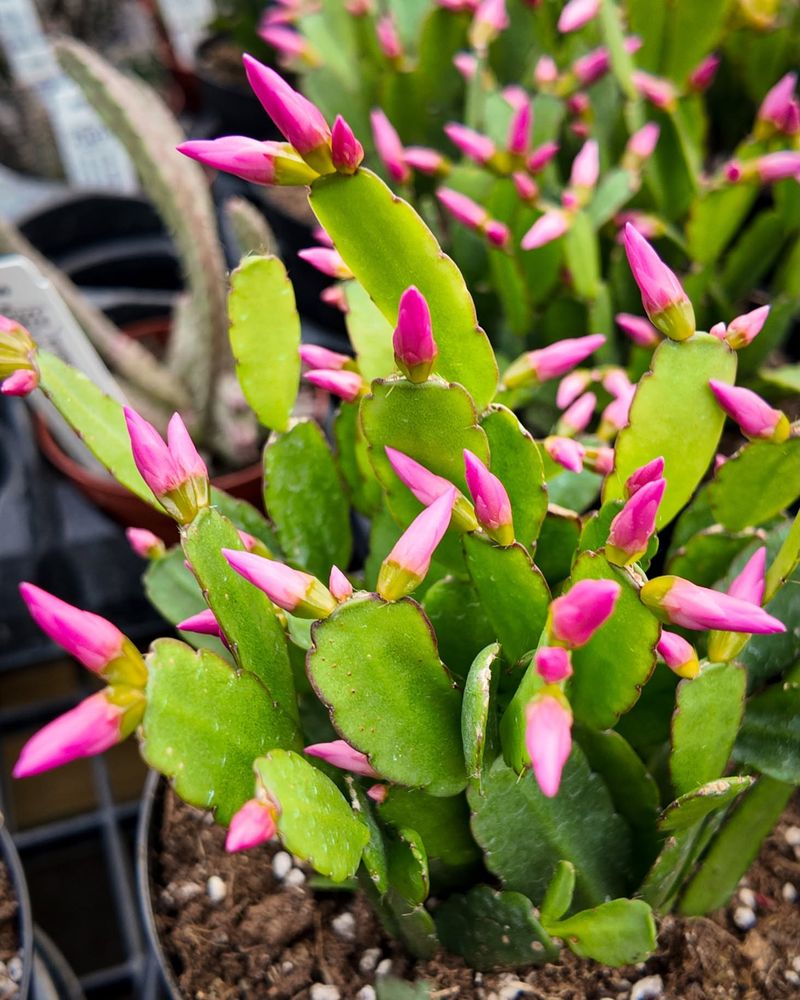
Blooming happens when your Easter cactus experiences a cool rest period combined with longer nights. Arizona’s mild winters actually work in your favor here, giving you natural temperature drops without freezing conditions.
Without this cool period, your plant might skip blooming entirely or produce just a few scattered flowers instead of the spectacular show it’s capable of.
Starting in late December or early January, move your Easter cactus to a cooler spot where temperatures stay between 50 and 60 degrees Fahrenheit. An unheated bedroom, enclosed patio, or garage with a window provides ideal conditions.
The plant needs bright light during this period but appreciates the temperature drop, especially at night.
Reduce watering frequency during the rest period but don’t let the soil dry out completely. Water just enough to keep segments from shriveling, which might mean watering every two weeks instead of weekly.
This slight drought stress combined with cool temperatures triggers bud formation.
Arizona’s winter nights naturally cool down enough in most areas to provide the temperature differential your Easter cactus needs. Even in warmer desert cities, nighttime temperatures typically drop into the 50s during January and February.
Take advantage of this natural cycle by placing your plant where it experiences these cooler nights.
After six to eight weeks of cool treatment, gradually move your plant back to warmer conditions as buds begin to swell.
This transition period in late February or early March prepares your Easter cactus for its spring blooming season, which typically peaks around Easter time when conditions are just right.