How To Fertilize Cactus And Succulents In Arizona Without Causing Damage
In Arizona, fertilizing cactus and succulents is less about feeding more and more about not overdoing it. Desert plants already grow in lean soil, and too much fertilizer can push soft, weak growth that struggles in extreme heat.
In some cases, it does more harm than good.
Salt buildup, root burn, and sudden yellowing often trace back to heavy applications or the wrong formula. Arizona’s alkaline soil and intense sun make timing and dilution especially important.
The right approach is simple and controlled. When you understand when to feed, how much to use, and what type actually suits desert plants, your cactus and succulents stay compact, strong, and healthy instead of stretched or stressed.
1. Fertilize Only During Active Growth In Spring And Early Summer
Cactus and succulents in Arizona wake up from winter rest when temperatures warm consistently above 70 degrees. Spring brings longer days and warmer soil, signaling plants to start growing again.
This is when roots actively absorb nutrients and stems push out new growth. Feeding during this window gives plants exactly what they need when they can actually use it.
Early summer continues this active period until heat becomes extreme, usually through May and into early June depending on your elevation. Plants are still growing during this time, though they start slowing down as temperatures climb.
Fertilizing after mid-June in most Arizona locations wastes product and risks burning plants that have shifted into survival mode rather than growth mode.
Winter feeding makes no sense because desert plants go dormant when temperatures drop and day length shortens. Their roots barely function during cold months, so any fertilizer just sits in the soil building up salts.
Fall feeding is equally problematic because it pushes soft new growth right before winter, leaving plants vulnerable to cold damage.
Watch your specific plants rather than just following calendar dates. New pads on prickly pear, fresh growth tips on barrel cactus, and plump new leaves on echeveria all signal active growth.
When you see these signs combined with warm weather, that’s your fertilizing window. Stop feeding when summer heat peaks above 105 degrees consistently, even if it’s only June.
2. Use A Low Nitrogen Diluted Fertilizer Designed For Cactus And Succulents
Regular lawn and vegetable fertilizers pack too much nitrogen for desert plants. High nitrogen formulas push leafy green growth that looks wrong on cactus and makes succulents stretch and weaken.
What works for tomatoes will ruin the compact shape and natural color of desert-adapted plants.
Specialized cactus fertilizers use ratios like 2-7-7 or 1-7-6, where that first number (nitrogen) stays low while phosphorus and potassium remain higher.
Phosphorus supports root development and flowering, which matters more for cactus than pushing green growth. Potassium helps plants handle stress from Arizona’s brutal conditions.
This balanced approach matches what desert plants actually need rather than forcing them to grow like temperate garden plants.
Liquid fertilizers work better than granular types for cactus because you control dilution precisely. Granular products can create hot spots of concentrated fertilizer in soil, especially problematic in containers.
Your Arizona Garden Changes Every Week. Your Plan Should Too.
Gardening in Arizona changes quickly throughout the season. Every Friday you’ll receive a simple weekly plan showing exactly what to plant, prune, fertilize, harvest, and protect so you never miss the right timing.
Liquid forms mix evenly with water and distribute uniformly around roots. Some Arizona gardeners successfully use fish emulsion diluted to half strength, though the smell can be strong.
Read labels carefully because some products marketed for cactus still contain too much nitrogen. Look for that first number in the NPK ratio to be the lowest of the three.
Organic options like worm castings work well because they release nutrients slowly and won’t burn roots. Whatever you choose, buy something specifically formulated for low-water desert plants rather than trying to adapt general-purpose fertilizers.
3. Apply At Half Strength To Prevent Salt And Root Burn In Desert Soil
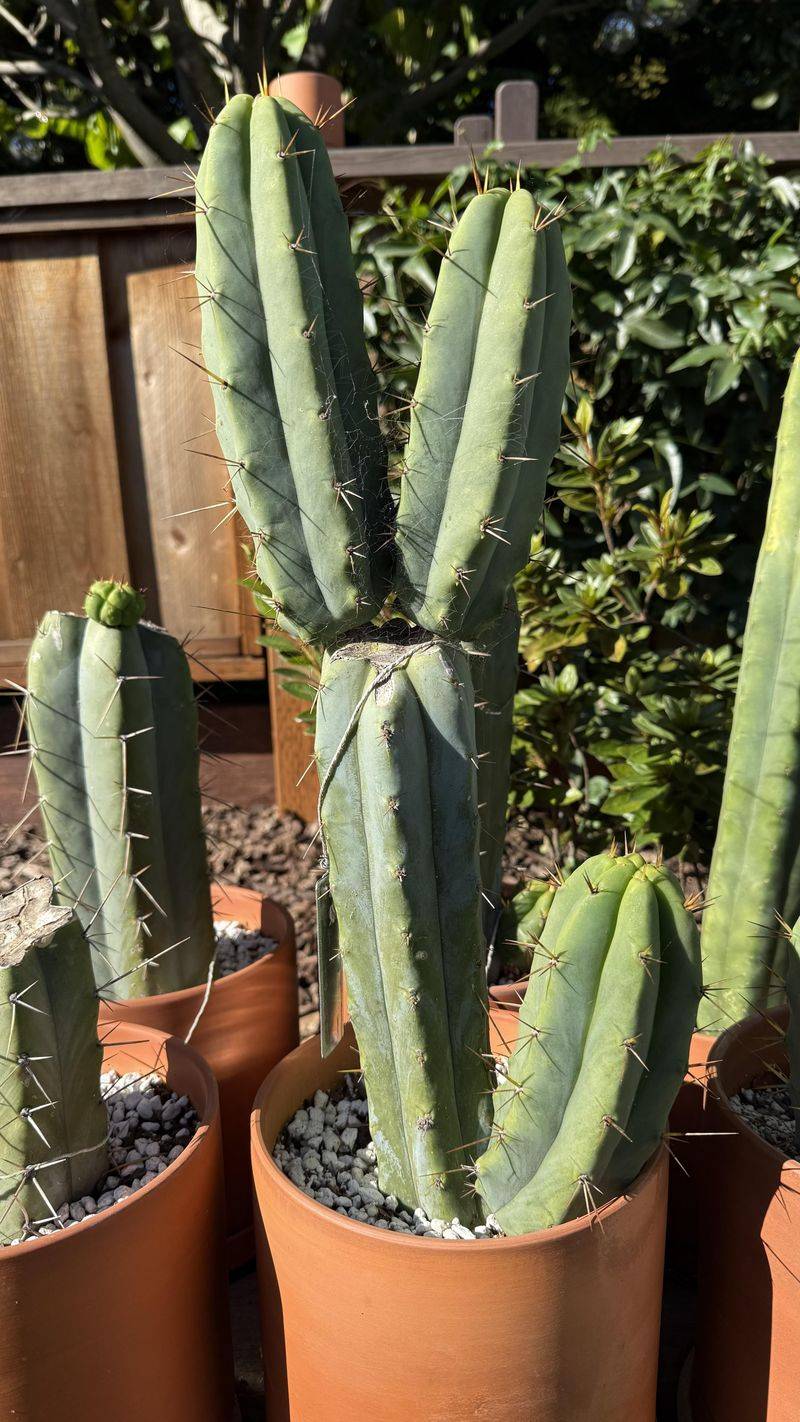
Arizona soil already contains high levels of minerals and salts from our alkaline conditions and low rainfall. Adding full-strength fertilizer piles more salts on top of what’s already there.
Desert plants have evolved fine root systems designed for pulling scarce nutrients from poor soil, not handling concentrated chemical loads. These delicate roots burn easily when salt levels spike.
Cutting fertilizer to half the recommended strength seems weak, but it’s actually perfect for plants adapted to nutrient-poor environments. A cactus in habitat might get nutrients only when rare rains wash tiny amounts of organic matter past its roots.
Even quarter strength works fine for established plants that aren’t trying to recover from damage or push blooms.
More isn’t better with these plants. Overfed cactus grow too fast, developing weak cell walls that make stems soft and prone to rot.
Succulents stretch toward light when overfed, losing their attractive compact shape. The goal is supporting healthy growth at a natural pace, not forcing rapid expansion.
Mix your diluted solution fresh each time rather than storing it. Use a measuring cup or marked container to get dilution right because eyeballing it often leads to too-strong mixtures.
If the label says one tablespoon per gallon, use half a tablespoon instead. For Arizona conditions, this conservative approach protects plants while still providing the nutrients they need during active growth periods.
4. Water The Soil First Before Feeding To Protect Sensitive Roots
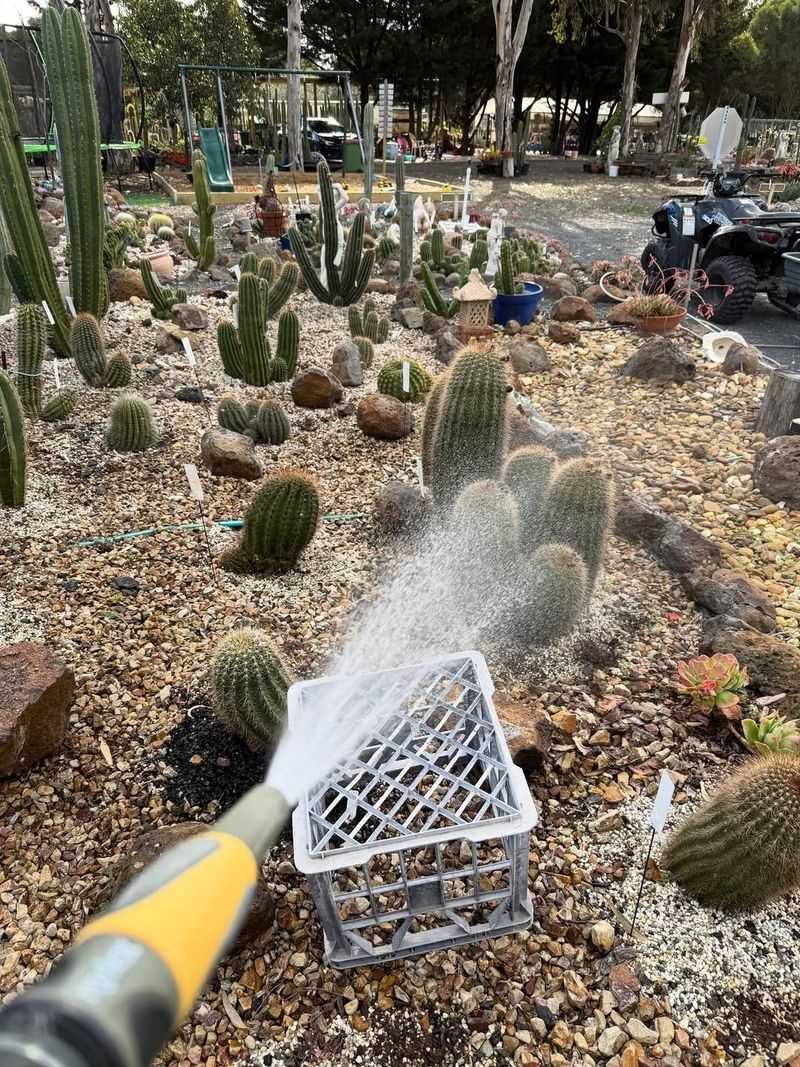
Dry soil concentrates fertilizer around roots instead of dispersing it safely through the root zone. Think of it like taking vitamins on an empty stomach versus with food.
Pre-watering creates a buffer that prevents direct contact between concentrated nutrients and delicate root hairs. This simple step dramatically reduces the risk of chemical burns that damage or destroy root systems.
Water your cactus or succulent thoroughly the day before you plan to fertilize. Let that water soak in completely so soil is evenly moist, not soggy or bone dry.
The next day when you apply diluted fertilizer, it moves through already-moist soil and spreads out rather than sitting in concentrated pockets. Roots absorb nutrients gradually instead of getting hit with a sudden chemical load.
Container plants especially benefit from this approach because they have limited soil volume. Fertilizer in a small pot can’t spread out as much as it would in the ground.
The confined space means roots encounter higher concentrations unless you pre-water to create dilution. Ground-planted cactus have more soil to buffer fertilizer, but pre-watering still helps.
Never fertilize plants that are bone dry from drought stress. Roots in survival mode can’t handle the additional stress of processing nutrients.
Wait until you’ve watered normally for a few days and plants have recovered their turgor before introducing any fertilizer.
Arizona’s dry air and intense sun make this pre-watering step more critical than it would be in humid climates.
5. Avoid Fertilizing During Extreme Heat Or Winter Dormancy
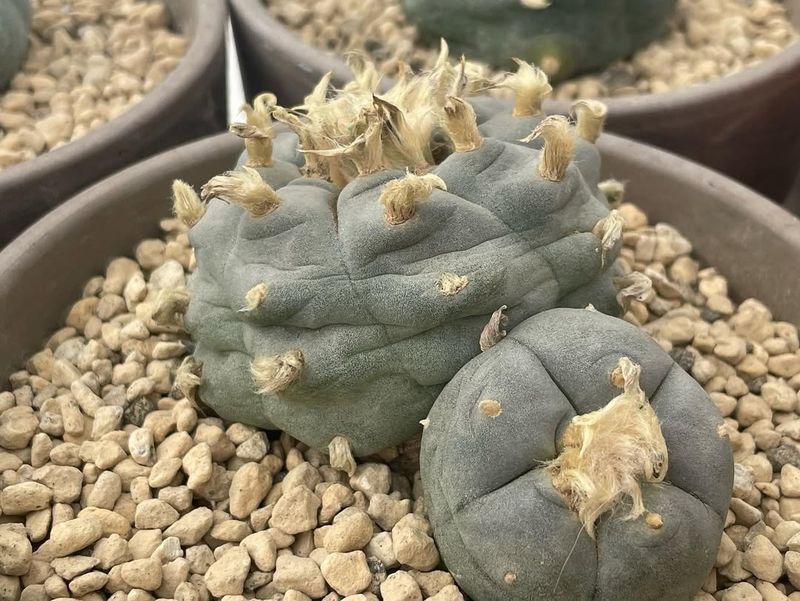
Summer temperatures above 105 degrees put desert plants into a holding pattern where they focus on survival rather than growth. Roots slow down dramatically, and plants essentially pause all non-essential functions.
Fertilizing during this period is pointless because roots aren’t actively absorbing nutrients. The unused fertilizer accumulates in soil, creating salt buildup that causes problems later.
July and August in most Arizona valleys are fertilizer-free months. Plants might look fine, but internally they’ve shifted into conservation mode.
Any growth you see is usually minimal, and pushing plants to grow during extreme heat stresses them unnecessarily. Let them rest and conserve energy for when conditions improve in fall.
Winter dormancy is equally important to respect. When nighttime temperatures drop consistently below 50 degrees, cactus and succulents slow their metabolism dramatically.
Some species go completely dormant, while others just barely tick along. Roots in cold soil don’t function normally, so fertilizer sits unused.
This creates perfect conditions for root rot because nutrients feed soil fungi and bacteria while plants can’t defend themselves.
Resume feeding only when spring warmth returns and you see clear signs of new growth. In higher elevation areas of Arizona like Flagstaff or Prescott, this might not happen until April or May.
Lower desert areas around Phoenix or Tucson can start earlier, sometimes in March.
Let your plants tell you when they’re ready by watching for growth signals rather than following a rigid schedule.
6. Flush Containers Occasionally To Reduce Mineral And Salt Buildup
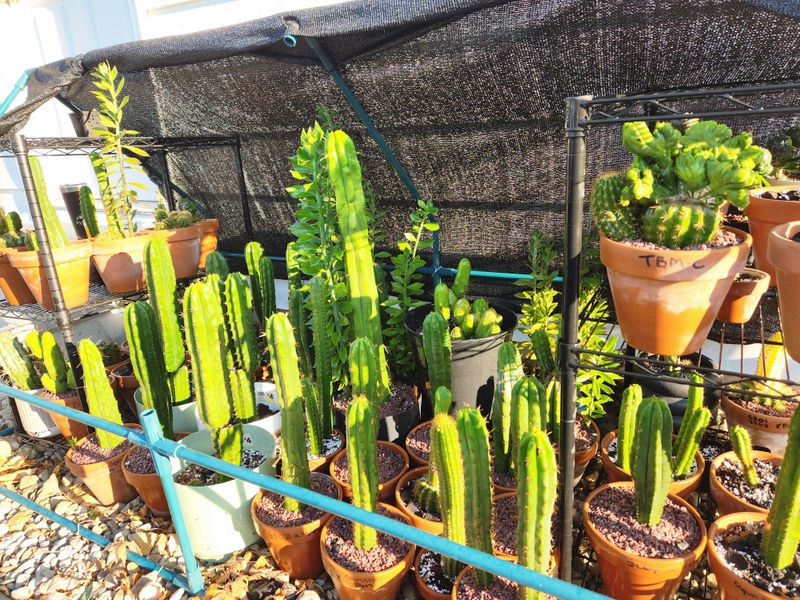
Container-grown cactus and succulents accumulate salts faster than ground-planted specimens because water can’t spread out and dilute minerals. Each watering and feeding leaves behind tiny amounts of dissolved salts that concentrate over time.
Arizona’s hard water adds calcium and other minerals on top of fertilizer salts. White crusty deposits on pot rims or soil surface show you’ve got buildup happening.
Flushing means running plain water through containers until it flows freely out drainage holes. Use two or three times the pot’s volume of water to wash accumulated salts down and out.
A five-gallon pot needs ten to fifteen gallons of water running through it during a flush. This sounds like a lot, but you’re only doing it every few months, not with every watering.
Schedule flushes three or four times during the growing season, roughly every six to eight weeks. Pick a warm morning so excess water evaporates quickly and soil doesn’t stay soggy.
Let pots drain completely before moving them back to their usual spots. Outdoor containers are easier to flush than indoor ones because you don’t worry about water mess.
Salt buildup shows up as stunted growth, brown root tips, and plants that look stressed despite regular care. Flushing resets the soil environment and gives roots a clean slate.
In Arizona’s mineral-heavy water conditions, this maintenance step prevents problems that would otherwise accumulate and eventually damage plants.
Combine flushing with repotting every few years for best long-term results.
7. Watch For Soft Overgrown Growth As A Sign Of Overfertilizing
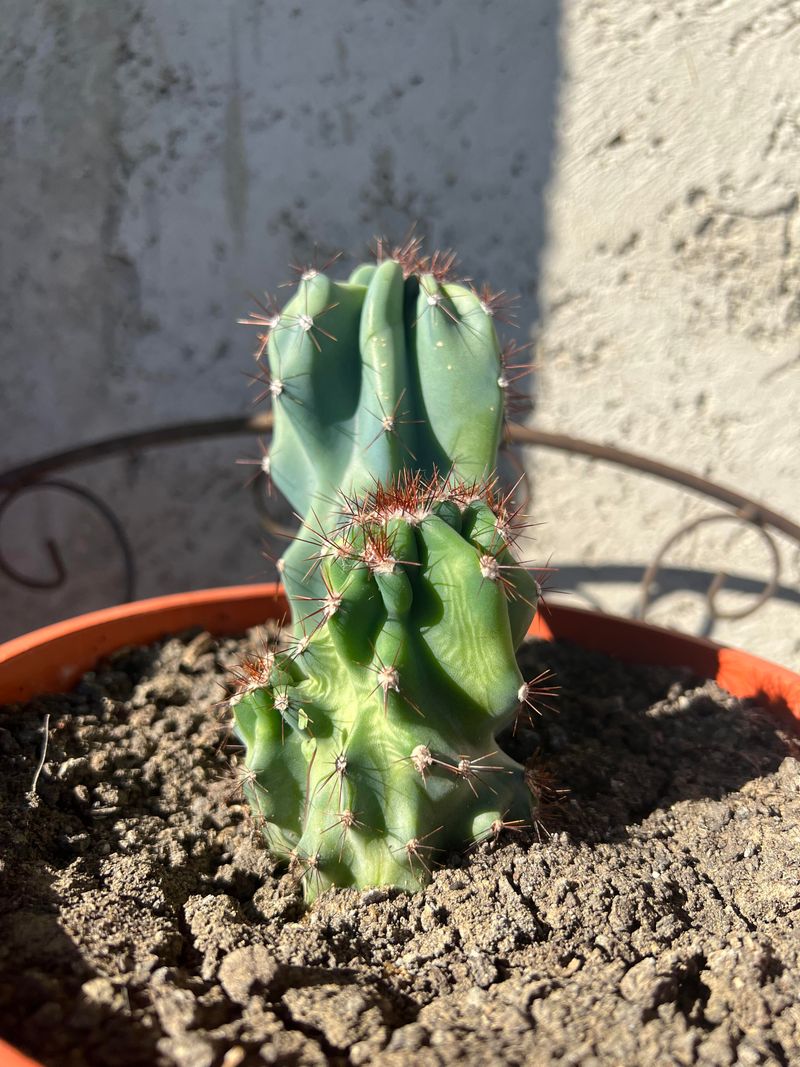
Healthy cactus feel firm when you touch them, with dense tissue that resists pressure. Overfed plants develop soft, squishy growth that lacks structural strength.
The stems might look plump and green, but they’re actually weak and prone to problems. This happens because excess nitrogen forces cells to multiply faster than they can build strong walls.
The result looks good initially but creates long-term weakness.
Succulents show overfertilizing through stretched growth where leaves space out along lengthening stems. Instead of tight rosettes, you get loose sprawling plants that flop over.
Colors fade from vibrant blues, purples, and reds to plain green as plants prioritize rapid growth over producing protective pigments. These color changes tell you the plant is stressed by too much food.
Cactus might produce unusually long spines or excessive offsets when overfed. Prickly pear pads grow abnormally large and thin rather than staying compact.
Barrel cactus develop elongated ribs that look stretched. These growth patterns make plants more vulnerable to sun damage, wind breakage, and pest problems.
Fast weak growth attracts insects that avoid healthy slow-growing plants.
If you notice these symptoms, stop fertilizing immediately and flush containers to remove excess nutrients. Let plants recover by providing only water for several months.
In Arizona’s intense sun, soft growth can sunburn easily, so watch for brown patches developing. Prevention is easier than fixing overfertilizing damage, so always err on the side of feeding too little rather than too much with desert plants.