How To Help Rabbits Leave Your Michigan Yard Before Garden Season Starts
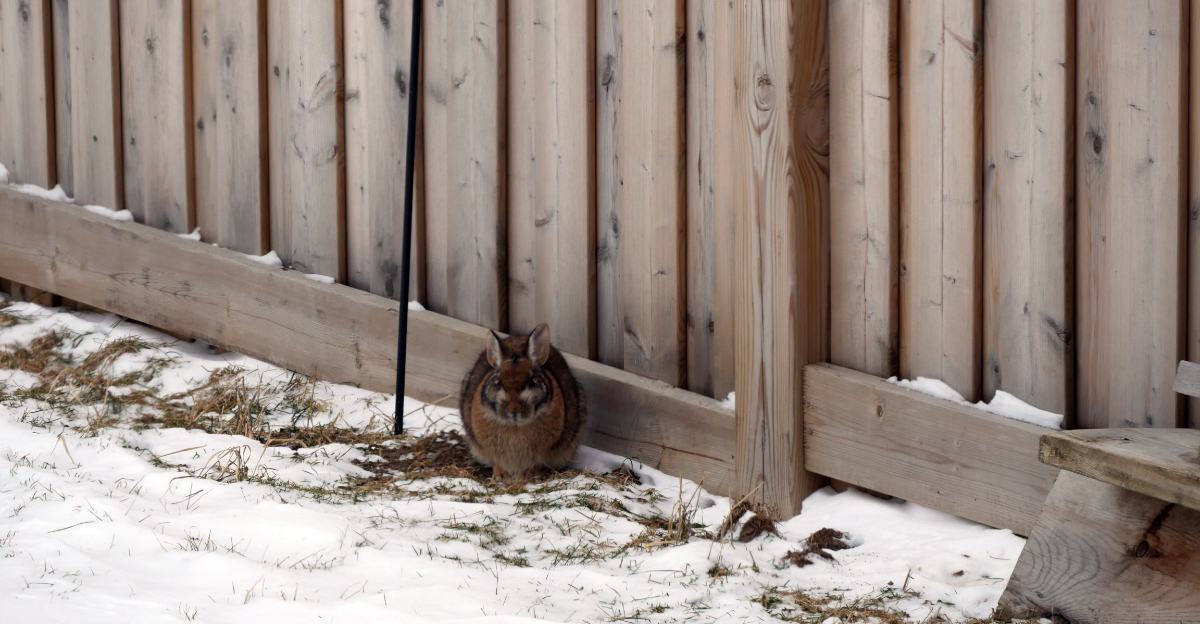
As winter begins to loosen its hold, Michigan gardeners start thinking ahead to fresh seedlings, vibrant flower beds, and the promise of a productive growing season.
But before those carefully planned vegetable rows and colorful borders have a chance to thrive, another visitor often arrives first.
Cottontail rabbits may look harmless as they hop across the yard, yet they can quickly turn tender shoots and young plants into an easy meal. In early spring, when natural food sources are limited, your garden becomes especially tempting.
Many gardeners do not realize how much damage can happen before the first seedlings are fully established. The encouraging news is that you do not have to choose between protecting your plants and respecting local wildlife.
With thoughtful planning and the right approach, you can gently persuade rabbits to settle elsewhere. These nine practical strategies will help you take control of your space and prepare your yard for a successful garden season.
1. Remove Brush And Winter Shelter
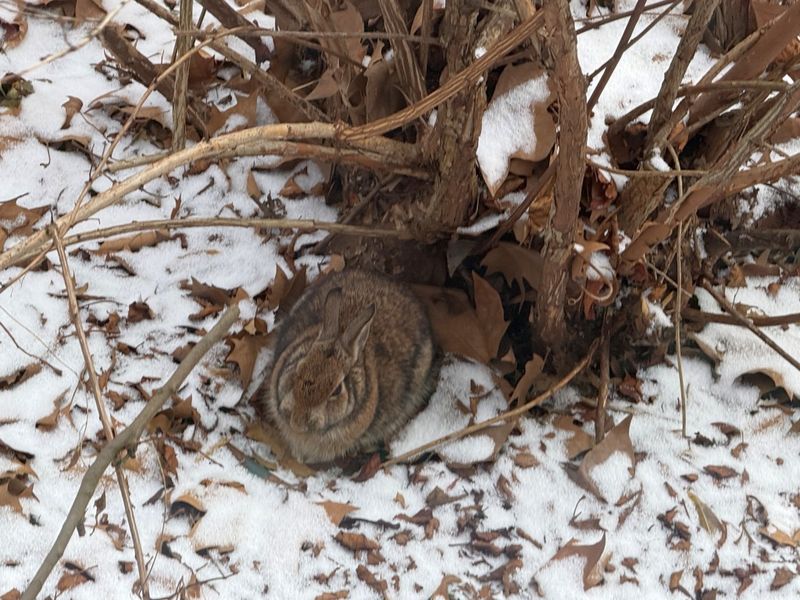
Here is something most Michigan homeowners overlook every single winter: brush piles are basically a rabbit’s version of a cozy hotel.
Cottontail rabbits rely heavily on brush piles, leaf mounds, and scattered yard debris to stay warm and safe from predators during the coldest months. When those shelters disappear, rabbits have very little reason to stick around your property.
Start clearing your yard in late February or early March, before the ground thaws completely. Rake up dead leaves, break apart old brush piles, and haul away any leftover debris from last fall.
Pay close attention to corners of your yard, along fence lines, and near garden borders where debris naturally collects over winter. These are prime rabbit hangout spots that often get missed during regular yard cleanup.
Once the shelter is gone, rabbits feel exposed and uncomfortable. Without a safe place to rest and hide, they will naturally begin scouting for a better location.
Clearing yard debris also improves your lawn’s overall health, giving grass better airflow and sunlight as temperatures rise. Think of this step as a double win: your yard looks cleaner and rabbits start looking elsewhere.
A tidy yard is genuinely one of the simplest and most effective ways to shift rabbit behavior before planting season begins in Michigan.
2. Trim Dense Shrubs And Low Branches
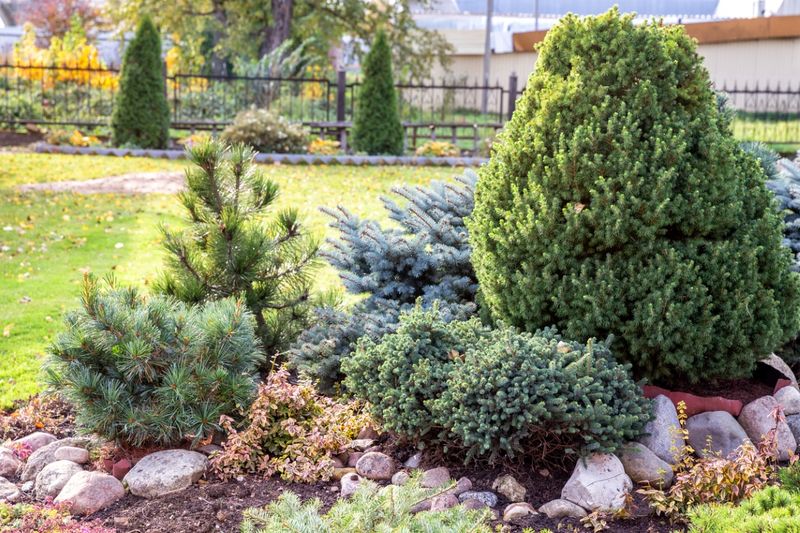
Rabbits are not brave creatures by nature. They survive by staying hidden, and dense shrubs with low-hanging branches give them exactly the cover they crave all winter long.
Evergreen shrubs in particular are a favorite hideout because they stay full and leafy even when everything else in the yard is bare and exposed.
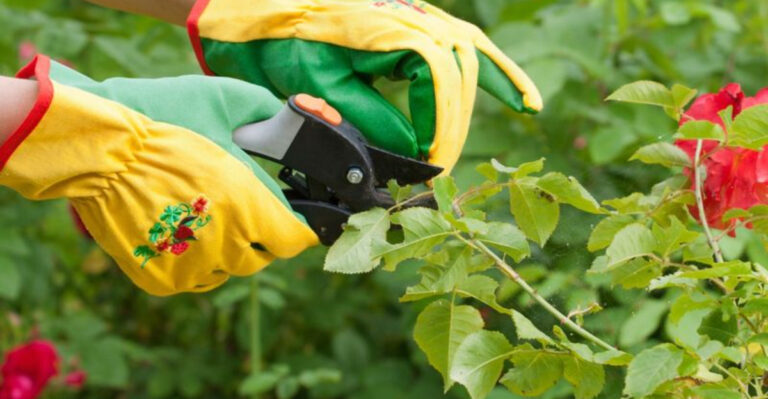
Grab your pruning shears and start trimming the lower branches of shrubs and bushes, especially those sitting close to your garden beds. Raising the canopy of dense shrubs by just eight to twelve inches completely changes how safe a rabbit feels underneath them.
Suddenly, that cozy hiding spot feels open and risky, which is exactly the feeling you want rabbits to have in your yard before spring arrives.
Your Michigan Garden Changes Every Week. Your Plan Should Too.
Gardening in Michigan changes quickly throughout the season. Every Friday you’ll receive a simple weekly plan showing exactly what to plant, prune, fertilize, harvest, and protect so you never miss the right timing.
This trick works because rabbits instinctively avoid areas where predators like hawks, foxes, and neighborhood cats can spot them easily. An open, trimmed shrub base offers no real protection, so rabbits tend to move on quickly.
Trimming also benefits your plants by improving airflow and reducing fungal issues that develop in damp, shaded soil. Take an afternoon to walk your yard and identify any shrubs that look thick and low to the ground.
A few cuts in the right places can make a surprisingly big difference in how welcoming your yard feels to local rabbit populations this season.
3. Eliminate Winter Food Sources
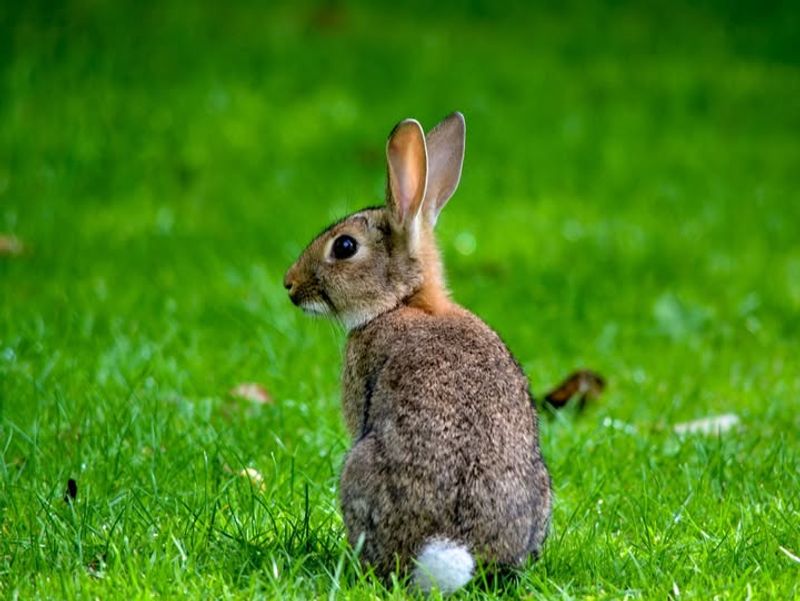
Food is the number one reason rabbits choose a yard and stay there all season long. If your property is offering easy meals through the winter, rabbits will absolutely keep coming back, and they will bring friends.
Fallen apples, leftover vegetable stalks, accessible bark on young trees, and even spilled birdseed can all turn your yard into a rabbit buffet without you realizing it.
Walk your yard in late winter and look for anything a hungry rabbit might snack on. Pick up fallen fruit from under trees, clear out old vegetable garden beds completely, and consider switching to a birdseed style that minimizes spillage on the ground.
Tube feeders and caged feeders are much better options than platform feeders during rabbit season. Even small amounts of seed scattered on the snow can attract cottontails regularly.
Removing food sources sends a clear message that your yard is not worth the effort. Rabbits are practical animals and they will move toward easier feeding grounds when your property stops offering reliable meals.
This step pairs incredibly well with shelter removal because a yard with no food and no hiding spots quickly loses its appeal. Michigan winters are tough on wildlife, so rabbits are always searching for the most efficient food sources available.
Cut off that supply early and you will notice far fewer visitors hanging around your garden beds come planting time.
4. Install Temporary Fencing Early
Timing matters more than most people realize when it comes to keeping rabbits out of garden spaces. Michigan State University Extension consistently recommends installing fencing before rabbits establish feeding patterns near your garden, not after.
Once a rabbit finds a reliable food source, it becomes a creature of habit and will return to that same spot again and again.
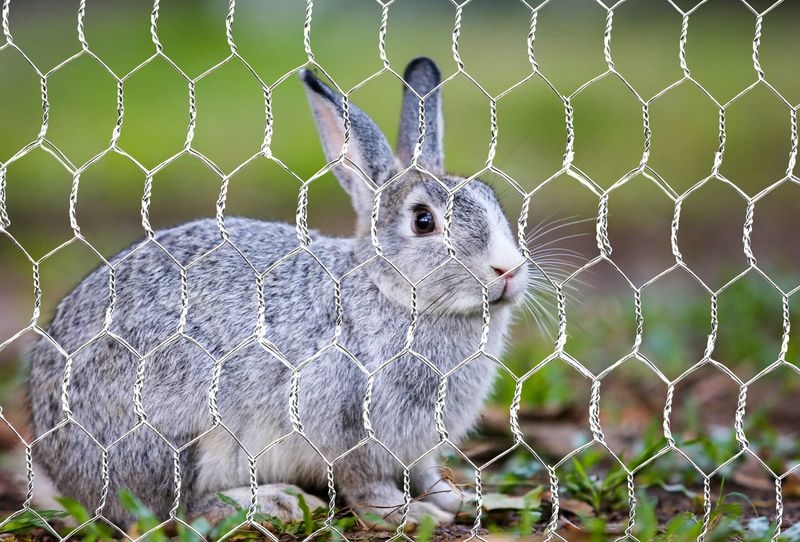
Temporary chicken wire or welded wire fencing is affordable, easy to install, and surprisingly effective at redirecting rabbit traffic.
Aim for a fence that stands at least two feet tall and make sure the bottom edge is either buried a few inches into the soil or secured flat against the ground with stakes.
Rabbits are low-to-the-ground animals, and they rarely attempt to jump over barriers when there are easier feeding options nearby.
Setting up your fencing in late February gives you a head start before the soil thaws and before rabbits begin their spring feeding surge. Even a simple temporary fence around your main garden beds can completely change rabbit behavior in your yard.
When rabbits repeatedly find a barrier where food used to be accessible, they tend to redirect their foraging routes toward other areas.
Fencing is not a permanent solution for every yard, but as a seasonal tool used early in the year, it is one of the most reliable ways to protect Michigan gardens before the growing season officially starts.
5. Use Hardware Cloth Around Young Trees
Young trees in Michigan face a sneaky winter threat that many homeowners never see coming. When snow covers the ground and other food becomes scarce, rabbits chew on the bark of young trees and shrubs to get the nutrients they need.
This bark feeding, called girdling, can seriously weaken a tree when it circles the entire trunk, cutting off the flow of water and nutrients.
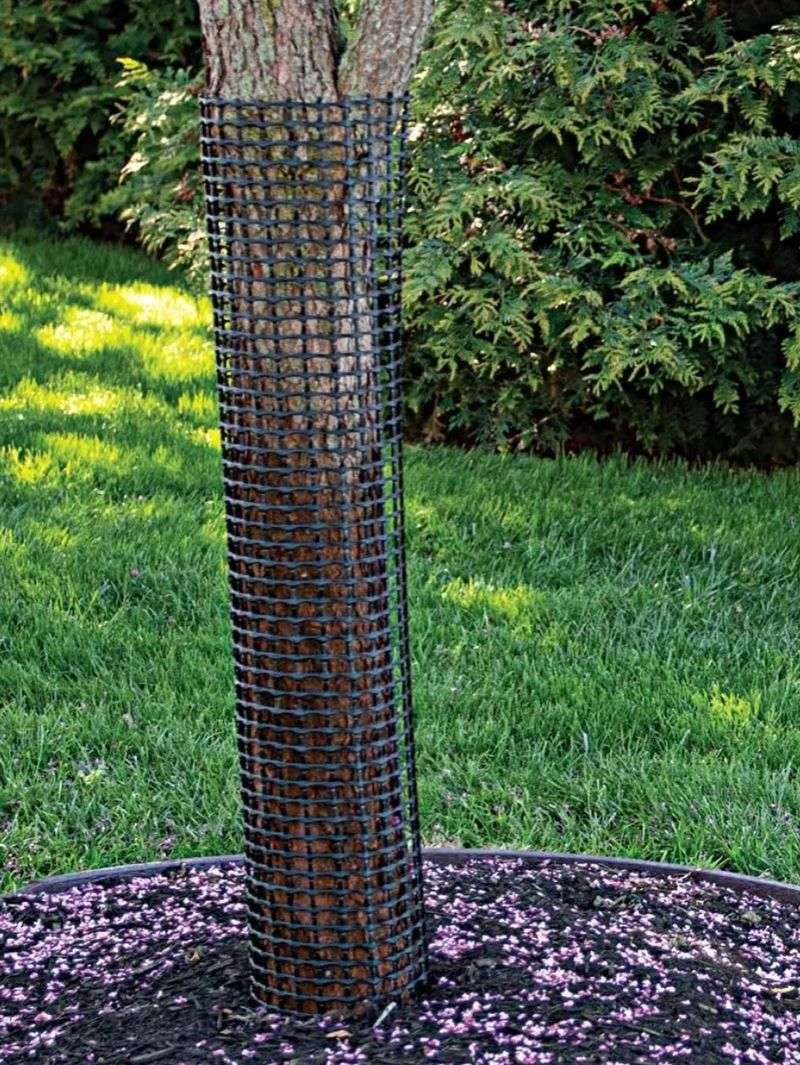
Hardware cloth is the best protection you can give a young tree. Cut a piece into a cylinder shape and wrap it loosely around the trunk, leaving a few inches of space between the cloth and the bark.
The cylinder should stand at least eighteen to twenty-four inches tall to account for snow depth, because rabbits can reach higher than you might expect when snow is packed around the base of a tree.
Secure the cloth with garden stakes so it stays upright through wind and weather. Beyond protecting your trees, this strategy removes one of the main food sources keeping rabbits active in your yard through late winter.
No bark access means one less reason for rabbits to patrol your property. Hardware cloth is reusable, so you can remove it in spring and store it for next season.
It is a small investment that pays off quickly, especially if you have planted fruit trees, ornamental trees, or young maples that rabbits find particularly attractive during Michigan winters.
6. Reduce Snow Cover Pathways
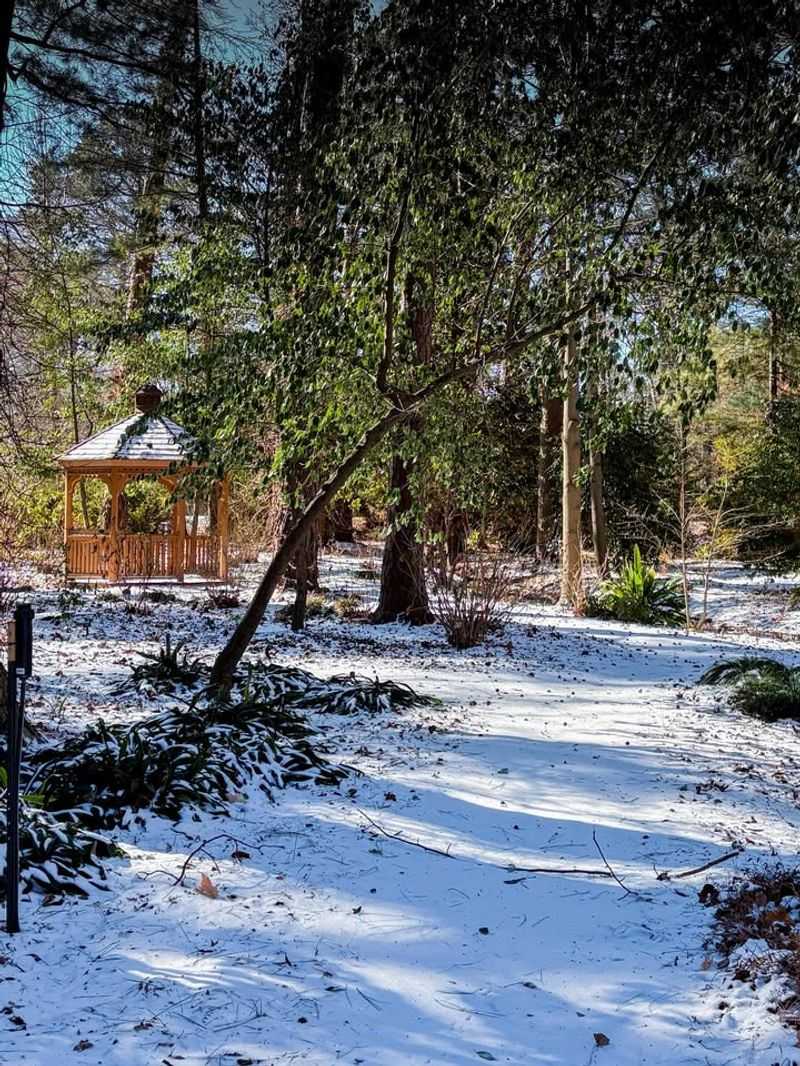
Most people never think about snow as part of a rabbit’s transportation system, but packed snow trails are genuinely useful highways for cottontails.
In Michigan winters, rabbits follow the same compacted paths through snow repeatedly, making it easier and safer to move between food sources.
You can actually spot these trails in your yard as narrow, flattened channels running across the snow surface.
Disrupting these pathways is a surprisingly simple tactic that interrupts rabbit routines. Use a shovel or your boots to break up any packed snow trails you find running through your yard, especially those leading toward garden beds, young trees, or bird feeders.
When the familiar path disappears, rabbits must work harder to navigate and feel less comfortable moving through the area. Disruption alone will not send rabbits packing, but it adds friction to their daily routine.
Combine pathway disruption with other strategies on this list for the best results. Rabbits are creatures of routine and comfort, so anything that makes your yard feel less predictable and less efficient will nudge them toward easier territory.
Check your yard after fresh snowfall and look for new trails forming, then break those up too. This ongoing disruption signals to rabbits that your yard is not a stable, reliable environment.
Over a few weeks of consistent effort, this habit can meaningfully reduce rabbit activity in your Michigan yard before the gardening season begins.
7. Apply Scent Or Taste Repellents
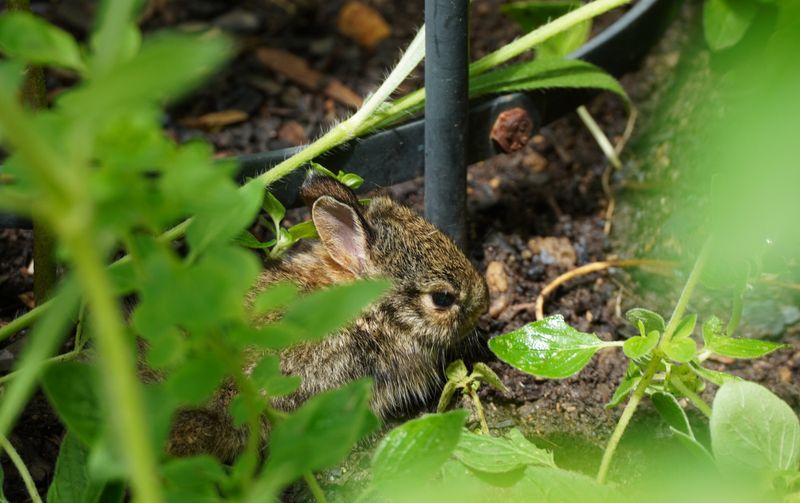
Rabbits rely on their senses of smell and taste far more than most people realize, and that is exactly what makes repellents such a useful tool.
Commercial rabbit repellents use strong scents like predator urine, garlic, and hot pepper compounds to make your yard smell and taste deeply unappealing.
When applied consistently, these products can seriously discourage rabbits from feeding and nesting in treated areas.
Spray or granule repellents work best when applied before rabbits establish strong feeding habits in a specific area. Start applying them in late winter around garden beds, young trees, shrubs, and any other spots where you have noticed rabbit activity.
Follow the product directions carefully, and plan to reapply after rain or heavy snowfall since moisture reduces effectiveness. Rotating between two different repellent formulas can also help, because rabbits sometimes adjust to a single scent over time.
One thing to keep in mind is that repellents work best as part of a broader strategy rather than as a standalone solution.
Pairing repellents with fencing, shelter removal, and food source elimination creates multiple layers of discouragement that rabbits find very hard to push through.
Look for products labeled specifically for rabbits and approved for use in vegetable gardens if you plan to apply near edible plants. Many Michigan gardeners swear by repellents as a reliable bridge strategy between winter and the full swing of spring planting season.
8. Reduce Quiet Nesting Areas Near Structures
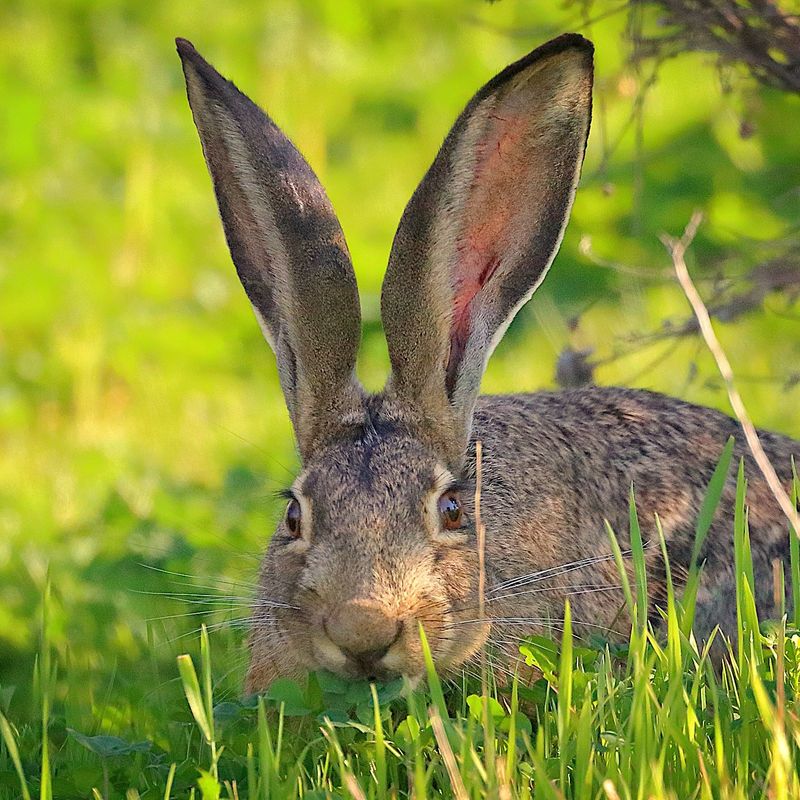
Sheds, decks, porches, and home foundations are prime real estate for rabbits during Michigan winters. These structures block wind, hold heat, and often have shallow snow accumulation underneath, making them incredibly attractive nesting spots.
If a rabbit finds a quiet, sheltered corner near your shed or under your deck, it may set up a semi-permanent home base right in your yard.
Walk around your property and check every structure for gaps, open spaces, and accumulated debris where rabbits could comfortably nestle in. Block openings under decks and sheds using hardware cloth or lattice panels secured firmly to the ground.
Clear away any leaves, insulation scraps, or junk that has collected underneath or behind outbuildings. The goal is to make those sheltered spots feel open, uncomfortable, and unprotected rather than warm and secure.
Rabbits that lose their nesting spots near structures will look for shelter elsewhere, ideally somewhere far from your garden beds. This step is especially important in late winter when female rabbits begin scouting nesting locations ahead of their first litter of the season.
Getting ahead of nesting behavior before spring arrives can prevent a much larger rabbit population from settling into your yard over the summer.
A quick inspection and a few simple barriers around your structures can make a meaningful difference in how many rabbits consider your Michigan yard a suitable long-term home.
9. Encourage Natural Predators Indirectly
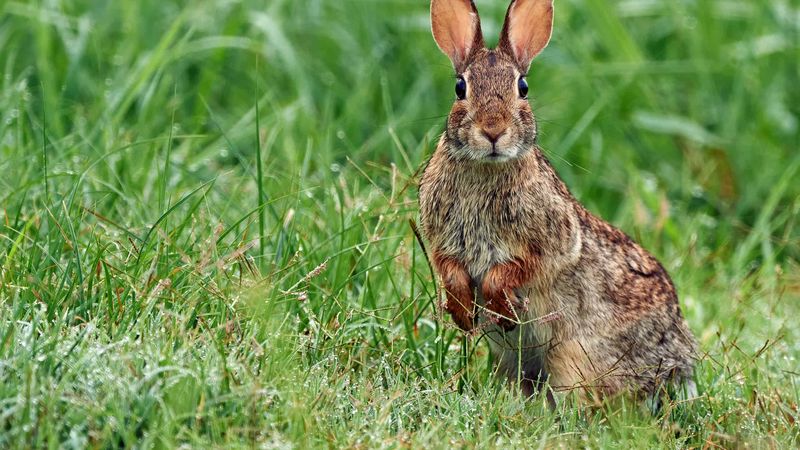
Rabbits are always paying attention to the risk of being spotted by a predator, and that awareness shapes nearly every decision they make about where to spend their time.
Hawks, owls, foxes, and even neighborhood cats create a natural pressure that pushes rabbits toward denser, more sheltered environments.
When your yard feels open and exposed, it simply does not feel safe to a rabbit trying to survive the season.
You can take advantage of this instinct without doing anything complicated. Keeping your lawn mowed and open, trimming back shrubs, and removing debris all work together to create a yard that feels risky for ground-level animals.
Some Michigan homeowners also install owl decoy boxes or hawk perch poles near garden areas to suggest predator activity in the space. Moving decoys occasionally prevents rabbits from figuring out that the threat is not real.
An open yard with minimal hiding spots is genuinely one of the most effective passive deterrents available to Michigan gardeners. Rabbits that feel exposed during feeding will eventually choose to spend their time somewhere that feels safer and more protected.
This approach works especially well when combined with the other strategies on this list, because each layer of discouragement builds on the last.
A yard that offers no food, no shelter, no easy pathways, and no sense of safety is a yard that rabbits will happily leave behind well before your first seeds go into the ground.