How Michigan Gardeners Build A Walipini Greenhouse For Year Round Growing
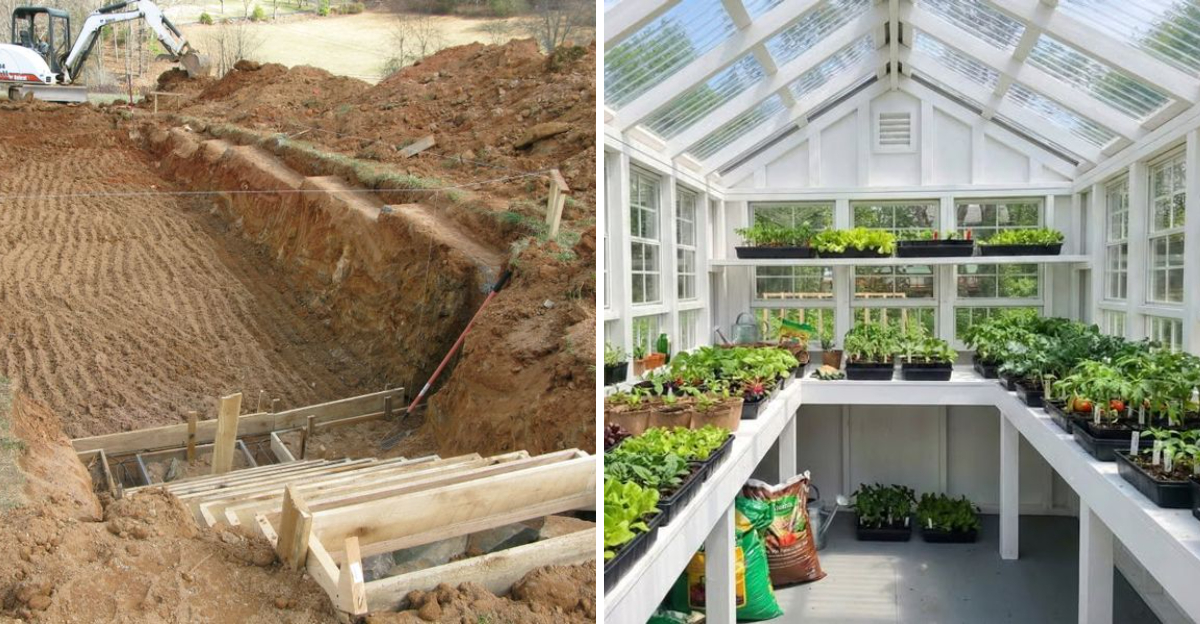
Fresh vegetables in the middle of winter may sound impossible, yet one clever design makes it entirely achievable.
In Michigan, where long cold seasons often pause traditional gardening, a walipini greenhouse offers an innovative way to keep crops growing even when snow covers the ground.
Built partially or fully below the surface, this unique structure uses the earth’s natural insulation to hold steady warmth while capturing valuable sunlight from above.
The result is a protected growing space that stays far more stable than outdoor conditions, allowing vegetables to develop through months that would normally halt production.
Michigan gardeners who adopt this method gain the freedom to extend their harvest and enjoy fresh produce when it is usually out of reach.
With thoughtful planning and proper placement, a walipini greenhouse becomes a powerful tool for year round growing, transforming cold season challenges into an opportunity for continuous cultivation and rewarding harvests.
Choose A Sunny, Well-Drained Site
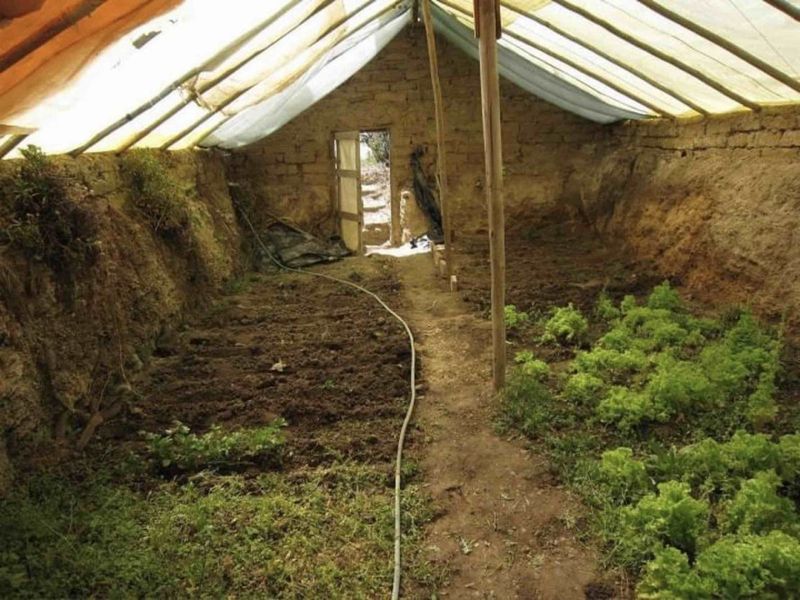
Location makes or breaks your walipini before you even start digging. Michigan gardeners know that winter sun sits low on the horizon, so finding a spot with unobstructed southern exposure becomes absolutely essential.
Trees, buildings, or hillsides that cast shadows will rob your greenhouse of the precious solar energy it needs to stay warm.
Drainage matters just as much as sunlight in this climate. Heavy snowmelt and spring rains can turn poorly chosen sites into muddy disasters that flood your growing space.
Look for naturally elevated ground or areas where water flows away rather than pooling up after storms.
Test your chosen spot by observing it through different seasons if possible. Watch where puddles form after rain and note which areas dry out fastest.
Sandy or loamy soil drains better than heavy clay, though you can improve drainage with amendments and proper grading.
Consider accessibility too, since you will be hauling materials during construction and visiting regularly to tend plants. A site close to your home makes winter gardening far more appealing when temperatures plunge.
Proximity to water sources also simplifies irrigation setup and daily maintenance tasks throughout the growing season.
Excavate To Optimal Depth

Digging down into the earth unlocks a secret weapon against Michigan cold. The ground below frost line maintains surprisingly stable temperatures year-round, typically hovering between 45 and 55 degrees Fahrenheit.
Going four to six feet deep puts your growing space in this thermal sweet spot where the earth acts like a natural climate control system.
Excavation takes serious planning and often requires heavy equipment like a backhoe or excavator. Hand digging works for small walipinis but becomes exhausting quickly given the volume of soil involved.
Mark your dimensions carefully and consider where you will pile the excavated dirt since you might need some for berming later.
Slope matters during excavation since you want the floor angled slightly for drainage. Many Michigan builders create a gentle grade from back to front so water naturally flows toward the entrance rather than pooling around plant roots.
This prevents soggy conditions that harm crops during wet periods.
Your Michigan Garden Changes Every Week. Your Plan Should Too.
Gardening in Michigan changes quickly throughout the season. Every Friday you’ll receive a simple weekly plan showing exactly what to plant, prune, fertilize, harvest, and protect so you never miss the right timing.
Safety cannot be overlooked when working in deep holes. Shore up walls properly to prevent collapse, especially in sandy or loose soils.
Check local building codes too, as some municipalities require permits for significant excavation projects. The effort pays off handsomely when your underground space stays comfortably warm while surface temperatures plummet outside.
Angle The Roof Toward Sunlight
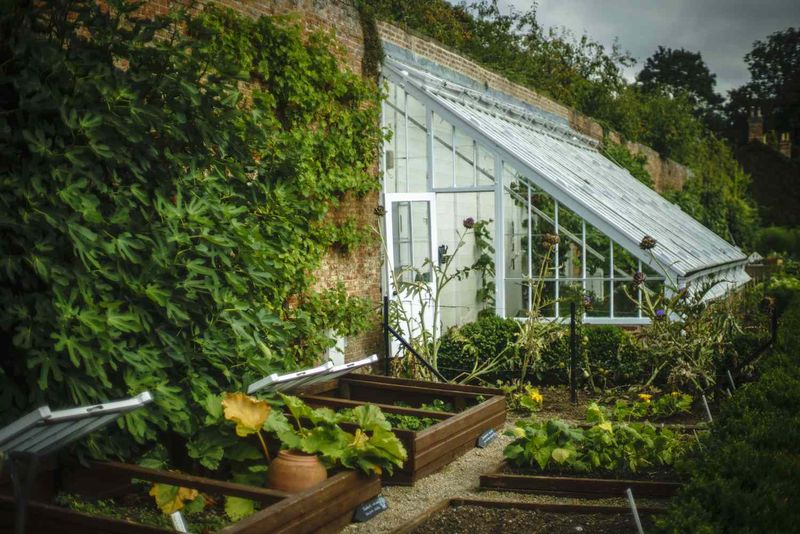
Roof angle determines how much precious winter sunlight actually enters your walipini. Michigan sits at roughly 42 to 47 degrees latitude, meaning the winter sun arcs low across the southern sky.
Tilting your glazed roof to face directly south at an angle matching your latitude plus 10 to 15 degrees maximizes solar capture during the coldest months.
This orientation works like a solar collector, allowing sunlight to strike the glazing at optimal angles rather than glancing off. The steeper pitch also helps snow slide off naturally instead of accumulating and blocking light.
Some builders adjust the angle slightly based on their specific location within Michigan and the crops they plan to grow.
Framing the roof requires sturdy materials since it bears the weight of glazing, snow loads, and wind pressure. Treated lumber or metal framing both work well, though each has advantages regarding cost, durability, and ease of construction.
Ensure your supports are strong enough to handle Michigan winter weather without sagging or collapsing.
The roof essentially becomes the primary heating element for your entire structure. Sunlight streams through the glazing, warming the air, soil, and thermal mass inside.
This captured heat then radiates back during nighttime hours, keeping temperatures stable enough for continued plant growth even when outdoor conditions turn harsh and unforgiving.
Use Insulating Walls And Thermal Mass
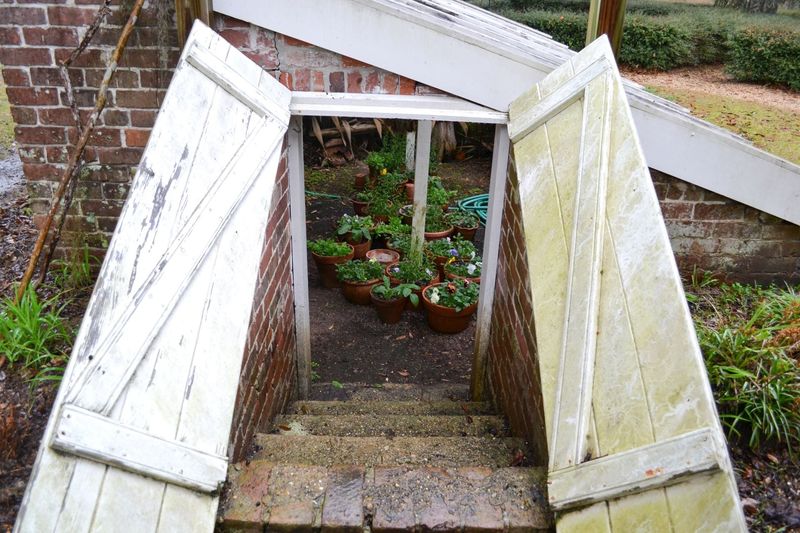
Walls and thermal mass work together like a battery that stores daytime warmth for nighttime release. Earth berms piled against exterior walls add natural insulation that prevents heat from escaping into the frozen ground surrounding your structure.
Some Michigan builders also add rigid foam insulation along north-facing walls where sunlight never reaches anyway.
Thermal mass inside the walipini absorbs heat when the sun shines brightly. Water barrels painted black are incredibly effective since water holds heat far better than air or most solid materials.
Stack them along the north wall where they will not shade plants but will still catch and store solar energy throughout the day.
Stone, brick, or concrete floors also provide excellent thermal mass. These dense materials soak up warmth from sunlight and gradually release it as temperatures cool after sunset.
The effect moderates temperature swings, preventing the dramatic drops that would otherwise occur in an unheated space.
Combining insulation with thermal mass creates a balanced system. Insulation reduces heat loss to the outside while thermal mass stabilizes interior temperatures.
Together they minimize the risk of frost damage even during Michigan cold snaps. Many gardeners find this passive approach keeps their walipini warm enough to grow cold-hardy greens, root vegetables, and herbs throughout winter without any supplemental heating whatsoever.
Install Proper Glazing
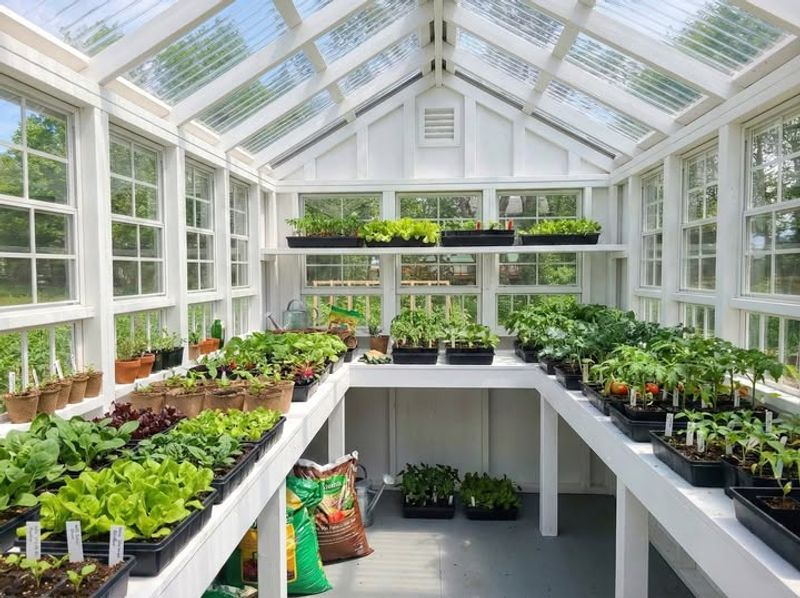
Glazing choices directly impact how much light enters and how much heat escapes your walipini. Polycarbonate panels offer excellent durability and insulation with their twin-wall or triple-wall construction.
They handle Michigan snow loads well and last many years without yellowing or becoming brittle from UV exposure.
Greenhouse plastic provides a more budget-friendly option that still delivers good results. Six-mil or thicker plastic specifically designed for greenhouse use resists tearing and maintains transparency better than regular polyethylene.
Many Michigan builders replace greenhouse plastic every three to five years as it gradually degrades from sun exposure.
Glass works beautifully but costs more and requires stronger framing due to its weight. Tempered or safety glass reduces injury risk if breakage occurs.
Some gardeners salvage old windows or sliding glass doors to cut costs, though mismatched sizes can complicate installation and reduce overall efficiency.
Whatever material you choose, proper installation matters enormously. Seal all edges carefully to prevent drafts that waste heat and create cold spots inside.
Use appropriate fasteners and allow for thermal expansion and contraction as temperatures fluctuate.
Well-installed glazing creates an airtight envelope that traps solar warmth while still allowing full-spectrum light to nourish your plants throughout Michigan long, challenging winters.
Provide Adequate Ventilation
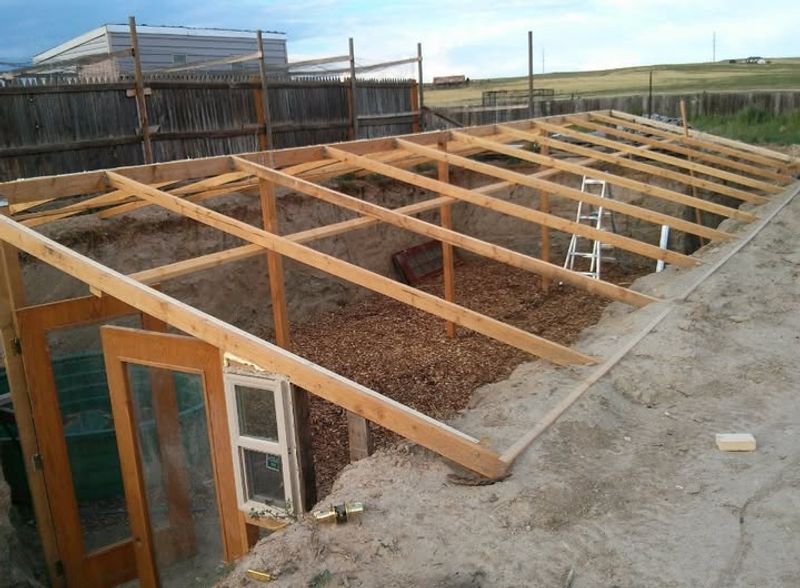
Ventilation prevents your walipini from turning into an oven during unexpectedly warm days. Michigan weather swings wildly, and even winter can bring sunny afternoons that spike interior temperatures dangerously high.
Installing adjustable vents or hatches along the roof ridge allows hot air to escape naturally since heat rises.
Side vents near ground level work in tandem with roof openings to create cross-ventilation. Cool air enters low while warm air exits high, establishing a natural circulation pattern that refreshes the growing environment.
This airflow also reduces humidity buildup that can encourage fungal diseases and pest problems in your crops.
Automated vent openers make life easier by responding to temperature changes without requiring your constant attention. These simple devices use wax-filled cylinders that expand when warm and contract when cool, opening and closing vents automatically.
They cost relatively little but provide enormous peace of mind for busy gardeners. Spring and fall demand the most ventilation management as outdoor temperatures fluctuate dramatically between day and night.
Summer might require keeping vents open nearly all the time, while deep winter often means closing everything tight to conserve heat.
Learning your specific walipini ventilation needs takes a season or two of observation, but proper airflow ultimately keeps plants healthier and more productive year-round.
Plan Internal Layout For Crop Rotation
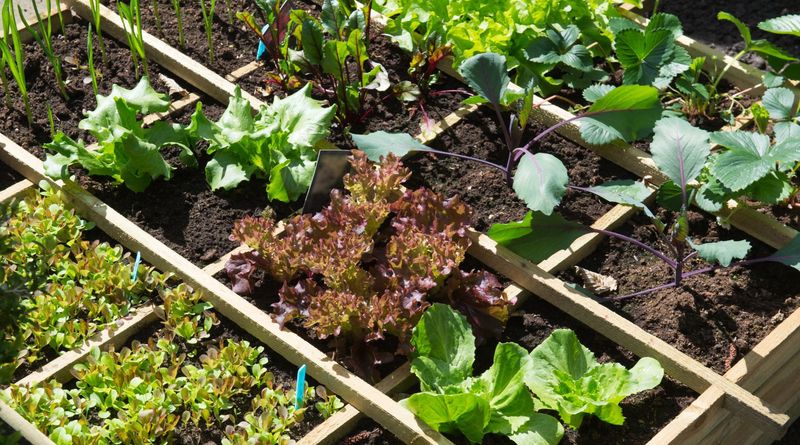
Smart interior design maximizes every square foot of your underground growing space. Raised beds along both sides create easy-access planting areas while leaving a central pathway for moving around with tools and harvested produce.
Michigan gardeners often build beds 18 to 24 inches wide so they can reach the center from either side without stepping on soil.
Thermal zones naturally develop inside a walipini, with the warmest areas closest to the south-facing glazing and cooler spots toward the back north wall. Plant heat-loving crops like tomatoes and peppers near the front where they receive maximum sun and warmth.
Cold-hardy greens, root vegetables, and herbs thrive in the slightly cooler rear sections.
Crop rotation becomes easier when you plan bed locations thoughtfully from the start. Group plants by family and growing season so you can shift them systematically year after year.
This practice reduces pest and disease pressure while maintaining soil fertility naturally without relying heavily on chemical inputs.
Vertical growing space should not go to waste either. Install trellises for climbing plants like peas, beans, and cucumbers.
Hanging baskets work wonderfully for strawberries or trailing herbs. The more efficiently you use available space, the more food you harvest from your walipini investment throughout every season Michigan throws at you.
Protect Against Excess Water And Freezing
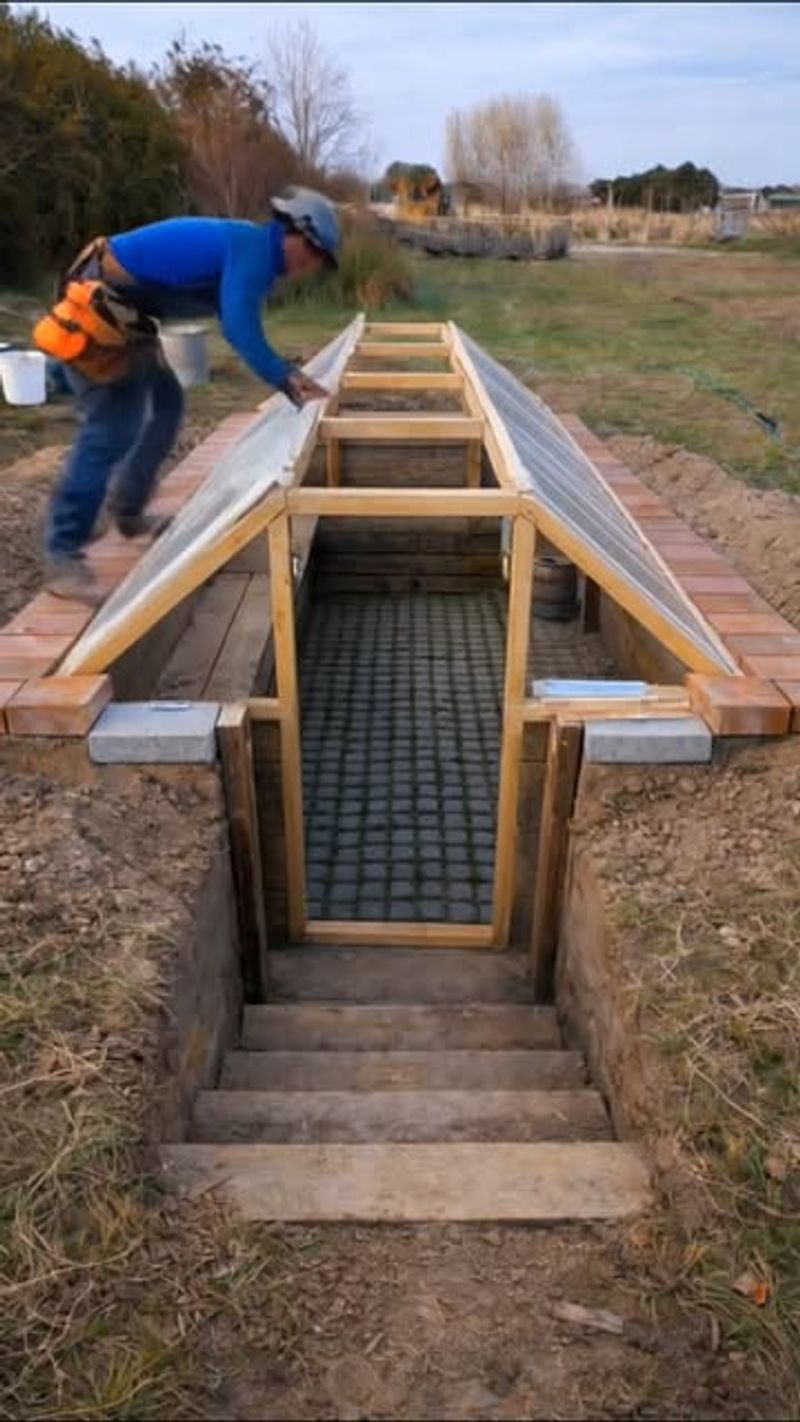
Water management separates successful walipinis from flooded failures in Michigan climate. Install a gravel or crushed stone base layer beneath your growing beds to facilitate drainage and prevent standing water.
This foundation allows excess moisture to percolate away rather than saturating root zones and causing rot or fungal issues.
French drains around the perimeter intercept groundwater and snowmelt before it enters your growing space. Perforated pipe surrounded by gravel collects water and channels it away to a lower area or drainage field.
This simple system prevents the gradual seepage that otherwise turns floors muddy and makes working inside miserable.
Mulching beds heavily helps regulate soil temperature and moisture levels simultaneously. Organic mulches like straw, shredded leaves, or wood chips insulate plant roots against temperature fluctuations while reducing evaporation.
They also prevent frost heaving, which occurs when repeated freeze-thaw cycles push plants out of the ground and damage roots.
Monitor moisture levels carefully during winter since plants still need water even though growth slows. Soil in heated or insulated spaces dries out faster than outdoor winter ground.
Check regularly and water as needed, but avoid overwatering since cool temperatures mean slower evaporation and reduced plant uptake. Proper water and frost management keeps your walipini productive and healthy through every Michigan season.