6 Eye-Catching Heart-Shaped Plants Oregon Gardeners Will Love
Some plants feel like they were designed to send a message. Heart-shaped leaves have that effect, catching your eye in a way that feels a little more personal than the usual greenery.
They soften the edges of a garden, add a bit of warmth, and make outdoor spaces feel more lived-in without much effort.
In Oregon, these plants fit right into the rhythm of the seasons. Many handle the cool, damp weather with ease, while others brighten up shaded corners or fill in under taller trees.
It doesn’t take a full redesign either, just a few well-placed choices can shift the whole feel of a yard or even a small garden bed.
A few of these plants bring that cozy, lived-in feeling almost right away, and once you notice how they change a space, it’s hard not to want more of them nearby.
1. Siberian Bugloss That Brings Soft Heart-Shaped Leaves To Shady Spots
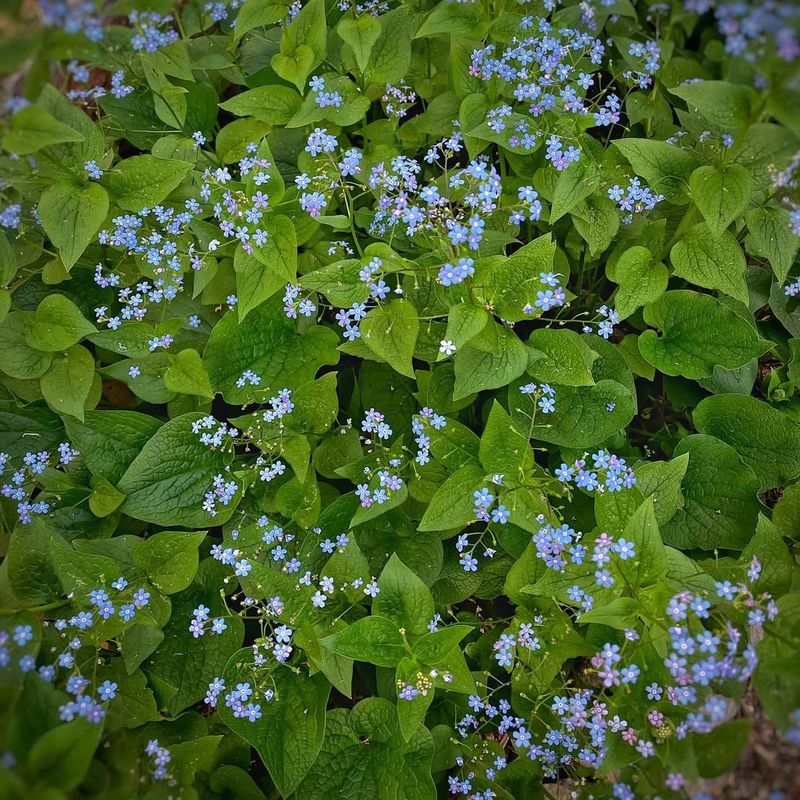
Heart-shaped foliage with a slightly textured surface gives Siberian bugloss a calming presence in shaded garden areas. The leaves often show silver patterns or frosted tones, depending on the variety, which can help brighten spots that receive limited light.
These low mounds stay neat through much of the growing season and blend easily with surrounding plants. In larger plantings, the foliage can create a soft, cohesive layer that ties different elements of the garden together.
In spring, clusters of small blue flowers rise just above the foliage. The blooms resemble forget-me-nots and usually appear from mid to late spring.
Pollinators such as bees may visit, adding gentle movement to quieter garden spaces. While the flowers bring seasonal interest, the foliage continues to carry the display for the rest of the season.
As temperatures shift, the leaves often remain steady in colour and form, helping maintain a consistent look.
Siberian bugloss typically grows between twelve and eighteen inches tall, with a similar spread over time. It expands gradually into wider clumps rather than spreading quickly, making it suitable for mixed borders or woodland-style plantings.
Leaves can remain attractive into early fall, especially with consistent moisture. Over time, established clumps can become more noticeable without overwhelming nearby plants.
This plant performs well in partial to full shade, particularly in areas with warmer summers. Soil that holds moisture while still draining properly supports steady growth.
Adding compost or organic matter can help improve soil structure and maintain even moisture levels. A layer of mulch can also help regulate soil temperature.
Occasional watering during dry periods helps reduce the risk of leaf scorch, especially for lighter-coloured varieties. Removing older leaves can encourage fresh growth and keep the plant looking tidy.
It pairs well with hostas, ferns, and other shade-tolerant perennials, creating balanced, low-maintenance combinations that feel natural and easy to maintain over time.
2. Pacific Bleeding Heart That Adds Classic Heart-Shaped Blooms In Shade
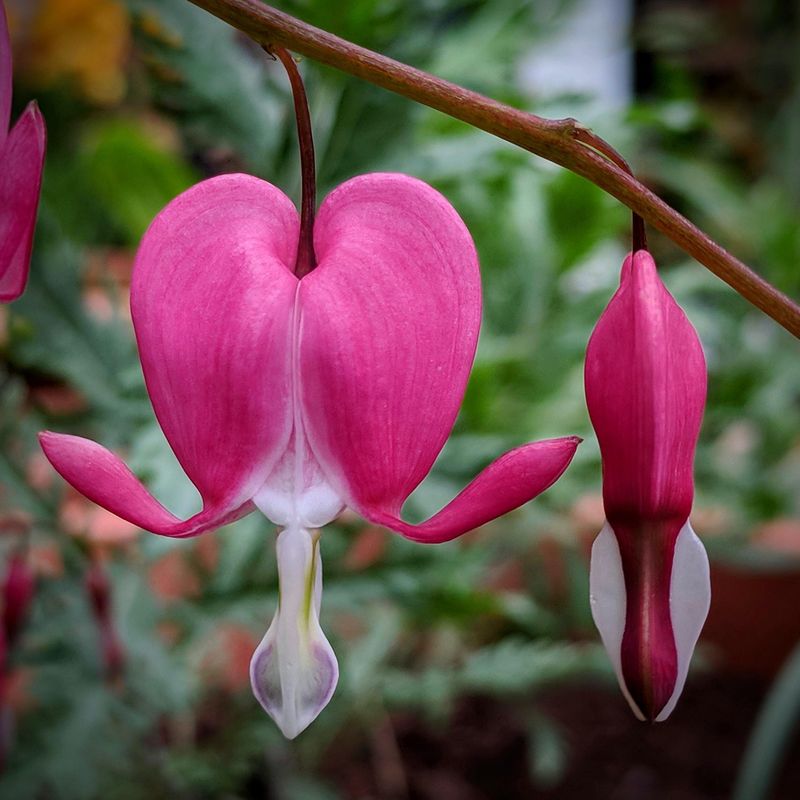
Dangling pink and white flowers shaped like perfect little hearts make Pacific Bleeding Heart one of Oregon’s most beloved native wildflowers. The blooms appear on arching stems above finely divided, fern-like foliage that remains attractive even after flowering finishes.
Your Oregon Garden Changes Every Week. Your Plan Should Too.
Gardening in Oregon changes quickly throughout the season. Every Friday you’ll receive a simple weekly plan showing exactly what to plant, prune, fertilize, harvest, and protect so you never miss the right timing.
The soft texture of the leaves adds a gentle contrast to other woodland plants, helping shaded areas feel fuller and more layered.
This woodland perennial thrives in the shaded conditions found throughout Oregon forests, making it a natural choice for gardeners recreating native plant communities. It fits comfortably beneath taller trees where filtered light mimics its natural habitat, and it tends to settle in without requiring constant adjustment.
Each flower hangs like a delicate ornament, with outer pink petals forming the heart shape and inner white petals protruding like a tiny drop. The blooms attract hummingbirds and native bees during the spring flowering season, typically from April through June depending on elevation and local conditions.
As the flowers fade, the foliage continues to provide visual interest.
The blue-green foliage creates a soft, textured groundcover that spreads slowly to form attractive colonies. Over time, these clusters can fill in shaded beds, offering a consistent look without becoming overwhelming.
Height reaches twelve to eighteen inches, with the flowering stems extending slightly above the foliage mound. The plant goes dormant in late summer after setting seed, a natural adaptation to Oregon’s dry season that allows it to conserve energy.
Marking the location helps avoid accidental disturbance once the foliage disappears.
Shade and consistent moisture during the growing season support healthy growth. Pairing Pacific Bleeding Heart with ferns, trilliums, and other native woodland plants helps create a cohesive, low-maintenance garden that reflects Oregon’s natural landscape.
3. Redwood Sorrel That Forms A Lush Carpet Of Delicate Heart Leaves
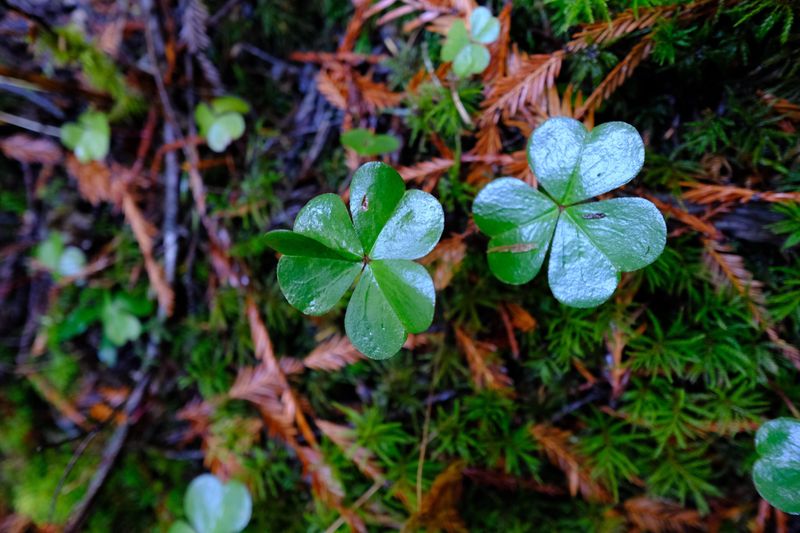
Shaded areas beneath trees often call for groundcovers that settle in naturally and bring a sense of calm to the space. Clover-like leaves composed of three heart-shaped leaflets create a living carpet throughout Oregon’s coastal forests and shade gardens.
Redwood Sorrel spreads by rhizomes to form dense mats that help reduce weed growth while adding a soft, natural texture to woodland settings. The foliage brings a calm, uniform look that works well in both formal and relaxed garden designs, blending easily into different planting styles without drawing too much attention.
One of its more interesting traits is how the leaves fold downward at night or during bright sunlight. This movement helps reduce stress on the plant and adds a subtle sense of life and motion to shaded areas.
Watching this daily rhythm can make the garden feel a bit more interactive.
Small pink flowers with darker veining appear from spring through fall, lightly scattered across the foliage. Each bloom measures about half an inch across and offers gentle color without overwhelming the greenery.
These flowers attract small native bees and other pollinators, contributing to a balanced garden environment.
Height stays low at four to eight inches, making Redwood Sorrel especially useful along pathways or between larger plants. The bright green leaves reflect available light, helping to lift darker corners under evergreens or near north-facing walls.
The plant can tolerate drier shade once established, although it tends to spread more evenly with consistent moisture early on. Its ability to adapt makes it useful in areas where many other groundcovers struggle to settle in.
Redwood Sorrel prefers acidic soil conditions commonly found in Oregon forests. Pairing it with plants like rhododendrons and azaleas creates a cohesive planting scheme.
Adding mulch such as conifer needles can help maintain moisture and support soil conditions that align with its natural habitat, while also improving soil structure over time.
4. Wild Ginger With Deep Green Leaves That Thrive In Quiet Corners
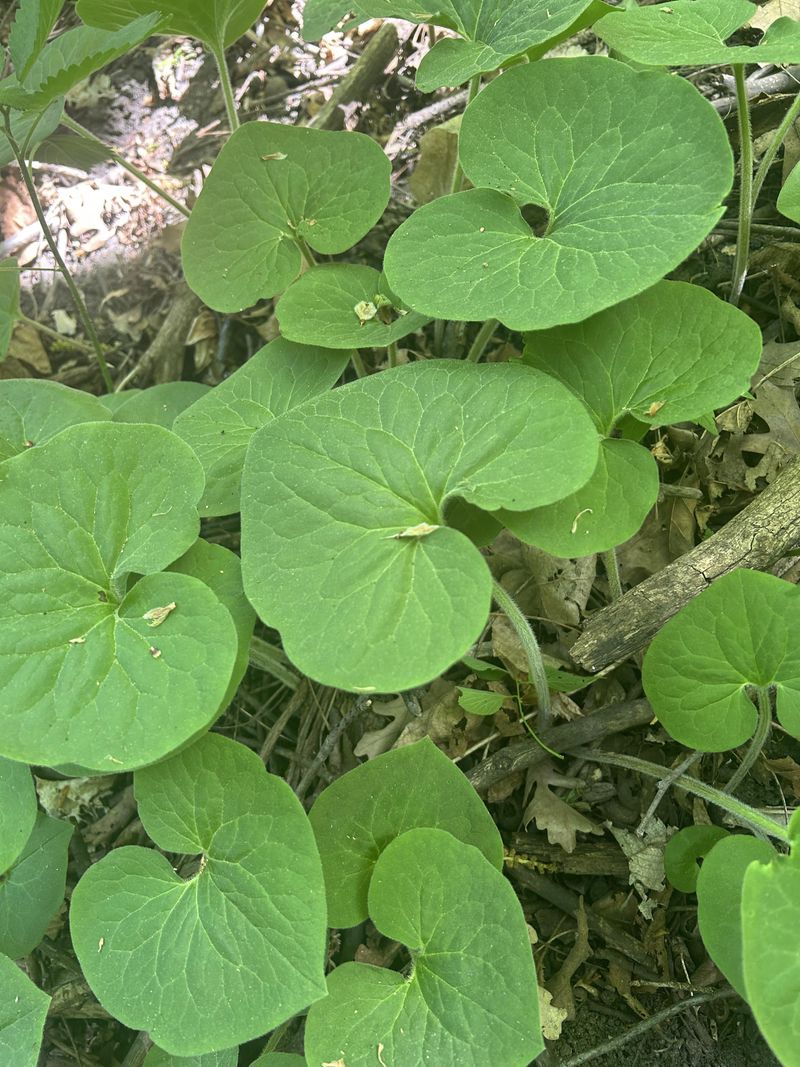
Shaded corners of the garden often need something dependable that brings quiet structure without demanding attention. Glossy evergreen leaves shaped like rounded hearts provide steady groundcover in shaded Oregon gardens, with Wild Ginger spreading gradually to form small colonies.
The leaves emerge in pairs along creeping rhizomes, each measuring two to three inches across, creating a layered look that stays consistent throughout the year. Over time, these layers knit together, giving the space a settled, natural feel.
Tucked beneath the foliage, small brownish-purple flowers appear in spring. These blooms are easy to miss at first glance, yet they play a role in attracting ground-dwelling insects that assist with pollination.
The hidden nature of the flowers adds an interesting detail for those who enjoy closely observing their plants and noticing the smaller changes.
When the leaves are gently crushed, they release a faint ginger-like scent. Despite the name, this plant is not the same as culinary ginger and is generally grown for ornamental purposes.
Its appeal lies in its reliable foliage and ability to settle into shaded areas with minimal fuss.
Height remains low at around six to eight inches, making it suitable for filling gaps between larger plants. The overlapping leaves help shade the soil, which can reduce weed growth and keep the area looking tidy.
Wild Ginger handles deeper shade better than many groundcovers, making it a useful choice for areas under dense tree canopies. It continues to provide interest even during winter, when many other plants fade back.
Soil enriched with organic matter, such as compost or leaf mold, helps mimic forest conditions and supports steady growth. Once established, the plant can tolerate some seasonal dryness, especially in shaded environments.
Pairing it with ferns and other woodland plants creates a calm, cohesive garden setting that feels balanced and easy to maintain.
5. Cyclamen Coum That Brightens Late Winter With Low-Growing Color
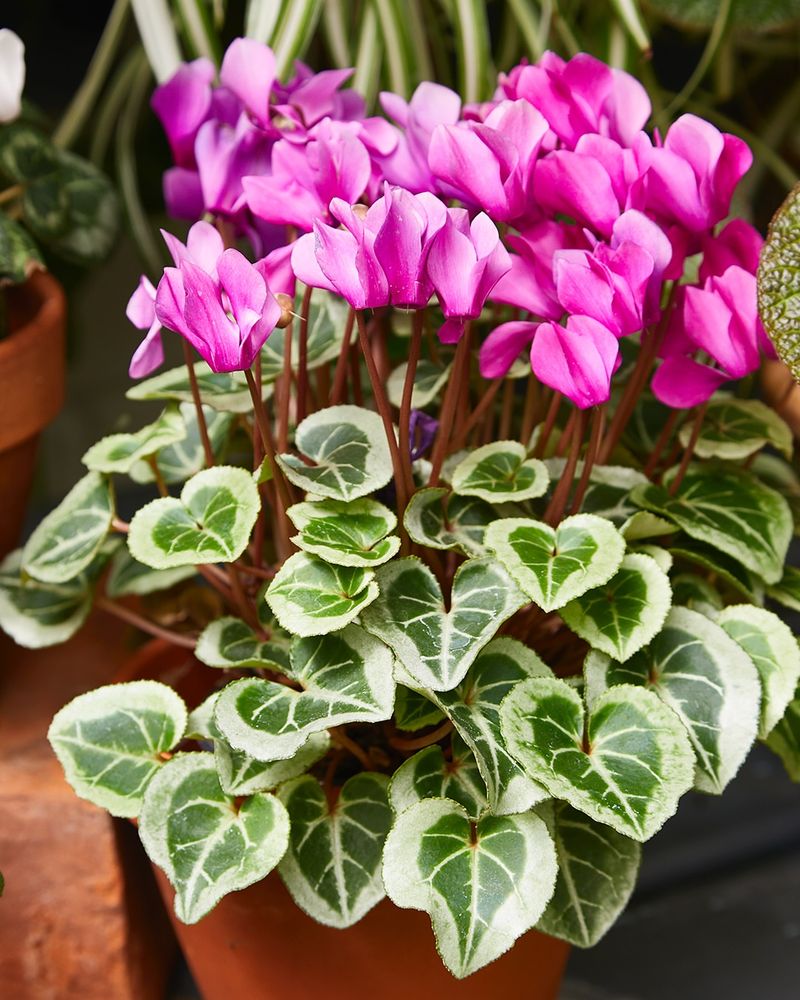
Cyclamen coum brings welcome color to Oregon gardens during the darker months, with blooms in shades of pink, magenta, or white appearing in late winter. Flowering typically runs from December through March, with reflexed petals sitting just above the foliage like small, delicate accents.
These blooms often appear in clusters, creating a soft, scattered display across shaded areas that feels natural and balanced, especially when planted in drifts that mirror woodland patterns. The leaves are equally appealing, often marked with silver patterns that vary from plant to plant.
This marbling adds texture and keeps the plant visually interesting even after flowering has finished. Some leaves show subtle variations in shape and tone, adding even more visual depth across the planting.
Each heart-shaped leaf grows from a small underground corm, forming tidy clusters that work well beneath deciduous trees and shrubs. The foliage typically appears in fall, remains through winter, and fades as temperatures warm.
This seasonal cycle makes Cyclamen coum a useful addition in gardens where spring and summer plants leave temporary gaps. It provides interest during months when many areas feel quiet or underused.
Height stays low at around three to four inches, making it a good choice for rock gardens, borders, or shaded edges. When planted in groups, the flowers may produce a light fragrance that adds another layer of appeal.
Well-drained soil is important, as overly wet conditions can affect the corms. Slightly raised planting areas or sloped ground can help manage excess moisture during wetter months.
Over time, Cyclamen coum can spread gently through self-seeding, creating natural-looking clusters. Pairing it with hellebores, snowdrops, and other early bloomers helps extend seasonal interest in Oregon gardens.
6. Heartleaf Foamflower That Spreads Easily With Soft, Airy Blooms
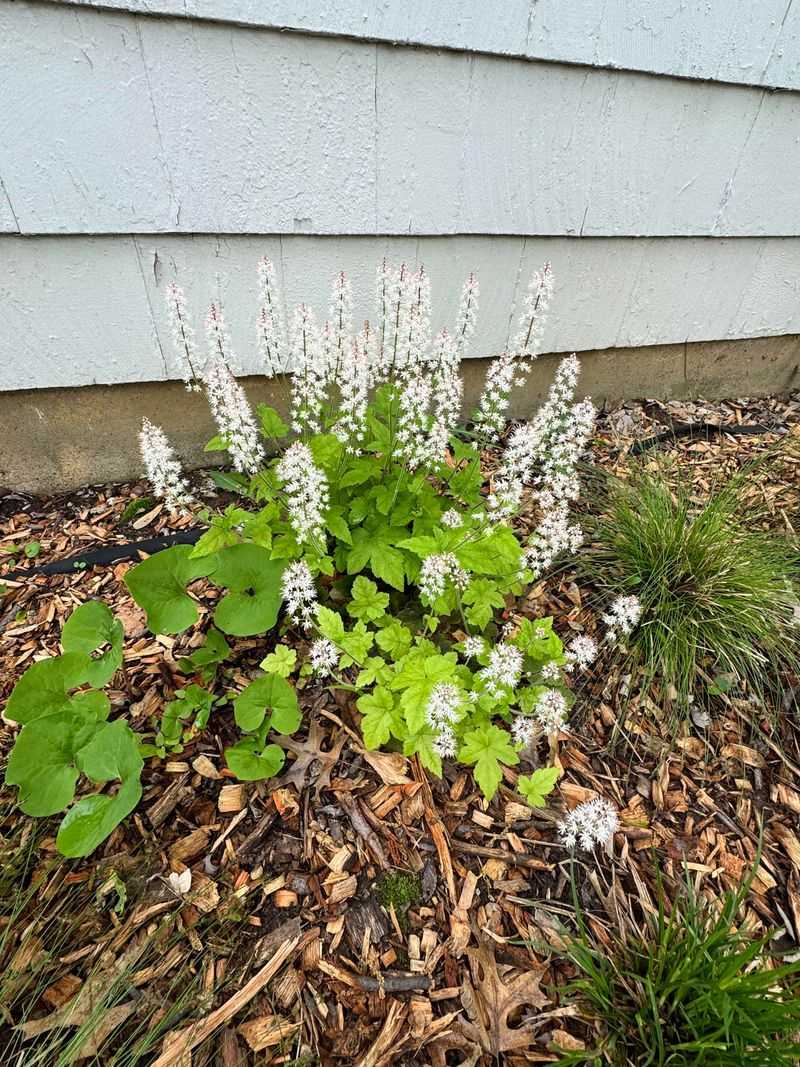
Garden beds with dappled shade often benefit from plants that bring both texture and soft seasonal blooms without overwhelming the space. Soft spikes of white flowers rise above heart-shaped leaves in late spring, giving Heartleaf Foamflower its airy, cloud-like appearance.
The blooms add gentle height to shaded Oregon gardens and attract butterflies and native bees, helping bring movement and life into quieter planting areas. When planted in groups, the effect can feel light and cohesive rather than dense.
The foliage remains attractive well beyond the flowering period. Many varieties develop subtle burgundy patterns along the veins, which become more noticeable during cooler weather.
This variation adds visual interest even when flowers are not present. Some leaves may deepen slightly in tone as temperatures shift, adding quiet seasonal change.
Each leaf features a rounded, heart-like shape with softly lobed edges and a slightly textured surface. The plant forms neat clumps that gradually expand, making it suitable for woodland gardens or mixed borders where a natural look is preferred.
Height ranges from six to twelve inches, with flower stalks extending slightly above the foliage. The plant spreads by short runners, allowing it to fill small gaps without taking over surrounding plants.
Oregon’s cool, moist conditions tend to suit Heartleaf Foamflower well, especially in areas with filtered light. It can handle a bit more sun in coastal regions, though consistent moisture supports better overall growth.
In mild winters, the foliage may remain partially evergreen, helping maintain structure in shaded beds. This can be especially helpful when other perennials have died back.
Combining Heartleaf Foamflower with hostas, ferns, and other shade-loving plants creates a layered garden that offers interest across multiple seasons without requiring constant maintenance or adjustment.