The Easy-Blooming Hydrangea Alternative Ohio Gardeners Love
Wait before you plant another hydrangea! Ohio gardeners have started to rethink the classic favorite after a tougher, more colorful shrub began to turn heads across the state.
This new star bursts into spring with airy flower clusters that glow against rich foliage, then keeps the spotlight with bold leaves and bold texture through summer and fall. It stands strong through clay soil, sticky humidity, and surprise cold snaps, all while it asks for almost nothing in return.
Butterflies crowd the blooms, neighbors notice the color, and ordinary yards gain a fresh focal point that looks polished yet natural. No constant pruning.
No fragile habits. Just reliable beauty, strong structure, and four season interest that suits modern Ohio landscapes perfectly.
Curious about the plant that challenges hydrangea without fuss or drama?
1. Meet Ninebark, A Stunning Easy Blooming Native
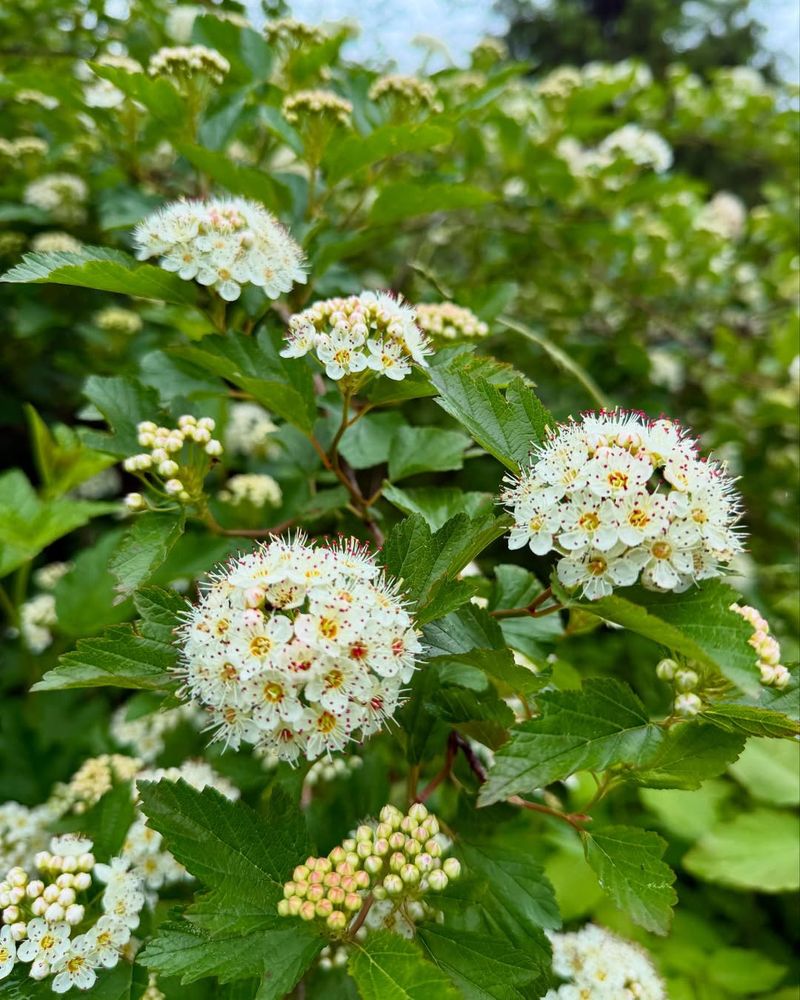
Picture a shrub that practically grows itself, bursts into bloom every spring without fail, and looks like it belongs on the cover of a gardening magazine. That is ninebark in a nutshell.
Physocarpus opulifolius is a native shrub found naturally along Ohio riverbanks, stream edges, and open woodland areas throughout the Midwest. Ohio State University Extension recognizes it as a tough, adaptable native that thrives in the state’s variable climate conditions.
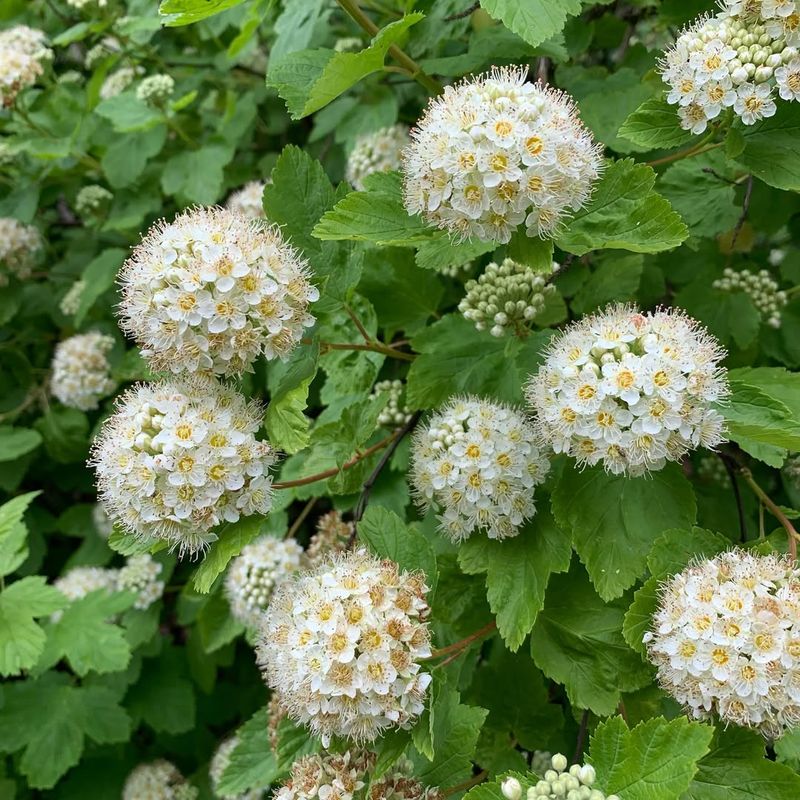
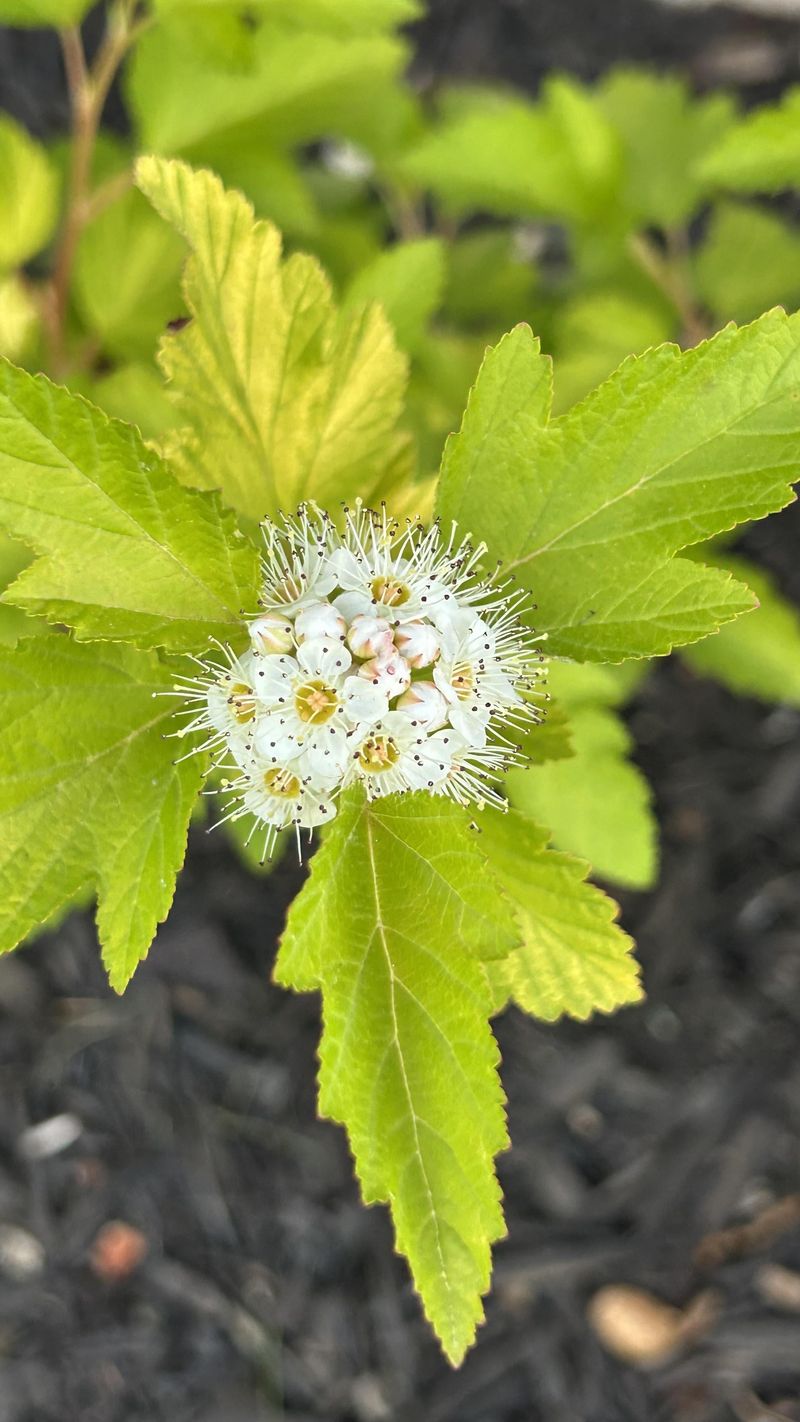
The blooms appear in late spring to early summer, forming rounded clusters of tiny white or pale pink flowers that closely resemble the look of lace-cap hydrangeas. Each cluster sits at the tip of arching branches, creating a cascading, full appearance that fills garden beds with soft, romantic texture.
The flowers are followed by reddish seed capsules that add visual interest well into fall.
Because ninebark evolved right here in the Midwest, it is perfectly suited to Ohio’s freeze-thaw cycles, humid summers, and heavy clay soils. It does not need babying, imported soil amendments, or special winter protection.
Once established, it simply grows, blooms, and thrives season after season with very little intervention from you.
2. Enjoy Hydrangea Style Blooms Without The Fuss
Bigleaf hydrangeas are gorgeous, no question about it. But Ohio gardeners know the heartbreak of watching a plant loaded with buds in fall suffer bud damage from winter cold or late spring frosts and may produce few or no flowers that season.
Bigleaf hydrangeas bloom on old wood, meaning the buds that form in fall are the same buds that open the following summer. One rough Ohio winter can wipe out an entire season of blooms.
Ninebark sidesteps that problem entirely. It blooms on old wood as well, but unlike bigleaf hydrangeas, ninebark is cold-hardy to USDA Zone 3, making Ohio’s Zone 5 and 6 conditions feel like a tropical vacation by comparison.
The flower clusters are rounded and full, with a fluffy, clustered appearance that mirrors the soft, mounded look of hydrangea blooms from a comfortable viewing distance.
The visual payoff is real. A mature ninebark in full bloom commands attention in any Ohio garden.
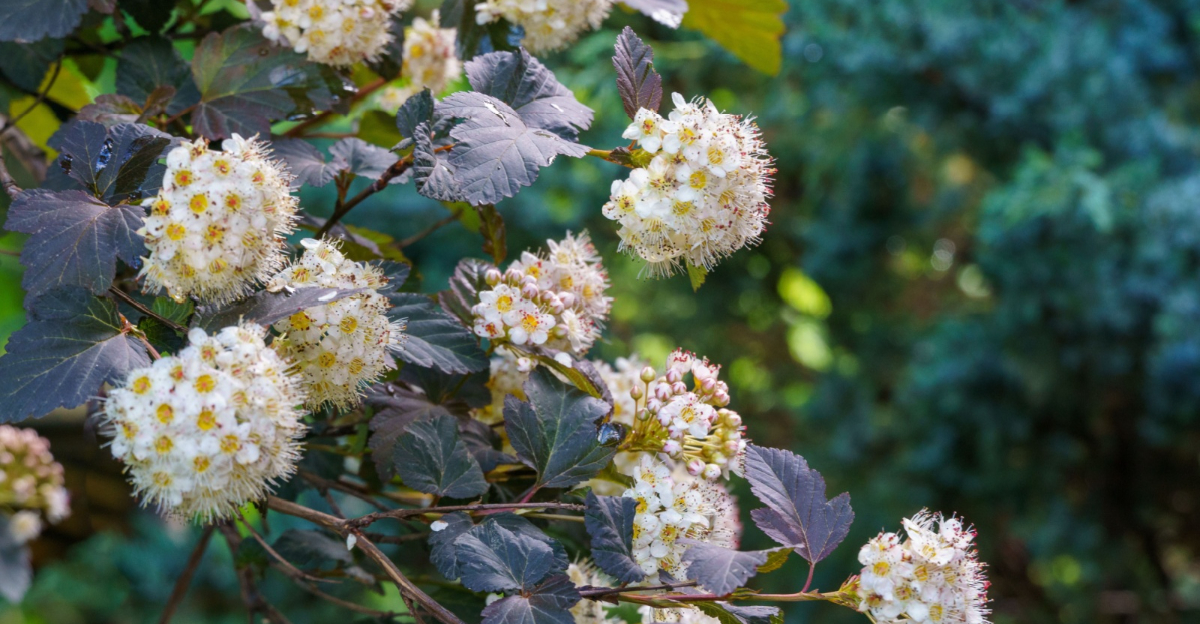
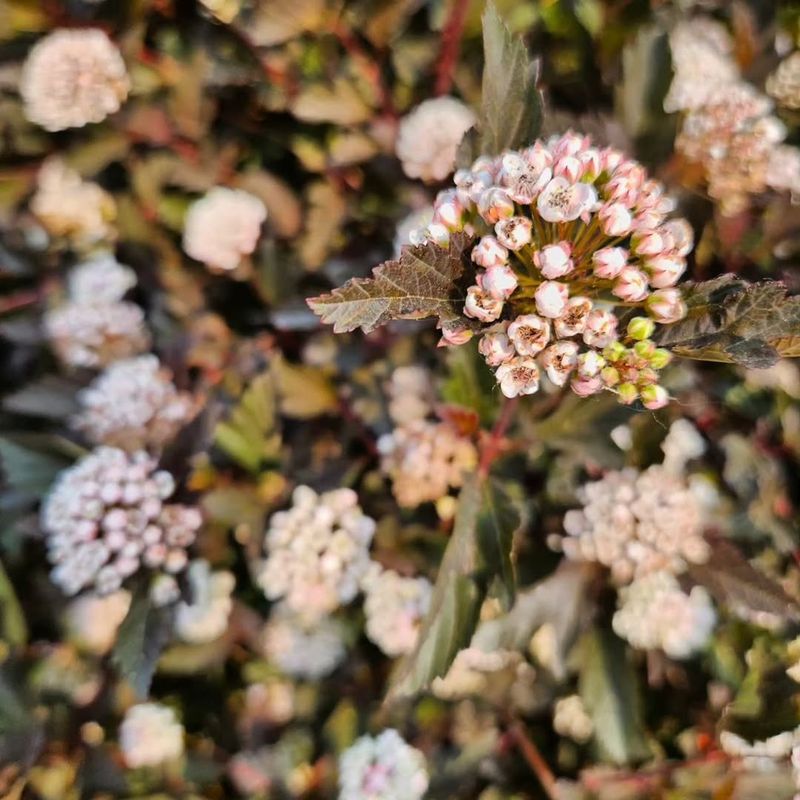
White-flowered varieties like Dart’s Gold or Summer Wine create striking contrast against dark foliage, delivering the same lush, cottage-garden aesthetic that makes hydrangeas so popular, but with none of the weather-related disappointment that Ohio winters so reliably deliver.
Your Ohio Garden Changes Every Week. Your Plan Should Too.
Gardening in Ohio changes quickly throughout the season. Every Friday you’ll receive a simple weekly plan showing exactly what to plant, prune, fertilize, harvest, and protect so you never miss the right timing.
3. Plant It Once Enjoy Years Of Reliable Flowers
Longevity is one of ninebark’s greatest strengths, and Ohio gardeners who plant it once rarely need to replace it. A well-sited ninebark can live for decades, slowly expanding into a full, rounded shrub that anchors a landscape with dependable beauty.
Unlike some ornamental shrubs that peak quickly and decline within a few years, ninebark actually improves with age as its branching structure becomes fuller and more dramatic.
Ohio soils, especially the heavy clay common across much of central and northwestern Ohio, are notoriously tough on plants. Ninebark handles clay soil better than almost any ornamental shrub you can buy at a garden center.
According to guidance from Midwest extension services, ninebark tolerates heavy soil, occasional wet conditions, and drought once established, though it performs best in well-drained soil, making it ideal for Ohio’s unpredictable rain patterns.
Cold hardiness is another major selling point. Ohio winters regularly dip well below freezing, and late spring frosts are a genuine threat.
Ninebark handles these conditions and typically flowers very reliably year after year. Gardeners across northern Ohio, where winters hit hardest, consistently report reliable flowering every single year.
That kind of dependability is genuinely rare in ornamental shrubs and makes ninebark worth every penny at planting time.
4. Choose The Right Spot For Bigger Blooms
Sunlight makes a real difference when it comes to how well ninebark performs. Full sun, meaning at least six hours of direct sunlight per day, produces the most vigorous growth and the heaviest flower display.
Ohio State University Extension recommends full sun to partial shade for ninebark, but experienced Ohio gardeners will tell you that the more sun it gets, the better the foliage color and bloom count will be.
Spacing matters too. Ninebark can spread four to eight feet wide depending on the variety, so crowding it against a fence or other shrubs limits airflow and reduces bloom production.
Good air circulation also helps reduce the risk of powdery mildew, which can occasionally appear in humid Ohio summers. Giving each plant room to breathe pays off in a healthier, more floriferous shrub year after year.
Soil preparation is straightforward. Ninebark prefers moist, well-drained soil but genuinely tolerates Ohio clay without needing heavy amendment.
Adding a two to three inch layer of organic mulch around the base helps retain moisture, regulate soil temperature, and reduce weed competition. Avoid planting in low-lying spots where water pools after heavy Ohio rainstorms, as prolonged standing water can stress even this tough native shrub.
5. Keep Care Simple And Growth Strong
One of the most refreshing things about growing ninebark in Ohio is how little it demands once it gets going. During the first growing season, consistent watering helps the root system establish itself.
Aim for about one inch of water per week, either from rainfall or supplemental irrigation. Ohio summers can swing between soggy and dry within the same month, so keeping an eye on moisture during the first year sets the plant up for long-term success.
After establishment, ninebark becomes remarkably self-sufficient. Mature plants handle Ohio’s summer dry spells without significant stress, and they rarely need supplemental watering except during extended drought.
Overwatering is actually more of a concern than underwatering once the shrub is settled in, since consistently wet roots can lead to root issues over time.
Fertilization needs are minimal. A single application of a balanced, slow-release granular fertilizer in early spring gives ninebark a gentle seasonal boost without encouraging excessive leafy growth at the expense of flowers.
Heavy feeding is unnecessary and can actually reduce bloom production. Most Ohio gardeners find that a light spring feeding combined with a fresh layer of mulch is all the annual maintenance this shrub truly needs to stay healthy and productive.
6. Prune Smart For A Fuller Healthier Shrub
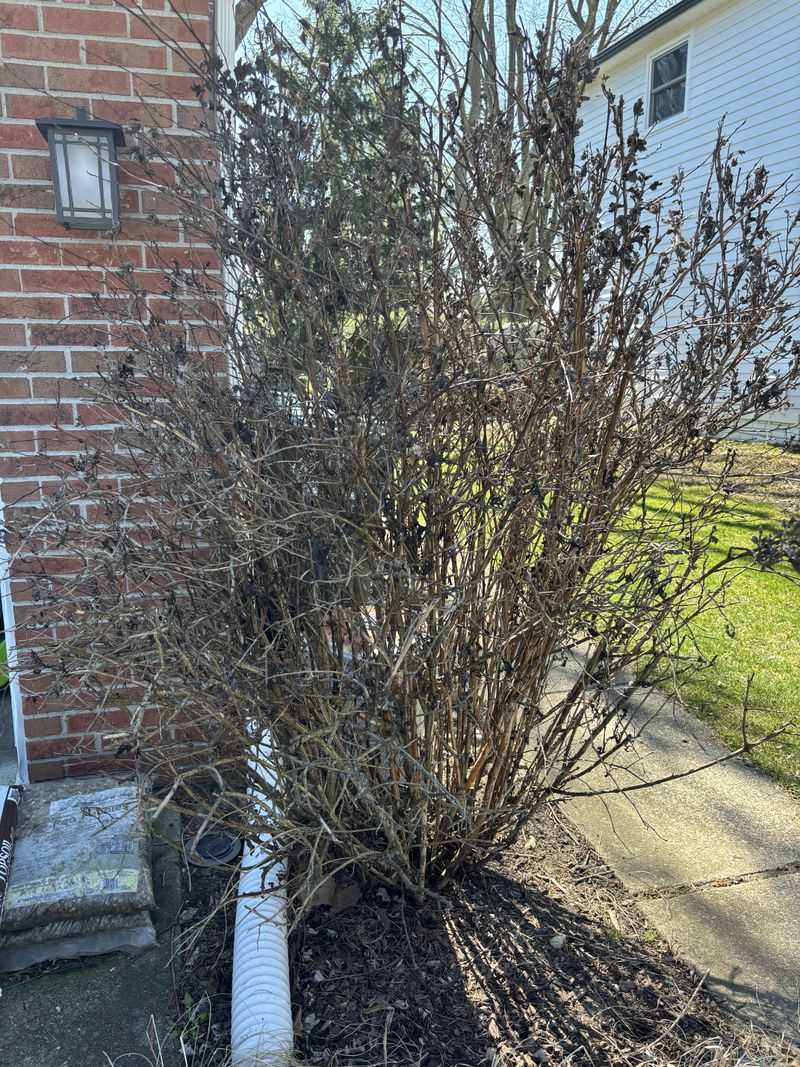
Pruning ninebark at the wrong time is the single most common mistake Ohio gardeners make with this plant. Because ninebark blooms on old wood, meaning flower buds form on the previous season’s growth, pruning in late fall or early spring removes the very wood that holds next summer’s blooms.
Ohio State University Extension advises pruning spring-blooming shrubs like ninebark immediately after flowering ends, typically from late May through June in most parts of Ohio.
Right after bloom is the perfect window. Cutting back immediately after the flowers fade gives the shrub the entire growing season to produce new branches that will carry next year’s flower buds.
Waiting too long into summer or fall shortens that recovery window and can reduce the following year’s bloom count noticeably.
The best approach is a light renewal prune every two to three years rather than heavy annual shearing. Remove about one-third of the oldest, thickest canes at ground level to encourage fresh new growth from the base.
This keeps the shrub open, airy, and full of vigorous young wood that produces the most flowers. Avoid shearing ninebark into a formal shape, as this removes flowering wood indiscriminately and results in a dense, twiggy interior with far fewer blooms the following season.
7. Add Bold Color And Texture To Your Garden
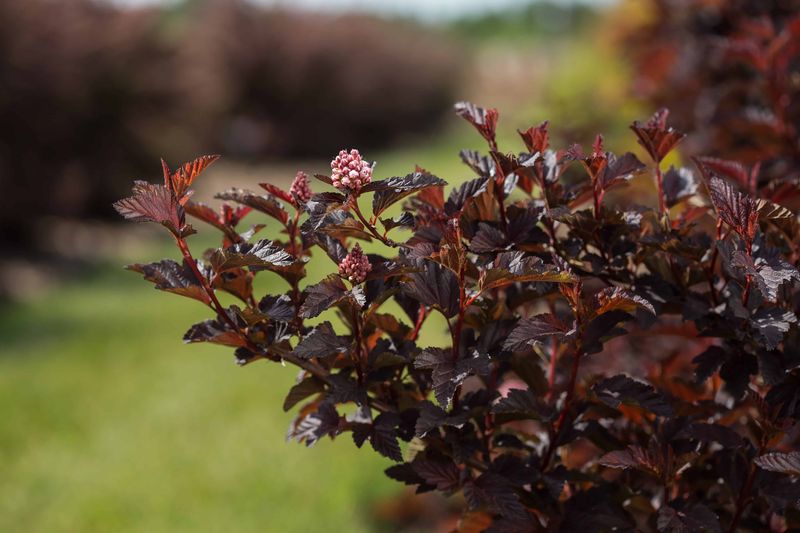
Foliage is where ninebark truly separates itself from hydrangeas. While hydrangeas offer green leaves as a backdrop for their flowers, ninebark varieties come in a spectacular range of leaf colors that provide visual interest from the moment growth emerges in spring straight through to late fall.
Varieties like Diablo and Summer Wine feature deep burgundy to near-black foliage that creates bold contrast against lighter perennials and grasses in Ohio garden beds.
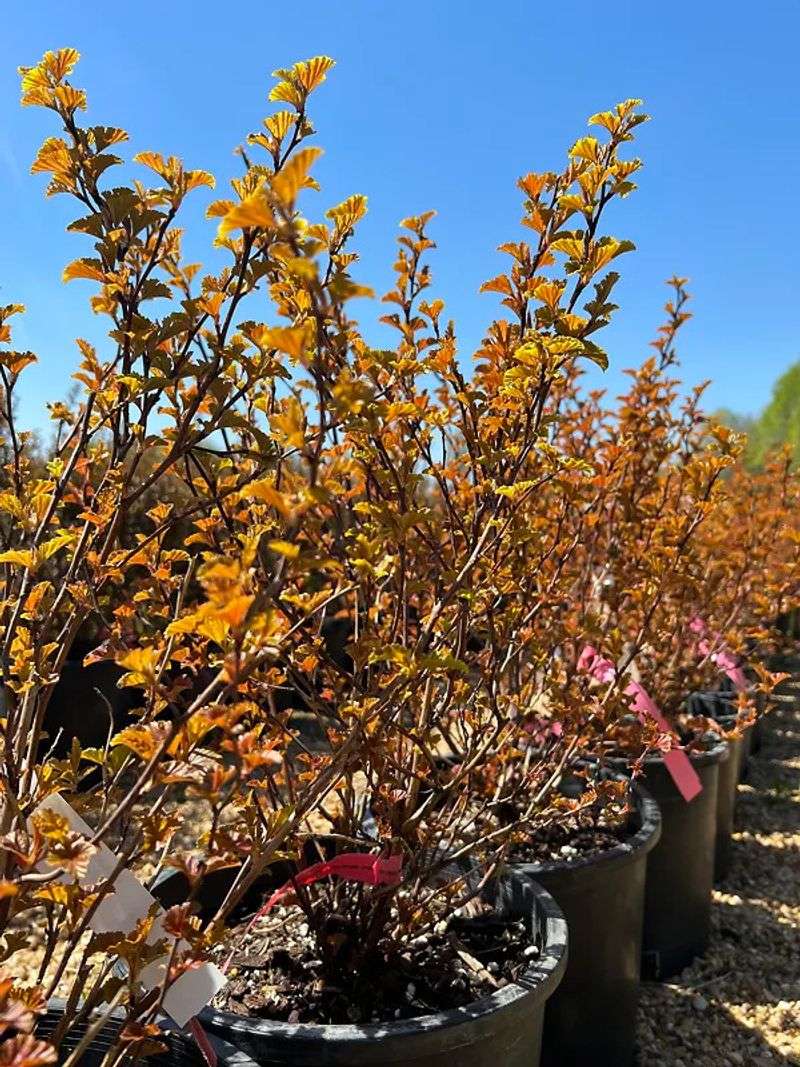
Coppertina, a variety widely available at Ohio nurseries, produces coppery-orange foliage that shifts to red-orange tones as temperatures cool in fall. Dart’s Gold offers bright chartreuse leaves that light up shaded corners and pair beautifully with dark-leaved companions.
Mixing two or three ninebark varieties in a layered border creates a dynamic, multi-season display that never looks boring.
The bark itself adds another layer of year-round interest. Mature ninebark stems develop a distinctive peeling, shredding bark that exposes warm cinnamon and tan tones beneath.
In winter, when Ohio gardens are bare, this exfoliating bark catches morning light and adds genuine structural beauty to the landscape. Few ornamental shrubs offer this level of multi-season appeal, making ninebark a genuinely smart design choice for Ohio homeowners who want their gardens to look good in every month of the year.
8. Grow A Tough Native That Supports Pollinators
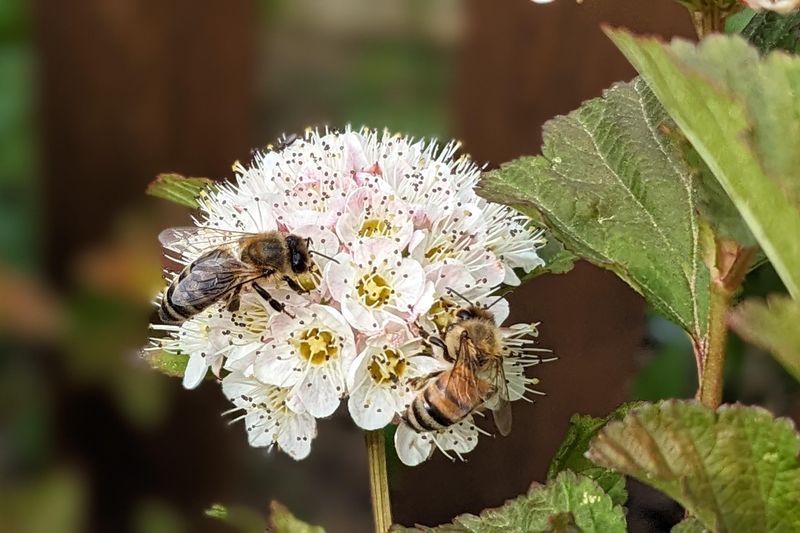
Spring in an Ohio garden feels different when native plants are part of the picture. When ninebark blooms in late May and June, the flower clusters become a busy hub of pollinator activity.
Native bees, including bumble bees and sweat bees, visit the blooms in large numbers. Butterflies, particularly swallowtails and skippers commonly found across Ohio, are frequent visitors as well.
The nectar-rich flowers provide an important food source right when many pollinators are establishing their spring colonies.
Beyond the blooms, ninebark supports the broader food web in ways that non-native ornamentals simply cannot. Research from entomologist Doug Tallamy, widely cited in native plant circles, highlights how native woody plants typically support significantly more insect species than many non-native ornamentals.
Those insects, in turn, feed birds, including many of the songbirds Ohio gardeners love to attract. Planting ninebark is a straightforward way to make your yard part of a functioning local ecosystem.
Ohio has seen growing interest in native plant landscaping, with programs like Ohio’s Pollinator Habitat Initiative encouraging homeowners to incorporate natives into their yards. Ninebark checks every box on that list.
It is native, ecologically valuable, visually stunning, and genuinely easy to grow. Adding even one or two plants to an Ohio yard makes a measurable difference for local wildlife while giving you a beautiful, low-effort shrub to enjoy all season long.
9. Find Your Favorite Variety At An Ohio Nursery
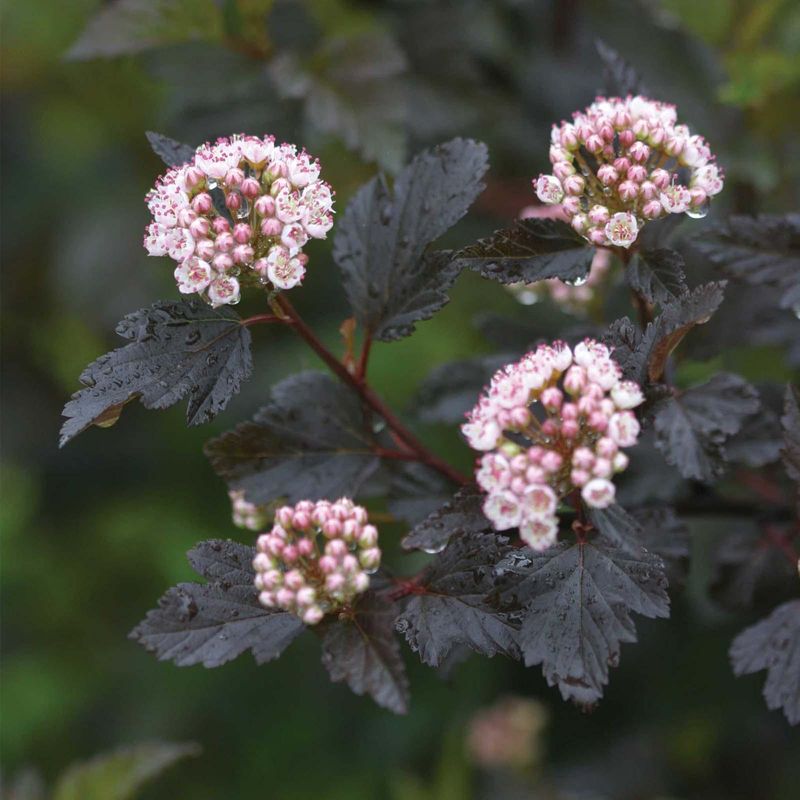
Walking into an Ohio garden center in spring and seeing a row of ninebark shrubs in full leaf is genuinely exciting once you know what you are looking at. The variety selection has expanded dramatically over the past decade, and most reputable Ohio nurseries now carry at least three or four cultivars.
Knowing which one fits your space and style before you shop saves time and helps you come home with the right plant for the right spot.
For small Ohio yards or tight foundation plantings, look for compact varieties like Little Devil or Tiny Wine, which stay under four feet tall and wide. These smaller cultivars deliver the same dark foliage and spring blooms as their full-sized relatives without overwhelming a limited space.
For larger Ohio landscapes, full-sized Diablo or Coppertina make bold anchor plants in mixed shrub borders or as informal privacy screens.
When buying, choose plants with healthy, firm stems and no signs of wilting or yellowing. Container size matters less than root quality, so do not hesitate to gently check that the root ball is well-developed before purchasing.
Ohio garden centers that specialize in native plants, including many affiliated with the Ohio Native Plant Society network, often carry the widest selection and can offer locally specific growing advice tailored to your county and soil type.