What North Carolina Gardeners Should Be Planting In March (By Region)
March brings a sense of momentum to the garden, as longer days and warming soil signal the true beginning of the growing season. In North Carolina, this month opens the door to a wide range of planting opportunities, from cool season vegetables to early flowers that thrive in mild spring conditions.
Gardeners along the coast, across the Piedmont, and in the mountain regions each experience slightly different timing, making regional awareness essential for success.
Soil temperature, frost risk, and local weather patterns all influence what can be planted and when.
Starting at the right moment helps seeds germinate well, supports strong root development, and reduces setbacks later in the season. With a little planning, March becomes one of the most productive times of the year.
This guide will help you understand what to plant across North Carolina so you can garden with confidence, enjoy steady progress, and set the stage for a healthy, rewarding season.
1. Tomatoes Coastal Plain Late March Indoors Or Protected
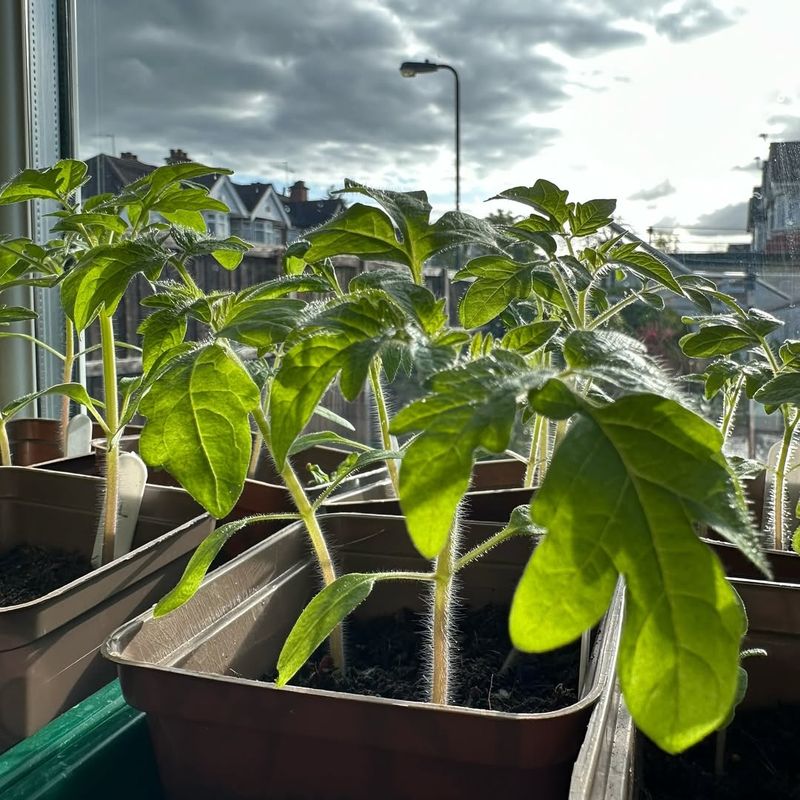
Few things get a gardener more excited than the moment tomato seedlings push through the soil. For those living in North Carolina’s Coastal Plain, late March is the sweet spot for starting tomatoes indoors or in a protected space like a cold frame or greenhouse.
Frost risk is still real outdoors, so giving your seedlings a warm, sheltered start is the smart move.
Tomatoes need soil temperatures of at least 60 degrees Fahrenheit to germinate reliably, which is tough to guarantee outside in March along the coast. Starting them indoors under grow lights or near a sunny south-facing window gives them the warmth and light they crave.
Aim for 14 to 16 hours of light daily if you are using artificial lighting to keep seedlings strong and compact.
Use a quality seed-starting mix rather than regular garden soil, since it drains better and reduces the chance of damping off. Water from the bottom when possible to keep stems dry and healthy.
Coastal Plain gardeners can typically transplant their tomato starts outdoors by mid to late April once nighttime temperatures stay consistently above 50 degrees.
Starting in late March gives you a six-week head start, which means earlier harvests and a longer productive season for one of the most beloved vegetables in any North Carolina garden.
2. Peppers Coastal Plain Start Indoors In March
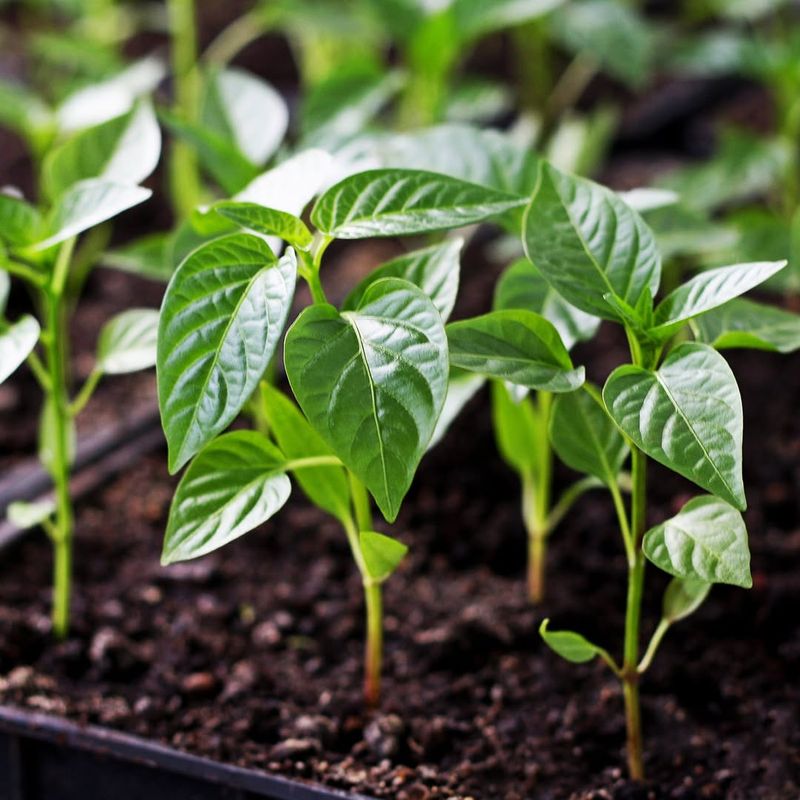
Peppers are one of those crops that reward patience, and March is exactly when that patience starts paying off for Coastal Plain gardeners.
Eastern North Carolina has a warmer climate than the rest of the state, but peppers still need a solid indoor start in March because they demand warm soil to sprout and grow strong roots.
Soil temperatures below 65 degrees Fahrenheit will stall germination almost completely.
Starting pepper seeds indoors in March gives them the eight to ten weeks they need before safe outdoor transplanting, which usually falls around mid to late May in the Coastal Plain.
Use a heat mat under your seed trays to keep the growing medium consistently warm, ideally between 75 and 85 degrees.
Your North Carolina Garden Changes Every Week. Your Plan Should Too.
Gardening in North Carolina changes quickly throughout the season. Every Friday you’ll receive a simple weekly plan showing exactly what to plant, prune, fertilize, harvest, and protect so you never miss the right timing.
Peppers are slower to germinate than tomatoes, often taking 10 to 14 days, so do not get discouraged if sprouts seem to take their time.
Once seedlings emerge, move them under bright light immediately so they do not stretch and become leggy. A south-facing window works, but grow lights give you much more control over light intensity and duration.
Peppers prefer slightly acidic soil with good drainage, so choose a quality seed-starting mix and avoid overwatering.
Starting in March means your pepper plants will be robust and well-established by the time the warm coastal nights arrive, setting you up for a generous summer harvest of sweet bells, banana peppers, or spicy varieties.
3. Lettuce Coastal Plain And Piedmont Direct Sow In March
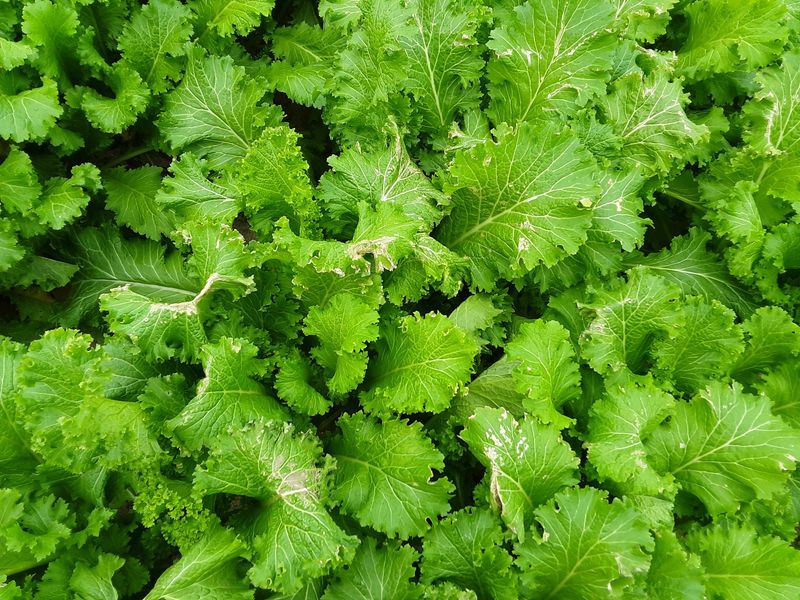
Crisp, fresh lettuce straight from the garden is one of spring’s simplest pleasures, and March is prime time to make it happen in the Coastal Plain and Piedmont regions.
Lettuce is a cool-season champion that actually prefers temperatures between 45 and 65 degrees Fahrenheit, making early spring the ideal window before summer heat rolls in.
You can direct sow seeds right into prepared garden beds without any indoor starting required.
Scatter seeds thinly over loosened, well-amended soil and press them lightly into the surface since lettuce needs light to germinate. Keep the soil consistently moist but not waterlogged during the first week or two while seeds sprout.
Germination usually happens within 7 to 10 days when soil temperatures are in the 50-degree range, which is common across the Piedmont and Coastal Plain in March.
Loose-leaf varieties like Black Seeded Simpson or Red Sails are great choices for beginners because they mature quickly and tolerate light frosts well. Butterhead and romaine types take a bit longer but reward you with fuller heads and richer flavor.
Succession planting every two to three weeks through April keeps your harvest going longer before heat causes bolting. Raised beds and containers also work beautifully for lettuce since they warm up faster and drain well.
With just a little attention, your March-sown lettuce will be ready to harvest in as little as 30 to 45 days.
4. Spinach Coastal Plain And Piedmont Early March Planting
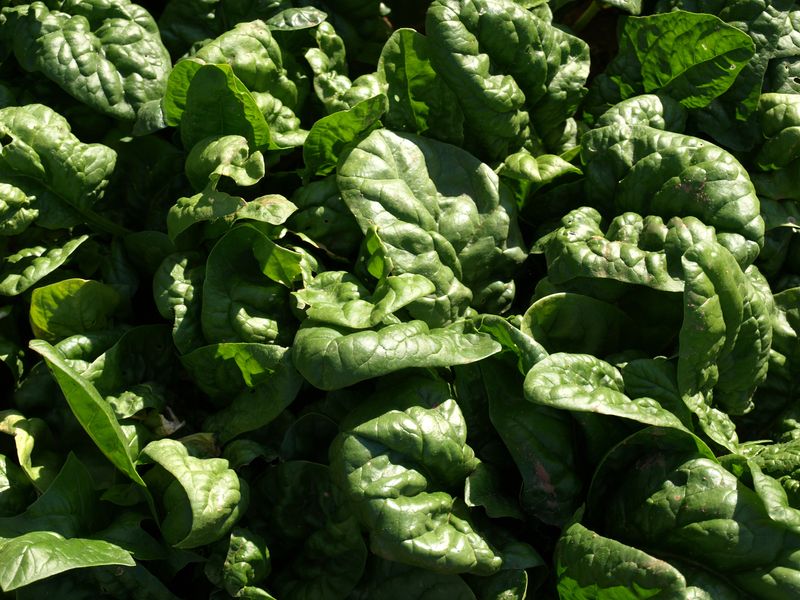
Spinach has a reputation for being one of the toughest cool-season crops around, and gardeners in the Coastal Plain and Piedmont can take full advantage of that toughness by planting early in March.
This leafy green can handle light frost without flinching, making it one of the earliest vegetables you can get into the ground each year.
Soil temperatures as low as 35 to 40 degrees Fahrenheit are enough to trigger germination, though sprouts appear faster when temps hover around 50 to 60 degrees.
Direct sow spinach seeds about half an inch deep in rows spaced roughly 12 inches apart. Thin seedlings to about 3 to 4 inches apart once they reach an inch or two tall so each plant has room to spread its leaves fully.
Spinach grows best in rich, well-draining soil with plenty of nitrogen, so working compost into your bed before planting makes a noticeable difference in leaf size and color.
Savoy types with crinkled leaves tend to have excellent cold tolerance, while flat-leaf varieties are easier to clean and great for cooking.
Plan to harvest before temperatures consistently reach the upper 70s, because spinach bolts quickly in heat, sending up a flower stalk and turning bitter.
Early March planting in the Piedmont and Coastal Plain typically gives you a harvest window from late March through May, which is plenty of time to enjoy multiple pickings of this nutritious green from your own backyard.
5. Peas Coastal Plain And Piedmont Early March Planting
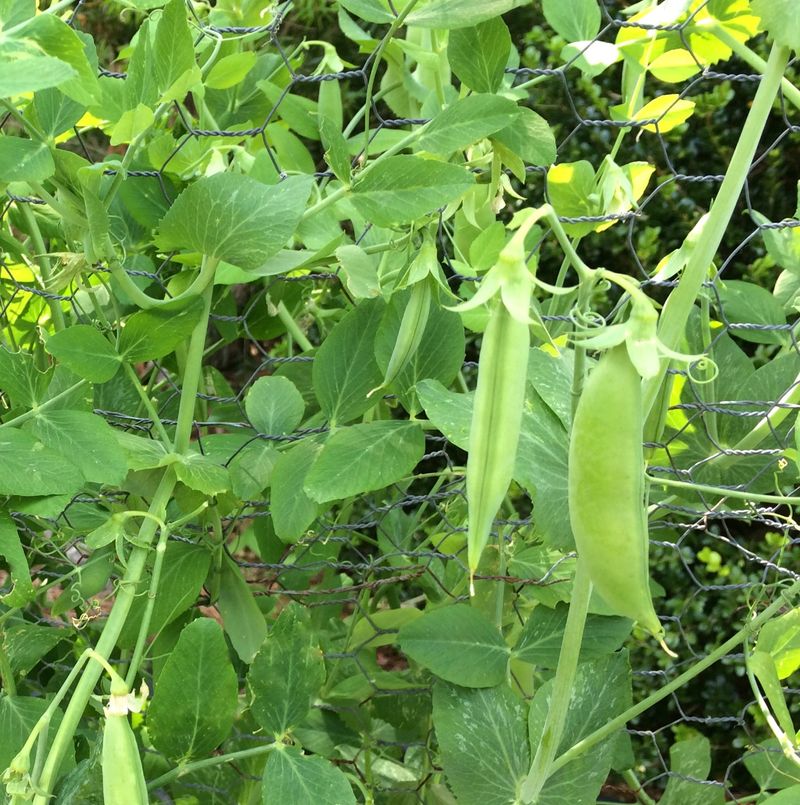
There is something almost magical about watching pea vines climb a trellis on a cool spring morning, and early March is when that magic begins for Coastal Plain and Piedmont gardeners.
Peas are a textbook cool-season crop that actually need cooler temperatures to thrive, preferring soil temps between 45 and 70 degrees Fahrenheit for best germination.
Planting too late means summer heat arrives before pods fill out, so getting seeds in the ground early is key.
Sow pea seeds directly into the garden about one inch deep and two to three inches apart in rows or along a trellis. They do not need to be started indoors since they dislike transplanting and actually germinate quite well in cool soil.
Soaking seeds overnight before planting can speed up germination by a day or two, which is a handy trick when you are eager to see sprouts.
Sugar snap peas are a fantastic choice for beginners and families since the whole pod is edible and incredibly sweet right off the vine. English shell peas and snow peas are also excellent options depending on how you plan to use your harvest.
Provide support early with a simple trellis, fence, or bamboo stakes since most varieties climb to two or three feet tall.
In the Coastal Plain, peas planted in early March can be ready to harvest by late April or early May, making them one of the most satisfying and productive early spring crops in the North Carolina garden.
6. Carrots Coastal Plain And Piedmont Direct Sow In March
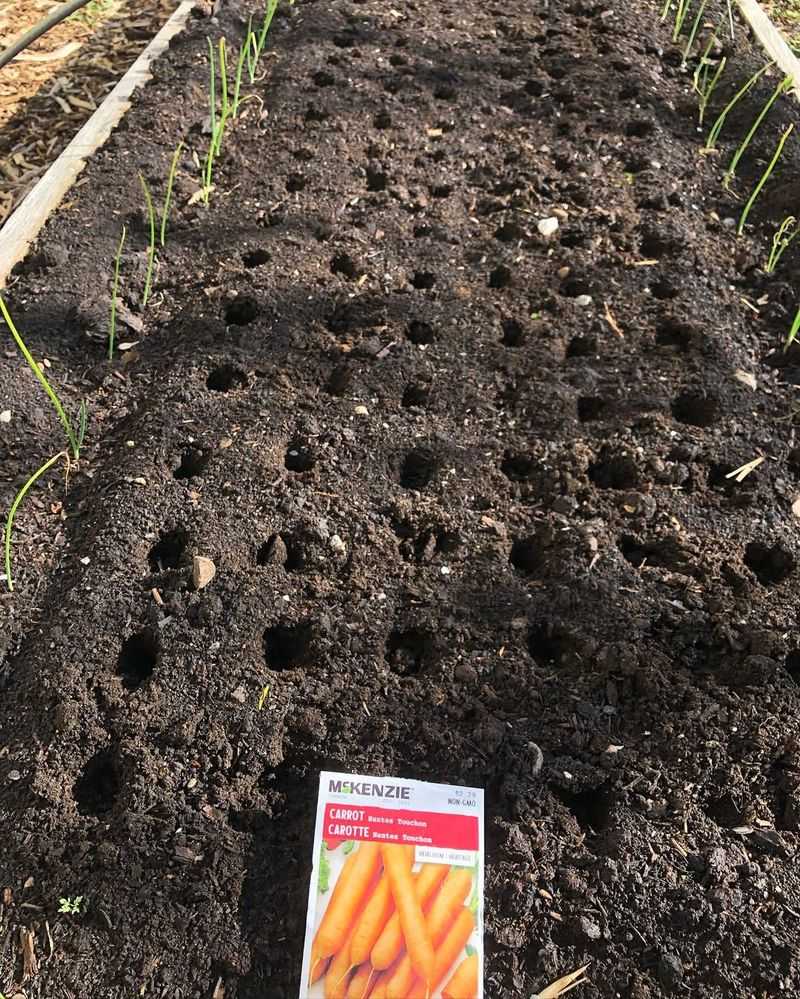
Carrots are one of those vegetables that seem simple but reward gardeners who pay attention to the details.
March is the right time to direct sow carrot seeds in the Coastal Plain and Piedmont, where soil temperatures begin climbing into the 50-degree range that carrots need for reliable sprouting.
The cool spring weather that follows is actually ideal for root development, since carrots grow sweeter and more tender when temperatures stay mild.
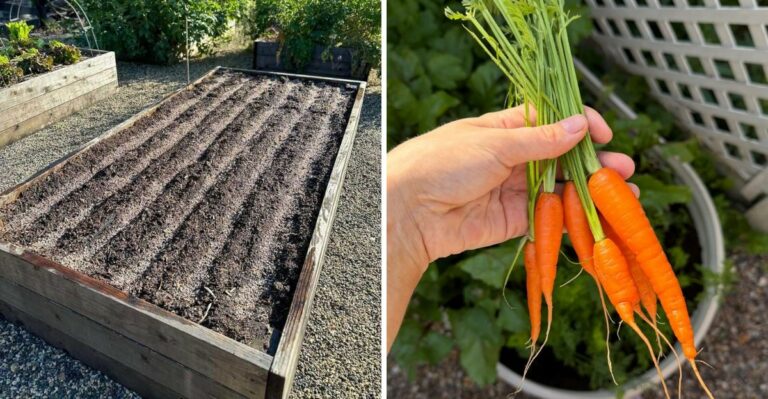
Carrot seeds are tiny, so mixing them with a little sand before sowing makes it easier to spread them evenly across the row. Sow seeds about a quarter inch deep in loose, deeply tilled soil that is free of rocks and clumps, since obstructions cause roots to fork or twist.
Thin seedlings to about two to three inches apart once they reach an inch tall, because crowded carrots produce small, misshapen roots no matter how good the soil is.
Raised beds and loose sandy loam soils common in the Coastal Plain are especially well-suited to carrot growing since roots can penetrate deeply without resistance.
In heavier Piedmont clay soils, amending with compost and choosing shorter varieties like Chantenay or Danvers types helps a lot.
Carrots take 70 to 80 days to mature depending on the variety, so March-planted seeds will typically be ready to pull in late May or June. Keep the soil consistently moist during germination since drying out even once can dramatically reduce sprouting success.
7. Radishes All Regions Early Spring Planting
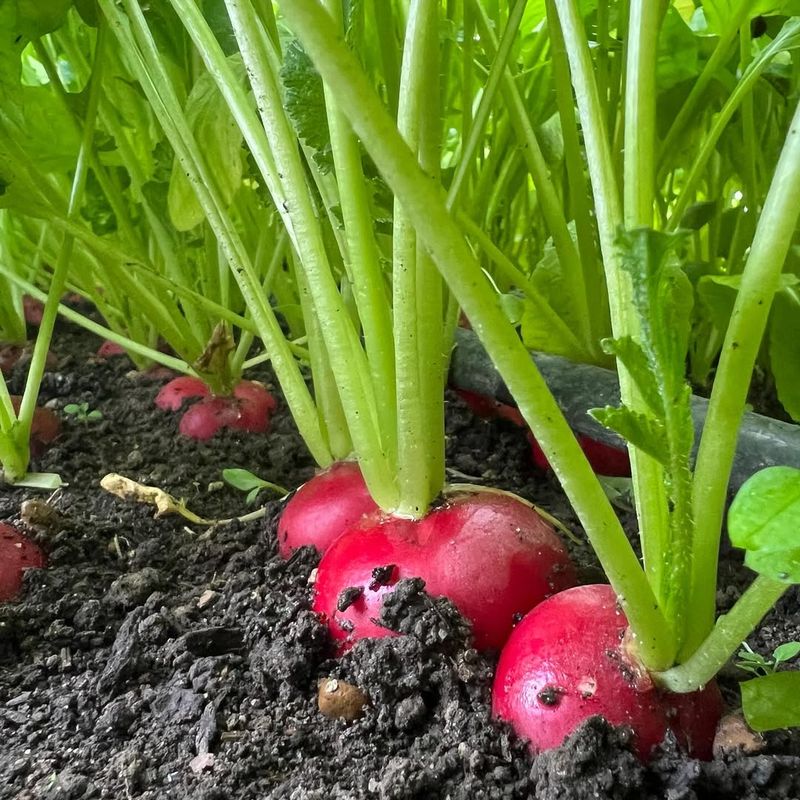
If you have ever wanted near-instant gardening gratification, radishes are your answer.
These speedy little root vegetables are ready to harvest in as few as 22 to 30 days from planting, and they can go into the ground across all of North Carolina in March, including the cooler mountain regions where other crops still need to wait.
Their remarkable cold tolerance means they can handle light frosts without any protection, making them one of the most carefree early spring crops around.
Direct sow radish seeds about half an inch deep and one inch apart in rows spaced six to eight inches apart. Thin them to about two inches once sprouts appear so each root has space to size up properly.
Radishes actually prefer cool weather, and the mild March temperatures found across North Carolina are about as perfect as it gets for producing crisp, mild-flavored roots.
Cherry Belle and French Breakfast are two popular varieties that perform consistently well in spring gardens and mature quickly.
Avoid planting radishes in heavy shade since they need full sun to develop properly, and make sure soil drains well to prevent roots from cracking or rotting.
One clever trick is to use radishes as row markers for slower-germinating crops like carrots. You harvest the radishes just as the carrots are starting to need the space.
Succession planting every two weeks through early April keeps a steady supply coming before summer heat makes roots pithy and sharp-tasting.
8. Kale All Regions Cold Hardy March Crop
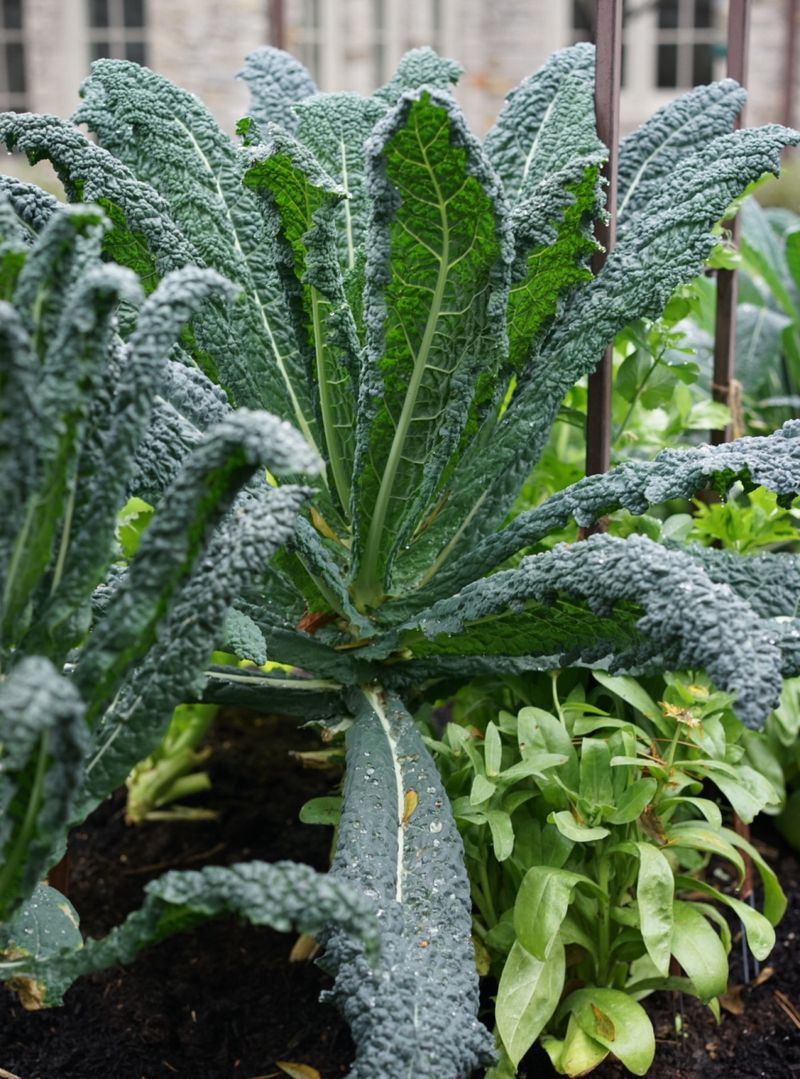
Kale is genuinely one of the toughest vegetables you can grow, and March is an outstanding time to get it in the ground across every region of North Carolina, from the Coastal Plain straight up into the mountains.
Unlike many other crops that need warm soil and warm nights, kale actually tastes better after exposure to frost.
Cold temperatures trigger the plant to convert stored starches into sugars, producing leaves that are noticeably sweeter and more flavorful than summer-grown kale.
You can direct sow kale seeds or transplant starts in March with equal success. Seeds germinate in soil temperatures as low as 45 degrees Fahrenheit, though they sprout faster when temps reach 60 to 65 degrees.
Space plants or thin seedlings to 12 to 18 inches apart so each plant has room to develop its full, bushy form and maximum leaf production.
Curly kale varieties like Winterbor are extremely hardy and productive, while Lacinato, also called dinosaur kale, has a more tender texture that many cooks prefer for salads and sauteing. Both handle North Carolina’s unpredictable spring weather with ease.
Kale grows well in average garden soil but really thrives when you work in compost before planting to boost nitrogen levels.
Mountain gardeners who deal with late frosts through April will appreciate that established kale plants shrug off temperatures down to the mid-20s Fahrenheit without missing a beat, making it one of the most reliable early season crops across the entire state.
9. Onions All Regions Early Spring Planting
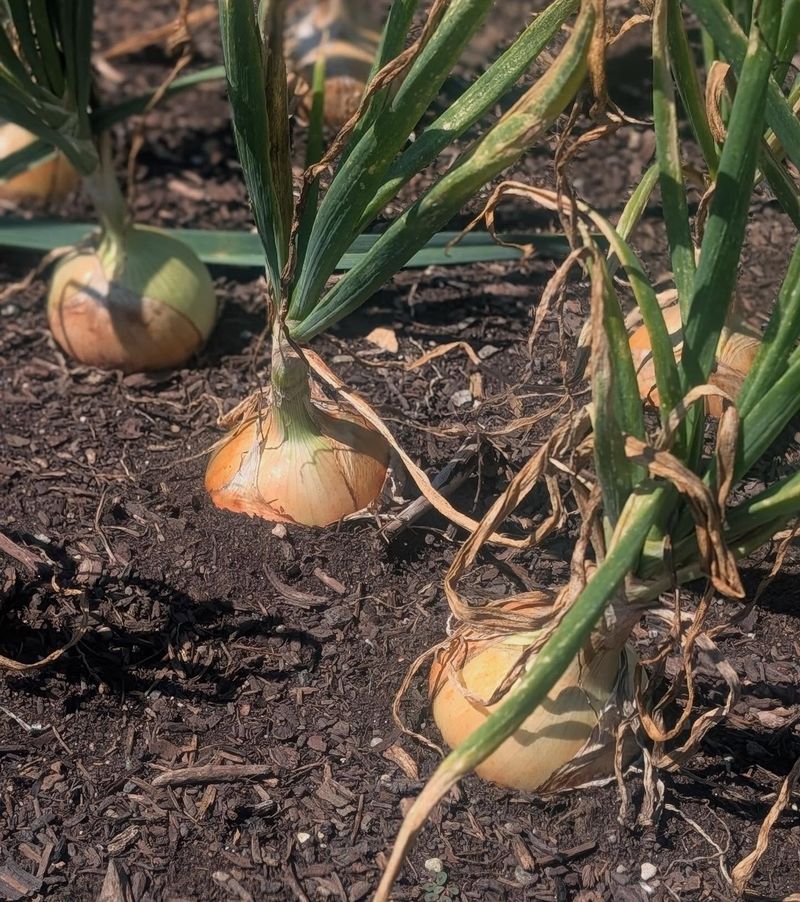
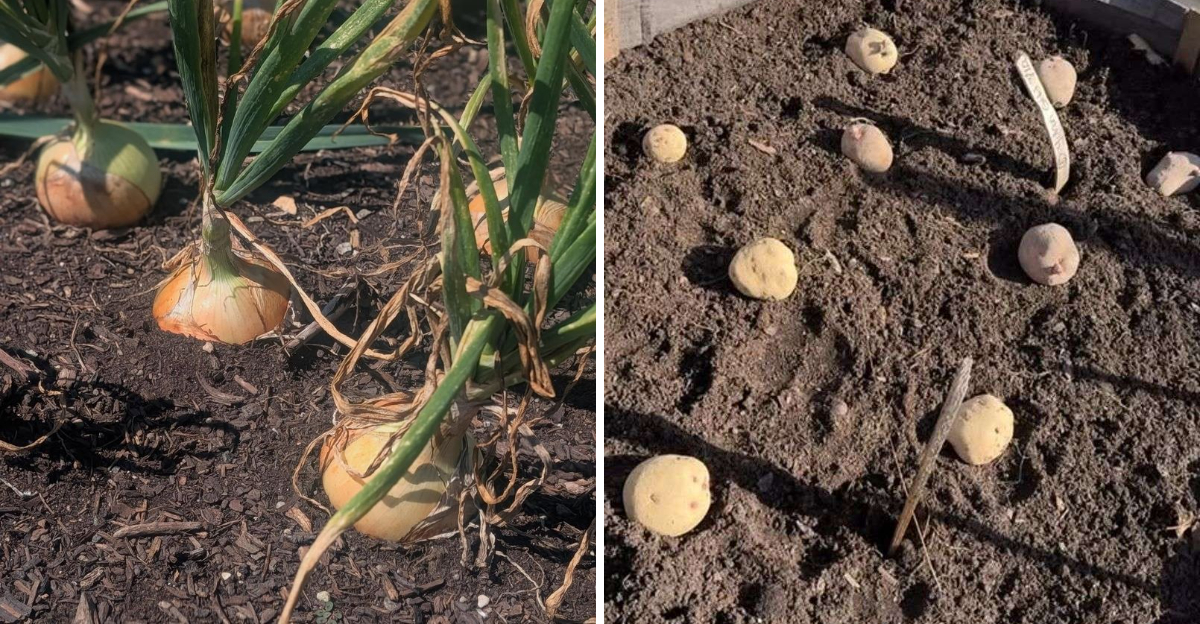
Onions are one of those foundational garden crops that belong in every North Carolina garden, and early March is the window when sets and transplants can go in the ground across all three regions of the state.
Whether you are in the Coastal Plain, the Piedmont, or the mountains, onions tolerate cold soil and light frosts well, making them perfectly suited for early spring planting before many other crops are even close to ready.
Onion sets, which are small dry bulbs, are the easiest way to get started since they establish quickly and are widely available at garden centers in late winter and early spring.
Push each set about one inch deep with the pointed end facing up, spacing them four to six inches apart in rows about a foot apart.
Transplants grown from seed indoors also work beautifully and give you access to a wider variety selection than sets typically offer.
Short-day varieties like Candy or Yellow Granex perform best in the Coastal Plain and Piedmont where they receive the right day length to trigger bulb formation. Long-day varieties are better suited to the mountains where summer days are longer.
Consistent moisture and good nitrogen levels are the two biggest factors in growing large, flavorful onions, so water regularly and side-dress with a balanced fertilizer about four weeks after planting.
March-planted onions are typically ready to harvest by June or July when their tops begin to fall over naturally, signaling the bulbs have reached full size.
10. Potatoes Piedmont And Coastal Plain Mid To Late March Planting
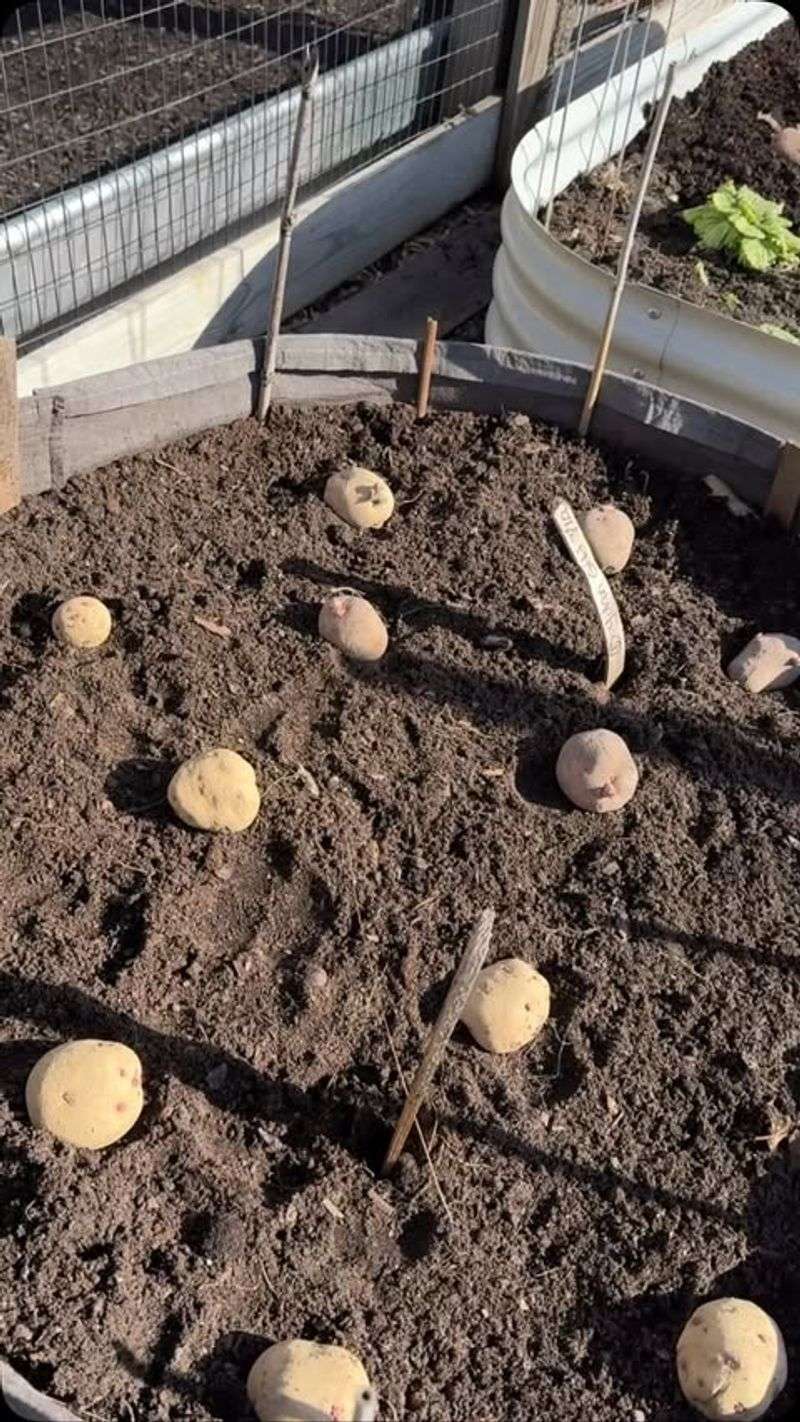
Planting potatoes feels like a genuine gardening milestone, and mid to late March is exactly when Piedmont and Coastal Plain gardeners should be getting their seed potatoes in the ground.
Potatoes prefer cool soil for root development but need frost risk to be moderate rather than severe, which is why late March hits that sweet spot in these two warmer regions of North Carolina.
Soil temperatures between 45 and 55 degrees Fahrenheit are ideal for encouraging strong sprout development from planted seed pieces.
Start with certified seed potatoes from a reputable garden center rather than grocery store potatoes, which are often treated to prevent sprouting.
Cut larger seed potatoes into pieces with at least one or two eyes each, and let the cut surfaces dry for a day or two before planting to reduce the chance of rot.
Plant pieces about four inches deep and 10 to 12 inches apart in rows spaced two to three feet apart.
Hilling is an important step that many first-time potato growers overlook. As plants grow, mound soil up around the stems every few weeks to keep developing tubers covered and prevent greening from sun exposure.
Yukon Gold and Red Pontiac are two varieties that consistently perform well in North Carolina’s spring conditions. Coastal Plain gardeners often see earlier harvests due to warmer temperatures, sometimes pulling new potatoes by late May or early June.
The Piedmont typically follows a few weeks behind, giving gardeners there a June harvest to look forward to.