15 Plants To Grow After The Last Frost In North Carolina’s Coastal Plain
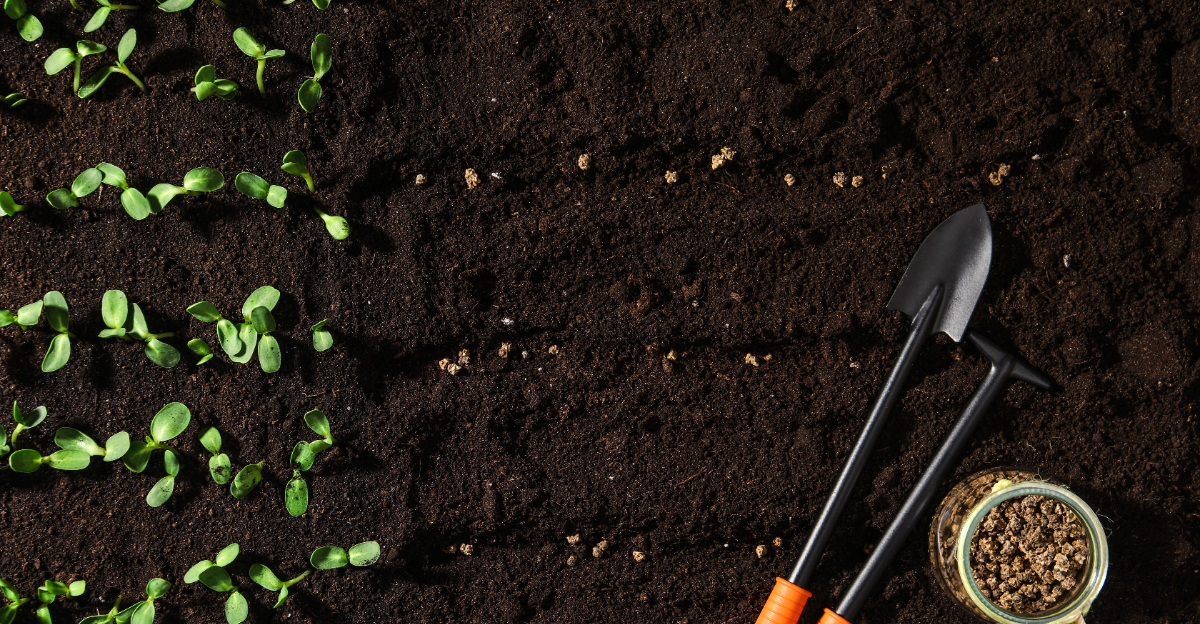
In the Coastal Plain of North Carolina, spring does not tiptoe in, it surges forward with warmth, sunshine, and the promise of rapid growth.
Once the final frost date passes, gardens across eastern North Carolina shift into high gear, ready to burst with fresh vegetables, vibrant blooms, and steady new growth.
The region’s long, warm growing season gives gardeners a valuable advantage, allowing plenty of time for heat loving crops and colorful annuals to thrive.
Taking full advantage of this window means choosing the right plants at the right moment, when soil temperatures are ideal and frost risk has faded.
Smart timing encourages stronger roots, faster establishment, and more abundant harvests as the season progresses.
Whether you are filling raised beds with food or designing eye catching flower borders, thoughtful planting decisions set the tone for months of success.
With the right selections, your Coastal Plain garden can flourish beautifully from spring straight through summer.
1. Tomatoes Thrive Once Soil Temperatures Warm
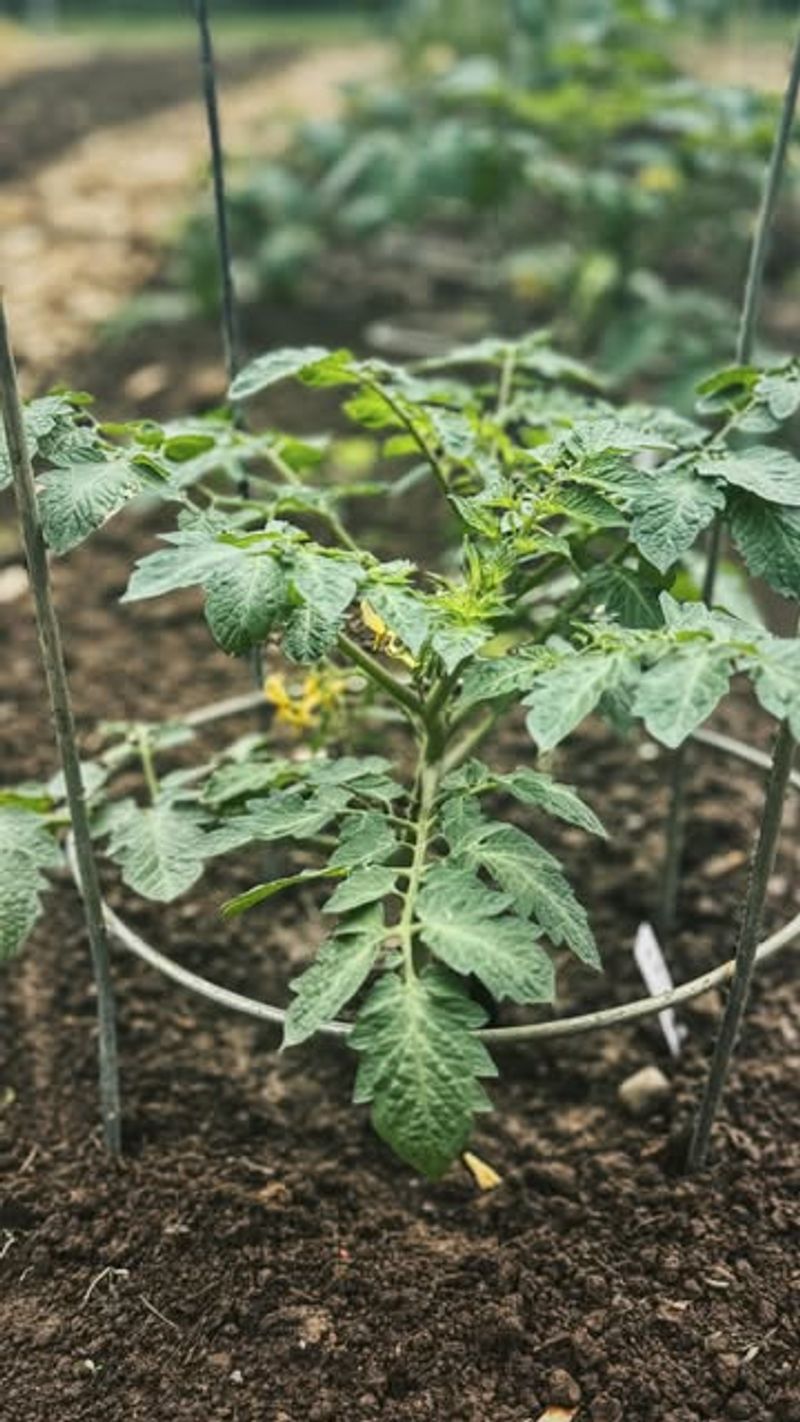
Few garden moments feel more rewarding than pulling a sun-warmed tomato straight off the vine you planted yourself.
In North Carolina’s Coastal Plain, tomatoes should only go into the ground after frost risk has completely passed and nighttime temperatures stay consistently above 50 degrees Fahrenheit.
Transplanting too early stresses young plants and slows their development significantly.
The average last frost date for most of the Coastal Plain falls between late March and mid-April, depending on your exact location. Soil temperature matters just as much as air temperature here.
Tomatoes prefer soil that has warmed to at least 60 degrees Fahrenheit before transplanting, so using a simple soil thermometer takes out all the guesswork.
Choose disease-resistant varieties like Celebrity, Better Boy, or Mountain Fresh Plus, which perform especially well in the humid coastal climate. Space plants about 24 to 36 inches apart and stake or cage them early before roots get established.
Adding a thick layer of mulch around each plant conserves moisture, regulates soil temperature, and keeps weeds from competing for nutrients. Water consistently and deeply rather than with shallow, frequent sprinkles.
Tomatoes reward steady care with heavy, flavorful harvests that can last well into the fall season if managed properly.
2. Peppers Need Warm Nights Before Planting Outdoors
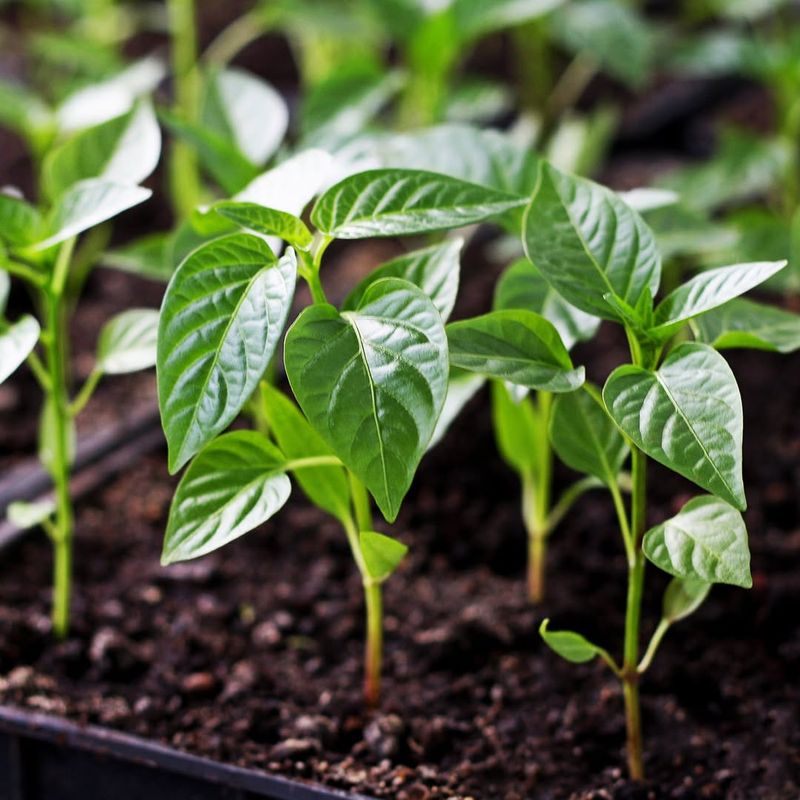
Peppers are one of those crops that absolutely refuse to cooperate unless conditions are truly warm. In eastern North Carolina, pepper transplants should only go outside after the last frost has passed and nighttime lows are reliably staying above 55 degrees Fahrenheit.
Cold soil and chilly nights cause peppers to stall, turn yellow, and produce poorly even when they technically survive.
Starting seeds indoors about eight to ten weeks before your expected transplant date gives plants a strong head start. Coastal Plain gardeners typically aim to transplant between late April and mid-May, once both soil and air temperatures have stabilized at warm levels.
Raised beds warm up faster than in-ground plots, making them a smart choice for getting peppers off to a quicker start.
Bell peppers, banana peppers, and hot varieties like cayenne and jalapeno all perform well in the coastal region’s long warm season. Space transplants about 18 inches apart in well-draining, fertile soil with a slightly acidic pH between 6.0 and 6.8.
Your North Carolina Garden Changes Every Week. Your Plan Should Too.
Gardening in North Carolina changes quickly throughout the season. Every Friday you’ll receive a simple weekly plan showing exactly what to plant, prune, fertilize, harvest, and protect so you never miss the right timing.
Consistent watering is key because peppers drop blossoms when they experience drought stress. Side-dressing with a balanced fertilizer about four weeks after transplanting encourages strong stem growth and better fruit set.
Mulching around the base of plants helps retain moisture and keeps soil temperatures stable through the hottest summer months.
3. Eggplant Requires Consistent Warm Weather
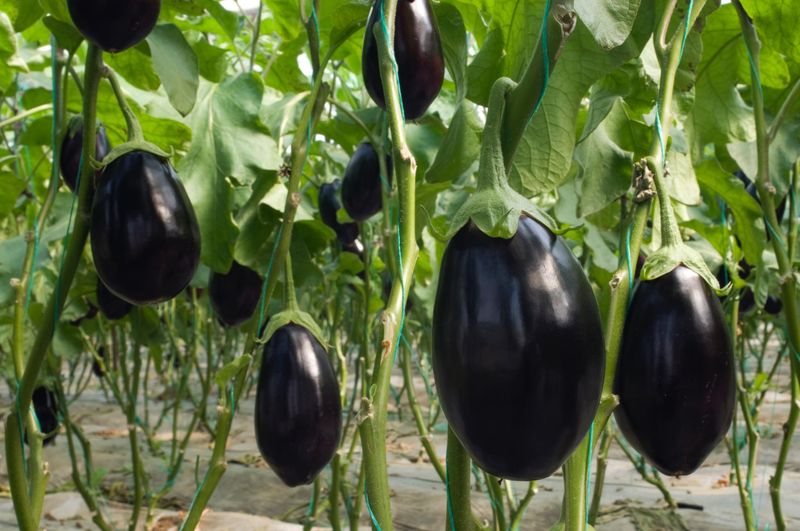
Eggplant is one of the most heat-loving vegetables you can grow, and it absolutely thrives in the long, warm summers of North Carolina’s Coastal Plain.
Planting should happen only after all frost risk has passed and soil temperatures have reached at least 60 degrees Fahrenheit.
Cold soil causes eggplant roots to struggle, leading to stunted growth and minimal fruit production no matter how well you fertilize.
Start eggplant seeds indoors about eight to ten weeks before your planned transplant date. In the Coastal Plain, that usually means transplanting outdoors sometime in late April or early May.
Hardening off your seedlings over a period of seven to ten days before moving them outside permanently helps them adjust to outdoor temperature swings and direct sunlight without going into shock.
Popular varieties for this region include Black Beauty, Ichiban, and Florida Market, all of which handle heat and humidity well. Plant them about 18 to 24 inches apart in rich, well-draining soil that receives full sun for most of the day.
Eggplant is a heavy feeder, so working compost into the bed before planting and following up with a balanced fertilizer every few weeks keeps production strong. Consistent moisture is equally important because uneven watering leads to bitter fruit and blossom drop.
Mulching generously around each plant helps maintain soil moisture and keeps temperatures steady through the hottest stretches of summer.
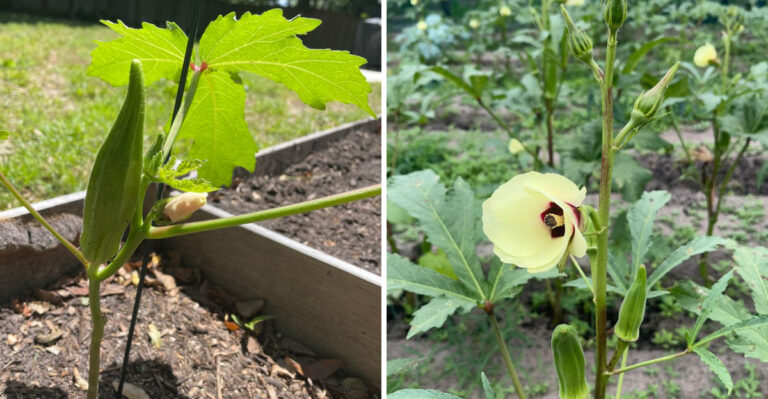
4. Okra Grows Best In Warm Coastal Plain Soil
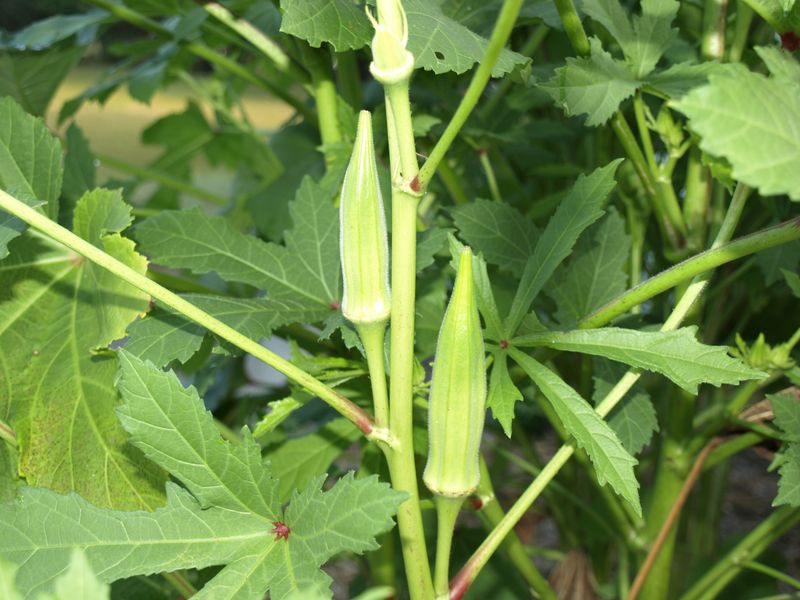
Okra was practically made for the Coastal Plain. This heat-tolerant crop thrives in exactly the kind of hot, humid conditions that make eastern North Carolina summers so intense.
Planting okra before soil temperatures reach at least 65 degrees Fahrenheit is a common mistake that leads to poor germination, rotting seeds, and weak seedlings that struggle all season long.
Direct sowing is usually the preferred method for okra because it does not transplant well due to its sensitive taproot. In the Coastal Plain, direct sowing typically happens from late April through May, once both soil and air have warmed reliably.
Soaking seeds overnight in water before planting can improve germination rates noticeably, especially in slightly cooler spring soils.
Clemson Spineless is the most widely grown variety in the Southeast and performs beautifully in this region. Plant seeds about an inch deep and thin seedlings to stand 12 to 18 inches apart once they reach a few inches tall.
Okra grows quickly in warm weather, often reaching five to six feet in height by midsummer. Harvest pods when they are two to four inches long for the most tender texture.
Leaving pods on the plant too long causes them to become tough and fibrous. Adding a side dressing of nitrogen fertilizer about six weeks after planting keeps plants productive and encourages continuous pod development throughout the growing season.
5. Sweet Potatoes Should Be Planted After Frost Risk Ends
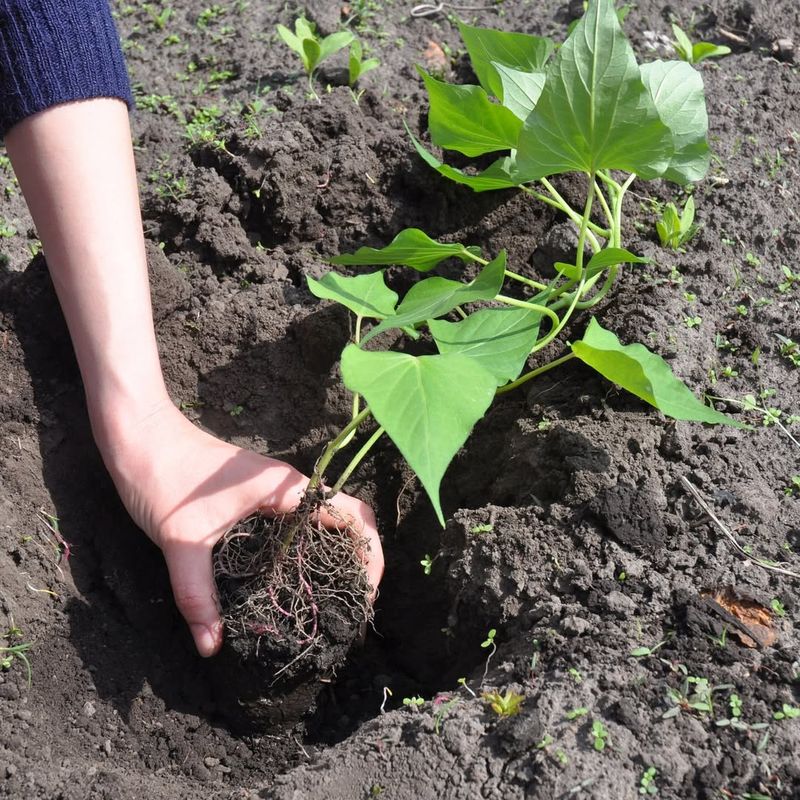
Sweet potatoes have been a staple crop in eastern North Carolina for generations, and it is easy to understand why.
The sandy loam soils of the Coastal Plain are nearly perfect for growing them, and the long warm season gives tubers plenty of time to develop their signature sweetness.
Sweet potato slips, which are young rooted cuttings rather than seeds, should only go into the ground after all frost danger has passed and soil temperatures have reached at least 65 degrees Fahrenheit.
In the Coastal Plain, planting typically begins in early to mid-May and can continue through June for a fall harvest. Slips planted in cold soil root poorly and become vulnerable to soil diseases that thrive in wet, cool conditions.
Raised rows or beds improve drainage and help soil warm faster, giving slips a better start right from the beginning.
Beauregard is one of the most popular and reliable varieties for this region, offering excellent disease resistance and consistent yields. Space slips about 12 to 18 inches apart in rows set three feet wide to give vines room to spread.
Sweet potatoes are relatively low-maintenance once established, but they do benefit from consistent moisture during the first few weeks after planting while roots are forming.
Avoid over-fertilizing with nitrogen, as this encourages lush vine growth at the expense of tuber development. Harvest typically begins about 90 to 120 days after planting.
6. Cucumbers Prefer Warm Soil And Frost Free Conditions
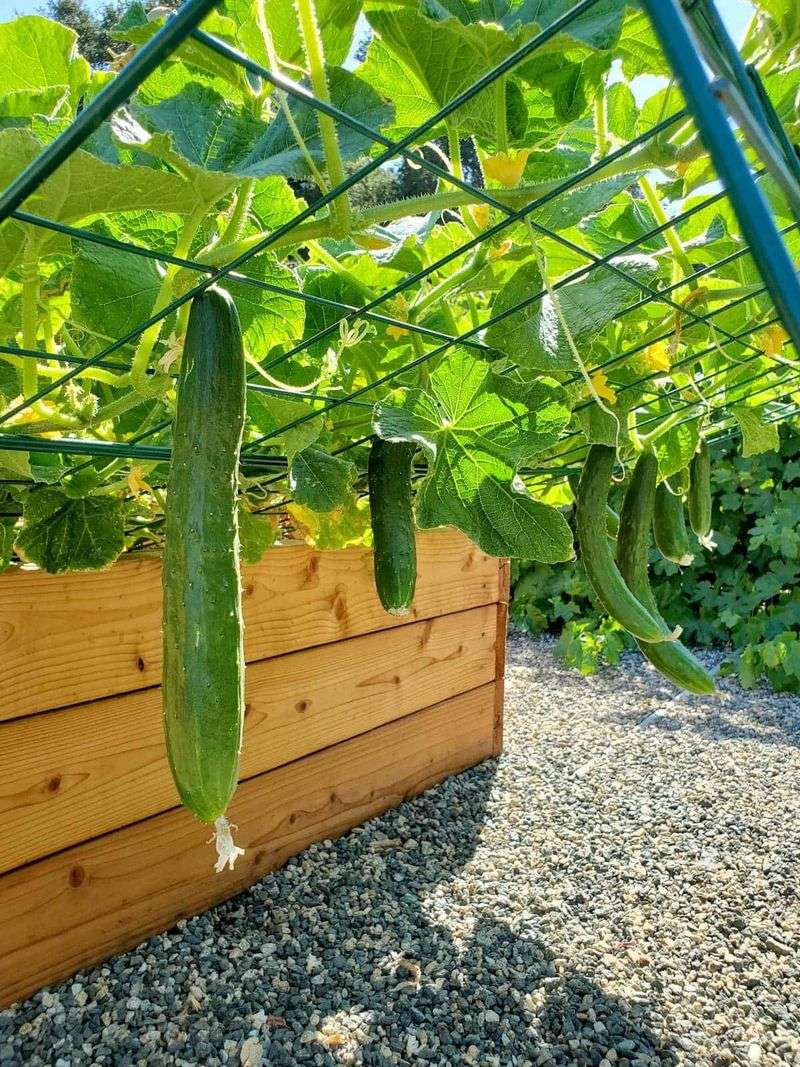
Cucumbers grow fast, produce generously, and reward patient gardeners who wait for truly warm conditions before planting. Even a light frost can wipe out young cucumber seedlings overnight, so waiting until all frost risk has passed is non-negotiable in the Coastal Plain.
Soil temperatures should be at least 60 degrees Fahrenheit, though cucumbers germinate and grow most vigorously when soil sits closer to 70 degrees.
In eastern North Carolina, most gardeners direct sow cucumber seeds or transplant seedlings between mid-April and mid-May. Direct sowing is often preferred because cucumbers develop taproots that do not always respond well to transplanting.
If starting indoors, use biodegradable pots that can go directly into the ground to minimize root disturbance during the planting process.
Straight Eight, Marketmore 76, and Bush Pickle are all reliable varieties that handle the Coastal Plain climate well. Plant seeds about one inch deep and thin to stand 12 inches apart in rows, or train vines up a trellis to save space and improve air circulation.
Good airflow is especially important in humid coastal conditions where powdery mildew and downy mildew can become problems quickly.
Consistent watering is critical because cucumbers are about 96 percent water and need steady moisture to produce crisp, flavorful fruit.
Mulching around plants retains soil moisture and prevents soil-borne disease from splashing up onto leaves during heavy summer rains.
7. Squash And Zucchini Grow Quickly After Frost
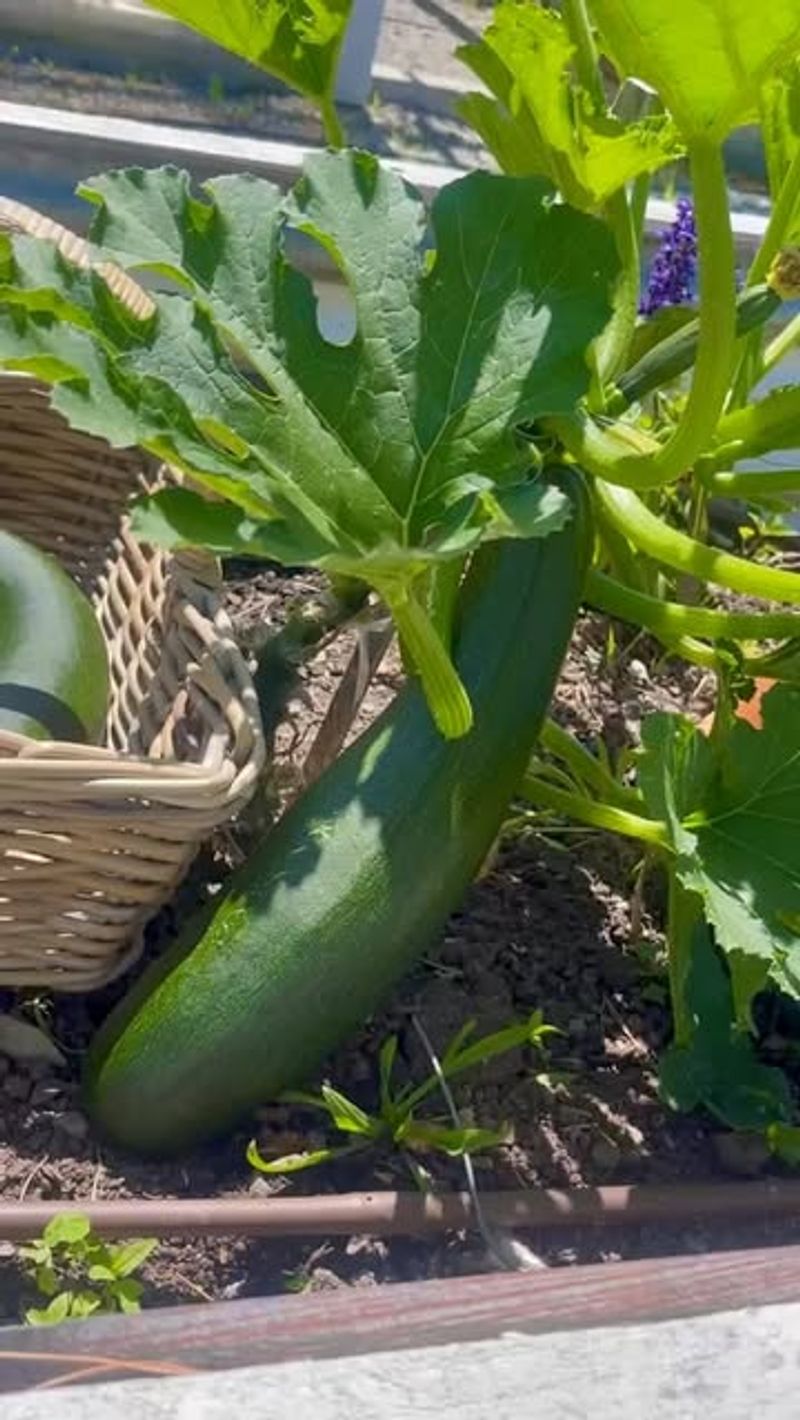
If there is one crop that makes new gardeners feel like pros right away, it is summer squash. Zucchini and yellow squash grow at an almost surprising pace once warm weather arrives, and the Coastal Plain’s long season gives them every advantage.
Both crops are frost sensitive and should be direct sown or transplanted only after frost risk has completely ended and soil temperatures are at least 60 degrees Fahrenheit.
In the Coastal Plain, planting usually begins in mid-April and continues into May for a succession of harvests throughout summer.
Starting seeds indoors two to three weeks before transplanting gives plants a slight head start, though direct sowing works extremely well given how quickly these crops germinate in warm soil.
Squash does not love being transplanted, so handle roots gently if starting indoors. Black Beauty zucchini and Yellow Crookneck squash are popular choices that perform well in eastern North Carolina’s warm, humid conditions.
Space plants or hills about two to three feet apart and give them full sun exposure for the best production.
Squash are heavy feeders and benefit from compost-enriched soil before planting and a balanced fertilizer applied every few weeks during the growing season. Harvest zucchini and squash when fruits are six to eight inches long for the best flavor and texture.
Leaving fruit on the vine too long quickly reduces plant productivity and leads to oversized, seedy vegetables that lose their appeal.
8. Beans Should Be Direct Sown After Soil Warms
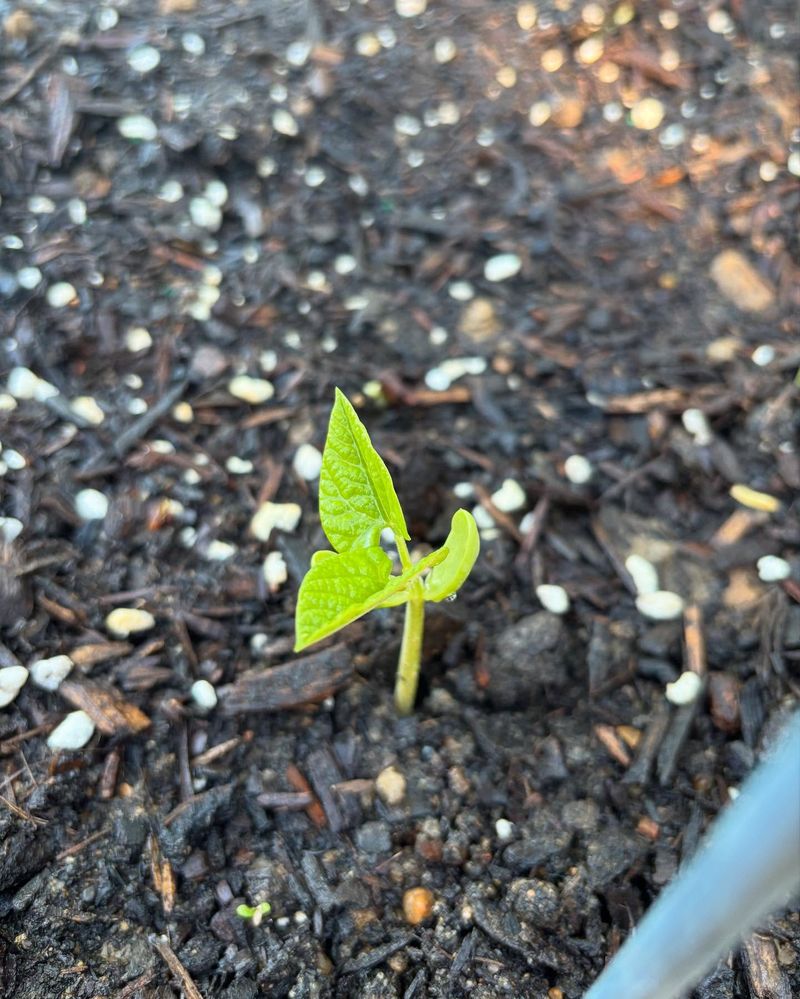
Beans are one of the simplest and most satisfying crops you can grow, and they absolutely love the warm conditions of the Coastal Plain after the last frost. Both bush beans and pole beans require soil temperatures of at least 60 degrees Fahrenheit to germinate reliably.
Planting in cold soil leads to poor germination rates, rotting seeds, and weak seedlings that struggle to establish themselves before summer heat peaks.
Direct sowing is strongly recommended because beans develop a taproot early and do not transplant well at all. In eastern North Carolina, direct sowing typically begins in mid-April and can continue through late July for multiple harvests across the season.
Staggering plantings every two to three weeks is a smart strategy that keeps fresh beans coming to the table rather than producing one overwhelming harvest all at once.
Contender, Provider, and Blue Lake are excellent bush bean varieties for this region, while Kentucky Wonder and Rattlesnake Pole Bean perform strongly as climbing types. Plant seeds about one inch deep and two to four inches apart in rows spaced 18 to 24 inches apart.
Beans fix nitrogen in the soil through a natural process involving root bacteria, making them a beneficial crop for overall garden health. They prefer well-draining soil and steady moisture, especially during flowering and pod development.
Avoid overhead watering when possible to reduce the risk of fungal diseases that spread quickly in humid coastal conditions.
9. Corn Germinates Best In Warm Spring Soil
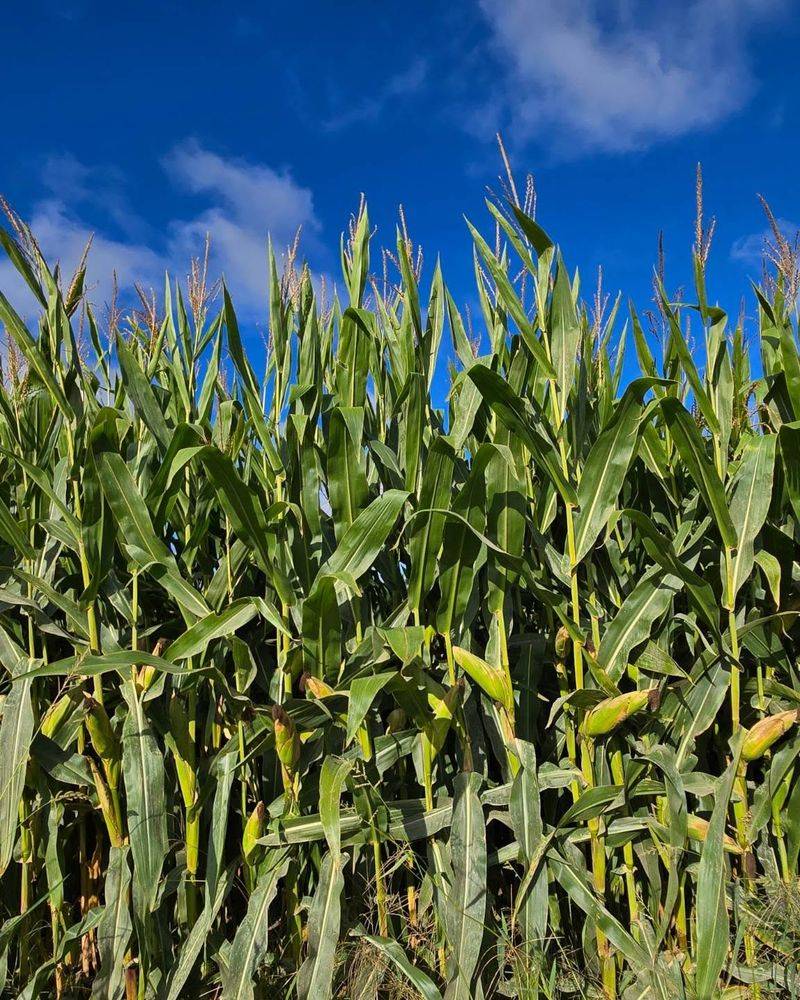
There is something almost magical about watching rows of corn push up through warm earth and stretch toward the sky.
Sweet corn is a warm-season crop that needs soil temperatures of at least 60 degrees Fahrenheit to germinate properly, with ideal germination happening closer to 65 to 85 degrees.
Planting corn in cold soil leads to slow, uneven germination and makes seedlings more vulnerable to soil-borne fungal diseases.
In North Carolina’s Coastal Plain, corn planting typically begins in mid-April after the last frost has passed. Because corn is wind-pollinated, it should be planted in blocks of at least four rows rather than single long rows to ensure good kernel development on every ear.
Thin plantings or isolated rows often produce poorly filled ears because pollen does not distribute evenly across all the silks.
Silver Queen, Incredible, and Honey Select are popular sweet corn varieties that perform well in the long, warm Coastal Plain season. Space seeds about eight to twelve inches apart in rows set 30 to 36 inches wide.
Corn is a heavy nitrogen feeder and benefits from a pre-plant application of compost or fertilizer followed by a side dressing of nitrogen when plants are about 12 inches tall. Consistent moisture is especially critical during pollination and ear fill.
Mulching between rows helps conserve soil moisture and reduces the amount of hand weeding needed throughout the growing season.
10. Basil Cannot Tolerate Frost At All
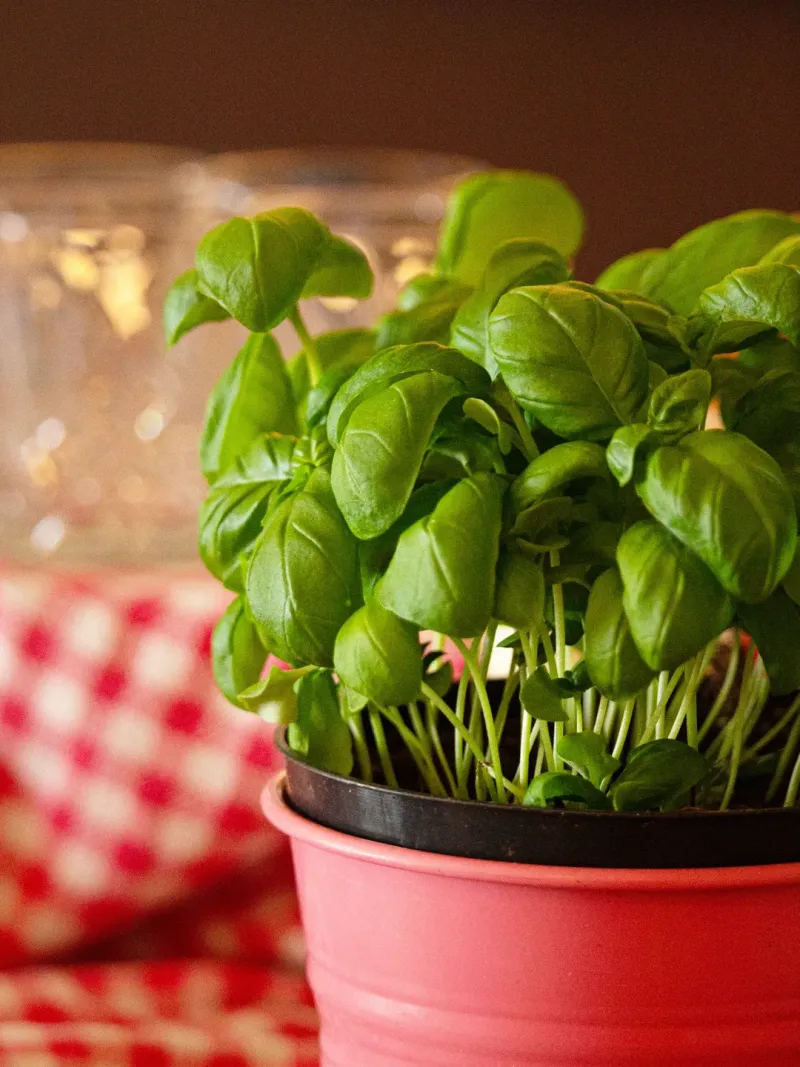
Basil is one of the most fragrant and beloved herbs in any summer garden, but it has absolutely no tolerance for cold temperatures.
Even a light frost will blacken basil leaves overnight, and prolonged exposure to temperatures below 50 degrees Fahrenheit causes chilling injury that stunts growth and ruins flavor.
In North Carolina’s Coastal Plain, basil should only go outdoors after all frost risk has passed and nights are staying comfortably warm.
Most Coastal Plain gardeners transplant basil outdoors in late April or early May when conditions are reliably warm both day and night. Starting seeds indoors four to six weeks before transplanting gives plants a strong head start.
Basil seedlings prefer bright, warm conditions indoors and should be hardened off gradually over about a week before moving outside permanently.
Genovese basil is the classic choice for cooking and grows vigorously in the warm coastal climate, while Thai basil and lemon basil offer interesting flavor variations for adventurous gardeners. Plant basil in full sun in well-draining, fertile soil with a pH between 6.0 and 7.0.
Pinching off flower buds as soon as they appear keeps plants bushy and productive rather than allowing them to bolt and lose their flavor. Water at the base of plants rather than overhead to prevent fungal leaf diseases.
Basil planted near tomatoes is said to improve flavor and repel certain garden pests naturally.
11. Watermelon Needs Warm Nights To Thrive
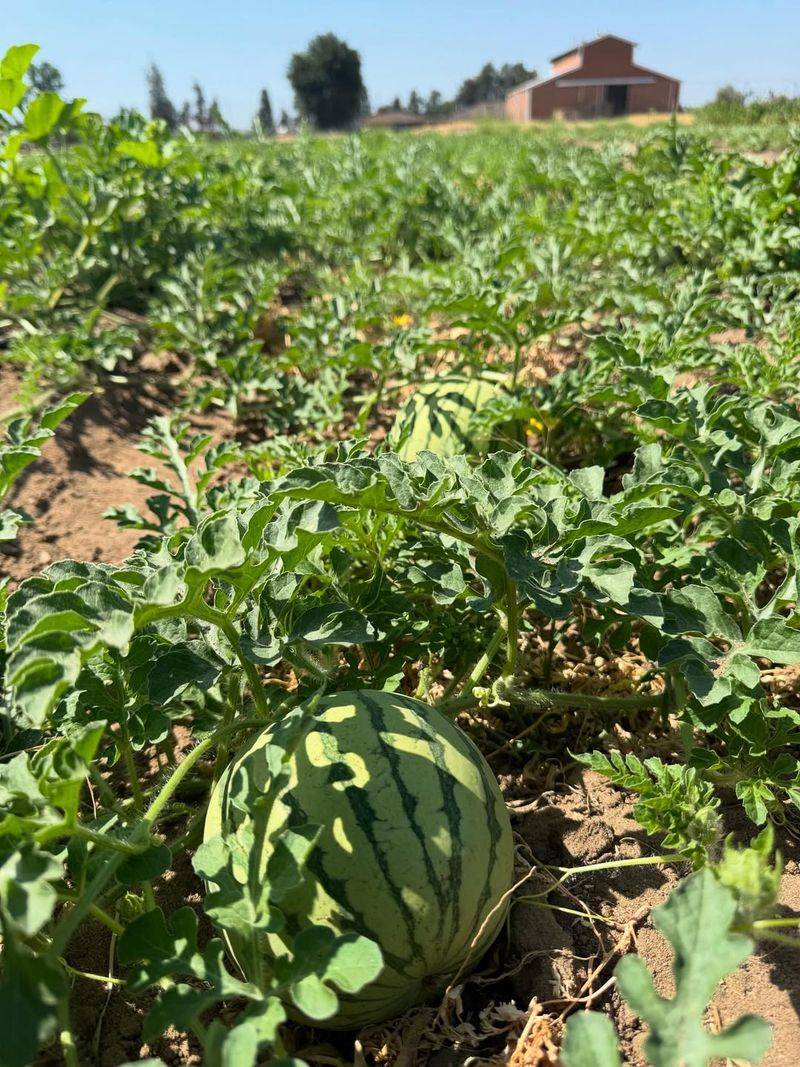
Nothing says summer in eastern North Carolina quite like a cold, sweet slice of homegrown watermelon. Growing your own is entirely achievable in the Coastal Plain, where the long, hot season and sandy soils create nearly perfect conditions for melon production.
Watermelon is frost sensitive at every stage of growth and should only be planted after all frost danger has passed and soil temperatures have reached at least 65 degrees Fahrenheit.
In the Coastal Plain, transplanting or direct sowing watermelon typically happens from late April through mid-May.
Starting seeds indoors two to three weeks before transplanting gives plants a head start, but watermelon roots are sensitive to disturbance, so biodegradable pots work best to minimize transplant shock.
Direct sowing into warm soil is also a reliable option given how quickly seeds germinate in ideal conditions.
Crimson Sweet, Sugar Baby, and Jubilee are popular varieties that perform well in this region, offering different sizes to suit various garden spaces. Watermelon vines spread aggressively, so allow at least six feet between plants and rows to give them room to run freely.
Full sun and well-draining sandy or loamy soil are essential for the best fruit development. Consistent watering during early growth and fruit set is critical, but reducing irrigation as fruits approach maturity helps concentrate sugars and improve sweetness.
Avoid overhead watering to reduce the risk of foliar diseases in the humid coastal environment.
12. Cantaloupe Should Be Planted After Frost Danger Ends
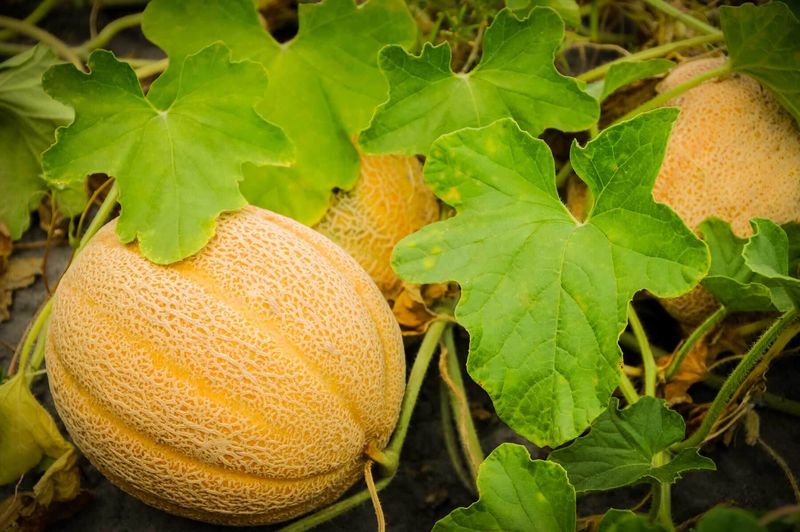
Sweet, fragrant, and loaded with flavor, cantaloupe is a summer treat that grows remarkably well in North Carolina’s Coastal Plain given the right conditions. Melons are heat-loving crops that have zero tolerance for frost at any growth stage.
Cold soil slows germination dramatically and increases the risk of seed rot, so waiting until soil temperatures reach at least 65 degrees Fahrenheit before planting is the right call every time.
Coastal Plain gardeners typically plant cantaloupe between late April and mid-May after the frost-free window has firmly opened. Seeds can be started indoors two to three weeks before transplanting or direct sown into warm, prepared garden beds.
Like watermelon, cantaloupe has sensitive roots, so handle transplants carefully or use biodegradable starting pots to avoid disrupting root development during the planting process.
Hale’s Best Jumbo, Ambrosia, and Athena are excellent cantaloupe varieties for the Southeast, offering strong disease resistance and rich flavor. Space plants or hills about 36 inches apart in rows set five to six feet wide to allow vines to spread naturally.
Cantaloupe thrives in full sun with well-draining, fertile soil that holds some moisture without becoming waterlogged.
Consistent watering through vine growth and early fruit development is important, but cutting back on water as fruits near maturity intensifies sweetness significantly.
Mulching around plants helps maintain even soil moisture and reduces the chances of fruit rot caused by direct soil contact.
13. Marigolds Perform Best After Cold Risk Is Gone
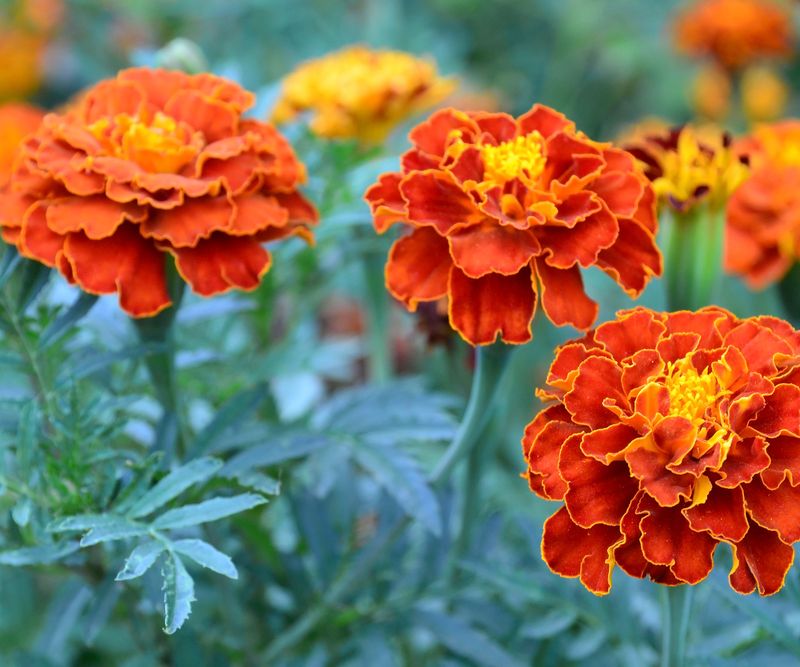
Marigolds bring a burst of orange and gold to any garden, and they do double duty by repelling certain insects that would otherwise bother your vegetables.
These cheerful warm-season annuals are surprisingly cold sensitive and should not be planted outdoors until frost risk has completely passed in eastern North Carolina.
Even a light frost can damage or set back young marigold transplants significantly, so patience pays off here.
In the Coastal Plain, marigolds typically go into the ground from mid-April through May, once nighttime temperatures are reliably staying above 40 degrees Fahrenheit.
Starting seeds indoors four to six weeks before your planned transplant date gives you larger, more established plants that bloom earlier in the season.
Marigolds also grow quickly from direct-sown seed once soil has warmed, making them a flexible option for gardeners who prefer not to start seedlings indoors.
French marigolds, African marigolds, and signet marigolds all perform well in the warm, sunny conditions of the Coastal Plain. Plant in full sun in well-draining soil and space plants about 8 to 12 inches apart depending on the variety size.
Marigolds are relatively drought tolerant once established but perform best with regular watering during dry spells. Deadheading spent blooms encourages continuous flower production from spring through the first cold snap of fall.
Planted along garden borders or between vegetable rows, marigolds add color while naturally discouraging nematodes and aphids from taking hold in your garden soil.
14. Zinnias Thrive In Warm Coastal Conditions
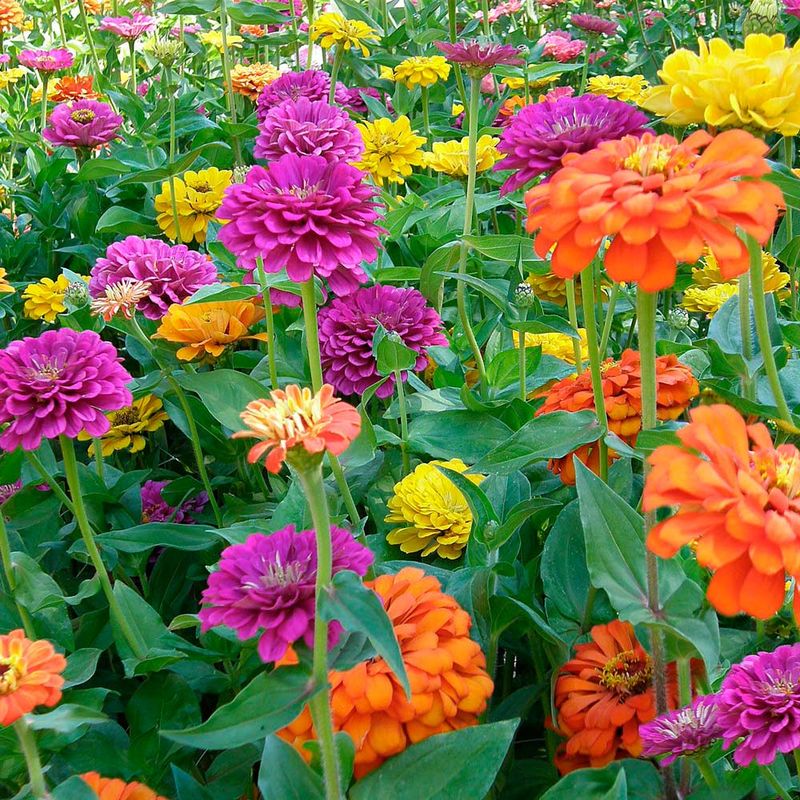
Zinnias are among the most vibrant and rewarding flowers you can grow in a summer garden, and the warm coastal climate of eastern North Carolina suits them perfectly.
These bold, colorful annuals are frost sensitive and should only be planted after the last frost has passed and soil temperatures have risen to at least 60 degrees Fahrenheit.
Planting in cool or cold soil causes poor germination and weak seedling development that slows the entire season.
Direct sowing zinnias into warm, prepared garden beds is the most common and effective approach. In the Coastal Plain, direct sowing typically begins in late April and continues through June for a succession of blooms that keeps the garden colorful all season long.
Zinnias germinate quickly in warm soil, often sprouting within five to seven days when conditions are right, making them deeply satisfying for impatient gardeners.
Benary’s Giant, State Fair Mix, and Profusion series zinnias are all reliable performers in hot, humid climates. Plant seeds about one quarter inch deep and thin seedlings to stand six to eighteen inches apart depending on the variety.
Zinnias thrive in full sun with well-draining soil and moderate fertility. Overwatering or overfertilizing with nitrogen encourages leafy growth at the expense of flower production.
Good air circulation between plants is important in humid coastal conditions to reduce the risk of powdery mildew developing on foliage. Deadheading regularly keeps plants blooming continuously and looking their best throughout summer and into early fall.
15. Sunflowers Grow Strongly In Warm Spring Soil
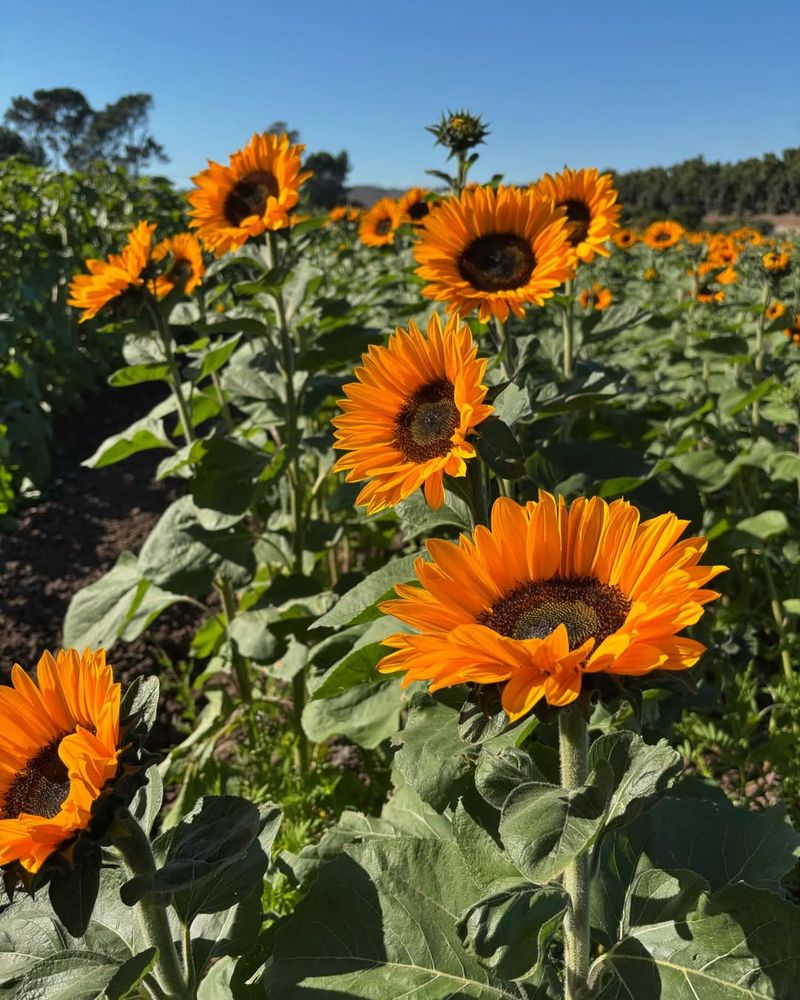
Sunflowers are one of the most cheerful sights in any summer garden, and they grow with impressive energy once conditions are right.
Young sunflower seedlings are frost sensitive and can be damaged or set back by temperatures dropping below freezing, so timing your planting after the last frost in the Coastal Plain is essential for strong, healthy growth.
Waiting until soil temperatures reach at least 50 to 60 degrees Fahrenheit ensures fast, reliable germination.
In eastern North Carolina, direct sowing sunflowers typically begins in mid-April and continues through June for a sequence of blooms across the season.
Direct sowing is the preferred method because sunflowers develop a deep taproot early and do not always recover well from transplanting.
Plant seeds about one inch deep and space them according to the variety, from six inches apart for smaller types to 24 inches apart for giant varieties that can reach over ten feet tall.
Mammoth Russian, Autumn Beauty, and Sunrich Orange are popular varieties that perform beautifully in the warm Coastal Plain climate. Sunflowers prefer full sun, well-draining soil, and moderate fertility.
Avoid over-fertilizing with nitrogen, which promotes lush foliage but delays or reduces flowering. Water young plants consistently until they are well established, after which they become fairly drought tolerant thanks to their deep root systems.
Growing sunflowers along garden edges or fences not only creates a striking visual display but also attracts pollinators that benefit every other plant in your garden throughout the entire growing season.