Easy To Grow Flowers You Can Start In March In North Carolina
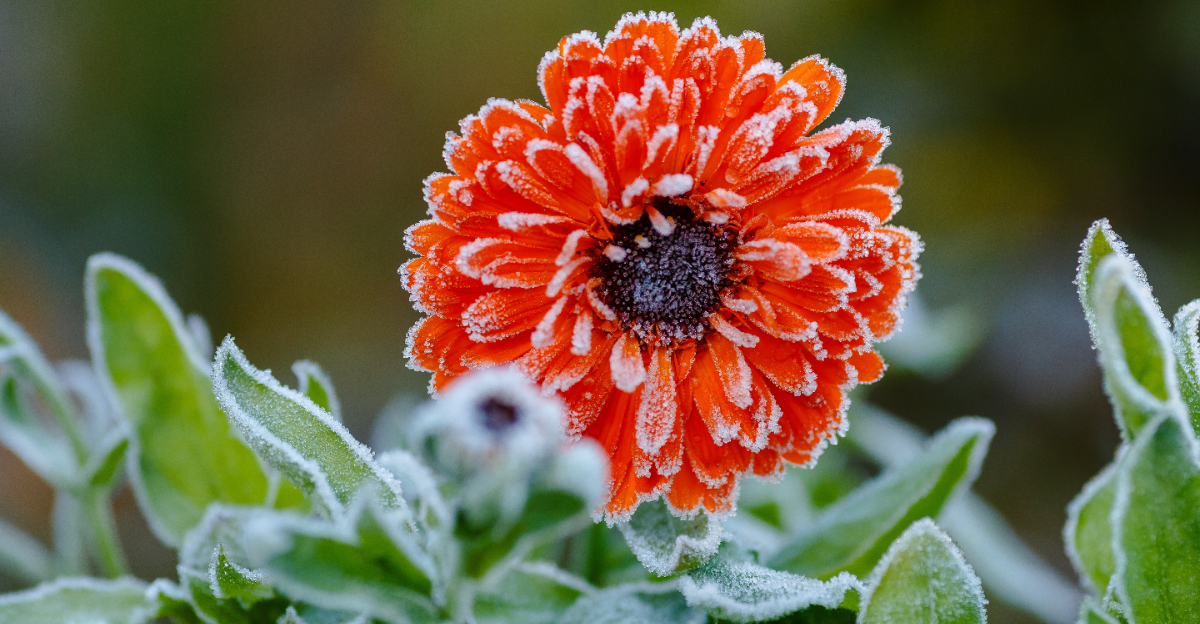
Longer days and warming soil signal that something special is happening in gardens across North Carolina. March arrives with fresh energy, inviting gardeners to step outside and begin planting while the season is still young.
From the sandy Coastal Plain to the rolling Piedmont and the cooler mountain regions, each part of North Carolina offers its own perfect window for starting flowers this month.
Some varieties thrive in crisp, cool air and can go straight into the ground, while others benefit from a head start indoors before the true warmth of late spring settles in.
Understanding what works best in your specific region helps ensure strong roots, healthy growth, and vibrant blooms in the weeks ahead. With the right timing and thoughtful choices, March becomes one of the most rewarding months of the year.
These ten easy to grow flowers are perfectly suited for a March start in North Carolina gardens.
1. Pansies Thrive In Cool March Weather Across North Carolina
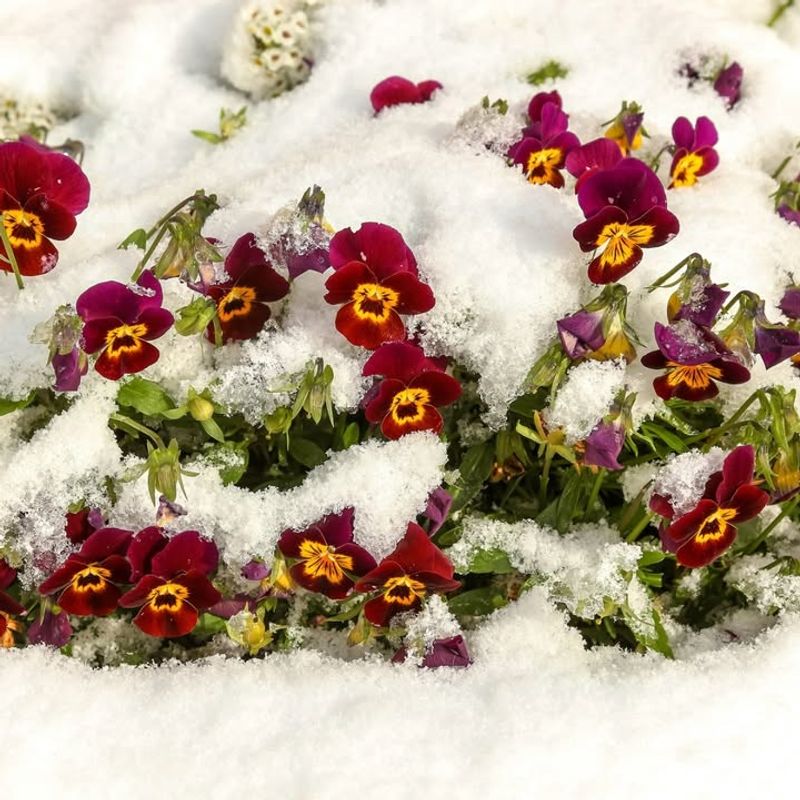
Few flowers handle a chilly morning quite like pansies do. These cheerful, colorful blooms are built for cool weather, which makes them one of the best choices for planting in March across North Carolina, including up in the Mountains where frost is still common.
Pansies can tolerate temperatures down to around 25 degrees Fahrenheit, so a late cold snap is unlikely to cause serious harm to established plants.
You can find pansies in almost every color imaginable, from deep purple and bright yellow to soft lavender and pure white. Plant them in full sun to partial shade, and make sure the soil drains well so roots stay healthy.
They perform best when watered regularly but not left sitting in soggy ground for long periods.
Pansies bloom most heavily during cool weather, so expect a gorgeous show from March all the way through late spring. Once summer heat kicks in, they tend to slow down, but by then your warm-season flowers will be ready to take over.
Feed them with a balanced, slow-release fertilizer at planting time to encourage strong, bushy growth. Deadheading spent blooms regularly keeps new flowers coming and the plant looking its best throughout the season.
Pansies also work beautifully in containers, window boxes, and garden borders, giving you lots of flexible planting options.
2. Snapdragons Handle Early Spring Temperatures Well
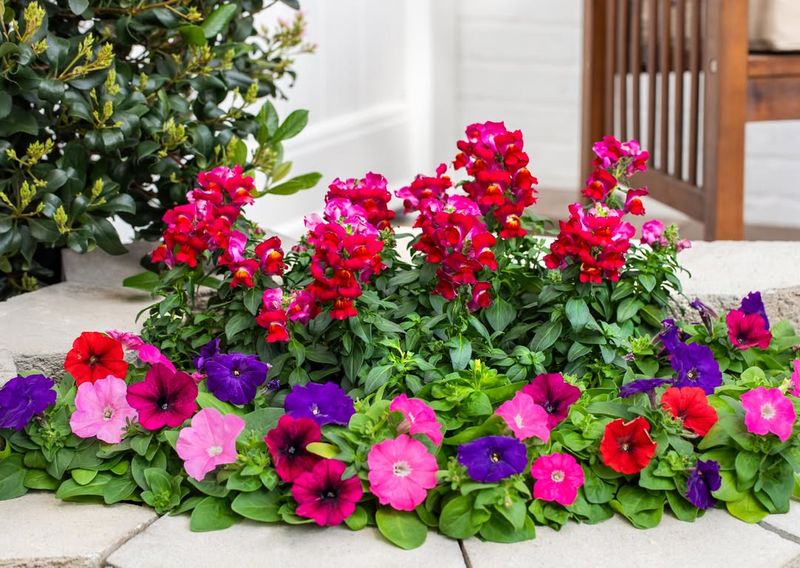
Snapdragons have a playful charm that makes them stand out in any garden, and they are surprisingly tough for such delicate-looking flowers. As cool-season annuals, they actually prefer the mild temperatures that March brings to most parts of North Carolina.
You can plant transplants or start seeds indoors about six to eight weeks before your intended outdoor planting date to get a jump on the season.
In the Coastal Plain and Piedmont regions, snapdragons can often go directly into garden beds in March once overnight temperatures stay consistently above freezing. They handle light frosts reasonably well once established, which gives you more flexibility with early planting.
The Mountain region gardeners should wait until mid to late March or harden plants off carefully before setting them out.
Your North Carolina Garden Changes Every Week. Your Plan Should Too.
Gardening in North Carolina changes quickly throughout the season. Every Friday you’ll receive a simple weekly plan showing exactly what to plant, prune, fertilize, harvest, and protect so you never miss the right timing.
Snapdragons grow best in full sun with fertile, well-draining soil. They appreciate regular watering, especially during dry spells, but good drainage is key to keeping roots healthy.
Pinching the growing tips when plants are young encourages bushier growth and more flower stems over time. These flowers come in an incredible range of heights, from dwarf varieties perfect for borders to tall cutting types that look stunning in vases.
Bloom colors range from soft pastels to bold bi-colors, giving you endless options for designing a vibrant spring garden that truly catches the eye.
3. Sweet Alyssum Can Be Direct Sown In March
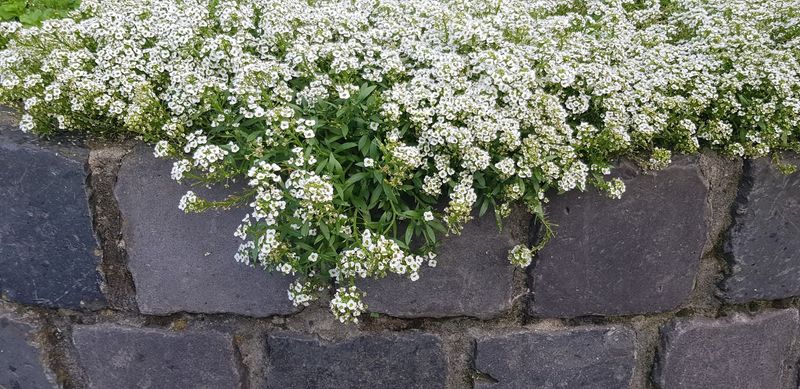
Sweet alyssum is one of those quietly magical plants that rewards almost zero effort with a cloud of tiny, honey-scented flowers.
The good news for North Carolina gardeners in the Coastal Plain and Piedmont is that alyssum tolerates cool soil well enough to be direct sown outdoors in March.
You simply scatter the small seeds over prepared soil, press them lightly into contact with the ground, and water gently.
Because alyssum seeds need light to germinate, avoid covering them with soil after sowing. Germination typically takes seven to fourteen days depending on soil temperature.
Once seedlings emerge, thin them to about six inches apart so each plant has room to spread into its characteristic low, mounding shape that spills beautifully over bed edges and between stepping stones.
Sweet alyssum grows best in full sun but also tolerates partial shade, which makes it incredibly versatile in the garden.
It blooms most enthusiastically during cool weather, producing clusters of white, pink, or purple flowers that attract beneficial insects, including pollinators and predatory wasps that help control garden pests naturally.
If flowering slows during peak summer heat, shear plants back by about one-third and they often rebound nicely when temperatures cool again in fall.
Alyssum also works wonderfully as a ground cover, a container filler, or a fragrant edging plant along pathways and raised beds throughout the growing season.
4. Larkspur Can Be Planted Early In The Season
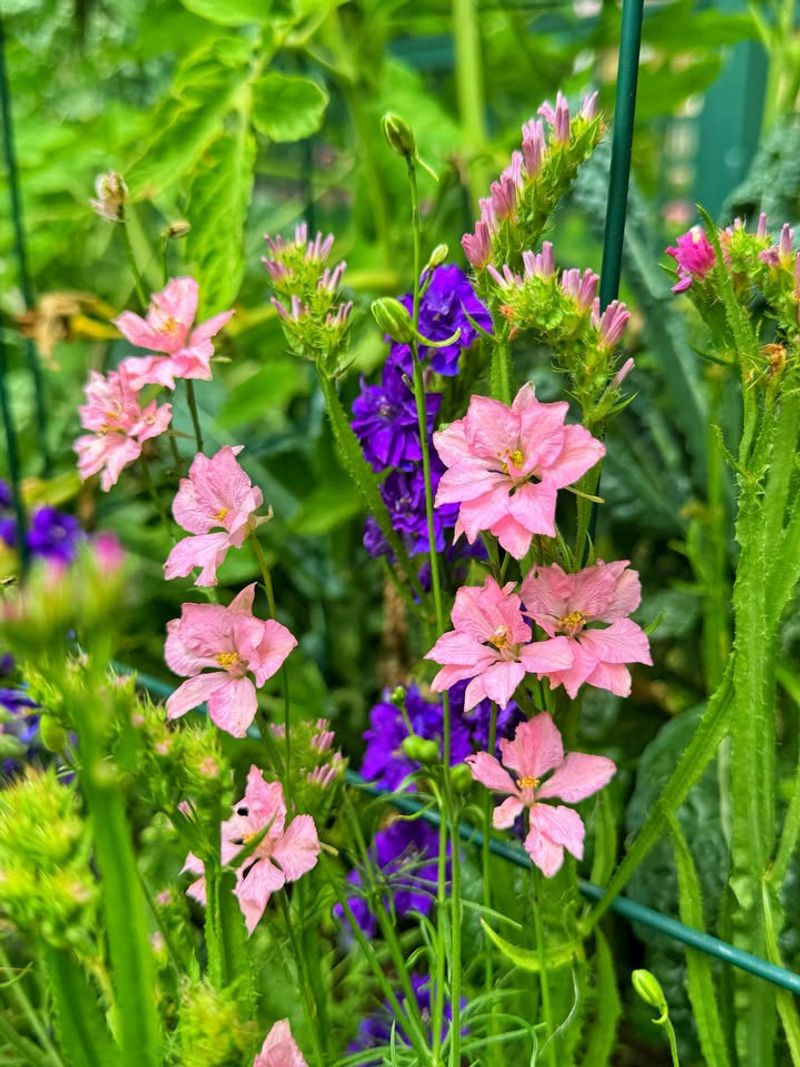
Larkspur is one of those old-fashioned cottage garden flowers that looks like it belongs in a painting. With tall spires of blue, purple, pink, or white blooms, it adds vertical drama to any spring garden.
The best part is that larkspur actually needs cool temperatures to germinate well, which makes March the ideal time to direct sow seeds in much of North Carolina.
Scatter seeds directly into a prepared garden bed in full sun and barely cover them with soil. Larkspur prefers to be sown where it will grow because it develops a taproot early and does not transplant easily.
In the Coastal Plain and Piedmont, March sowing works beautifully, while Mountain gardeners can aim for late March or even early April depending on local conditions.
Keep the soil consistently moist after sowing until seedlings establish themselves. Larkspur grows quickly in cool weather and can reach heights of two to four feet depending on the variety.
Thin seedlings to about nine to twelve inches apart once they are a few inches tall to give each plant adequate space and airflow, which helps prevent disease. These flowers are outstanding for cutting and bring a cottage-style elegance to fresh arrangements indoors.
Larkspur also self-sows freely, meaning you may find it returning on its own year after year in the same spot, which feels like a wonderful gift from the garden.
5. Calendula Grows Well In Cool Early Spring Conditions
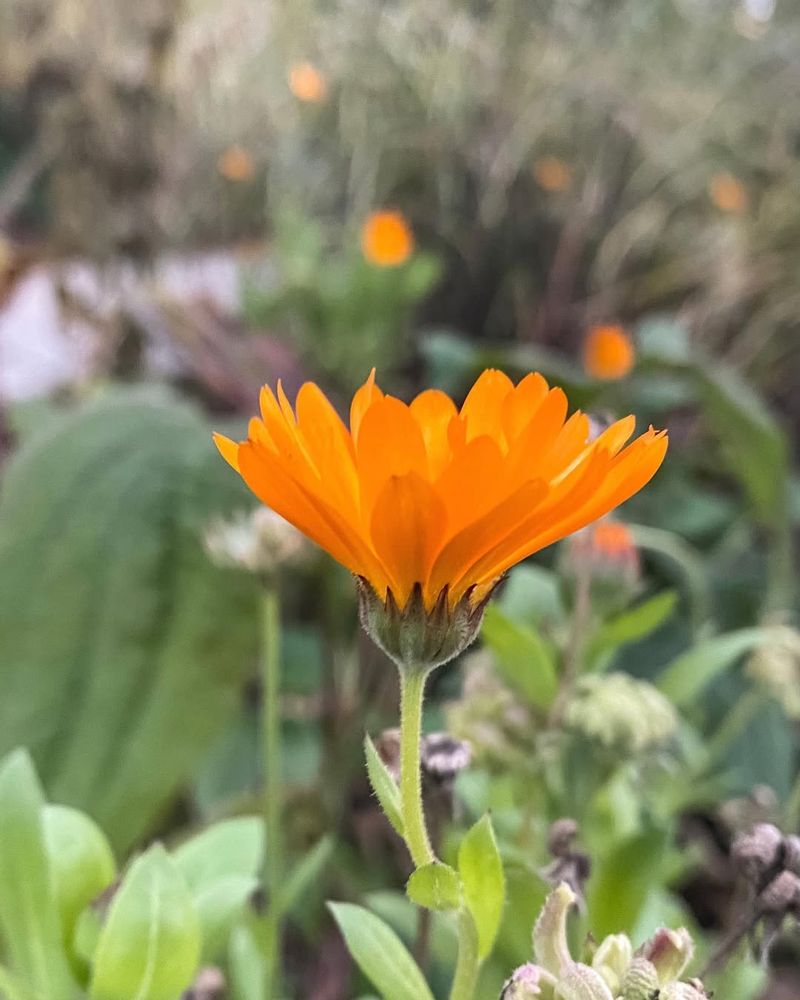
Calendula has been grown in gardens for centuries, valued both for its cheerful orange and yellow flowers and its many practical uses.
Sometimes called pot marigold, calendula is not actually related to the common marigold but shares that warm, sunny color palette that brightens up any garden space.
In North Carolina, it is well-suited for March planting because it tolerates light frost and actually prefers growing in cool weather.
You can start calendula from seed indoors about four to six weeks before your planned outdoor planting date, or direct sow seeds into garden beds in the Coastal Plain and Piedmont during March.
Seeds germinate in about a week to two weeks when soil temperatures are between 50 and 70 degrees Fahrenheit.
Plant in full sun for the best flower production, though partial shade is tolerated in hotter parts of the state.
Calendula grows one to two feet tall and produces flowers continuously when temperatures stay cool, making it an excellent spring and fall bloomer in North Carolina. Deadhead regularly to encourage more blooms and prevent the plant from going to seed too quickly.
The flowers are edible and have long been used as a natural food coloring and in herbal skin preparations, which adds a fun, practical dimension to growing them.
Calendula also attracts pollinators and makes a cheerful, long-lasting cut flower for indoor arrangements throughout the cool season months.
6. Bachelor Buttons Perform Best When Started Early
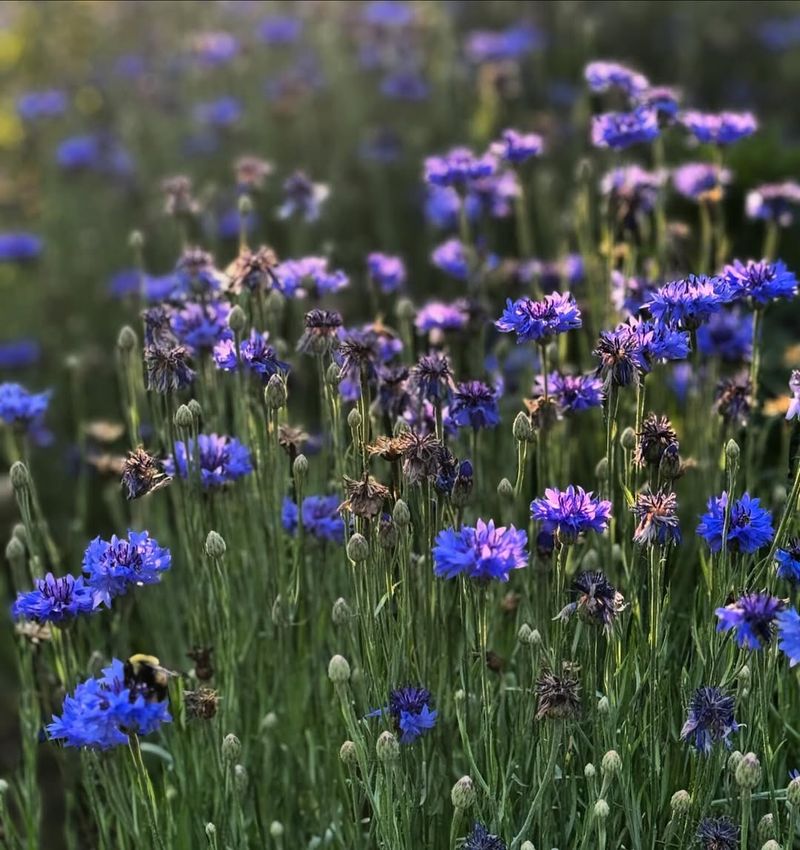
There is something irresistibly cheerful about bachelor buttons, with their intensely blue, button-like flowers nodding in the spring breeze. Also known as cornflowers, these cool-season annuals have been beloved in cottage gardens for generations, and for good reason.
They are low-maintenance, deer-resistant, and absolutely love the kind of mild temperatures that March delivers across North Carolina.
Bachelor buttons can be direct sown outdoors in March statewide, including in the Mountain region, because seeds actually germinate better in cool soil than in warm.
Scatter seeds over a prepared, well-draining bed in full sun and cover lightly with about one-quarter inch of soil.
Germination typically takes seven to fourteen days, and seedlings grow quickly once they get started in cool spring weather.
Thin plants to about nine to twelve inches apart once they reach two to three inches in height, giving each one enough room to branch out and produce multiple flower stems.
Bachelor buttons grow twelve to thirty-six inches tall depending on the variety, with dwarf types working well in containers and taller types making excellent cut flowers.
Besides the classic blue, you can also find varieties in pink, white, burgundy, and lavender to mix things up in your garden design. These flowers attract butterflies and bees, adding lively movement to the garden.
They also self-sow readily, so you may enjoy a repeat performance next spring with almost no extra effort at all.
7. Dianthus Thrives In Cool Spring Weather
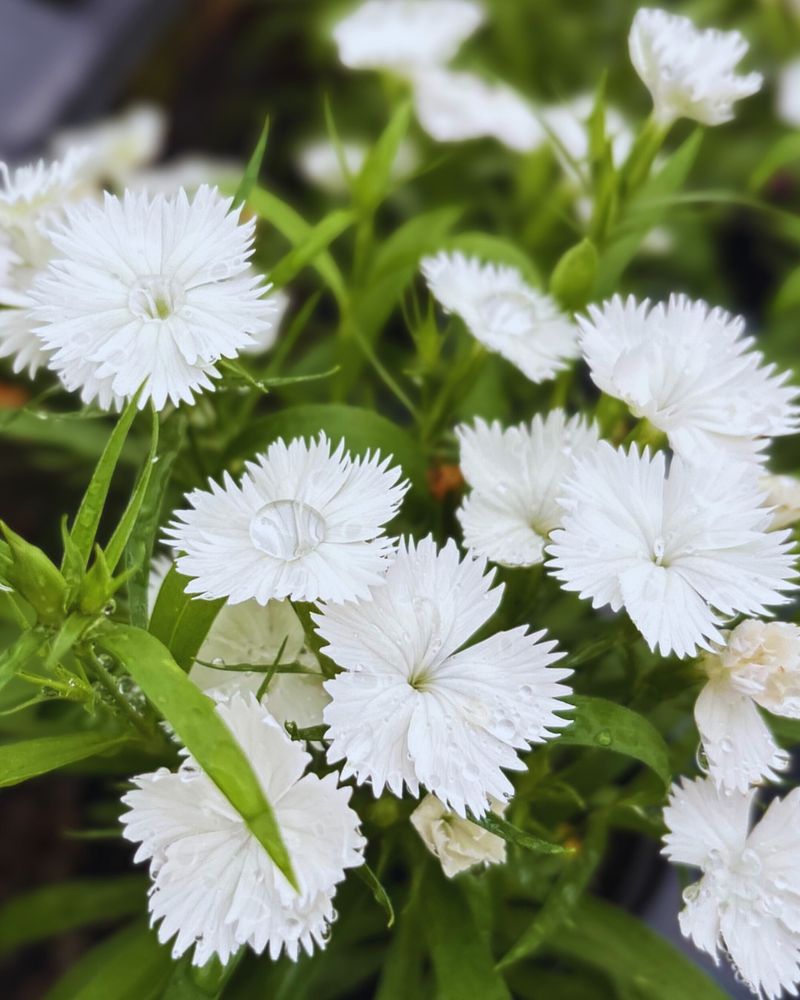
Dianthus brings a sweet, spicy fragrance and a range of eye-catching colors to the spring garden that few other flowers can match.
Often called pinks, these hardy little plants produce fringed, ruffled flowers in shades of red, pink, white, and bi-color combinations that look almost too pretty to be real.
Hardy dianthus varieties can be planted outdoors in March across North Carolina and will tolerate light frost without missing a beat.
Plant dianthus in full sun to partial shade in well-draining, slightly alkaline soil for the best results. They dislike sitting in wet soil for extended periods, so raised beds or sloped garden spots with good drainage are ideal planting locations.
Space plants about eight to twelve inches apart depending on the variety to allow for good air circulation around each plant.
Dianthus blooms heavily in spring and often again in fall when temperatures cool back down, making them a two-season performer in many North Carolina gardens.
Deadhead spent flowers regularly to extend the blooming period and keep plants looking tidy throughout the season.
Some varieties are short-lived perennials in North Carolina, returning for two or three seasons before needing replacement, which makes them an excellent value for the garden budget.
Their compact, mounding habit makes dianthus a natural fit for edging beds, filling containers, or tucking into rock gardens where their colorful blooms and pleasant fragrance can be fully appreciated up close.
8. Petunias Can Be Planted In Late March In The Coastal Plain
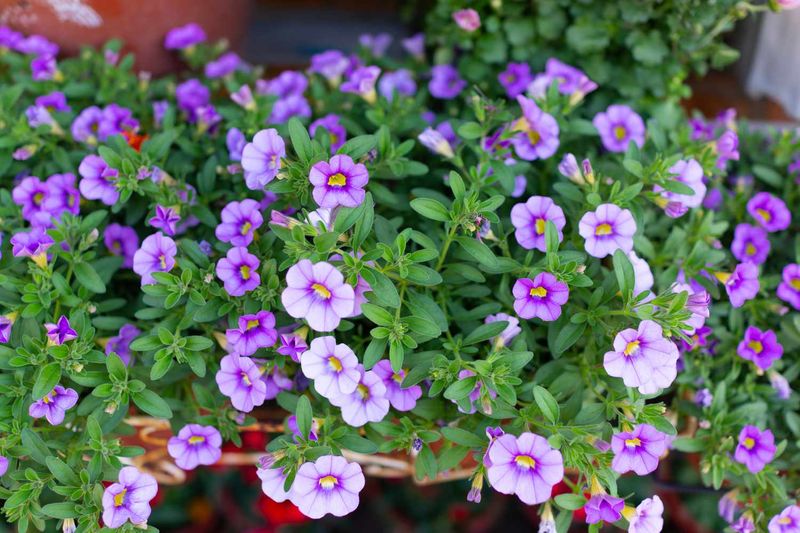
Petunias are one of the most popular bedding flowers in the country, and their bold colors and long bloom season make it easy to see why. Unlike the cool-season flowers earlier on this list, petunias are frost-sensitive and need warmer conditions to thrive outdoors.
In North Carolina, the timing of outdoor petunia planting depends a lot on where you live in the state.
Gardeners in the Coastal Plain of eastern North Carolina have the warmest early spring temperatures in the state, which means late March planting becomes possible once the risk of frost has passed in that region.
The average last frost date in many Coastal Plain areas falls in mid to late March, so watching local forecasts carefully before planting is always a smart move.
A single hard frost after planting can set plants back significantly.
In the Piedmont, it is generally safer to wait until April before moving petunias outdoors, and Mountain gardeners should hold off until late April or even May to be safe.
If you want to get a head start, start petunia seeds indoors ten to twelve weeks before your planned outdoor planting date.
Petunias love full sun and bloom most heavily when they receive at least six hours of direct sunlight daily.
Feed them with a balanced fertilizer every two to three weeks during the growing season, and they will reward you with an almost non-stop flower display from planting time through the first frost of fall.
9. Zinnias Should Be Started Indoors In March
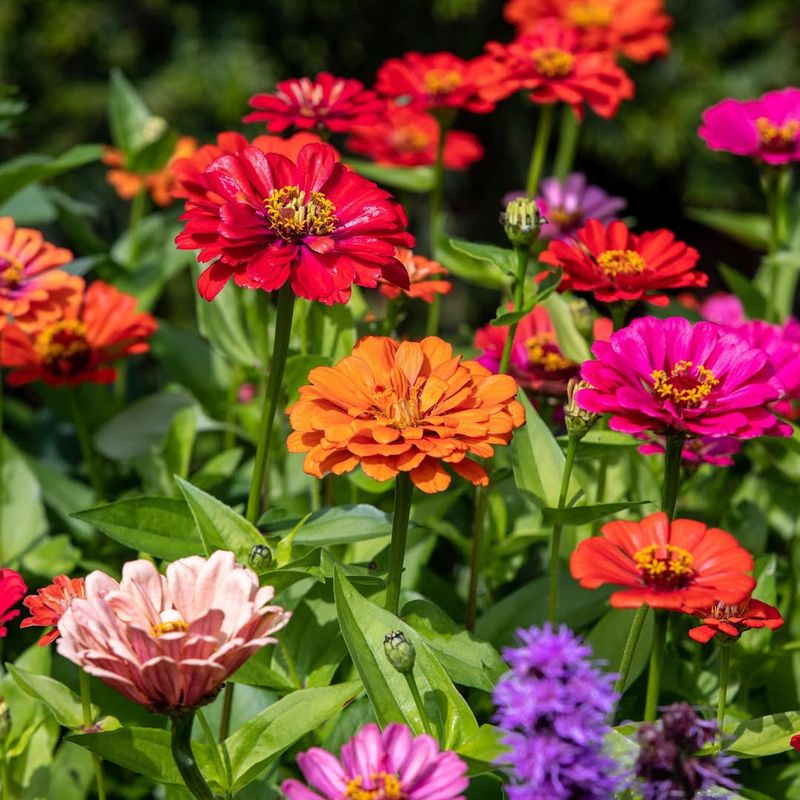
Zinnias are summer superstars, producing bold, jewel-toned flowers in nearly every color of the rainbow from midsummer all the way to fall frost.
Because they are warm-season flowers that absolutely cannot tolerate frost, they need a bit of planning to get the timing right in North Carolina.
Starting seeds indoors in March gives you a head start so plants are ready to go into the garden right after the last frost date in your area.
Sow zinnia seeds in small pots or seed trays filled with a good quality seed-starting mix about four to six weeks before your planned outdoor transplant date.
Keep the soil moist and place trays in a warm spot where temperatures stay around 70 to 75 degrees Fahrenheit for fast, even germination. Seedlings typically emerge within five to seven days under warm conditions.
One important thing to know about zinnias is that they do not love having their roots disturbed, so handle transplants gently and try to minimize root disturbance at planting time.
Harden seedlings off gradually over about a week before moving them outside permanently.
In the Coastal Plain, transplanting can happen as early as late April, while Piedmont gardeners typically aim for early to mid May and Mountain growers wait until late May. Zinnias thrive in full sun and heat, growing quickly once warm weather arrives.
They are outstanding pollinator magnets and make some of the best cutting flowers in the summer garden.
10. Marigolds Can Be Started Indoors In March For Later Planting
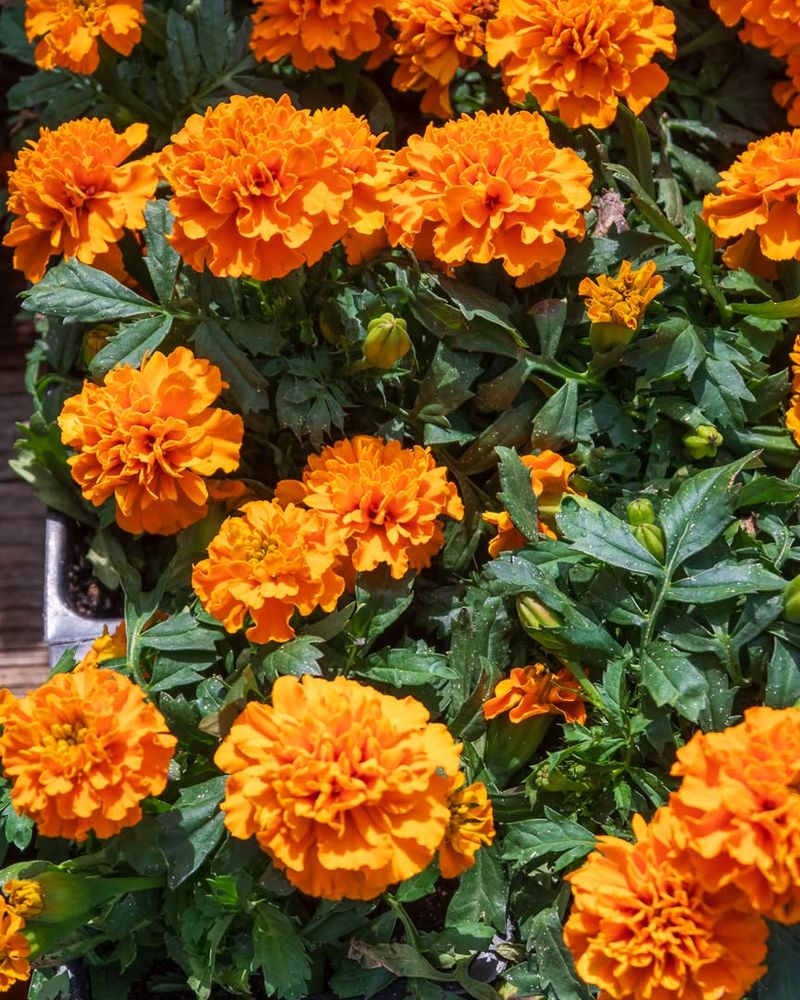
Marigolds are practically synonymous with summer gardens, and their warm, spicy fragrance and vibrant orange and yellow blooms make them a perennial favorite among gardeners of all skill levels.
Like zinnias, marigolds are frost-sensitive warm-season flowers that cannot go outdoors until after the last frost date in your region.
Starting them indoors in March gives you a significant head start and means you will have stocky, blooming-size plants ready to go out as soon as conditions are right.
Sow marigold seeds in seed-starting trays or small pots about six to eight weeks before your anticipated last frost date. Keep the growing medium consistently moist and maintain soil temperatures around 70 degrees Fahrenheit for the best germination rates.
Most marigold seeds sprout within five to seven days, and seedlings grow quickly under bright light, so a sunny south-facing window or a simple grow light setup works well.
Before transplanting, harden seedlings off by setting them outside in a sheltered spot for increasing amounts of time over the course of about a week. This gradual adjustment helps them transition smoothly from indoor to outdoor conditions.
Marigolds perform best in full sun and well-drained soil, and they are remarkably drought-tolerant once established.
In North Carolina, Coastal Plain gardeners can typically transplant in late April, Piedmont gardeners in early May, and Mountain growers in late May.
Marigolds bloom prolifically all summer and are known to help deter certain garden pests when planted near vegetables.