How To Get Rid Of Bittercress Before It Seeds In Oregon
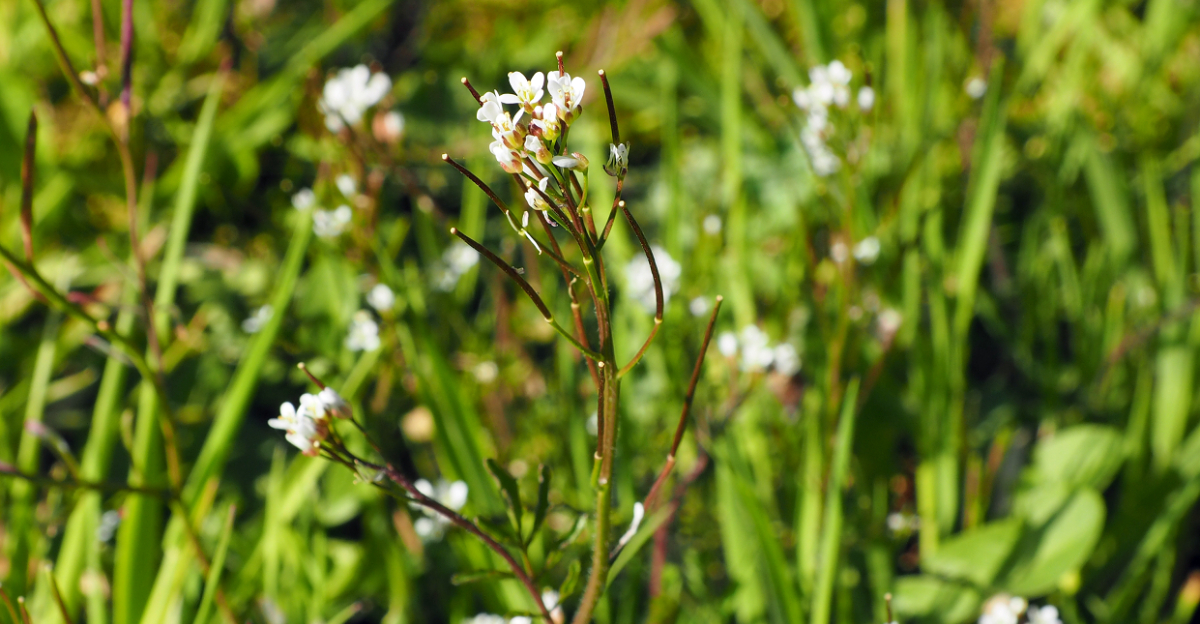
Tiny, fast, and surprisingly persistent, bittercress is one of those weeds Oregon gardeners notice only after it has already started spreading.
Those delicate looking plants may seem harmless, yet they can launch seeds several feet in every direction, quickly taking over beds, pots, and pathways.
Acting early makes all the difference. Catching bittercress before it sets seed helps stop the cycle and keeps your garden from facing an even bigger invasion later.
The good news is that it is shallow rooted and easier to control than many stubborn weeds when handled at the right moment.
A few simple habits and timely action can protect your soil, reduce future weeding, and keep your garden looking clean and healthy. Stay alert, move quickly, and you can stop bittercress before it has the chance to spread.
1. Identify Hairy Bittercress Early
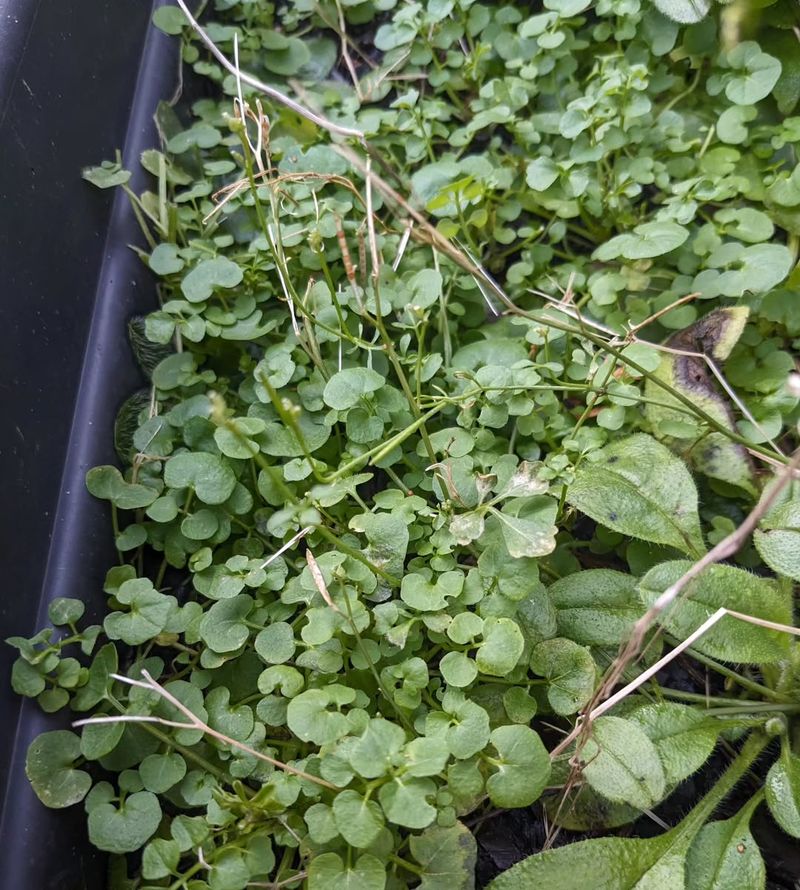
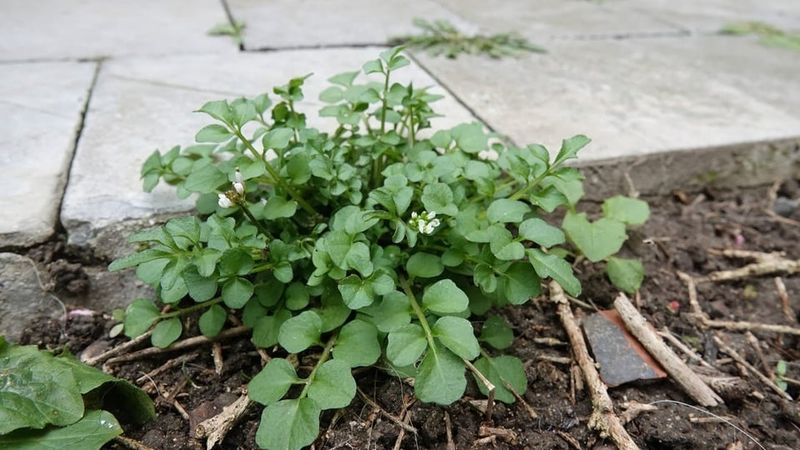
Spotting this weed early is your biggest advantage. Hairy bittercress, known scientifically as Cardamine hirsuta, is a cool-season annual weed that loves Oregon winters.
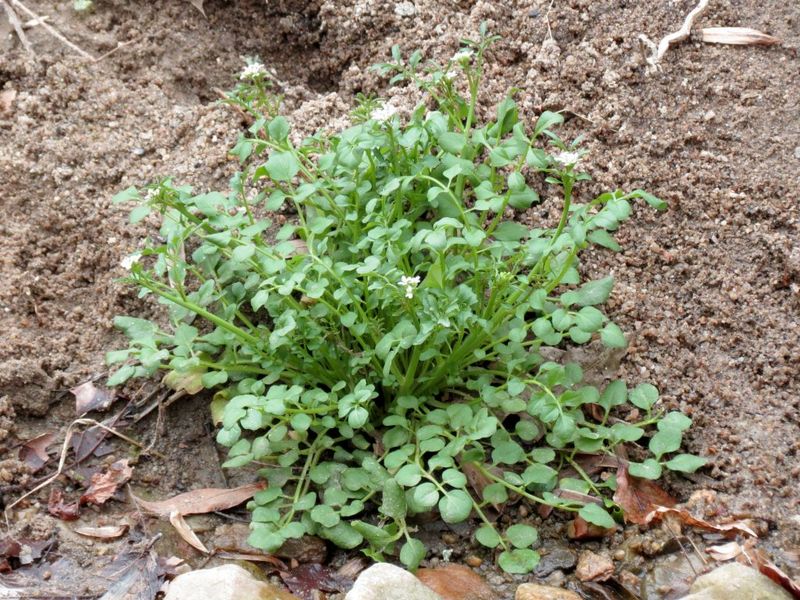
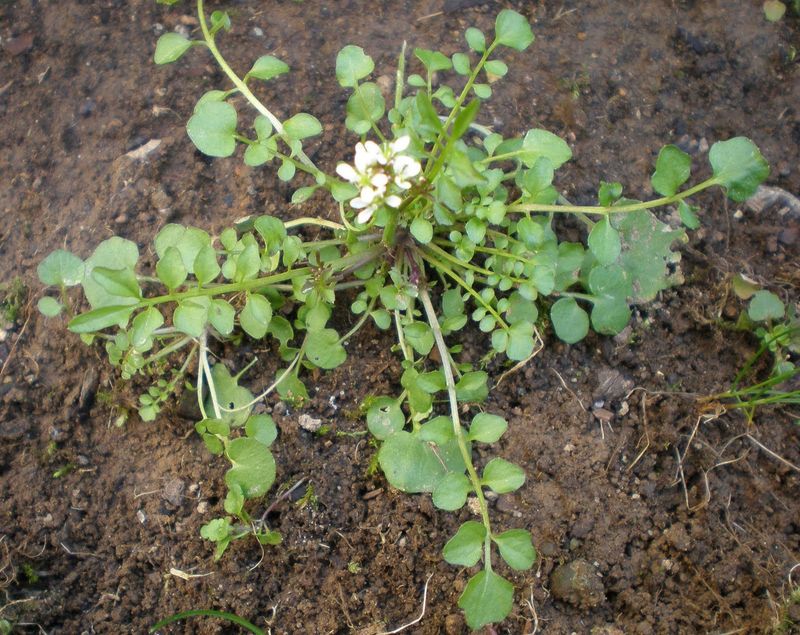
It sprouts in late fall and early winter, tucked low to the ground in a tight rosette shape.
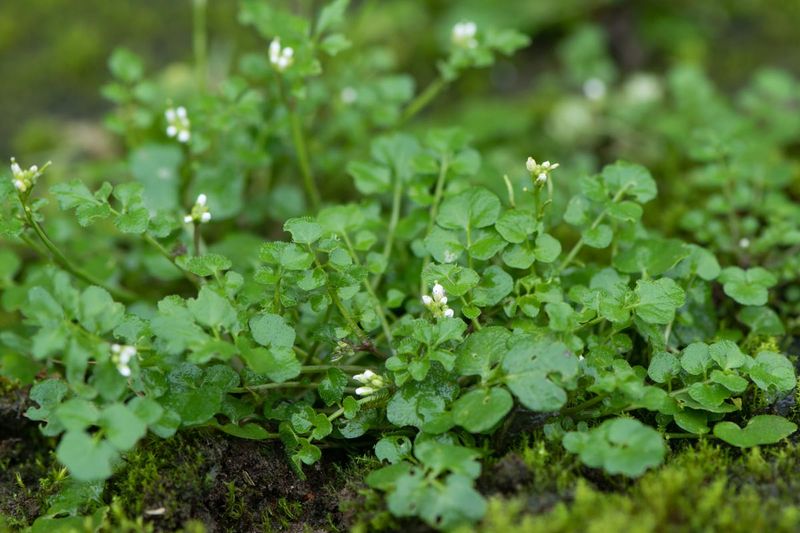
The leaves are small and round, arranged in pairs along a short stem. The whole plant usually stays under six inches tall, which makes it easy to overlook.
New gardeners often mistake it for clover or even a harmless wildflower at first glance.
Look closely at the base of your plants, along garden edges, and in any bare soil. Oregon’s mild, wet winters create the perfect conditions for bittercress to thrive.
The weed loves moist, disturbed soil, so check near pathways, raised beds, and pots too.
Once you know what to look for, you will start seeing it everywhere. The rosette sits flat against the ground, and the leaves have a slightly hairy texture.
Catching it at this stage, before any flower stalks appear, gives you the best chance of stopping it before seeds spread across your yard.
2. Pull It Before Flowers Open
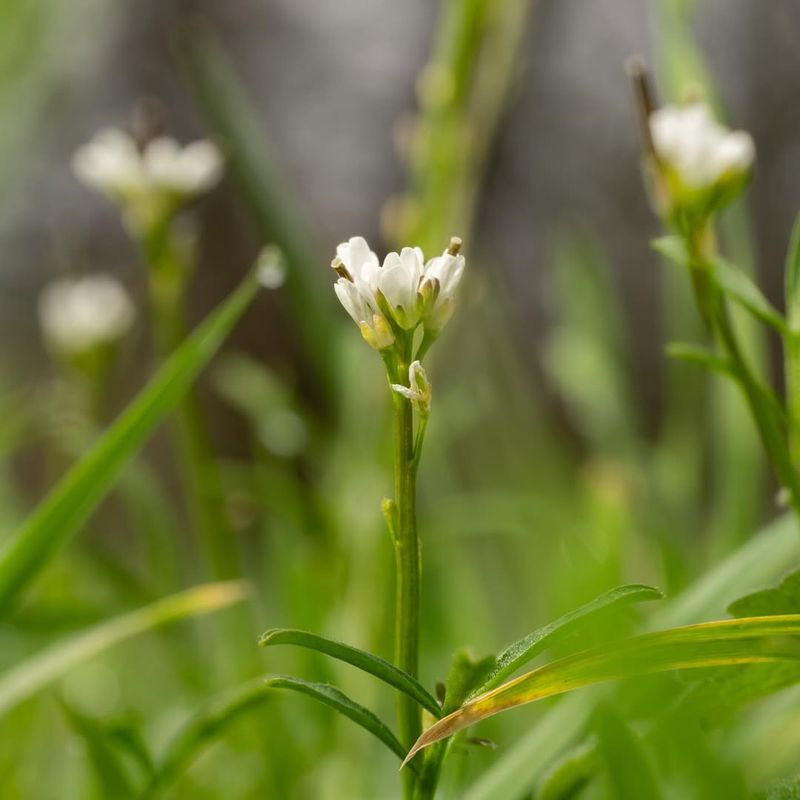
Timing is everything with bittercress. Once those tiny white flowers open, the clock starts ticking fast.
In Oregon, the window between flowering and seed release can be surprisingly short, sometimes just a few days depending on the weather.
The best time to pull bittercress is when you see the flower stalks rising but before any blooms appear. At this stage, the plant has not yet formed seed pods, so removing it is completely safe.
You can grab it by hand or use a small hand weeder to get under the rosette. Work on a day when the soil is moist, like after Oregon’s frequent winter and spring rains. Wet soil makes it much easier to pull the whole plant out cleanly.
Dry soil causes the roots to break, leaving part of the plant behind. Try to avoid shaking or squeezing the plant too much as you remove it. Even plants with early flower buds can sometimes release seeds if handled roughly.
Place pulled plants directly into a bag or bucket rather than tossing them on the ground nearby.
Your Oregon Garden Changes Every Week. Your Plan Should Too.
Gardening in Oregon changes quickly throughout the season. Every Friday you’ll receive a simple weekly plan showing exactly what to plant, prune, fertilize, harvest, and protect so you never miss the right timing.
Staying consistent with this step each week during late winter makes a noticeable difference in how many weeds come back the following season.
3. Remove The Entire Taproot
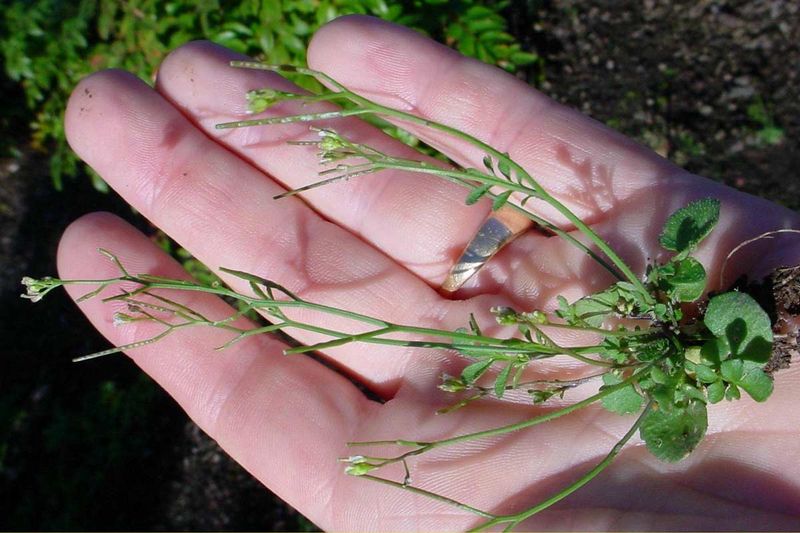
Getting the root out matters just as much as pulling the top of the plant. Bittercress grows a thin but sturdy taproot that anchors it firmly in the soil.
If you snap the stem and leave the root behind, the plant can regrow quickly, especially in Oregon’s moist spring soil.
Use a narrow hand weeder, a dandelion digger, or even a sturdy butter knife to loosen the soil around the base of the plant. Slide the tool down alongside the root and gently lever it upward.
This method keeps the root intact so you can remove the whole thing in one motion.
After pulling, hold the plant up and check that the root tip came out with it. A healthy taproot will look pale and white at the tip.
If you see a broken end, go back and dig a little deeper to find the remaining piece.
Raised beds and loose garden soil in Oregon make this process easier than compacted clay. If your soil is heavy, consider loosening it with a garden fork before weeding season begins.
Removing the full taproot every time means fewer plants returning from the same spot, and that adds up to a much cleaner garden bed over the course of the season.
4. Don’t Let Seed Pods Explode
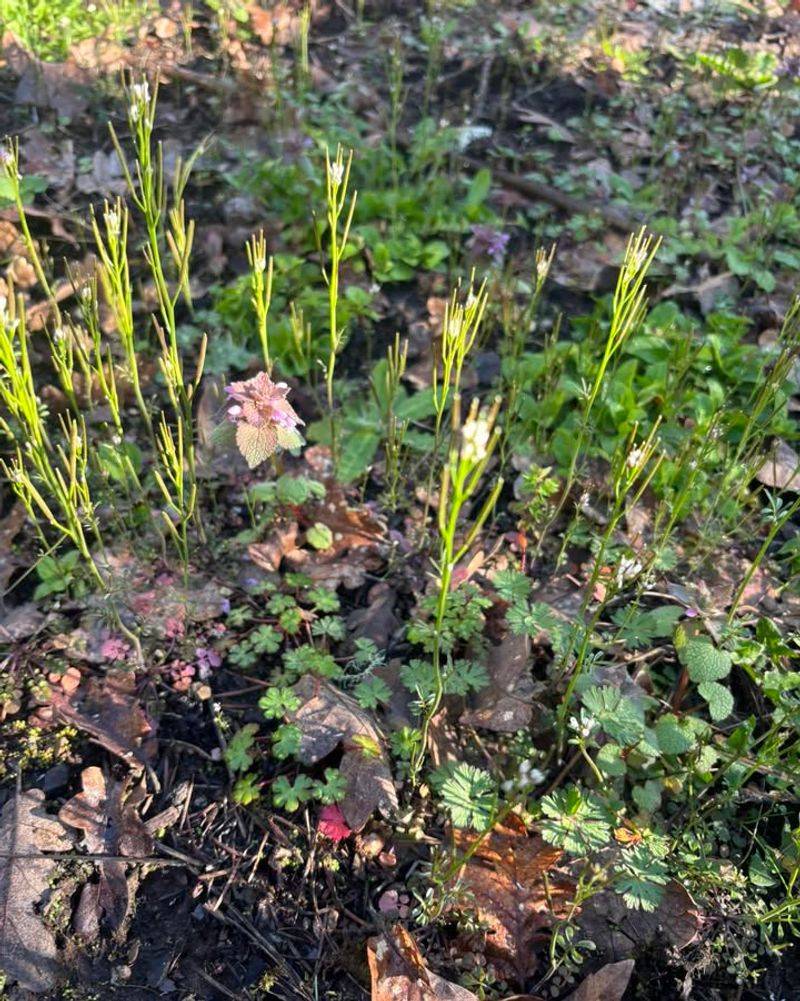
One of the most frustrating things about bittercress is how aggressively it spreads. The seed pods, called siliques, build up tension as they mature.
When touched or disturbed, they snap open and launch seeds up to three feet away. That means one careless pull can plant next season’s problem all over your garden.
If you find bittercress that has already developed seed pods, stop and think before you grab it. The pods are long, narrow, and green when young, turning slightly yellowish as they ripen. Ripe pods feel firm and taut under your fingers.
For plants with mature pods, try placing a plastic bag over the top of the plant before pulling it out. This traps any seeds that fly loose during removal.
Seal the bag tightly and throw it in the trash, not your compost bin. Oregon gardeners who skip this step often wonder why their bittercress problem seems to double each year.
The answer is almost always exploding seed pods that went unnoticed. Even a small patch left to seed can produce hundreds of new plants the following winter.
Checking your garden beds every week during the seeding window, usually late winter through early spring in Oregon, helps you catch pods before they reach full maturity and keeps the spread under control.
5. Mulch To Block New Seedlings
A good layer of mulch is one of the most effective tools against bittercress. Mulch blocks sunlight from reaching the soil surface, which prevents weed seeds from germinating.
Since bittercress seeds need light to sprout, even a modest layer of mulch can stop most of them in their tracks.
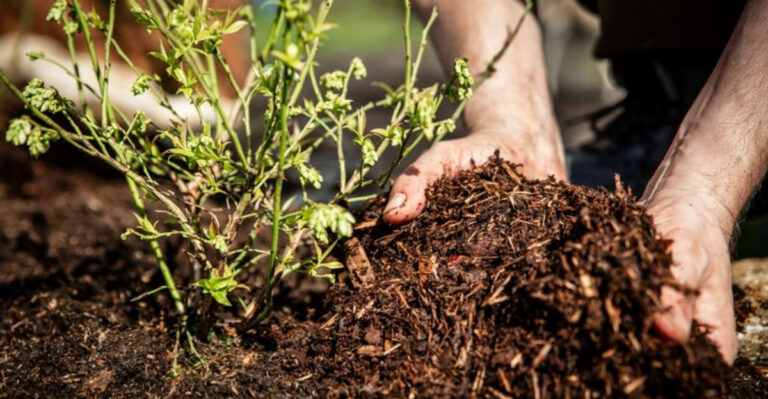
Aim for at least two to three inches of mulch across your garden beds. Wood chips, bark dust, straw, and shredded leaves all work well in Oregon’s climate.
Bark dust is especially popular in the Pacific Northwest because it holds moisture while suppressing weeds at the same time.
Apply mulch in late fall before bittercress seeds germinate, or in early spring after you have cleared existing plants. Make sure to keep mulch a few inches away from plant stems to prevent rot.
Refresh the mulch layer each season, as it breaks down over time and loses its ability to block light.
Mulching also improves soil health as it decomposes, which is a bonus for Oregon gardeners working with heavy clay or nutrient-poor soil. It reduces the need for frequent watering too.
While mulch alone will not eliminate every bittercress plant, it dramatically reduces the number of new seedlings that appear each season, making your weekly weeding sessions much faster and less overwhelming overall.
6. Improve Drainage In Problem Areas
Soggy, waterlogged soil is basically a welcome mat for bittercress. This weed thrives in moist conditions, and Oregon’s rainy winters create plenty of them.
If you have spots in your yard where water pools or drains slowly, those areas are prime real estate for bittercress to take over each season.
Improving drainage does not have to be a big project. Start by adding organic matter like compost to compacted soil.
This loosens the structure and helps water move through more efficiently. For raised beds, make sure the base layer allows water to drain freely rather than collecting at the bottom.
In areas with serious drainage issues, consider installing a French drain or adding gravel pathways to redirect water. Raised beds are also a great long-term solution for Oregon gardeners dealing with persistently wet ground.
Elevating your planting areas keeps roots healthier and makes the soil less inviting to moisture-loving weeds.
Another simple fix is to avoid working in wet soil, which compacts it further and creates more ideal conditions for weeds. Let the soil dry out slightly before digging or planting.
Better drainage means your soil warms up faster in spring too, giving your desirable plants a head start over weeds like bittercress that prefer the cool, damp conditions Oregon winters provide so generously each year.
7. Skip Composting Seeded Plants
Composting is great for your garden, but it can backfire when it comes to bittercress. Most home compost piles do not get hot enough to destroy weed seeds.
If you toss bittercress plants that have already formed seed pods into your compost, those seeds can survive and end up right back in your garden when you spread the finished compost.
The safest rule is simple: if the plant has flowered or formed seed pods, bag it and throw it in the trash. Only compost bittercress that you caught before any flowers appeared.
Young rosettes with no flowers are generally safe to compost since they have not yet developed viable seeds.
Oregon offers yard debris collection in many cities and counties, including Portland and Eugene. Check whether your local service accepts weeds with seed heads.
Some yard debris facilities compost at high enough temperatures to destroy seeds, making them a safer option than a backyard pile.
Keeping a dedicated bag or bucket near your weeding area makes it easy to separate seeded plants from compostable ones right away. This small habit prevents a lot of future headaches.
Accidentally spreading bittercress seeds through compost is one of the most common reasons gardeners across Oregon find themselves fighting the same weed patch year after year despite consistent weeding efforts throughout the season.
8. Stay Ahead With Weekly Checks
Consistency beats intensity when it comes to controlling bittercress. One thorough weeding session in January will not solve the problem if you ignore the garden for the next six weeks.
Bittercress can go from a tiny seedling to a fully seeded plant in just a few weeks during Oregon’s mild late-winter weather.
Set a reminder to walk your garden beds once a week from November through April. Bring a small bucket, a hand weeder, and a pair of gloves.
Spend even just fifteen minutes scanning for new rosettes or emerging flower stalks. Catching plants early makes each session quick and manageable.
Pay extra attention after heavy rain, since bittercress seedlings often pop up in large numbers once wet soil gets a little warmth from the sun. Oregon’s shoulder seasons between winter and spring are the most critical windows for weekly monitoring.
Keep a simple garden journal or use your phone to take photos of problem spots. Tracking where bittercress tends to appear each year helps you focus your efforts in the right places.
Over time, consistent weekly checks reduce the overall seed bank in your soil, which means fewer plants germinating each season.
Gardeners across Oregon who stick with this routine often notice a significant drop in bittercress numbers within just two or three growing seasons of staying on schedule.