The Simple Reason Your Forsythia Looks Weak After Early Bloom In Ohio
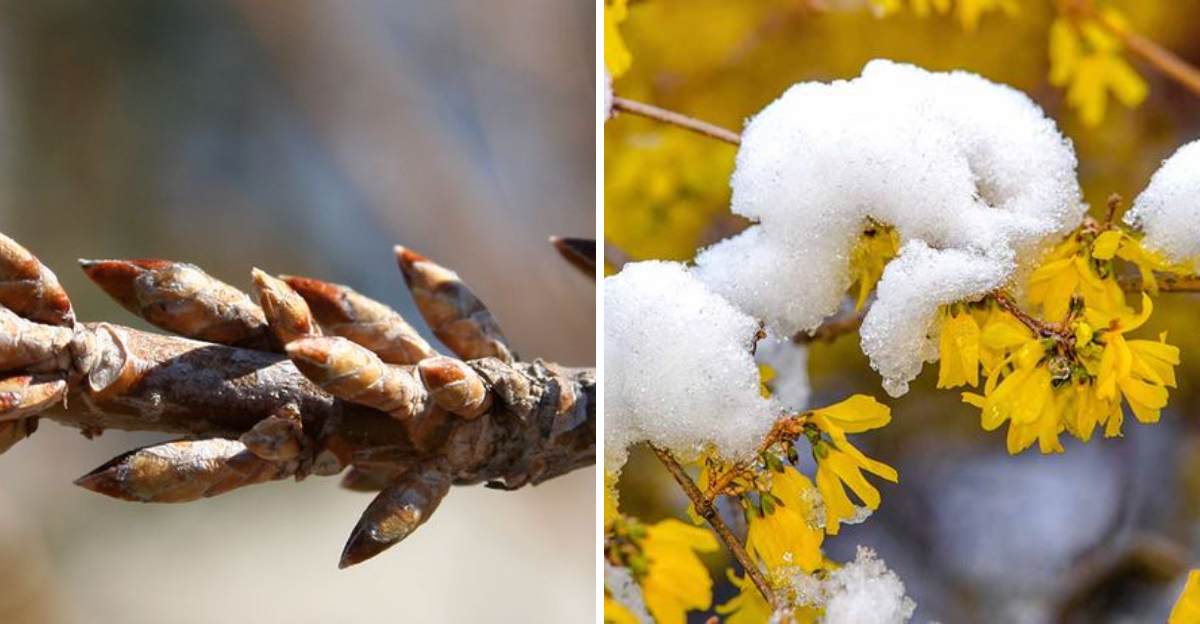
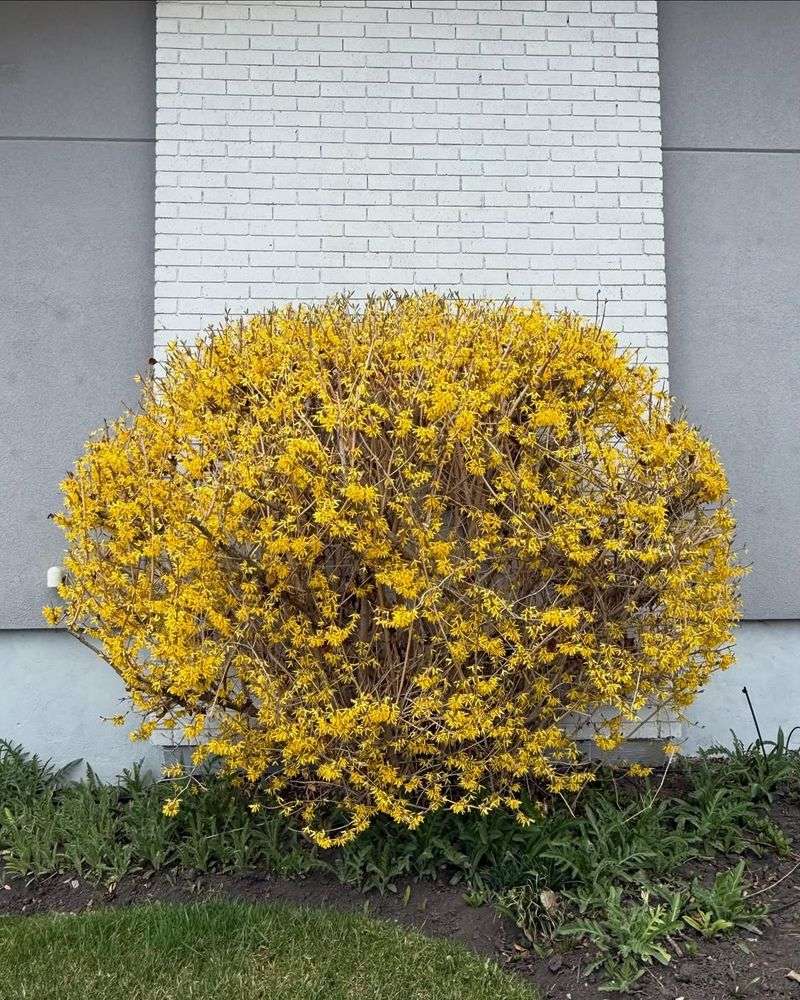
Your forsythia bursts into bright yellow glory, steals the spotlight for a week or two, then suddenly looks thin, tired, almost disappointing. Sound familiar?
Many Ohio gardeners celebrate that first flash of spring color, only to wonder why the shrub seems weak and sparse once the flowers fade. The answer is surprisingly simple, and it has nothing to do with bad luck or poor soil.
That early explosion of blooms tells a bigger story about timing, energy, and pruning habits that shape the plant long before spring arrives. Forsythia sets the stage for next year’s show months in advance, and one small mistake can quietly rob it of strength and fullness.
Before you blame the weather or reach for fertilizer, take a closer look at what happens right after bloom time. The real reason behind that weak appearance might be easier to fix than you think.
1. Early Warm Spells Trigger Premature Bloom
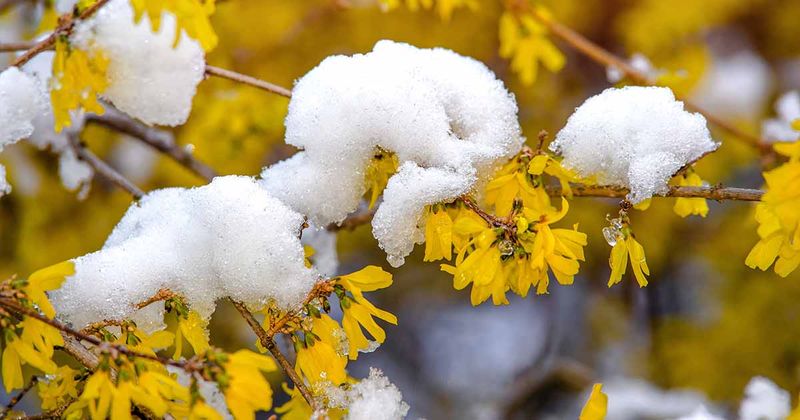
Ohio winters have a reputation for being unpredictable, and forsythia feels every single temperature swing. When a stretch of warm days arrives in late January or February, the shrub interprets those rising temperatures as a signal that spring has arrived.
Forsythia is one of the earliest woody plants to break dormancy, and it does not take much warmth to flip that switch.
What happens is a biological response driven by something called chilling hours. Forsythia requires a period of winter chilling to complete dormancy, though exact chilling needs vary.
Once that threshold is met, even a brief warm spell can push the plant into active growth and flowering.
The problem in Ohio is that warm spells rarely mean winter is over. A week of fifty-degree temperatures in February might feel like spring, but cold air almost always returns.
By the time the shrub has pushed out its blooms, it has already spent a significant portion of its stored energy.
This premature bloom leaves the plant in a vulnerable state. It entered flowering before root activity and nutrient uptake have fully increased with warmer soil.
That energy imbalance is the root cause of the weak, sparse appearance that follows those cheerful early blossoms.
2. Cold Snaps Damage Tender Buds And New Growth
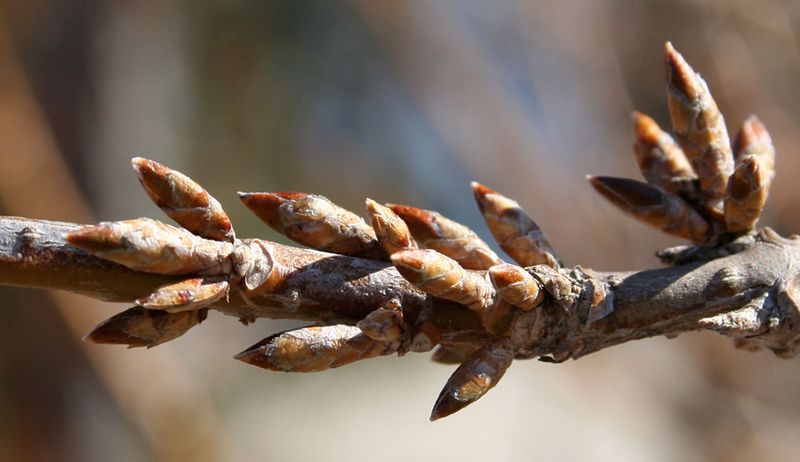
After an early bloom, forsythia branches and emerging leaf buds are no longer protected by dormancy. When temperatures drop back below freezing, which happens regularly in Ohio through March and even into April, those tender tissues take the hit directly.
Frost injury on forsythia often goes unnoticed at first because the damage shows up gradually over the following weeks.
Freeze-thaw cycles are especially damaging. Water inside plant cells expands when it freezes, which can damage plant cells.
When temperatures rise again, those damaged cells cannot recover normally. Affected buds turn brown or black and fail to open.
New leaf growth may emerge distorted, pale, or sparse in areas where the damage was heaviest.
Ohio State University Extension notes that late spring frosts are a consistent challenge for early-blooming shrubs across the state. Forsythia planted in low-lying areas or in spots that collect cold air are particularly vulnerable because cold air settles into depressions overnight, creating what horticulturists call frost pockets.
Your Ohio Garden Changes Every Week. Your Plan Should Too.
Gardening in Ohio changes quickly throughout the season. Every Friday you’ll receive a simple weekly plan showing exactly what to plant, prune, fertilize, harvest, and protect so you never miss the right timing.
If you noticed that your forsythia had a great floral show but almost no leaves followed in the usual thick flush, frost injury to the emerging leaf buds is likely the explanation. The flowers open first, and the leaf buds that follow are the ones that get caught by returning cold.
3. Energy Reserves Drop After Early Flowering
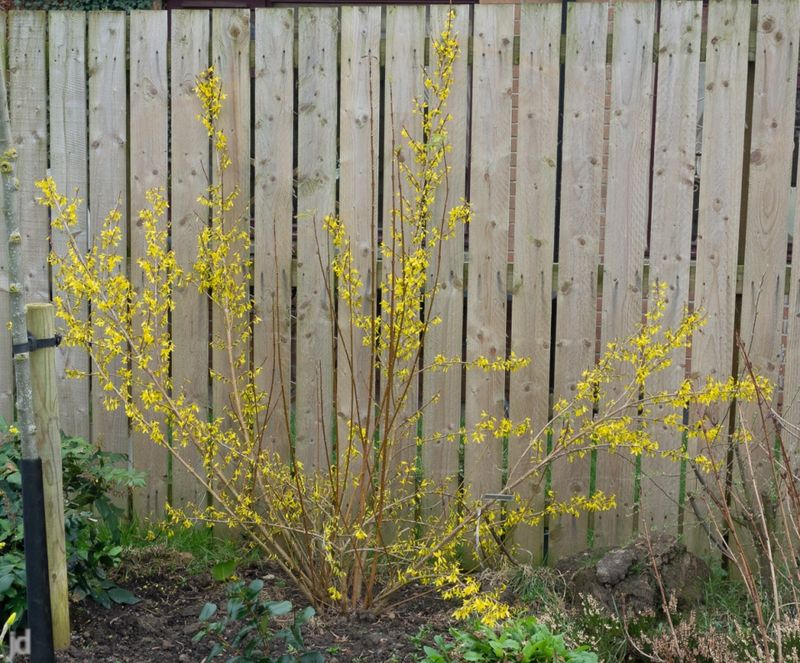
Flowering takes an enormous amount of stored energy. Before a forsythia blooms, it has spent months accumulating carbohydrates in its roots and woody stems.
Those reserves fuel the entire flowering process, from bud swell to full flower display. When bloom happens earlier than normal, the plant taps into those reserves before the soil and root system are ready to replenish them.
Think of it like spending your savings account before your paycheck arrives. The money goes out, but nothing comes back in right away.
For forsythia, the paycheck is photosynthesis, which requires warm soil, active roots, and fully developed leaves. Early blooms happen before all of those conditions are in place.
Once flowering finishes, the plant shifts energy toward producing leaves. But if reserves are low and the root system is still sluggish from cold soil temperatures, leaf production suffers.
The result is a shrub that looks thin, produces smaller-than-normal leaves, or pushes out growth unevenly across the canopy.
In Ohio, cool late winter soil slows root activity until temperatures rise in spring. Gardeners who see weak post-bloom growth should recognize that their plant is simply running low on fuel and needs support to rebuild those reserves through the growing season.
4. How To Tell Weather Stress From Other Problems
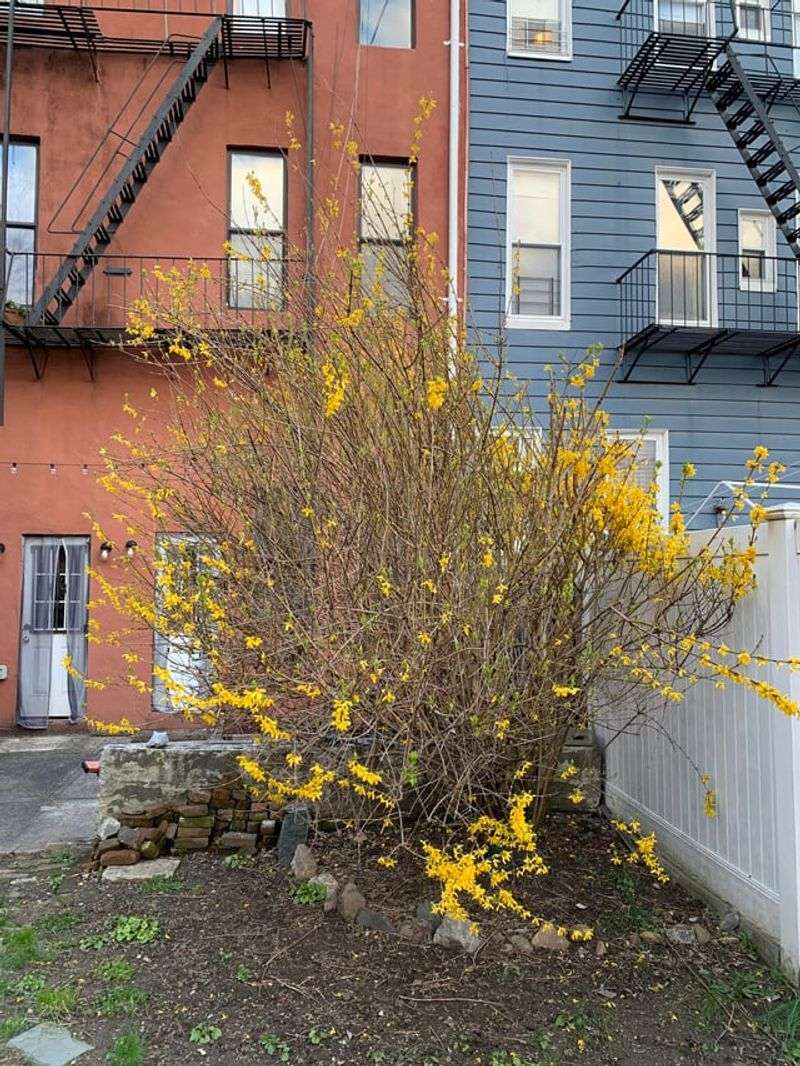
Not every forsythia problem comes from weather. Before assuming frost and temperature swings are the culprit, it helps to look closely at the patterns of damage.
Weather stress from freeze-thaw cycles usually appears unevenly across the plant, with some branches looking fine while others show browning, distortion, or lack of leaf growth. The damage tends to be worse on the side of the plant most exposed to wind or on low-growing branches closest to the ground.
Nutrient deficiencies look different. Yellowing that starts between leaf veins, known as interveinal chlorosis, often signals an iron or manganese shortage, which can happen in Ohio soils with high pH.
Uniform yellowing of older leaves throughout the whole plant may point to nitrogen deficiency. These patterns are consistent across the shrub rather than scattered or branch-specific.
Poor pruning is another common culprit. Forsythia blooms on old wood, meaning last year’s growth carries this year’s flowers.
If someone pruned the shrub heavily in fall or early winter, they removed most of the flowering wood and the plant will look sparse regardless of weather.
Soil compaction reduces root function and can cause slow, weak growth over time. Pest issues like scale insects show up as crusty white or brown bumps on stems.
Checking for these signs helps narrow down the real cause before choosing a solution.
5. Prune Correctly To Restore Strength And Shape
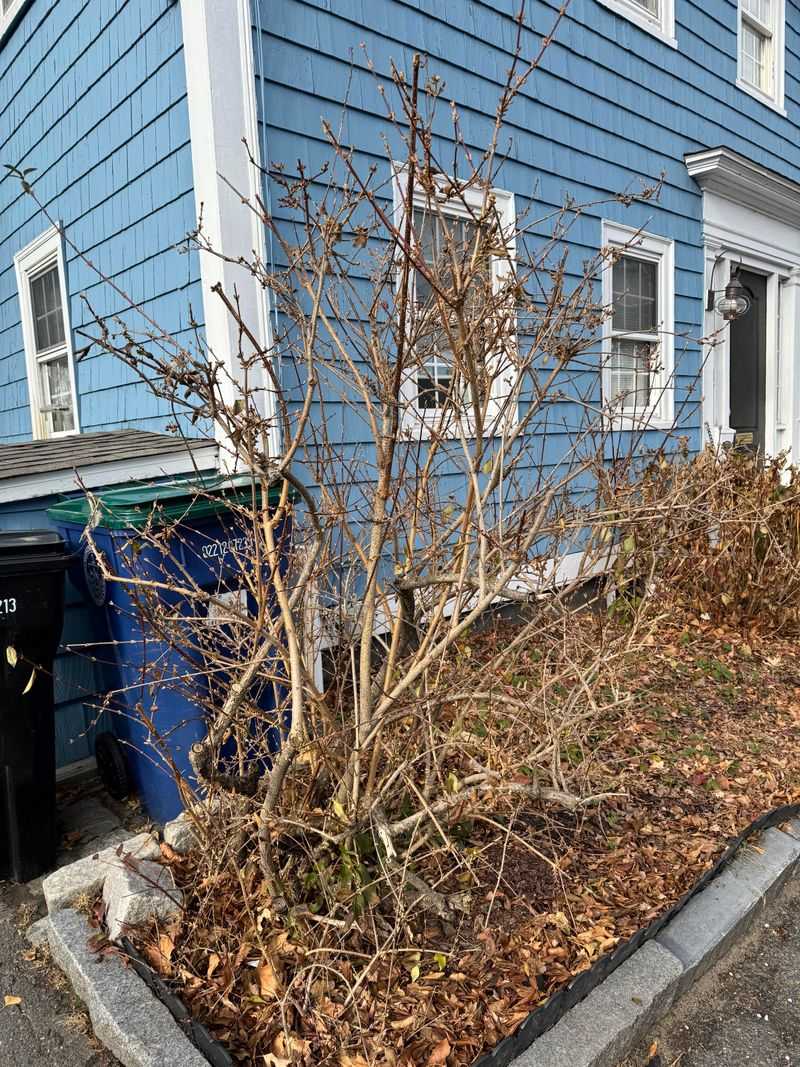
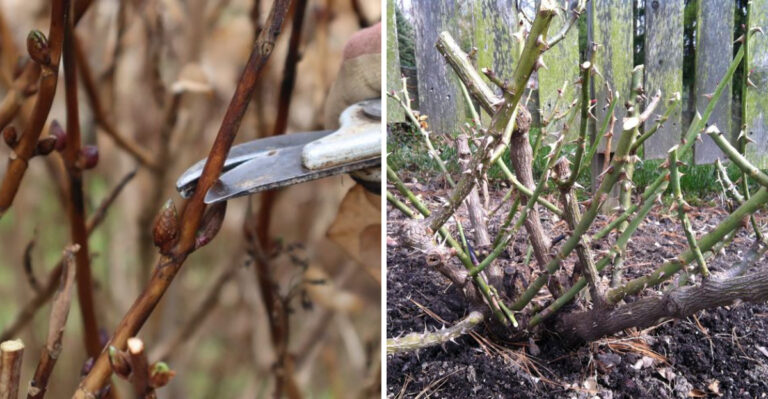
Pruning forsythia at the wrong time is one of the most common mistakes Ohio gardeners make. Because forsythia blooms on old wood, the best window for pruning is right after flowering finishes in spring.
Pruning in fall or late summer removes the very branches that carry next year’s flower buds, leaving you with a full-looking shrub in winter but a disappointingly bare one come bloom time.
For a shrub that looks weak after an early bloom, light shaping right after flowers fade can actually help. Removing withered or frost-damaged wood clears the way for healthy new growth.
Cut withered branches back to where you see green tissue or to the base if the whole branch is affected.
Older forsythia shrubs that have become overgrown or woody in the center benefit from rejuvenation pruning. This involves removing about one-third of the oldest, thickest canes at ground level each year over three years.
This approach, recommended by university extension programs, encourages fresh canes to emerge from the base and restores the plant’s natural arching shape.
Avoid shearing forsythia into tight geometric shapes. That practice removes flowering wood and produces a dense outer shell with a hollow, unproductive interior.
Natural, open pruning keeps the plant healthier and more vigorous across all of Ohio’s growing conditions.
6. Feed And Water Properly To Rebuild Plant Energy
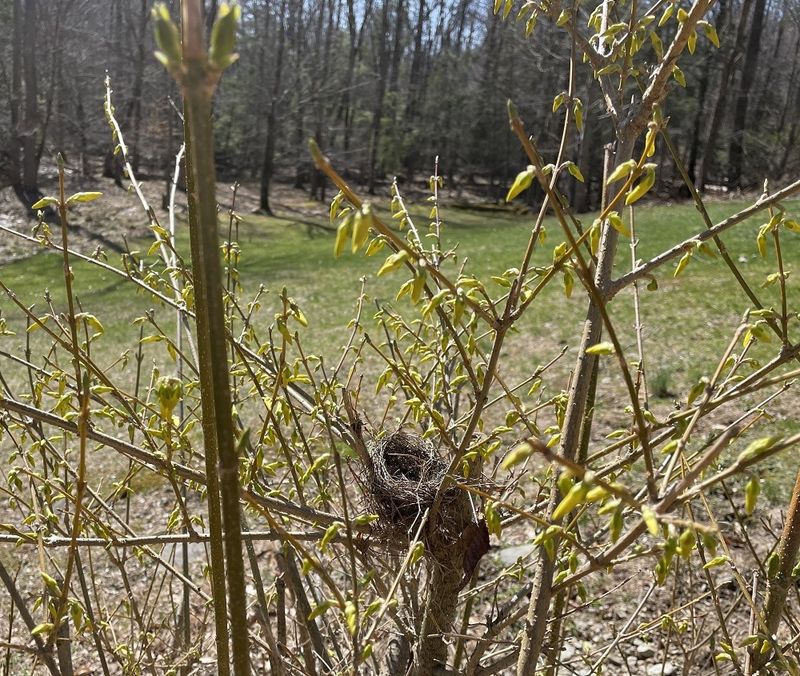
After an energy-draining early bloom, forsythia needs support to rebuild its reserves and push out healthy leaf growth. A light spring feeding, if needed, can support recovery and growth.
A balanced granular fertilizer with equal parts nitrogen, phosphorus, and potassium, such as a 10-10-10 formulation, works well for most Ohio soils.
Avoid over-fertilizing with high-nitrogen products. Too much nitrogen pushes excessive leafy growth at the expense of root development and can make the plant more vulnerable to pests and disease.
A light application is better than a heavy one. Ohio State University Extension recommends doing a soil test before fertilizing so you know exactly what your soil needs rather than guessing.
Mulching around the base of the shrub helps retain soil moisture and regulate soil temperature. Apply two to three inches of shredded bark or wood chip mulch, keeping it a few inches away from the main stems to prevent rot.
Mulch also suppresses weeds that compete for nutrients and water.
Watering deeply once a week during dry spring stretches encourages roots to grow deeper into the soil. Shallow, frequent watering promotes shallow roots that are more sensitive to heat and drought.
Deep watering helps forsythia recover faster and build the kind of strong root system that supports vigorous growth through Ohio’s warm summers.
7. Encourage Strong New Growth Through The Season
Sunlight is one of the most important factors for forsythia recovery. The shrub performs best in full sun, meaning at least six hours of direct sunlight per day.
Plants growing in heavy shade tend to produce fewer flowers and thinner foliage even under ideal conditions. If your forsythia is in a spot that has become shadier over the years due to nearby tree growth, thinning those trees or relocating the shrub to a sunnier spot will make a noticeable difference.
Good airflow through the center of the shrub reduces humidity and lowers the risk of fungal problems like leaf spot, which can weaken the plant further during the growing season.
If the interior of your forsythia is crowded with crossing or rubbing branches, removing a few of the most congested ones improves air circulation without significantly changing the shrub’s appearance.
Light structural pruning through early summer, removing any remaining frost-damaged wood you might have missed in spring, keeps the plant directing its energy toward healthy growth. Do not prune after midsummer in Ohio, as the plant begins setting next year’s flower buds in late summer and fall.
Watching for new cane growth emerging from the base is a positive sign. Those fresh, young canes are the foundation of a rejuvenated shrub and should be encouraged rather than removed.
8. Prevent Future Weak Growth With Smarter Care
Long-term forsythia health starts with smart site selection. Planting in a location with full sun, good drainage, and protection from harsh north or northwest winds gives the shrub the best chance of handling Ohio’s unpredictable late winter weather.
Avoid planting in frost pockets or low areas where cold air collects overnight during those critical late winter and early spring weeks.
Soil improvement matters more than most gardeners realize. Forsythia tolerates a range of soil types but thrives in well-drained, slightly acidic to neutral soil.
If your Ohio soil is heavy clay, incorporating organic matter at planting time and top-dressing with compost annually improves drainage and biological activity around the root zone.
Sticking to a consistent pruning schedule, always pruning right after bloom in spring and never in fall or winter, preserves flowering wood and keeps the shrub structurally sound.
Skipping years or pruning at the wrong time creates the cycle of weak bloom and sparse growth that frustrates so many gardeners.
Climate awareness is part of smart gardening in Ohio. Knowing that forsythia will likely bloom early in warm winters and that cold snaps will follow helps you plan rather than panic.
In some cases, protective sprays may help reduce bud injury, though results vary.