When To Plant Gladiolus ‘Priscilla’ In Oregon For Best Blooms
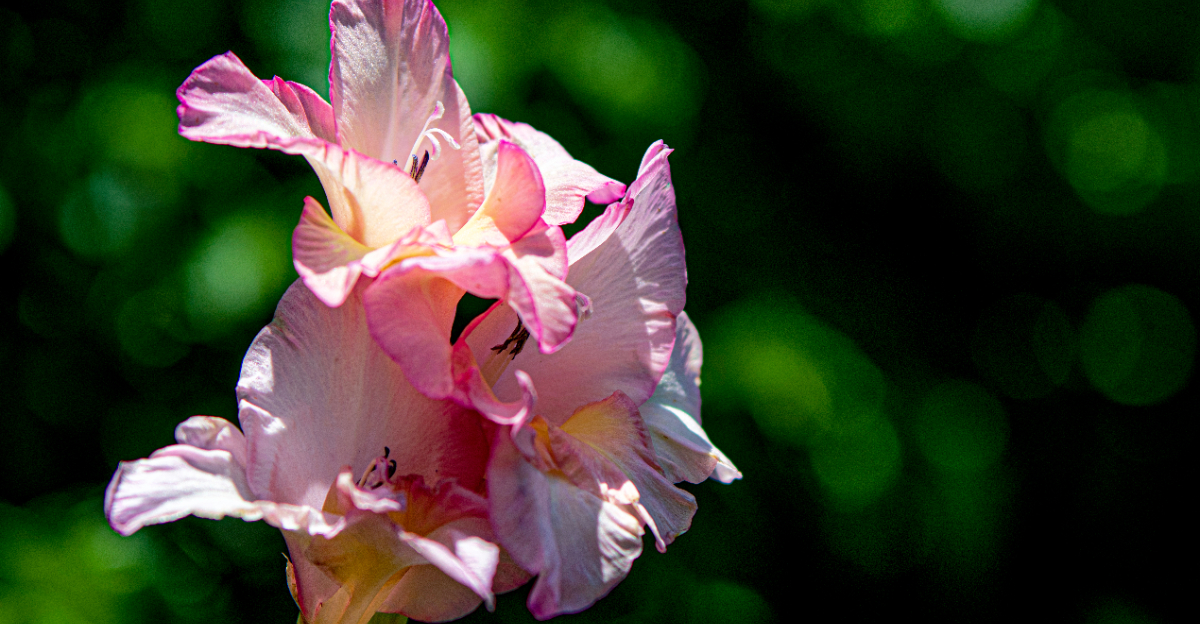
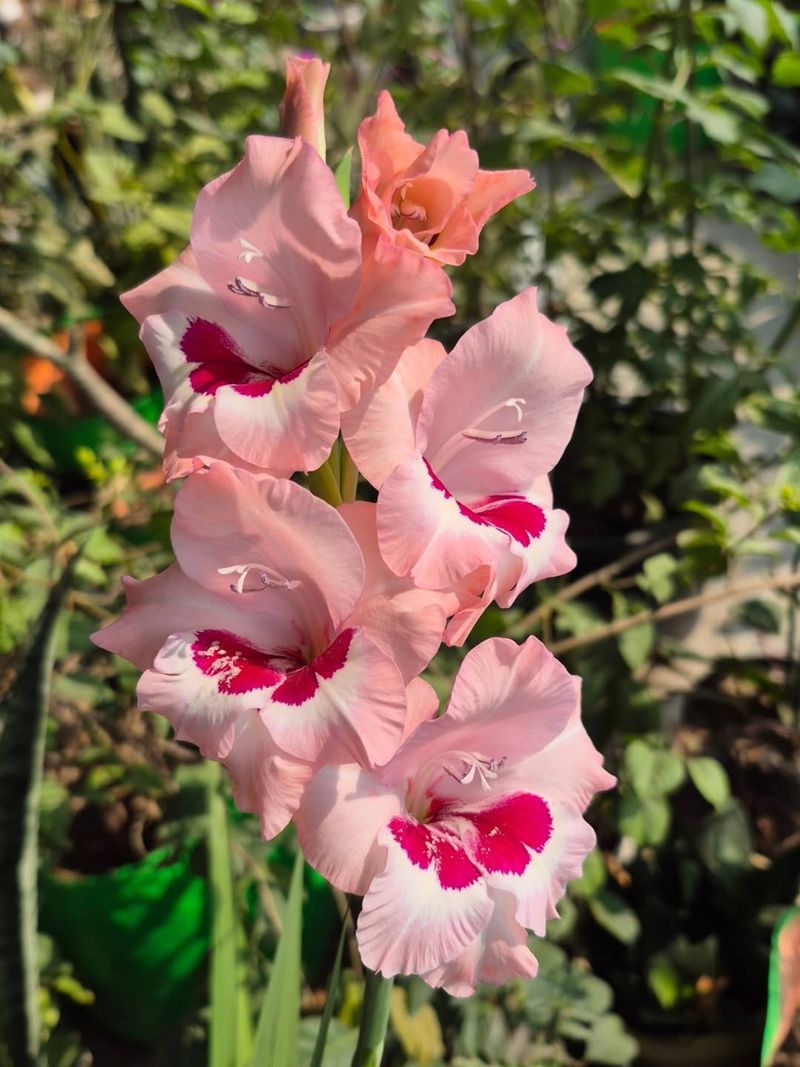
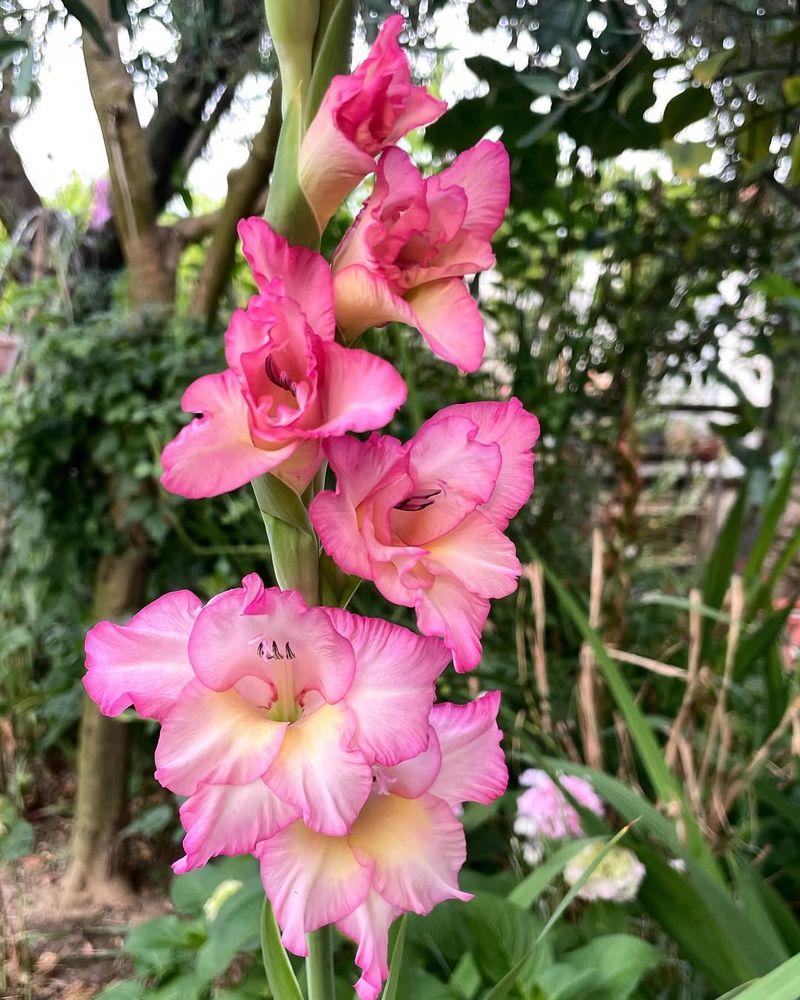
Soft pink petals brushed with raspberry edges make Gladiolus ‘Priscilla’ a true standout in the summer garden. For Oregon growers, timing is the key to getting those tall, elegant flower spikes at their absolute best.
Planting at the right moment gives corms a strong start, helps stems grow sturdy and straight, and leads to fuller, longer lasting blooms when warm weather arrives.
Oregon’s cool soil and changeable conditions mean a little patience pays off, as rushing too early can slow growth while perfect timing encourages vigorous development.
With the right planting window, these graceful flowers rise above the garden with color, height, and classic charm that feels both bold and refined.
If you are dreaming of vibrant vertical blooms and armfuls of cut flowers, understanding when to plant Gladiolus ‘Priscilla’ makes all the difference for a truly spectacular display.
1. Don’t Rush, Frost Is the Enemy
Every gardener in Oregon knows that feeling, the sun comes out in late February, the birds start singing, and suddenly you want to plant everything. Slow down.
Gladiolus ‘Priscilla’ corms are extremely sensitive to frost, and planting too early can cause serious damage before the plants even get started.
Frost can reach the corms underground and stop growth in its tracks. Oregon winters can hang on longer than expected, especially in the Willamette Valley and higher elevation areas.
Even a light frost can set your planting back by weeks.
Patience is genuinely your best gardening tool here. Wait until all frost risk has passed before putting a single corm in the ground.
Most experienced Oregon gardeners wait until at least mid-April before planting, and some wait until early May just to be safe. The extra wait is always worth it.
2. Time It With Your Last Frost
Knowing your last frost date is one of the most useful pieces of information any Oregon gardener can have. The last frost date changes depending on where you live in the state.
Portland typically sees its last frost around mid-March, while Eugene usually clears frost by late March or early April.
If you garden in a colder part of Oregon, like Bend or the southern Cascades, your last frost could stretch into May. Always check local frost date resources for your specific zip code.
The Old Farmer’s Almanac and your local Oregon State University Extension office are both great places to start.
Once you know your last frost date, count forward about two weeks. That two-week buffer gives the soil time to warm up properly after the last freeze.
Planting Gladiolus ‘Priscilla’ two weeks after your last frost date is one of the smartest moves you can make as an Oregon gardener. Mark it on your calendar so you never guess again.
3. Warm Soil, Happy Gladiolus
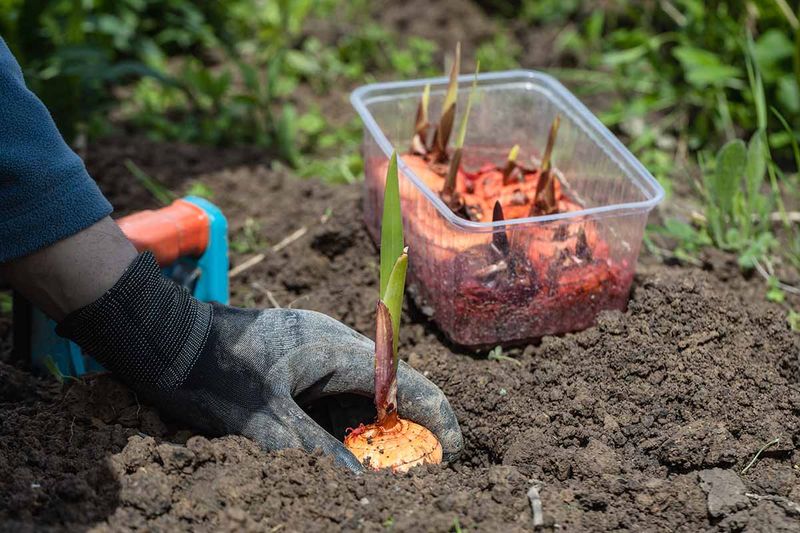
Soil temperature matters more than most gardeners realize. You can have the perfect sunny spot and rich, well-draining soil, but if the ground is still cold, those corms will just sit there doing nothing.
Your Oregon Garden Changes Every Week. Your Plan Should Too.
Gardening in Oregon changes quickly throughout the season. Every Friday you’ll receive a simple weekly plan showing exactly what to plant, prune, fertilize, harvest, and protect so you never miss the right timing.
Gladiolus ‘Priscilla’ needs warmth to wake up and start pushing roots and shoots toward the surface.
Cold soil also increases the risk of corm rot. When corms sit in wet, cold soil for too long, they can soften and fail before they ever sprout.
Oregon springs tend to be wet, which makes warm soil even more critical for success.
A simple soil thermometer is one of the best investments for any serious Oregon gardener. You can find them at most garden centers for just a few dollars.
Stick it about four inches into the ground where you plan to plant. Check it in the morning for the most accurate reading.
Once the temperature holds steady and warm for several days in a row, your soil is ready. Gladiolus ‘Priscilla’ will thank you with strong, healthy growth right from the start.
4. 55°F Is the Magic Number
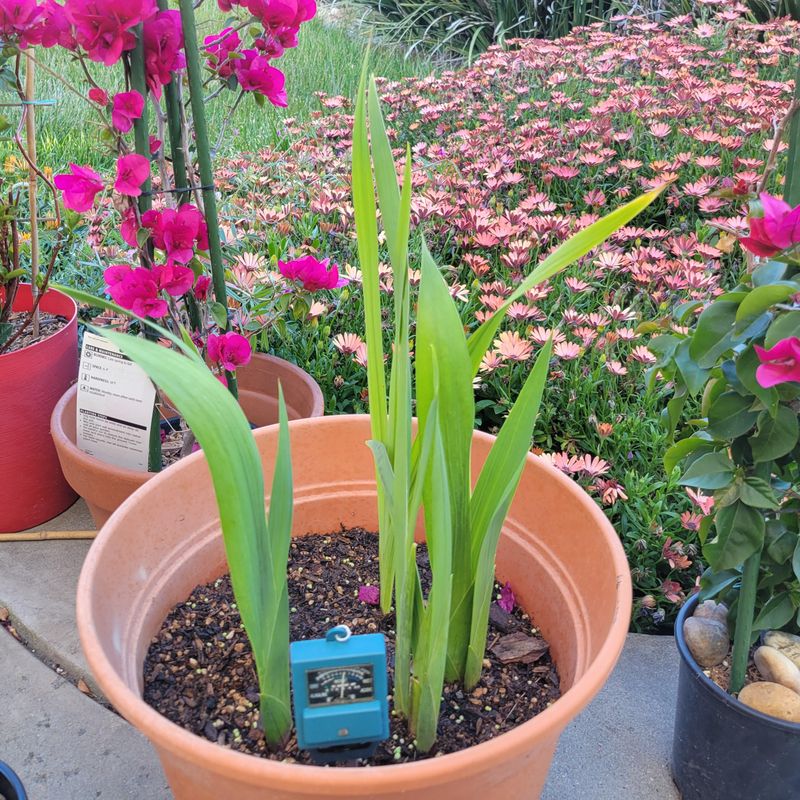
Fifty-five degrees Fahrenheit is the minimum soil temperature you want before planting Gladiolus ‘Priscilla’ in Oregon. Below that number, the corms struggle to establish roots and are far more likely to rot in the damp Oregon spring soil.
Above it, growth kicks off quickly and reliably.
In most parts of the Willamette Valley, soil temperatures hit 55°F somewhere between late March and mid-April. Coastal Oregon tends to stay cooler longer because of ocean influence, so gardeners near Lincoln City or Astoria may need to wait until late April or even early May.
Here is a fun tip, dark-colored mulch or black plastic sheeting laid over your planting area can help warm the soil faster. Remove it right before you plant.
This simple trick can speed up your soil warming by one to two weeks, giving you a head start on the season. Many Oregon cut flower farmers use this exact method to get their gladiolus fields going earlier.
Once that thermometer reads 55°F or higher, grab your trowel and get those beautiful ‘Priscilla’ corms in the ground.
5. Give Them All The Sunshine
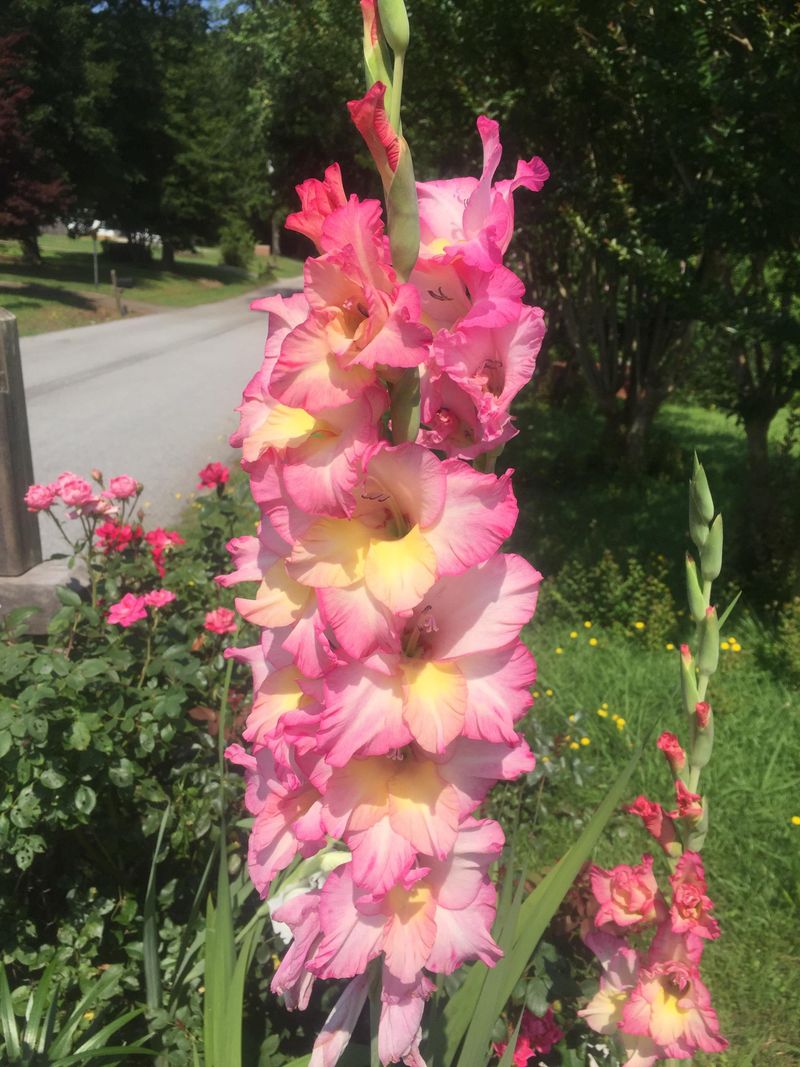
Sunshine is non-negotiable for Gladiolus ‘Priscilla.’ These flowers are total sun lovers and need at least six to eight hours of direct sunlight every day to produce their best blooms. In Oregon, where cloudy days are common, choosing the sunniest spot in your yard is absolutely essential.
South-facing garden beds are usually the best choice in Oregon. They catch the most sun throughout the day and tend to warm up faster in spring.
Avoid planting near tall trees, fences, or structures that cast afternoon shade. Even a few hours of lost sunshine can mean fewer blooms or shorter flower spikes.
Oregon summers, especially in the Willamette Valley, can actually be quite sunny and warm from June through September. That stretch of weather is prime time for ‘Priscilla’ to put on a show.
Make sure your planting site also has good air circulation. Gladiolus foliage stays healthier and is less prone to fungal issues when air can move freely around the plants.
A bright, open spot in your Oregon garden is truly the best gift you can give these flowers.
6. Space Them, Don’t Crowd Them
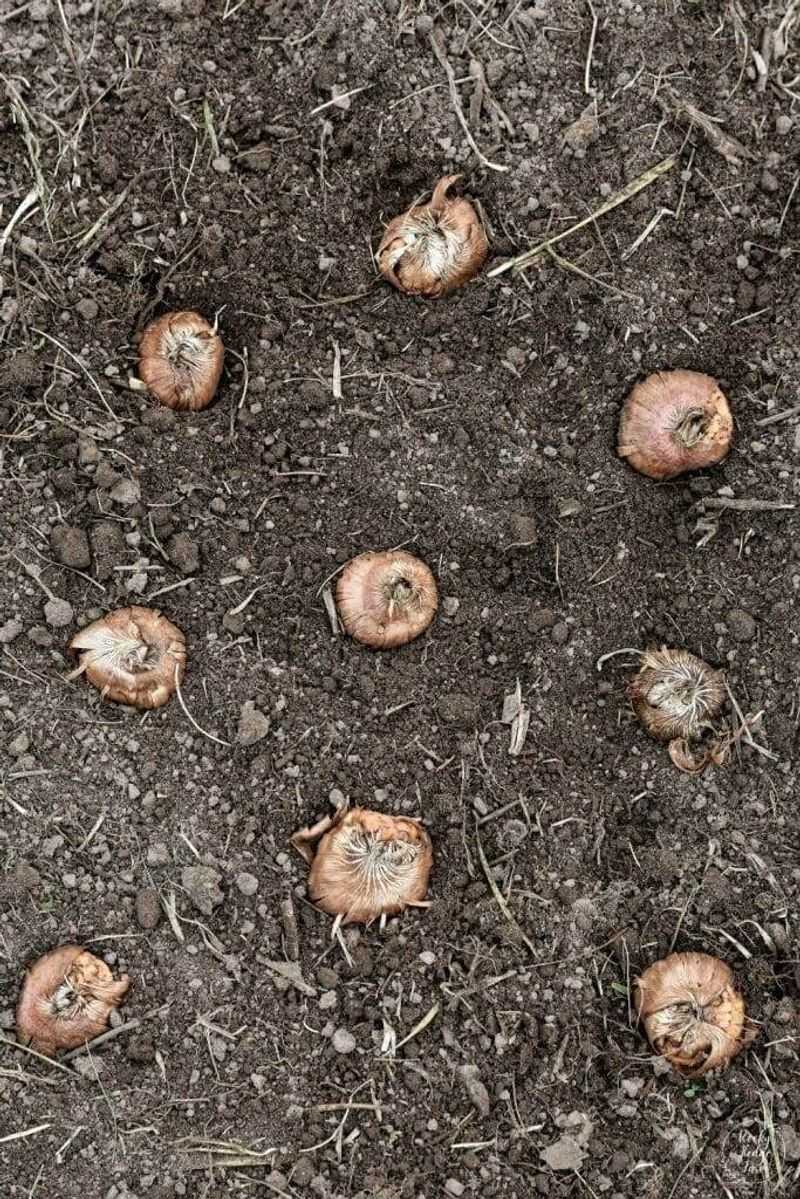
Crowding gladiolus corms is one of the most common mistakes new gardeners make. When corms are planted too close together, they compete for water, nutrients, and sunlight.
The result is usually weak stems, small flowers, and a higher chance of disease spreading between plants.
For Gladiolus ‘Priscilla,’ aim for about six inches between each corm. Plant them about four to six inches deep, with the pointed tip facing up.
Rows should be spaced about twelve inches apart if you are planting multiple rows. This spacing gives each plant room to grow tall and strong without interference from its neighbors.
Proper spacing also improves airflow around the plants, which is especially helpful in Oregon where spring and early summer can bring humid conditions. Good airflow reduces the risk of fungal problems like botrytis, which loves cool and damp environments.
Taking an extra few minutes to measure your spacing before planting can make a noticeable difference in the quality of your blooms. Gardeners across Oregon who follow proper spacing almost always report taller spikes and more vibrant flowers.
Give each corm its own space to shine.
7. Plant In Waves For More Blooms
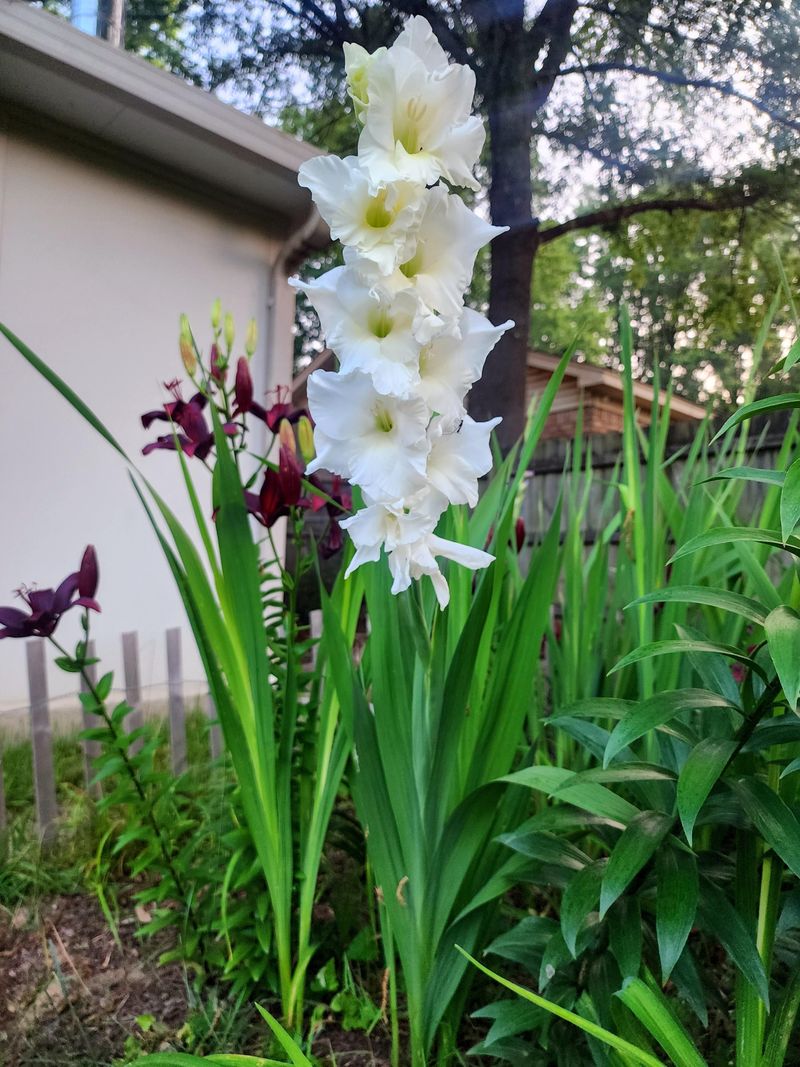
Want flowers all summer long instead of one big burst and then nothing? Succession planting is your answer.
Instead of putting all your corms in the ground at once, plant a batch every two weeks from mid-April through late June. Each planting will bloom about sixty to ninety days after going in the ground.
This staggered approach is popular among Oregon cut flower growers and home gardeners alike. It stretches the blooming season from midsummer all the way through early fall.
Imagine having fresh ‘Priscilla’ blooms to cut for your home from July through September, that is the power of succession planting.
Keep a simple garden journal to track each planting date. Write down how many corms you planted, where you planted them, and the date.
When the first wave blooms, you will know the second wave is not far behind. Oregon summers are warm enough to support multiple rounds of gladiolus planting with great results.
Even two or three succession plantings make a huge difference in the length of your blooming season. Try it once, and you will never go back to planting everything at the same time again.
8. Dig Them Up Before Winter Wins
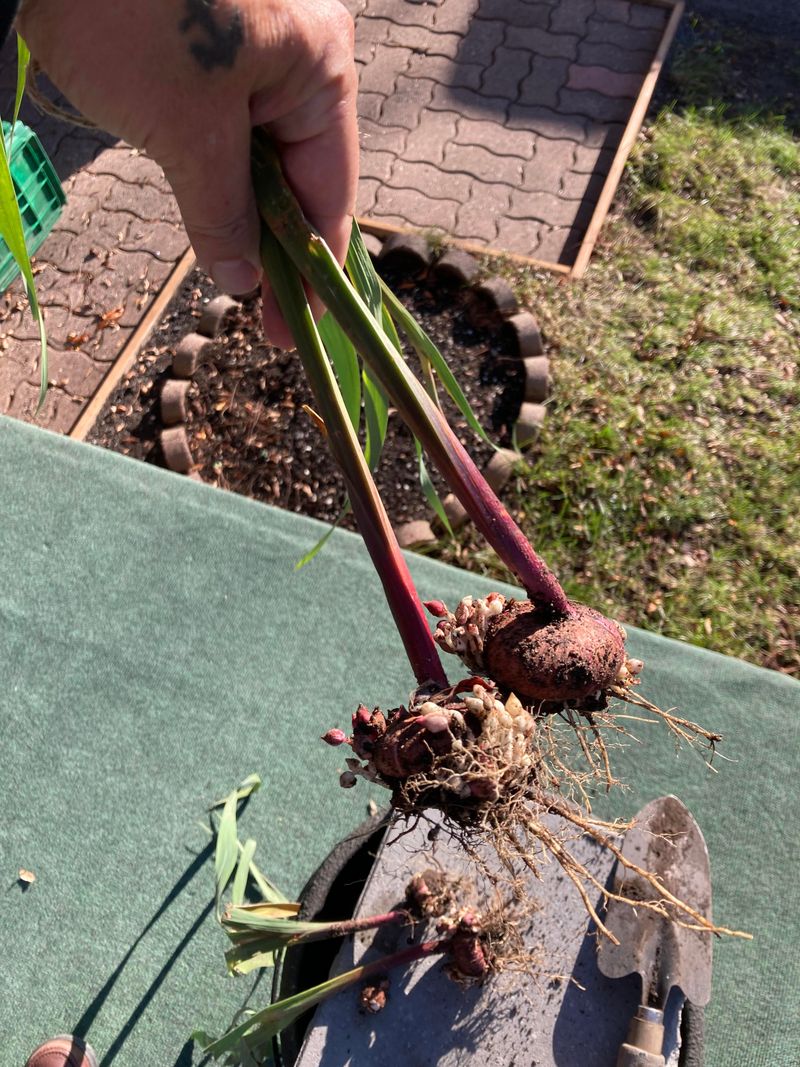
Gladiolus ‘Priscilla’ corms are not cold-hardy enough to survive Oregon winters in the ground, especially in areas that experience regular freezing temperatures. Once the blooms have faded and the foliage starts to yellow in fall, it is time to dig up your corms and store them safely indoors.
Wait about six weeks after blooming ends before digging. This gives the corms time to absorb energy from the withering foliage back into the bulb.
Use a garden fork to carefully lift the corms without damaging them. Brush off loose soil, trim the foliage to about an inch, and let the corms dry in a warm, airy spot for two to three weeks.
Once dry, store them in mesh bags or paper bags filled with dry peat moss or sawdust. Keep them somewhere cool and dry, like a garage or basement, where temperatures stay between 35°F and 50°F.
Label each bag with the variety name so you know exactly what you have come spring. Oregon winters can be wet and cold, so proper storage is the key to keeping your ‘Priscilla’ corms healthy and ready to put on another stunning show next year.