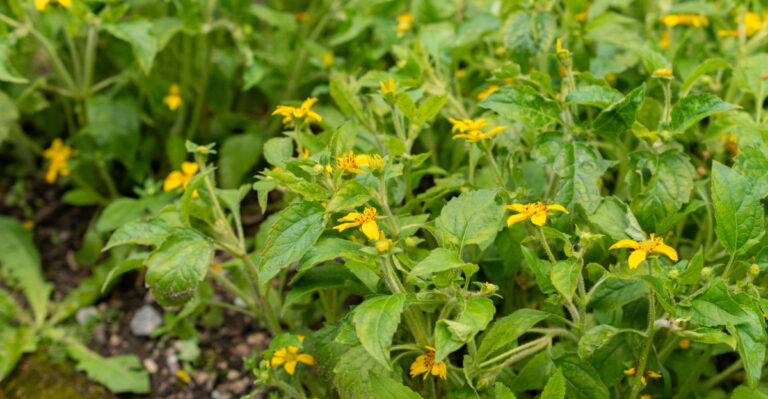
How To Protect Fruit Blossoms In Ohio When Temps Drop Again
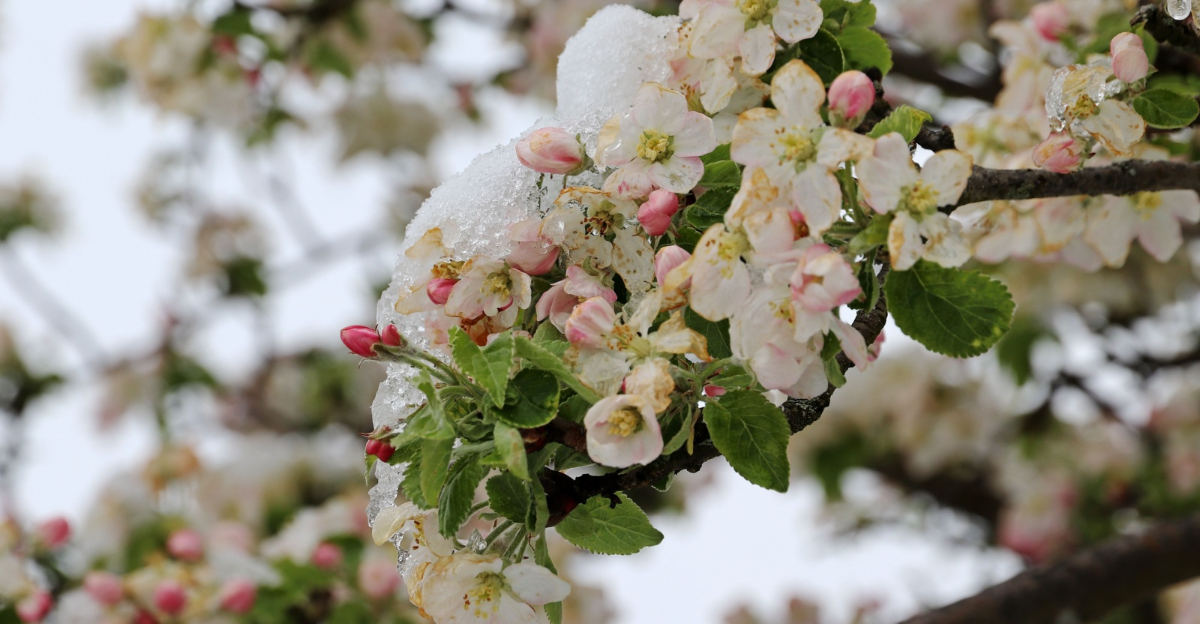
Warm days tease your fruit trees into bloom, petals open, bees arrive, and spring feels secure. Then the forecast shifts, cold air returns, and one frosty night threatens the entire harvest.
Ohio growers know this pattern too well. Those delicate blossoms hold the promise of apples, peaches, cherries, and plums, yet a sudden temperature drop can damage them in hours.
The good news is that protection does not demand complex tools or commercial orchards. Simple, timely action can shield blooms, preserve pollination, and save much of the coming crop.
Success depends on preparation, quick response, and a clear plan before the cold arrives. Many gardeners lose fruit each year from preventable frost damage, while others keep baskets full through smart, calm steps taken at the right moment.
With the right approach, your trees can pass through cold snaps safely and continue toward a healthy, productive season.
1. Spring Temperature Swings Threaten Tender Blossoms
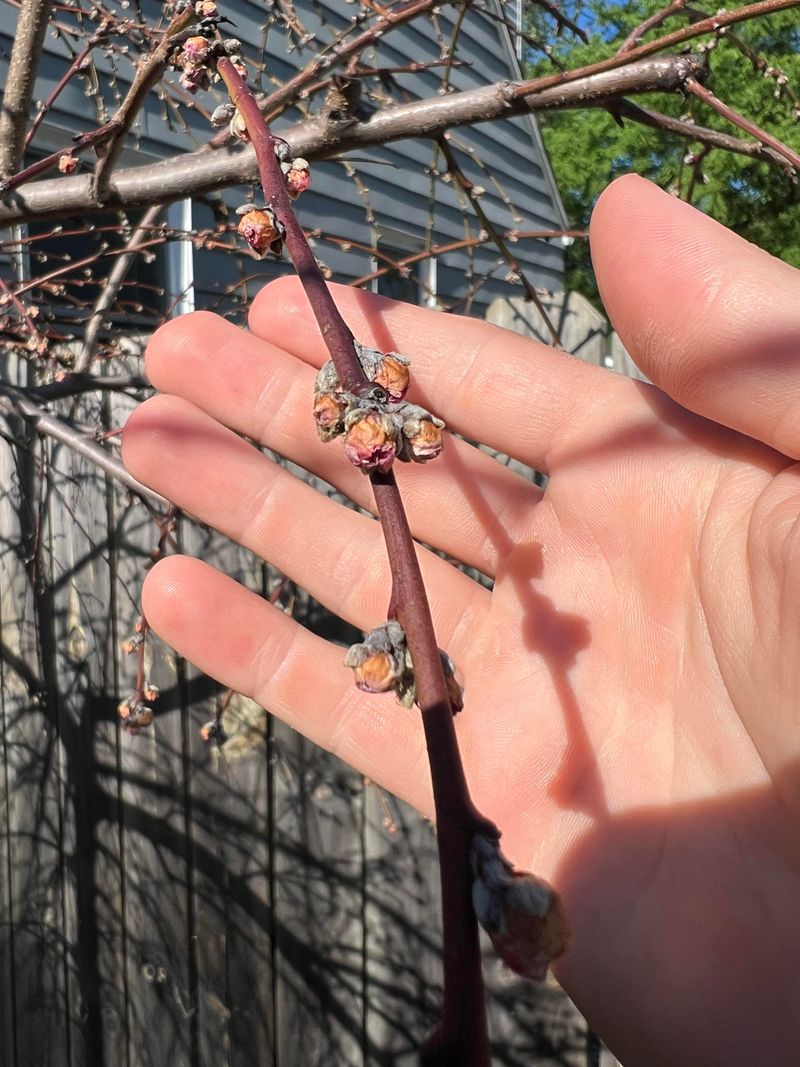
Ohio’s spring weather can shift from warm sunshine to frost warnings in less than 48 hours. When March temperatures climb into the 60s and 70s, fruit trees respond by breaking dormancy early.
Buds swell, flowers open, and growth accelerates. Then a cold front sweeps through, and overnight lows drop into the 20s.
This pattern is common across much of the state. Trees that bloom early, like apricots and peaches, face the highest risk.
Once blossoms open, they become extremely vulnerable to freezing temperatures. Even a brief dip below 28 degrees can damage the delicate reproductive parts inside each flower.
Understanding this cycle helps you stay prepared. Monitor local forecasts closely from mid-March through early May.
Pay attention to bloom stage, not just the calendar. A tree in full bloom needs more protection than one still in tight bud.
Ohio State University Extension provides updated bloom stage reports during spring to help growers time their frost protection efforts.
Recognizing the threat early gives you time to gather materials and plan your response before the cold air arrives.
2. Know The Exact Temperatures That Cause Blossom Injury
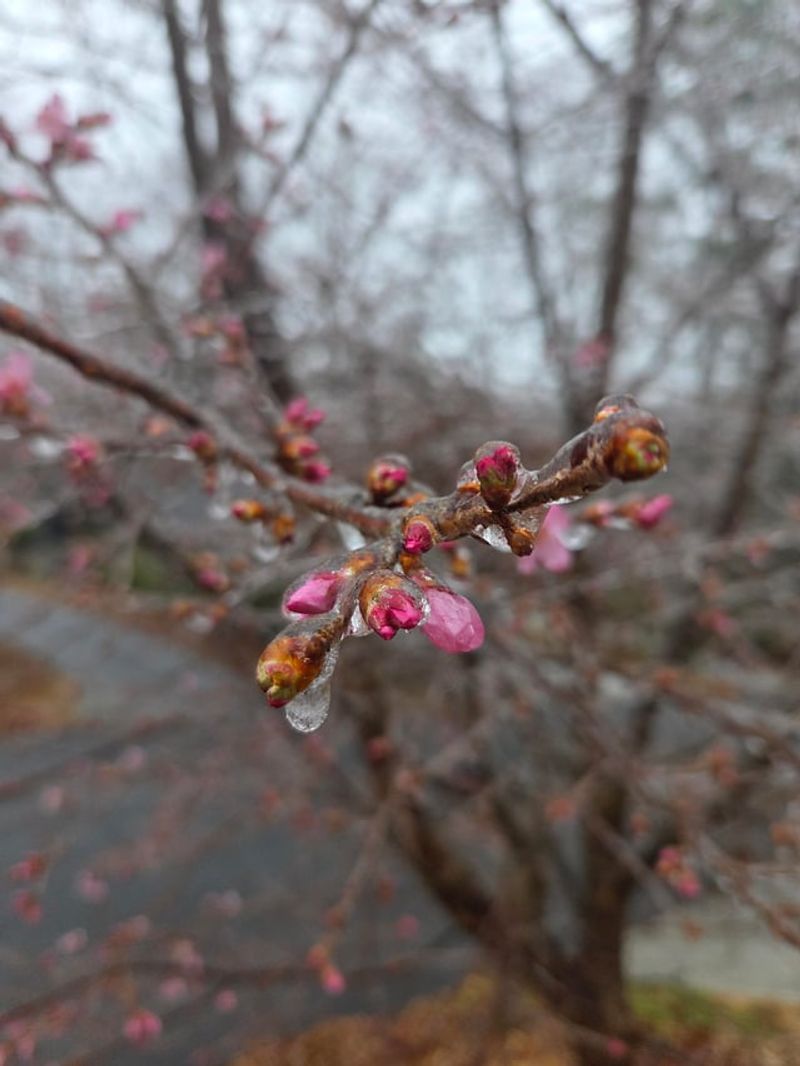
Not all cold nights cause the same level of damage. The temperature that harms blossoms depends on the bloom stage and the type of fruit.
Tight buds tolerate colder conditions than open flowers. Once petals open and the center of the blossom is exposed, vulnerability increases dramatically.
For apples, tight buds can tolerate very cold temperatures, often near the mid-teens. At pink bud stage, damage occurs around 27 degrees.
Full bloom drops the safe threshold to 28 degrees. Small fruitlets can be damaged at 28 degrees as well.
Peaches and apricots are even more sensitive. Open peach blossoms suffer injury at 28 degrees, and damage becomes severe at 25 degrees.
Cherries and plums fall somewhere in between. Knowing these numbers helps you decide when to take action.
Ohio State University Extension publishes detailed charts showing critical temperatures for each fruit type and bloom stage. Keep a printed copy in your shed or garage.
When the forecast predicts temperatures near these thresholds, protection measures become essential rather than optional.
Your Ohio Garden Changes Every Week. Your Plan Should Too.
Gardening in Ohio changes quickly throughout the season. Every Friday you’ll receive a simple weekly plan showing exactly what to plant, prune, fertilize, harvest, and protect so you never miss the right timing.
3. Protect The Most Vulnerable Fruit Trees First
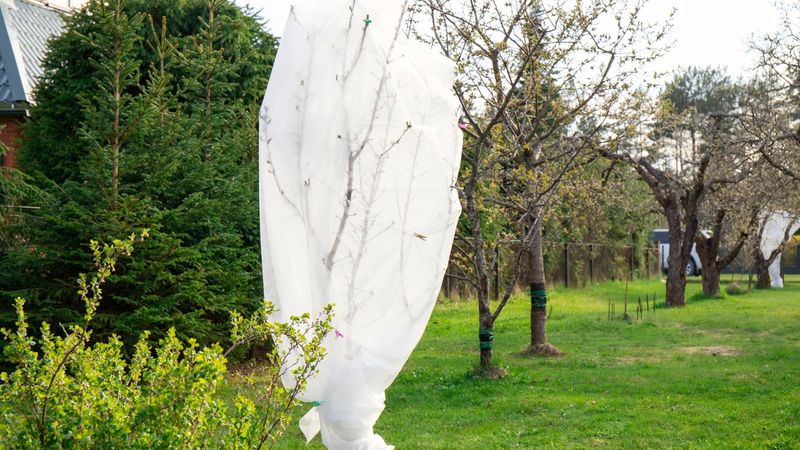
When time is short and a cold night approaches, prioritize your efforts. Not every tree in your yard faces the same level of risk.
Focus first on the trees that bloom earliest and those already in full flower. Peaches, apricots, and nectarines typically bloom before apples and pears, making them the most vulnerable.
Next, consider bloom stage. A tree covered in open blossoms needs immediate attention.
Trees still in tight bud can wait. If you have multiple varieties, check each one individually.
Some apple varieties bloom a week or more ahead of others.
Also think about tree size. Dwarf and semi-dwarf trees are easier to cover and protect than full-sized standards.
If you can only cover a few trees, choose the smaller ones or those with the most blossoms. Young trees establishing their first significant crop also deserve priority since losing blossoms can set back their development.
In Ohio, late April freezes often catch pear and apple growers off guard because the weather feels so mild during the day. Always check your trees in the evening before temperatures drop.
4. Cover Trees Before Cold Air Settles In
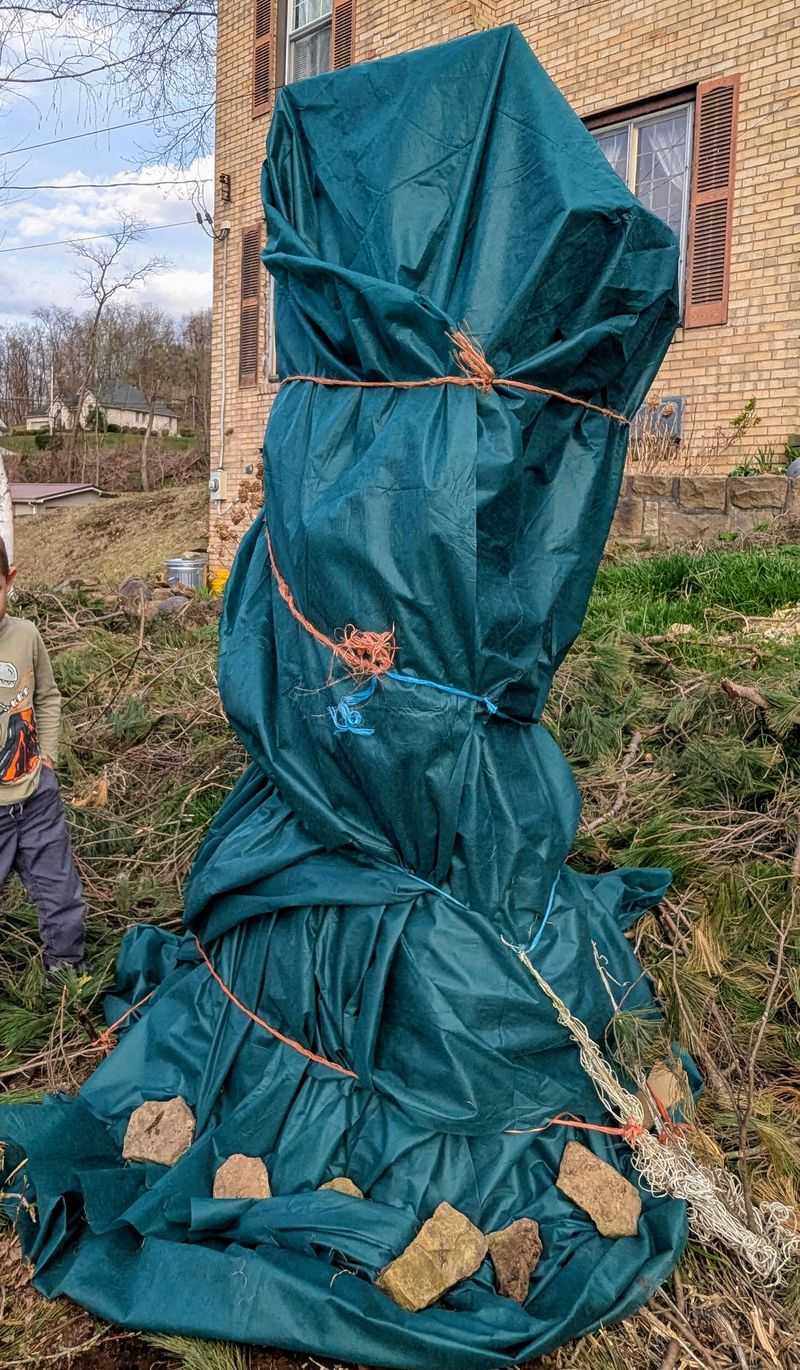
Timing matters when covering trees. Wait until late afternoon or early evening to drape your covers.
Putting them on too early traps cool air and prevents the tree from absorbing warmth during the day. Waiting until after sunset allows the soil and tree to soak up as much daytime heat as possible.
Start by gathering your materials before the sun goes down. You’ll need frost blankets, old bedsheets, tarps, or row covers.
Avoid plastic sheeting unless you can keep it from touching the blossoms directly. Plastic conducts cold and can cause more harm than good if it rests against flowers.
Drape the fabric gently over the entire canopy, extending it all the way to the ground if possible. Secure the edges with stakes, bricks, or landscape pins.
This creates a tent that traps warmer air rising from the soil. Leave no gaps where cold air can seep in from the sides.
For small trees, this process takes just a few minutes. Larger trees require more effort, but even partial coverage helps.
Remove covers the next morning once temperatures rise above freezing to prevent overheating.
5. Use Frost Blankets For Real Overnight Protection
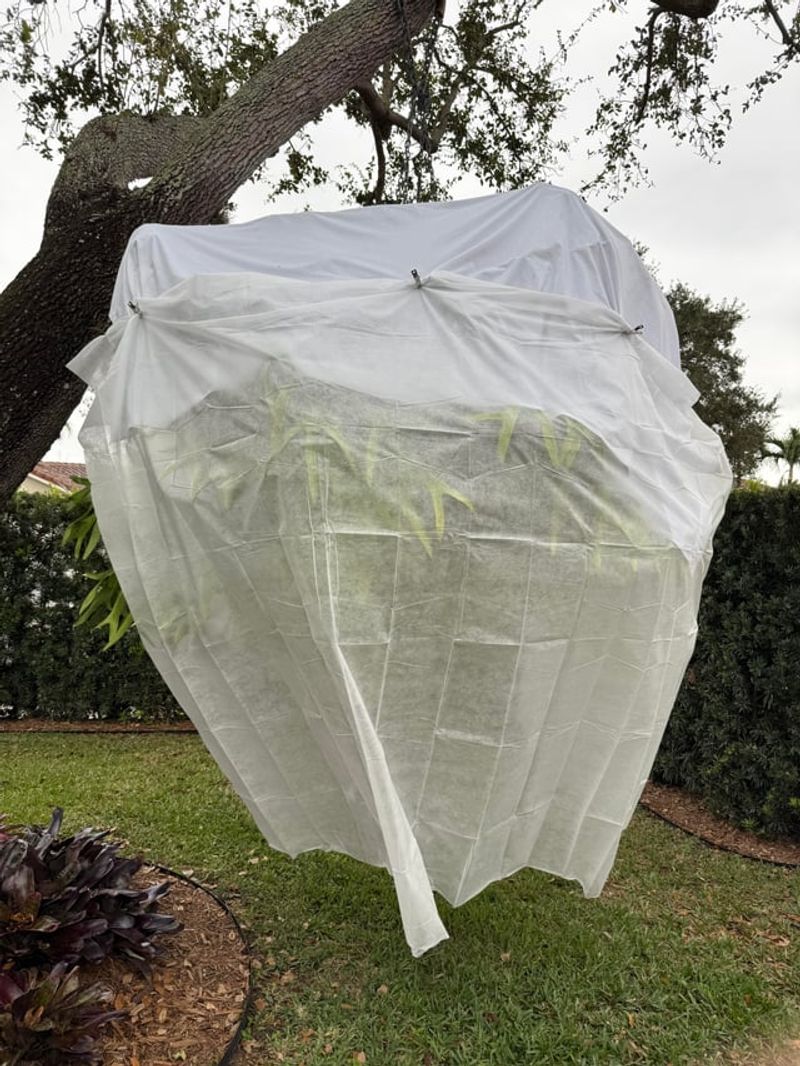
Frost blankets outperform regular sheets because they’re designed to trap heat while allowing some air and moisture to pass through. These lightweight fabrics can raise the temperature around your tree by several degrees, often enough to prevent blossom damage during a mild freeze.
They’re reusable, easy to store, and worth the investment if you grow fruit in Ohio.
Choose blankets rated for frost protection, typically labeled as frost cloth or floating row cover. They come in different weights, usually measured in ounces per square yard.
Heavier fabrics provide more protection but can be harder to drape over large trees. A medium-weight option works well for most backyard situations.
Apply the blanket loosely over the tree so it doesn’t crush blossoms. Extend the fabric to the ground and anchor it securely.
The goal is to create a barrier that holds in radiant heat from the soil. On nights when temperatures drop into the mid-20s, a single layer may not be enough.
Layering two blankets increases protection.
Frost blankets also protect against wind, which can intensify cold damage. They’re especially useful in Ohio where spring winds often accompany cold fronts.
6. Add Safe Heat To Raise Temperatures Around Trees
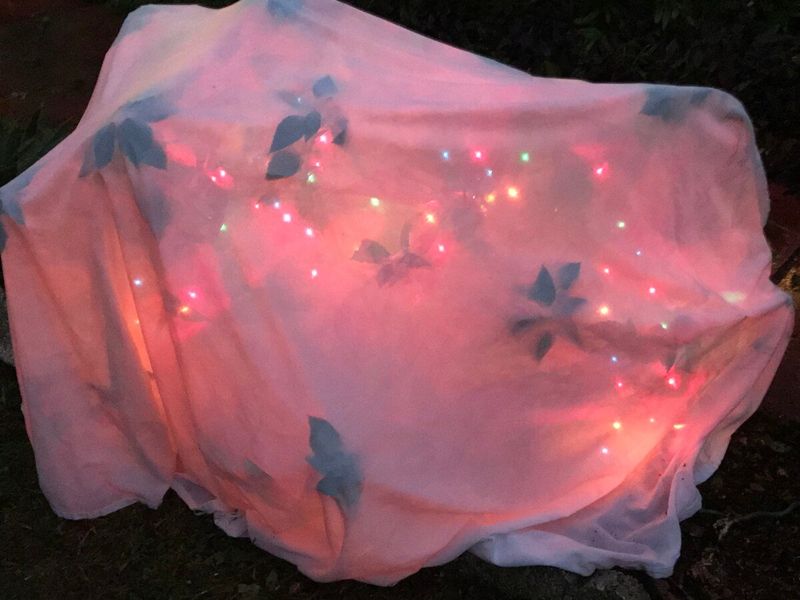
Adding a small heat source under a covered tree can raise the temperature just enough to prevent frost damage. This method works best on smaller trees where you can create an enclosed space with blankets or tarps.
The heat source warms the air inside the cover, and the fabric holds that warmth close to the blossoms.
Old-fashioned incandescent Christmas lights work surprisingly well. String a few strands through the branches before covering the tree.
Incandescent bulbs generate heat as they glow, unlike LED lights which stay cool. Plug them in as temperatures drop and leave them on overnight.
This simple trick can add a few critical degrees of warmth.
Another option is placing containers of warm water near the base of the tree before covering it. As the water cools overnight, it releases heat slowly.
Gallon jugs or large buckets work well. Fill them with warm tap water in the evening and position them around the trunk.
Avoid open flames, propane heaters, or anything that could start a fire. Ohio’s dry spring conditions make fire risk a real concern.
Stick with low-wattage electric options or passive heat storage methods.
7. Moist Soil Helps Reduce Frost Impact
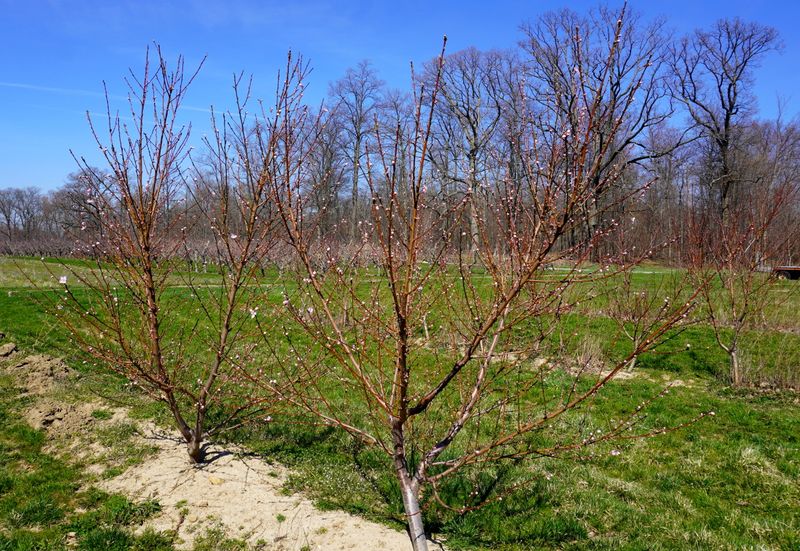
Wet soil holds and releases heat much more effectively than dry soil. Watering your fruit trees thoroughly the day before a predicted freeze can help slightly raise overnight temperatures around the blossoms.
This simple step often gets overlooked, but it’s one of the easiest ways to provide passive frost protection.
Water the ground beneath and around your trees in the afternoon. Soak the soil deeply so moisture penetrates several inches down.
As night falls, the moist soil radiates stored heat upward into the tree canopy. This effect is strongest near the ground but can raise air temperature by a few degrees even at blossom height.
Dry soil, on the other hand, insulates poorly and releases very little heat overnight. If your orchard or garden has gone several days without rain, watering before a cold snap becomes even more important.
Focus on the root zone and the area directly under the tree canopy.
This technique works well across Ohio, where spring weather can turn dry between rain events. Combining moist soil with tree covers and a small heat source creates a layered defense that maximizes your chances of protecting blossoms through a hard freeze.
8. Check Blossoms And Prune Only After Cold Passes
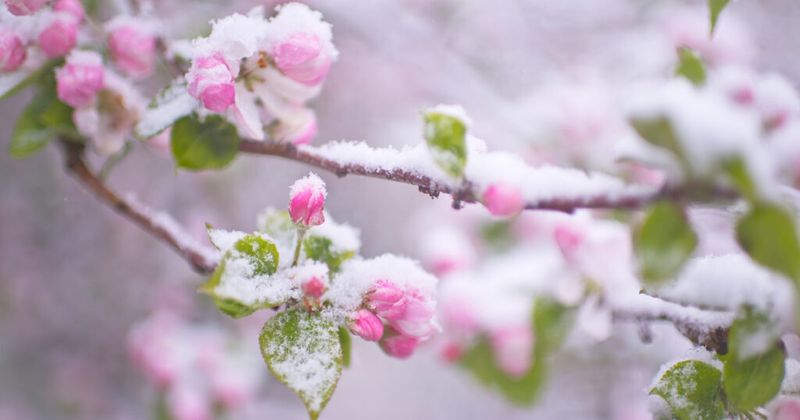
After a cold night, resist the urge to prune immediately. Frost damage isn’t always visible right away.
Blossoms may look fine on the outside even if the reproductive parts inside have been harmed. Wait at least 24 to 48 hours before assessing the full extent of the damage.
To check for injury, select a few blossoms from different parts of the tree. Use a sharp knife to slice through the center of each flower.
Examine the pistil and ovary. Healthy tissue appears green or cream-colored.
Damaged tissue turns brown or black. If most blossoms show brown centers, that portion of the crop is likely lost.
Don’t prune off damaged wood unless you’re certain it’s beyond recovery. Sometimes blossoms that look wilted will recover partially, and even a reduced fruit set is better than none.
Ohio State University Extension recommends waiting until after petal fall to make pruning decisions. By then, you’ll see which fruitlets survived and which branches need attention.
Focus instead on preparing for the next potential freeze. Ohio springs often bring multiple cold snaps, so staying vigilant through early May protects your remaining blossoms and any fruit that has already set.
9. Plan Smarter To Reduce Future Frost Risk
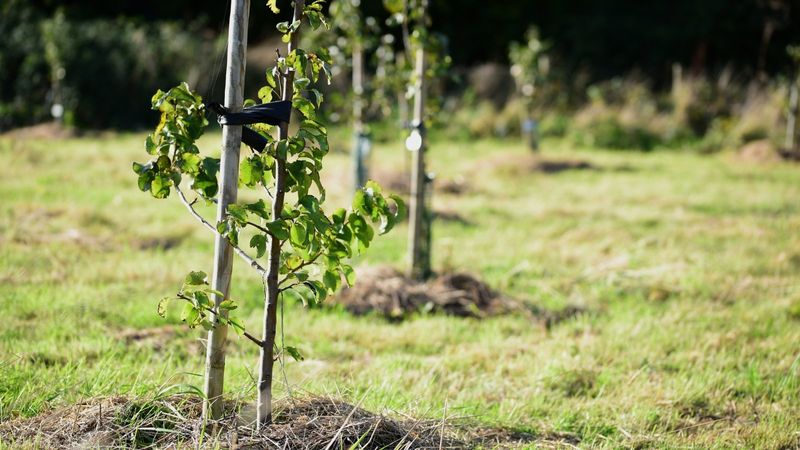
Long-term planning reduces how often you’ll need emergency frost protection. Start by evaluating where your fruit trees are planted.
Cold air behaves like water, flowing downhill and pooling in low spots. Trees planted at the bottom of a slope or in a valley floor often sit in frost pockets where temperatures can drop lower than surrounding areas.
If you’re planting new trees, choose a site with good air drainage. A gentle slope where cold air can flow away from the trees works best.
Avoid planting near the base of hills or in enclosed areas surrounded by woods or buildings. Even a few feet of elevation can make a noticeable difference on cold nights.
Also consider bloom timing when selecting varieties. Late-blooming apple and pear varieties escape many spring freezes simply because they flower after the worst cold has passed.
Ohio growers often find success with varieties bred for northern climates that naturally bloom later in the season.
Finally, maintain healthy trees through proper pruning, fertilization, and pest management. Vigorous trees recover better from occasional frost damage and produce more consistently over time.
Planning ahead reduces stress and increases your chances of a successful harvest year after year.