Why Some Irises Fail To Bloom In Oregon (And What To Do)
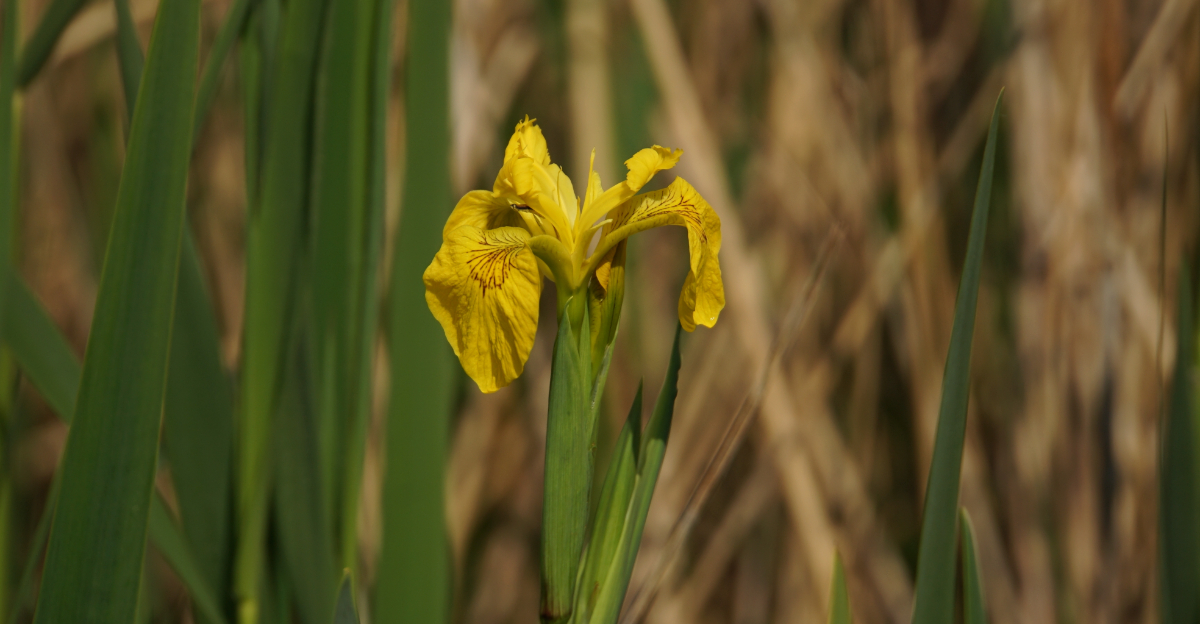
Irises are supposed to be the showstoppers of the late spring garden, sending up elegant stems topped with ruffled, jewel toned blooms. So when leafy fans grow beautifully but flowers never appear, it can feel downright frustrating.
In Oregon, a few common issues quietly interfere with blooming, and most of them are surprisingly easy to fix. Too much shade, overcrowded rhizomes, soggy soil, or overfeeding with nitrogen can all lead to lush foliage and zero flowers.
Timing also matters, especially with dividing and planting in a climate known for wet winters and mild summers. The good news is that once you pinpoint the problem, irises often bounce back quickly with the right adjustments.
A little extra sunlight, better drainage, or a well timed division can turn a stubborn clump into a reliable bloom machine that finally delivers the dramatic display you were hoping for.
1. Too Much Shade, Not Enough Sun
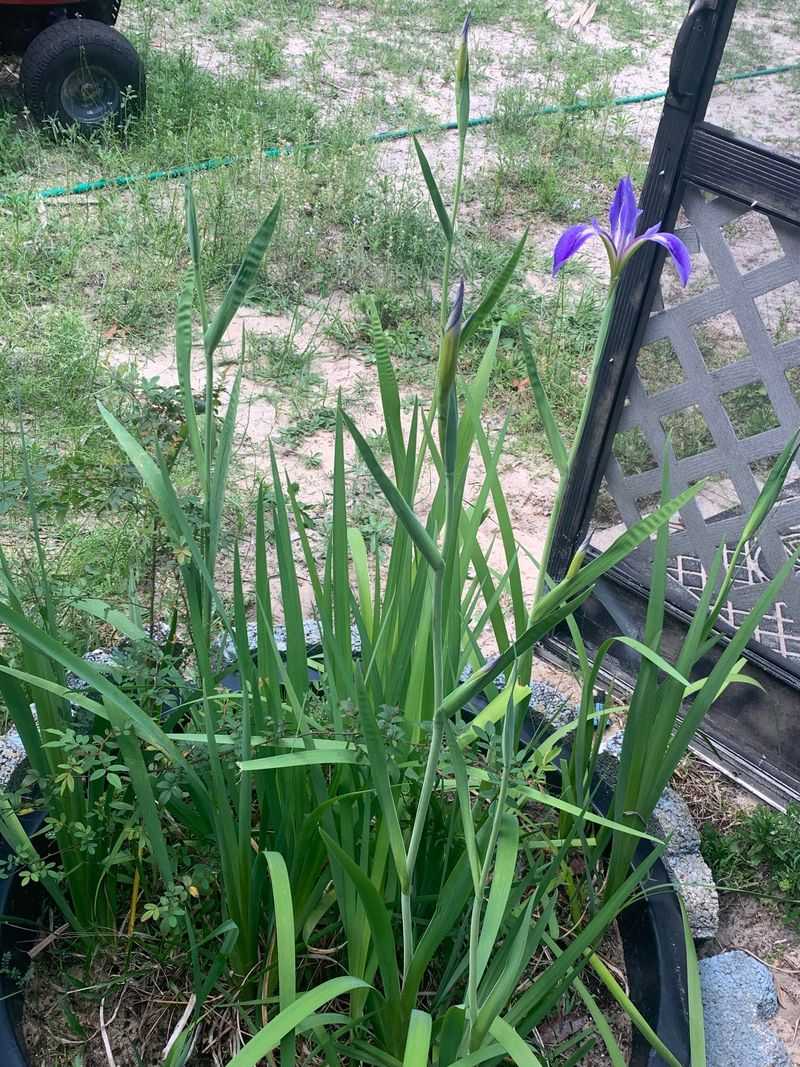
Sunshine is something irises absolutely cannot live without. Bearded irises, the most popular type grown in Oregon, need at least six hours of direct sunlight every day to produce blooms.
If your garden has grown shadier over the years because of trees, shrubs, or nearby structures, your irises may simply not be getting enough light.
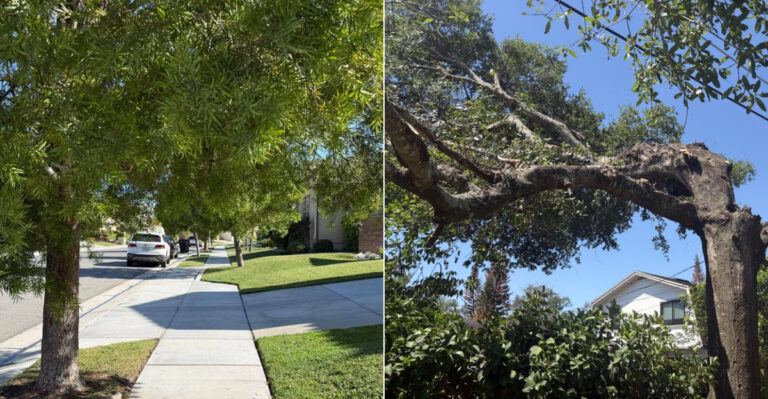
In Oregon, this is a common problem. Trees grow fast in the Pacific Northwest, and a spot that was once sunny can become shaded in just a few seasons.
Tall fences and home additions can also block light that irises used to enjoy.
Walk around your garden on a clear day and watch how the sunlight moves. If your iris bed sits in shade for most of the morning or afternoon, that is likely your problem.
Moving irises to a sunnier location can transform a non-blooming plant into a flowering one quickly.
Trimming back overhanging branches is another option if moving the plants is not possible. Even thinning out a tree canopy can let in enough extra light to make a difference.
Irises planted in full sun in Oregon will almost always reward you with beautiful blooms each spring.
2. Crowded Rhizomes Stop Flowering
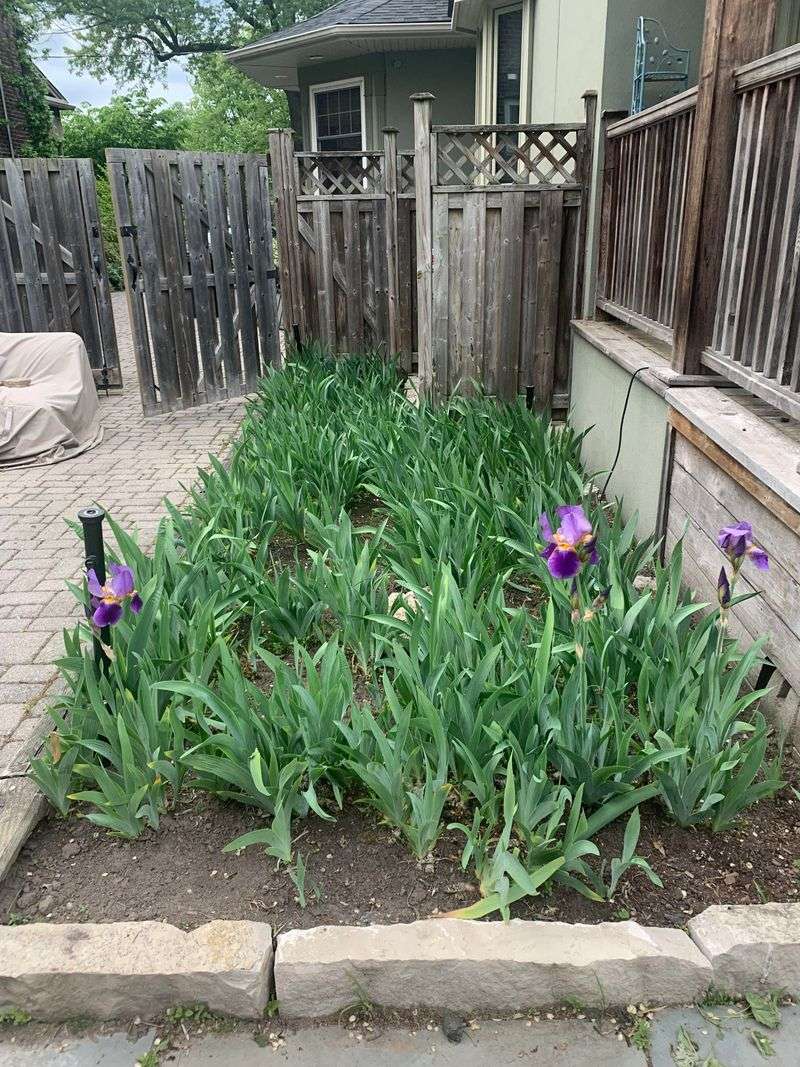
Irises are social plants, but even they need their personal space. Over time, iris rhizomes multiply and spread, filling up a garden bed until they are packed so tightly together that they compete for water, nutrients, and light.
When that happens, flowering slows down and eventually stops altogether.
Most experienced Oregon gardeners know that irises need to be divided every three to four years. If yours have been in the same spot for five years or more without being divided, overcrowding is very likely the reason they are not blooming.
You will often notice the center of the clump looks dead or hollow while new growth pushes outward.
The best time to divide irises in Oregon is late summer, usually July through September, after the blooming season has ended. Dig up the entire clump carefully and use a sharp, clean knife to separate the healthy rhizomes from the old ones.
Your Oregon Garden Changes Every Week. Your Plan Should Too.
Gardening in Oregon changes quickly throughout the season. Every Friday you’ll receive a simple weekly plan showing exactly what to plant, prune, fertilize, harvest, and protect so you never miss the right timing.
Replant only the firm, healthy pieces with good roots attached.
Space the new divisions about twelve to eighteen inches apart so each plant has room to breathe and grow. Within one to two seasons, your divided irises should reward you with a full and colorful bloom again.
3. Planted Too Deep In the Soil
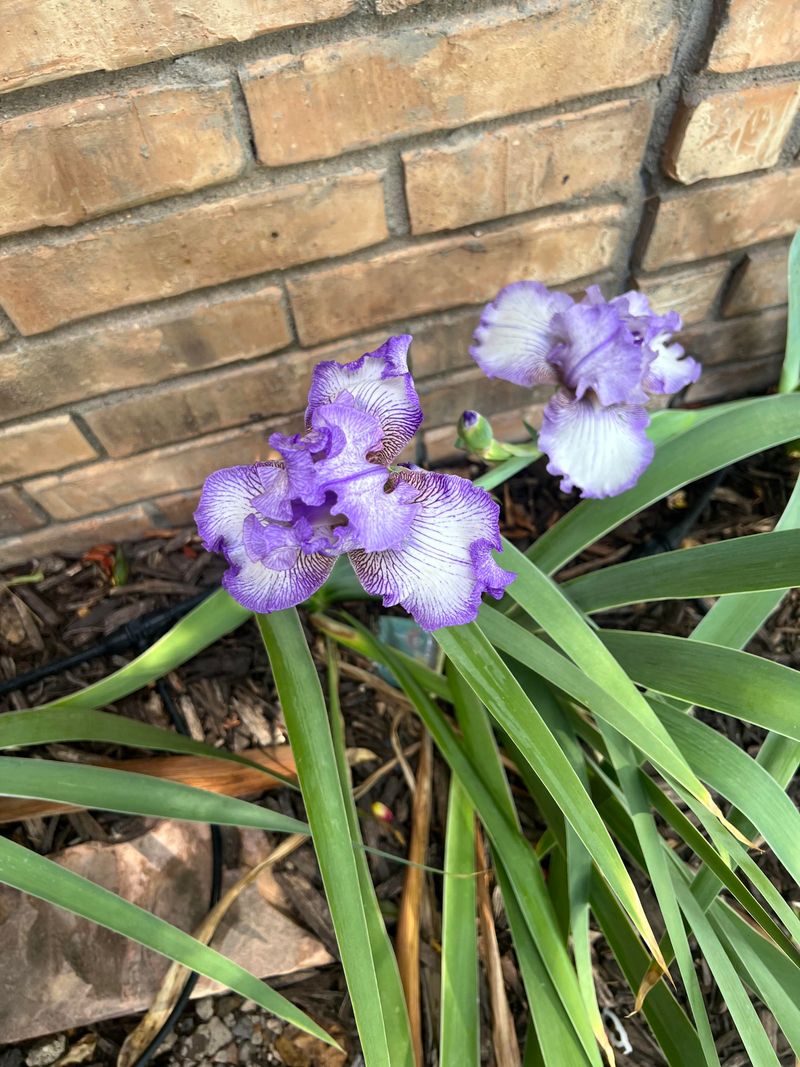
One of the sneakiest reasons irises fail to bloom is something that happens right at planting time. Iris rhizomes need to be planted shallow, with the top of the rhizome sitting just at or slightly above the soil surface.
When they are buried too deep, the plant focuses on growing leaves instead of producing flowers.
Many new gardeners in Oregon make this mistake because it feels natural to cover a root completely with soil. With irises, though, the rhizome actually needs some exposure to sunlight and warmth to trigger blooming.
Burying it even an inch or two too deep can prevent flowers for years.
Check your iris planting depth by gently brushing away some soil around the base of the plant. If you cannot see the top of the rhizome at all, it is planted too deep.
The fix is simple: carefully lift the rhizome and replant it at the correct depth.
In Oregon, where soils can be heavy and clay-like in many areas, rhizomes can also sink deeper over time as soil settles. It is a good habit to check the depth of your iris beds every couple of years and make adjustments as needed to keep blooms coming strong.
4. Overwatering Can Reduce Blooms
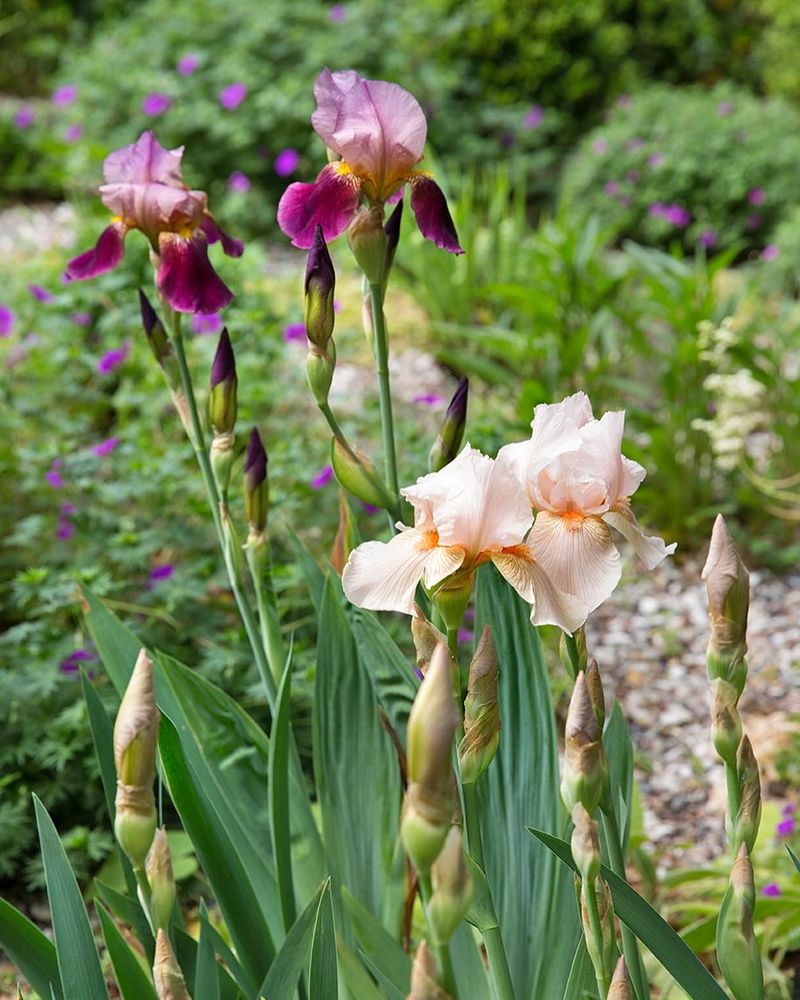
Oregon is known for its rainy winters and wet springs, and that moisture can actually work against your irises if drainage is poor. Irises prefer well-drained soil and do not like sitting in soggy conditions for long periods.
Too much water around the rhizomes can lead to rot, weak roots, and a complete lack of flowers.
During Oregon’s wet season, which typically runs from October through April, irises in low-lying or poorly drained areas are especially at risk. If water pools in your garden after rain, your irises are likely getting far more moisture than they need.
Healthy irises actually prefer drier conditions during summer, which aligns well with Oregon’s dry summers.
Improving drainage is the best long-term fix. Raised beds work wonderfully for irises in Oregon because they keep the rhizomes elevated above soggy ground.
Adding coarse sand or grit to heavy clay soil can also help water drain away faster.
Avoid watering irises during the summer dormant period unless there is a prolonged drought. Once established in well-drained soil, Oregon irises are surprisingly tough and drought-tolerant.
Cutting back on water and improving drainage can often bring non-blooming irises back to life within a single growing season.
5. Too Much Nitrogen, Fewer Flowers
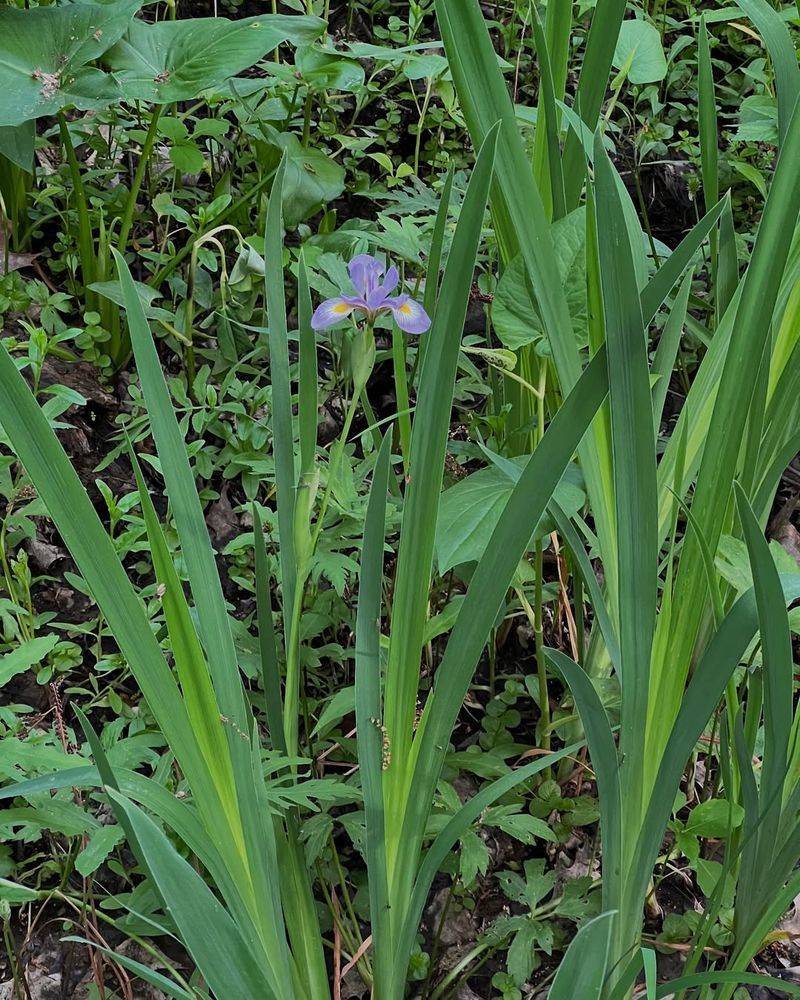
Fertilizer seems like it should always help plants grow better, but with irises, the wrong kind can actually work against you.
Nitrogen is the nutrient that promotes leafy, green growth, and while it sounds helpful, too much of it pushes irises to grow big leaves at the expense of flowers. If your irises are lush and green but never bloom, excess nitrogen could be the cause.
This problem often happens when gardeners use a general all-purpose fertilizer or spread lawn fertilizer near the iris bed. Lawn fertilizers are very high in nitrogen, and if they wash into an iris planting area, they can shut down flowering almost completely.
In Oregon, where spring rains are common, fertilizer from nearby lawns can easily run off into garden beds.
Irises actually do best with a low-nitrogen, high-phosphorus fertilizer. Look for a fertilizer labeled something like 5-10-10 or 6-10-10.
Phosphorus is the nutrient that encourages root development and flower production, which is exactly what you want.
Apply fertilizer in early spring just as new growth appears, and again right after blooming ends in late spring. Avoid fertilizing in late summer or fall in Oregon, as this can stimulate weak new growth heading into the cool, wet winter months.
6. Not Enough Winter Chill
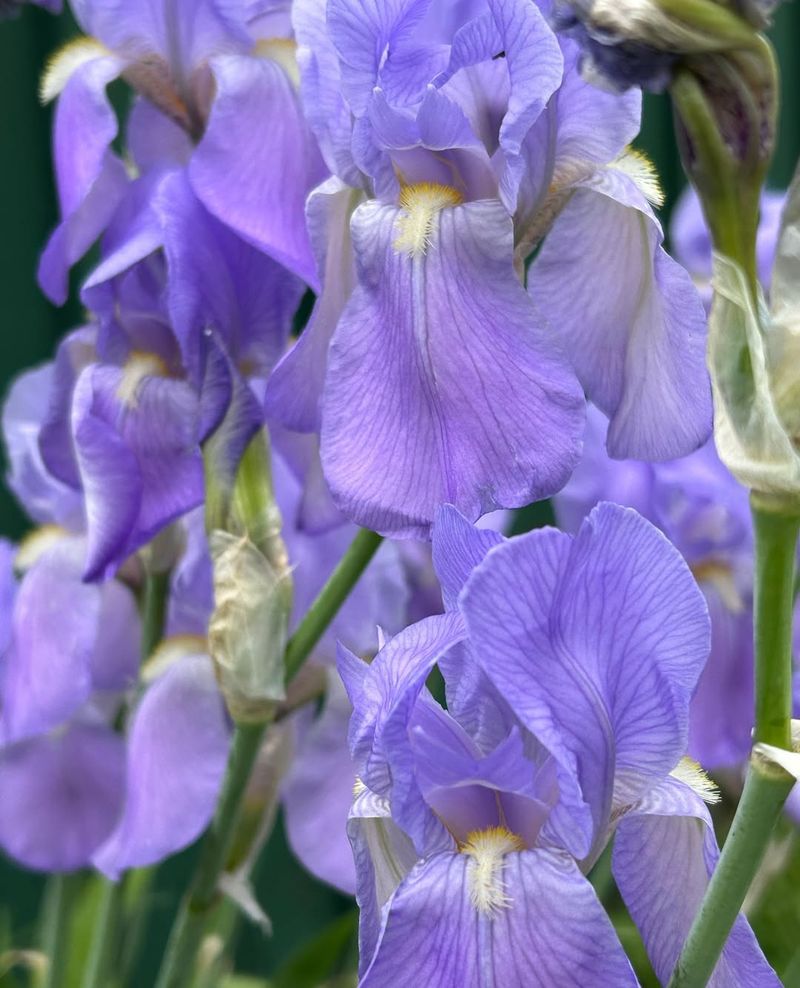
Here is something surprising: irises actually need cold weather to bloom well. A period of winter chill helps trigger the biological process that leads to flower production in spring.
Without enough cold, some iris varieties simply will not set buds, no matter how well you care for them in other ways.
In most of Oregon, winters are cold enough to satisfy this requirement. However, gardeners in the warmest coastal areas or in urban heat pockets, like parts of Portland, may occasionally see reduced blooming if winters are unusually mild.
Climate patterns in Oregon can vary quite a bit from year to year.
If you suspect mild winters are the issue, try choosing iris varieties that are better suited to lower-chill conditions. Many newer hybrid irises have been bred to perform well even in warmer climates.
Your local Oregon nursery or extension office can recommend varieties that work best for your specific region.
Another thing to consider is mulching. Heavy mulch over the rhizomes during winter can insulate them too much and reduce the chill they receive.
In Oregon, where winters are usually cool but not brutally cold, it is often best to leave iris rhizomes with little or no mulch so they get the cold exposure they need to bloom beautifully in spring.
7. Pests And Rot Damage Rhizomes
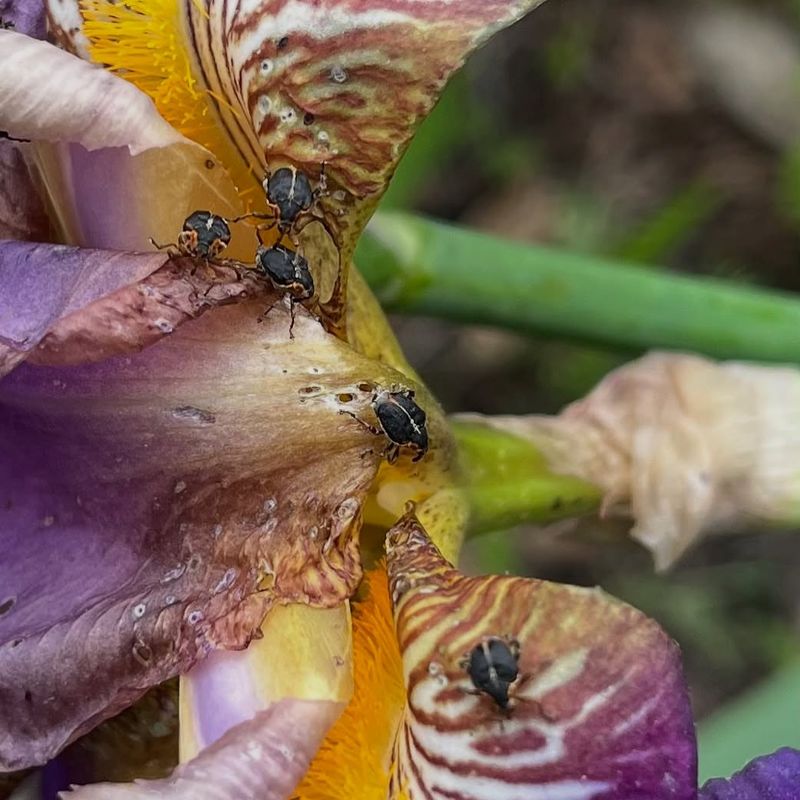
Sometimes the problem is not about sunlight, water, or fertilizer at all. Pests and disease can quietly damage iris rhizomes underground, weakening the plant so much that it cannot produce flowers.
Two of the biggest culprits are iris borers and bacterial soft rot, both of which can cause serious harm if left unchecked.
Iris borers are the larvae of a moth that lays eggs on iris leaves in fall. The larvae hatch in spring and tunnel down into the rhizomes, eating them from the inside.
Once inside, they create entry points for bacterial soft rot, which turns rhizomes into a mushy, foul-smelling mess. Oregon gardeners should inspect their irises regularly for early signs of damage.
Look for ragged or water-soaked streaks on the leaves in early spring. That is often the first sign that borers are present.
If you find them, remove and destroy the affected leaves and dig out any damaged rhizomes right away.
To prevent future problems, clean up all dead iris foliage in fall before eggs can be laid. Good air circulation and well-drained soil also help reduce the risk of rot.
A healthy rhizome is a blooming rhizome, and keeping pests away is one of the most important steps any Oregon iris gardener can take.
8. When And How To Fix the Problem
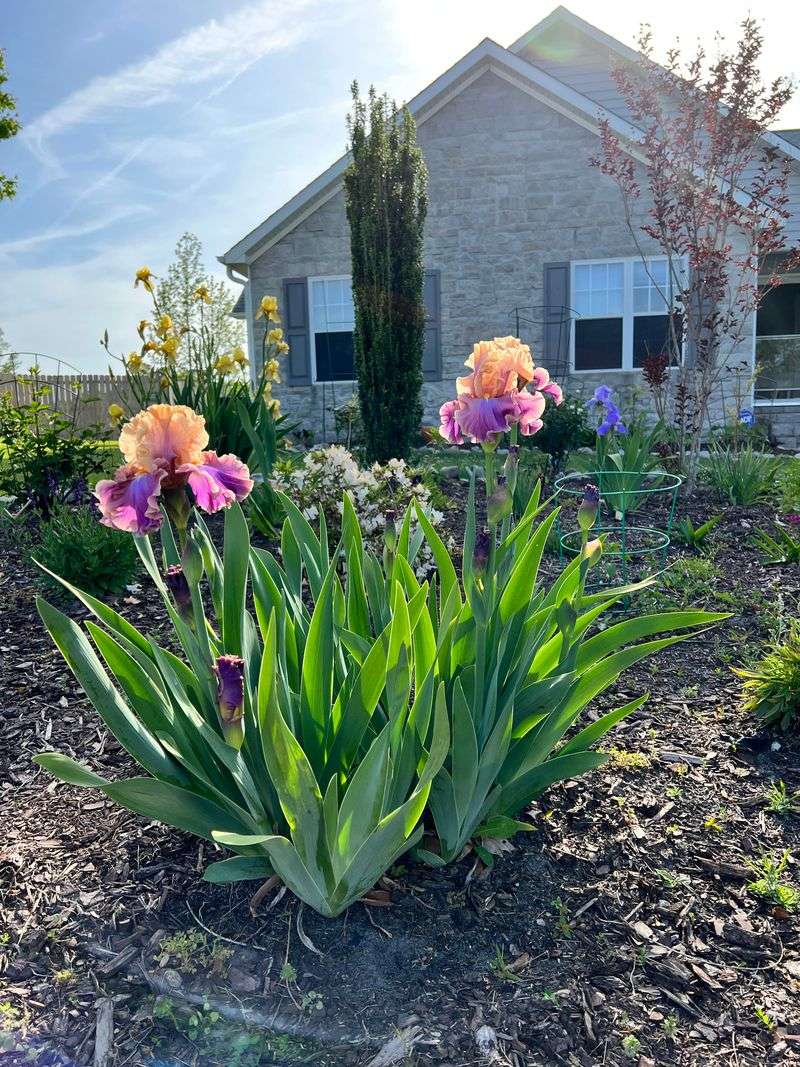
Knowing what is wrong is only half the battle. Acting at the right time makes all the difference when it comes to getting your Oregon irises back on track.
Most iris problems can be corrected, but timing your fixes to match the plant’s natural growth cycle will get you results much faster.
The best time to divide overcrowded rhizomes, correct planting depth, or relocate plants to a sunnier spot in Oregon is from late July through early September. The soil is dry, the plants are dormant after blooming, and the weather is warm enough for new roots to establish before fall rains arrive.
For fertilizer corrections, spring is the ideal time to switch to a low-nitrogen blend and give the soil a good assessment. If drainage is an issue, building raised beds or amending the soil with compost and grit can be done in fall or early spring before new growth begins.
Pest and rot issues should be addressed as soon as you spot them, no matter the season. Quick action saves healthy rhizomes and gives the plant a better chance of recovering for next year’s bloom season.
Oregon gardeners who stay consistent with these simple steps will find that irises are actually quite rewarding and resilient plants to grow.