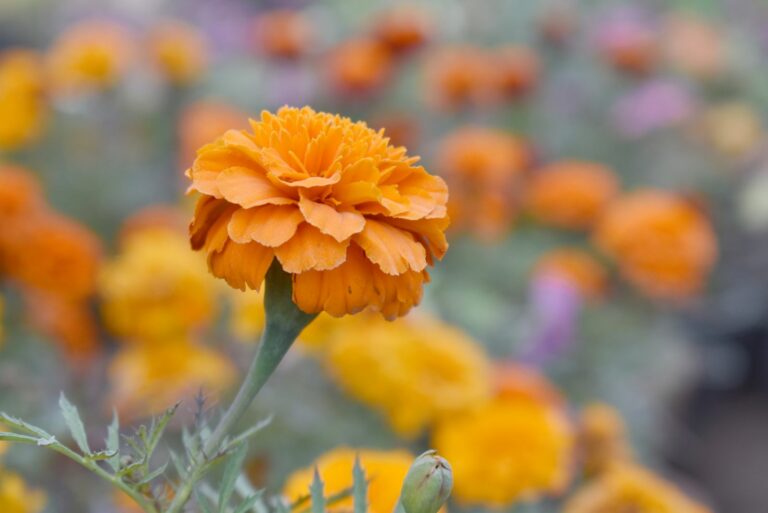
4 Plants You Should Prune In March In Pennsylvania And 3 You Shouldn’t Touch
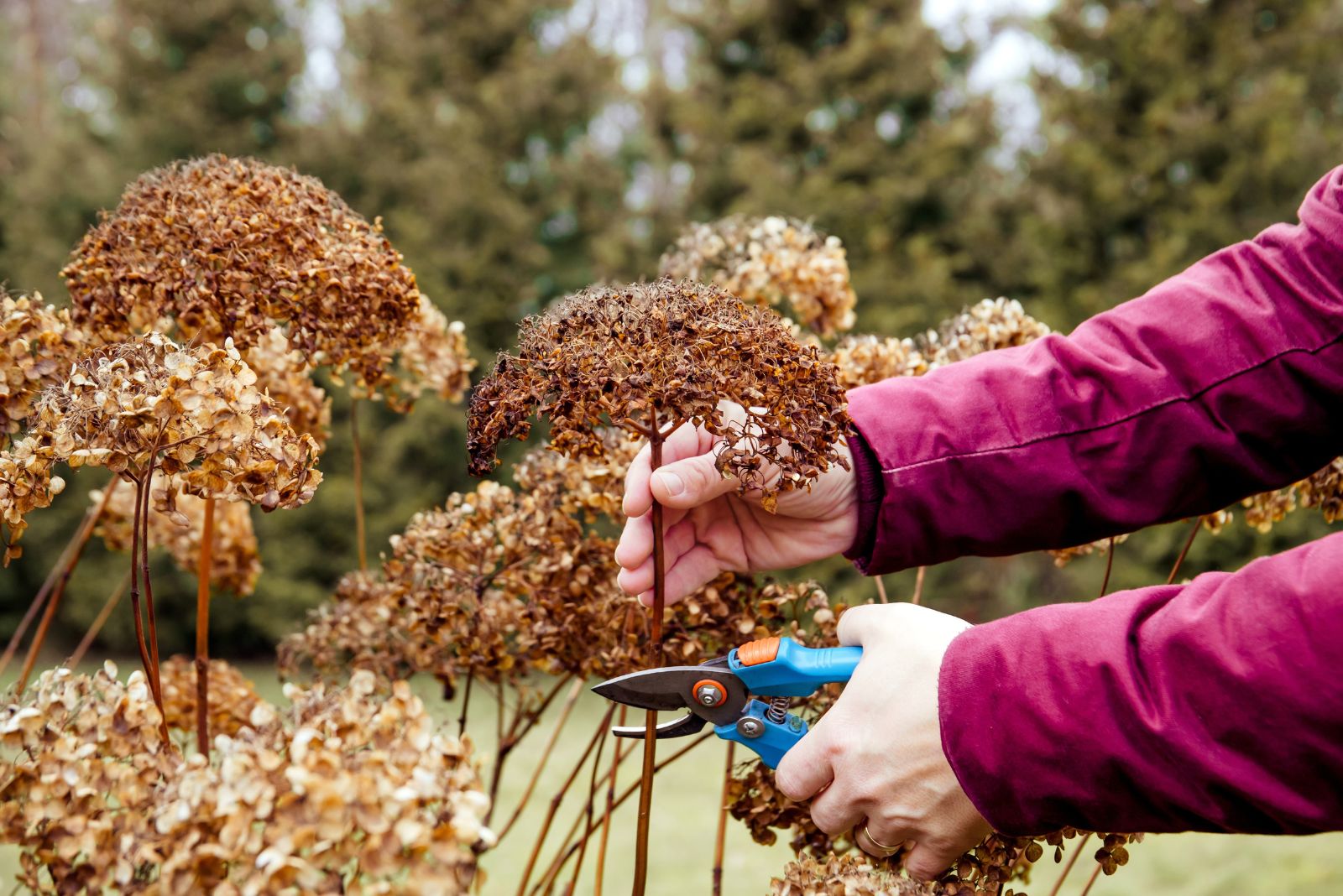
March in Pennsylvania is that in between moment when winter is fading but spring has not fully arrived. The snow is melting, the ground is softening, and gardeners are itching to get outside and start cleaning things up.
It feels productive to grab the pruners and tackle every shrub in sight, but this is where a little patience pays off. Some plants actually benefit from a March trim and will reward you with stronger growth and better blooms.
Others are quietly setting buds and could lose their entire spring show if you cut them back too soon. Knowing the difference can mean the gap between a yard full of flowers and one that looks surprisingly bare.
Before you start snipping, here is what Pennsylvania gardeners should prune in March and which plants are better left alone for now.
1. Roses (Shrub And Landscape Roses)
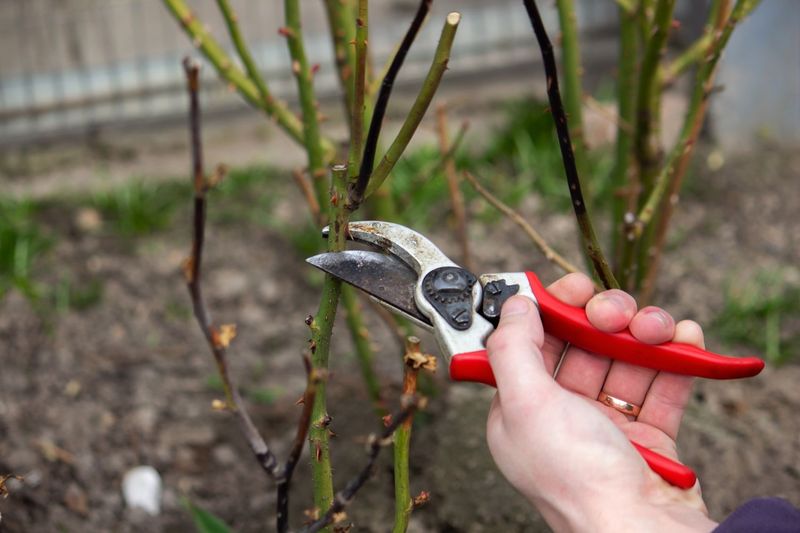
Walk past a rose bush in early March in Pennsylvania and you might notice something exciting happening. Small, red-tinged buds are starting to swell along the canes. That is your green light to grab your pruning shears.
Roses are one of the best plants to prune in late winter or early spring, right around the time forsythia starts showing off its yellow blooms. That forsythia timing is actually a classic Pennsylvania gardener’s trick for knowing when conditions are just right.
When forsythia blooms, it means the soil is warming and your roses are ready for a cleanup.
Start by removing any canes that look dark, shriveled, or damaged from the cold winter months. Then look for canes that are crossing over each other and rubbing together.
Those crossed canes create wounds that invite pests and disease, so take them out. Aim to open up the center of the plant so air can flow freely through it.
After a good March pruning, shrub and landscape roses in Pennsylvania tend to push out strong, healthy new growth fast. More new growth means more stems, and more stems means more flowers come June and July.
Skipping this step often leads to a tangled, twiggy mess that produces fewer and smaller blooms.
You do not need to be overly cautious here. Roses are tough plants and they respond really well to a confident, clean cut.
Use sharp bypass pruners and cut at a slight angle just above an outward-facing bud for the best results.
2. Panicle Hydrangea (Hydrangea Paniculata)
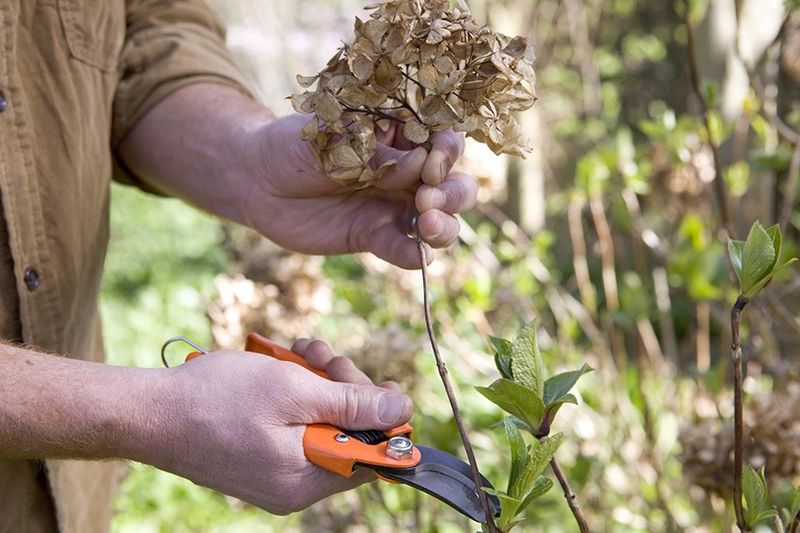
If you have a panicle hydrangea growing in your Pennsylvania yard, March is genuinely one of the best times to pull out your pruners. Unlike some of its hydrangea cousins, this one blooms on new wood.
That means the flowers you will enjoy in late summer grow on brand-new stems that sprout up in spring.
Pruning in March, before that new growth really takes off, gives the plant a chance to put all its energy into fewer, stronger stems. The result?
Bigger, more impressive flower clusters come August and September. Some of those cone-shaped blooms can grow to the size of a football when the plant is properly pruned each year.
Your Pennsylvania Garden Changes Every Week. Your Plan Should Too.
Gardening in Pennsylvania changes quickly throughout the season. Every Friday you’ll receive a simple weekly plan showing exactly what to plant, prune, fertilize, harvest, and protect so you never miss the right timing.
Panicle hydrangeas are also one of the most cold-hardy hydrangeas you can grow in Pennsylvania. They handle harsh winters without much fuss, and they bounce back reliably every spring.
You can cut them back moderately, removing about one-third of the overall size, or go a bit harder if the plant has gotten too large for its space.
One thing to keep in mind is that you should always cut just above a healthy bud or node. This tells the plant exactly where to send its new growth.
Leaving long, bare stubs above the cut is a common mistake that can weaken the branch over time.
Popular varieties like Limelight and Quick Fire are especially common in Pennsylvania landscapes and respond beautifully to this kind of regular spring maintenance pruning.
3. Smooth Hydrangea (Hydrangea Arborescens)
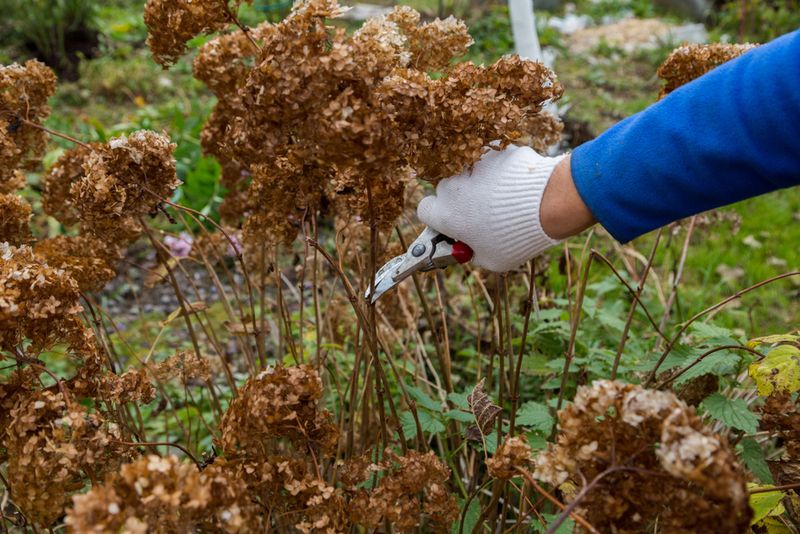
Smooth hydrangea, most famously known by the variety name Annabelle, is a Pennsylvania garden favorite for good reason.
It produces enormous white flower heads that can stop you in your tracks, and it is surprisingly easy to care for once you understand its pruning needs.
Just like panicle hydrangeas, smooth hydrangeas bloom on new wood. That means all the flower buds for this summer are going to form on stems that have not even grown yet. Pruning in March, before those new stems emerge, is exactly the right move.
You can be pretty bold with smooth hydrangeas. Many experienced Pennsylvania gardeners cut them all the way back to about 12 to 18 inches above the ground.
This might look dramatic in early spring, but within a few weeks, the plant will explode with vigorous new growth. The stems that grow from a hard pruning tend to be thicker and sturdier than stems left over from previous years.
Stronger stems are actually a big deal with Annabelle hydrangeas. One of the most common complaints about this plant is that the massive flower heads cause floppy stems, especially after rain.
A good March pruning helps reduce that flopping problem by encouraging thicker, more upright growth.
If your smooth hydrangea has been neglected for a few years and looks overgrown or crowded, March is the perfect time to reset it completely.
Cut it back hard, step away, and let it do its thing. You will be amazed by how quickly it recovers and fills back in by early summer.
4. Butterfly Bush (Buddleja Davidii)
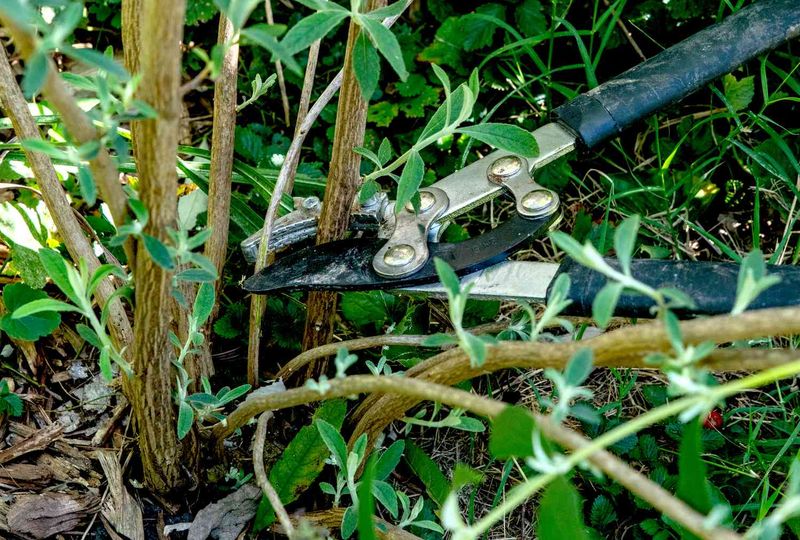
Butterfly bush is one of those plants that always seems to confuse Pennsylvania gardeners in the spring.
After a cold winter, the woody stems often look completely brown and lifeless from top to bottom. Before you start worrying, check the base of the plant carefully.
Almost every time, you will spot tiny green shoots poking up from right at or just above the soil line. That is the butterfly bush telling you it is still very much alive and ready to grow.
This is exactly when you want to prune it, right in March once you can see that new growth starting at the base.
Butterfly bush blooms entirely on new wood, so cutting it back hard in early spring does not cost you any flowers. In fact, skipping the pruning or only cutting it back lightly usually results in a tall, leggy plant with smaller flower spikes.
A hard pruning down to about 12 inches encourages the plant to push out lots of new stems, which means more flowers for the butterflies and hummingbirds that will visit your Pennsylvania yard all summer long.
Do not be shy about cutting away all those old, dry-looking stems. Remove them cleanly down to where you see healthy green growth.
Old woody stems left on the plant can sometimes block light and airflow from reaching the new growth at the base.
Butterfly bush is also a fast grower, so even after a hard March pruning in Pennsylvania, it can easily reach four to six feet tall by midsummer and be covered in fragrant blooms.
5. Lilac (Syringa Vulgaris)
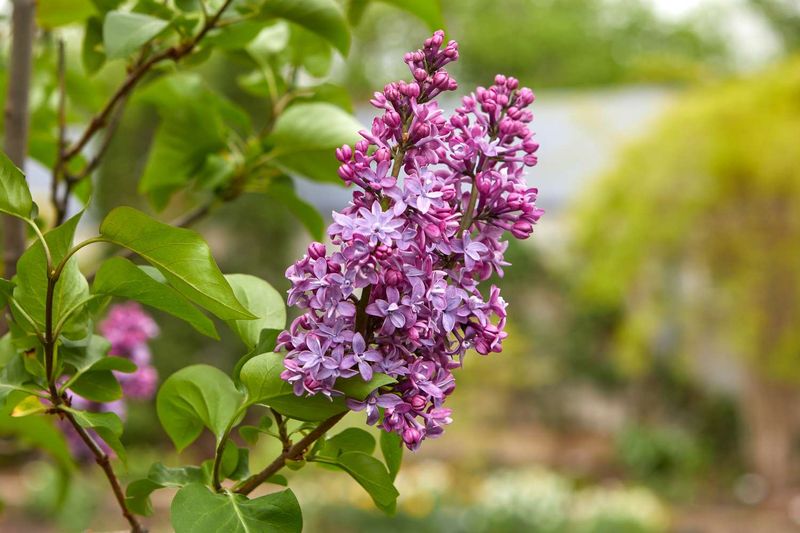
Few plants are more beloved in Pennsylvania yards than the classic lilac. That sweet, unmistakable fragrance drifting through the air on a warm May afternoon is something people genuinely look forward to all year.
But here is the thing about lilacs: they are very particular about when you prune them.
By the time March rolls around in Pennsylvania, lilac flower buds have already been fully formed since the previous fall. Those buds spent the entire winter quietly waiting for warm weather to arrive.
If you prune your lilac in March, you are cutting off every single one of those ready-to-open flower buds. The result is a lilac with lots of leafy growth but zero flowers for the entire season.
The only safe time to prune a lilac is right after it finishes blooming in late spring, usually sometime in May or early June in Pennsylvania.
You have about a two-to-three-week window after the flowers fade before the plant starts setting next year’s buds. Pruning during that window lets you shape the plant without losing next season’s blooms.
If your lilac is getting very large or old and woody, you can do a gradual rejuvenation pruning over two or three years by removing one-third of the oldest stems each post-bloom season.
Never try to do a full renovation prune on a lilac in March, no matter how tempting it looks.
Patience pays off with lilacs. Leave them alone in March, enjoy the spectacular spring show, and then do your pruning work right after the last flower fades.
6. Forsythia
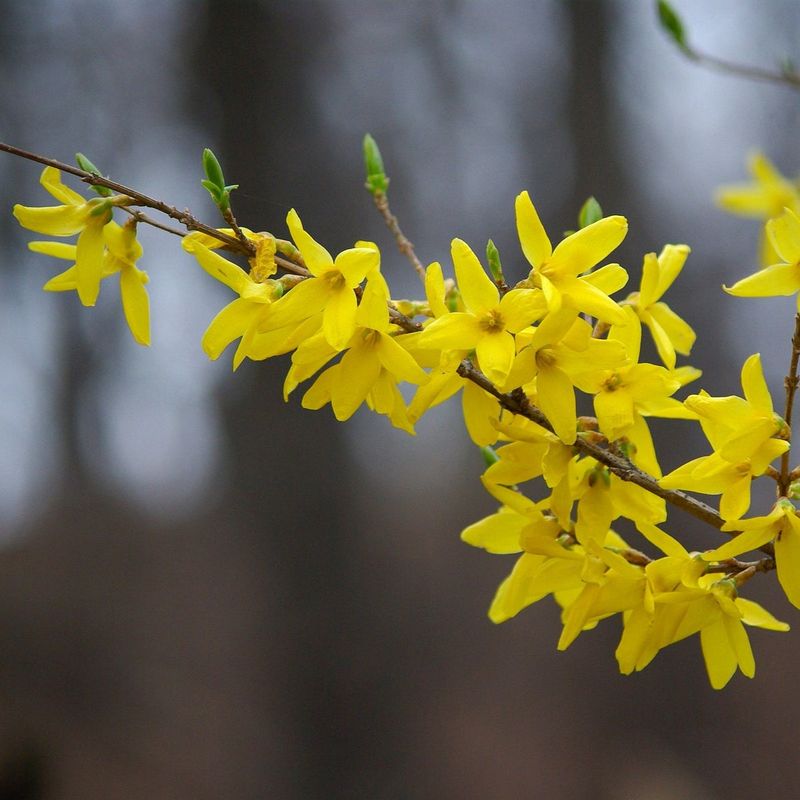
Forsythia is basically Pennsylvania’s unofficial symbol that spring has finally arrived. Those bright yellow branches exploding with color in late March and early April are a welcome sight after a long grey winter.
Gardeners across the state use forsythia blooming as a timing signal for all kinds of other yard tasks.
Here is the irony, though. While forsythia is often the signal that it is time to prune your roses, forsythia itself is one plant you absolutely should not prune in March.
All those cheerful yellow flowers you are about to enjoy were set as buds way back in the fall. They survived the cold Pennsylvania winter right there on the branches, just waiting for a warm spell to pop open.
Pruning forsythia in March means cutting off a whole season’s worth of blooms before they ever get to open. You will end up with a neatly shaped shrub that produces nothing but leaves for the entire spring, which is a pretty disappointing outcome.
The right time to prune forsythia is right after the flowers have finished and the blooms have faded, usually sometime in April in most parts of Pennsylvania. At that point, the plant still has plenty of time to grow new stems and set next year’s flower buds before fall.
If your forsythia has gotten large and unruly over the years, post-bloom pruning is also the time to do a heavier shaping or even a more aggressive renewal cut. Just enjoy the show first and let every single yellow flower open fully before you reach for your pruners.
7. Azalea
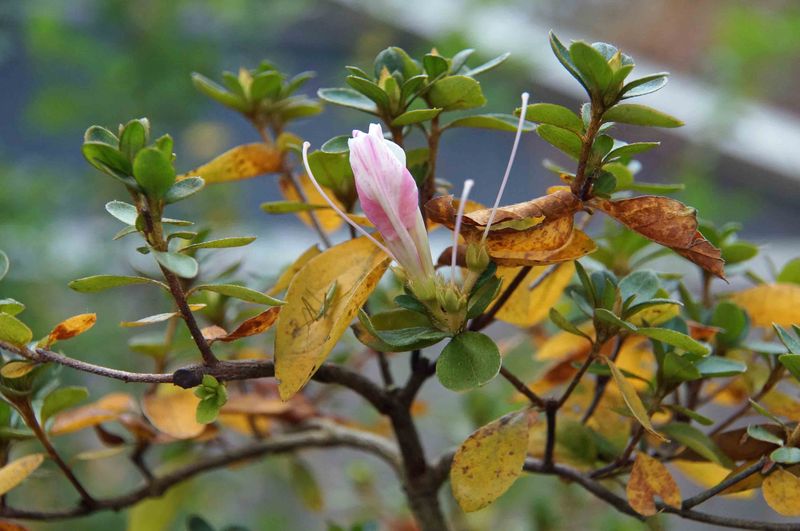
Azaleas are one of the most stunning spring-flowering shrubs you can grow in Pennsylvania. When they burst into bloom in April and May, they put on a show that is hard to beat.
Hot pink, soft lavender, bright white, deep red, the color range is incredible. But all of that beauty depends on one thing: leaving those buds alone in March.
Azaleas bloom on old wood, meaning the flower buds for this spring were formed on last year’s stems during the late summer and fall. Those buds have been sitting there through the cold Pennsylvania winter, ready and waiting.
Pruning in March removes them before they ever open, and you lose the entire spring display in one afternoon of well-meaning but badly timed yard work.
The safest and smartest time to prune azaleas in Pennsylvania is right after they finish blooming, usually sometime in May or early June depending on the variety and your local weather. During that short window just after bloom, the plant is actively pushing out new growth.
Any pruning you do then will be on wood that has already flowered, not on wood carrying next season’s buds.
Light shaping after bloom is usually all most azaleas need. Remove any dry or damaged branches, trim back any stems that are sticking out awkwardly, and clean up the overall shape of the plant.
Avoid cutting into thick, old wood too aggressively, as azaleas can be slow to recover from very hard pruning.
A little patience in March goes a long way with azaleas. Step back, let them bloom brilliantly, and then do your pruning work after the flowers have faded.