7 Things To Plant First When Snow Finally Melts In Pennsylvania
In Pennsylvania, the gardening season doesn’t begin when it’s warm – it begins when the snow finally lets go. Patches of soil reappear, the air smells fresher, and that long winter pause suddenly turns into excitement to get planting.
It is tempting to fill every empty space right away, but early spring success starts with choosing the right plants at the right time. Some crops and flowers thrive in cool soil and can handle chilly nights, while others need a bit more warmth before they truly take off.
Getting those first plantings right helps set the tone for a healthy, productive garden in the months ahead.
If you are eager to dig in but unsure where to begin, here is a guide to what you should plant first when the snow melts in Pennsylvania, so your garden wakes up strong, colorful, and ready for the season.
1. Peas (Garden Peas And Sugar Snap)
Ask any experienced Pennsylvania gardener what goes in the ground first every spring, and peas will almost always top the list.
These hardy little seeds have been a cool-season favorite for generations, and for good reason. They are tough, reliable, and absolutely delicious straight off the vine.
Pea seeds can germinate in soil that is as cool as 40 degrees Fahrenheit. That means you can get them in the ground weeks before most other crops are even close to being ready.
Light frosts will not bother young pea plants at all, which makes them perfect for Pennsylvania’s unpredictable early spring weather.
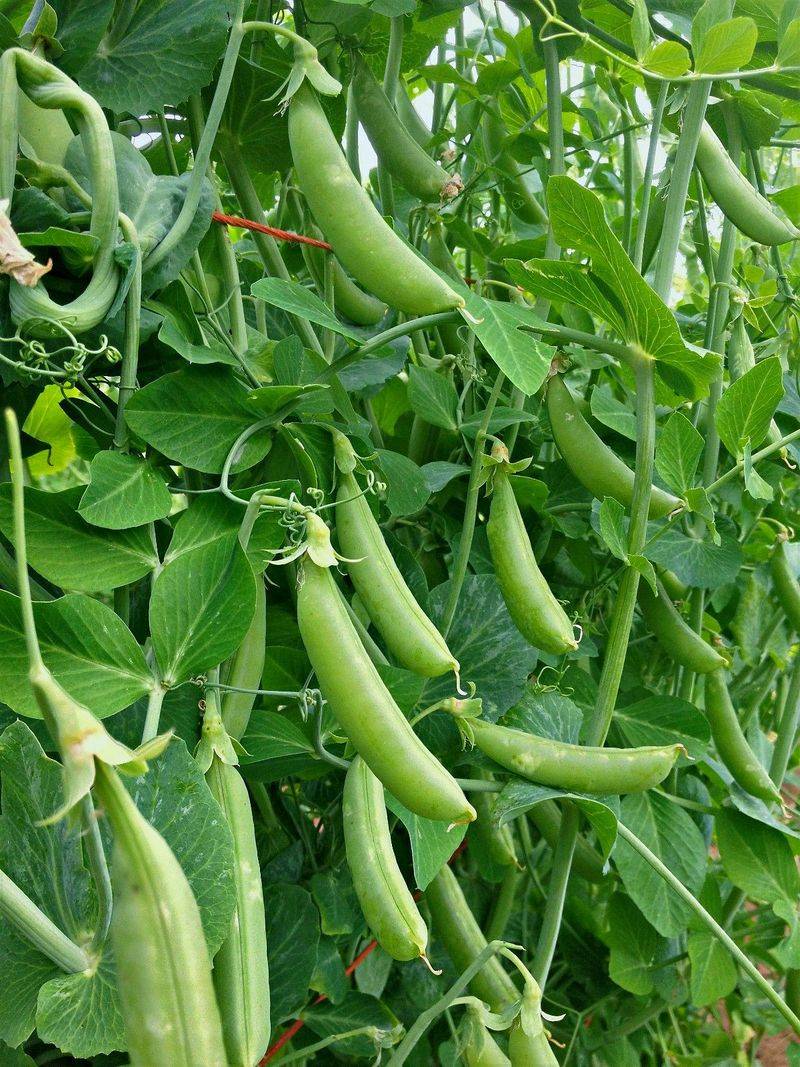
Both garden peas and sugar snap peas work great for early planting. Sugar snaps are especially popular because you can eat the whole pod, making snacking right in the garden way too easy. Plant them along a fence or trellis so they have something to climb as they grow.
Soak your seeds overnight before planting to help speed up germination. Push each seed about one inch deep into the soil and space them two to three inches apart. Water them in well and then let the cool spring weather do most of the work for you.
In Pennsylvania, peas planted in late February or early March can be ready to harvest by late May or early June. That is a seriously satisfying payoff.
Once warm summer temperatures arrive, pea plants will slow down, so enjoy that harvest window while it lasts and savor every pod.
2. Spinach
Few vegetables are as quietly impressive as spinach. It sits there in cold, damp soil looking almost too delicate to survive, and then it just takes off.
Spinach is one of the most cold-hardy leafy greens you can grow, and Pennsylvania gardeners have been counting on it for early spring harvests for a very long time.
Spinach seeds can germinate in soil temperatures as low as 35 degrees Fahrenheit. Once seedlings emerge, they can handle light snow and temperatures that dip into the upper twenties without much trouble.
That level of toughness makes spinach a no-brainer for getting into the ground as soon as the soil is workable.
Your Pennsylvania Garden Changes Every Week. Your Plan Should Too.
Gardening in Pennsylvania changes quickly throughout the season. Every Friday you’ll receive a simple weekly plan showing exactly what to plant, prune, fertilize, harvest, and protect so you never miss the right timing.
The flavor of early spring spinach is something special. Cool temperatures bring out a mild sweetness that summer-grown spinach just cannot match.
Baby spinach leaves are tender enough to eat raw in salads, while older leaves are perfect for cooking into pasta, soups, or omelets.
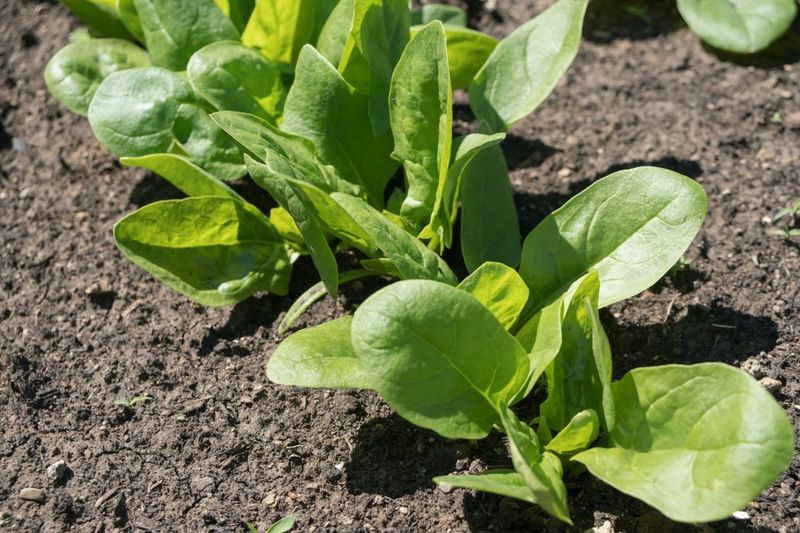
Direct sow spinach seeds about half an inch deep and two to three inches apart. Thin seedlings to about six inches apart as they grow.
Consistent moisture helps with germination, so water lightly but regularly during those first few weeks after planting.
One of the best things about spinach is how fast it produces. You can start harvesting outer leaves in as little as four to six weeks after planting.
Succession planting every two weeks through early spring keeps fresh spinach coming to your table all the way until Pennsylvania’s warm summer weather arrives.
3. Lettuce (Loose-Leaf And Butterhead)
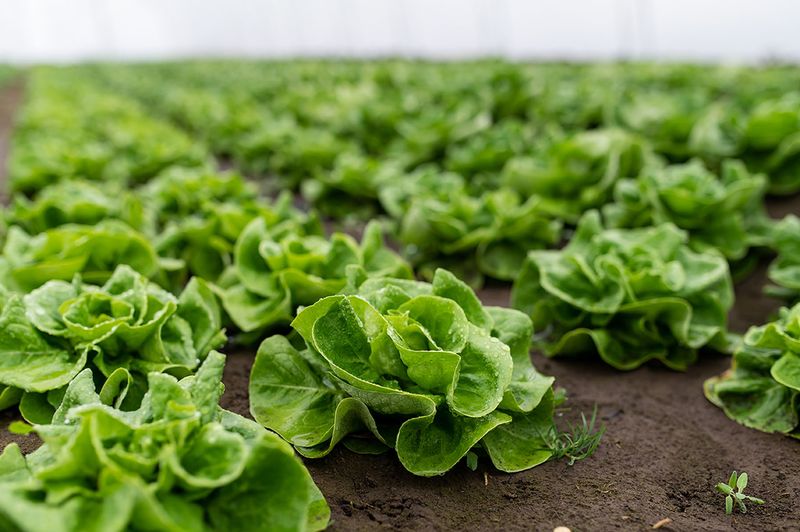
Lettuce might just be the most rewarding crop for impatient gardeners. It grows fast, tastes amazing when fresh, and genuinely prefers the cool, crisp weather that Pennsylvania delivers in early spring.
If you have never pulled a head of butterhead lettuce straight from your own garden, you are seriously missing out.
Both loose-leaf and butterhead varieties germinate well in cool soil and can handle light frosts without a problem. Loose-leaf types like Red Sails or Black Seeded Simpson are especially forgiving and can be harvested leaf by leaf over several weeks.
Butterhead varieties like Boston and Bibb form soft, tender heads with a buttery texture that store-bought lettuce simply cannot compete with.
Sow lettuce seeds very shallowly, just pressing them lightly into the soil surface since they need some light to germinate well. Space rows about eight inches apart and thin seedlings once they are a couple of inches tall.
Lettuce grows best in full sun during early spring but will appreciate some afternoon shade once temperatures start climbing later in the season.
Succession planting is the real secret to keeping lettuce going all spring long. Plant a new small row every two to three weeks and you will have a continuous supply of fresh salad greens from April through June across Pennsylvania gardens.
Once summer heat arrives, lettuce tends to bolt and turn bitter, so timing your plantings around that warm weather window is key.
Container gardens work great for lettuce too, making it a smart option for Pennsylvania gardeners with limited yard space.
4. Radishes
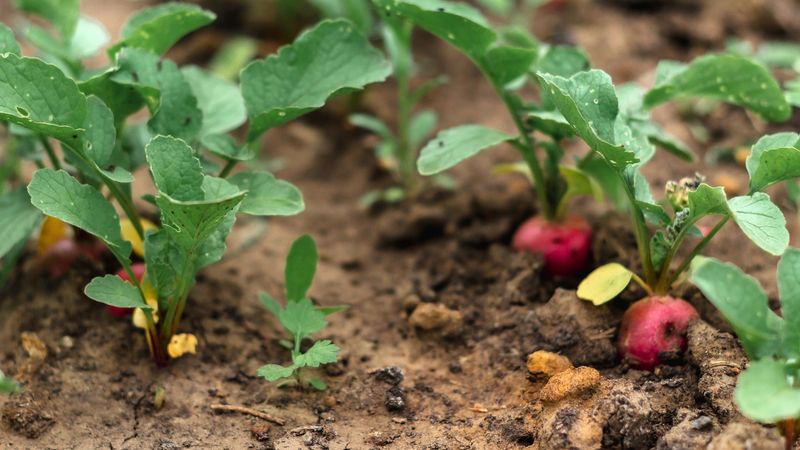
If patience is not your strong suit, radishes were made for you. These little root vegetables are one of the fastest-growing crops in the entire garden, and they absolutely love the cool, moist soil that comes with early spring in Pennsylvania.
Some varieties go from seed to harvest in as little as three weeks, which feels almost like magic.
Radishes are extremely frost tolerant and can be planted as soon as the ground is workable, even if temperatures are still regularly dropping at night.
They actually prefer cool conditions and tend to get spicy and pithy when summer heat kicks in, so early planting is really the way to go with this crop.
Beyond the obvious appeal of a fast harvest, radishes do something really useful for your garden soil. Their roots break up compacted early spring soil and create channels that help water and air reach deeper layers.
Planting radishes alongside slower-growing crops like carrots can actually help improve germination rates for those neighboring seeds.
Sow radish seeds about half an inch deep and one inch apart in rows spaced six inches apart. Thin them to about two inches apart once they sprout.
Consistent watering is important because uneven moisture can cause the roots to crack or develop a hollow center.
Popular varieties like Cherry Belle and French Breakfast are great starting points for Pennsylvania gardeners. Slice them fresh into salads, use them as a crunchy snack with butter and salt, or pickle them for a tangy treat that lasts in the fridge for weeks.
5. Carrots
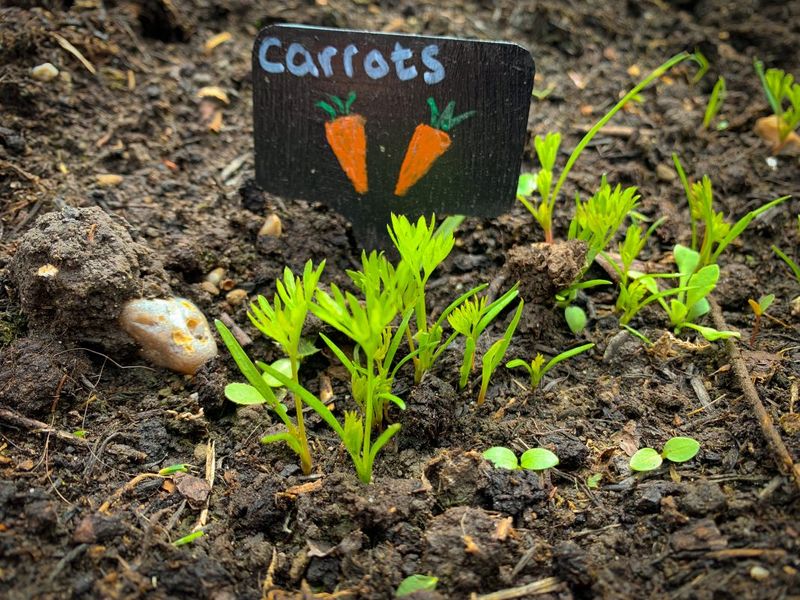
Carrots are a slow burn in the best possible way. They take their time getting started in cool spring soil, but that patience pays off with sweet, crisp roots that are far tastier than anything you will find at the grocery store.
Cool temperatures actually improve carrot flavor by causing the roots to convert starches into sugars, giving them that classic sweetness everyone loves.
Carrot seeds can be planted in Pennsylvania as soon as the soil is workable in late winter or very early spring. They germinate slowly in cold conditions, sometimes taking two to three weeks to show any green above the soil surface.
Do not let that discourage you. Keeping the soil consistently moist during germination is the most important thing you can do to help them along.
Loose, deep, well-drained soil is essential for straight, healthy carrots. Rocky or compacted soil causes roots to fork and twist, which does not affect flavor but makes for some funny-looking vegetables.
Raised beds filled with loose, amended soil are a great option for Pennsylvania gardeners dealing with heavy clay in their yard.
Sow carrot seeds about a quarter inch deep and one inch apart, then thin seedlings to three inches apart once they are about two inches tall.
Thinning is important because crowded carrots end up small and misshapen. It feels wasteful but it really does make a big difference in the final harvest.
Varieties like Nantes, Danvers, and Chantenay all perform well in Pennsylvania gardens and are worth trying for early spring planting.
6. Kale
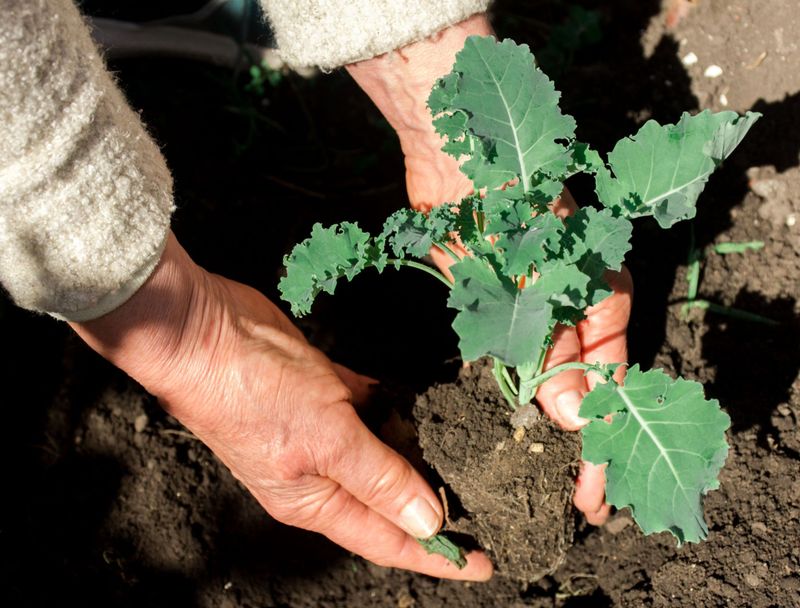
There is something almost stubborn about kale, and that is exactly why Pennsylvania gardeners love it. This leafy green does not just survive cold weather, it actually gets better because of it.
A light frost triggers kale plants to convert starches into sugars, resulting in leaves that are noticeably sweeter and more flavorful than those grown in warmer conditions.
Kale is one of the most cold-hardy vegetables you can grow in Pennsylvania. Established plants can handle temperatures down into the low twenties without serious damage.
Young transplants and seedlings are also quite tough, making kale a great candidate for planting as soon as the snow melts and the soil can be worked in late winter or early spring.
Varieties like Lacinato, also called dinosaur kale, and Red Russian are both excellent choices for early spring planting across Pennsylvania.
Lacinato has long, dark, bumpy leaves with a rich flavor, while Red Russian has softer, more tender leaves that work beautifully in salads when harvested young. Both varieties are nutritional powerhouses packed with vitamins A, C, and K.
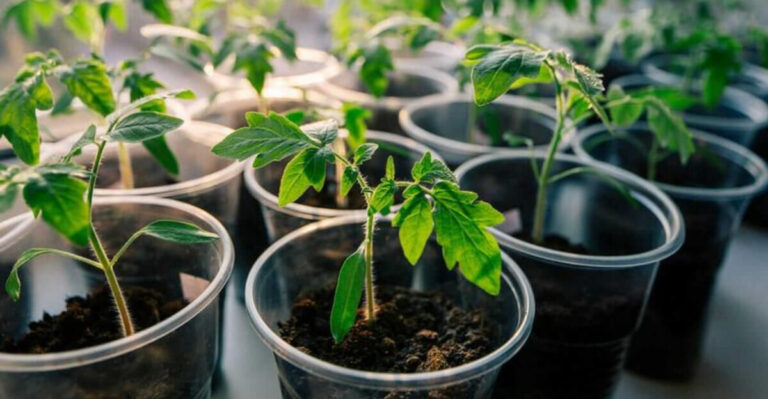
Direct sow kale seeds about a quarter to half an inch deep, or start transplants indoors four to six weeks before your last expected frost date. Space plants twelve to eighteen inches apart to give them room to spread out as they mature.
Harvest outer leaves regularly to encourage the plant to keep producing fresh new growth from the center.
Kale planted in early spring in Pennsylvania can continue producing well into early summer, giving you months of fresh greens from a single planting.
7. Onions (Sets Or Transplants)
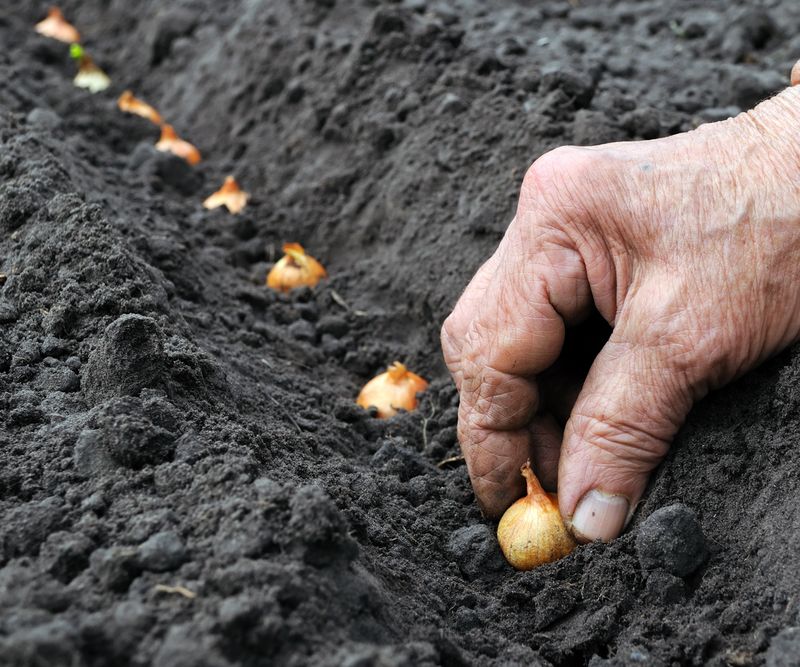
Onions reward early action more than almost any other vegetable in the garden. The longer they have to grow before summer arrives, the bigger and better the bulbs will be at harvest time.
That is why getting onion sets or transplants into Pennsylvania soil as early as possible in spring is such a smart move for any gardener who wants a serious yield.
Onion plants are surprisingly tough when it comes to cold weather. Young onion sets and transplants can handle frosts without much trouble at all, which makes them a perfect early spring crop across Pennsylvania.
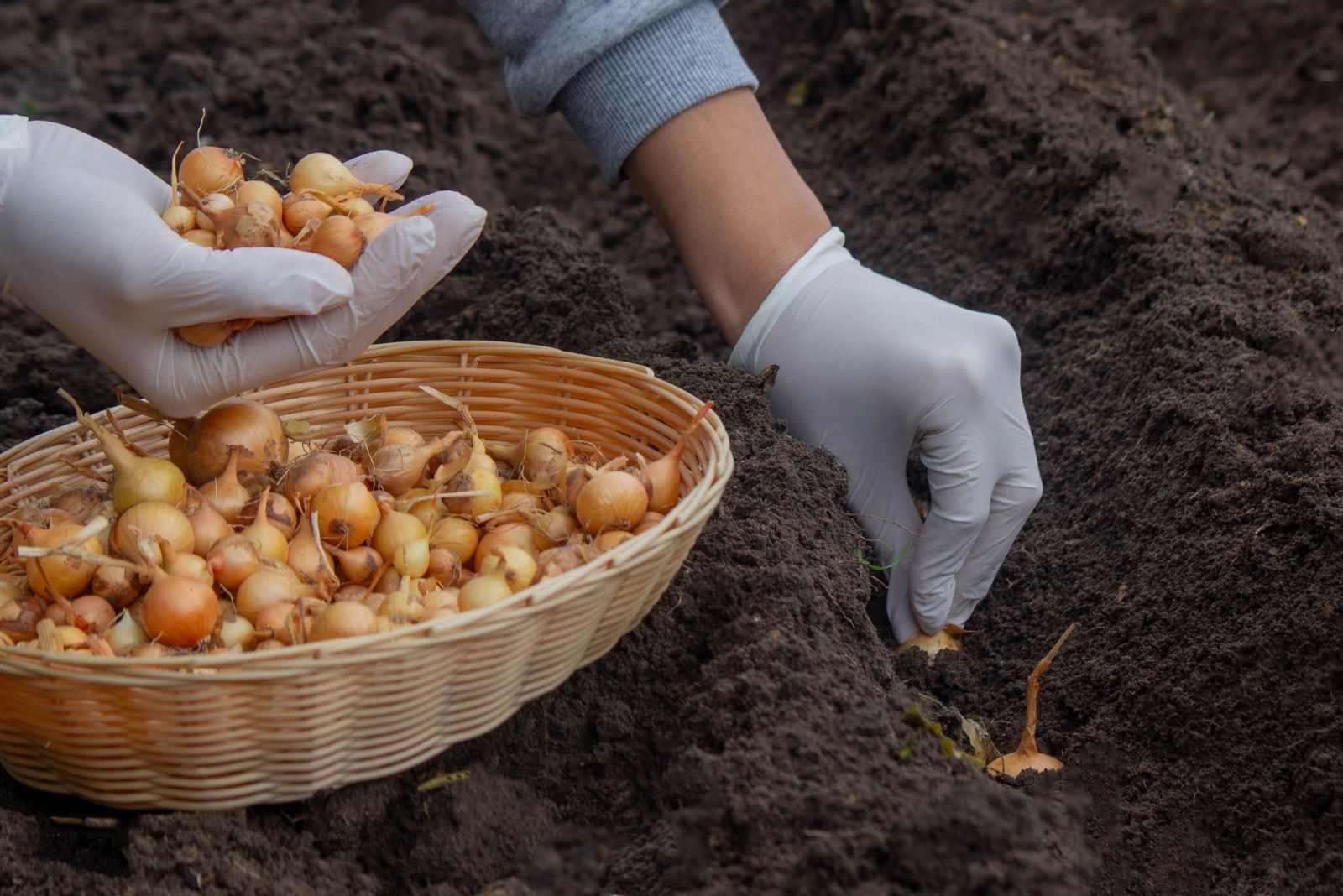
Onion sets are small dormant bulbs that are easy to push right into the soil, while transplants are young seedlings started indoors or purchased from a local nursery.
Well-drained soil is really important for onions. They do not like sitting in wet, waterlogged conditions, especially during the cold and often rainy early spring months in Pennsylvania.
Raised beds or rows mounded slightly above the surrounding soil level help ensure good drainage and give roots the loose, workable environment they need to develop full, round bulbs.
Plant onion sets or transplants about one inch deep and four to six inches apart in rows spaced twelve inches apart. Water them in well after planting and keep the soil consistently moist but not soggy as they establish.
Fertilizing with a balanced vegetable fertilizer every few weeks through spring will really push bulb development.
Long-day onion varieties like Walla Walla, Copra, and Candy are all well-suited to Pennsylvania growing conditions and deliver excellent flavor at harvest.