Why California Gardens Are Blooming Earlier Than Usual In 2026
Something unusual is happening across California gardens this year. Flowers are opening sooner, color is arriving earlier, and familiar seasonal rhythms feel slightly out of sync.
Gardeners are noticing roses budding ahead of schedule, fruit trees waking weeks early, and spring blooms appearing when winter has barely stepped aside. This early burst of life is not random.
Subtle shifts in temperature, rainfall patterns, and winter chill have quietly nudged plants to move faster than usual in 2026.
While the earlier color can feel exciting, it also raises important questions about plant health, pollinators, and how the growing season may unfold.
Understanding why gardens are running ahead of schedule helps gardeners adapt, protect sensitive plants, and make the most of a season that is already off to a vibrant and surprising start.
Warmer Winter, Earlier Blooms
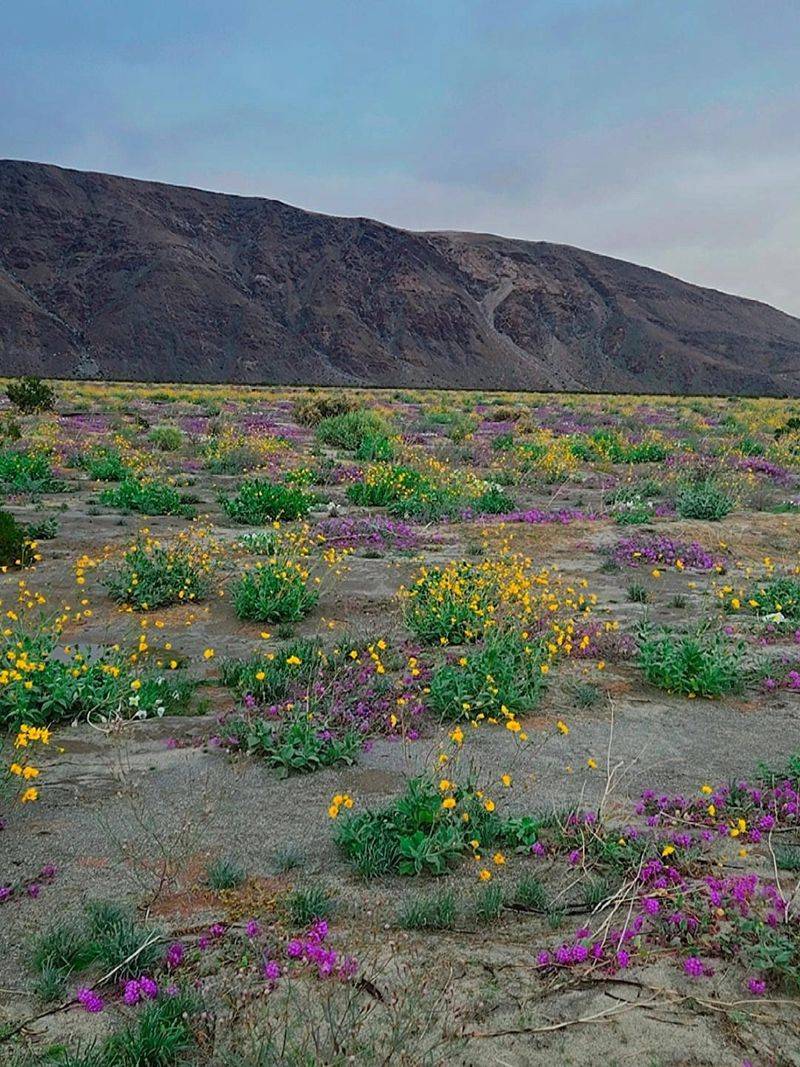
California had one of its mildest winters on record heading into 2026. Temperatures across much of the state stayed well above normal from December through February.
That extra warmth gave plants a head start they would not normally get until March or April.
Plants use temperature as a signal to know when it is safe to bloom. When winter stays warm, they get that green light much earlier in the season.
In places like the San Joaquin Valley and the Central Coast, some flowers started showing color as early as late January.
Warm winters do not just speed things up by a few days. They can shift the entire bloom calendar by two to four weeks.
That is a big deal for gardeners who plan their planting schedules around seasonal norms. If you live in California and noticed your garden waking up earlier than usual, warmer winter air is likely the biggest reason.
Paying attention to these temperature shifts can help you plant smarter and time your garden care more effectively going forward.
Fewer Frosts, Faster Growth
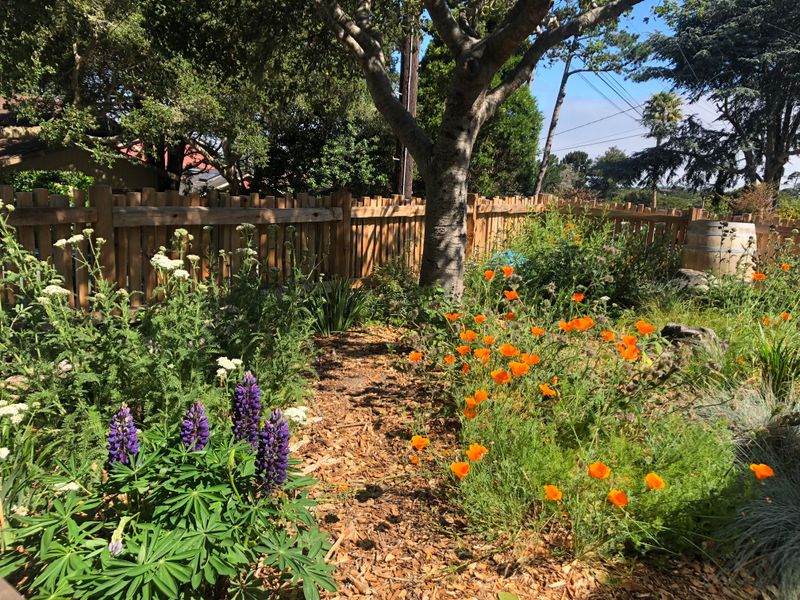
Frost is like a stop sign for plants. When freezing temperatures hit, growth slows down or stops completely.
But in 2026, many parts of California saw far fewer frost nights than usual, and that made a noticeable difference.
Regions like the Inland Empire and the Sacramento foothills typically experience several frost nights each winter. This year, some of those areas went weeks without a single freeze.
That gave plants an uninterrupted window to grow, push out new leaves, and start forming buds ahead of schedule.
Fewer frosts also meant that young seedlings and tender perennials survived the winter without much damage. Gardeners did not have to replant as often, and established plants bounced back faster.
If you have been thinking about growing frost-sensitive plants in your California garden, 2026 may be the year to try. The reduced frost risk has opened up new possibilities for plants that would have struggled in previous winters.
Just keep an eye on the forecast, because late cold snaps can still catch gardens off guard even in a mild year.
Soil Warmed Sooner
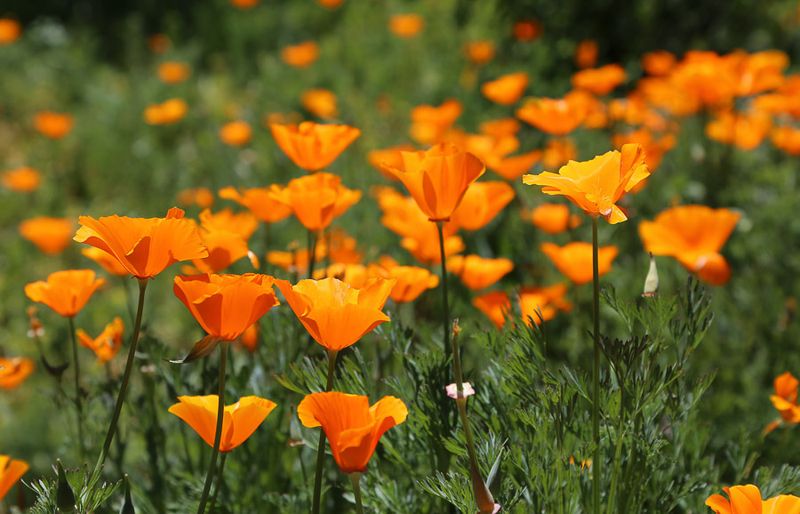
Most people focus on air temperature when they think about gardening, but soil temperature matters just as much. Plant roots wake up and start working when the soil reaches a certain warmth.
Your California Garden Changes Every Week. Your Plan Should Too.
Gardening in California changes quickly throughout the season. Every Friday you’ll receive a simple weekly plan showing exactly what to plant, prune, fertilize, harvest, and protect so you never miss the right timing.
In 2026, California soils hit those key temperatures earlier than usual.
Soil holds onto heat from warm days and releases it slowly overnight. After a mild winter with fewer cold snaps, the ground simply did not cool down as much as it normally would.
That meant seeds germinated faster and root systems became active sooner in the season.
Gardeners in Southern California noticed this especially in raised beds and dark-colored planters, which absorb heat even more efficiently. Warm soil also supports beneficial microbes and earthworms that help plants absorb nutrients.
If your California garden surprised you with early sprouting this year, your soil temperature deserves some credit. You can use an inexpensive soil thermometer to track these changes and plan your planting windows more accurately.
Understanding when your soil is truly ready can help you avoid planting too early or missing the best window for strong, healthy root development.
Rainfall Shifted The Season
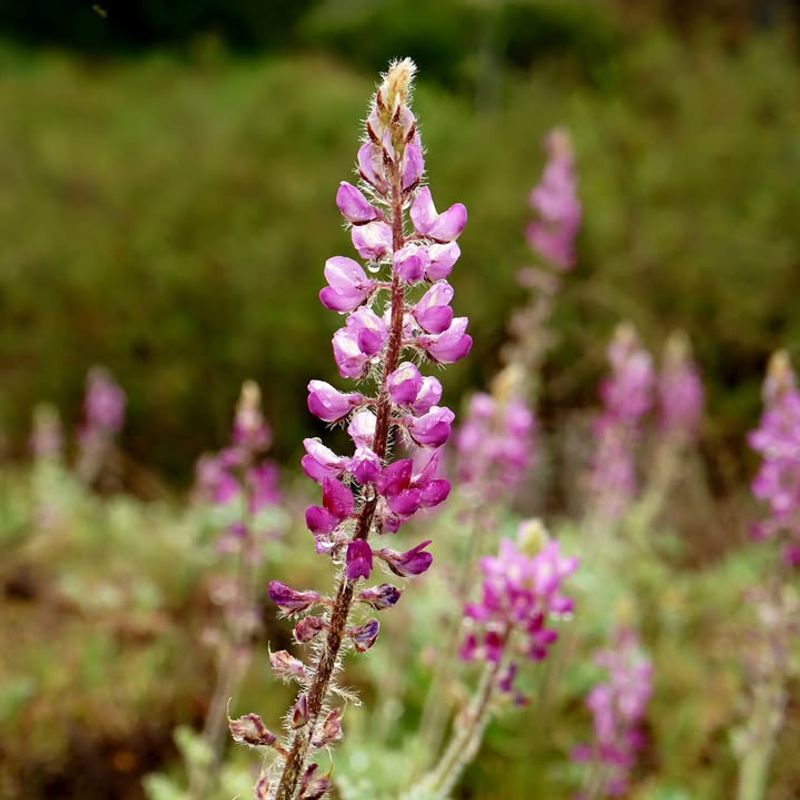
Rain timing changed in a big way across California this year. Instead of the usual steady winter rainfall, many areas received heavier bursts of rain in late fall and early winter, followed by dry, warm stretches in January and February.
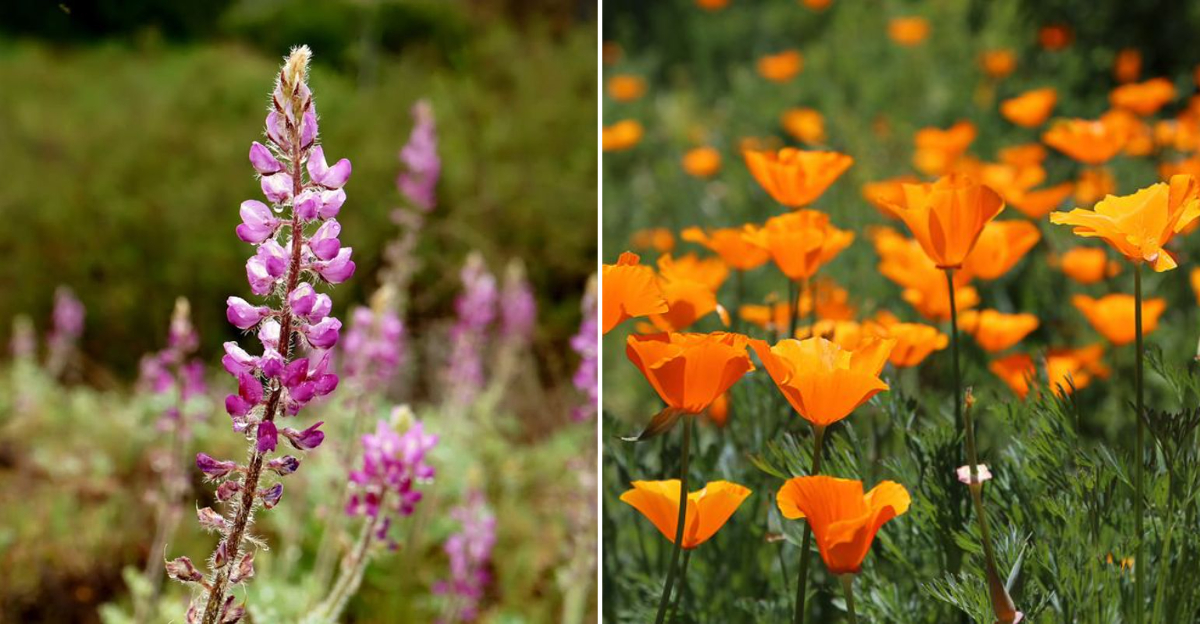
That early moisture soaked into the soil and triggered plant growth weeks ahead of schedule. Many native California plants, like poppies and lupines, are built to respond quickly to rain followed by warmth.
When those two conditions lined up earlier than usual, the plants did exactly what they are programmed to do.
This kind of rainfall shift is something climate scientists have been tracking for years. It does not mean California gets more water overall.
It just means the water arrives at different times. For gardeners, this shift is worth paying attention to.
Watering schedules that worked in previous years may need adjusting. Planting times for cool-season vegetables and flowers may also need to move earlier.
Staying flexible with your garden calendar and watching how your local California landscape responds to each rainfall event will help you stay one step ahead of the changing season.
Microclimates Sped Things Up
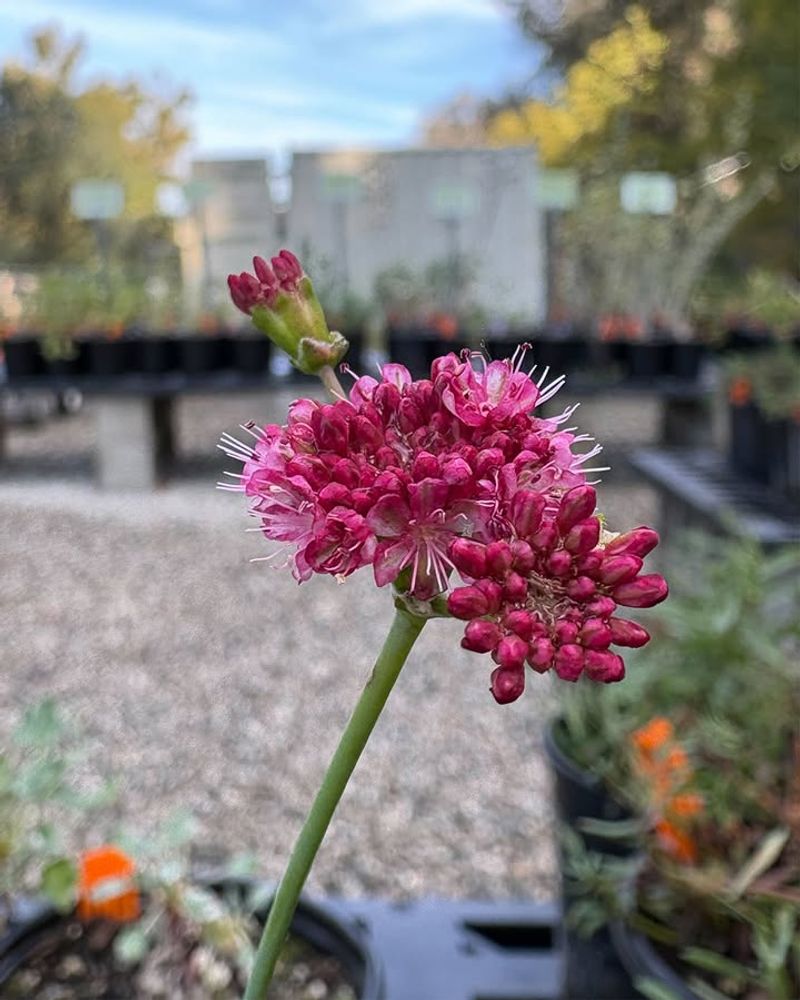
California is famous for its microclimates. A microclimate is a small area where the weather conditions are noticeably different from the surrounding region.
Think of a sun-facing garden wall in San Francisco or a sheltered courtyard in Pasadena. These spots can be several degrees warmer than open areas nearby.
In 2026, those warmer microclimates acted like little greenhouses. Plants growing in them got even more of a head start than gardens in more exposed locations.
South-facing slopes, urban heat pockets, and gardens near pavement or walls all saw earlier blooms because of this effect.
Urban areas like Los Angeles and San Jose tend to trap heat from roads and buildings, creating city-wide microclimates that push seasonal changes forward.
If your California garden sits in one of these naturally warmer spots, you have probably been enjoying flowers for weeks already.
Understanding your own microclimate can help you choose the right plants and set realistic expectations for your bloom season. It can also guide you on when to water, fertilize, and prune.
Your garden’s unique location is one of the most powerful tools you have as a California gardener.
Some Plants Bloom First
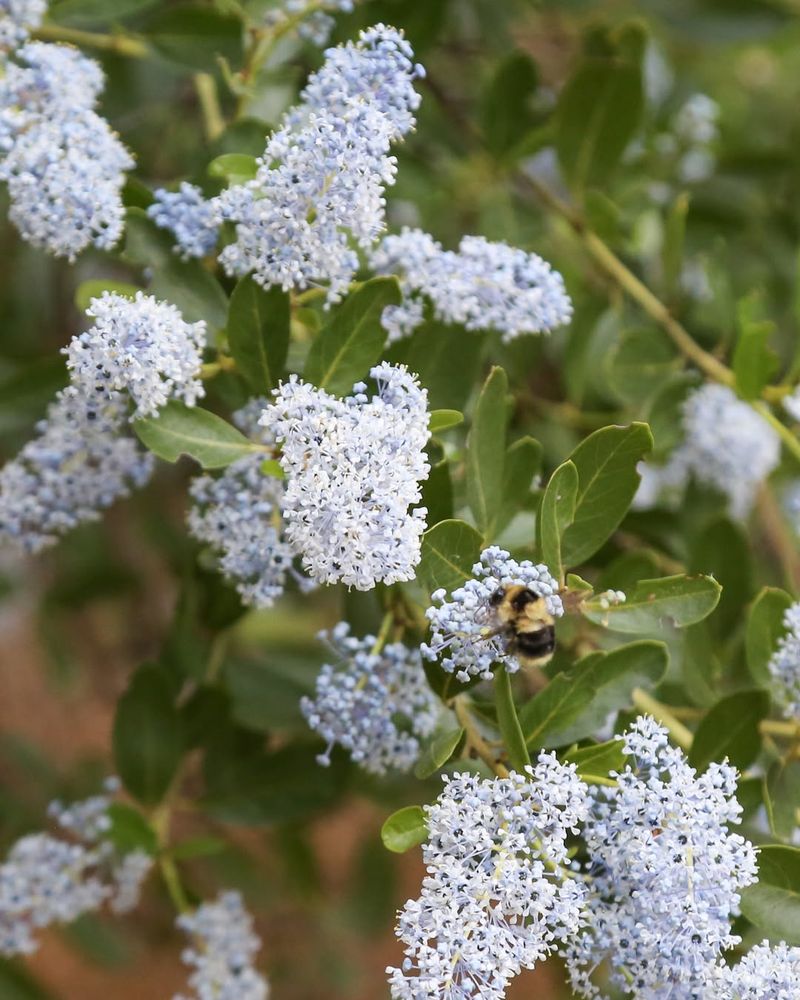
Not every plant in California is blooming early at the same rate. Some species are much more sensitive to temperature and rainfall cues than others, and those are the ones leading the charge in 2026.
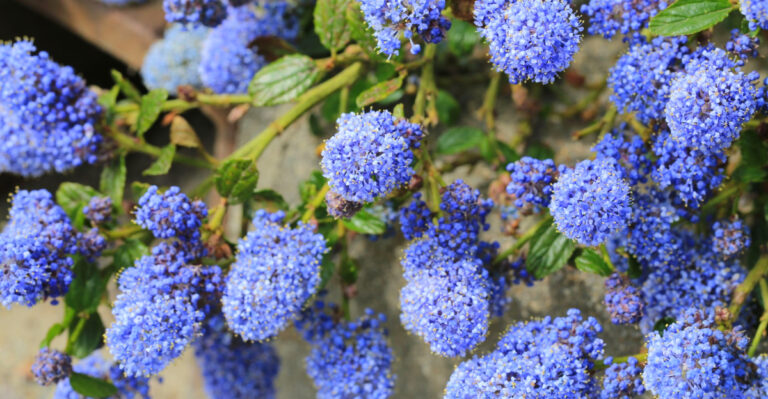
California poppies and ceanothus have all been spotted weeks ahead of their usual schedule this year. These plants have evolved to respond quickly to warmth and moisture, making them the first to show off their colors when conditions shift.
Gardeners across the state have been sharing photos of poppies carpeting hillsides in January and February, something that typically does not happen until March.
Knowing which plants bloom earliest in your area can help you plan a garden that looks beautiful from late winter onward. Mixing early bloomers with mid- and late-season plants keeps your California garden colorful for months at a time.
It also gives pollinators a consistent food source throughout the season. If you want to take advantage of the early bloom trend, consider adding more California native plants to your yard.
They are naturally tuned to local conditions and tend to respond most dramatically when the season shifts early.
Effects On Pollinators
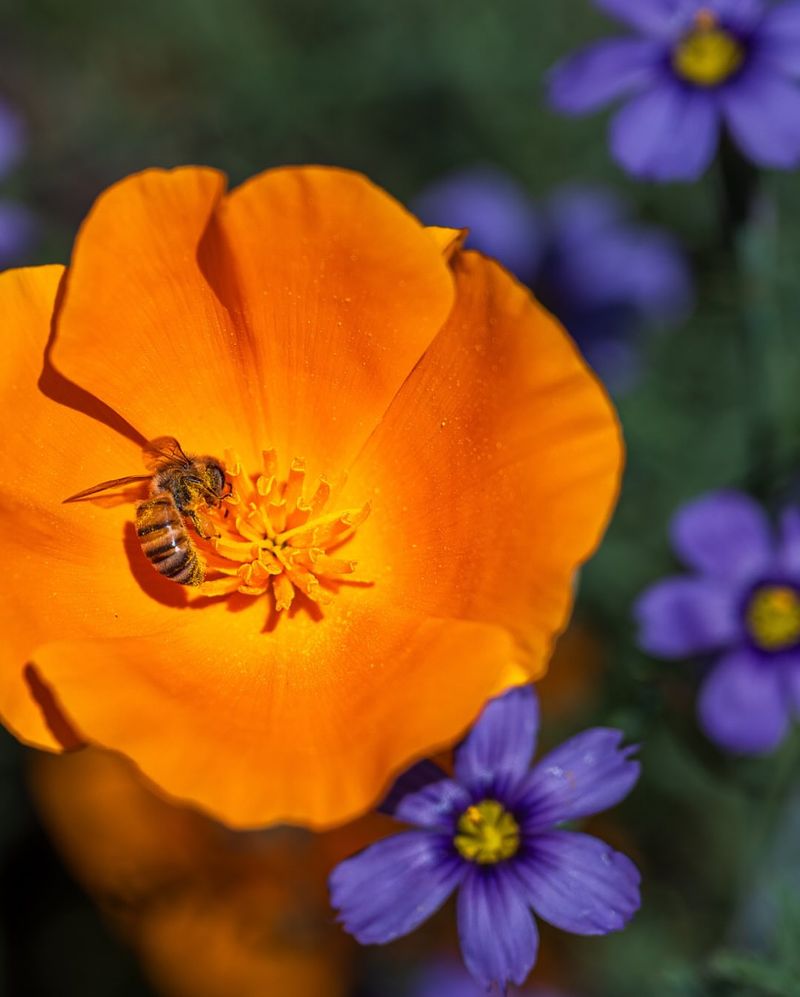
When flowers bloom early, pollinators do not always get the memo right away. Bees, butterflies, and hummingbirds follow their own internal clocks, which are tied to day length and temperature.
In 2026, some of California’s early blooms opened before their pollinators were fully active.
This mismatch is called a phenological gap, and it can affect how well plants get pollinated. If a flower opens but no bees are around yet, it may not produce fruit or seeds as successfully.
Farmers growing almonds and other early-blooming crops in California’s Central Valley have been watching this closely.
The good news is that California’s diverse climate means many pollinator species are already present year-round, especially in warmer coastal and southern regions. Gardeners can help by planting a wide variety of flowers that bloom at different times.
This gives pollinators options even when timing gets unpredictable. Adding water sources and avoiding pesticides also helps support bee and butterfly populations throughout the season.
A garden that supports pollinators is not just good for the environment. It also produces more fruit, more seeds, and more beautiful blooms, making your California garden healthier and more productive overall.
How Gardeners Can Adapt
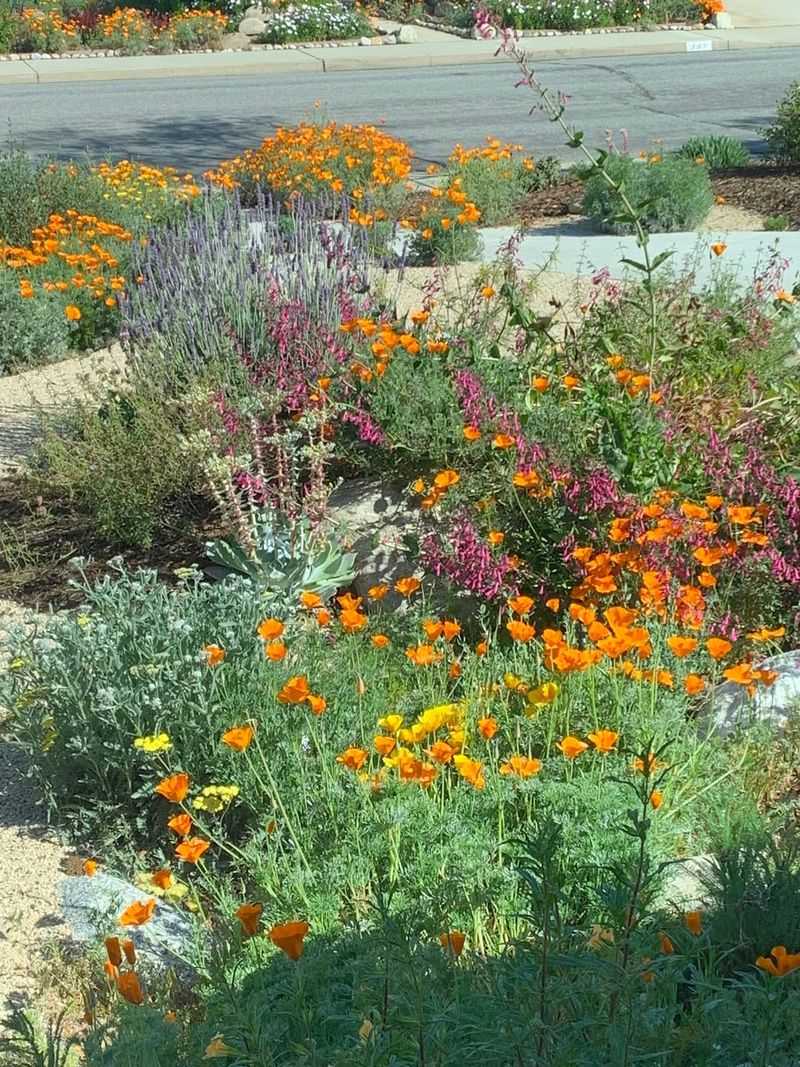
Early blooms are exciting, but they also come with new challenges. Gardeners across California are learning to adjust their routines to keep up with a season that keeps shifting forward.
The key is staying observant and flexible rather than sticking rigidly to last year’s calendar.
Start by keeping a garden journal. Write down when your plants first show buds, when they open, and when they fade.
Over a few years, you will build a personal record that is more useful than any general planting guide. You can also join local gardening groups in your California community to compare notes with neighbors who are dealing with the same changes.
Adjusting your watering schedule is another smart move. Earlier blooms often mean earlier dry spells, especially in Southern California.
Mulching your garden beds helps retain soil moisture and keeps roots cool as temperatures rise. If you grow vegetables, consider starting seeds a couple of weeks earlier than you normally would.
The earlier growing season creates a real opportunity for California gardeners who are willing to pay attention and adapt. Your garden can thrive in these changing conditions.
You just need to meet the season where it is, not where it used to be.