This Tiny Carnivorous Plant Is A Sure Sign Of Spring In California
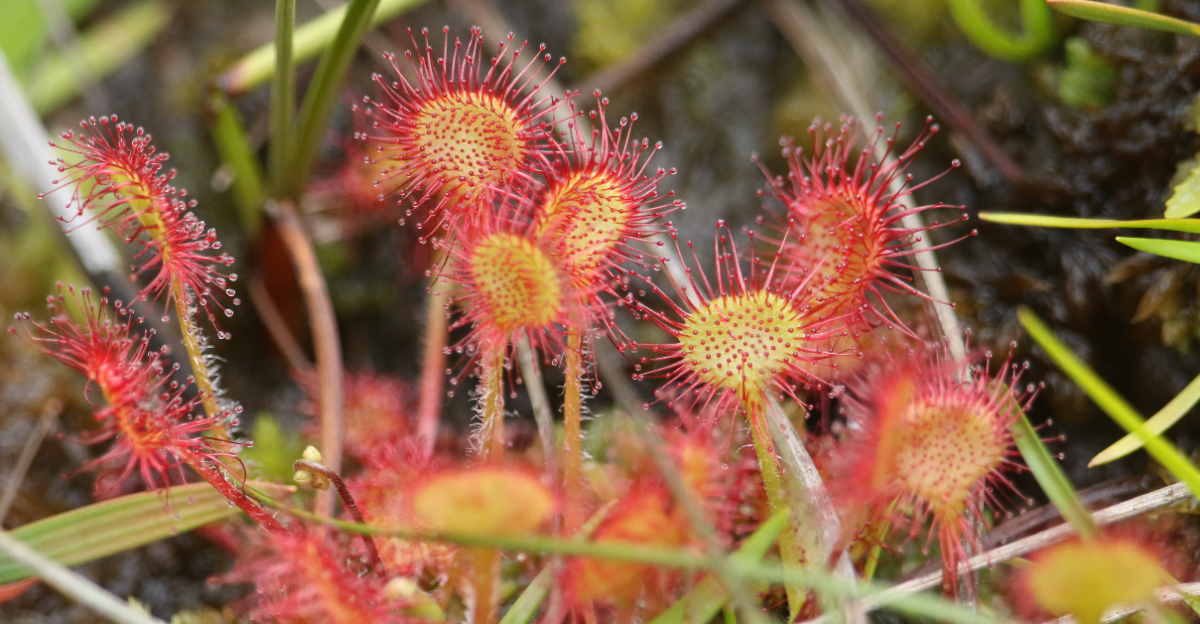
At first glance, you might miss it entirely. Tucked low to the ground in soggy meadows and along quiet seeps, the round-leaved sundew looks like a scatter of tiny, sparkling jewels.
Then the sunlight hits, and everything changes. Each small, circular leaf glistens with ruby tipped droplets that shimmer like morning dew, making this carnivorous plant one of California’s most mesmerizing spring surprises.
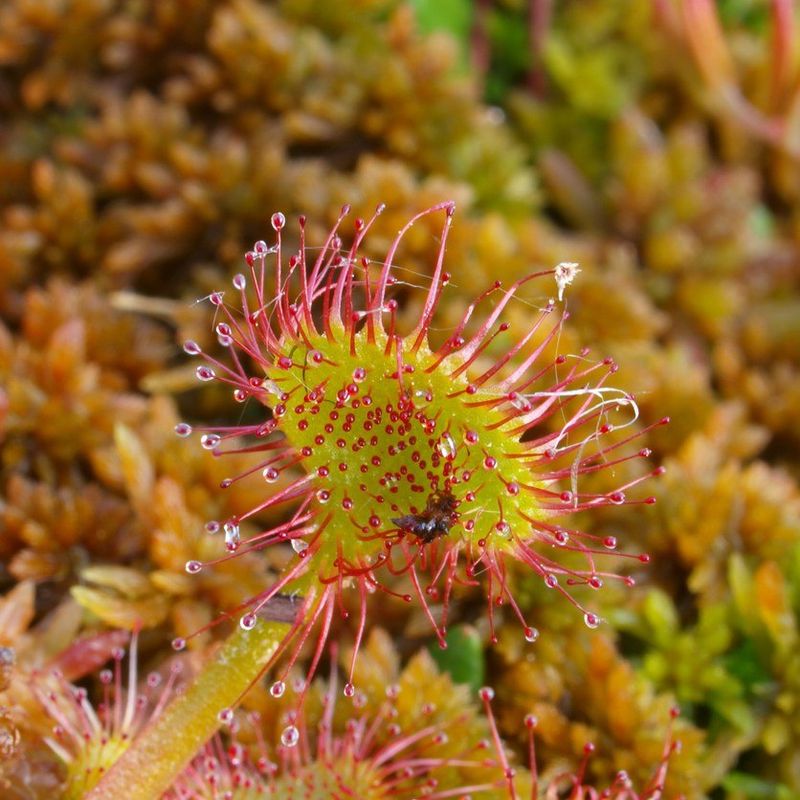
The round-leaved sundew may be petite, but it is brilliantly adapted. Those sticky, jewel like beads are actually part of a clever insect trapping system, helping the plant thrive in nutrient poor, boggy soil.
Spotting one in the wild feels like discovering a secret, especially since they tend to appear just as the landscape begins to wake up after winter.
When these tiny, glistening rosettes emerge, it is a quiet but certain signal that spring has officially arrived in California, bringing with it a whole new season of wild beauty.
It Catches Insects!
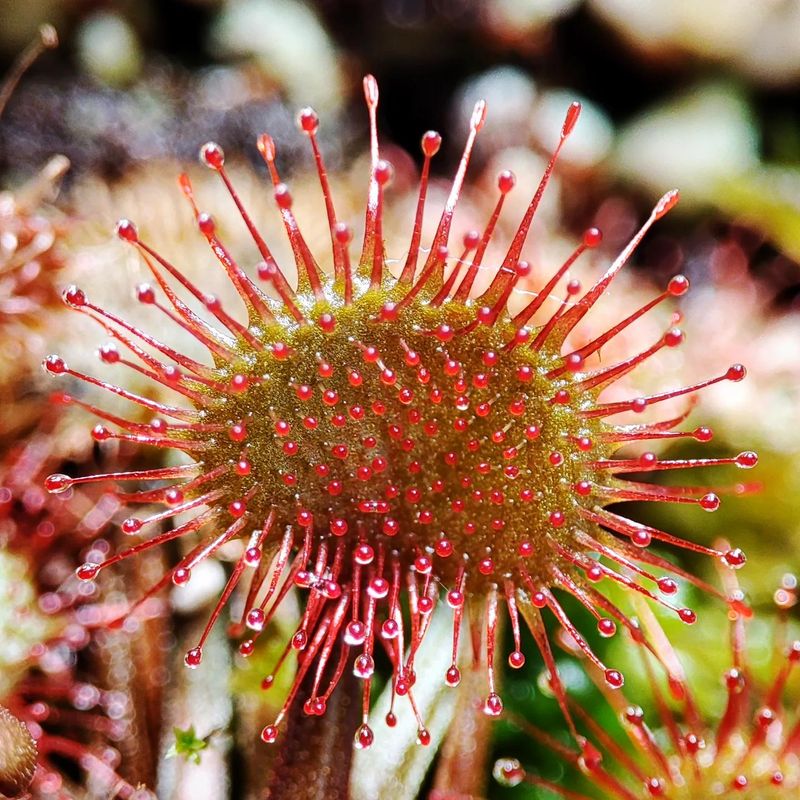
Imagine a plant covered in tiny, sparkling droplets that look just like morning dew. That is exactly what the round-leaved sundew looks like up close.
Each little hair on its leaf is tipped with a sticky, glistening glob of mucilage, which is a natural glue made by the plant itself.
When a small insect lands on the leaf, it gets stuck immediately. The more the bug struggles, the more stuck it becomes.
The hairs slowly curl inward, wrapping around the prey like a tiny, slow-motion trap.
This process can take anywhere from a few minutes to several hours depending on the size of the insect. The plant then releases digestive juices that break down the bug’s body, absorbing the nutrients it needs to grow.
In California’s wet boggy habitats, where the soil lacks nitrogen, this clever trick helps the sundew get the nutrition that the ground simply cannot provide. It is one of the most jaw-dropping survival strategies in the entire plant world.
California Is One Of Its Favorite Places To Grow
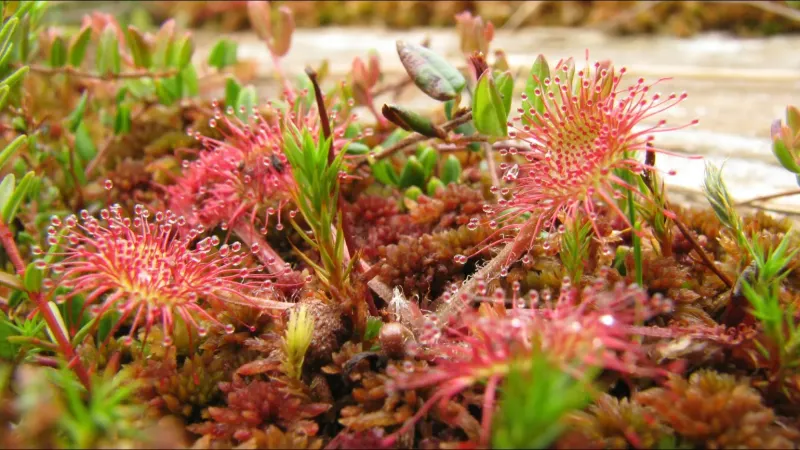
You might think carnivorous plants only grow in tropical jungles, but California is actually home to the round-leaved sundew.
This plant thrives in the wet, nutrient-poor bogs and fens of Northern California, especially in areas near the coast and in higher elevation meadows.
Places like Mendocino County and parts of the Sierra Nevada foothills are known hotspots for spotting this plant in the wild. The soggy, acidic soil found in these regions is exactly what the sundew loves.
Most plants would struggle to survive in such conditions, but the sundew does just fine because it gets its nutrients from insects rather than the ground.
Spring is the best season to visit these locations and see the sundew in action. As temperatures warm up and rain keeps the ground moist, the plants come back to life and begin their hunting season.
If you are a nature lover living in or visiting California, adding a sundew sighting to your spring bucket list is absolutely worth it. Just remember to look carefully since these plants are very small and easy to miss.
Your California Garden Changes Every Week. Your Plan Should Too.
Gardening in California changes quickly throughout the season. Every Friday you’ll receive a simple weekly plan showing exactly what to plant, prune, fertilize, harvest, and protect so you never miss the right timing.
Spring Is When It Wakes Up
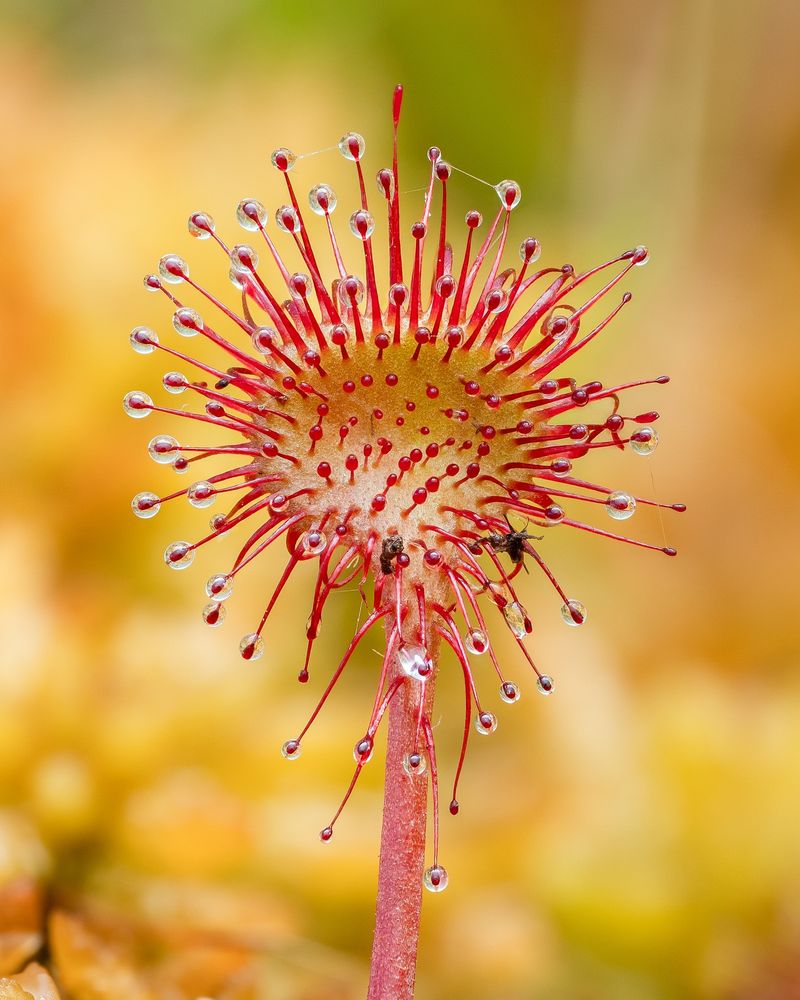
Every year, as winter fades and California’s rainy season begins to wind down, something magical happens in the bogs. The round-leaved sundew slowly wakes up from its dormant state and starts growing fresh, new leaves ready for another season of hunting.
Spring is truly prime time for this plant. The combination of longer days, warmer temperatures, and still-moist soil creates the perfect environment for the sundew to thrive.
New leaves unfurl in a circular shape, covered almost immediately with those iconic sticky red hairs.
Insects also become more active in spring, which means the sundew has plenty of food available right when it needs it most. Gnats, small flies, and other tiny bugs are the most common prey.
Watching a sundew in spring is like watching a tiny, patient predator come alive after a long rest.
For anyone exploring California’s natural areas between March and May, spotting a field of sundews catching the morning light is one of those unforgettable nature moments that reminds you just how wild and weird the plant kingdom truly is.
Its Leaves Are Smaller Than A Dime
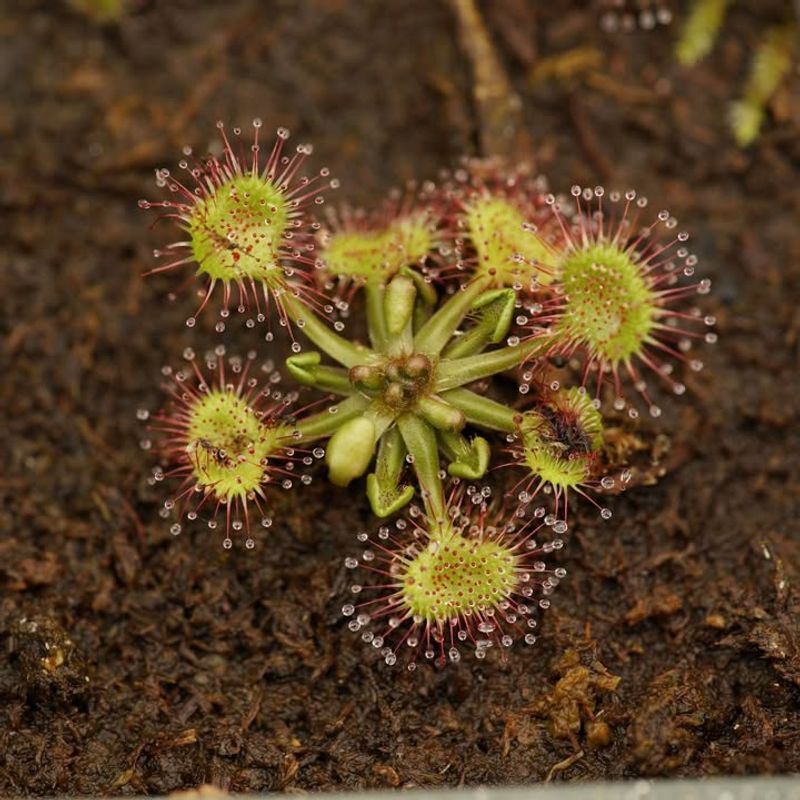
Do not let its size fool you. The round-leaved sundew is genuinely tiny, and its leaves are often no bigger than a dime or even smaller.
Each leaf is shaped like a little paddle or spoon, perfectly round at the tip, which is exactly how this plant got its name.
Despite being so small, each leaf is packed with dozens of hair-like structures called trichomes. Every single trichome is topped with a sticky, reddish drop that catches the light beautifully.
Up close, the plant almost looks like a piece of living jewelry.
The whole plant, including its stem and leaves together, usually measures just one to three inches tall. That is about the size of your thumbnail to your pointer finger.
Because of this tiny size, many hikers walk right past sundews without ever knowing they were there.
Getting down on your hands and knees in a California bog for a closer look is the best way to appreciate just how intricate and stunning these miniature hunters really are. Bringing a magnifying glass along makes the experience even better.
It Blooms With Delicate Flowers
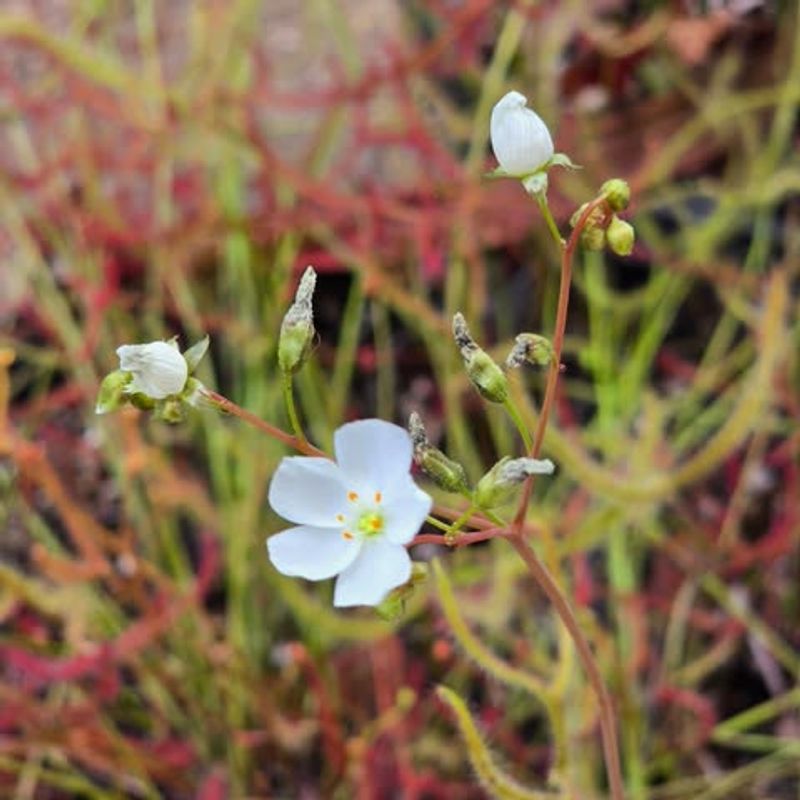
Here is something that surprises a lot of people: the round-leaved sundew actually produces flowers. For such a fierce little hunter, its blooms are surprisingly sweet and dainty.
The flowers are tiny, white or pale pink, and grow on thin upright stems that rise well above the sticky leaves below.
Blooming usually happens in late spring and early summer across California. The flowers open one at a time along the stem, starting from the bottom and working their way up.
Each bloom only lasts a single day before closing up again.
Scientists believe the plant keeps its flowers high above its trapping leaves on purpose. This way, pollinators like bees and small flies can visit the flowers safely without accidentally getting stuck on the sticky leaves below.
It is a smart design that shows just how well-adapted this plant is to its environment. Spotting a sundew in flower in a California bog is a rare and special treat.
The contrast between the delicate blooms and the fierce trapping leaves below makes this plant one of the most visually interesting wildflowers you can find in the state during spring.
It Grows In Bogs
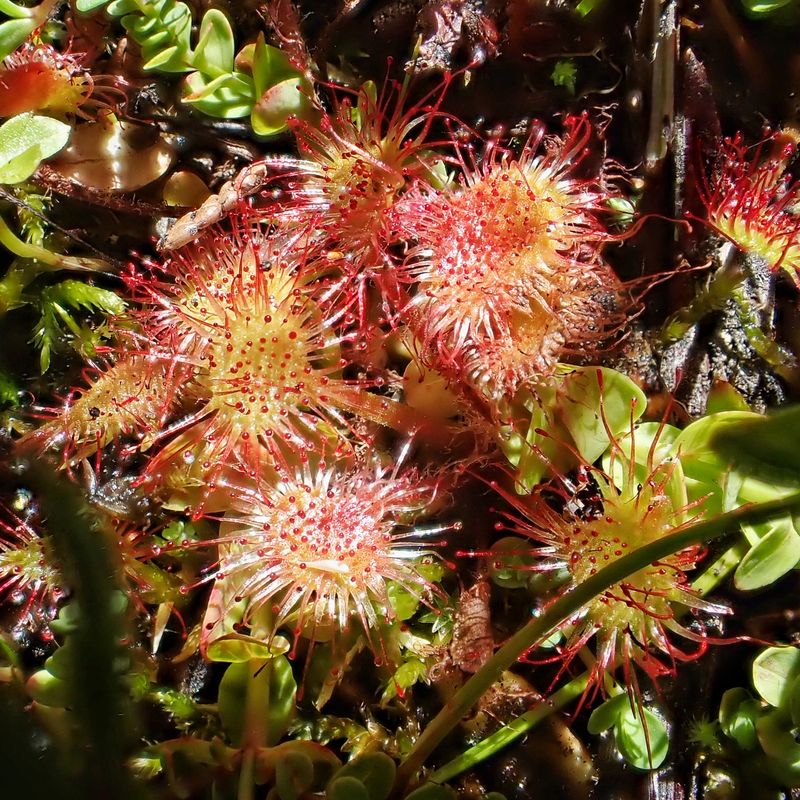
Most plants need rich, fertile soil to grow well. The round-leaved sundew plays by completely different rules.
It actually prefers growing in places where the soil is poor, wet, and highly acidic, like sphagnum moss bogs and fens. These are environments where most other plants simply cannot compete.
By choosing these extreme habitats, the sundew avoids competition from larger, faster-growing plants. In California, these soggy, acidic wetlands exist in some pretty unique and beautiful locations.
Coastal bogs in Mendocino and Humboldt counties are excellent examples.
The sphagnum moss that covers the ground in these bogs actually helps keep the environment acidic and wet, which is exactly what the sundew needs to thrive.
The moss also holds water like a sponge, keeping moisture levels high even during dry stretches in spring.
Growing in these tough conditions has shaped the sundew into a highly specialized plant. Its ability to feed on insects fills the nutritional gap that the poor soil creates.
It is a perfect example of how nature finds creative solutions to challenging environments, and California’s bogs are some of the best places in the country to witness this incredible adaptation firsthand.
Native Americans Used Sundew
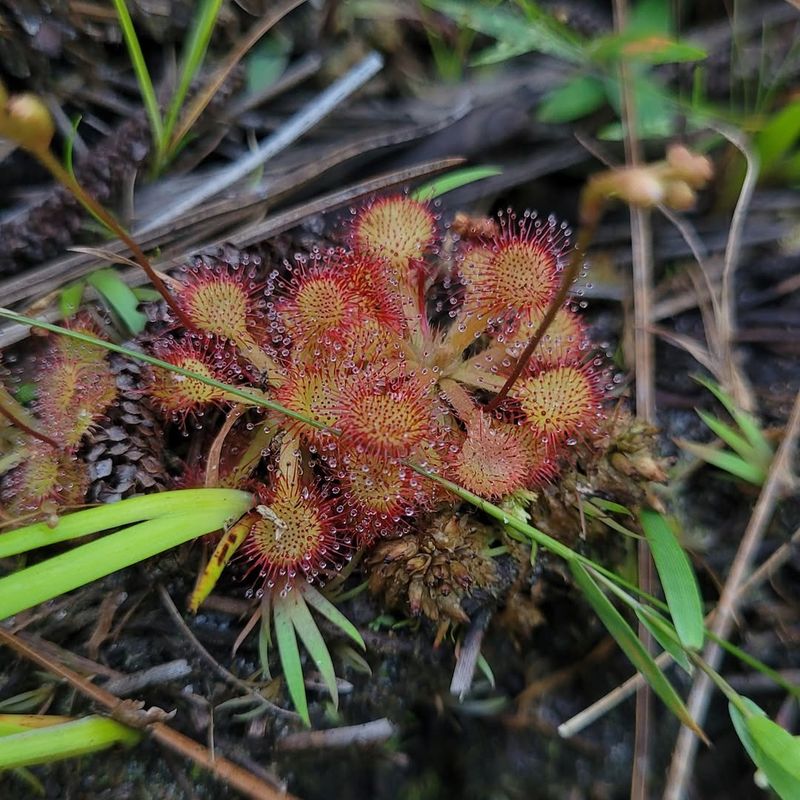
Long before botanists gave the round-leaved sundew its scientific name, Indigenous peoples across North America had already noticed this unusual plant.
Some Native Americans used sundew plants in traditional ways, recognizing their unique properties long before modern science caught up.
Certain tribes reportedly used preparations made from sundew leaves to address skin irritations and warts. The sticky, acidic mucilage produced by the plant was believed to have useful properties.
Herbalists in Europe also used related sundew species in folk medicine for centuries, particularly for respiratory complaints.
It is worth remembering that traditional plant knowledge developed over thousands of years of careful observation.
Native communities living near California’s bogs had deep relationships with the plants growing in their territories, and the sundew would certainly have stood out as something special and different.
Today, scientists continue to study sundew plants for potential compounds that might be useful in medicine. While you should never try to use wild plants as medicine on your own, the history of human interaction with the round-leaved sundew adds a rich cultural layer to an already fascinating plant.
It connects us to generations of people who found wonder in the same California bogs we can visit today.
You Can Help Protect This Wildflower
Seeing a round-leaved sundew in the wild is a special experience, but it also comes with responsibility. These plants are sensitive to habitat loss, pollution, and human disturbance.
California’s bogs and wetlands are among the most threatened ecosystems in the state, and protecting them matters a lot.
When visiting areas where sundews grow, always stay on marked trails and avoid stepping on the sphagnum moss. Even one footstep can crush dozens of tiny plants and damage the fragile bog ecosystem beneath your feet.
Never pick or collect sundew plants from the wild since they are protected in many areas of California.
Supporting local conservation organizations that protect California’s wetlands is one of the best ways to help. Groups focused on preserving coastal bogs and mountain fens do important work that keeps habitats like these healthy for future generations.
You can also report sundew sightings to citizen science platforms like iNaturalist, which helps researchers track where these plants are growing across California. Every observation shared adds to the scientific picture of how this species is doing.
Small actions by many people add up to real protection for one of spring’s most magical and mysterious little plants.